Search the blog
Tabla de contenidos
Understanding which vaccines you may need for the Peruvian Amazon is an important part of planning any rainforest adventure. Destinations such as Iquitos, Puerto Maldonado, Tambopata, and Pacaya Samiria offer extraordinary experiences among tropical forests, rivers, and protected natural areas. However, their environmental conditions also make certain preventive measures important for a safe and enjoyable trip.
Mosquitoes, warm temperatures, high humidity, and limited access to medical services in some rural areas make it advisable to research vaccinations, disease prevention, and basic health precautions before traveling. Not every visitor needs the same preventive measures. Recommendations depend on the destination, length of stay, planned activities, and individual health circumstances.
The most important considerations include yellow fever vaccination, assessing malaria risk, preventing dengue, and keeping routine immunizations up to date. It's also worth paying attention to safe drinking water, food hygiene, and protection against insect bites during rainforest excursions.
In this guide, you'll find information about the main health recommendations for visiting the Peruvian Amazon, differences between destinations, vaccination documentation, and practical preventive measures. Our goal is to help you plan your journey with reliable information and understand which precautions you should discuss with a healthcare professional before departure.
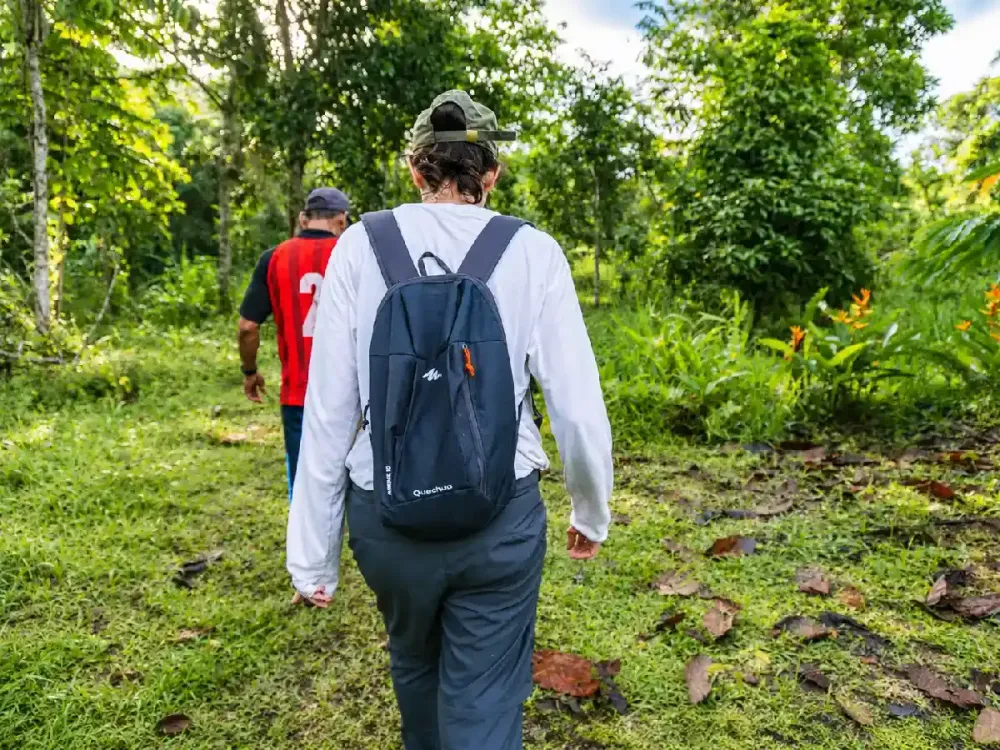
What Vaccines Do You Need to Travel to the Peruvian Amazon?
The vaccines recommended for visiting the Peruvian Amazon depend on your itinerary and individual circumstances. There isn't a single list of mandatory vaccinations for every tourist traveling to the rainforest, but specific health recommendations apply to certain tropical regions.
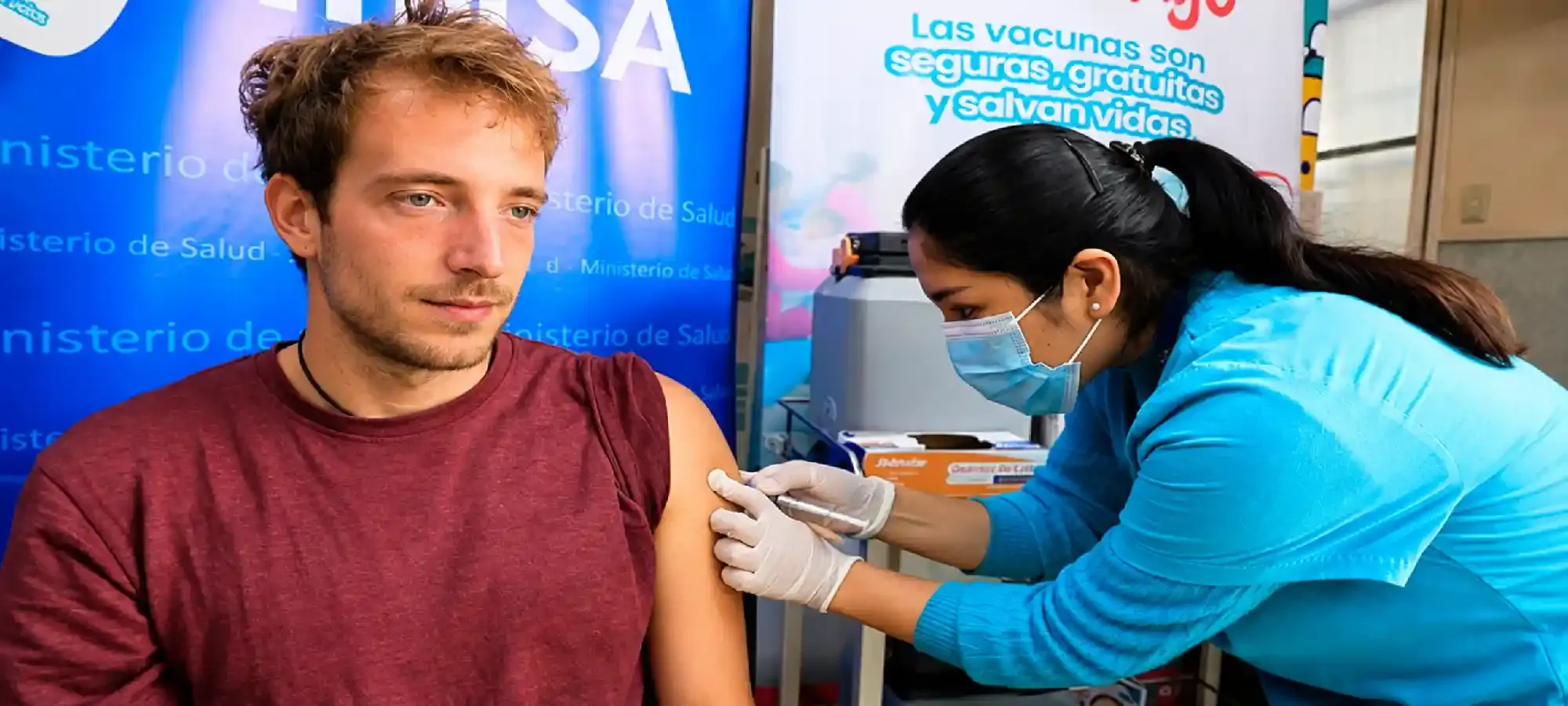
Yellow fever is one of the most important vaccine-preventable diseases to consider before visiting Amazonian areas where transmission is possible. Peru's Ministry of Health recommends getting vaccinated in advance when planning to travel to rainforest areas with a risk of yellow fever.
Keeping your routine vaccinations up to date is equally important. Depending on your medical history and travel plans, a healthcare professional may recommend immunization against hepatitis A, hepatitis B, typhoid fever, or other diseases. Each recommendation should be assessed individually, particularly for trips involving rural communities or extended stays.
| Vaccine | General Recommendation | What Travelers Should Know |
|---|---|---|
| Yellow fever | Recommended for Amazonian areas with transmission risk | Review eligibility and contraindications before traveling |
| Hepatitis A | Recommended for travelers who are not immune | Protects against an infection that can spread through contaminated food or water |
| Hepatitis B | Review according to vaccination history and risk factors | Ask whether the vaccination series should be started or completed |
| Typhoid fever | Consider depending on travel conditions | Particularly relevant when exposure to unsafe food or water is more likely |
| Tetanus and diphtheria | Keep routine vaccinations up to date | Check when your next booster is due |
| Measles, mumps, and rubella | Verify vaccination status | Important for international travel |
| Rabies | Consider in specific circumstances | May be recommended when animal exposure is more likely and medical care is difficult to access |
This table provides general guidance and does not replace a medical consultation. Recommendations may vary according to age, vaccination history, pre-existing medical conditions, and planned activities.
Before deciding which vaccines you need, it helps to understand the region you'll be visiting. Our complete Peruvian Amazon travel guide introduces the main destinations, ecosystems, and experiences available to travelers.
Yellow Fever Vaccine: When to Get It and Where It's Available
Yellow fever is a viral disease transmitted through the bites of infected mosquitoes. In Peru, the risk is concentrated in certain tropical and forested areas, making vaccination an important preventive measure for people planning to visit Amazonian destinations where transmission occurs.
Peru's Ministry of Health recommends receiving the vaccine at least ten days before traveling to an area with yellow fever risk. This period allows the body to develop protection before entering environments where transmission may occur. For this reason, reviewing your vaccination status early in the planning process is advisable.
For most people who are eligible to receive it, a single dose provides long-lasting protection, and routine booster doses are generally unnecessary. However, certain circumstances may require a healthcare professional to assess whether additional doses or specific precautions are appropriate.
The yellow fever vaccine isn't suitable for everyone. Travelers with certain immune system disorders, a history of severe allergic reactions to vaccine components, or particular medical conditions require specialist assessment. People aged 60 or older, pregnant travelers, breastfeeding mothers, and families traveling with infants should also seek medical advice before vaccination.
In Peru, yellow fever vaccination is available through facilities authorized by the Ministry of Health. To find a vaccination center, consult the official yellow fever vaccination service in Peru. It's best to confirm availability and appointment requirements before visiting.
If you're planning to explore protected reserves, rural forests, or lodges located far from major cities, explain your exact itinerary to a travel healthcare professional. Risk can vary within the same region and shouldn't be assessed solely according to your arrival city.
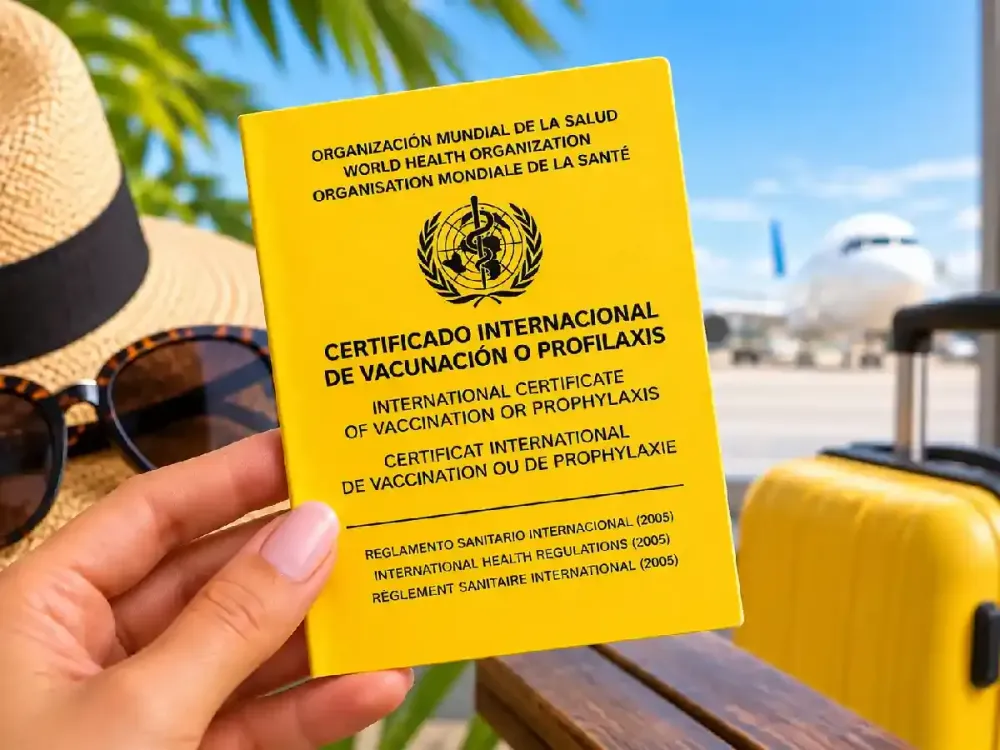
Is a Yellow Fever Vaccination Certificate Required to Enter Peru?
One of the most common questions among international travelers is whether they must present proof of yellow fever vaccination when entering Peru. It's important to distinguish between general immigration requirements and health recommendations for visiting specific regions.
According to the United States Centers for Disease Control and Prevention (CDC), Peru does not generally require a yellow fever vaccination certificate as a condition of entry into the country.
However, this doesn't mean the vaccine is unnecessary. Travelers planning to visit Amazonian areas where yellow fever transmission is possible should review the relevant health recommendations, even when proof of vaccination isn't required for general entry into Peru.
Some tour operators, activities, or specific circumstances may involve additional documentation or verification requirements. It's therefore advisable to confirm the conditions for entering particular areas and the requirements of any services you've booked.
You should also consider your complete international itinerary. Other countries may require an International Certificate of Vaccination or Prophylaxis for travelers arriving from countries with yellow fever risk, including Peru, depending on their individual regulations.
If you need this document, consult the official Peruvian government procedure for obtaining an international yellow fever vaccination certificate. An initial international yellow fever vaccination certificate generally becomes valid ten days after vaccination.
Before departure, always verify the current requirements of your destination country, transit countries, and any additional stops on your itinerary. Health regulations can change and shouldn't be confused with individualized medical recommendations.
Other Recommended Vaccines Before Visiting the Peruvian Amazon
In addition to yellow fever vaccination, several other vaccines may be relevant when preparing for a trip to the Amazon rainforest. Their necessity depends on your medical history, immunization status, length of stay, and planned activities.
Hepatitis A vaccination is commonly recommended for travelers who haven't previously been immunized. This infection can spread through contaminated food or water, making protection relevant for both city visits and excursions into rural areas.
Hepatitis B is transmitted primarily through contact with infected blood or certain bodily fluids. It's advisable to check whether you've completed the appropriate vaccination series, particularly if you're planning an extended stay or may encounter situations associated with increased exposure.
Typhoid vaccination may also be considered for certain itineraries. Because typhoid fever can spread through contaminated food and water, vaccination may be especially relevant when visiting rural communities or locations with limited sanitation facilities.
Routine vaccinations should also be up to date. Diseases such as measles, tetanus, and diphtheria remain important considerations regardless of the travel destination. A pre-travel consultation can help identify incomplete vaccination schedules and determine whether additional doses are needed.
In specific situations, such as extended work in rural areas, activities involving frequent animal contact, or limited access to prompt medical treatment, a healthcare professional may consider preventive rabies vaccination.
The best approach is an individualized assessment. You shouldn't assume that every vaccine mentioned is mandatory, nor dismiss its potential value simply because your trip will be short.
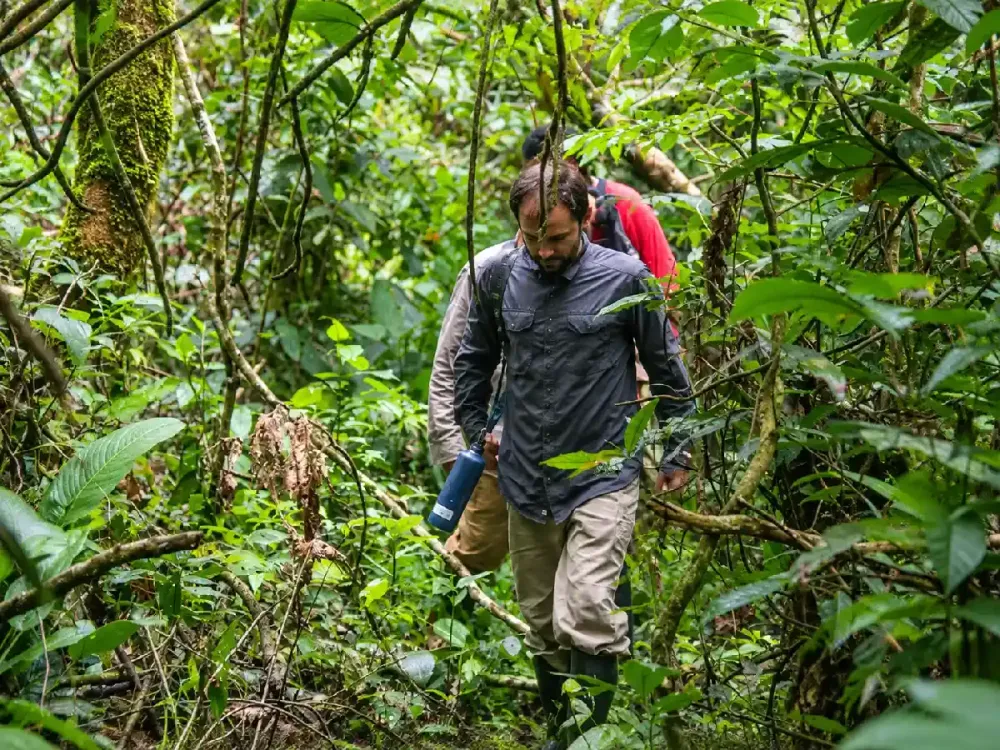
Malaria in the Peruvian Amazon: Risks and Prevention
Malaria is a parasitic disease transmitted through the bites of infected Anopheles mosquitoes. In Peru, malaria transmission occurs in certain Amazonian areas, although the level of risk varies by location and local conditions.
Unlike yellow fever, routine malaria prevention for travelers generally doesn't depend on a tourist vaccination program. The primary preventive measures involve avoiding mosquito bites and, when medically indicated, taking prescription antimalarial medication.
Not every visitor needs preventive malaria medication. The decision depends on the specific destination, length of stay, nighttime activities, medical history, and other individual factors. A city-focused visit may involve different exposure conditions from a longer expedition into remote rural areas.
For certain Amazonian destinations, a travel medicine specialist may recommend antimalarial medication. The choice should take into account the traveler's medical circumstances and parasite drug-resistance patterns in the region. These medications shouldn't be started without appropriate medical guidance.
Protection against mosquito bites remains important even when preventive medication is prescribed. Using insect repellent, wearing clothing that covers exposed skin, and staying in accommodations with mosquito nets or suitable protective barriers can help reduce exposure.
If you develop a fever, chills, a severe headache, or significant discomfort during your trip or after returning home, seek medical attention promptly. Always tell healthcare providers that you've recently visited the Amazon, as your travel history may be essential for assessing possible malaria or other tropical infections.
Dengue and Other Mosquito-Borne Diseases
Dengue is a viral disease transmitted primarily by Aedes mosquitoes. It occurs in several tropical regions of Peru and represents another important health consideration when planning a trip to the Amazon rainforest.
Symptoms may include fever, headache, muscle and joint pain, nausea, and general discomfort. Some people develop complications requiring medical care, so symptoms compatible with dengue should never be ignored.
The main recommendation for travelers is to prevent mosquito bites. Effective insect repellents, protective clothing, and accommodations with adequate insect barriers are useful during both daytime and nighttime activities. It's particularly important to remember that mosquitoes responsible for dengue transmission often bite during the day.
Other mosquito-borne or insect-borne diseases, including Zika and chikungunya, may also circulate in parts of the Amazon. Risk varies according to the location and epidemiological conditions at the time of travel.
Although vaccines exist for some mosquito-borne diseases, their availability and eligibility criteria don't mean that every tourist should receive them. In the case of dengue, vaccination recommendations depend on specific medical and public health considerations and should be discussed with qualified healthcare professionals.
If you develop a fever during your journey, seek medical care and avoid self-medicating. When dengue is suspected, aspirin and ibuprofen should generally be avoided until a healthcare professional has ruled out the disease because of potential bleeding complications.
To better understand the region's climate, explore our guide to the best time to visit the Peruvian Amazon. Although weather conditions affect tourism activities, mosquito protection remains important throughout the year.
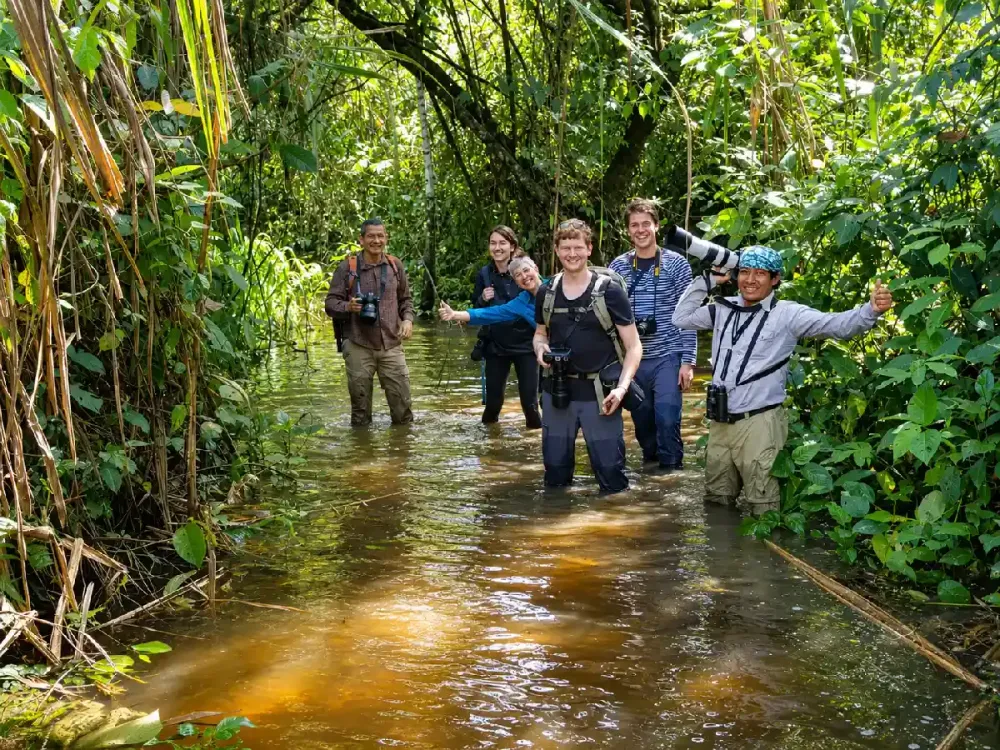
Vaccines and Health Recommendations for Traveling to Iquitos
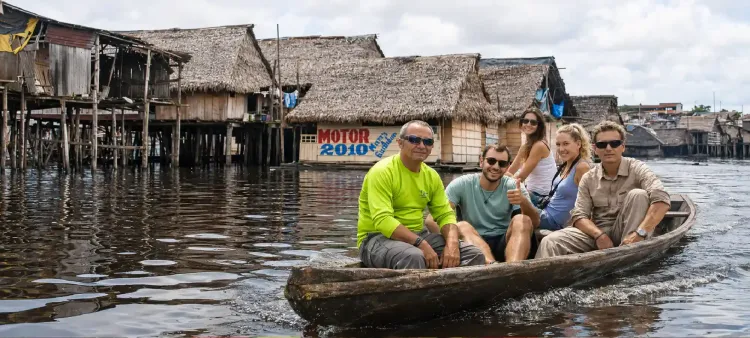
Iquitos is one of the main gateways to the Peruvian Amazon. Located in the Loreto region, it provides access to rivers, tropical forests, communities, and protected natural areas through excursions lasting anywhere from a few hours to several days.
Health recommendations should reflect the kind of experience you're planning. A trip focused on the city doesn't necessarily involve the same exposure conditions as an expedition through rural areas, flooded forests, or lodges located several hours away by boat.
Travelers visiting areas with yellow fever risk should review vaccination recommendations before departure. It's also important to assess malaria risk in the specific areas included in the itinerary and determine whether additional preventive measures are appropriate.
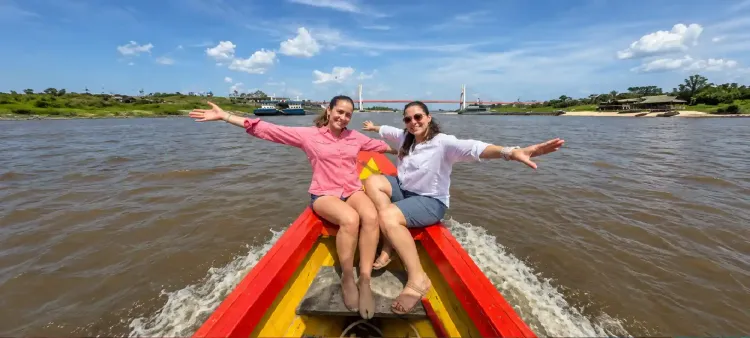
During boat excursions and rainforest walks, lightweight long-sleeved clothing, insect repellent, and sunscreen are recommended. Weather conditions can change quickly, so waterproof protection for medication and personal belongings is also useful.
To organize your trip, explore Iquitos in 4 days: city and rainforest itinerary, which presents different excursion options. We also recommend reading about the best time to visit Iquitos to understand how rainfall and river levels influence travel experiences.
If you're still arranging transportation, read how to get to Iquitos from Lima, Cusco, and other cities. Defining your route and length of stay will help you describe your itinerary accurately during a pre-travel medical consultation.
Health Precautions for Puerto Maldonado, Tambopata, and Pacaya Samiria
Puerto Maldonado and Tambopata are located in the Madre de Dios region, while Pacaya Samiria lies in Loreto. Although these destinations share tropical ecosystems, they have geographic, logistical, and epidemiological differences that should be considered when planning a trip.
In Puerto Maldonado, many visitors combine city activities with excursions to rainforest lodges, forest trails, and tropical lakes. Insect protection, proper hydration, and advance health preparation are important for these experiences.
Excursions in Tambopata may include hiking, boat transportation, and wildlife watching in areas away from the city. Before traveling, review your itinerary and ask a healthcare professional about preventive measures appropriate for the actual locations you'll visit.
Lake Sandoval is another major attraction in Madre de Dios. Excursions typically combine rainforest walks with activities on or near the water, making insect repellent, protective clothing, and adequate drinking water important. To understand the destination, read our guide to Lake Sandoval: how to get there and what wildlife to see.
Pacaya Samiria, meanwhile, covers an extensive protected area where some tourism programs involve several days of river navigation. When visiting remote locations, it's particularly important to bring regular medication, essential first-aid supplies, and information about available medical assistance.
To prepare for these experiences, explore our Tambopata National Reserve guide and complete Pacaya Samiria National Reserve guide. Both provide information about their natural environments and visitor activities.
If you haven't decided which region to visit, our comparison of Iquitos or Puerto Maldonado: which should you choose? can help you understand the differences before requesting destination-specific medical recommendations.
How to Prevent Insect Bites During Rainforest Excursions
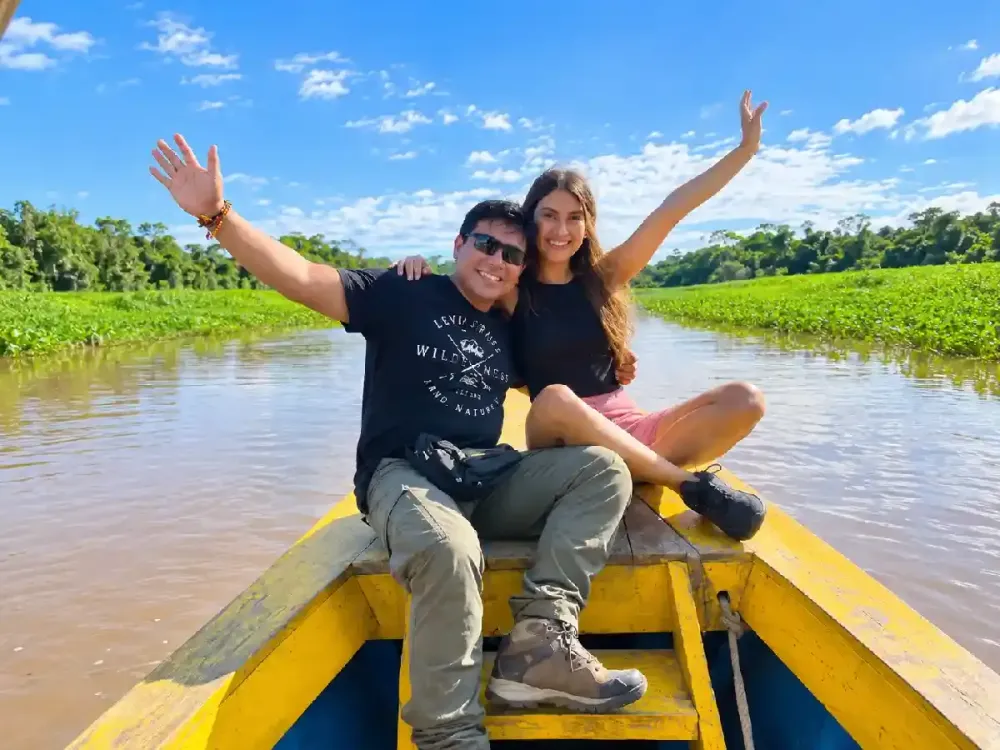
Preventing insect bites is one of the most important measures for reducing health risks during a visit to the Peruvian Amazon. Mosquitoes can transmit several diseases, and their activity patterns vary by species, so protection should be maintained throughout the day.
Use registered insect repellents containing effective ingredients such as DEET or picaridin, following the manufacturer's instructions and restrictions. The appropriate concentration, application frequency, and suitability depend on the product formulation and the individual traveler.
Lightweight long-sleeved shirts and long pants help reduce the amount of exposed skin. These garments are particularly useful during hikes through dense vegetation and boat journeys.
Accommodations with mosquito nets in good condition, screened windows, or suitable insect barriers can offer additional protection while resting. When appropriate, permethrin-treated clothing may also be considered according to product instructions. Permethrin products intended for fabric treatment should never be applied directly to the skin.
| Preventive Measure | Main Benefit | Recommendation |
|---|---|---|
| Insect repellent | Reduces exposure to bites | Apply according to product instructions |
| Long-sleeved shirts | Protect exposed skin | Choose lightweight, breathable fabrics |
| Long pants | Reduce exposed skin | Wear during rainforest hikes |
| Mosquito nets | Provide protection while sleeping | Check that nets are in good condition |
| Permethrin-treated clothing | Provides additional protection against insects | Use only as directed |
| Protected accommodation | Helps prevent insects from entering rooms | Check windows and protective barriers |
| Checking skin and clothing | Helps identify attached insects | Check after outdoor excursions |
It's also important to avoid unnecessary contact with wildlife and inspect your clothes and shoes before wearing them, particularly if they've been left outside your room.
To prepare the right clothing and accessories, read our complete Peruvian Amazon packing list, which includes recommendations for hiking shoes, backpacks, protective clothing, and essential personal items.
Drinking Water, Food Safety, and Hygiene in the Rainforest
Hydration and food safety are also important aspects of preparing for a trip to the Peruvian Amazon. High temperatures and humidity can increase fluid loss, particularly during rainforest walks and other outdoor activities.
Drink water from a safe source. If you're uncertain about the quality of the local supply, choose appropriately treated or sealed bottled water. It's also advisable to pay attention to ice and beverages prepared with water of unknown origin.
When eating, choose establishments that follow good food hygiene practices. Foods requiring cooking should be thoroughly prepared, and fruits and vegetables should be washed with safe water or peeled when appropriate.
Washing your hands regularly with soap and water is a basic measure for reducing gastrointestinal infections. When washing facilities aren't available, a suitable hand sanitizer can be used, although it doesn't fully replace handwashing when hands are visibly dirty.
During longer excursions, carry sufficient safe drinking water and confirm whether your tour operator provides it. Your requirements will depend on the activity's duration, level of exertion, and weather conditions.
Travelers with special dietary needs should inform their tour operator or accommodation before departure. This allows suitable options to be arranged and reduces the need to depend on food services that may be difficult to access in remote areas.
Travel First-Aid Kit and Health Preparation Before Entering the Amazon
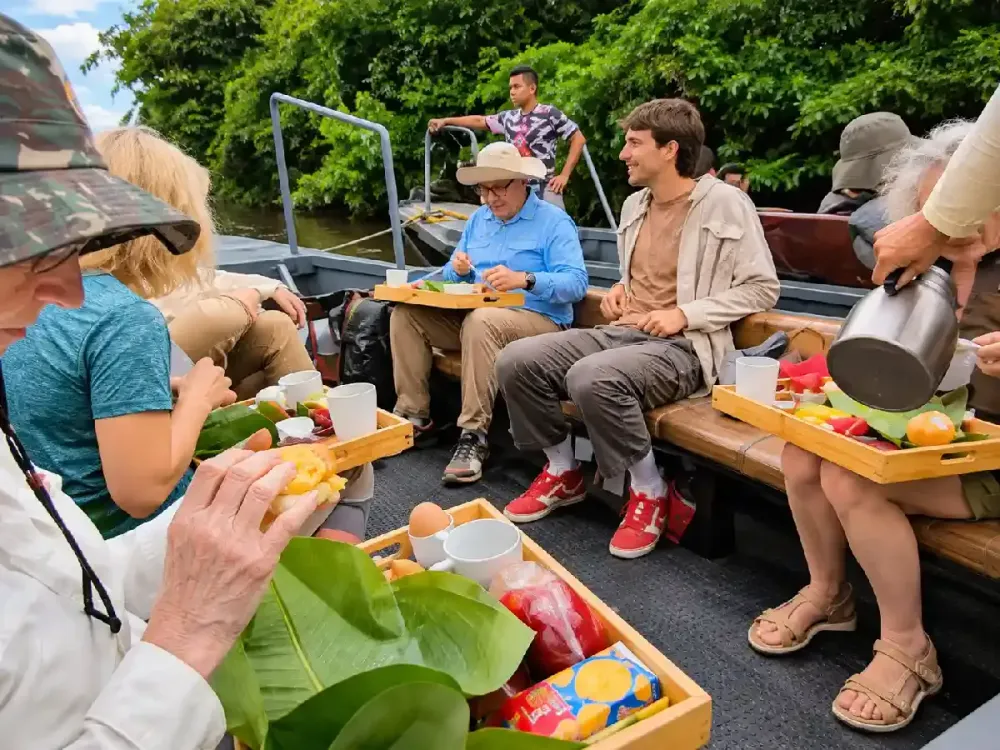
Preparing a personal first-aid kit is a practical step for travelers visiting the Peruvian Amazon, especially when their itinerary includes hiking, river navigation, or stays at rural lodges. The contents should reflect individual needs and the length of the journey.
Bring enough of your regular medication for the entire trip, preferably in its original packaging and accompanied by any necessary prescriptions. Keeping medicines inside waterproof bags can also help protect them from humidity.
Basic supplies may include adhesive bandages, sterile gauze, materials for cleaning minor wounds, a thermometer, oral rehydration salts, and other items recommended by a healthcare professional. There's no need to carry unnecessary medication or use preventive treatments without medical guidance.
Before traveling, check whether your insurance provides medical coverage in rural areas and includes emergency transportation. In some parts of the Amazon, evacuation may require lengthy boat journeys or additional transfers before reaching a healthcare facility.
It's also useful to keep personal documents, emergency contacts, and important medical information readily accessible. During multi-day expeditions, your guide should be aware of any relevant health circumstances that might require special attention.
The following table provides a general preparation timeline for an Amazon rainforest journey.
| Time Before Travel | Recommended Preparation |
|---|---|
| 4–6 weeks before departure | Schedule a travel medicine consultation and review vaccinations |
| At least 10 days before | Receive yellow fever vaccination if recommended and appropriate |
| Before departure | Confirm whether malaria prevention is needed |
| Final days before traveling | Check medication, first-aid supplies, and travel insurance |
| During the trip | Maintain insect protection, hydration, and good hygiene |
| After returning home | Seek medical care if symptoms develop and disclose your travel history |
These recommendations don't replace the specific timing required for individual vaccines or medications. Some vaccines require multiple doses, while certain preventive medicines must be started before travel and continued after leaving a risk area.
If your itinerary includes other destinations in Peru, explore our guide to combining Machu Picchu and the Amazon rainforest. You can also read how to get to the Peruvian Amazon from Lima and Cusco to organize transportation and allow enough time for the necessary preparations.
Final Health and Safety Tips for Visiting the Peruvian Amazon
Preparing for a trip to the Peruvian Amazon involves much more than choosing excursions and booking accommodation. It's also important to review recommended vaccinations, understand potential health risks, and take preventive measures suited to your planned activities. Yellow fever, malaria, and dengue require particular attention in certain tropical areas, although recommendations may vary by region and traveler. Researching these considerations in advance helps you organize your itinerary and avoid last-minute decisions.
Before departure, schedule a travel medicine consultation and share your complete itinerary, including arrival cities, rural destinations, and the duration of excursions. This information helps healthcare professionals identify which vaccines may be appropriate, evaluate the need for preventive medication, and review possible contraindications. If you have a medical condition, take regular medication, or are traveling with young children, individualized advice is especially important.
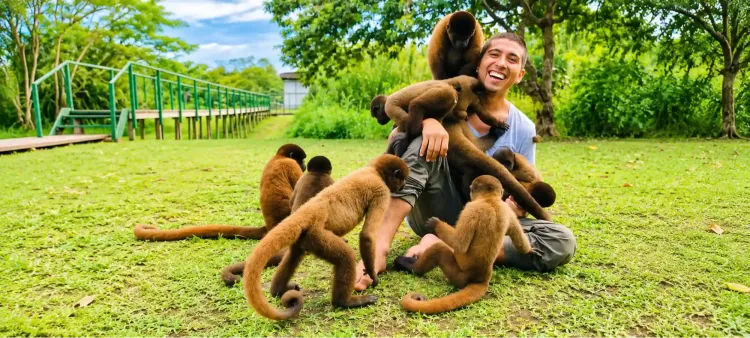
During your stay, maintain protection against insects, drink safe water, and wear clothing appropriate for rainforest conditions. Follow your guides' instructions and avoid handling wild animals, even when they appear harmless. To learn about some of the species living in these ecosystems, explore our guide to animals of the Peruvian Amazon, which explains how to enjoy responsible wildlife watching.
If you develop a fever or other significant symptoms during your excursion or after returning home, seek medical attention and explain that you've recently visited the Amazon. This is particularly important after traveling to areas with malaria transmission or other tropical diseases. Don't assume symptoms will resolve on their own or begin treatment without a professional assessment. Having suitable travel insurance and understanding emergency medical procedures also contributes to a better-organized experience.
At Dreamy Tours, we can help you plan experiences in Iquitos, Pacaya Samiria, Puerto Maldonado, and Tambopata according to your travel dates, interests, and available time. Our programs provide opportunities to discover tropical landscapes, navigate Amazonian rivers, and explore some of Peru's most remarkable ecosystems. Before booking, review the characteristics of your chosen program, discuss health recommendations with a qualified professional, and prepare for your Amazon adventure with confidence, responsibility, and thoughtful planning.
Personal travel advice
Plan your trip with Dreamy Tours
Start a tailored journey with our exclusive tours and custom trips across Peru and other Latin American countries.