Search the blog
Tabla de contenidos
Iquitos or Puerto Maldonado? If you are planning a trip to the Peruvian Amazon, choosing between these two destinations is one of the most important decisions you will make. Both offer the opportunity to explore tropical rainforests, navigate rivers, and discover extraordinary biodiversity, but their landscapes, activities, and accessibility are quite different. While Iquitos is known for its vast river systems and flooded forests, Puerto Maldonado provides access to protected nature reserves, tropical lakes, and well-known macaw-watching areas.
Iquitos, the capital of the Loreto region, is one of the main gateways to the northern Peruvian Amazon. Its close relationship with the rivers, distinctive cultural heritage, and expeditions to Pacaya Samiria National Reserve make it an appealing choice for travelers who want to experience the rainforest from the water. Puerto Maldonado, located in Madre de Dios in southeastern Peru, is especially known for its proximity to Tambopata National Reserve and Lake Sandoval.
Your decision will also depend on practical considerations, such as transportation from Lima or Cusco, the time of year, your budget, and the number of days available. A traveler interested in Amazonian culture and river exploration may have different priorities from someone who prefers rainforest hiking and bird photography.
In this guide, we compare both destinations to help you make an informed choice. If you are still discovering what the region has to offer, explore our complete Peruvian Amazon travel guide and discover the 10 best places to visit in the Peruvian Amazon.
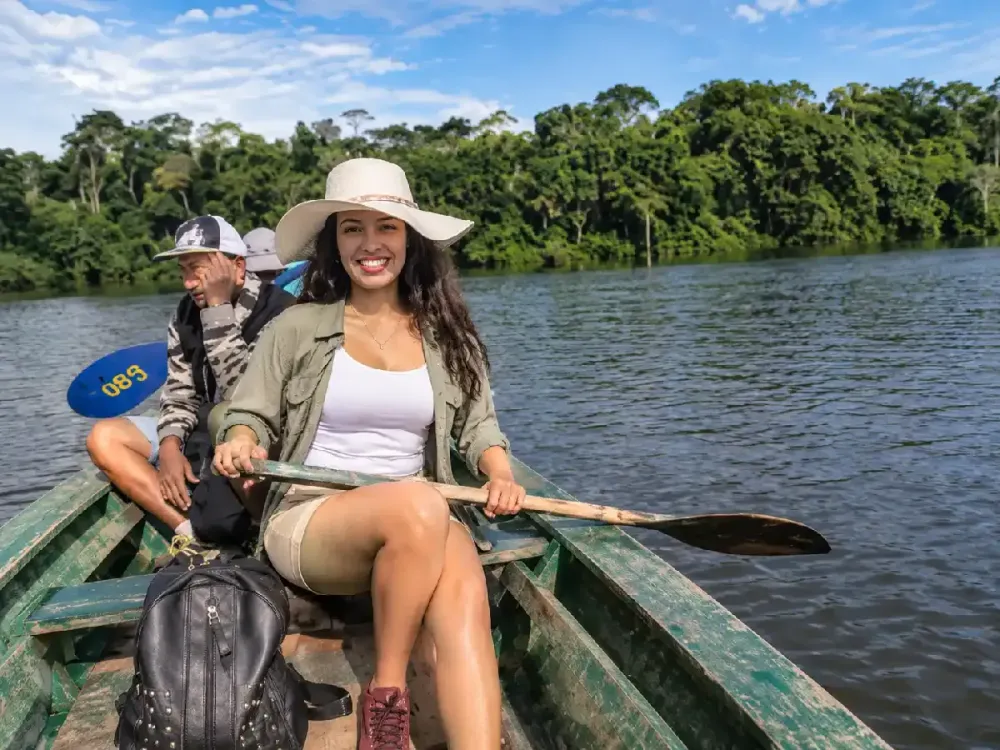
Iquitos vs. Puerto Maldonado: Main Differences
Although both destinations are part of the Peruvian Amazon, they are located in different regions and have distinct geographical characteristics. Iquitos lies in Loreto, surrounded by an extensive network of rivers connecting communities, forests, and seasonally flooded environments. Puerto Maldonado is located in Madre de Dios and has a road connection with Cusco via the Interoceanic Highway.
These differences directly influence the tourism experiences available. In Iquitos, many excursions take place along rivers, channels, and forests that change with seasonal water levels. In Puerto Maldonado, activities combine river transportation, rainforest hikes, lake visits, and wildlife observation in different tropical forest environments.
| Feature | Iquitos | Puerto Maldonado |
|---|---|---|
| Region | Loreto | Madre de Dios |
| Location | Northern Peruvian Amazon | Southeastern Peruvian Amazon |
| Main access | Flights or river transportation | Flights or road transportation |
| Major attractions | Amazon River, Pacaya Samiria, Yanayacu | Tambopata, Lake Sandoval, macaw clay licks |
| Landscapes | Large rivers and flooded forests | Tropical forests, rivers, and lakes |
| Experiences | River navigation, nature, and culture | Hiking, river excursions, and wildlife |
| Suggested duration | 3 to 5 days | 2 to 4 days |
| Combining with Cusco | Usually requires planning flight connections | Road connection available |
The best destination depends on what you hope to experience in the rainforest. If you dream of exploring the great rivers of Loreto, Iquitos may be an excellent option. If you prefer visiting Tambopata and combining an Amazon adventure with Machu Picchu, Puerto Maldonado may fit your itinerary more easily.
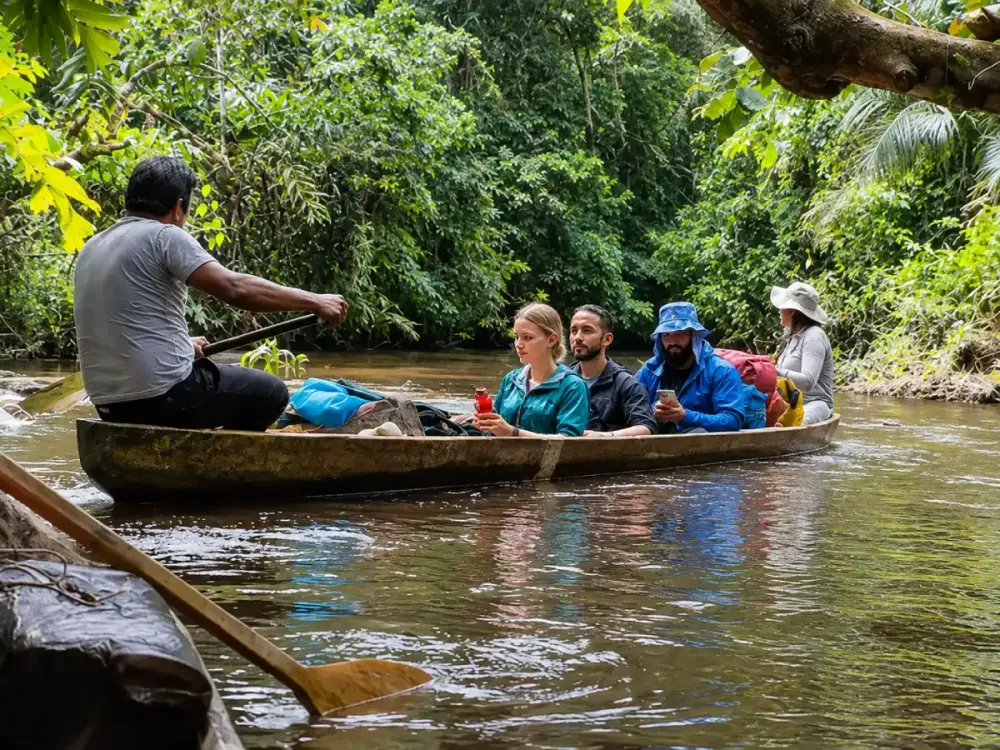
What Can You See and Do in Iquitos?
Iquitos is a city whose history is closely connected to Amazonian rivers. Its markets, traditional neighborhoods, cuisine, and river commerce reflect a distinctive regional identity. One of its most unusual characteristics is that it has no direct road connection to Peru's national highway network, so most visitors arrive by plane.
Among its urban attractions are the Belén neighborhood and the riverside promenade, along with markets where visitors can discover regional ingredients and traditional dishes such as juane and tacacho con cecina. These experiences offer an introduction to everyday Amazonian life beyond the rainforest itself.
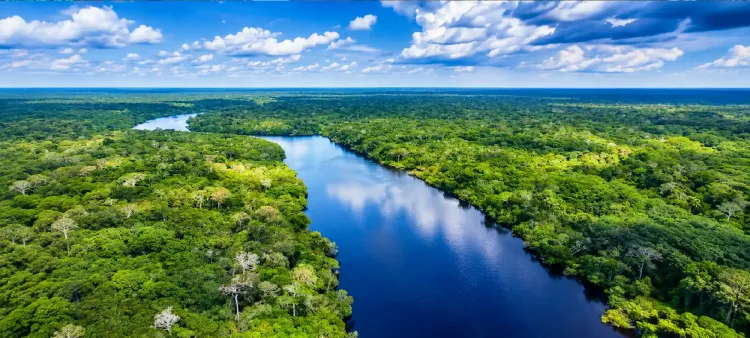
Outside the city, the Amazon River region provides opportunities to navigate major waterways and appreciate tropical landscapes. Another important destination is Pacaya Samiria National Reserve, often called the Jungle of Mirrors because of the reflections created by its flooded forests and lagoons. Expeditions allow visitors to explore habitats supporting birds, monkeys, caimans, and many other wildlife species.
Yanayacu is another interesting option for discovering Loreto's river landscapes. Its waterways and forest-lined channels provide opportunities for guided boat excursions and nature observation, with itineraries that may extend over several days.
To explore these experiences, take a look at the Iquitos Amazon rainforest tours, including Pacaya Samiria expeditions, Yanayacu programs, and specialized birdwatching adventures.
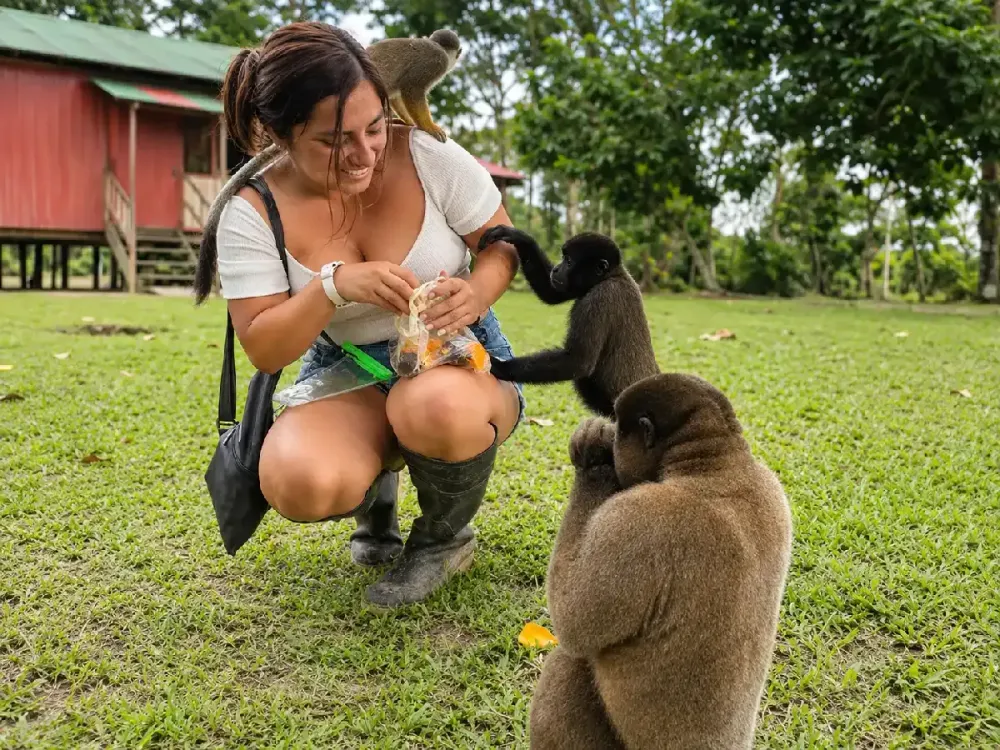
What Can You See and Do in Puerto Maldonado and Tambopata?
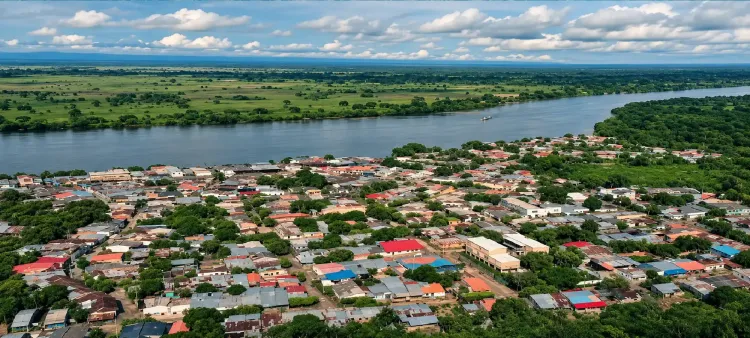
Puerto Maldonado is one of the main gateways to the southeastern Peruvian Amazon. Its location in Madre de Dios and road connection with Cusco make it possible to include a rainforest experience after exploring the Sacred Valley and Machu Picchu.
One of its most important attractions is Tambopata National Reserve, which protects approximately 274,690 hectares of Amazonian ecosystems. These environments provide habitats for numerous species of birds, mammals, reptiles, and amphibians, along with an impressive variety of tropical plants.
Lake Sandoval is one of the region's most recognizable destinations. Visiting the lake normally involves a boat journey from Puerto Maldonado, followed by a walk of approximately three kilometers along a forest trail. Its calm waters, surrounded by palm trees and dense tropical vegetation, provide an attractive setting for observing birds, monkeys, caimans, and, under favorable conditions, giant river otters.
Another highlight is the region's macaw clay licks, where certain bird species gather to consume clay. Chuncho Clay Lick is one of the best-known locations for this activity, particularly among travelers interested in wildlife photography.
If you would like to explore more attractions, read about the 6 places you need to visit in Puerto Maldonado and the Peruvian Amazon from Puerto Maldonado.
You can also browse the Puerto Maldonado rainforest tours, with different options for exploring Lake Sandoval and Tambopata.
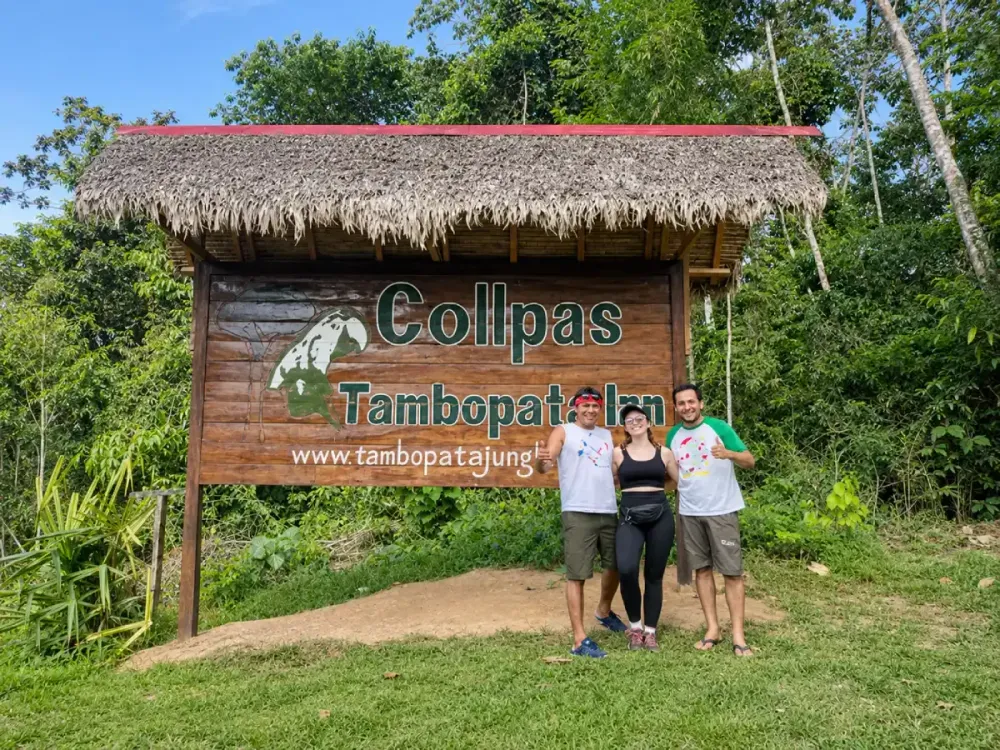
Which Is Better for Wildlife Watching: Iquitos or Puerto Maldonado?
Wildlife watching is one of the most popular reasons to visit the Peruvian Amazon. Both destinations have exceptionally diverse ecosystems, but the species visitors may encounter and the conditions for observing them vary according to habitat and season.
In Iquitos, excursions along rivers, lakes, and flooded forests explore environments inhabited by aquatic birds, monkeys, caimans, and other species associated with major river systems. Certain areas also provide opportunities to see river dolphins.
Puerto Maldonado is particularly known for places such as Lake Sandoval and Tambopata's macaw clay licks. Lakes offer opportunities to look for birds, caimans, and giant river otters, while the clay licks can be excellent places to observe macaws when conditions are favorable.
| Wildlife or Experience | Iquitos | Puerto Maldonado |
|---|---|---|
| Monkeys | Riverside forests and other natural areas | Rainforest trails and tropical forests |
| Macaws | Different Amazonian environments | Specialized clay-lick viewing areas |
| River dolphins | Possible in certain areas | Not a typical highlight of the main tours |
| Caimans | Rivers, lakes, and wetlands | Lakes, rivers, and wetlands |
| Giant river otters | Present in certain areas of Loreto | Lake Sandoval and other protected habitats |
| Birdwatching | Rivers, forests, and specialized excursions | Lakes, clay licks, and forest trails |
| Nature photography | River landscapes and wildlife | Forests, lakes, and birds |
If your main goal is to see macaws gathering at clay licks, Tambopata has particularly well-known sites for this experience. If you are more interested in the wildlife associated with Loreto's large rivers and flooded forests, Iquitos may be more appealing.
In both destinations, animals live freely in their natural habitats, and sightings depend on their behavior. Responsible tours should never guarantee encounters with specific species.
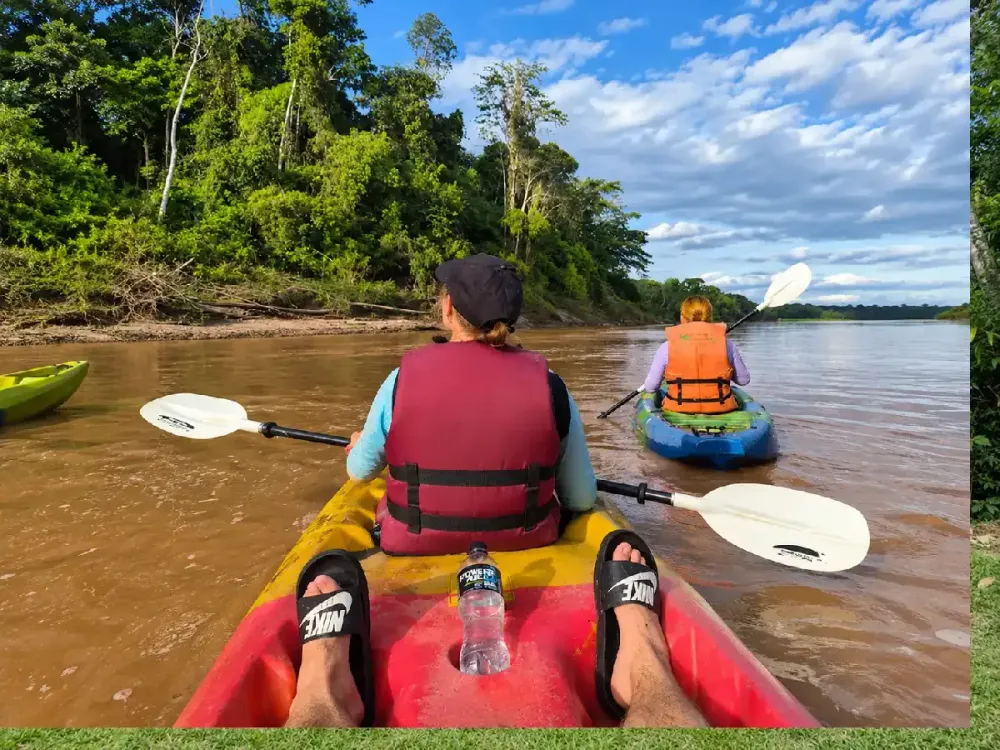
What Activities Can You Enjoy in Each Destination?
Although Iquitos and Puerto Maldonado both offer authentic Amazonian experiences, the available activities differ because of their landscapes and the characteristics of the local tour routes.
In Iquitos, river navigation plays a central role. Travelers can explore waterways, venture into forest-lined channels, visit natural areas, and join multi-day expeditions. Cultural activities are also part of the experience, particularly in the city and during community visits organized with local consent.
In Puerto Maldonado, itineraries often combine boat excursions with walks along tropical forest trails. Trips to Lake Sandoval provide opportunities to explore aquatic habitats, while certain Tambopata expeditions include visits to clay licks and specialized birdwatching activities.
| Activity | Iquitos | Puerto Maldonado |
|---|---|---|
| River navigation | A defining experience | Available |
| Flooded forests | Pacaya Samiria and other areas | Depends on the habitat visited |
| Guided rainforest hikes | Available | Very common |
| Lake excursions | Different areas of Loreto | Lake Sandoval |
| Macaw clay-lick watching | Not a main attraction | Well-known sites in Tambopata |
| Urban cultural experiences | Markets and traditional neighborhoods | City and regional attractions |
| Birdwatching | Specialized programs | Clay licks, trails, and lakes |
Before booking, it is worth checking the activities included in each itinerary. Two three-day programs may offer very different experiences, even when both are advertised as Amazon rainforest tours.
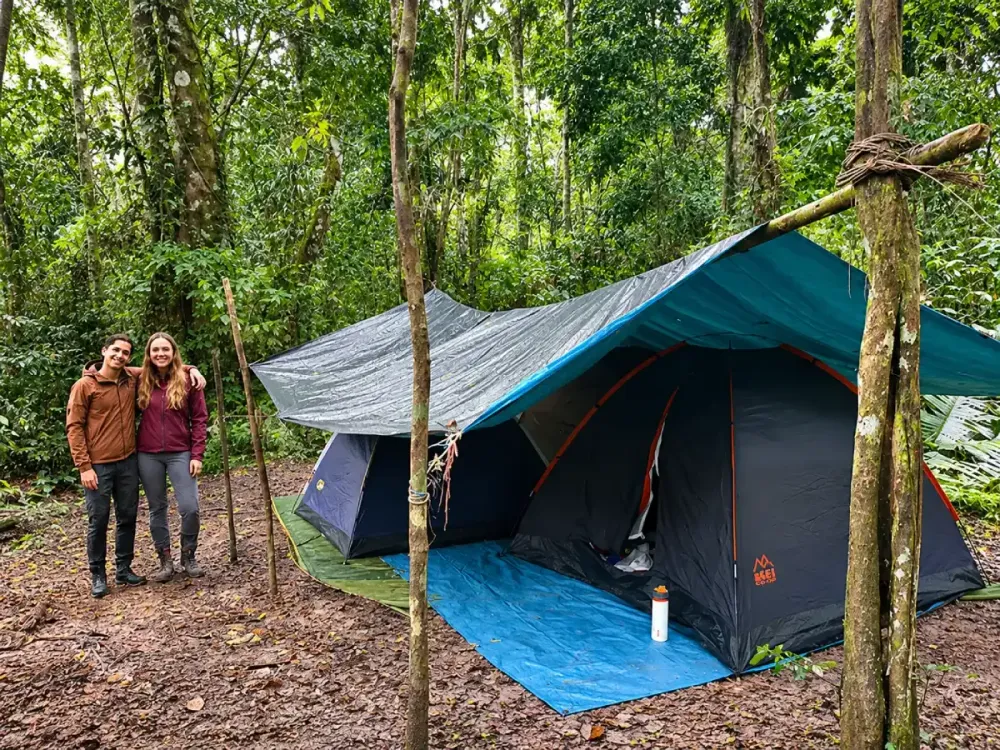
Which Destination Has Better Weather and When Should You Visit?
Iquitos and Puerto Maldonado both have warm, humid tropical climates, but rainfall affects tourism experiences differently. There is no completely rain-free season across the entire Amazon, so it is important to consider both the weather and seasonal river conditions.
In Loreto, high-water and low-water periods are particularly significant. During high-water conditions, boats can explore some flooded forest areas. During low-water periods, exposed riverbanks and trails may make certain land-based activities easier.
In Madre de Dios, relatively less rainy months often provide better conditions for forest walks. SERNANP recommends visiting Tambopata between May and October, while the recommended period for Pacaya Samiria is May through September.
| Destination | General Visiting Period | Important Considerations |
|---|---|---|
| Iquitos | Year-round, depending on activities | River levels affect excursions |
| Pacaya Samiria | May to September | Recommended period according to SERNANP |
| Puerto Maldonado | May to October, generally less rainy | Relatively better conditions for some trails |
| Tambopata | May to October | Recommended period according to SERNANP |
| Lake Sandoval | May to October is generally convenient | Access depends on trail conditions |
Recommended seasons are general guidelines rather than guarantees of good weather. Rain is possible in every month, and access conditions depend on the specific area being visited.
To plan your travel dates in greater detail, explore our guide to the best time to visit the Peruvian Amazon.
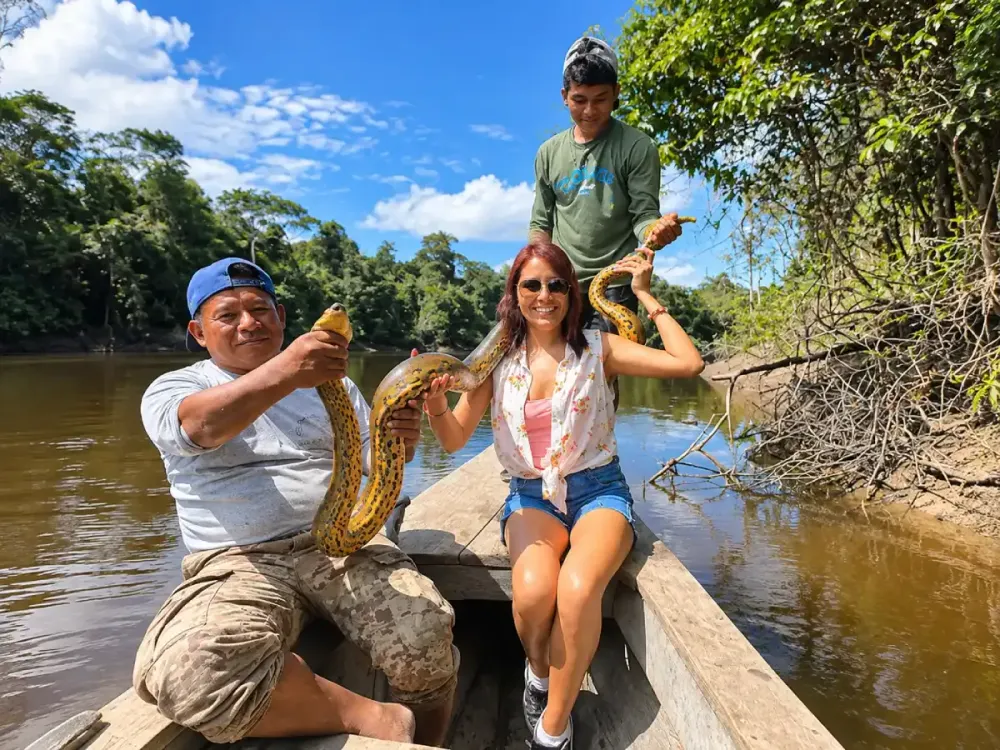
How Do You Get to Iquitos or Puerto Maldonado from Lima and Cusco?
Accessibility is one of the main differences between these destinations. Iquitos has no direct road connection with Peru's national highway network, so flying is usually the most convenient option from Lima or Cusco. River routes also connect Iquitos with other Amazonian towns, but these journeys require considerably more time.
Puerto Maldonado has an airport and a road connection to Cusco via the Interoceanic Highway. This route passes through changing Andean and Amazonian landscapes, although the journey takes several hours and depends on road conditions.
| Route | Typical Transportation | Important Information |
|---|---|---|
| Lima to Iquitos | Flight | Convenient for shorter trips |
| Lima to Puerto Maldonado | Flight | Check available routes and connections |
| Cusco to Iquitos | Flight | Connections may be necessary |
| Cusco to Puerto Maldonado | Road or flight | Check conditions and availability |
| Iquitos to Pacaya Samiria | Road and boat, depending on the sector | Some routes pass through Nauta |
| Puerto Maldonado to Lake Sandoval | Boat and walking | Combined transfer to the lake |
For travelers visiting Cusco and Machu Picchu, Puerto Maldonado can be a practical continuation because of its road connection. However, if your main goal is to explore Loreto's river landscapes, Iquitos may be worth the additional travel planning.
It is also important to remember that arriving in the city does not mean you are immediately inside a protected rainforest area. Many tours include additional transportation to accommodations, boat departure points, and forest trails.
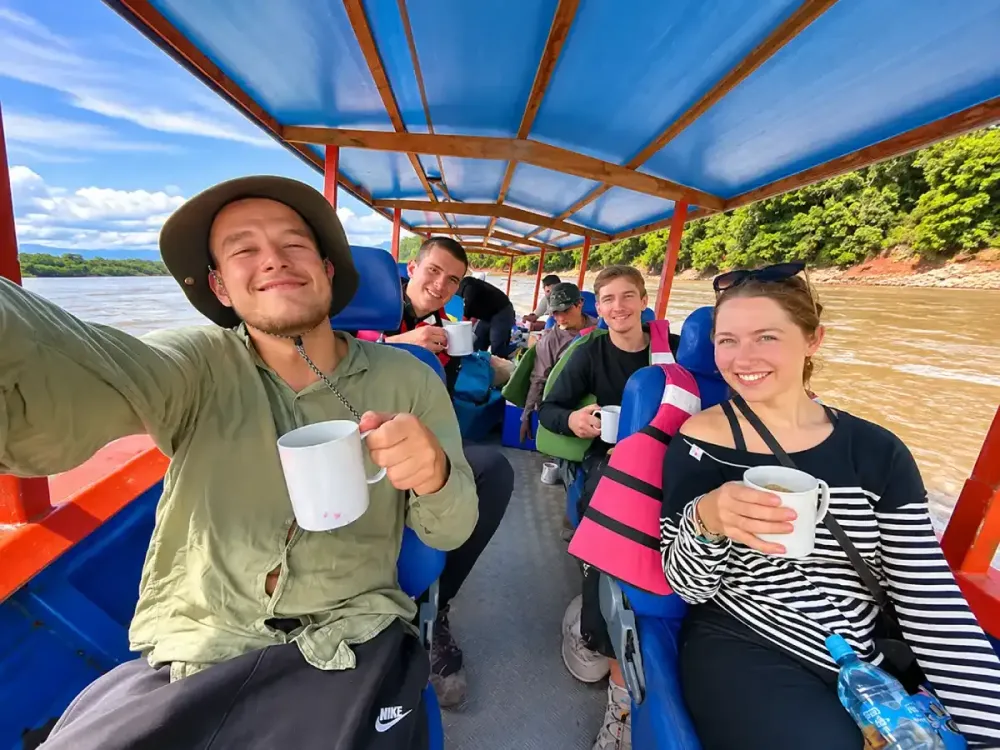
How Many Days Do You Need in Each Destination?
The ideal length of an Amazon adventure depends on your chosen activities and the distances to the natural attractions. Both destinations offer itineraries of different lengths, from short excursions to multi-day rainforest expeditions.
In Iquitos, three- and four-day trips allow visitors to explore different environments in Loreto, including Pacaya Samiria and Yanayacu programs. Longer stays may also provide opportunities for specialized birdwatching excursions.
Puerto Maldonado offers two-day options for exploring Lake Sandoval and longer itineraries that take visitors into different parts of Tambopata.
| Duration | Iquitos | Puerto Maldonado |
|---|---|---|
| 2 days | City and nearby excursions | Lake Sandoval or a shorter rainforest experience |
| 3 days | Pacaya Samiria or Yanayacu, depending on the itinerary | Lake Sandoval and guided activities |
| 4 days | Yanayacu or specialized programs | Tambopata expeditions |
| 5 days or more | Extended exploration of Loreto | Longer nature-focused itineraries |
For a first visit, three or four days often offer a good balance between navigation, hiking, and nature observation. However, the actual experience depends on the services included and the time needed to reach each attraction.
If you want to compare your options, explore the Iquitos rainforest programs and Puerto Maldonado excursions.
Which Is More Affordable: Iquitos or Puerto Maldonado?
Budget is an important factor when choosing between the two destinations, but it would be misleading to say that one is always cheaper. The total cost depends on flights, trip duration, transfers, accommodation, meals, and the excursions included.
In Iquitos, some trips to remote areas require extended river navigation and additional logistical services. In Puerto Maldonado, visits to more distant sections of Tambopata may also involve long boat journeys and higher operating costs.
Both destinations, however, offer shorter programs that allow travelers to enjoy rainforest experiences without committing to a lengthy expedition.
| Cost Factor | Iquitos | Puerto Maldonado |
|---|---|---|
| Transportation from Lima | Mainly by air | By air |
| Transportation from Cusco | Usually by air | Road or air |
| Short excursions | Areas near the city | Lake Sandoval |
| Longer expeditions | Pacaya Samiria and Yanayacu | Tambopata and clay licks |
| Accommodation | City hotels and rainforest lodges | City hotels and rainforest lodges |
| Final budget | Depends on access and included services | Depends on access and included services |
For an accurate comparison, request quotes for the same travel dates and check exactly what each itinerary includes. Two tours of the same length can differ considerably in accommodation quality, meals, entrance fees, and transportation arrangements.
Where Should You Stay in Iquitos and Puerto Maldonado?
Your choice of accommodation can significantly shape your Amazon experience. Both Iquitos and Puerto Maldonado have city hotels and lodges located in natural environments, although access conditions and available services can vary considerably.
In Iquitos, staying in the city may be practical for travelers who want to explore markets, restaurants, and cultural attractions. Rainforest lodges outside the urban area offer greater immersion in nature, but they may require river transfers.
In Puerto Maldonado, city hotels provide convenient access to transportation and services, while lodges near rivers and forests allow travelers to focus more on guided nature activities.
| Accommodation Type | Advantages | What to Consider |
|---|---|---|
| Hotel in Iquitos | Convenient access to services and city attractions | Additional transfers for rainforest excursions |
| Lodge in Loreto | Greater immersion in natural environments | Boat transportation and transfer schedules |
| Hotel in Puerto Maldonado | Access to transport and urban services | Travel time to protected areas |
| Lodge in Madre de Dios | Guided activities and rainforest surroundings | Accessibility and services vary by location |
Before booking, check whether your package includes accommodation, meals, transfers, excursions, and equipment. At more remote lodges, it is also useful to ask about electricity, internet access, and other practical services.
Which Destination Fits Your Travel Style?
Choosing between Iquitos and Puerto Maldonado becomes easier once you identify the experiences that matter most to you. Some travelers want to navigate major rivers and discover Amazonian culture, while others prefer hiking through the rainforest, exploring lakes, and watching wildlife in different habitats.
If you are planning a trip to Cusco and Machu Picchu, Puerto Maldonado may offer more convenient connections. If your main interest lies in the Amazon River and Loreto's river landscapes, Iquitos may be better suited to your expectations.
| Traveler's Interest | Suggested Destination | Main Reason |
|---|---|---|
| First Amazon experience from Cusco | Puerto Maldonado | Road connection |
| Interest in the Amazon River | Iquitos | River landscapes |
| Macaw photography | Puerto Maldonado | Tambopata clay licks |
| Flooded forest exploration | Iquitos | Pacaya Samiria |
| Two-day rainforest trip | Puerto Maldonado | Lake Sandoval programs |
| Amazonian culture and cuisine | Iquitos | Markets and regional traditions |
| Specialized birdwatching | Both | Different habitats |
| Combining with Machu Picchu | Puerto Maldonado | Easier logistics from Cusco |
It is also possible to visit both destinations during the same trip, although this involves additional connections and more detailed planning. If you have limited time, choosing one region generally allows you to enjoy more activities while reducing travel between destinations.
For an itinerary combining several Peruvian landscapes, explore the 9-day Peru tour with the Amazon and Machu Picchu.
So, Is Iquitos or Puerto Maldonado Better?
Iquitos is an excellent choice if you want to explore the great rivers of the Amazon, discover flooded forests, and experience the culture of Loreto. Expeditions to Pacaya Samiria and Yanayacu offer opportunities to appreciate river landscapes and natural environments that are central to the region's identity.
Puerto Maldonado may be more convenient if you want to visit Tambopata, explore Lake Sandoval, and combine the rainforest with Cusco and Machu Picchu. Its road connection and variety of available itineraries make it relatively easy to incorporate into many journeys through southern Peru.
Both destinations offer remarkable nature experiences and opportunities to discover Amazonian biodiversity. The best choice ultimately depends on your interests, available time, and travel expectations.
At Dreamy Tours, we can help you organize an experience tailored to your itinerary. Explore the Iquitos Amazon rainforest tours and Puerto Maldonado rainforest tours to compare the available options and start planning your next adventure in the Peruvian Amazon.
Personal travel advice
Plan your trip with Dreamy Tours
Start a tailored journey with our exclusive tours and custom trips across Peru and other Latin American countries.