


Inca Trail Treks
Discover our Inca Trail tours to Machu Picchu and choose the route that best matches your available time, fitness level, and travel style. We offer everything from the Private 1-Day Inca Trail and the Short Inca Trail 2 Days to the iconic Classic Inca Trail 4 Days, as well as combined trekking routes for travelers looking for a longer adventure in the Andes. Along the Inca Trail, you will follow ancient stone paths through mountain landscapes, cloud forest, and remarkable archaeological sites such as Wiñay Wayna before approaching Machu Picchu through Inti Punku, the historic Sun Gate. We organize our Inca Trail tours from Cusco with professional guides and carefully coordinated logistics so you can focus on enjoying the journey. Access to the Inca Trail is regulated and depends on official permits available for each travel date. We recommend planning your trek in advance and checking current Inca Trail permit availability before finalizing your itinerary. Compare our routes and find the best way to experience one of Peru’s most iconic treks.
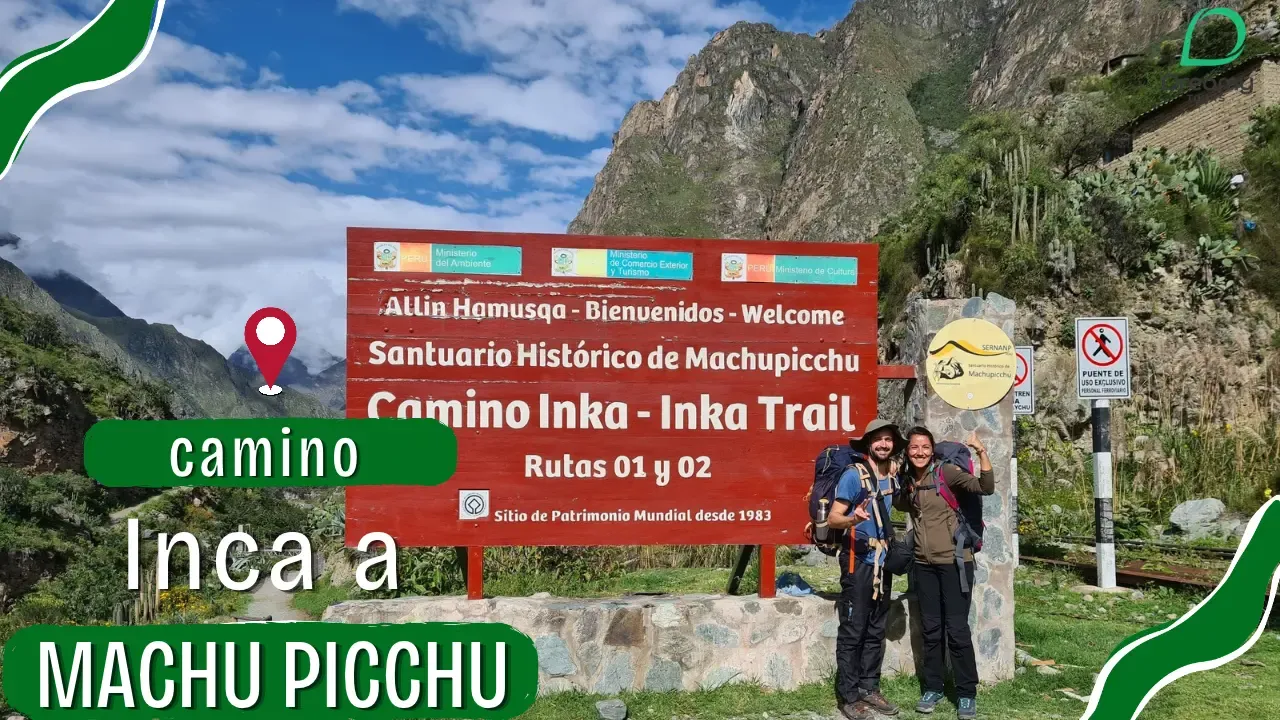
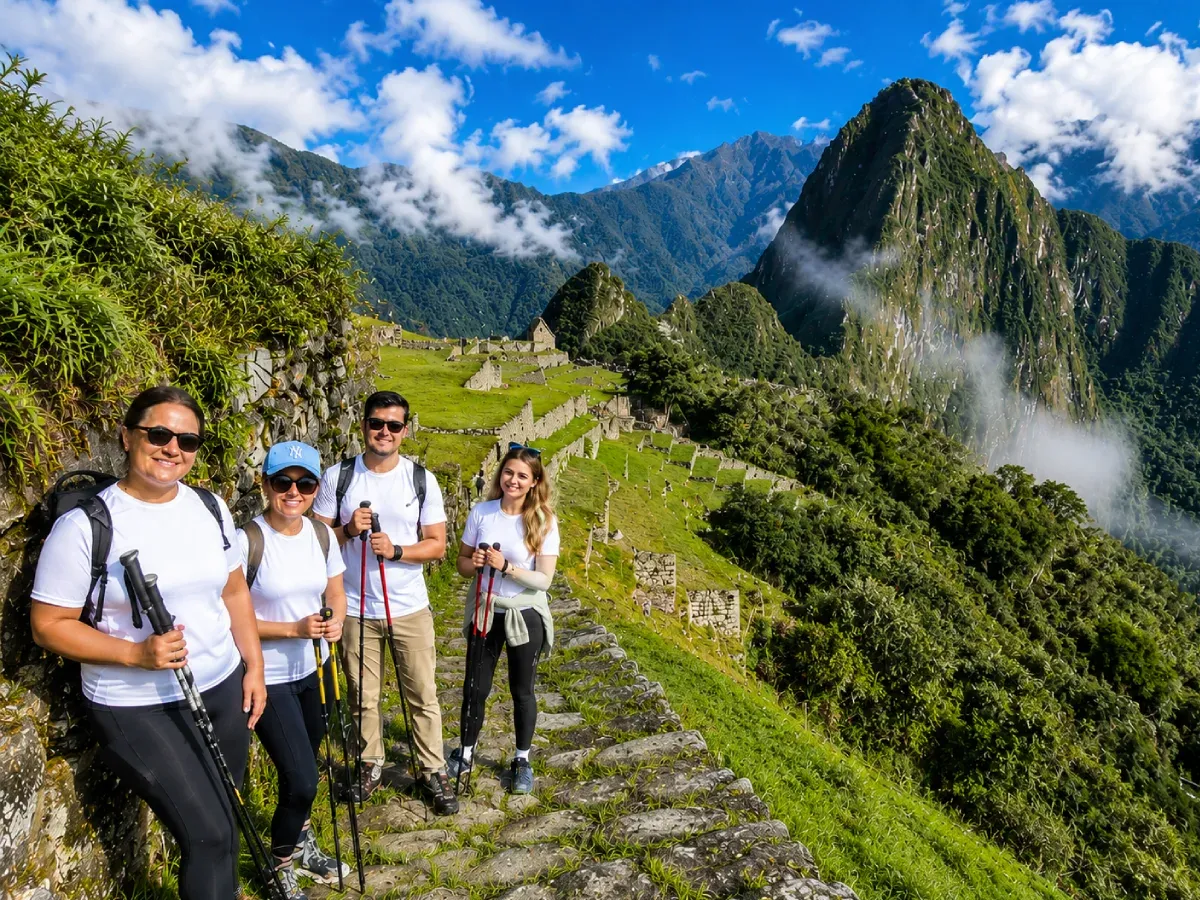
The Private 1-Day Inca Trail to Machu Picchu is a premium experience for travelers who want to hike the final section of the legendary Short Inca Trail in a single day, with a private guide, personalized attention, and carefully coordinated logistics from Cusco. The hike begins at Km 104, following an original Inca path through the archaeological site of Chachabamba and onward to Wiñay Wayna, one of the most impressive sites along the trail. From there, continue toward Inti Punku, the Sun Gate, where Machu Picchu gradually comes into view between the surrounding mountains. As a private 1-Day Inca Trail, the experience allows your group to hike at a more comfortable pace and enjoy more personal attention from your guide. The tour combines transportation from Cusco, train travel to Km 104, the Short Inca Trail hike, arrival at Machu Picchu through the Sun Gate, and a guided visit, all organized so you can focus on the journey rather than the logistics.
- Service Type
- Group service
- Difficulty Level
- Moderate
- Duration
- 1 Day
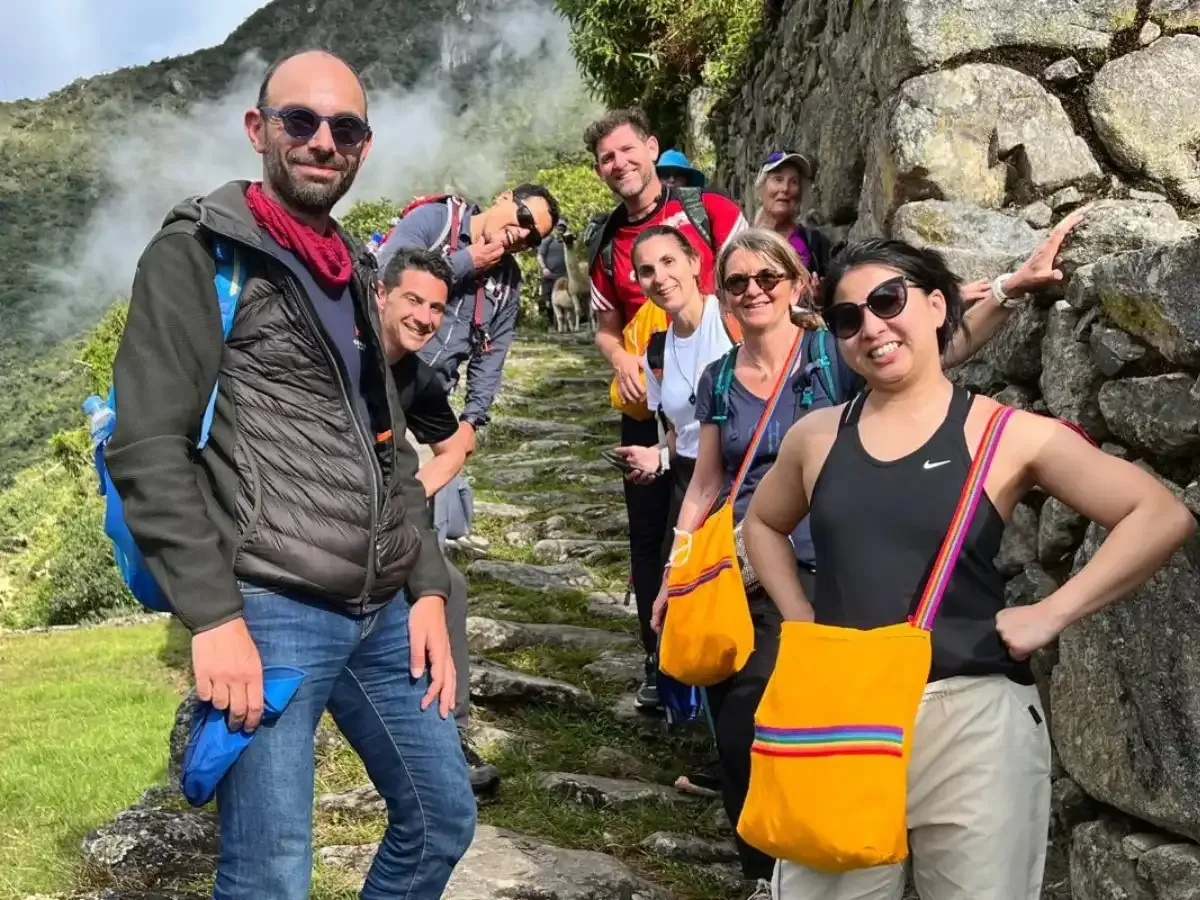
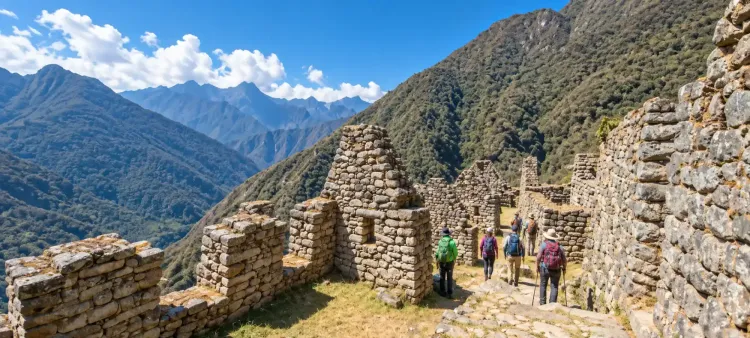
The 2-Day Short Inca Trail is the perfect alternative for travelers who wish to experience the magic of the Inca Trail with limited time. This fascinating adventure begins with pickup from your hotel in Cusco, followed by a transfer to Ollantaytambo and a train journey to Kilometer 104 (2,250 masl), the starting point of this extraordinary route. Along the way, you will first visit the Chachabamba archaeological complex (2,270 masl), a perfect introduction to Inca architecture. Afterwards, you will ascend to the majestic Wiñayhuayna (2,650 masl), considered one of the greatest jewels of the Inca Trail due to its impressive terraces and structures. Without a doubt, the most anticipated moment is the arrival at Inti Punku or the Sun Gate (2,780 masl), from where you will have your first panoramic view of Machu Picchu (2,400 masl). To end the day, you will take a bus down to Aguas Calientes (2,050 masl), where you can rest at your hotel and prepare for the full exploration of Machu Picchu the following day.
- Type Service
- Group
- Difficulty
- Moderate
- Duration
- 2 Days / 1 Night
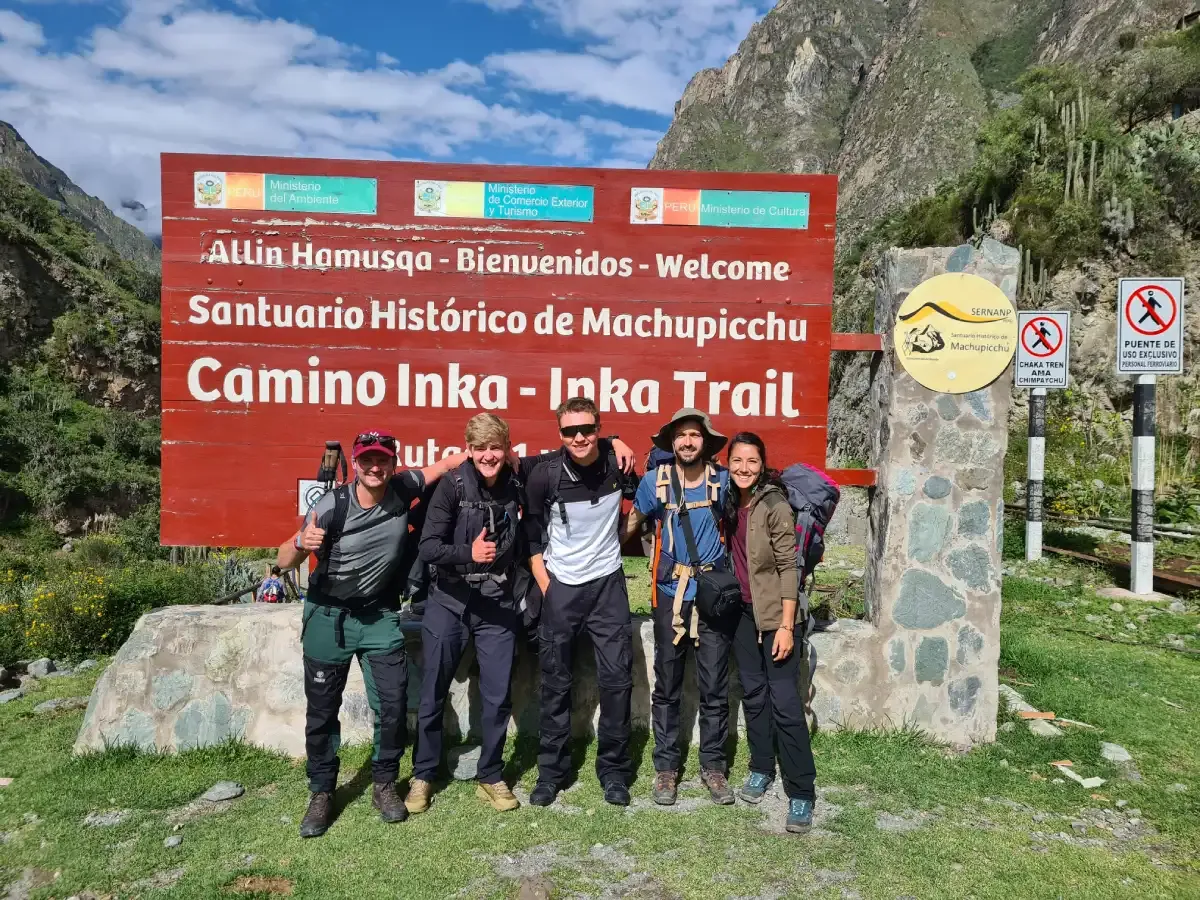
The 4-Day Inca Trail to Machu Picchu is the classic trekking route for travelers who want to experience Peru in its most authentic and memorable way. This journey follows ancient Inca paths through high Andean landscapes, cloud forest, archaeological sites and mountain passes before arriving at Machu Picchu through the famous Sun Gate, Inti Punku. Starting near the Sacred Valley, this guided trek is ideal for travelers from the USA, Canada, the UK and other English-speaking countries who are looking for a well-organized Inca Trail tour from Cusco with official permits, expert guidance, camping support and a meaningful arrival at one of the world’s most remarkable archaeological sites. Unlike arriving by train or bus, the Classic Inca Trail allows you to reach Machu Picchu on foot, following the same historical route used by the Incas centuries ago. It is a rewarding experience for active travelers who value history, nature, comfort in logistics and a deeper connection with the destination.
- Service type
- Group tour
- Difficulty
- Moderate
- Duration
- 4 Days / 3 Nights
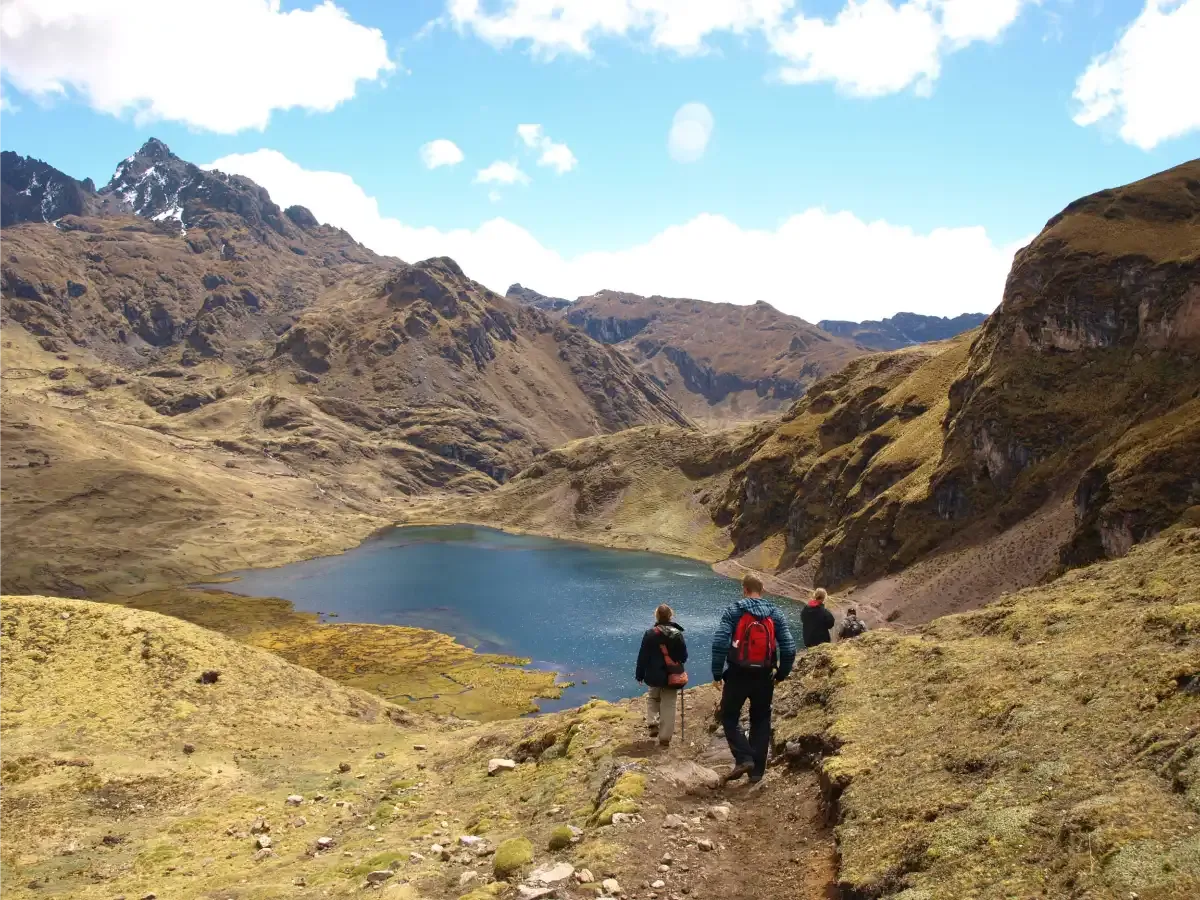
The Lares Trek with Short Inca Trail 4 Days offers an extraordinary combination of breathtaking landscapes and authentic encounters with traditional Andean cultures. This unique route blends the best of the Lares Trek and the 2-day Short Inca Trail, allowing you to experience both the cultural richness of the Lares Valley and the iconic archaeological sites of the Inca Trail. During the Short Inca Trail section, you will visit the important archaeological sites of Chachabamba and Wiñay Wayna as you make your way toward Machu Picchu. The journey culminates at the majestic Sun Gate (Inti Punku), where you will enjoy your first panoramic view of the legendary Machu Picchu citadel.
- Service type
- Group tour
- Difficulty
- Moderate
- Duration
- 4 Days / 3 Nights
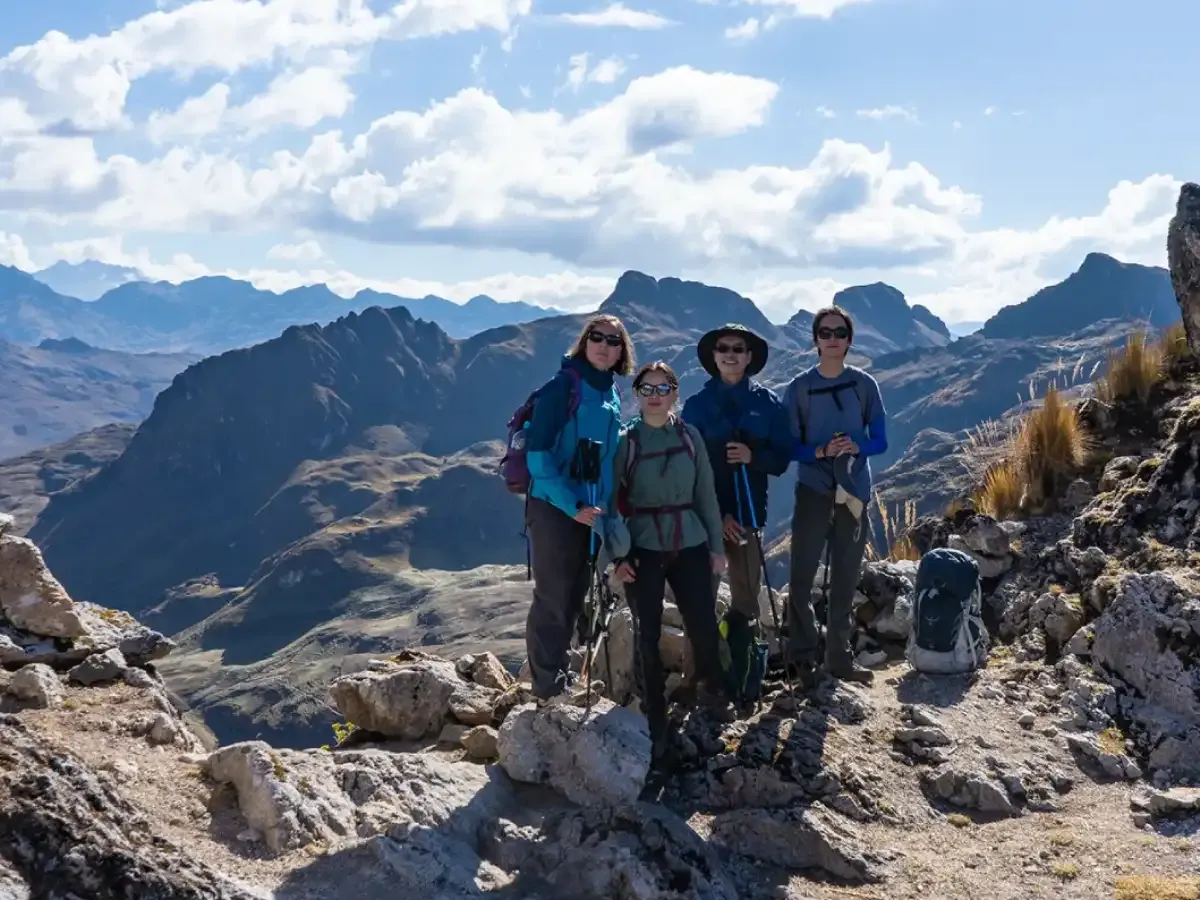
Discover the ultimate adventure on the Salkantay & Inca Trail to Machu Picchu – 6 days / 5 nights, a unique route that combines the very best of trekking in Peru: the majesty of the Salkantay Snow Mountain, the magic of Humantay Lake, and the mysticism of the classic Inca Trail. End your journey by arriving at Machu Picchu through the Sun Gate (Inti Punku) at sunrise. Reach altitudes of up to 5,200 meters above sea level and experience breathtaking landscapes that shift from high Andean plains to lush cloud forest. Includes a professional bilingual guide, top-quality camping equipment, all meals throughout the trek, and permits for the Inca Trail + Machu Picchu entrance. Difficulty level: challenging; ideal for travelers seeking adventure trekking in Peru, untouched nature, and ancient Andean culture.
- Service Type
- Group Service
- Difficulty
- High
- Duration
- 6 Days / 5 Nights
Which Inca Trail should you choose?
Not every Inca Trail route offers the same experience. Here we present our recommended tours according to the time you have available, the level of trekking you want, and the way you would like to reach Machu Picchu. Compare the main alternatives and choose the route that best fits your trip; below, you will also find detailed information about permits, difficulty, season, and preparation.
Limited time · Private
Experience the Inca Trail in 1 day
Designed for travelers who want to hike the final section of the Inca Trail and reach Machu Picchu through Inti Punku without committing to a multi-day trek. The route begins at Km 104 and passes archaeological sites such as Chachabamba and Wiñay Wayna before approaching the citadel.
View tourIdeal for:
- Limited time
- Private service
- First trekking experience
Short Inca Trail
Hike the Inca Trail in 2 days
The Short Inca Trail 2 Days combines a day of hiking from Km 104 through Wiñay Wayna and Inti Punku with an overnight stay in Aguas Calientes. It is an excellent choice for travelers who want to walk part of the historic Inca Trail without completing the full four-day trek.
View tourIdeal for:
- Moderate trekking
- More comfort
- Two days available
Classic route
Experience the Classic Inca Trail in 4 days
The traditional choice for travelers who want to experience the Inca Trail in greater depth. Over four days, you will hike through mountain passes, original Inca paths, cloud forest, archaeological sites, and campsites before approaching Machu Picchu through the Sun Gate.
View tourIdeal for:
- Complete experience
- Trekking
- History and nature
Advanced trekking
Combine Salkantay and the Inca Trail
A route created for travelers who want to take their trekking experience further. This journey combines high-altitude landscapes around Salkantay with sections of the historic Inca Trail before reaching Machu Picchu, creating a longer and more demanding adventure.
View tourIdeal for:
- Adventure
- High mountains
- Challenging trekking
Useful information for hiking the Inca Trail
Before booking the Inca Trail to Machu Picchu, it is important to understand how permits work, what level of physical preparation the trek requires, and what conditions you may encounter along the route. Here we share the essential information you need to choose your trek and organize your journey from Cusco.
PermitsInca Trail permits and availability
Inca Trail permits and availability
Access to the Inca Trail is regulated, and entry is subject to official availability for each travel date. Every traveler needs the corresponding permit, so we recommend confirming your dates and booking in advance, particularly during the most popular travel months.
When you book with us, we coordinate the required services according to your selected route and current permit availability. Before making your reservation, you can check our Inca Trail availability calendar or read our detailed guide to Inca Trail permits and availability.
The Inca Trail normally closes during February for annual conservation and maintenance work.
DifficultyInca Trail difficulty and physical preparation
Inca Trail difficulty and physical preparation
The physical challenge varies considerably depending on the route. The 1-Day and 2-Day Inca Trail options concentrate the hiking into shorter itineraries, while the Classic 4-Day route involves several consecutive trekking days, significant elevation changes, and high mountain sections.
We recommend arriving in Cusco with a good general fitness level and allowing time to acclimatize before beginning the more demanding routes. Walking regularly, training on hills and stairs, and improving cardiovascular endurance in the weeks before your trip can make the trek much more enjoyable.
For detailed preparation advice, read How to Train for the Inca Trail. You can also review our guides to Inca Trail difficulty and Inca Trail altitude.
SeasonWeather and best time to hike the Inca Trail
Weather and best time to hike the Inca Trail
The Inca Trail crosses high Andean terrain and cloud forest, so weather conditions can change considerably during the same trekking day. From May through September, conditions are generally drier, skies are often clearer, and nights at higher elevations can be cold.
Rain is more frequent between November and March, and trail conditions may be wetter. The route normally closes during February for annual maintenance. Regardless of the month, hikers should be prepared for changes in temperature, strong sun, wind, and possible rain.
If you are deciding when to travel, see our complete guide to the best time to hike the Inca Trail.
What to packWhat should you pack for the Inca Trail?
What should you pack for the Inca Trail?
For the Inca Trail, we recommend well-broken-in hiking shoes or trekking boots, lightweight and breathable clothing for walking, warm layers for colder periods, and a waterproof jacket or rain shell. Sunscreen, a sun hat, sunglasses, and a reusable water bottle are also important.
The amount of luggage you need will depend on the route you choose. On multi-day treks, it is usually best to carry only the essentials for the hike and leave unnecessary luggage in Cusco. A comfortable, properly adjusted daypack can make a noticeable difference during long hiking days.
For a more complete checklist, see our guide on what to pack for the Inca Trail.
TransportationTourist transportation in Peru for your trip
Tourist transportation in Peru for your trip
At Dreamy Tours, we coordinate tourist transportation options with Viamed Perú to complement your itinerary. Ask us about airport transfers, half-day or full-day excursions, and trips between destinations, depending on your planned route.
Each service is arranged according to your travel date, route, and group size. Availability and vehicle type are confirmed while planning your trip.
Ideas and tips for your next trip
Guides, recommendations, and stories to inspire your next adventure.
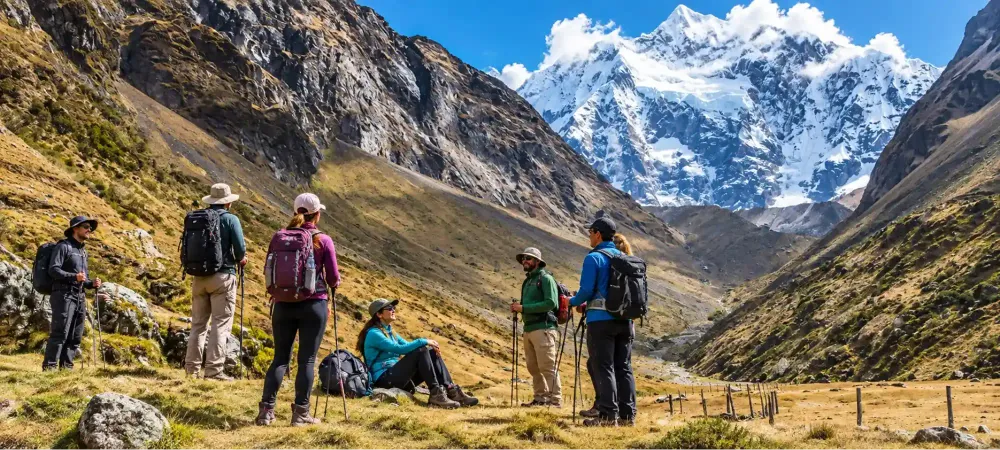
Salkantay + Inca Trail: Is It Worth Combining Both Routes?
Choosing between Salkantay and the Inca Trail does not always mean giving one of them up. For travelers looking for a longer trekking experience around Cusco, there is an option that connects the high mountains of Salkantay with the historic section of the Inca Trail before reaching Machu Picchu. The Salkantay + Inca Trail 6 Days is designed precisely to bring these two experiences together. The first days take place among mountains, valleys and landscapes dominated by Salkantay. The route then joins the traditional Inca Trail from Wayllabamba and continues through Dead Woman’s Pass, Runkurakay, Sayacmarca, Phuyupatamarka and Wiñay Wayna before reaching Inti Punku and Machu Picchu. The current itinerary reaches approximately 5,200 meters at Inca Chiriasqa Pass, so this should be considered a high-difficulty trek rather than simply a longer version of a standard Salkantay route. What does combining Salkantay and the Inca Trail actually mean? Combining Salkantay and the Inca Trail means following a route that begins outside the Classic Inca Trail and later joins the regulated Inca road network for an important part of the historic approach to Machu Picchu. It is not simply a conventional Salkantay trek with a short Inca Trail excursion added at the end. On the current Dreamy Tours itinerary, the journey begins through Mollepata and Soraypampa, continues toward Salkantay Pampa and climbs to Inca Chiriasqa Pass. From there, the route descends through the Pampacahuana Valley, passes Paucarcancha and reaches Wayllabamba, where it joins the Classic Inca Trail. The following days continue through Dead Woman’s Pass, Pacaymayo, Runkurakay, Sayacmarca, Phuyupatamarka and Wiñay Wayna. This creates a gradual transition between two very different trekking styles. High-mountain scenery dominates the first part. Later, stone paths, stairways and archaeological sites become increasingly important as the journey joins the Classic Inca Trail route. What does the Salkantay section add to the combined route? The first part contributes the strongest high-mountain element of the journey. Salkantay and the Humantay massif dominate much of the scenery as the route moves through open alpine areas, valleys and remote campsites far from the lower sections closer to Machu Picchu. On the current program, the first day reaches Salkantay Pampa at approximately 3,900 meters, and there may be an option to visit Humantay Lake. The second day is one of the most demanding because it climbs to Inca Chiriasqa Pass at around 5,200 meters before descending toward Sisay Pampa. This figure is especially important. The combined trek does not simply use the better-known Salkantay Pass at around 4,600 meters found on other versions of the trek. This itinerary uses a higher variation through Chiriasqa. For that reason, travelers should always review the exact itinerary rather than assume that every route carrying the name “Salkantay” reaches the same altitude. What does the Inca Trail add to the experience? After several days dominated by high mountains, the character of the trek changes when the route joins the traditional Inca Trail. Large open landscapes and high passes gradually give way to historic paths, stone stairways and archaeological sites. From Wayllabamba, the route climbs toward Dead Woman’s Pass at approximately 4,200 meters. Later, travelers reach some of the most representative sections of the Classic route, including Runkurakay, Sayacmarca, Phuyupatamarka and Wiñay Wayna. The final day continues to Inti Punku before reaching Machu Picchu. This change in character is one of the main attractions of the combined route. You do not spend six days in the same kind of environment. The journey evolves from a high-mountain trek into a route with a much stronger archaeological component. Why combine Salkantay and the Inca Trail? The main reason is variety. Hiking only Salkantay allows you to focus on mountain landscapes and nature. Hiking only the Inca Trail allows you to immerse yourself more deeply in archaeology and the historic road network leading to Machu Picchu. The combined route is designed to bring both experiences together in one continuous journey. This means you can move from snowcapped peaks and high valleys into stone paths, stairways and archaeological sites without ending one trek and starting another separately. The shift in landscape gives each stage its own identity and helps the journey avoid feeling repetitive. In practical terms, the combined trek can include: High-mountain landscapes.Views of Salkantay.A pass above 5,000 meters.Different ecosystems.Historic Inca paths.Archaeological sites.Several nights of camping.Arrival at Machu Picchu through Inti Punku. For travelers who want trekking to be one of the main highlights of their Peru trip, this combination can make much more sense than treating the hike only as a way to reach Machu Picchu. Who is the Salkantay + Inca Trail best suited for? This route is designed for travelers who genuinely enjoy multi-day trekking and want to dedicate a significant part of their time in Cusco to hiking. It is not the most practical option for someone with very limited time or for travelers looking for an easier approach to Machu Picchu. It can be especially suitable if you are interested in both nature and archaeology, want to experience several different Andean landscapes and have the fitness required to complete six consecutive days of activity. You should also be comfortable sleeping at campsites and dealing with major changes in temperature and altitude. The current itinerary is classified by Dreamy Tours as high difficulty, reaches 5,200 meters and includes days of roughly 6 to 10 hours of activity. The decision should therefore be based on your real physical preparation, not only on the appeal of combining two famous routes. If your main goal is to reach Machu Picchu as quickly as possible, there are better options. If you want the journey itself to be almost as important as the destination, the Salkantay + Inca Trail 6 Days becomes far more compelling. Is combining Salkantay and the Inca Trail more difficult? Yes. In general, it is more demanding than a short trek or a route with fewer days. The difficulty does not come from technical mountaineering, but from the accumulation of several physical factors over six consecutive days. The trek includes long climbs, descents, uneven terrain, Inca stairways, nights at camp, weather changes and considerable altitude. The second day climbs to Inca Chiriasqa Pass at around 5,200 meters, and later, once on the Inca Trail, travelers must still cross Dead Woman’s Pass at approximately 4,200 meters. This means the challenge is not concentrated in one difficult day. Even after completing the highest point, several major stages remain, including a long day between Pacaymayo, Runkurakay, Sayacmarca, Phuyupatamarka and Wiñay Wayna. For this reason, previous training is highly recommended. To evaluate this more carefully, read how to prepare physically for the Inca Trail and Inca Trail difficulty. How important is altitude on this route? Altitude is one of the central factors of this combined trek. What makes this itinerary different from many other combinations is that it climbs to approximately 5,200 meters at Inca Chiriasqa Pass, significantly higher than Dead Woman’s Pass and also higher than the pass used on many conventional Salkantay routes. Good physical fitness helps you cope with long hiking days, but it does not guarantee immediate adaptation to altitude. Fitness and acclimatization are different. You can have strong legs and excellent cardiovascular endurance and still need time for your body to adjust to lower oxygen levels. At Dreamy Tours, we recommend spending time acclimatizing in Cusco or another high-altitude area before beginning a trek of this level. If a traveler experiences intense or persistent altitude-related symptoms, the guide should be informed and the appropriate safety instructions followed. For more context, review Inca Trail altitude and altitude sickness on the Inca Trail. Salkantay + Inca Trail vs hiking only Salkantay A standard Salkantay trek keeps nature at the center of the experience. Travelers move through mountain landscapes, high passes, valleys and changing vegetation before eventually connecting with Machu Picchu according to the structure of the chosen itinerary. The combined route follows a different logic. After the first days in the high mountains, it joins the Inca Trail and adds several days of historic paths, stone stairways and archaeological sites. This completely changes the character of the final part of the journey. FeatureSalkantay onlySalkantay + Inca TrailMain focusNature and mountainsNature + historyHigh mountain terrainYesYesClassic Inca Trail sectionNoYes, from WayllabambaArchaeological sitesLess prominentMuch more prominent in second halfInti PunkuNot the usual arrivalYesDurationDepends on itinerary6 daysMaximum altitude of combined routeNot applicableApprox. 5,200 m If you already know you want the Salkantay experience but are also drawn to the idea of walking important sections of the Inca Trail and approaching Machu Picchu through Inti Punku, the combined route solves both interests within one expedition. If you are still deciding between the two routes separately, start with Inca Trail vs Salkantay. Salkantay + Inca Trail vs the Classic Inca Trail The Classic Inca Trail 4 Days concentrates the entire experience on the historic route. From the beginning, the journey is shaped by ancient paths, archaeological sites, mountain passes and a constant progression toward Machu Picchu. On the combined route, the first three days have a different identity. The trek begins in the Salkantay area, crosses Chiriasqa and descends through Pampacahuana before connecting with Wayllabamba. Only from that point onward does it join the main sectors of the Classic Inca Trail. For that reason, choosing the combined route does not simply mean getting “more Inca Trail.” A significant portion of the six days is dedicated to a different high-mountain experience before entering the historic route. If your main priority is...Better optionMaximum focus on Inca historyClassic Inca TrailGreater variety of environmentsSalkantay + Inca TrailShorter trekking durationClassic Inca Trail 4 DaysMore extreme high-altitude experienceSalkantay + Inca TrailArrival through Inti PunkuBothNature + archaeologySalkantay + Inca Trail If archaeology is your absolute priority and four days fit your itinerary, the Classic route may be the more coherent choice. If you want a longer expedition with a much stronger high-mountain component before joining the Inca Trail, the combined route has a distinct identity of its own. How many days do you need for Salkantay + Inca Trail? The current Dreamy Tours program is designed as a 6-day, 5-night trek. This allows the first three days to focus on the Salkantay and Pampacahuana sectors before continuing through the Inca Trail toward Machu Picchu. The itinerary is currently structured as follows: DayMain routeDay 1Cusco, Mollepata, Soraypampa and Salkantay PampaDay 2Salkantay Pampa, Inca Chiriasqa Pass and Sisay PampaDay 3Sisay Pampa, Paucarcancha and WayllabambaDay 4Wayllabamba, Dead Woman’s Pass and PacaymayoDay 5Runkurakay, Sayacmarca, Phuyupatamarka and Wiñay WaynaDay 6Wiñay Wayna, Inti Punku, Machu Picchu and return The six-day label should not be evaluated in isolation. Day 2 can involve around 7 to 8 hours of hiking up to 5,200 meters, while the Inca Trail section between Pacaymayo and Wiñay Wayna can also be a long and demanding day. When comparing combined routes, it is therefore important to look not only at total duration, but also daily distance, maximum altitude, approximate walking hours and the exact Inca Trail sectors included. Do you need permits for the Inca Trail section? Yes. Once the itinerary enters the regulated sectors of the Inca Trail network, access is subject to the official reservation system and corresponding availability. The Inca Trail network operates under regulated access, so a combined trek cannot be organized based only on the logistical availability of the Salkantay section. The Inca Trail component must also have confirmed access. The route also closes during February for annual conservation and maintenance. Temporary closures outside February can also occur for safety reasons, including severe weather conditions. For this reason, we recommend reviewing Inca Trail permits and Inca Trail availability 2026 and 2027 before confirming the rest of the trip. What should you pack for a combined trek? A six-day trek that climbs above 5,000 meters and later descends toward cloud forest requires more versatile equipment than a one-day hike. You need to be prepared for intense cold at higher elevations, strong sun, wind, possible rain and more humid conditions closer to Machu Picchu. The most practical approach is to dress in layers. Rather than relying on one very heavy jacket, a combination of a base layer, insulating layer and waterproof outer shell gives you more flexibility during climbs, rest stops and nights at camp. Key items include: Layered technical clothing.Waterproof and wind-resistant jacket.Warm insulating layer for high-altitude sections.Hiking boots already broken in.Trekking socks for several days.Hat or cap and sun protection.Gloves and warm hat for colder stages.Comfortable daypack.Reusable water bottle.Trekking poles if you are used to them.Waterproof protection for documents and electronics.Personal items and regular medication.
Read more
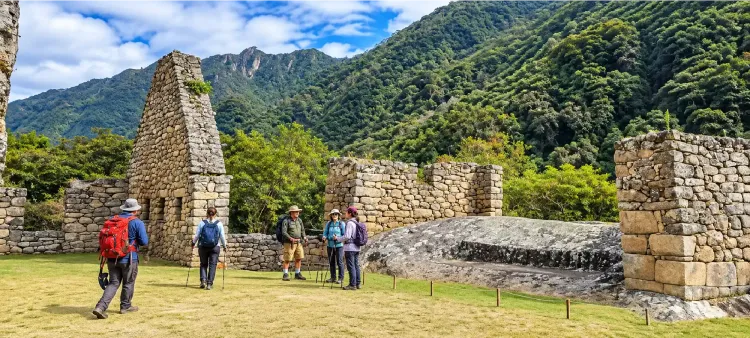
Stories from our travelers
Experiences shared on TripAdvisor, Google and Trustpilot.
 4.9/ 5164 reviews
Dreamy Tours4.9Out of 5 starsBased on 164 reviewsArropados en Peru
Nos hemos sentido muy a gusto durante toda nuestra estancia y visitas, un 5 con asterisco para esta empresa, de volver repetiremos con ellos
Excelente experiencia en Camino Inka
Experiencia muy gratificante
Fue una experiencia unica, la atencion fue genial, muy amigables y cumplieron con todo. Me voy satisfecho.
5.0/ 53 reviews
Viagem em família pelo Peru
Perfecto para viajar con niños
Muy recomendado desde inicio a fin
Muy recomendado desde inicio a fin, compre mi paquete Lima - Puno - Arequipa y Cusco. Todo una experiencia inolvidable muy recomendado al 100%
4.9/ 5552 reviews
Google Reviews
Google Reviews
Contratamos la agencia desde Argentina, y de principio a fin la experiencia fue excelente. Muy buena atencion, siempre estan en contacto para lo que necesites.
Google Reviews
Me gusto mucho el tour, pude disfrutar hermosos paisajes y aprender sobre la forma de vida local. Excelente guia y buen manejo de los horarios.
Frequently asked questions about the Inca Trail to Machu Picchu
Which Inca Trail should I choose: 1, 2, or 4 days?
The best option depends on your available time, fitness level, and the type of experience you want. The 1-Day Inca Trail is ideal for travelers with limited time who still want to hike from Km 104 to Machu Picchu. The Short Inca Trail 2 Days allows you to complete the main hike at a more relaxed pace and spend the night in Aguas Calientes, while the Classic Inca Trail 4 Days offers the complete multi-day trekking experience with campsites, mountain passes, and archaeological sites along the route.
If you are still comparing options, our guide on how many days you need for the Inca Trail explains the main differences in greater detail.
Do I need a permit to hike the Inca Trail?
Yes. Access to the Inca Trail is regulated and requires an official permit assigned to each traveler and entry date. Availability is limited, and permits cannot simply be purchased at the trail entrance on the day of departure.
When you book one of our Inca Trail tours, we coordinate the required permit process according to current availability. We strongly recommend checking our Inca Trail availability calendar as soon as your travel dates are confirmed.
What is the best time to hike the Inca Trail?
May through September is generally the most popular period because these months fall within the drier season around Cusco. Hiking conditions are often more stable, although nights at higher elevations can become cold and popular departure dates may fill quickly.
Rainfall is more frequent between November and March. The Inca Trail normally closes during February for annual maintenance and conservation work. For a more detailed month-by-month comparison, read our guide to the best time to hike the Inca Trail.
How difficult is the Inca Trail to Machu Picchu?
Difficulty depends on the route you choose. The 1-Day and 2-Day Inca Trail options concentrate the hike into shorter itineraries and avoid the highest mountain passes of the Classic route. The 4-Day Inca Trail involves several consecutive days of hiking, significant elevation changes, original stone stairways, and mountain passes.
You do not need to be a professional athlete, but good general fitness and proper preparation are recommended. Our guide to Inca Trail difficulty explains the physical challenge in more detail, while how to train for the Inca Trail can help you prepare before traveling.
Does the Inca Trail arrive directly at Machu Picchu?
Yes. One of the most memorable features of the Inca Trail is the opportunity to approach Machu Picchu on foot along sections of the historic Inca road network.
Routes beginning at Km 104 pass through archaeological sites such as Chachabamba and Wiñay Wayna before reaching Inti Punku, the Sun Gate. From there, travelers get one of the most iconic first views of Machu Picchu before continuing toward the archaeological complex according to the itinerary and current entry regulations.
How far in advance should I book the Inca Trail?
We recommend booking as soon as your travel dates are confirmed, especially if you want to hike the Classic Inca Trail 4 Days or travel between May and September. Official permits are limited, and popular dates can sell out well in advance.
You can review our Inca Trail permit availability before booking or contact our team to check the best route and departure date for your trip.