


Trekkings Alternativos a Machu Picchu
Discover our alternative treks in Cusco and explore some of the most spectacular hiking routes in the Peruvian Andes. Salkantay, Lares, Choquequirao, Ausangate, and Inca Jungle offer very different experiences through snow-capped mountains, high-altitude lagoons, Andean communities, archaeological sites, cloud forest, and remote mountain landscapes. Some routes combine several days of trekking with a final visit to Machu Picchu, while others focus on high-altitude scenery, archaeology, or cultural encounters away from the classic tourist routes. Our trekking tours from Cusco are designed for travelers looking for nature, adventure, and a deeper experience in the Andes. The best trek will depend on your fitness level, available time, acclimatization, and the type of journey you want. Compare our alternative treks and choose between Salkantay, Lares, Choquequirao, Ausangate, or Inca Jungle to find the experience that best fits your trip through Peru.
Discover our alternative treks in Cusco and explore some of the most spectacular hiking routes in the Peruvian Andes. Salkantay, Lares, Choquequirao, Ausangate, and Inca Jungle offer very different experiences through snow-capped mountains, high-altitude lagoons, Andean communities, archaeological sites, cloud forest, and remote mountain landscapes. Some routes combine several days of trekking with a final visit to Machu Picchu, while others focus on high-altitude scenery, archaeology, or cultural encounters away from the classic tourist routes. Our trekking tours from Cusco are designed for travelers looking for nature, adventure, and a deeper experience in the Andes. The best trek will depend on your fitness level, available time, acclimatization, and the type of journey you want. Compare our alternative treks and choose between Salkantay, Lares, Choquequirao, Ausangate, or Inca Jungle to find the experience that best fits your trip through Peru.
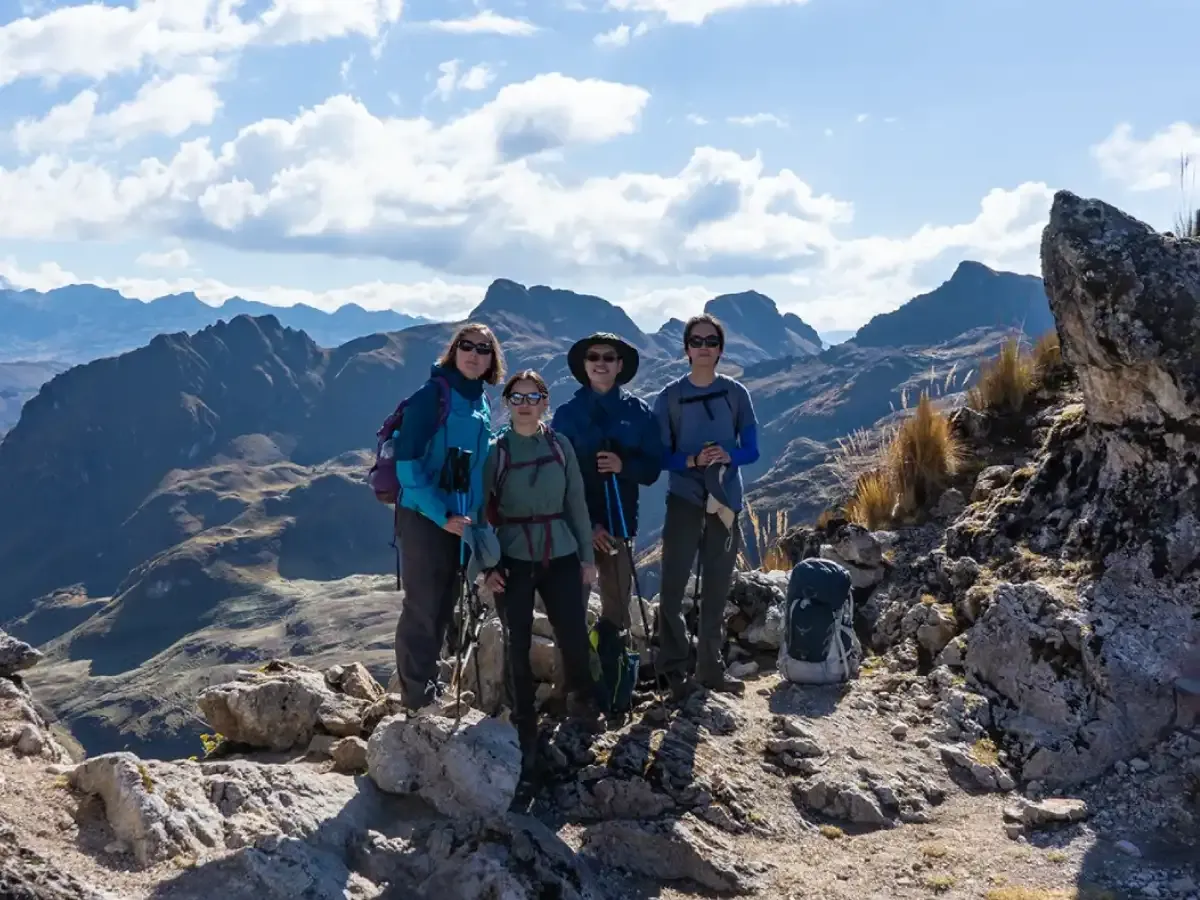
The 4-Day Salkantay Trek is an extraordinary alternative to the traditional Inca Trail: it offers diverse ecosystems, fewer crowds, wild nature, and a majestic finale at Machu Picchu. It is ideal for those seeking adventure, authentic nature, and a deep connection with the Peruvian Andes. The route starts in Cusco, crosses snow-capped mountains and glaciers, passes the stunning Humantay Lake, enters the high jungle, and finally takes the traveler to the Inca citadel of Machu Picchu — all in four intense days of trekking, nature, and heritage. Why choose the Salkantay Trek? Less touristy than the Inca Trail, with equally or even more impressive landscapesIdeal for hiking, nature, and adventure loversConnection with local culture and an authentic experienceAccessible all year round, especially from April to October
- Service type
- Group service
- Difficulty level
- Moderate
- Duration
- 4 Days / 3 Nights
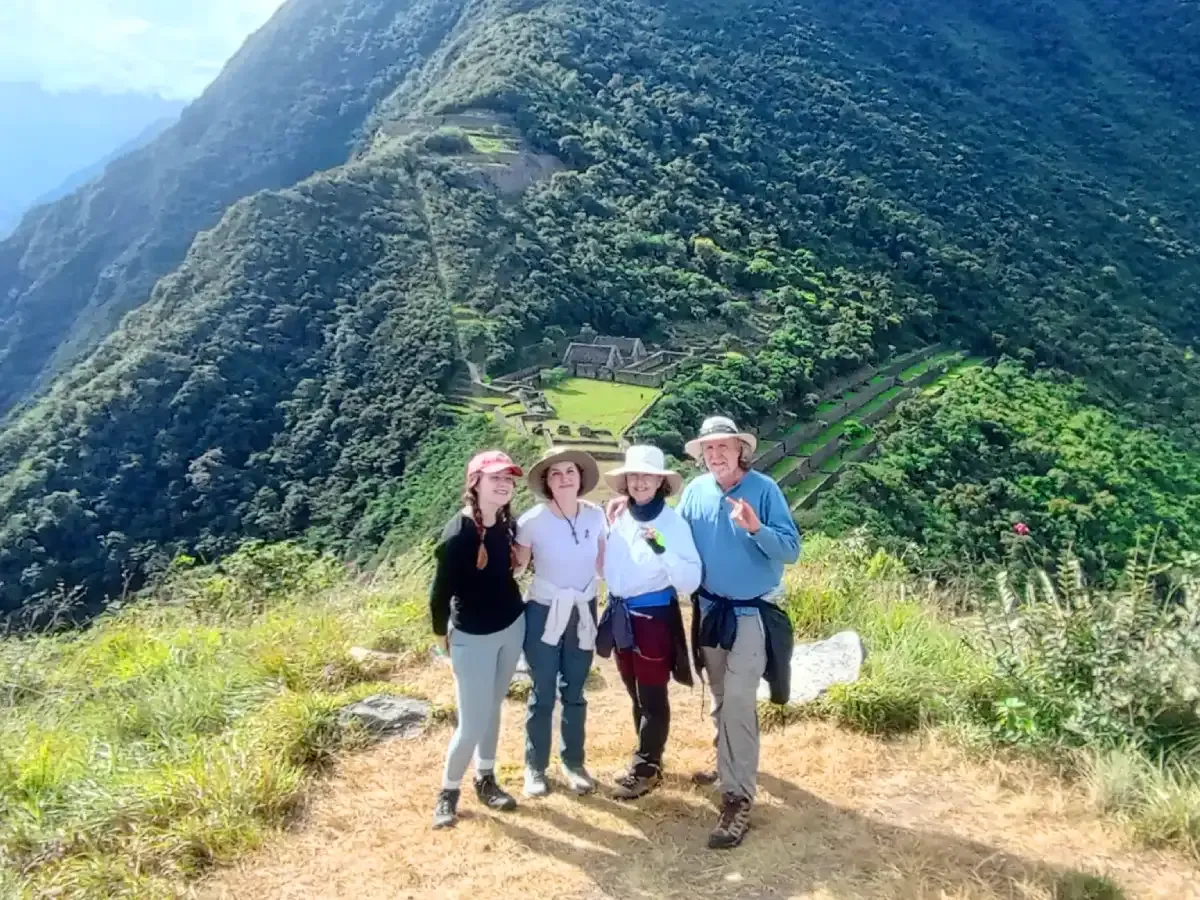
The 4-day / 3-night Choquequirao Trek offered by Dreamy Tours is a demanding but highly rewarding adventure that takes you to the heart of the southeastern Peruvian Andes, crossing deep canyons, lush cloud forests, and high-altitude landscapes, to discover the enigmatic archaeological complex of Choquequirao (also known as the “Cradle of Gold”). The tour is rated as “intermediate to challenging” in difficulty, and its maximum altitude reaches 3,030 meters above sea level in Choquequirao.
- Service type
- Group service
- Difficulty
- Challenging
- Duration
- 4 Days / 3 Nights
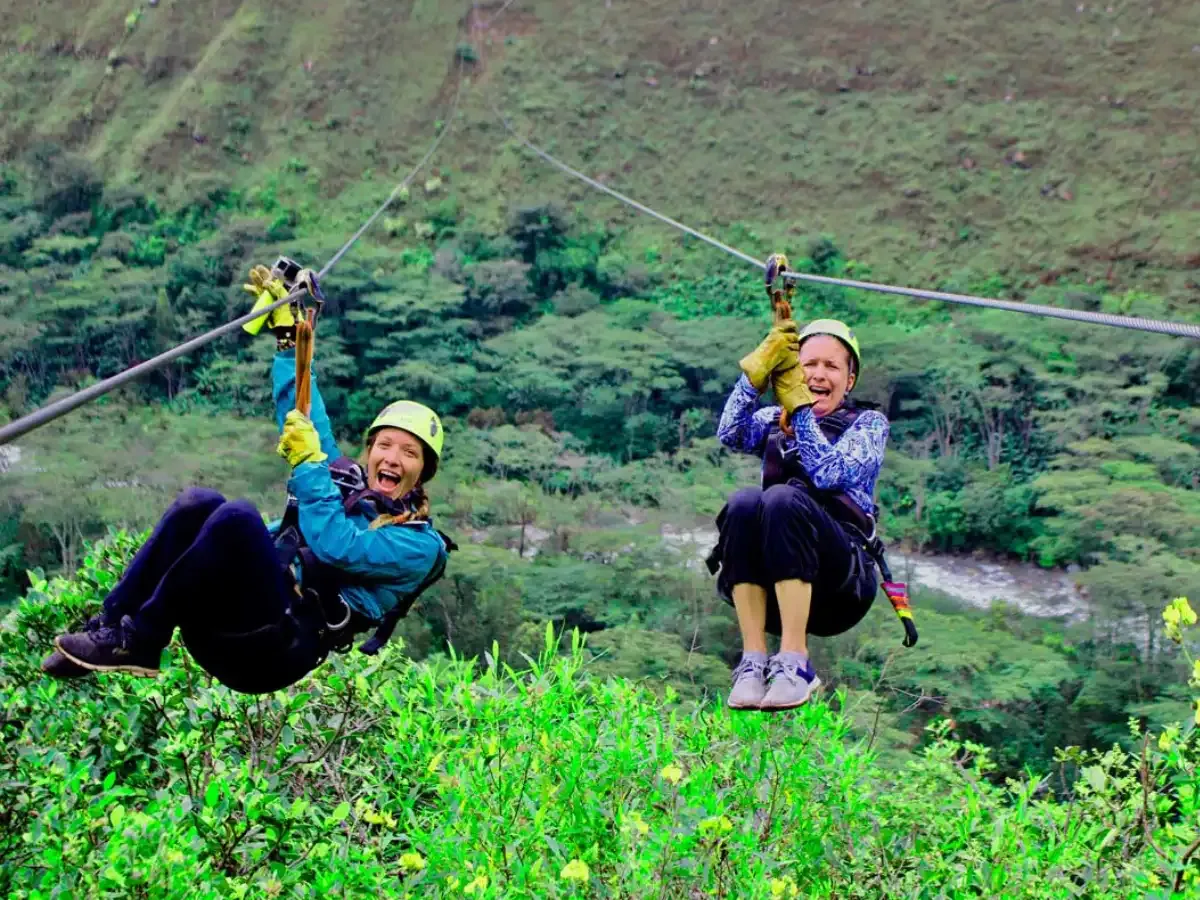
It is a new alternative to the Inca Trail, where you can discover its natural attractions and the warm contact with the local population. The route is suitable for those with an adventurous spirit, an open mind, and no issues with vertigo. This Inca jungle tour through tropical forests is a well-known route that includes biking activities (approximately 55 km) and a walk to the town of Aguas Calientes. During this Inca Trail journey, you will visit some archaeological sites, pass through the base of the town of Santa María (high jungle), and explore the Machu Picchu park on foot. In addition, on the fourth day, we will enjoy a visit to the Machu Picchu citadel during a mystical sunrise. Accommodation is basic, except in the town of Aguas Calientes, where it is more comfortable.
- Service type
- Group service
- Difficulty
- Moderate
- Duration
- 4 Days / 3 Nights
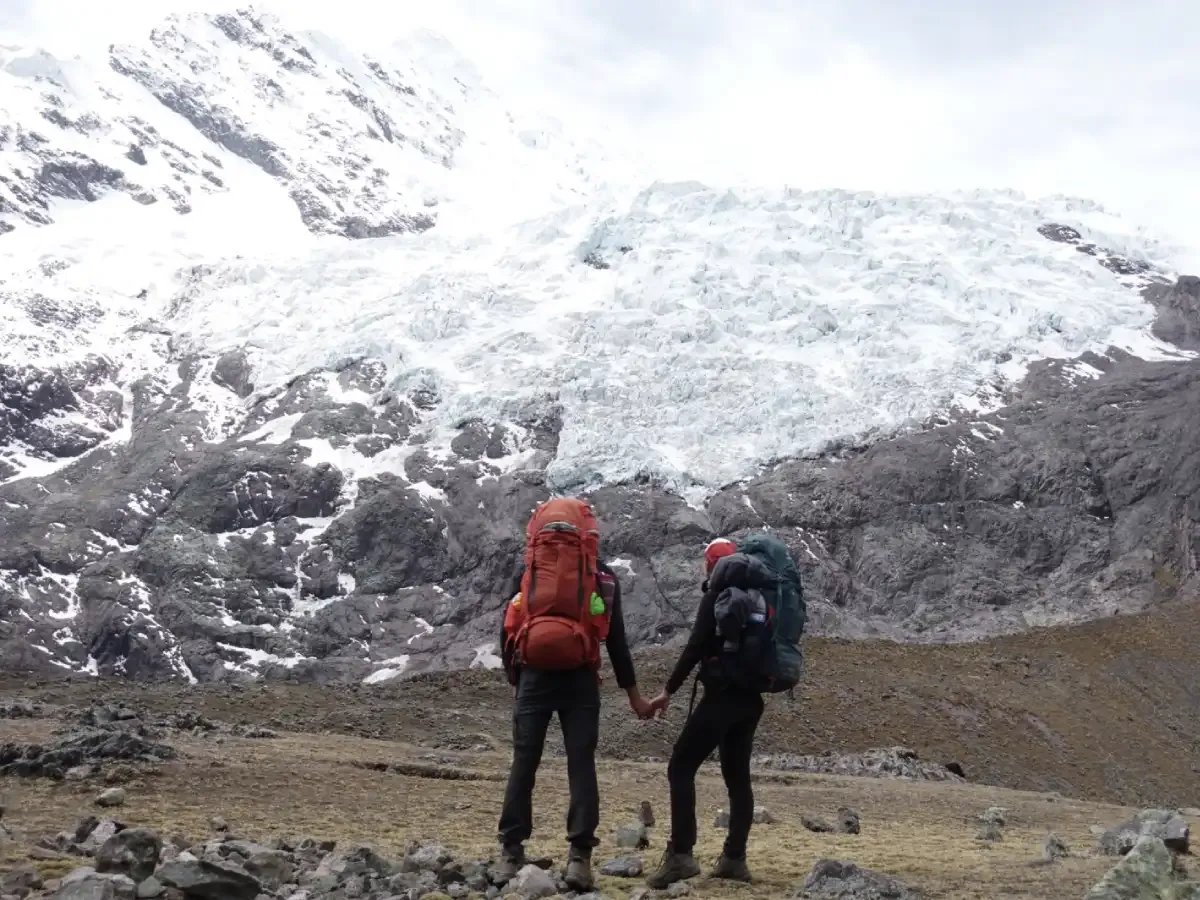
The Ausangate Trek 4 Days is an exciting adventure in one of the highest and most remote destinations in Peru. Located within the majestic Vilcanota mountain range in the Cusco region, this trek will take you to explore dreamlike landscapes surrounded by snow-capped peaks, crystal-clear lagoons, ice caves, and thermal springs. During the hike, you will have the opportunity to get close to the mystical sacred Ausangate mountain, one of the main Andean deities, respected by local communities as a symbol of life and ancestral protection. In addition, you can visit the famous Rainbow Mountains or Vinicunca, a unique geological phenomenon that has become one of the main attractions in southern Cusco. This route not only offers physical challenges and beautiful natural landscapes but also a deep cultural connection with the ancient traditions of Andean communities. Live an unforgettable experience between nature and Andean spirituality on the Ausangate Trek and Rainbow Mountain.
- Service type
- Group tour
- Difficulty
- Moderate – Difficult
- Duration
- 4 Days / 3 Nights
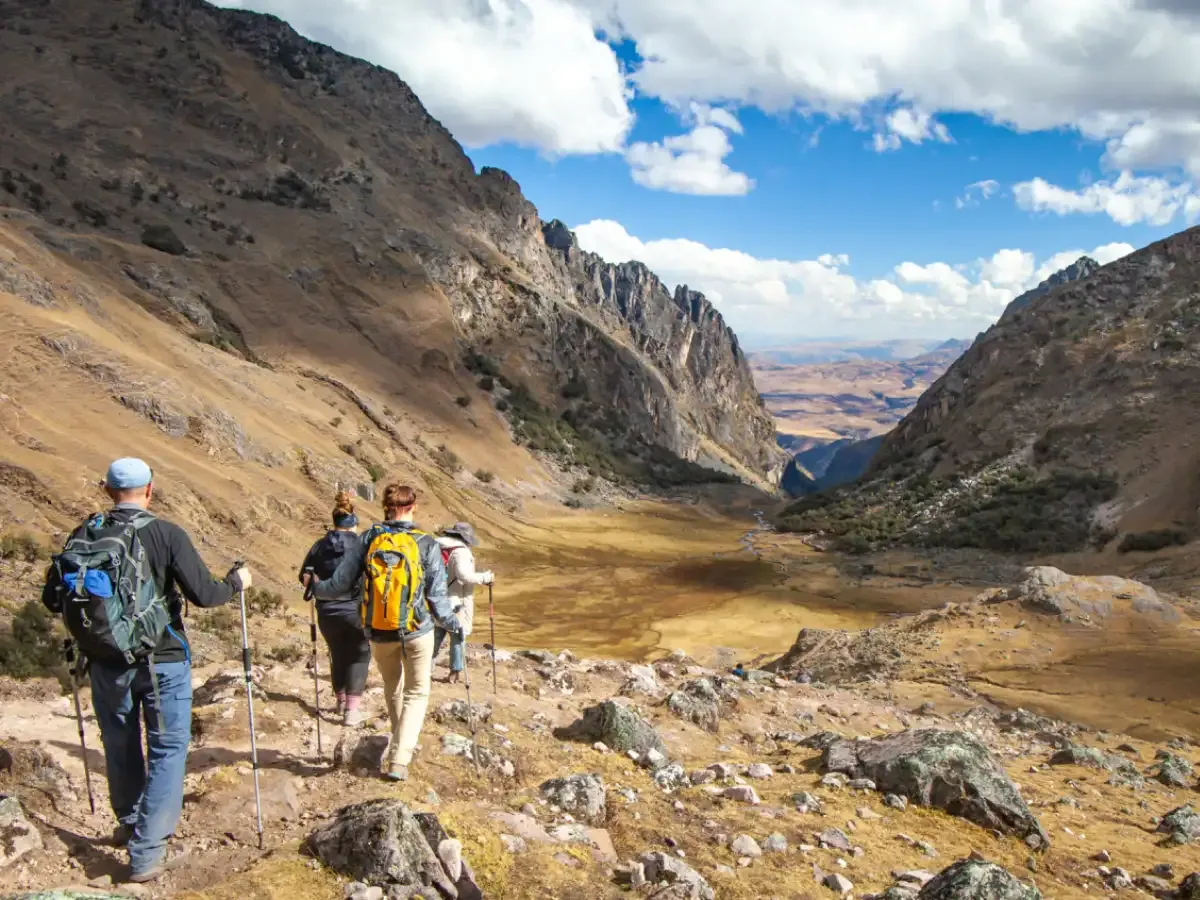
The Lares Trek to Machu Picchu has become a fascinating alternative for travelers seeking to reach Machu Picchu via a less crowded yet equally breathtaking route. Unlike the Inca Trail, the Lares Trekking combines spectacular natural landscapes with a deep immersion into authentic Andean culture. During this journey, you will visit local communities that preserve their ancestral traditions, from agricultural techniques to their vibrant handwoven textiles and traditional clothing. This detailed Lares Trek to Machu Picchu itinerary will guide you through this unforgettable 4-day adventure.
- Service type
- Group tour
- Difficulty level
- Moderate
- Duration
- 4 Days / 3 Nights
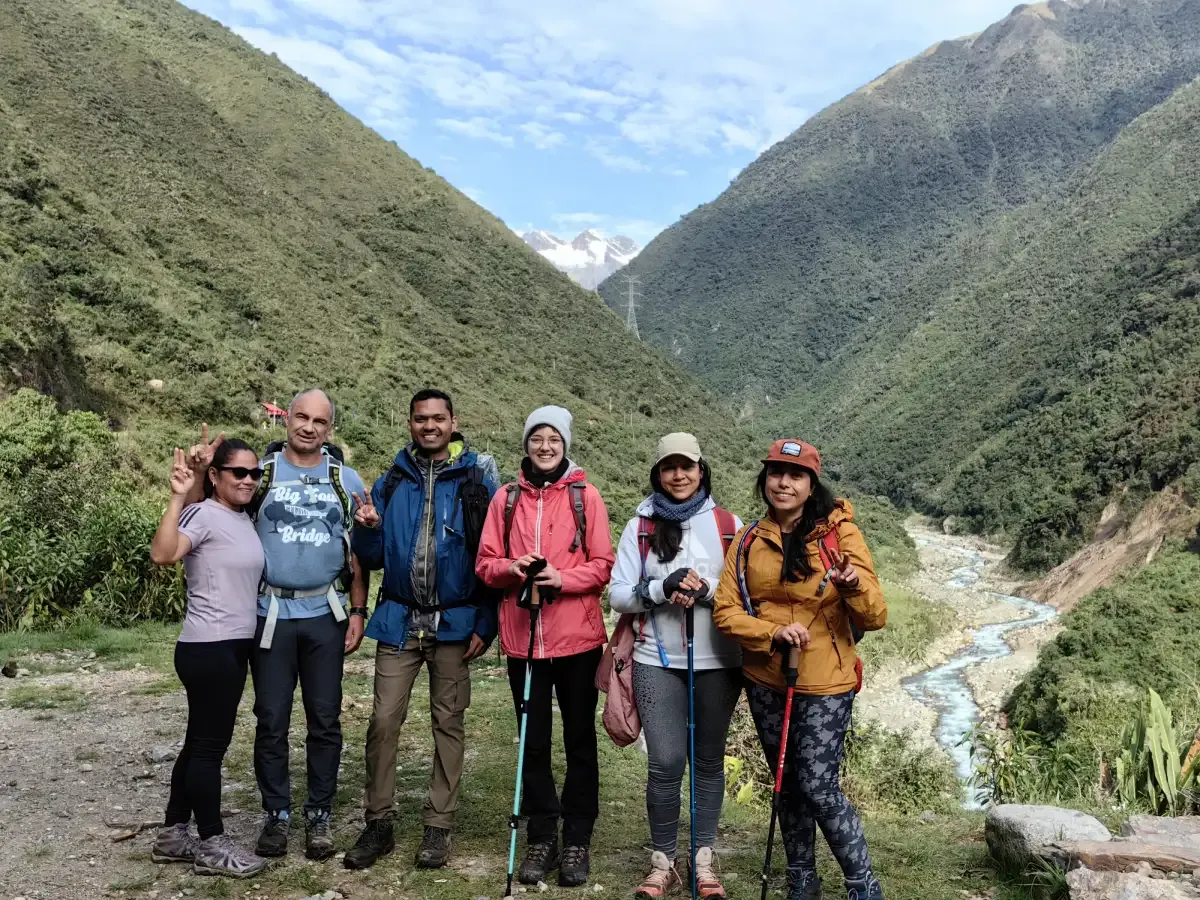
The Salkantay Trek to Machu Picchu is one of the most spectacular alternative routes to reach the ancient Inca city. This 5-day journey takes you through diverse ecosystems, from Andean glaciers to lush tropical cloud forest, culminating in one of the wonders of the world: Machu Picchu. The trip begins at the stunning Humantay Lagoon, before ascending to 4,700 meters alongside the majestic Apu Salkantay, where you will feel as if you can touch the sky with your hands. As you descend, you will witness the landscape transform dramatically: permanent ice gives way to lush cloud forests, and further down, you will find yourself surrounded by aromatic coffee plantations and fruit orchards, where you can taste authentic freshly harvested Peruvian coffee. The adventure is enriched by a rejuvenating stop at the hot springs of Santa Teresa, a natural oasis that will revitalize your body and spirit. The journey culminates with a trek along the ancient and little-traveled Llactapata trail, offering unforgettable first views of Machu Picchu. From there, only a short path remains to reach your final destination: the mythical Inca citadel, one of the wonders of the world, waiting to reveal its timeless secrets. Get ready for an experience that will remain in your heart forever.
- Service type
- Group service
- Difficulty
- Difficult
- Duration
- 5 Days / 4 Nights
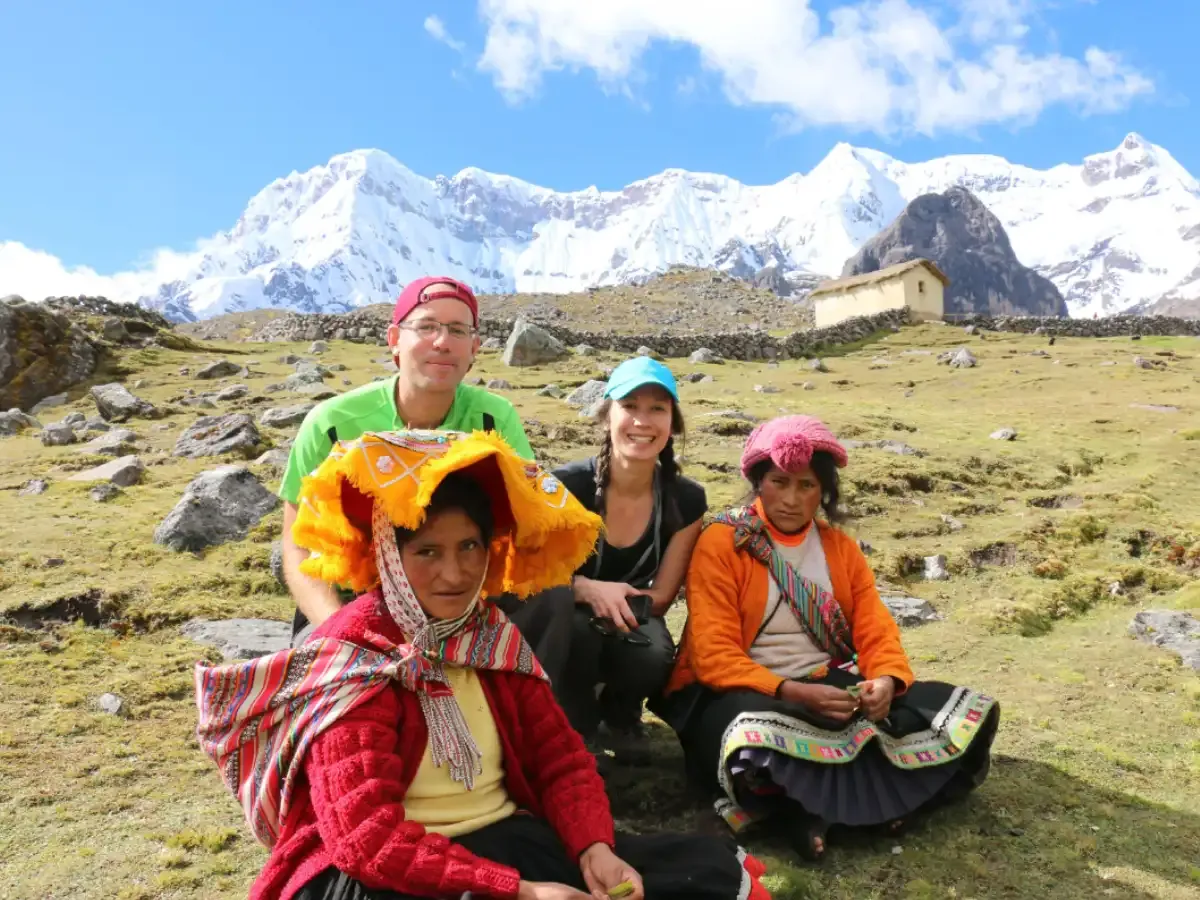
The Ausangate Trek is a journey through the Vilcanota Mountain Range that quite literally lets you “breathe deeply,” along a route known as the “Path of the Apu Ausangate (6,398 m / 20,997 ft),” near the highest sacred mountain in the Cusco region. The “Apu” is considered the bearer of life and the guardian of one of the most pristine ecosystems in the world. The 5-day Ausangate tour from Cusco that we offer below has been carefully designed so you can experience stunning high-altitude landscapes. During the trek, you will encounter native communities, breathtaking mountain scenery, multi-colored lagoons, and Andean camelids in their natural habitat, such as llamas, alpacas, and vicuñas.
- Service Type
- Group Tour
- Difficulty
- Challenging
- Duration
- 5 Days / 4 Nights
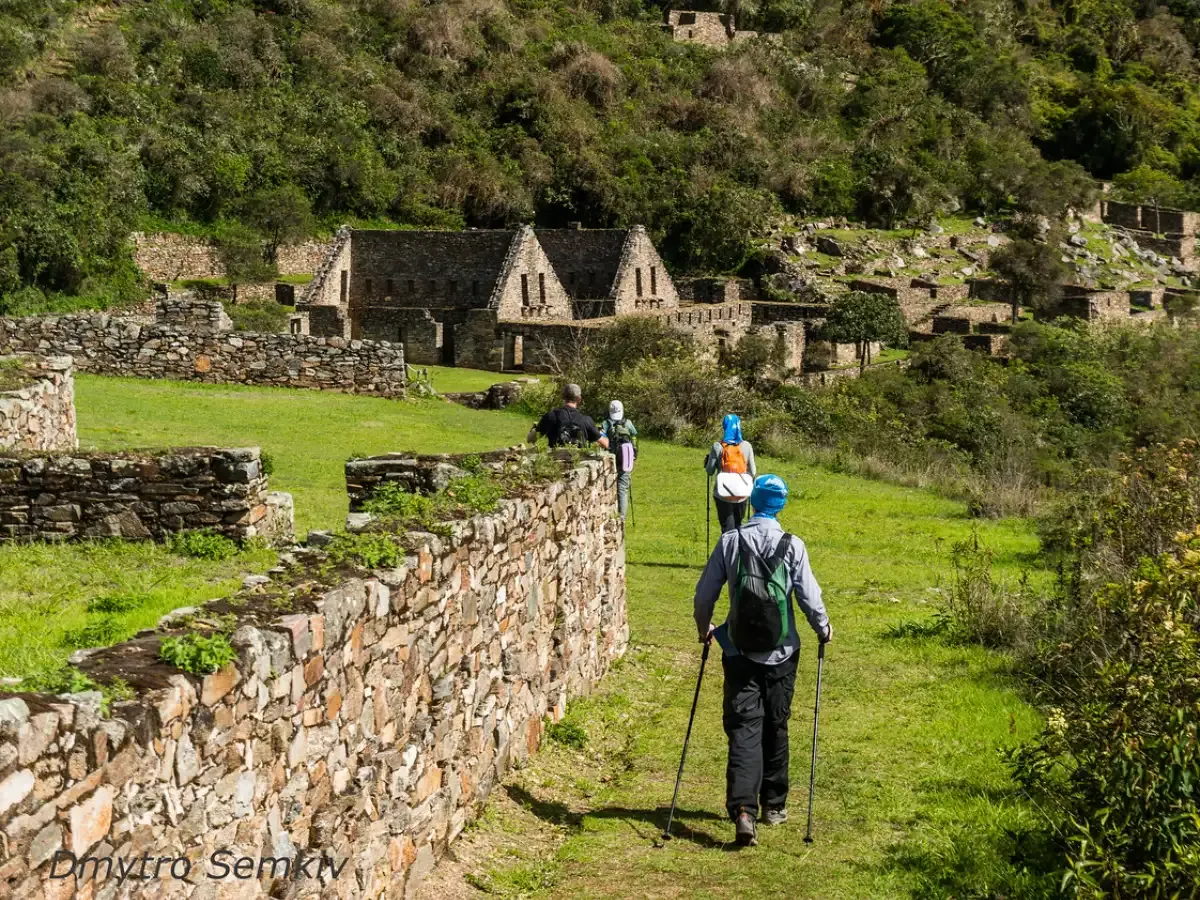
Choquequirao Trek & Machu Picchu – 6 Days is a new route designed for adventure lovers and those who enjoy long hikes through the mountains, culminating in a connection to the citadel of Machu Picchu. Choquequirao means “Cradle of Gold.” It is a magnificent archaeological complex located in the Vilcabamba mountain range, in the Cusco region. Choquequirao and Machu Picchu—rich in legend and history—are waiting to be discovered.
- Service Type
- Group Service
- Difficulty
- Challenging
- Duration
- 6 Days / 5 Nights
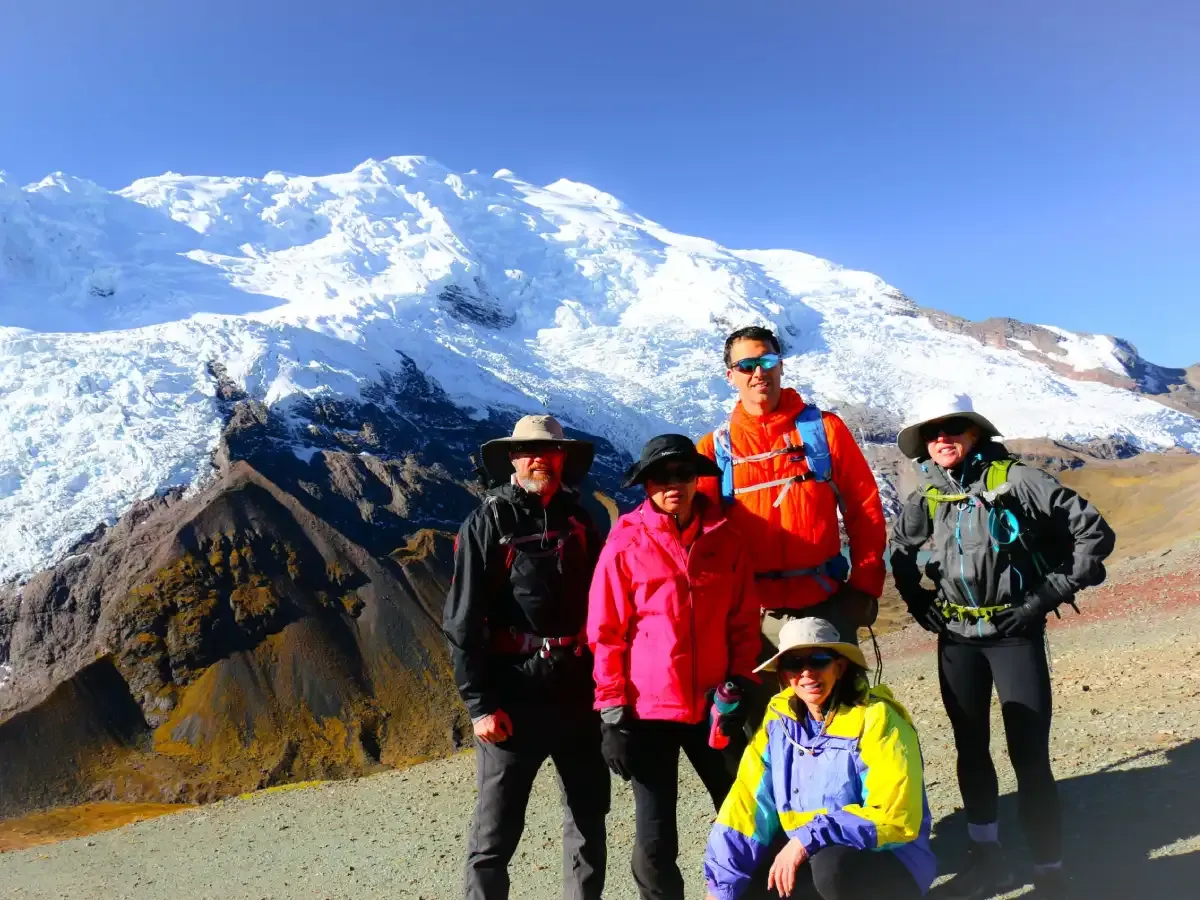
A minimum of 2 people is required for the Ausangate trek. The Ausangate Snow Mountain (6,398 m a.s.l.) is considered one of the most beautiful peaks in the Andes. It is an excellent trekking option in Peru due to the constant ecological variation and changing temperatures at such a high altitude. Ausangate is surrounded by picturesque mountains, glaciers, lagoons, rivers, and more. The hospitality of its people preserves ancestral knowledge and respect for nature, from the mountains to their agricultural lands, reflecting the traditional rural way of life.
- Service type
- Group tour
- Difficulty
- Medium – Difficult
- Duration
- 6 Days / 5 Nights
Which alternative trek in Cusco should you choose?
Each route offers a different way to experience the Peruvian Andes. Here we present our recommended treks according to the type of journey you are looking for, from dramatic mountain scenery to Andean communities and archaeological sites. Compare the main options and choose the route that best matches your fitness level, available time, and interests; below, you will also find detailed information to help you prepare for your trek.
Mountains and Machu Picchu
Experience the Salkantay Trek adventure
One of the best-known alternative routes for combining trekking with Machu Picchu. The journey crosses high-mountain landscapes near Mount Salkantay before gradually descending toward cloud forest and warmer environments on the way to Machu Picchu.
View tourIdeal for:
- Nature
- Trekking
- Machu Picchu
Andean culture
Discover the Lares Valley on foot
An excellent alternative for travelers who want to combine mountain scenery with closer contact with Andean communities and rural landscapes. The route offers another perspective on life in the Andes before continuing toward Ollantaytambo and Machu Picchu.
View tourIdeal for:
- Culture
- Andean communities
- Moderate trekking
Archaeology and challenge
Explore Choquequirao on foot
A demanding trekking experience for travelers who want to combine long hiking days with one of the most remarkable archaeological complexes in the Andes. The route crosses deep valleys and steep elevation changes before reaching Choquequirao.
View tourIdeal for:
- Archaeology
- Physical challenge
- Less conventional routes
Useful information for trekking in Cusco
Before choosing one of our alternative treks, it is important to compare difficulty, altitude, weather, and whether the route connects with Machu Picchu. Here we share practical information to help you prepare for your hike and choose an experience that matches your fitness level and travel style.
DifficultyDifficulty and acclimatization for treks in Cusco
Difficulty and acclimatization for treks in Cusco
Difficulty varies considerably from one route to another. Salkantay combines several days of trekking with high-mountain sections, Choquequirao is known for steep elevation changes, and Ausangate keeps hikers at high altitude for extended periods. Lares generally offers a more moderate experience, while Inca Jungle combines hiking with other adventure activities.
Good physical condition is important, but acclimatization is equally essential. We recommend spending two or three days in Cusco or the Sacred Valley before beginning the highest-altitude treks and avoiding a demanding mountain route immediately after arriving from a low-elevation destination.
If you want to compare difficulty, altitude, and trekking style before choosing, read our guide to the best alternative treks in Cusco.
SeasonWeather and best time for trekking in Cusco
Weather and best time for trekking in Cusco
From May through September, drier conditions generally prevail in the Cusco region, making these months especially popular for multi-day hikes. In high-altitude areas, nights and early mornings can still become very cold, so appropriate layers are important even during the dry season.
Between November and March, rainfall is more frequent. Wet weather can change trail conditions and, in some cases, temporarily affect access.
Weather also varies significantly by route. Salkantay transitions from high-mountain environments toward cloud forest, Ausangate remains at high elevations for much longer, and Inca Jungle gradually descends toward warmer high-jungle areas.
Machu PicchuWhich alternative treks include Machu Picchu?
Which alternative treks include Machu Picchu?
Not every alternative trek has Machu Picchu as its final destination. The Salkantay Trek to Machu Picchu 4 Days, Lares Trek to Machu Picchu 4 Days, and Inca Jungle to Machu Picchu 4 Days combine adventure with a final visit to the Inca citadel.
Ausangate focuses primarily on the Vilcanota mountain range and its high-altitude scenery. One option is the Ausangate Trek and Rainbow Mountain 4 Days.
Choquequirao offers two different possibilities. You can take the Choquequirao Trek 4 Days for an itinerary centered on the archaeological site, or choose the Choquequirao Trek & Machu Picchu 6 Days to combine both destinations.
If reaching Machu Picchu by a different route is your priority, read our guide to Inca Trail alternatives and treks to Machu Picchu.
What to packWhat should you pack for a multi-day trek in Cusco?
What should you pack for a multi-day trek in Cusco?
For a multi-day trek, we recommend well-broken-in hiking shoes or trekking boots, breathable clothing for walking, warm layers for colder periods, and a waterproof outer layer. Sunscreen, sunglasses, a hat, and a reusable water bottle are also important.
Your clothing and equipment should match the route. The Ausangate Trek and Rainbow Mountain requires preparation for prolonged cold and high-altitude conditions, while Salkantay and Inca Jungle pass through environments with greater changes in temperature and humidity.
Avoid carrying unnecessary items. A light, comfortable, and well-organized backpack can make a significant difference during several consecutive days of hiking.
TransportationTourist transportation in Peru for your trip
Tourist transportation in Peru for your trip
At Dreamy Tours, we coordinate tourist transportation options with Viamed Perú to complement your itinerary. Ask us about airport transfers, half-day or full-day excursions, and trips between destinations, depending on your planned route.
Each service is arranged according to your travel date, route, and group size. Availability and vehicle type are confirmed while planning your trip.
Ideas and tips for your next trip
Guides, recommendations, and stories to inspire your next adventure.
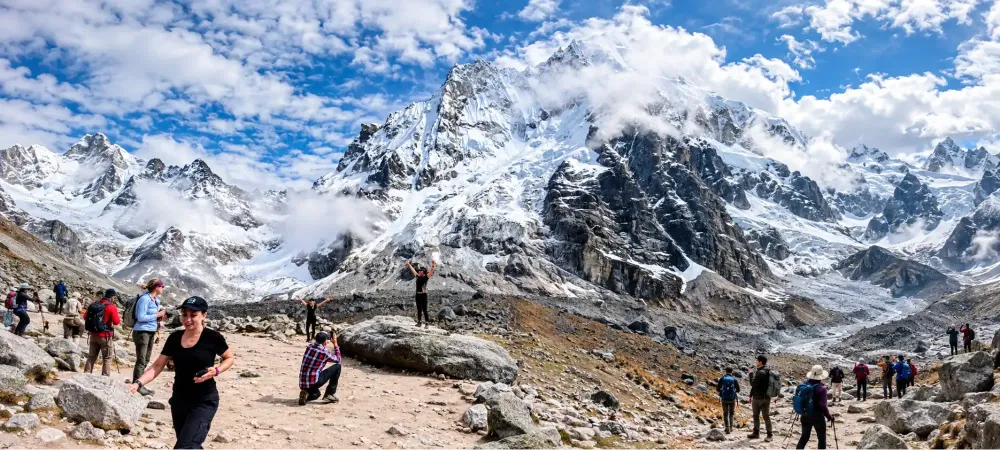
Salkantay Trek 4 or 5 Days: Which One Should You Choose?
Choosing between the Salkantay Trek 4 or 5 days is not simply a matter of having one extra day available. Both itineraries cross the high mountains, pass through Salkantay Pass and finish with a visit to Machu Picchu, but they distribute the experience differently. The four-day version moves more quickly toward Machu Picchu, while the five-day route includes areas such as Lucmabamba and Llactapata and gives more time to the transition between high mountains, cloud forest and agricultural landscapes. At Dreamy Tours, we operate both alternatives. Before choosing, it is worth comparing difficulty, pace, landscapes, available time and which part of the trek you want to make the main focus of your trip. If you are still getting familiar with the route, our Salkantay Trek Guide explains the altitude, weather, difficulty and preparation first. What is the difference between the Salkantay Trek 4 and 5 days? The main difference is how the journey is distributed after crossing the high-mountain sections. On our Salkantay Trek to Machu Picchu 4 Days, the route moves more quickly toward Hidroeléctrica and Machu Picchu Pueblo. Day 4 is then dedicated to visiting Machu Picchu. The Salkantay Trek and Llactapata 5 Days gives more time to the cloud forest and includes Lucmabamba and the hike through Llactapata before reaching Hidroeléctrica. For this reason, five days does not simply mean doing the same route more slowly. The itinerary adds places and experiences that are not developed in the shorter version. FeatureSalkantay 4 daysSalkantay 5 daysDuration4 days / 3 nights5 days / 4 nightsSalkantay PassYesYesHumantay LakeYes, according to current itineraryYes, according to current itineraryMaximum altitude≈ 4,650 m≈ 4,600–4,650 m depending on sectionCloud forestYesYes, with more timeLucmabambaMore concentrated routeYes, with a stronger roleLlactapataNot as a separate hiking dayYesMachu PicchuDay 4Day 5PaceMore compactMore progressiveBest forLimited time and good enduranceMore time and greater interest in trekking The current four-day Dreamy Tours itinerary places Salkantay Pass at approximately 4,650 meters and includes a second day of around 22 km and approximately 8 to 9 hours of hiking. Salkantay Trek 4 days: what is the experience like? The four-day version concentrates the main landscapes of the route into a more compact program. The first day enters the Soraypampa area and allows travelers to include Humantay Lake. The second day crosses Salkantay Pass and then descends toward Chaullay or nearby areas of cloud forest. The third day continues through warmer environments until connecting with Hidroeléctrica and Machu Picchu Pueblo. This means the route maintains an active pace almost until reaching the gateway to Machu Picchu. It is especially practical for travelers who want a complete trekking experience but also need to reserve time for Cusco, the Sacred Valley, Lima, Arequipa or other destinations in Peru. Salkantay Trek 5 days: what changes? The five-day version keeps the major mountain highlights but develops the second half of the journey in greater depth. After crossing Salkantay Pass, the route continues toward lower elevations and allows more time in Lucmabamba, where coffee plantations, fruit crops and landscapes very different from the first days begin to appear. One of the major differences is Llactapata. This stage adds an extra hiking section before descending toward Hidroeléctrica and continuing to Machu Picchu Pueblo. For travelers who see Salkantay as one of the main experiences of their trip, the extra day adds much more than another night. It genuinely expands the journey. Which is harder, Salkantay 4 or 5 days? There is no simple answer such as saying four days is difficult and five days is easy. Both versions cross Salkantay Pass, so they share the main altitude challenge. The route climbs above 4,600 meters and requires proper acclimatization before starting. The four-day version concentrates more distance and transitions into less time. The five-day version distributes some stages more gradually, but it also adds another full day of hiking and does not remove the demanding sections. Difficulty therefore also depends on your endurance, pace and hiking experience. Our guide to Salkantay Trek difficulty explains this in greater detail. Which route has the better pace? If you prefer a more progressive journey, five days generally offers a more balanced pace. That does not mean every day is short. The difference is that there is more room to enjoy the transition between high mountains, cloud forest, agricultural areas and the sectors close to Machu Picchu. The four-day option prioritizes efficiency. It allows you to experience Salkantay’s main landscapes and reach Machu Picchu without adding another full day to your Peru itinerary. There is no universal winner. Travelers with limited time may value the shorter version more, while those who want trekking to be a central part of the trip will probably enjoy the longer itinerary. Do both routes cross Salkantay Pass? Yes. Both the four and five-day routes cross Salkantay Pass. This point rises above approximately 4,600 meters and represents the highest section of the trek. The climb, cold conditions and lower oxygen availability make it one of the most demanding stages. Choosing five days does not remove this challenge. For both options, we recommend arriving in Cusco with enough time to adapt gradually to altitude. You can read our guide to Salkantay Trek altitude if you want to prepare more carefully for this part of the journey. Do both options include Humantay Lake? On the current Dreamy Tours itineraries, both the four and five-day versions include the Humantay Lake area on the first day. On the four-day route, the hike begins from Soraypampa and then returns toward the camping area before continuing toward Salkantay Pass the following day. For that reason, Humantay is not the main difference between the two options. The real separation becomes more noticeable after crossing the high mountains and descending toward the cloud forest. If Humantay Lake is one of your main reasons for choosing this route, you can experience it on either current itinerary without needing to select five days only for that visit. Llactapata: one of the biggest differences Llactapata is one of the features that most clearly distinguishes the five-day route from the four-day program. The longer itinerary includes a hiking day from the Lucmabamba area toward Llactapata before descending to Hidroeléctrica. This adds several hours of trekking and provides a different perspective of the Machu Picchu environment. It also adds an extra archaeological and scenic component before the final visit to the Inca citadel. If you want a less compressed journey and prefer more intermediate stages before reaching Machu Picchu, Llactapata is one of the strongest reasons to choose five days. Which option is better if I have limited time in Peru? If you have only a few days available, the four-day Salkantay route is usually the more efficient option. One additional day can make a significant difference when you also want to visit Cusco, the Sacred Valley, Machu Picchu and other destinations. The shorter version still includes Salkantay Pass, Humantay, changing ecosystems and the final visit to Machu Picchu. However, you should still book in advance. Although Salkantay does not require an Inca Trail Network permit, both versions finish at Machu Picchu and depend on an official entrance ticket for a specific date, circuit, route and entry time. Official sales are handled through TuBoleto Cultura. In 2026, Peru’s Ministry of Culture established a maximum capacity of up to 5,600 visitors per day on specific high-season dates, including the period from June 19 to November 2. Which route should you choose if trekking is your priority? If Salkantay is one of the main reasons for your trip to Peru, the five-day version gives the trek more space. The extra day develops the transition into cloud forest more fully, includes Lucmabamba and Llactapata and prevents the second half of the journey from becoming focused only on reaching Machu Picchu as quickly as possible. In both cases, the Machu Picchu ticket is separate from the trekking route and must correspond to the circuit available for your booked date. The identity document or passport used for the reservation must match the visitor’s information. The Cusco Tourist Ticket does not replace that entrance. The full BTC for foreign visitors costs S/130 and partial tickets cost S/70, but its circuits cover attractions such as Saqsayhuaman, Pisac, Ollantaytambo, Chinchero and Moray, not Salkantay or Machu Picchu. Ticket or requirement4 days5 daysKey informationInca Trail Network permitNoNoStandard Salkantay does not use this permitMachu PicchuYesYesNominative ticket by date, circuit, route and timeTuBoleto CulturaApplies to Machu PicchuApplies to Machu PicchuOfficial Ministry of Culture platformFull BTC foreign visitorNot for SalkantayNot for SalkantayS/130, valid 10 daysPartial BTCNot for SalkantayNot for SalkantayS/70 depending on circuitOriginal IDYes for Machu PicchuYes for Machu PicchuMust match the reservation Machu Picchu availability is therefore one of the first elements that should be confirmed before building the rest of the itinerary. Which option lets you see more places? The five-day version offers greater variety because it dedicates an additional day to areas that the shorter route either compresses or does not develop in the same way. At Dreamy Tours, we include Lucmabamba and Llactapata as two important moments on the longer itinerary. This adds coffee-growing areas, tropical vegetation, rural paths and a different perspective of the Machu Picchu region. Both versions retain the major high-mountain highlights such as Humantay and Salkantay Pass. The main difference appears once the route begins descending toward warmer environments. If you want the trek to include more layers rather than only its most famous highlights, five days provides a more complete experience. If you prefer to concentrate on the essentials, four days keeps the main landmarks within a shorter program. Which route offers more contact with local landscapes and communities? The five-day version allows more time in lower-altitude areas, especially around Lucmabamba, where the scenery changes toward crops, cloud forest and rural environments associated with coffee and fruit production. This creates a stronger contrast with the first days, which are dominated by Soraypampa, Humantay, snow-capped peaks and Salkantay Pass. The transformation of the landscape becomes a more gradual part of the experience. The four-day route still shows this change in ecosystems, but its pace is more direct because it has to approach Machu Picchu within less time. For travelers prioritizing efficiency and working with a tighter Peru itinerary, it remains a very complete option. At Dreamy Tours, we recommend four days if you want to concentrate on the main highlights and five days if you want to give more importance to the trekking itself, Llactapata and the lower valleys. For either option, prepare your equipment with our guide to what to pack for the Salkantay Trek and check the best time for the Salkantay Trek before choosing your dates.
Read more
Stories from our travelers
Experiences shared on TripAdvisor, Google and Trustpilot.
 4.9/ 5164 reviews
Dreamy Tours4.9Out of 5 starsBased on 164 reviewsArropados en Peru
Nos hemos sentido muy a gusto durante toda nuestra estancia y visitas, un 5 con asterisco para esta empresa, de volver repetiremos con ellos
Excelente experiencia en Camino Inka
Experiencia muy gratificante
Fue una experiencia unica, la atencion fue genial, muy amigables y cumplieron con todo. Me voy satisfecho.
5.0/ 53 reviews
Viagem em família pelo Peru
Perfecto para viajar con niños
Muy recomendado desde inicio a fin
Muy recomendado desde inicio a fin, compre mi paquete Lima - Puno - Arequipa y Cusco. Todo una experiencia inolvidable muy recomendado al 100%
4.9/ 5552 reviews
Google Reviews
Google Reviews
Contratamos la agencia desde Argentina, y de principio a fin la experiencia fue excelente. Muy buena atencion, siempre estan en contacto para lo que necesites.
Google Reviews
Me gusto mucho el tour, pude disfrutar hermosos paisajes y aprender sobre la forma de vida local. Excelente guia y buen manejo de los horarios.
Frequently asked questions about alternative treks in Cusco
What are the best alternative treks in Cusco?
Salkantay, Choquequirao, Ausangate, Lares, and Inca Jungle are among the best-known alternative treks in Cusco. Each route offers a different experience: Salkantay combines dramatic mountain scenery with Machu Picchu; Lares focuses more strongly on Andean communities and rural landscapes; Choquequirao combines archaeology with demanding elevation changes; Ausangate is centered on high-altitude trekking; and Inca Jungle combines hiking with adventure activities.
The best choice depends on your fitness level, available time, and the type of experience you want. If you are still comparing routes, read our guide to the best alternative treks in Cusco.
What is the best alternative to the Inca Trail?
The Salkantay Trek to Machu Picchu 4 Days is one of the best-known Inca Trail alternatives for travelers who want several days of trekking before visiting Machu Picchu. However, there is no single route that is best for everyone.
The Lares Trek to Machu Picchu 4 Days may be a better option if you are interested in Andean culture and local communities, while Inca Jungle to Machu Picchu 4 Days combines hiking with adventure activities. If archaeology and a more demanding physical challenge are your priorities, the Choquequirao Trek 4 Days offers a very different experience.
You can compare these routes in greater detail in our guide to the best Inca Trail alternatives.
Do all alternative treks lead to Machu Picchu?
No. Some routes are specifically designed to combine trekking with a visit to Machu Picchu, while others focus on a completely different part of the Andes.
The Salkantay Trek to Machu Picchu 4 Days, Lares Trek to Machu Picchu 4 Days, and Inca Jungle to Machu Picchu 4 Days include a final visit to Machu Picchu. Ausangate, on the other hand, focuses primarily on the Vilcanota mountain range and its high-altitude scenery.
Choquequirao offers both possibilities. You can hike the Choquequirao Trek 4 Days as a journey focused on the archaeological site, or choose the Choquequirao Trek & Machu Picchu 6 Days to combine both destinations.
Which alternative trek in Cusco is the most difficult?
Difficulty depends on the itinerary, altitude, elevation gain, weather conditions, and your individual fitness level. The Choquequirao Trek 4 Days is particularly demanding because of its steep ascents and descents, while Ausangate requires excellent acclimatization because much of the trek takes place at high altitude.
Salkantay also requires good physical preparation, particularly during the mountain stages. Lares is generally more moderate, although it still includes high passes and several days of hiking.
To compare difficulty, scenery, altitude, and trekking style, read our comparison of the best alternative treks in Cusco.
Do alternative treks require the same permit as the Inca Trail?
No. Routes such as Salkantay, Lares, Ausangate, Choquequirao, and Inca Jungle do not use the same limited permit system as the Classic Inca Trail. However, archaeological sites, protected areas, local attractions, or other places included in a specific itinerary may have their own entrance requirements.
If your trek includes Machu Picchu, you will also need the corresponding Machu Picchu entrance for the available date, circuit, and entry time. We coordinate the services included according to the tour you book.
What is the best time for trekking in Cusco?
May through September generally brings drier conditions to the Cusco region and is one of the most popular periods for multi-day trekking. Nights and early mornings can become very cold at higher elevations, even during the dry season.
Rainfall is more frequent between November and March, and some trails may become muddy or experience temporary changes in access conditions. April and October are transition months, when weather conditions can be more variable.
The best period also depends on the route you choose, so it is important to compare altitude, terrain, and expected weather before booking.