


Bolivia Tours: Uyuni Salt Flats, La Paz & Lake Titicaca
Discover our Bolivia tours and explore some of the most extraordinary landscapes and cities of the Andean Altiplano. From La Paz and Lake Titicaca to the immense Uyuni Salt Flats, our itineraries combine nature, culture, archaeology, and scenic journeys across different regions of the country. Choose from a full-day experience at the Uyuni Salt Flats to multi-day adventures through colorful lagoons, volcanoes, historic cities, and remote Altiplano landscapes. We also offer complete Bolivia travel packages and itineraries that combine Peru and Bolivia in a single journey. The best option depends on how many days you have, the destinations you want to visit, and the type of experience you are looking for. Compare our Bolivia tours and choose between Uyuni excursions, La Paz experiences, Altiplano adventures, or complete itineraries designed to help you discover the country at a comfortable pace.
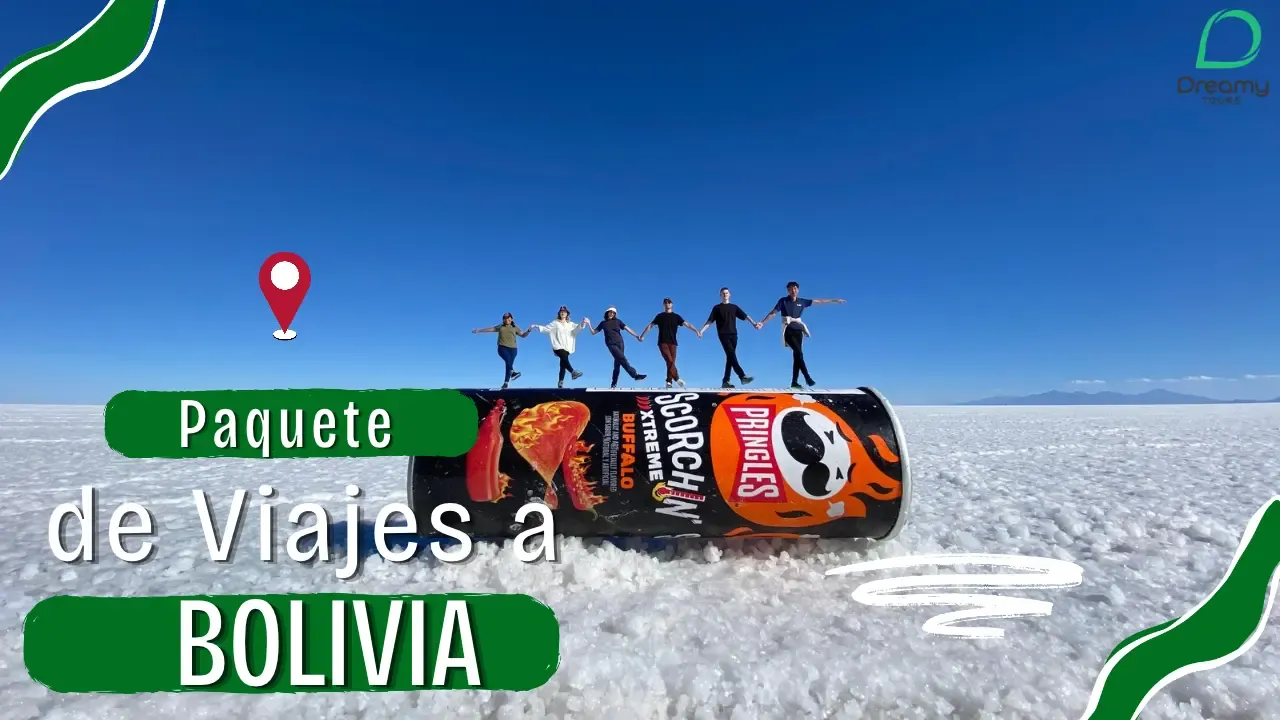

The Uyuni Salt Flats, a salt flat located in the Bolivian Altiplano, is one of the 25 Natural Wonders of the World. It covers 10,500 km² within the Andes mountain range. The Uyuni Salt Flats is the largest salt flat in the world. It also contains between 50% and 70% of the world’s lithium reserves, as well as significant amounts of potassium, boron, and magnesium. The magic of the Uyuni Salt Flats, undoubtedly one of the most famous attractions in the country and in the world, gives us free access to explore its stunning natural landscapes.
- Service Type
- Group Service
- Difficulty
- Easy
- Duration
- Full Day
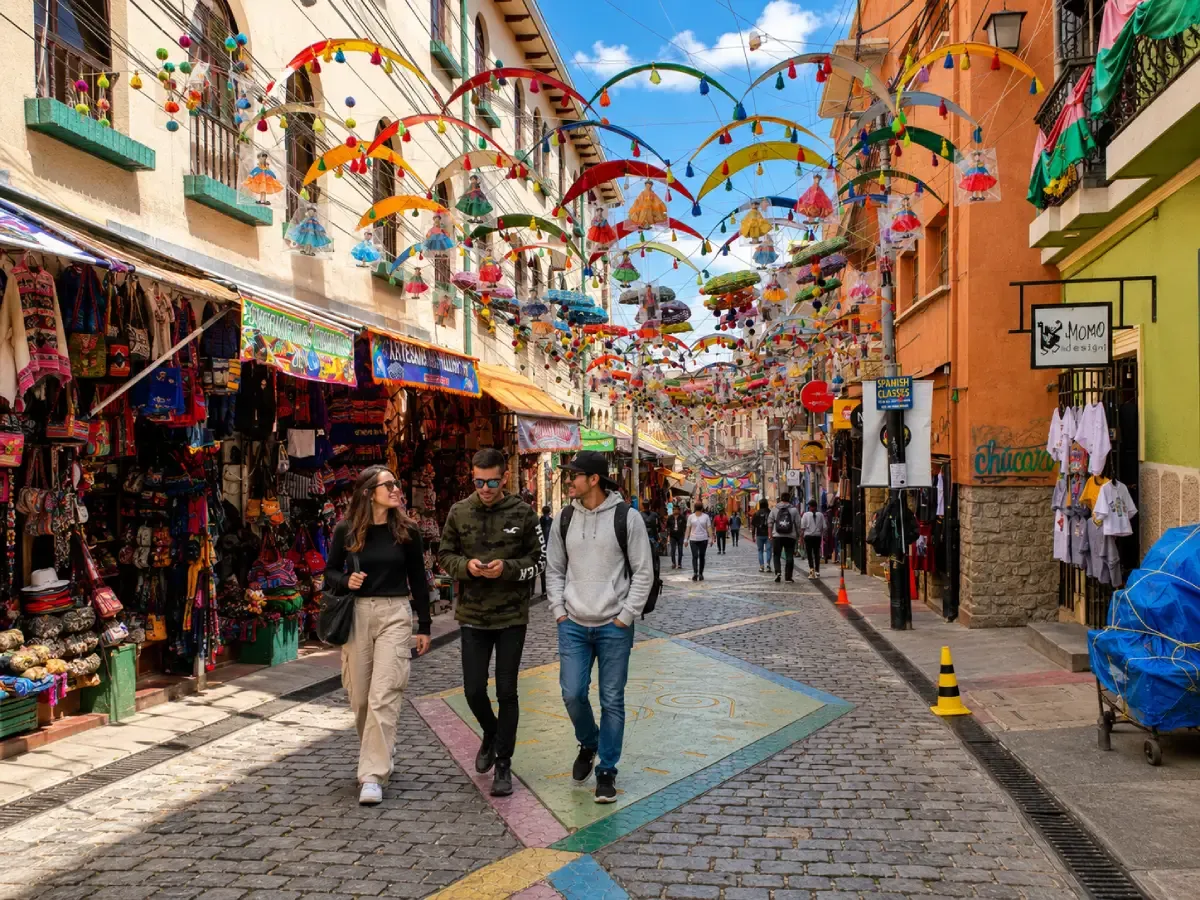
Discover the diverse and enigmatic aspects of La Paz, from its bustling streets to its modern cable car system, without missing a single detail. The influence of indigenous culture can be felt throughout the city. The stunning beauty of La Paz can be admired from remarkable viewpoints such as Killi Killi, as well as from unique places like Moon Valley, known for its unusual geological formations. Don’t miss Plaza Murillo, a historic landmark, and the Witches’ Market, a mystical marketplace.
- Service Type
- Group Service
- Difficulty
- Easy
- Duration
- Full Day
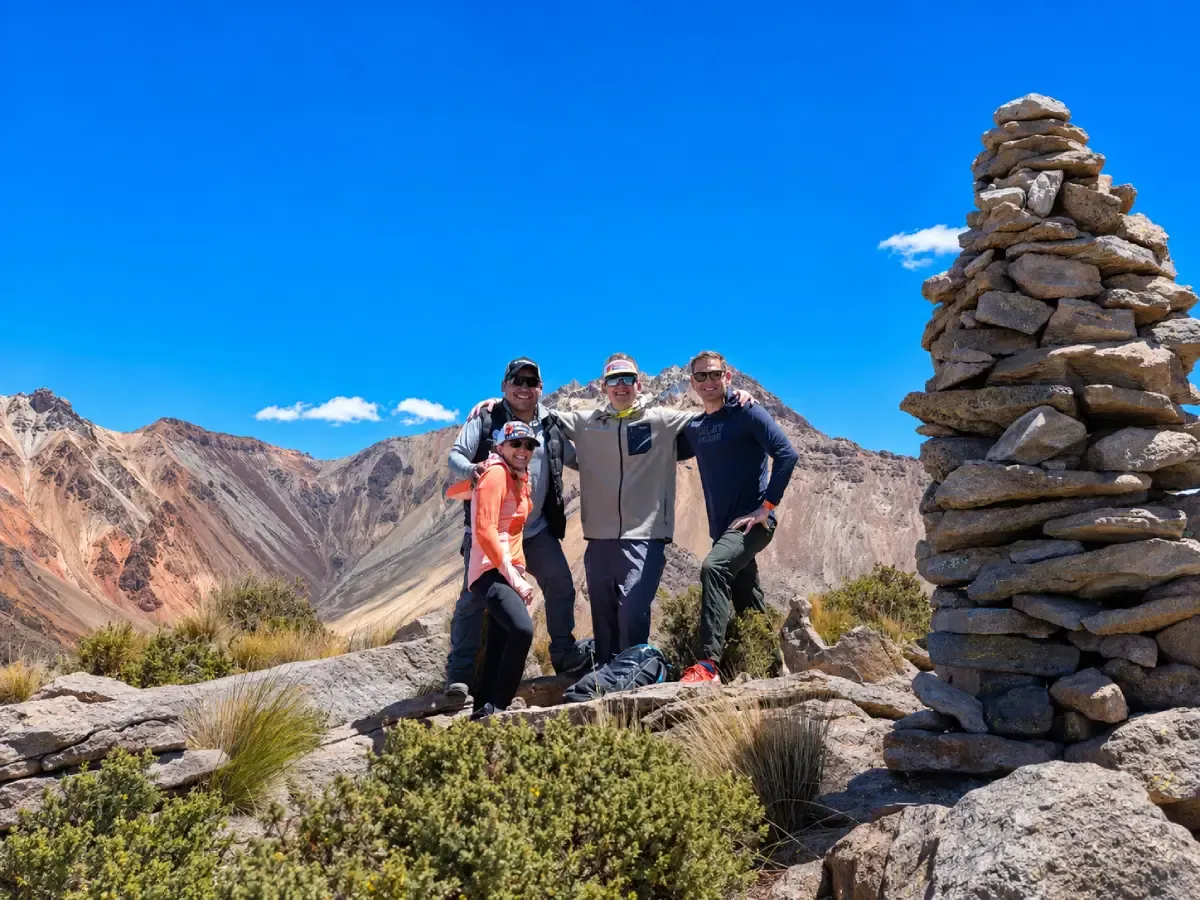
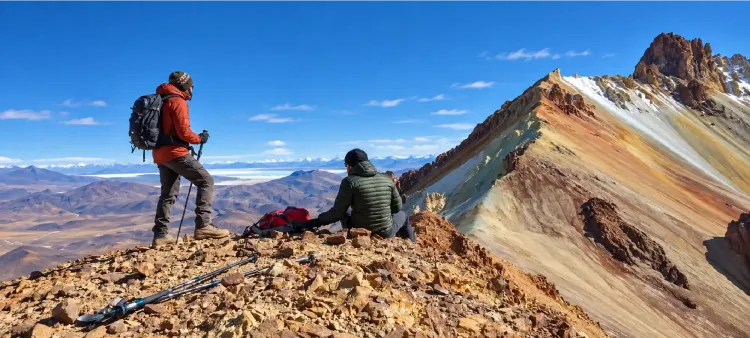
The Uyuni Salt Flats excursion is the ideal way to explore the most impressive scenery in Bolivia. On the first day, we will visit the Train Cemetery and the Uyuni Salt Flats, and you will spend the night in a salt hotel. The next morning, we will ascend Tunupa Volcano to visit the Cave of the Mummies, where mummified remains dating back to pre-Inca times are found, at an altitude of 4,200 m.a.s.l. We will also visit some Andean villages. Come and explore this incredible landscape with us!
- Service Type
- Group Service
- Difficulty
- Easy
- Duration
- 2 Days / 1 Night
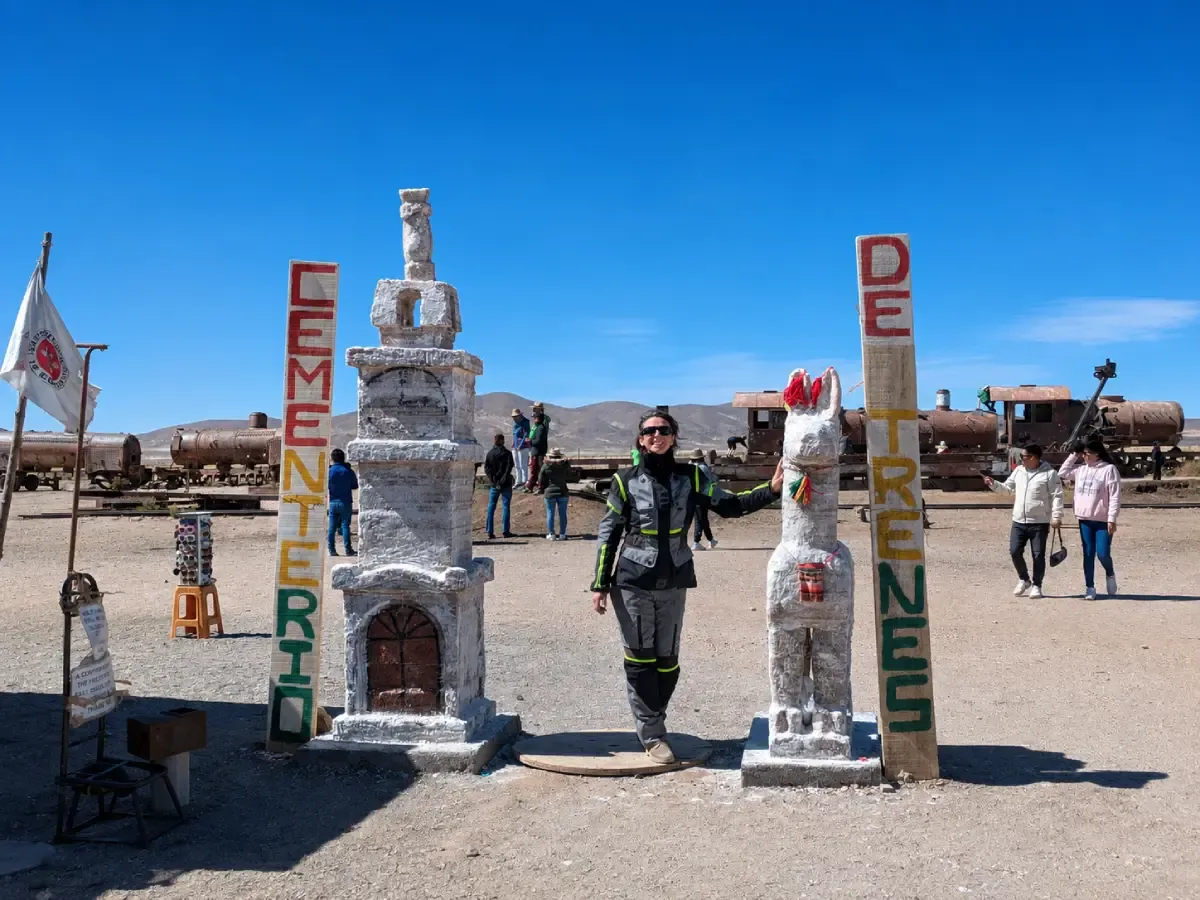
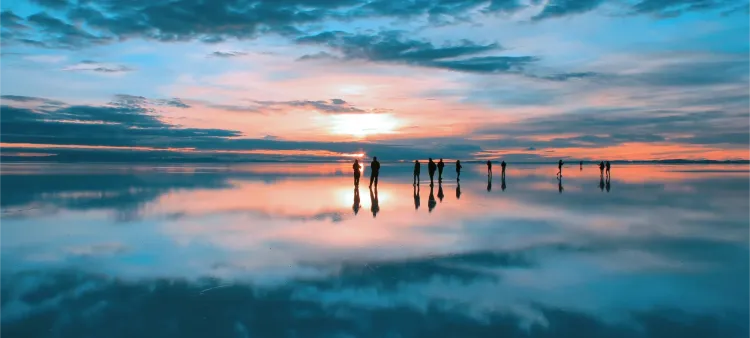
On the 3-Day Uyuni Salt Flats & 3 Colored Lagoons Tour in the Eduardo Avaroa Andean Fauna National Reserve, you will witness sunrises that appear white like snow and sunsets over pink, green, and white lagoons, as well as deserts and volcanoes. As you move forward, the landscape changes every few kilometers. You will step onto an immense expanse of white salt flats with nothing else around you and witness a horizon that seems endless, where the sky and the earth reflect one another, giving you the sensation of walking on the clouds. Enjoy the serenity, peace, and solitude, and become one with nature.
- Service Type
- Group Service
- Difficulty
- Easy
- Duration
- 3 Days / 2 Nights

On this excursion, you will discover the different stages of Bolivia’s past, from the Mesozoic Era with the appearance of dinosaurs and giant mammals to the Colonial period. Tarija is located in a beautiful and wide valley with a pleasant climate, abundant fruit, and delicious food all year round. Tarija is known as “The City of Flowers,” an ideal destination for visitors looking to enjoy lush green landscapes, historical and cultural sites, and especially to taste delicious wines and singanis.
- Service Type
- Group Service
- Difficulty
- Easy
- Duration
- Full Day
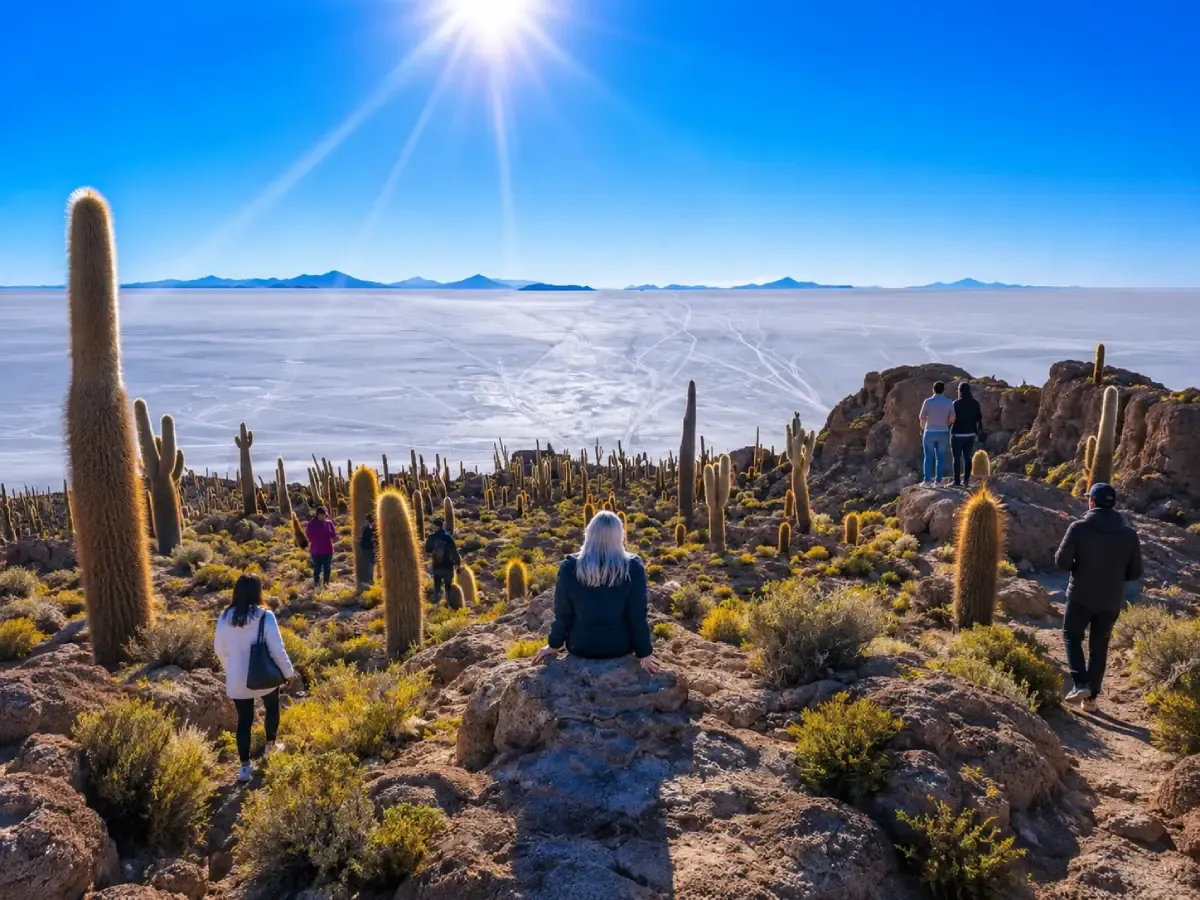
Bolivia is a country with great tourist diversity, due to its cultural diversity, its geographical regions, and its varied cuisine. Copacabana was one of the first tourist destinations in Bolivia. It is a city on the border with Peru and is visited by many people from around the world to navigate the highest navigable lake in the world, as well as some of the islands within it, among which we can highlight the Sun Island, the largest island in Lake Titicaca, located on the Bolivian side. It is related to the Sun God cults because, according to legend, Inti—the Sun God—created his son Manco Cápac and his daughter Mama Ocllo there, the first Incas who founded the city of Cusco. Enjoy your holidays in Bolivia today!
- Service Type
- Group Service
- Difficulty
- Easy
- Duration
- 9 Days / 8 Nights
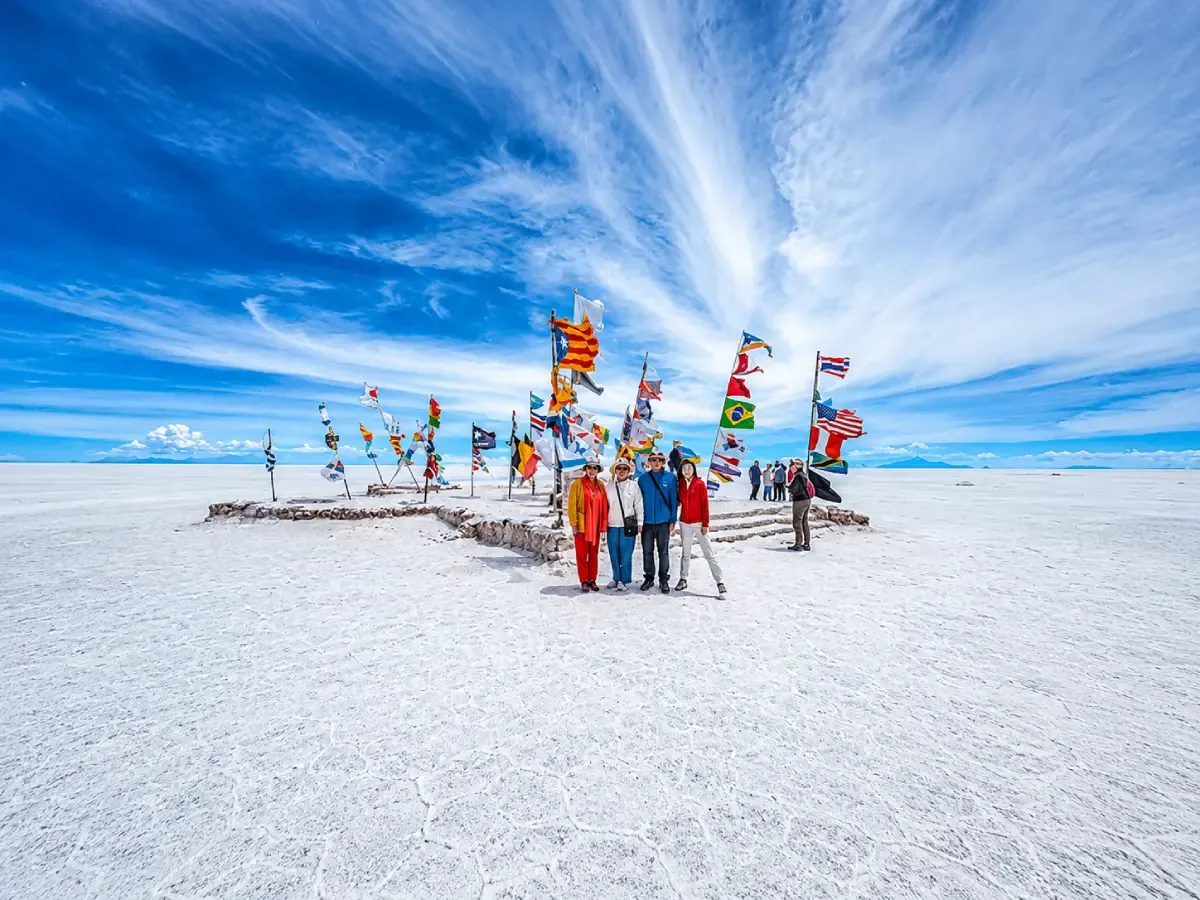
Peru and Bolivia are two countries united by their traditions and very similar cultural expressions. We design your trips by combining the main tourist destinations of Peru and Bolivia into a single adventure. From beginning to end, you will enjoy a high-quality, personalized service. The icon of Peru is our lost Inca citadel Machu Picchu, considered one of the seven wonders of the modern world. The city of Cusco is beautiful in its colonial artistic expression, and our Sacred Valley of the Incas stands out for showing a mix of pre-Inca, Inca, and colonial constructions throughout history. In Bolivia, you will find the Uyuni Salt Flats, which will surprise you with an endless white salt desert of incomparable beauty.
- Service type
- Group tour
- Difficulty
- Easy
- Duration
- 10 days / 9 nights
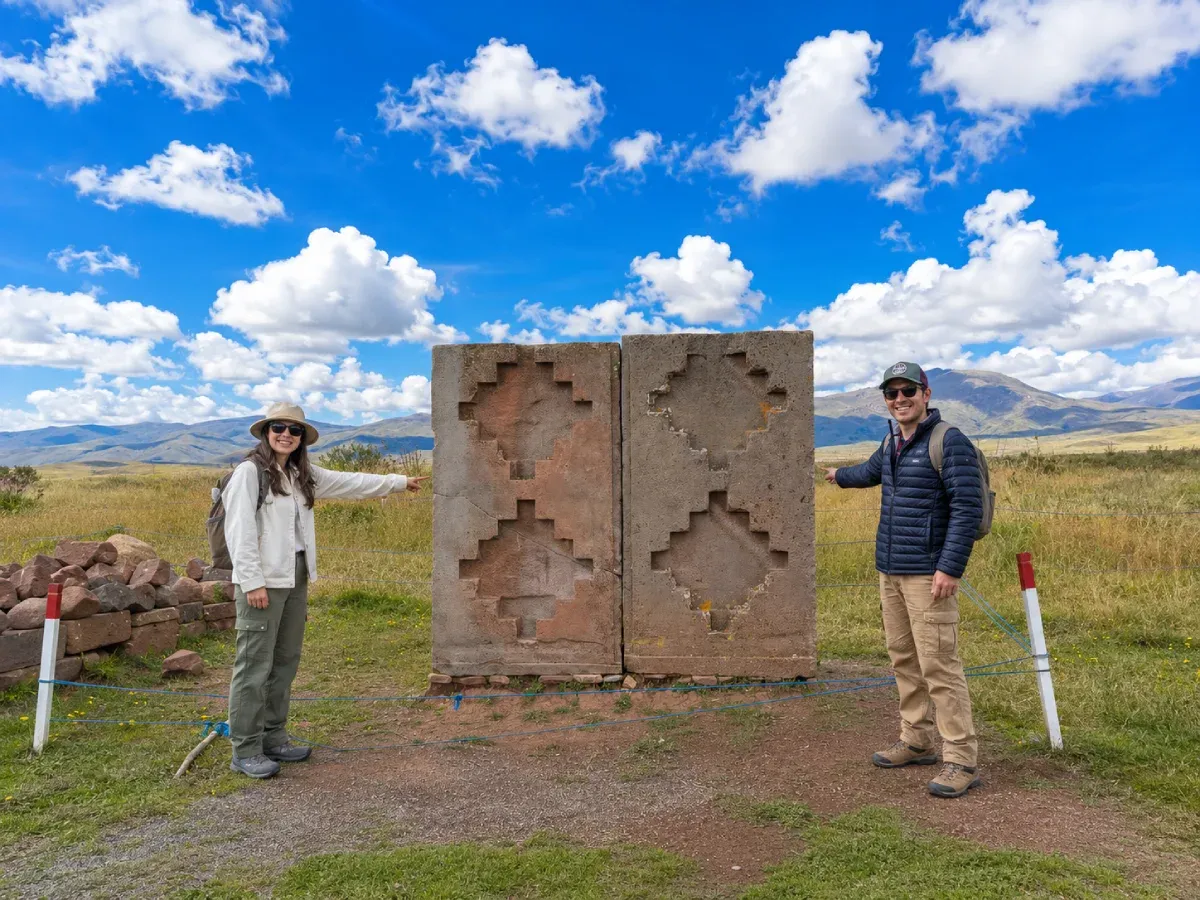
For visitors who want to discover Bolivia in all its magnitude and explore the high Andean lands, Bolivia is a fascinating destination that offers incredible diversity in cultural and traditional tourism. We have designed your excursions by combining the main destinations of Bolivia into a single travel program. From start to finish, you will enjoy a personalized service.
- Service type
- Group tour.
- Difficulty
- Easy
- Duration
- 13 days / 12 nights.
Which Bolivia tour should you choose?
Bolivia offers very different experiences depending on how much time you have and the regions you want to explore. Here we present our recommended tours for a first visit to Uyuni, a deeper Altiplano adventure, a complete journey through Bolivia, or a combined Peru and Bolivia itinerary. Compare the options and choose the experience that best fits your trip; below, you will also find detailed practical information to help you plan your journey.
First time in Uyuni
Discover the Uyuni Salt Flats in one day
A great option if you have limited time and want to experience the most representative landscapes of Uyuni. The tour includes highlights such as the Train Cemetery, Colchani, and different areas of the salt flats, with access to Incahuasi Island when weather and water conditions allow.
View tourIdeal for:
- First visit
- Limited time
- Photography
Complete Altiplano
Explore Uyuni and the colored lagoons
If you want to go beyond the salt flats, this three-day experience takes you through a much larger section of the Bolivian Altiplano, including deserts, volcanoes, and striking high-altitude lagoons. It is an excellent option for travelers who want Uyuni to become one of the major highlights of their Bolivia trip.
View tourIdeal for:
- Nature
- Altiplano
- 3-day adventure
Complete Bolivia
Discover Bolivia in 9 days
Designed for travelers who want to experience several sides of Bolivia within one itinerary. This journey connects cultural destinations with Altiplano landscapes and allows you to explore the country in greater depth than a short trip focused only on Uyuni.
View tourIdeal for:
- First complete trip
- Culture
- Multi-destination itinerary
Peru and Bolivia
Combine Machu Picchu and Uyuni
A journey for travelers who want to discover two Andean countries in a single trip. The itinerary connects some of Peru’s most famous destinations with Bolivia, combining archaeology, historic cities, Lake Titicaca, La Paz, and the Uyuni Salt Flats.
View tourIdeal for:
- Two countries
- Machu Picchu
- Uyuni Salt Flats
Useful information for traveling in Bolivia
Before choosing one of our Bolivia tours, it is helpful to consider altitude, weather, the amount of time you want to spend in Uyuni, and the distances between the country’s main destinations. Here we share practical information to help you plan a more comfortable itinerary and choose the experience that best matches your trip.
AltitudeAltitude and acclimatization when traveling in Bolivia
Altitude and acclimatization when traveling in Bolivia
Many of Bolivia’s most popular destinations are located at high altitude. La Paz, Lake Titicaca, Uyuni, and large sections of the Altiplano can represent a significant change for travelers arriving from destinations close to sea level.
We recommend keeping your first days relatively relaxed, staying well hydrated, and avoiding intense physical activity while your body adjusts. Acclimatization becomes even more important on itineraries that spend several consecutive days across the Altiplano.
If you are arriving from Peru, destinations such as Cusco and Puno can also form part of a gradual high-altitude itinerary before continuing into Bolivia.
WeatherWeather and best time to visit Bolivia
Weather and best time to visit Bolivia
Bolivia has very different climates depending on the region and altitude. Across much of the Altiplano, May through October generally brings drier conditions, although nights can become very cold, particularly in June, July, and August.
Rainfall is more frequent between November and March. These conditions can change some travel routes, but they can also create one of Bolivia’s most famous natural scenes: the mirror effect at the Uyuni Salt Flats.
There is no single perfect season for every traveler. If you want generally drier conditions for La Paz, Lake Titicaca, and Uyuni, the dry season is a strong choice. If seeing the mirror effect is your priority, read our guide to the best time to visit the Uyuni Salt Flats.
Uyuni Salt FlatsUyuni Salt Flats: 1, 2 or 3 days?
Uyuni Salt Flats: 1, 2 or 3 days?
The length of your Uyuni trip changes the experience considerably. The Uyuni Salt Flats Full Day works well for travelers with limited time who want to see the main highlights in one day.
With two days, you can extend the journey toward Tunupa Volcano with the Uyuni Salt Flats and Tunupa Volcano 2 Days. If you have three days, the Uyuni Salt Flats and Colored Lagoons 3 Days takes you much farther into the Bolivian Altiplano.
Before deciding, compare the options in our guide to how many days you need for the Uyuni Salt Flats. The best choice is not necessarily the longest itinerary, but the one that matches what you actually want to experience.
TransportationTourist transportation in Peru for your trip
Tourist transportation in Peru for your trip
At Dreamy Tours, we coordinate tourist transportation options with Viamed Perú to complement your itinerary. Ask us about airport transfers, half-day or full-day excursions, and trips between destinations, depending on your planned route.
Each service is arranged according to your travel date, route, and group size. Availability and vehicle type are confirmed while planning your trip.
Ideas and tips for your next trip
Guides, recommendations, and stories to inspire your next adventure.
Incahuasi Island in Uyuni: What to See and How to Visit
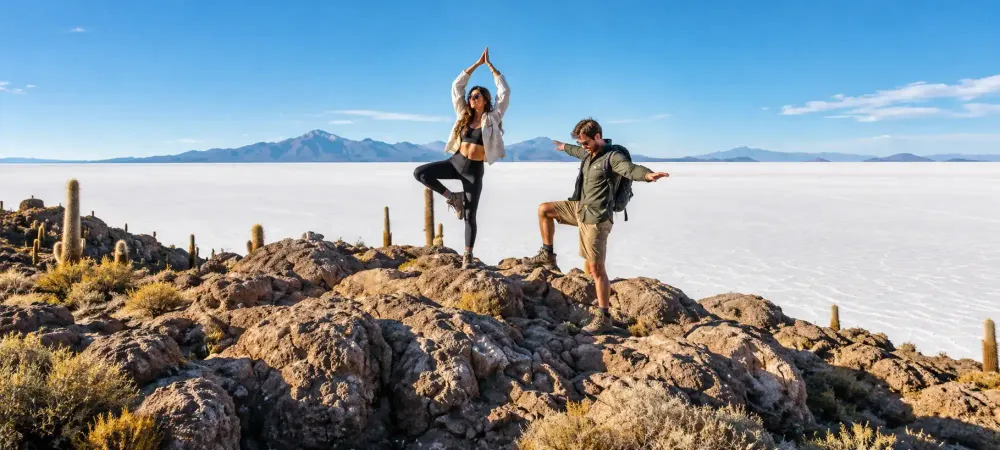
In the middle of the vast white surface of the Uyuni Salt Flats rises a completely different landscape: Incahuasi Island, a rocky formation covered with giant columnar cacti that stands above the salt plain. After traveling for kilometers across an almost perfectly flat surface, walking among rocks, cacti and trails creates a striking change of scenery. Incahuasi is one of the best-known stops on Uyuni routes when conditions allow access. Its main attraction is not only the vegetation, but also the opportunity to gain elevation and look out across the salt flats from above, especially during the dry season. Access, however, can change depending on the season. During the rainy months, when large parts of Uyuni may be covered by water, some routes need to be adjusted. If you are planning your first visit, start with our Uyuni Salt Flats Travel Guide to understand how Incahuasi fits into a wider itinerary. What is Incahuasi Island? Incahuasi Island is a rocky formation located within the Uyuni Salt Flats in Bolivia’s Potosí department. Although today it is surrounded by an enormous salt surface, its geological history is connected to the ancient lake systems that once covered this part of the Altiplano. The contrast is immediate. After driving for kilometers across a white and almost perfectly horizontal landscape, Incahuasi introduces rock, elevation, vegetation and walking trails into the middle of the salar. Its name may also appear as Inkawasi or Inca Wasi. Regardless of the spelling, it is best known today for its giant cacti and panoramic viewpoints. The visit is normally included as part of a wider Uyuni route rather than being treated as a separate excursion from town. The giant cacti of Incahuasi Island The main natural feature of Incahuasi is its large columnar cacti, which have adapted over centuries to dry conditions, intense solar exposure and strong temperature changes across the Altiplano. Some specimens grow to more than ten meters in height, creating an extraordinary visual contrast with the flat white surface surrounding them. From certain angles, the cacti almost seem to rise directly from a sea of salt. Their growth is extremely slow, which means the largest plants represent decades and even centuries of adaptation to a difficult environment. These cacti should be observed without touching or damaging them, and visitors should avoid leaving established trails unnecessarily. Part of Incahuasi’s value lies precisely in the fragility of an ecosystem that has taken a very long time to develop. What can you see on Incahuasi Island? Incahuasi does not require half a day, but it contains enough interesting features to make it one of the most rewarding stops on a Uyuni itinerary. What to seeWhy it stands outGiant cactiThe island’s most iconic natural featureRocky trailsAllow you to explore the interior of IncahuasiNatural viewpointsOffer panoramic views across the Uyuni Salt FlatsGeological formationsCreate a completely different landscape from the salarVegetation and salt contrastOne of the best photography settings on the route The main experience is simply walking through the trails at a comfortable pace and watching the perspective of the salt flats change as you climb higher. To better understand the other places that can be included in the journey, read our Uyuni Salt Flats Travel Guide. The Incahuasi viewpoint One of the most rewarding parts of the visit comes when you reach the higher sections of the island. From there, the Uyuni Salt Flats extend in several directions until they visually merge with the surrounding mountains and horizon. During the dry season, the contrast between the white salt surface, dark rocks and green cacti becomes especially dramatic. The view also helps you appreciate the scale of the salar. From inside a vehicle, the landscape can feel like a long flat plain. From a higher viewpoint, its enormous dimensions become much more obvious. The climb should be done at a relaxed pace. Even though this is not a high-mountain trek, you are still above 3,600 meters, and the effort may feel more demanding if you are not fully acclimatized. For clothing and gear recommendations, read What to Pack for Uyuni Salt Flats. How long does a visit to Incahuasi Island take? Incahuasi is usually part of a broader day across the Uyuni Salt Flats, so the amount of time available depends on the itinerary, group pace and route conditions. As a general reference, the stop usually allows enough time to follow the main trails, see the giant cacti and reach a panoramic area without needing to spend several hours there. It is worth walking slowly, especially if you have recently arrived from a lower-altitude city. The goal is not to rush to the top, but to enjoy the views and the change in scenery. The actual visit time can also vary according to the season. When conditions on the salt flats force changes to routes or driving times, the schedule may be adjusted. If you are comparing options, read How Many Days Do You Need for the Uyuni Salt Flats? before choosing between a one, two or three-day trip. Is Incahuasi the same as Isla del Pescado? No. Incahuasi Island and Isla del Pescado are different places, although the names are sometimes confused in informal maps, travel blogs and tour descriptions. Incahuasi is the formation that appears most frequently in traditional Uyuni itineraries and is especially known for its giant cacti and panoramic walking trails. Isla del Pescado is another formation within the salt flats and should not automatically be used as a synonym for Incahuasi. This distinction matters when reviewing an itinerary. If Incahuasi is a priority for you, check that the program specifically names Incahuasi Island rather than simply mentioning a generic “cactus island.” Can you visit Incahuasi Island during the rainy season? Not always. During the rainy season, especially between January and March, a layer of water can spread across large parts of the Uyuni Salt Flats and create the famous mirror effect. The same phenomenon that produces those reflections can also make access to Incahuasi more difficult. When water levels are high, routes may be changed and the island may temporarily be left out of the itinerary. That is why, if visiting Incahuasi is your absolute priority, the drier months generally provide a better chance of reaching it. If your main dream is mirror photography, you should understand that Incahuasi and a perfect mirror effect cannot always be combined in the same day. Read When to See the Uyuni Salt Flats Mirror Effect to understand this trade-off more clearly. What is the best time to visit Incahuasi Island? If Incahuasi is one of your main priorities, the dry season is usually the most practical reference because it tends to make travel across different parts of the salar easier. From May to October, dry conditions dominate and the classic white-salt landscape is more common. June, July and August, however, can also bring particularly cold nights. Transition months can be more variable, while January, February and March are more attractive for travelers prioritizing the mirror effect. PeriodAccess to IncahuasiTypical landscapeJanuary–MarchMay be limitedMirror effect and wet areasAprilVariableTransition between wet and dryMay–OctoberGenerally more favorableWhite salt flats and salt patternsNovemberVariableMostly dry, transitionalDecemberDepends on rainfallWet areas begin to appear To choose your dates more carefully, read Best Time to Visit Uyuni Salt Flats. How do you get to Incahuasi Island? The usual way to reach Incahuasi is by 4x4 as part of a route starting in Uyuni town and crossing different parts of the salt flats. Incahuasi is not connected by conventional public transportation. It is normally included in an itinerary that may also feature the Train Cemetery, Colchani and different photography stops on the salt surface. You first need to reach Uyuni town and then join the appropriate excursion from there. If you are traveling from Bolivia’s administrative capital, read How to Get from La Paz to Uyuni for a comparison of overnight bus and flight options. Once you arrive in Uyuni, the exact route to Incahuasi depends on surface conditions and the season. Is Incahuasi included in a one-day Uyuni tour? Yes, Incahuasi can be included in a one-day itinerary when conditions on the salt flats allow access. A full-day route may combine the Train Cemetery, Colchani, different areas of the salt flats and Incahuasi in the same journey. However, the island should not be considered a guaranteed stop throughout the entire year because water levels can change the route. If you want to focus on the main attractions, you can explore the Uyuni Salt Flats Full Day. If you have more time, longer routes expand the landscape considerably. The Uyuni Salt Flats and Tunupa Volcano 2 Days continues toward the northern sector and Tunupa, while the Uyuni Salt Flats and Colored Lagoons 3 Days heads toward deserts and high-altitude lagoons. Tips for visiting Incahuasi Island The first tip is not to underestimate the altitude. Walk slowly, especially on uphill sections, and stay hydrated throughout the visit. Bring sunglasses with good UV protection, sunscreen, a hat and layered clothing. Even on cold days, solar exposure can be intense because of the altitude and the reflection from the white salt surface. Wear comfortable shoes with soles that provide good grip on rocky terrain. Technical mountaineering boots are not necessary for a standard visit, but unstable footwear is best avoided. Always respect marked trails and avoid touching or damaging the cacti. It is also a good idea to keep your phone and camera protected from dust, salt or moisture depending on the season. You can prepare your daypack with our What to Pack for Uyuni Salt Flats guide. Is Incahuasi Island worth visiting? Yes, especially if you want to experience more than the classic flat white landscape of the Uyuni Salt Flats. Incahuasi completely changes the way the region feels. Giant cacti, rocks and walking trails break the horizontal character of the salar, while the higher viewpoints offer a perspective that is difficult to get anywhere else. It is also a particularly interesting stop for photography because vegetation, rock, salt and mountains can all appear in the same composition. At Dreamy Tours, we consider Incahuasi well worth including whenever conditions allow access. If you have limited time, you can try to include it in the Uyuni Salt Flats Full Day. If you want to explore farther, continue toward Tunupa Volcano or Laguna Colorada on a multi-day route.
Read more

Stories from our travelers
Experiences shared on TripAdvisor, Google and Trustpilot.
 4.9/ 5164 reviews
Dreamy Tours4.9Out of 5 starsBased on 164 reviewsArropados en Peru
Nos hemos sentido muy a gusto durante toda nuestra estancia y visitas, un 5 con asterisco para esta empresa, de volver repetiremos con ellos
Excelente experiencia en Camino Inka
Experiencia muy gratificante
Fue una experiencia unica, la atencion fue genial, muy amigables y cumplieron con todo. Me voy satisfecho.
5.0/ 53 reviews
Viagem em família pelo Peru
Perfecto para viajar con niños
Muy recomendado desde inicio a fin
Muy recomendado desde inicio a fin, compre mi paquete Lima - Puno - Arequipa y Cusco. Todo una experiencia inolvidable muy recomendado al 100%
4.9/ 5552 reviews
Google Reviews
Google Reviews
Contratamos la agencia desde Argentina, y de principio a fin la experiencia fue excelente. Muy buena atencion, siempre estan en contacto para lo que necesites.
Google Reviews
Me gusto mucho el tour, pude disfrutar hermosos paisajes y aprender sobre la forma de vida local. Excelente guia y buen manejo de los horarios.
Frequently asked questions about Bolivia tours
What are the best Bolivia tours for a first-time visit?
For a first trip to Bolivia, La Paz and the Uyuni Salt Flats are two of the most popular places to include. If you have more time, you can add Lake Titicaca, Copacabana, Sucre, Potosí, and other parts of the Bolivian Altiplano.
A shorter itinerary can focus on La Paz and Uyuni, while a nine-day journey gives you more time to experience several regions without moving too quickly. If you are still building your itinerary, read our Bolivia travel guide for first-time visitors.
How many days do you need to visit Bolivia?
The ideal length depends on the destinations you want to include. Five or six days can work for La Paz and Uyuni, while seven to nine days allow you to add Lake Titicaca and other important stops. With ten days or more, you can build a more complete journey through several regions.
If you are comparing different itineraries, read our guide on how many days you need in Bolivia.
How many days should you spend at the Uyuni Salt Flats?
A one-day Uyuni tour is a good choice if you want to see the main highlights of the salt flats within a limited itinerary. With two days, you can extend the experience toward Tunupa Volcano, while a three-day route takes you deeper into the Bolivian Altiplano with deserts, volcanoes, and colorful lagoons.
Before choosing, compare the different options in our guide on how many days you need for the Uyuni Salt Flats.
What is the best time to visit Bolivia?
The best time depends on the regions you want to explore. From May through October, much of the Altiplano generally experiences drier conditions, making this a popular period for La Paz, Lake Titicaca, and Uyuni. June, July, and August can bring very cold nights at higher elevations.
Rainfall becomes more frequent between November and March, but this season can also create the famous mirror effect at the Uyuni Salt Flats. Read our guide to the best time to visit Bolivia before choosing your travel dates.
When can you see the mirror effect at the Uyuni Salt Flats?
The mirror effect appears when a shallow layer of water covers part of the salt flat and reflects the sky. The best chances are usually during the rainy season, particularly between January and March.
However, this is a natural phenomenon and cannot be guaranteed for a specific date because rainfall, wind, and water levels all affect the final conditions. If this landscape is one of your travel priorities, read our guide on when to see the Uyuni Salt Flats mirror effect.
Can you combine Peru and Bolivia in one trip?
Yes. Peru and Bolivia work very well together as part of an Andean itinerary. A logical route can connect Cusco, Machu Picchu, and Puno with Lake Titicaca, Copacabana, La Paz, and finally the Uyuni Salt Flats.
Our Peru and Bolivia 10 Days itinerary combines some of the most representative destinations in both countries. You can also read our Peru and Bolivia itinerary guide to understand how to connect the two countries efficiently.