


Lima Tours: City Tour, Pachacamac & Peruvian Food
Discover our Lima tours and explore Peru’s capital through its history, archaeology, food and Pacific coast. Start with our Lima City Tour to explore the Historic Center, discover Lima’s colonial heritage and visit modern districts such as Miraflores. If you are interested in pre-Hispanic history, the Pachacamac Tour from Lima takes you to one of the most important archaeological sanctuaries on Peru’s central coast and also includes a visit to Barranco. Travelers who want to discover Peruvian cuisine can choose our Lima Culinary Tour, while the Magic Water Circuit Tour is an excellent option for experiencing Lima after sunset. Our Lima sightseeing tours include half-day, evening and longer experiences, making it easy to choose activities according to your available time. Compare our tours in Lima and discover the city through colonial heritage, ancient archaeology, Peruvian food and urban experiences before continuing your journey through Peru.
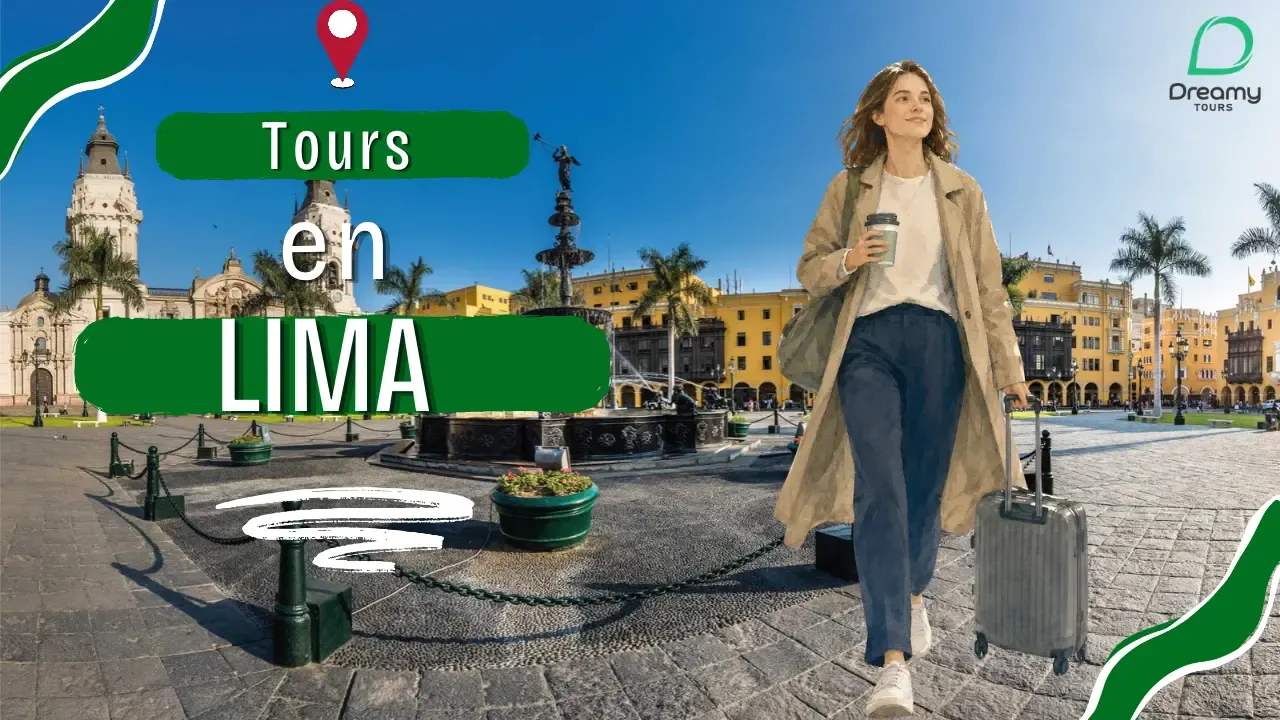

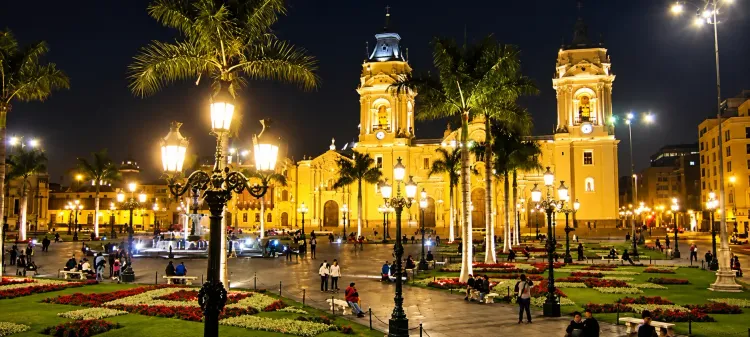
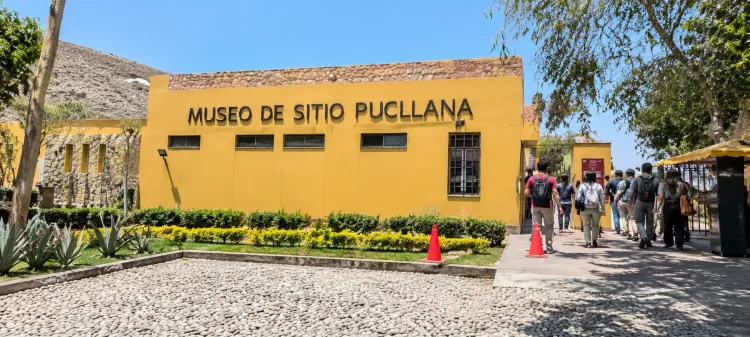
Discover Lima on our half-day city tour. Visit Huaca Pucllana, a 1,500-year-old temple, explore the Historic Center with the Plaza Mayor, a UNESCO World Heritage Site, and enjoy ocean views from Miraflores and Larcomar. Explore the Catacombs of San Francisco and the Central Reserve Bank Museum with passionate guides. Book your Lima city tour and experience the City of Kings! Stroll through Plaza San Martín, feel the history on every corner of the Historic Center, and relax in the peaceful El Olivar Park in San Isidro. Perfect for families and curious travelers, this tour shows you the best of Lima in just 4 hours. Start your cultural adventure in Lima and create unforgettable memories in Peru’s capital!
- Service Type
- Group Private
- Difficulty
- Easy
- Duration
- 4 Hours
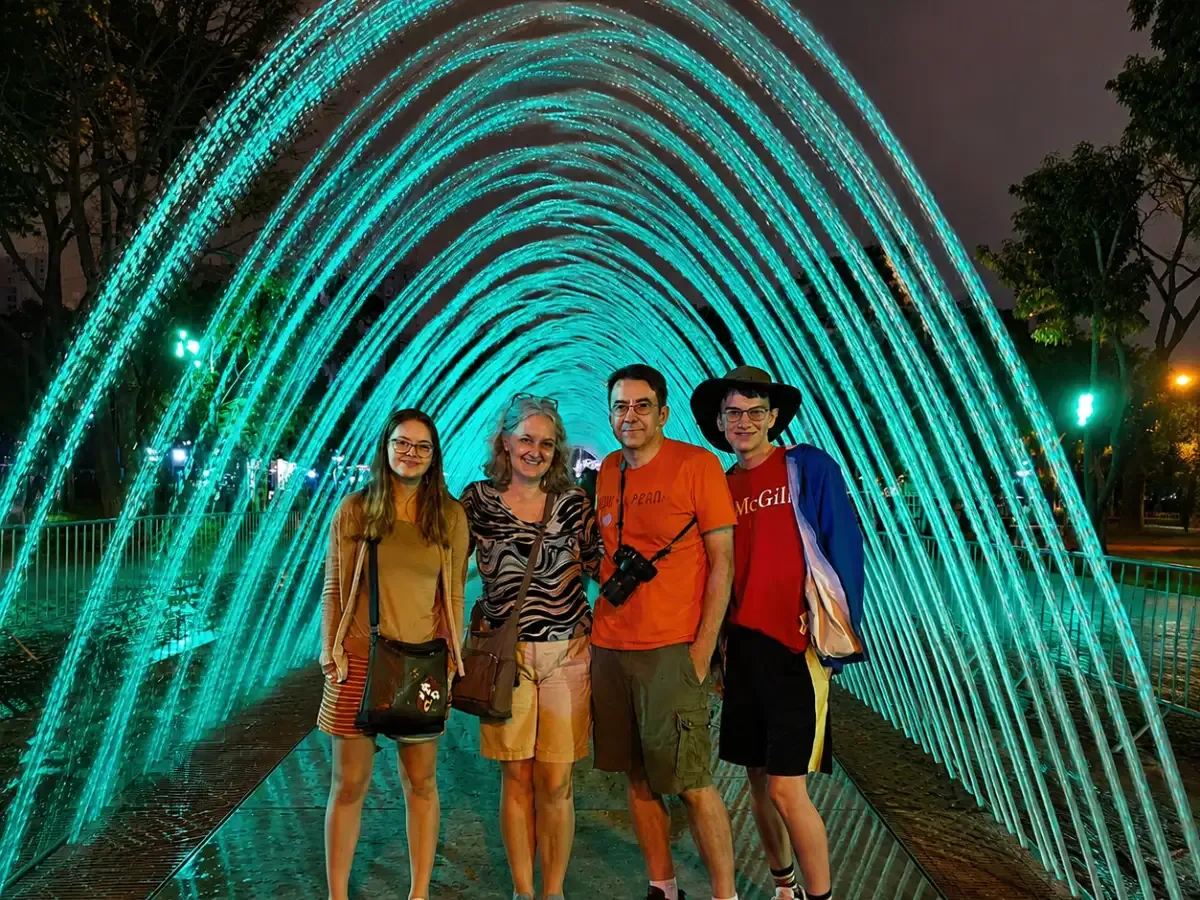
The Magic Water Circuit Tour invites you to a fascinating nighttime experience at the Parque de la Reserva in Lima, Peru. Discover 13 cybernetic and interactive fountains where water, music, laser lights, and projections merge into a unique show, recognized by the 2009 Guinness World Record as the largest fountain complex in a public park. From the Tunnel of Surprises to the Fountain of Fantasy, enjoy an experience full of magic and color. Book your Lima night tour 2025 and enjoy this urban icon!
- Service type
- Group Private
- Difficulty
- Easy
- Duration
- 3 hours
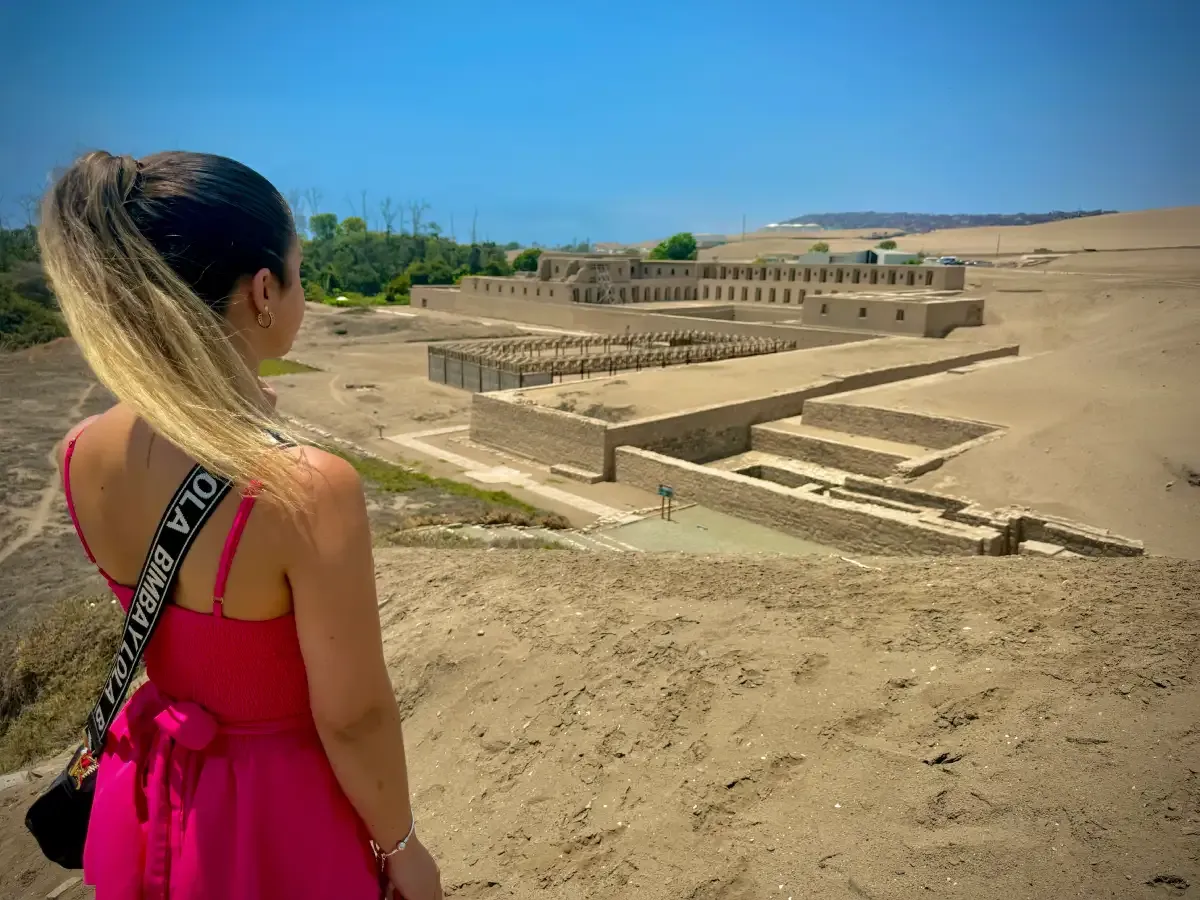
The Pachacamac Sanctuary Tour immerses you in the archaeological heart of Peru’s central coast, home to the most important pre-Inca sanctuary in Lima. Built around 200 AD by the Lima culture and later expanded by the Wari and Ichma cultures, Pachacamac was a revered oracle, with the god Pacha Kamaq as its main deity, considered the creator of the universe according to Andean worldview. With later Inca influence in the 15th century, this site—comparable to Machu Picchu in the highlands—offers a journey through temples, pyramids, and the bohemian district of Barranco. Discover ancient history and stunning views of the Pacific Ocean on this unique tour in Lima!
- Service type
- Group tour
- Difficulty
- Easy
- Duration
- Full day

Lima Cuisine: A Unique Culinary Experience The Lima Culinary Tour invites you to discover the gastronomic capital of Latin America, a city synonymous with exceptional Peruvian cuisine. The richness of its land and its cultural diversity have turned Peru into a country known for its exquisite and varied gastronomy. The essence of Lima’s cuisine lies in its pre-Hispanic and colonial heritage, blending thousands of local ingredients with influences from different cultures that, over the centuries, have created an unparalleled culinary offering. On our culinary tour in Lima, you will taste everything from a delicious stuffed causa to an exquisite ají de gallina, along with a refreshing ceviche and a juicy lomo saltado. A true gastronomic journey that is part of our top Peru experiences!
- Service Type
- Group Private
- Difficulty
- Easy
- Duration
- 5 Hours
Which Lima tour should you choose?
Lima offers very different experiences depending on your interests and available time. You can discover the capital’s history, explore an important archaeological sanctuary, experience Peruvian cuisine or enjoy Lima at night. These four recommendations can help you choose the tour that best matches your trip.
First visit
Discover historic and modern Lima
An excellent introduction for first-time visitors. This experience combines pre-Hispanic heritage, colonial architecture and modern districts, giving you an overview of Lima’s history and some of its most recognizable attractions in just a few hours.
View tourIdeal for:
- First visit
- History
- Half day
Pre-Hispanic history
Explore the Pachacamac Sanctuary
A fascinating experience for travelers interested in archaeology and ancient Peruvian cultures. Explore temples, pyramids and ceremonial spaces at one of the most important pre-Hispanic sanctuaries on Peru’s central coast before continuing to the traditional district of Barranco.
View tourIdeal for:
- Archaeology
- History
- Culture
Peruvian flavors
Discover Lima through its food
Explore the flavors and ingredients behind Peruvian cuisine through a hands-on culinary experience. The tour combines a local market visit with food preparation and an introduction to traditional dishes, making gastronomy part of the cultural journey.
View tourIdeal for:
- Food
- Culture
- Hands-on experience
Lima at night
Experience the Magic Water Circuit
Enjoy a different side of Lima after sunset at Parque de la Reserva. Its ornamental and interactive fountains combine water, lighting, music and audiovisual effects, creating one of the capital’s best-known evening attractions.
View tourIdeal for:
- Evening
- Families
- Photography
Useful information for visiting Lima
Before choosing your Lima tours, consider how many days you will spend in the city, where you plan to stay, airport transportation and Lima’s coastal climate. These practical details can help you organize your sightseeing more efficiently and make better use of your time in Peru’s capital.
Trip lengthHow many days do you need in Lima?
How many days do you need in Lima?
Lima can be a short stop at the beginning of your Peru trip or a destination worth exploring for several days. If you only have one day, focus on a few key areas such as the Historic Center and Miraflores rather than trying to visit attractions across the entire city.
With two days, you can travel at a more comfortable pace. One day can focus on colonial and Republican heritage in the Historic Center, while the second can be dedicated to Miraflores and Barranco.
Our Lima in 2 Days itinerary explains how to organize these neighborhoods efficiently. With three days or more, you can add Pachacamac, museums, a culinary experience or an evening tour.
Where to stayWhere to stay in Lima
Where to stay in Lima
Choosing the right neighborhood can significantly reduce transportation time during your stay. Miraflores is one of the most convenient areas for international visitors thanks to its hotels, restaurants, parks, shops and oceanfront promenade.
Barranco is ideal for travelers looking for traditional architecture, art galleries, restaurants and a more cultural atmosphere. Learn more about the neighborhood in our guide to things to do in Barranco, Lima.
If you are comparing different neighborhoods, read our complete guide to where to stay in Lima before booking your accommodation.
AirportLima Airport and transfer times
Lima Airport and transfer times
Jorge Chávez International Airport is the main air gateway to Lima and to Peru for many international travelers. When planning your arrival, remember that the airport is located away from tourist districts such as Miraflores and Barranco.
Travel time can vary considerably depending on traffic and the time of day. For this reason, we recommend using formal transportation services and allowing generous time before departing for the airport.
If you arrive in Lima with only a few hours available, avoid building an overly ambitious sightseeing schedule before you know how much usable time you actually have in the city.
WeatherLima weather and what to pack
Lima weather and what to pack
Lima has a coastal climate that feels very different from Andean destinations such as Cusco, Arequipa and Puno. Humidity is common throughout much of the year, and cloudy skies are frequent during the cooler months, although heavy rainfall is unusual in the city.
During the warmer months, lightweight clothing, sunscreen and water are useful for sightseeing. During cooler periods, bring a light jacket or layers, especially for evenings and walks near the Pacific coast.
Comfortable walking shoes are useful for exploring the Historic Center, Miraflores and Barranco. If you want more ideas for organizing attractions by area, see our guide to what to do in Lima, Peru.
TransportationTourist transportation in Peru for your trip
Tourist transportation in Peru for your trip
At Dreamy Tours, we coordinate tourist transportation options with Viamed Perú to complement your itinerary. Ask us about airport transfers, half-day or full-day excursions, and trips between destinations, depending on your planned route.
Each service is arranged according to your travel date, route, and group size. Availability and vehicle type are confirmed while planning your trip.
Ideas and tips for your next trip
Guides, recommendations, and stories to inspire your next adventure.
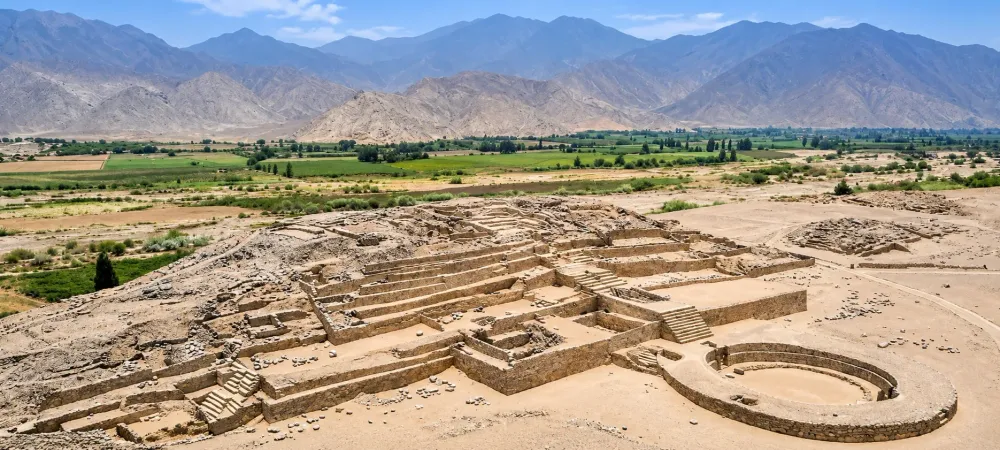
Caral from Lima: How to Get There, Opening Hours, Tickets and What to See
Visiting Caral from Lima is one of the most interesting cultural excursions for travelers who want to discover the origins of civilization in Peru. The Sacred City of Caral-Supe, located north of the capital, preserves pyramids, circular plazas, and other monumental structures built approximately 5,000 years ago. Its age and complexity make it one of the most important archaeological sites in the Americas. If you're looking for how to visit Caral from Lima, planning your transportation, opening hours, and travel time is essential. Unlike attractions located within metropolitan Lima, Caral requires a long journey along the Pan-American Highway North and a final approach to the archaeological complex. In this guide, we explain where it is, how to get there by public transportation or private vehicle, how long the excursion takes, and what you should know before planning your visit. What Is Caral and Why Is It Important to Peru's History? Caral is one of the main urban centers of an ancient civilization that developed in the Supe Valley on Peru's north-central coast. Its origins date back approximately to the third millennium BC, during the Late Archaic period, long before the rise of the Inca Empire. The Sacred City of Caral stands out for its urban layout, monumental buildings, and structures designed for public and ceremonial activities. Archaeological research provides insight into how a society of such great antiquity developed complex forms of organization, construction, and resource management. In 2009, UNESCO added the Sacred City of Caral-Supe to the World Heritage List. This recognition highlights its exceptional value as evidence of the early development of civilization in the Americas and the architectural traditions of the central Andes. Visiting Caral offers an opportunity to discover a chapter of Peruvian history that predates the Incas by thousands of years. If you're planning a broader cultural trip to the capital, our guide to what to do in Lima, Peru introduces other attractions that help explain the country's different historical periods. Where Is Caral and How Far Is It from Lima? The Sacred City of Caral-Supe is located in the district of Supe, province of Barranca, within the Lima region. It occupies a desert terrace overlooking the Supe River Valley, where archaeological structures contrast with agricultural areas and the arid landscapes of Peru's coast. Although Caral is administratively part of the Lima region, it is not located within the city or near Miraflores or the Historic Center. To reach it from metropolitan Lima, you need to travel north along the Pan-American Highway North toward Supe. The main access route is connected to a turnoff at approximately kilometer 184 of the highway. From there, the journey continues along a road leading into the Supe Valley and toward the designated visitor access points. The exact distance and travel time depend on your departure point, traffic conditions, and the state of the roads. For this reason, we recommend planning Caral as a full-day excursion rather than a short activity to fit between other sightseeing experiences in Lima. How to Get to Caral from Lima by Public Transportation One option for visiting Caral independently is to take an intercity bus from Lima toward Supe or Barranca, then continue using local transportation. This approach may appeal to travelers who are comfortable organizing journeys outside the capital. You can look for buses traveling to Supe or Barranca from Lima's intercity terminals, including services departing from the Plaza Norte area. Before purchasing a ticket, confirm the exact destination, arrival point, departure schedule, and available connections to Caral's visitor entrance. It's important to remember that an intercity bus will not necessarily take you directly to the archaeological site's entrance. From Supe or Barranca, you may need to arrange local transportation and coordinate the return journey. Availability can vary depending on the day and time. We recommend avoiding a trip to the area without arranging your return transportation, particularly because the archaeological site has fixed closing hours. If you plan to travel by public transportation, leaving Lima early and confirming the final connection in advance is generally the most practical approach. How to Drive from Lima to Caral or Arrange Private Transportation Traveling by private car or prearranged vehicle offers more flexibility when planning departure times, stops, and the return journey to Lima. This option may be convenient for families, small groups, or visitors who want to avoid several transportation connections. The route heads north along the Pan-American Highway toward Supe. According to information published by the Caral Archaeological Zone, one of the official access routes begins near kilometer 184, where travelers continue along the Caral-Las Minas-Ámbar road toward the valley. Visitors should follow the signs toward the designated tourist parking area. From there, the official approach may include crossing a pedestrian bridge and walking approximately 20 to 25 minutes through the Huarango Forest before reaching the archaeological site's reception area. Access conditions can change throughout the year, especially when the Supe River's water level rises. For this reason, we do not recommend following outdated directions that suggest driving across the river without first confirming that the crossing is open. Check the updated access instructions from the Caral Archaeological Zone. How Long Does It Take to Travel from Lima to Caral and Back? The journey from Lima to the Caral archaeological site can take approximately four hours each way, although actual travel time depends on traffic, your departure point, and road conditions. This estimate should be treated as a general reference rather than a guaranteed travel time. In addition to the drive, you should account for the journey from the tourist parking area to the site's reception facilities. When following the pedestrian route indicated by the administration, the walk may take approximately 20 to 25 minutes each way. The guided archaeological visit lasts approximately one and a half hours. You should also allow additional time for admission procedures, possible waiting periods, breaks, meals, and the return journey to Lima. Overall, we recommend setting aside practically an entire day for this excursion. Leaving early makes it easier to reach the complex with enough time for your guided visit and return to the capital without relying on unnecessary late-night travel. Opening Hours of the Sacred City of Caral The Caral Archaeological Zone has published opening hours from Monday through Sunday, 9:00 a.m. to 5:00 p.m., including certain public holidays. According to official notices, the last group is admitted to the archaeological circuit at 4:00 p.m. This means you should avoid arriving close to closing time. Even if the site remains open until 5:00 p.m., you need sufficient time to complete the visit with the required heritage interpretation service. The administration may announce changes to opening hours because of operational requirements, conservation work, weather conditions, or exceptional circumstances. We therefore recommend checking the latest information before leaving Lima. You can review announcements from the Caral Archaeological Zone and its institutional channels. Confirming the schedule is particularly important if you're traveling by public transportation or hope to visit other locations in the Supe Valley on the same day. Caral Entrance Tickets: Prices and Admission Conditions To visit the Sacred City of Caral, you must purchase the appropriate admission ticket and comply with the archaeological site's visitor regulations. Prices may vary depending on the visitor category and the rules in effect. Unlike certain attractions in Lima, where visitors can explore public spaces without making a reservation, Caral is a protected heritage site with an organized visitor circuit. For this reason, we recommend checking official admission fees before traveling and carrying cash in case electronic payments are unavailable. The Caral Archaeological Zone also states that entry to the archaeological circuit must take place with a guide or heritage interpretation service. Before starting the visit, ask the reception staff how this service is arranged and whether an additional fee applies. We have not included an exact admission price because a current official fare schedule covering all visitor categories has not been confirmed for this guide. It is better to check directly with the administration than to publish potentially outdated figures. For institutional information, visit the official Caral Archaeological Zone website. What Can You See at Caral During the Archaeological Tour? One of Caral's main attractions is its monumental pyramidal buildings, distributed across an extensive urban area. These structures reveal the architectural development of a society that inhabited the Supe Valley approximately five thousand years ago. The sunken circular plazas are another important feature. These spaces were associated with public and ceremonial activities. The arrangement of the plazas, buildings, and residential areas shows that the city was designed according to organizational principles that went beyond a collection of isolated structures. During the visit, the guide's explanations help visitors understand the functions attributed to different buildings and the discoveries that have contributed to reconstructing the history of the Caral civilization. Access to each area depends on the designated visitor circuit and current conservation measures. The Supe Valley landscape is another interesting aspect of the experience. From different viewpoints, you can observe agricultural land, desert areas, and surrounding hills that illustrate the relationship between the ancient settlement and its natural environment. We recommend taking time to appreciate these views without leaving authorized paths. History of Caral: Pyramids, Plazas and a 5,000-Year-Old Civilization The Caral civilization developed in the central Andes during the Late Archaic period, approximately between 3000 and 1800 BC. The Sacred City of Caral-Supe represents one of its most important and best-preserved urban centers. Archaeological research has documented a complex social organization that included public buildings, ceremonial spaces, and residential areas. The monumental scale of these constructions indicates that the society possessed technical knowledge and organizational systems capable of coordinating collective work. Among its most significant features are platform pyramids, sunken circular plazas, and evidence of ceremonial activities. Archaeologists have also recovered materials that provide information about exchange networks, resource use, and the cultural practices of its inhabitants. Caral's importance is not based solely on its age. Its value also lies in what it reveals about the emergence of complex societies in the Americas. UNESCO recognizes the Sacred City of Caral-Supe as a World Heritage Site because of its exceptional architecture and contribution to understanding the continent's earliest urban development. What Is the Best Time to Visit Caral from Lima? Caral can be visited during different months of the year, but it's important to consider the climate of Peru's north-central coast and, in particular, access conditions in the Supe Valley. The environment is arid, and visitors may experience considerable sun exposure during parts of the tour. Between December and March, temperatures are generally warmer. However, the Supe River's water level can also rise during summer, affecting the available access routes. The site's administration has published specific recommendations about using official entrances and pedestrian bridges under these conditions. Walking may feel more comfortable during cooler months, although cloud cover and road conditions must also be considered. Regardless of the season, we recommend bringing sunscreen, a hat, water, and appropriate footwear. If you're planning a broader trip to the capital, our guide to the best time to visit Lima explains how temperatures and weather conditions change throughout the year. Remember that metropolitan Lima's climate does not always reflect the exact conditions in the Supe Valley. Caral, Áspero and Vichama: Other Archaeological Sites Near Supe The Sacred City of Caral is part of a group of settlements associated with the development of the ancient civilization of the Supe Valley and its surrounding areas. Travelers interested in archaeology may therefore consider additional visits in the region. One of these sites is Áspero, located in the district of Supe Puerto, province of Barranca. It is an ancient settlement associated with fishing activities and connections between coastal and inland valley communities. Its importance helps explain how Caral's development was connected to different territories and resources. Another option is Vichama, located in the district of Végueta, province of Huaura. This archaeological center provides additional information about settlements and traditions among the societies that developed along Peru's north-central coast. The Caral Archaeological Zone also manages other sites, including Peñico. However, visiting several archaeological centers on a single day from Lima requires careful planning. If your main objective is exploring the Sacred City of Caral, we recommend prioritizing that visit and considering additional sites only if you have sufficient time and appropriate transportation. Is Caral Worth Visiting from Lima and What Other Excursions Can You Choose? Visiting Caral from Lima is worthwhile if you have a particular interest in archaeology, ancient history, and the emergence of the earliest civilizations in the Americas. Its main attraction is not a recreational show, but the opportunity to explore exceptional heritage through the interpretation of its buildings and archaeological discoveries. However, it's important to consider the length of the journey. For travelers spending only one or two days in Lima, prioritizing attractions within the city or its immediate surroundings may be more practical. Our guides to Lima in One Day and Lima in 2 Days can help you organize an itinerary based on the time available. If you're interested in archaeology but would prefer an excursion closer to the capital, you can visit Huaca Pucllana in Lima or explore the Pachacamac Sanctuary. At Dreamy Tours, we offer the Pachacamac Tour from Lima, an archaeological excursion south of the city that includes a visit to Barranco. You can also explore our Lima City Tour, which combines a panoramic view of Huaca Pucllana with historical monuments and modern areas of the capital. These experiences do not replace a visit to Caral, but they provide opportunities to discover other periods of Peruvian history with different travel requirements. To discover the available options, explore our tours in Lima section. We do not currently present a specific Caral excursion as a confirmed Dreamy Tours product, so we recommend organizing the trip independently or checking directly with specialized transportation providers about their availability. At Dreamy Tours, we consider Caral one of the most significant cultural visits for understanding the origins of civilization in Peru. We recommend dedicating a full day to the excursion, following official access routes, and checking visitor conditions before traveling. To complement your stay, discover more tourist attractions in Lima and plan an itinerary combining archaeology, history, and cultural heritage.
Read more
Stories from our travelers
Experiences shared on TripAdvisor, Google and Trustpilot.
 4.9/ 5164 reviews
Dreamy Tours4.9Out of 5 starsBased on 164 reviewsArropados en Peru
Nos hemos sentido muy a gusto durante toda nuestra estancia y visitas, un 5 con asterisco para esta empresa, de volver repetiremos con ellos
Excelente experiencia en Camino Inka
Experiencia muy gratificante
Fue una experiencia unica, la atencion fue genial, muy amigables y cumplieron con todo. Me voy satisfecho.
5.0/ 53 reviews
Viagem em família pelo Peru
Perfecto para viajar con niños
Muy recomendado desde inicio a fin
Muy recomendado desde inicio a fin, compre mi paquete Lima - Puno - Arequipa y Cusco. Todo una experiencia inolvidable muy recomendado al 100%
4.9/ 5552 reviews
Google Reviews
Google Reviews
Contratamos la agencia desde Argentina, y de principio a fin la experiencia fue excelente. Muy buena atencion, siempre estan en contacto para lo que necesites.
Google Reviews
Me gusto mucho el tour, pude disfrutar hermosos paisajes y aprender sobre la forma de vida local. Excelente guia y buen manejo de los horarios.
Frequently asked questions about Lima tours
What are the best Lima tours for first-time visitors?
For a first visit, we recommend starting with the Lima City Tour, which introduces different periods of the capital’s history while visiting important landmarks in the Historic Center, San Isidro and Miraflores.
You can then add the Pachacamac Tour from Lima if you are interested in archaeology, the Lima Culinary Tour to discover Peruvian cuisine or the Magic Water Circuit Tour for an evening experience.
If you are still deciding what to include, read our guide to what to do in Lima, Peru.
How many days do you need in Lima?
One day is enough to see some of Lima’s main attractions if you organize your route carefully and focus on a few areas such as the Historic Center and Miraflores.
With two days, you can explore the city at a more comfortable pace by dedicating one day to the Historic Center and another to Miraflores and Barranco. Our Lima in 2 Days itinerary shows how to organize these areas while reducing unnecessary travel time.
For most first-time visitors, two or three days provide greater flexibility for adding museums, food experiences, Pachacamac or an evening activity.
What can you do in Lima if you only have one day?
If you only have one day in Lima, focus on the places that matter most to you rather than trying to cross the entire city several times.
A good option is to begin with the Lima City Tour to discover the Historic Center and some of the capital’s modern districts. Later, you can spend time in Miraflores and, if you are staying overnight, finish with the Magic Water Circuit Tour.
You can also use our guide to what to do in Lima to choose the attractions that best fit a short stay.
Can you visit Pachacamac from Lima?
Yes. The Pachacamac Archaeological Sanctuary is located south of central Lima and can be visited as an organized excursion from the city.
Our Pachacamac Tour from Lima takes you through temples, pyramids and ceremonial areas while a guide explains the history of this important pre-Hispanic sanctuary. The experience also includes a visit to Barranco.
Pachacamac is particularly interesting for travelers who want to understand Peru’s history beyond the Inca period and discover an archaeological site without traveling to the Andes.
Where should you stay in Lima for sightseeing and tours?
Miraflores is one of the most practical areas for many international travelers because it offers a wide selection of hotels, restaurants, parks and oceanfront spaces, as well as convenient access to many visitor services.
Barranco is a good alternative for travelers who prefer an artistic and cultural atmosphere, while San Isidro can suit visitors looking for a quieter business and residential district.
Compare the main neighborhoods in our guide to where to stay in Lima before choosing your hotel.
How do you get from Lima Airport to Miraflores?
Jorge Chávez International Airport is located away from Lima’s main tourist districts, so transportation time should be considered when planning both your arrival and departure.
Travelers can use authorized airport transportation, private transfers and other formal transportation services to reach Miraflores. Travel time varies significantly depending on the time of day and traffic conditions.
If you have a flight later the same day, allow a generous amount of time to return to the airport and avoid scheduling activities too far from your accommodation shortly before departure.