Search the blog
Tabla de contenidos
Knowing what to pack for the Peruvian Amazon is essential for enjoying a comfortable, well-organized adventure in one of South America's most extraordinary natural destinations. The Amazon rainforest is home to remarkable landscapes, navigable rivers, tropical forests, and incredible biodiversity. However, its high humidity, warm temperatures, and frequent rainfall mean that packing requires a little more planning than an ordinary vacation.
Unlike many other destinations, traveling to the rainforest calls for lightweight clothing, suitable footwear for wet terrain, and accessories that protect both you and your belongings. A well-organized backpack makes jungle hikes, boat excursions, and wildlife-watching activities considerably easier.
Your packing list will also depend on where you're going. Iquitos is a gateway to the ecosystems of Loreto and expeditions into Pacaya Samiria, while Puerto Maldonado provides access to the tropical forests of Tambopata and Lake Sandoval. Although these destinations share many rainforest characteristics, their activities and travel conditions require slightly different preparations.
In this guide, you'll find practical recommendations for clothing, hiking shoes, backpacks, personal protection, electronic equipment, and packing for trips of different lengths. The goal is simple: help you bring everything you need, leave unnecessary items behind, and get ready for an unforgettable journey through the Peruvian Amazon.
What Should You Pack for the Peruvian Amazon?
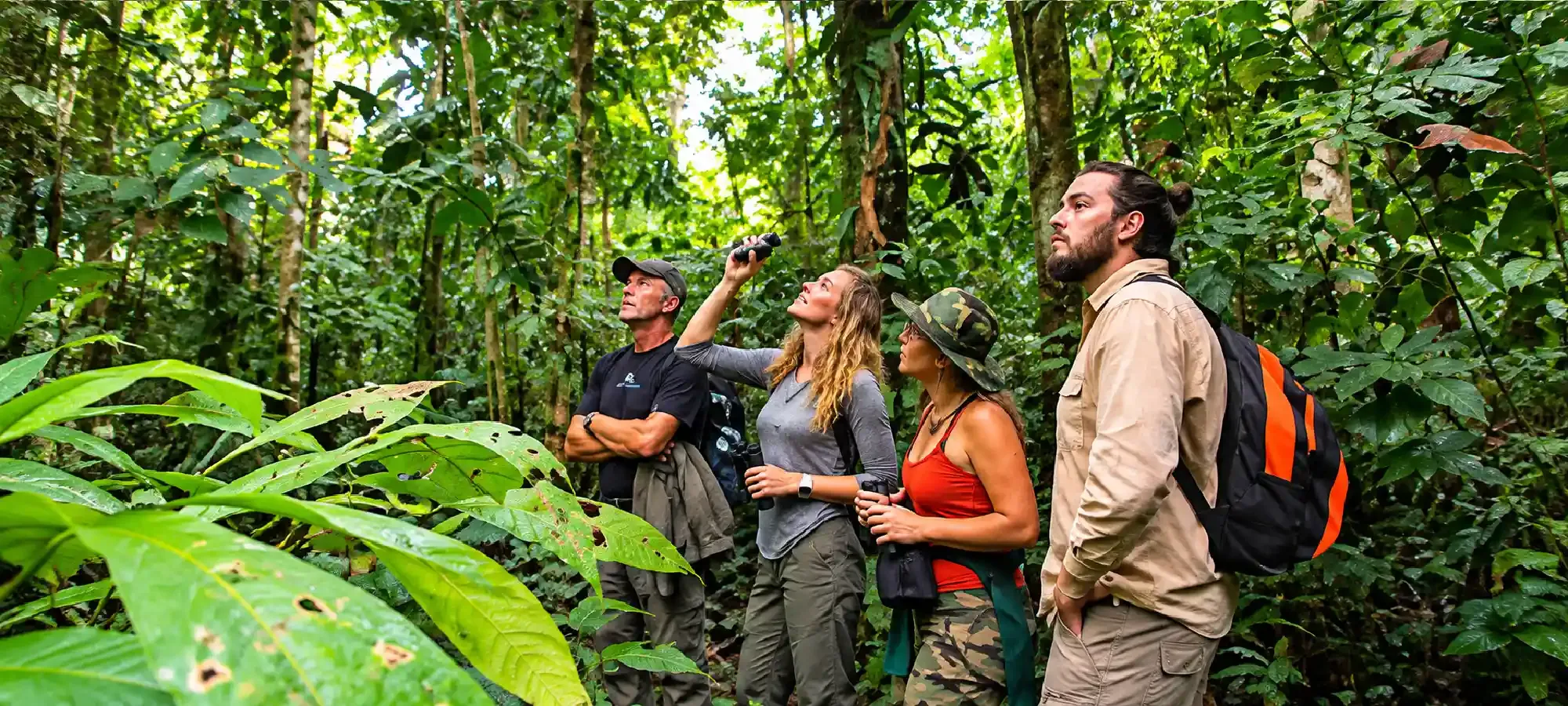
Preparing your rainforest packing list starts with understanding the Amazon's environment. Daytime temperatures are generally warm, and humidity can remain high even when it isn't raining. Rainforest tours often combine jungle hikes, river navigation, nighttime excursions, and visits to protected natural areas.
That's why choosing water-resistant accessories and quick-drying clothing is particularly important. Lightweight T-shirts, long pants, long-sleeved shirts, and shoes with reliable traction make it easier to participate in different activities without needing an excessive number of outfits.
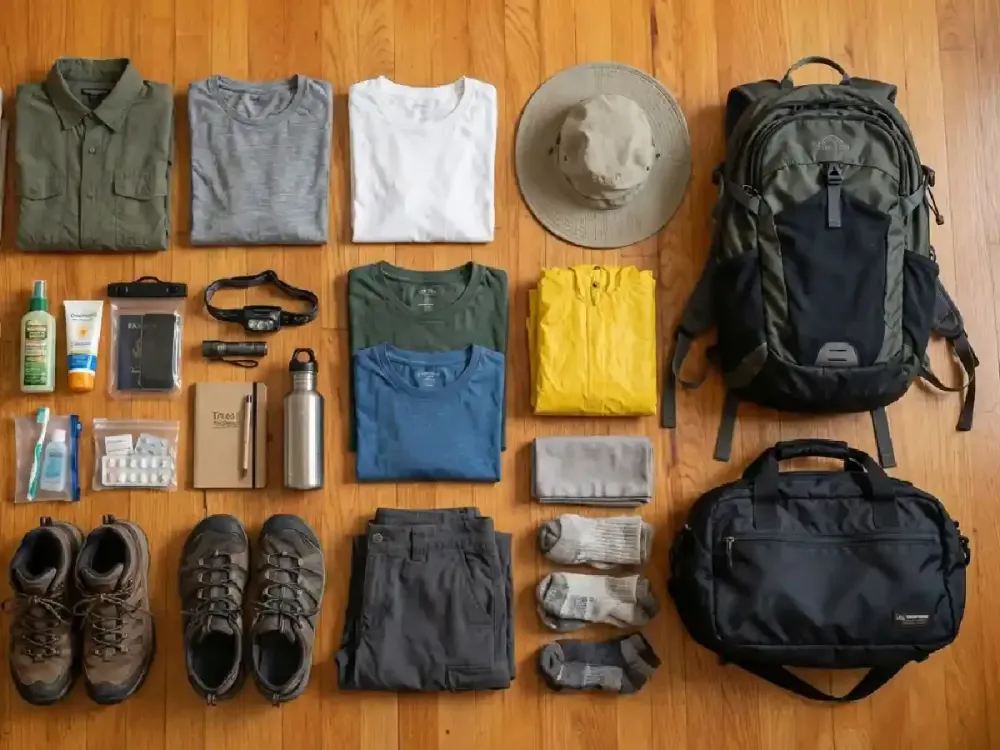
Your essential packing list should include insect repellent, sunscreen, a sun hat, a lightweight rain jacket, a reusable water bottle for safe drinking water, a flashlight, and a small daypack. Waterproof bags are also useful for protecting travel documents, medication, and electronic devices during boat journeys.
Before packing, it's worth learning more about the region you're visiting. Our complete travel guide to the Peruvian Amazon introduces the main rainforest destinations, their ecosystems, and the experiences available to travelers.
The most important rule is to prioritize practical equipment. A lightweight, well-organized bag suited to your itinerary will be far more useful than a suitcase full of clothes you're unlikely to wear.
What Clothes Should You Wear in the Amazon Rainforest?
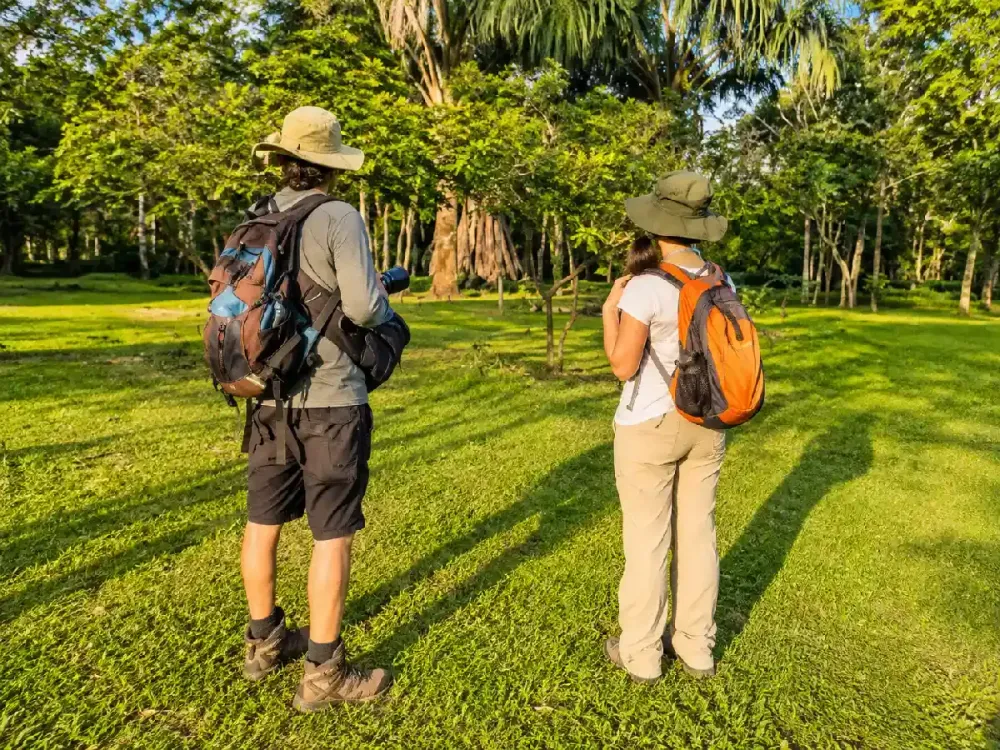
The best clothing for the Peruvian Amazon should be breathable, comfortable, and protective against insects, sunlight, and contact with vegetation. Although the tropical heat might make shorts and T-shirts seem like the obvious choice, guided hikes through rainforest trails require a slightly different approach.
Lightweight long-sleeved shirts and long pants help reduce skin exposure while walking. They're especially useful in densely vegetated areas, where mosquitoes, branches, and other natural obstacles can cause discomfort. Breathable, quick-drying fabrics are generally preferable to heavy materials that trap moisture.
| Recommended Clothing | Quantity for 4 Days | Main Purpose |
|---|---|---|
| Breathable T-shirts | 3–4 | Daytime activities and relaxation |
| Lightweight long-sleeved shirts | 2–3 | Protection during excursions |
| Quick-drying long pants | 2 | Rainforest walks |
| Shorts | 1–2 | Relaxing at your accommodation |
| Underwear | 4–5 sets | Daily changes |
| Comfortable hiking socks | 4–5 pairs | Keeping your feet comfortable and dry |
| Lightweight rain jacket | 1 | Tropical rainfall |
| Light layer for evenings | 1 | Boat rides and cooler conditions |
| Swimwear | 1 | Activities permitted by your itinerary |
| Sun hat or cap | 1 | Sun protection |
These quantities are only recommendations. You can adjust them according to your trip length, access to laundry facilities, and planned activities. On multi-day expeditions, bringing an extra set of dry clothes inside a waterproof bag can be especially helpful, particularly when visiting remote areas.
Light shades, soft greens, beige, and other neutral colors are practical options for rainforest excursions. However, comfort, durability, and breathability matter more than color. Avoid overly tight clothing, which can become uncomfortable during long hikes in humid conditions.
If you're still choosing your destination, explore our comparison of Iquitos or Puerto Maldonado: which should you visit?. Understanding the differences between these two Amazon gateways will help you choose suitable clothing for your preferred activities.
What Are the Best Shoes for Walking in the Rainforest?
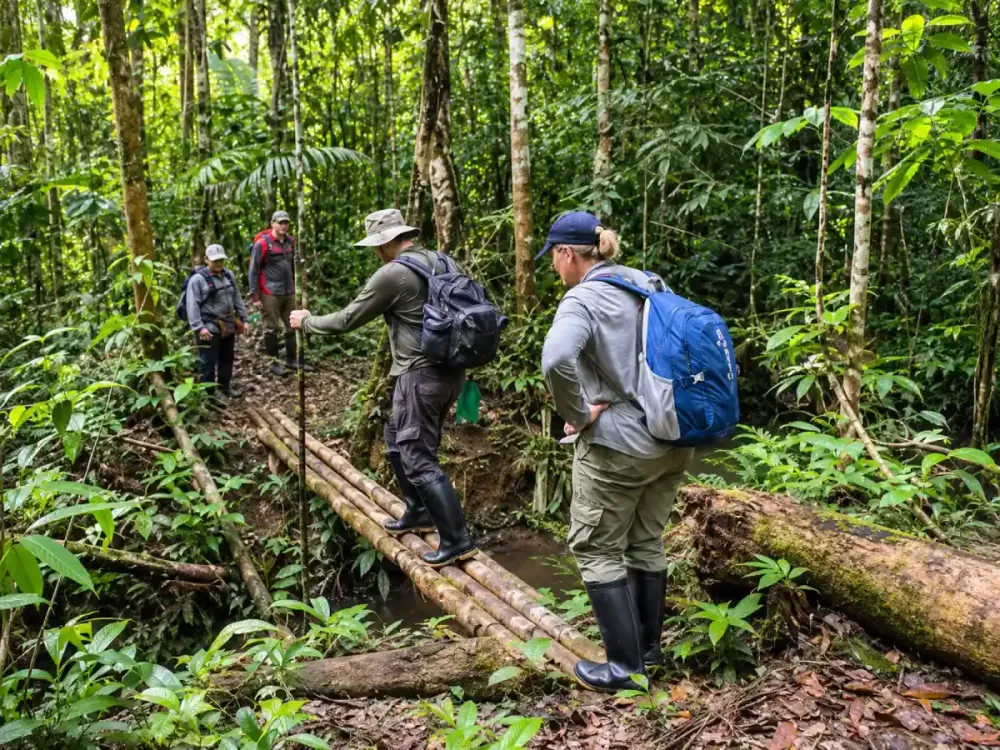
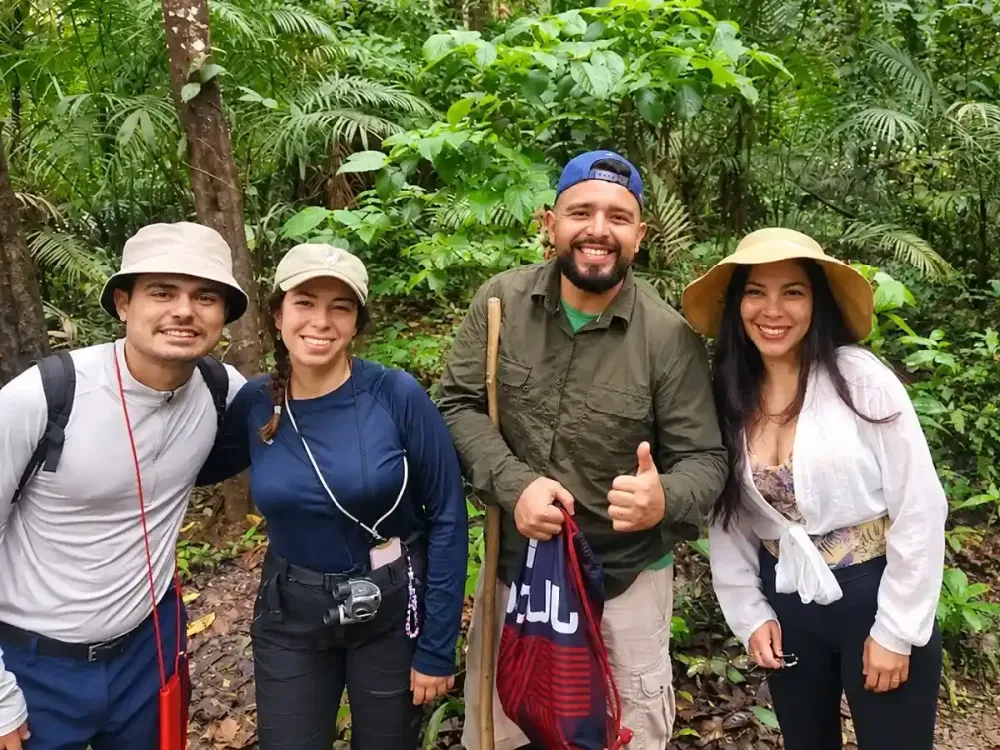
Footwear is one of the most important parts of your Peruvian Amazon packing list. Rainforest trails can be muddy and uneven, with exposed roots, wet stones, slippery surfaces, and occasional changes in elevation. Wearing inappropriate shoes can make walking uncomfortable and increase the risk of slipping.
For most excursions, hiking shoes with reliable grip and adequate foot support are a good choice. Lightweight, water-resistant models can be practical, although completely waterproof shoes may take a long time to dry if water enters from the top.
On certain excursions, particularly during rainy periods or in flooded areas, rubber boots may be necessary. Many Amazon lodges provide them or arrange rentals, so it's worth checking with your tour operator before departure. You may not need to bring bulky boots all the way from Lima or Cusco.
A pair of sturdy sandals is also useful for relaxing at your lodge or moving around designated accommodation areas. However, sandals shouldn't replace closed-toe footwear when hiking through dense vegetation or uneven terrain.
Make sure your hiking shoes are already comfortable before your trip. Wearing brand-new shoes on a rainforest excursion can cause blisters and turn an otherwise enjoyable experience into an uncomfortable one. Bringing spare socks and keeping your feet as dry as possible can make a significant difference.
How Should You Pack for the Weather and Rainy Season?
The Peruvian Amazon has a tropical climate, with generally warm temperatures, high humidity, and rainfall throughout the year. Although there are relatively wetter and less rainy periods, no season guarantees completely dry weather.
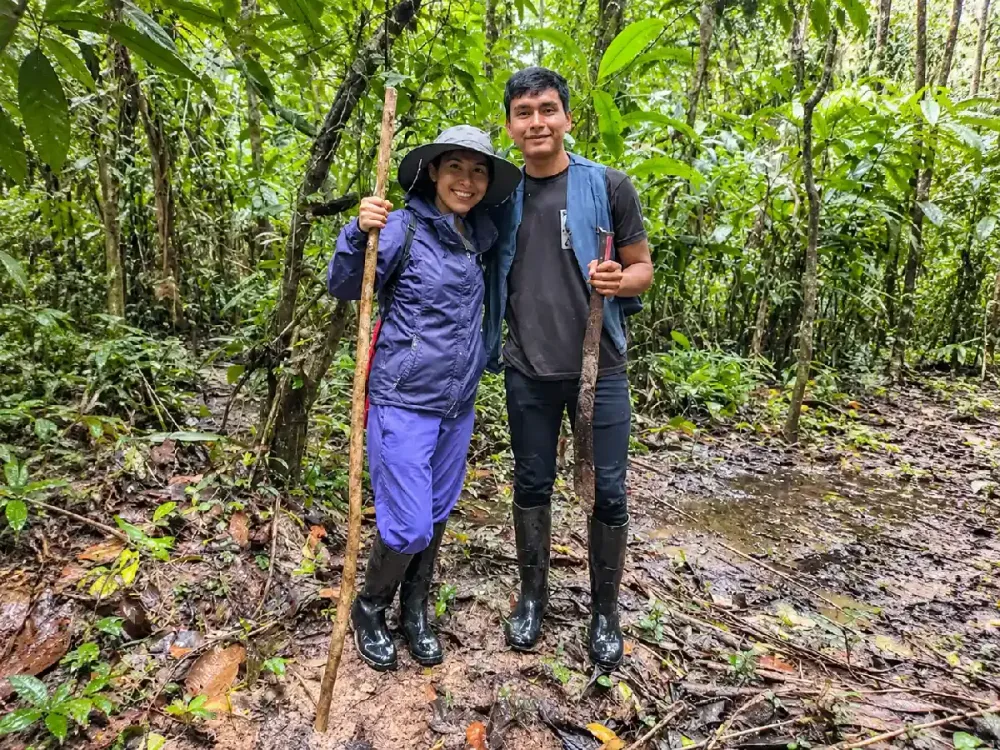
During months with heavier rainfall, it's particularly important to carry a lightweight rain jacket, waterproof bags, and extra protection for electronic equipment. Some trails can become muddy, while changing river levels may affect navigation routes and access to certain areas.
During relatively less rainy months, walking conditions may improve in some locations. However, insect repellent, sunscreen, and quick-drying clothes remain essential. Mosquitoes and humidity don't simply disappear when rainfall decreases.
Weather conditions also differ by destination. Iquitos, in northern Peru's Loreto region, experiences different seasonal patterns from Puerto Maldonado, in the southern Madre de Dios region. Packing recommendations should therefore reflect your destination rather than relying on a general definition of the rainy or dry season.
To choose your travel dates, read our guide to the best time to visit the Peruvian Amazon. If you're heading to Loreto, you can also explore the best time to visit Iquitos to understand how rainfall and river conditions may influence your excursions.
Regardless of the month, rain protection is always worth packing. A sunny morning can quickly give way to a tropical downpour, so being prepared is part of traveling comfortably in the rainforest.
What Essential Accessories Should You Carry in Your Backpack?
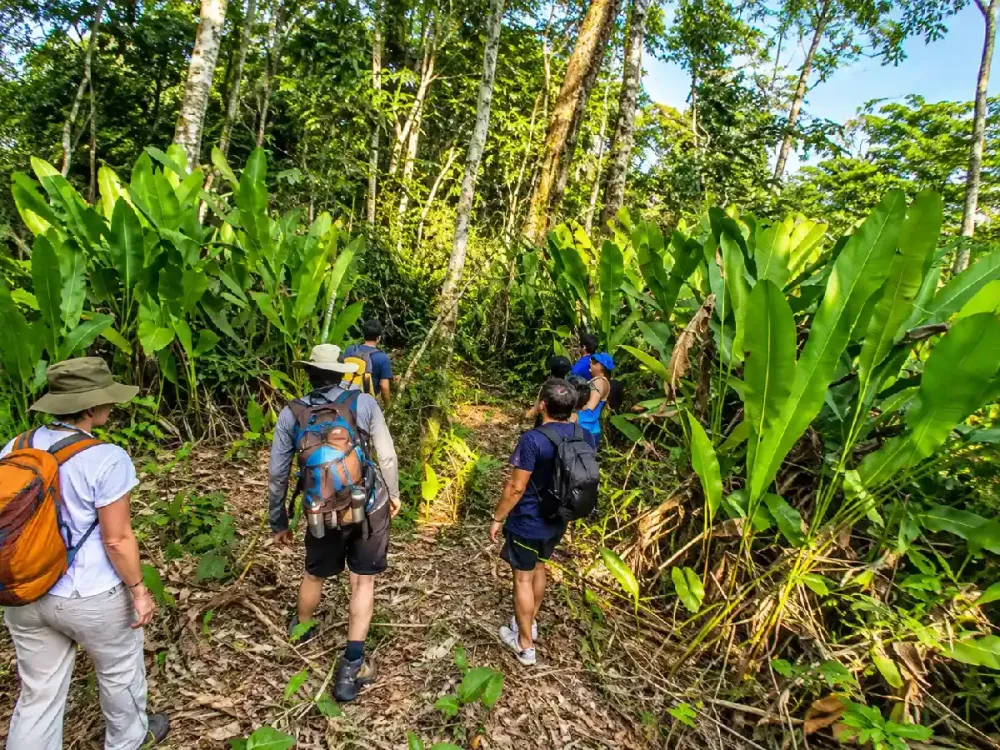
Besides clothing and footwear, several practical accessories can make your Amazon rainforest adventure considerably more comfortable. These items help protect your belongings, improve your experience during excursions, and handle small challenges that may arise away from urban areas.
A daypack of approximately 20–30 liters is usually sufficient for carrying personal items on day excursions. Choose one with comfortable shoulder straps, adjustable fittings, and some form of rain protection. On longer expeditions, your main luggage may remain at your accommodation or be transported according to the tour's arrangements.
| Accessory | Priority | Recommendation |
|---|---|---|
| Daypack | Essential | Approximately 20–30 liters |
| Waterproof dry bag | Essential | Protects documents and electronics |
| Reusable water bottle | Essential | Refill with safe drinking water |
| Headlamp | Essential | Nighttime excursions |
| Sunglasses | Recommended | UV protection |
| Wide-brimmed hat | Recommended | Face and neck protection |
| Portable power bank | Recommended | Extended excursions |
| Binoculars | Optional | Wildlife and birdwatching |
| Microfiber towel | Recommended | Lightweight and quick-drying |
| Rain poncho | Essential | Tropical rain protection |
| Bags for wet clothing | Recommended | Separate used and damp clothes |
| Personal first-aid kit | Essential | Medication and basic supplies |
Delicate items should be placed inside waterproof bags, even if your backpack has a rain cover. During boat trips, rain and splashes can reach areas that initially appear well protected.
It's also important to distribute the weight of your backpack properly. Frequently used items, including repellent, drinking water, sunscreen, and rain protection, should remain easy to access. Documents, spare clothing, and electronic devices can be stored more securely inside.
Before departure, ask your tour operator which accessories are included. Some programs provide rubber boots, life jackets, and other equipment needed for particular activities. Confirming these details can help you avoid bringing unnecessary items.
What Insect Repellent, Sunscreen, and Medication Should You Bring?
Personal protection deserves special attention when planning a trip to the Peruvian Amazon. Outdoor activities may involve exposure to insects, strong sunlight, humidity, and environmental conditions different from those you experience at home. Having suitable protective products can help reduce discomfort and make excursions more enjoyable.
To prevent mosquito bites, pack a registered insect repellent containing an effective ingredient such as DEET or picaridin, and follow the manufacturer's instructions. Wearing long-sleeved shirts and long pants provides additional protection. Apply repellents according to their labels, including any age-specific precautions.
Broad-spectrum sunscreen with SPF 30 or higher is also important. Rainforest vegetation doesn't eliminate sun exposure, especially during boat journeys, walks through open areas, and activities near rivers or lakes. A hat and UV-protective sunglasses are useful additions.
Bring enough of your regular prescription medication for the entire trip, along with any documentation you may need. A compact first-aid kit can include adhesive bandages, sterile gauze, supplies for cleaning minor wounds, and other items recommended by a healthcare professional.
Before traveling, consult a travel medicine clinic about vaccinations and preventive measures appropriate for your specific destination. This may include yellow fever vaccination and an assessment of malaria risk where relevant. Recommendations depend on the area you're visiting, the length of your stay, and your individual medical circumstances.
Avoid self-medicating or assuming that specific medicines will be available in remote communities and rainforest lodges. Health preparations should be completed before your trip, especially when your itinerary includes several days inside protected natural areas.
What Electronics and Photography Equipment Should You Pack?
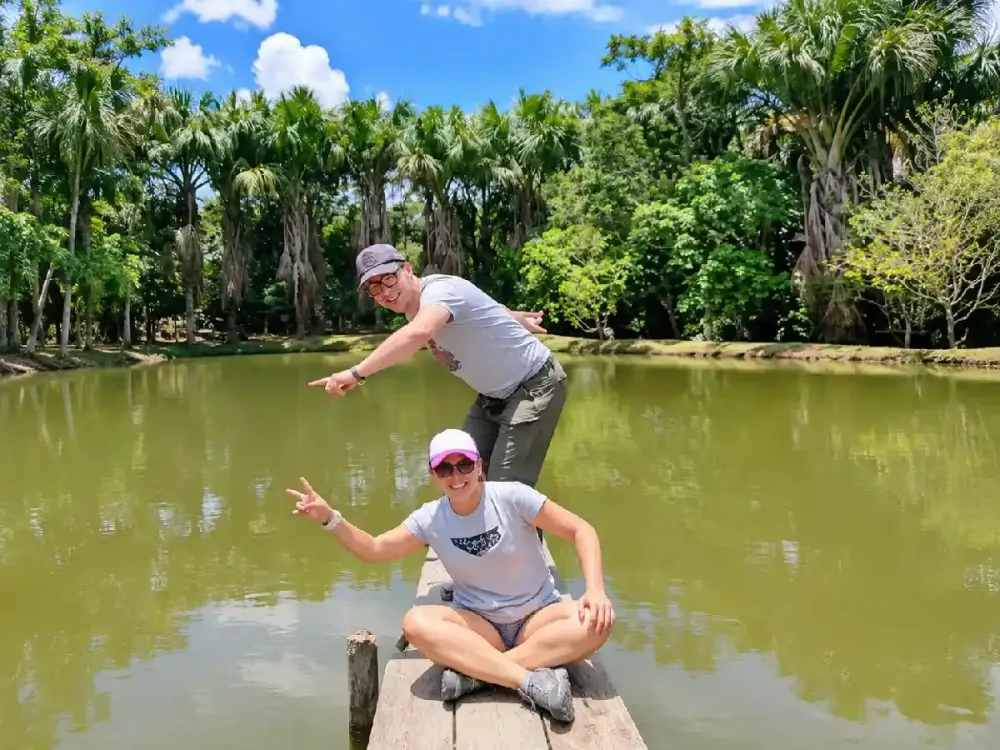
The Peruvian Amazon is an exceptional destination for nature photography. Its rivers, tropical vegetation, and opportunities to observe birds, monkeys, and other wildlife attract travelers who want to document their experiences through photographs and videos.
However, rainforest humidity and frequent rainfall require additional precautions. Cameras, smartphones, and batteries should be protected with waterproof bags or suitable cases. Using secure straps during boat excursions is also recommended to reduce the risk of accidentally dropping your equipment into the water.
A portable power bank can be particularly useful on longer excursions. Some rainforest lodges have limited electricity hours, so charge your devices before activities and ask your accommodation about its power supply arrangements.
If wildlife photography is one of your main interests, a telephoto lens can help you photograph animals from a respectful distance. Binoculars are also valuable for watching birds and other species that spend much of their time high in the forest canopy.
You don't need to carry every piece of photography equipment you own. A reliable camera or smartphone, an additional battery, and adequate protection against moisture may be more than enough to document your journey.
Always follow your guide's instructions, maintain a safe distance from wildlife, and avoid using flash when it could disturb animals. Responsible wildlife observation allows visitors to enjoy the Amazon's biodiversity without interfering with the species that live there.
What Should You Pack for Iquitos and Amazon River Excursions?
Iquitos is one of the main gateways to the Peruvian Amazon, offering experiences that combine city sightseeing, river navigation, and excursions into tropical forests. Your packing list should reflect these activities, especially if you're staying at a rainforest lodge outside the city.
For river excursions, carry a small backpack containing sunscreen, insect repellent, a hat, safe drinking water, and waterproof protection for your phone. An extra change of clothes is also useful when your itinerary involves several hours on the water or activities close to rivers.
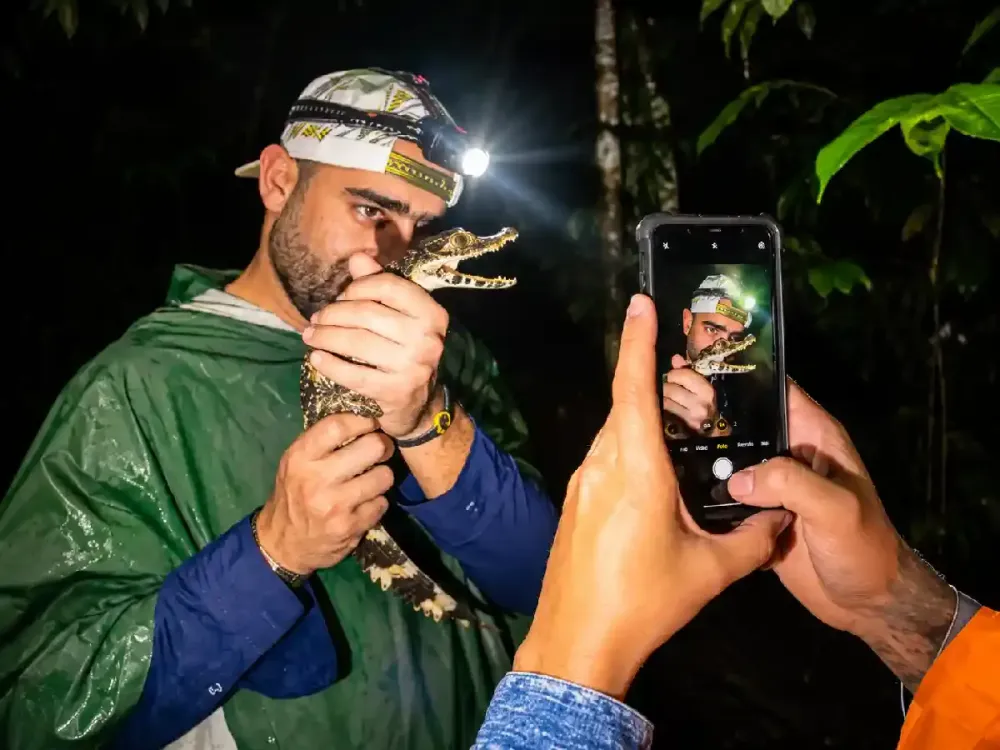
During rainforest walks in Loreto, long-sleeved clothing, lightweight pants, and closed-toe shoes provide greater comfort and protection. If your program includes nighttime wildlife observation, a headlamp can be especially helpful when used according to your guide's instructions.
Packing needs also depend on your itinerary. A short visit might combine urban sightseeing with nearby excursions, while multi-day programs often involve navigation to more remote areas. Explore our recommendations for Iquitos in 3 days and Iquitos in 4 days to compare different travel options.
If you're still organizing transportation, read how to get to Iquitos from Lima, Cusco, and other cities. Considering your flights, accommodation, and river transfers will help you choose a more practical luggage arrangement.
To explore the experiences available, visit our Iquitos Amazon rainforest tours and check what's included before finalizing your packing list.
What Should You Pack for Pacaya Samiria National Reserve?
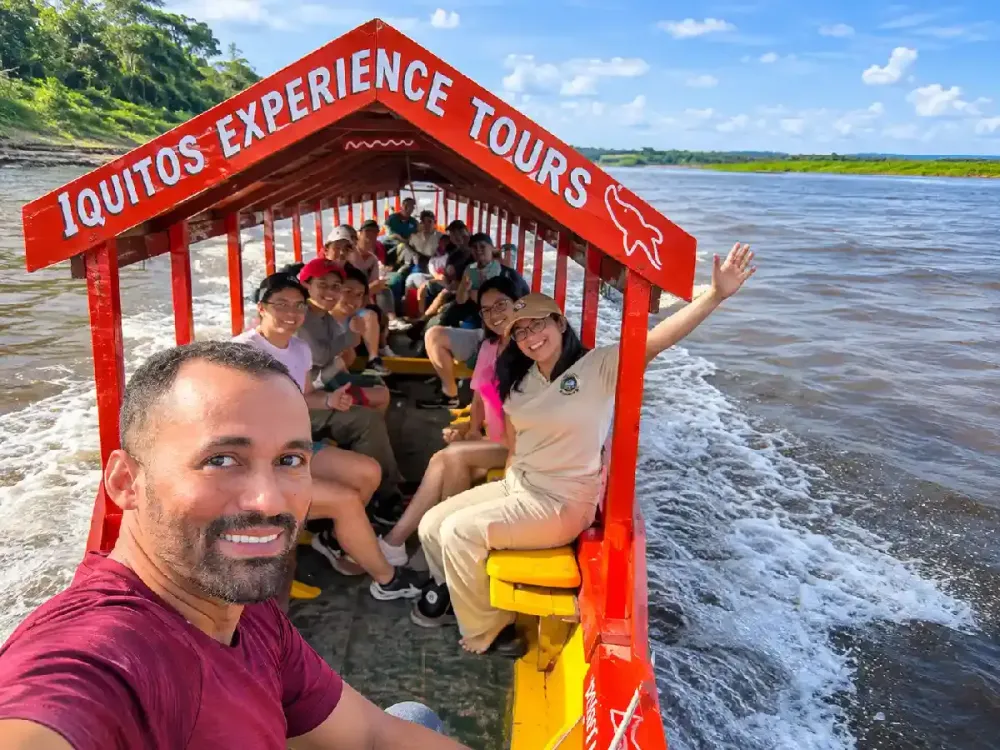
Visiting Pacaya Samiria requires additional preparation because of the reserve's size and the characteristics of its natural environments. Excursions may involve long boat journeys, walks through tropical landscapes, and wildlife observation in areas far from major urban centers.
Keeping clothing and personal belongings dry is especially important. Waterproof dry bags are useful when luggage is transported by boat. It's also a good idea to carry a spare set of dry clothes and keep essential items separate from equipment you won't need during navigation.
Lightweight long-sleeved shirts and comfortable pants are suitable for many activities. Depending on the season and the area visited, you may encounter wet trails or flooded environments. Ask your tour operator whether rubber boots or any other specific footwear will be required.
Multi-day expeditions also make a headlamp, spare batteries, and sufficient personal hygiene products particularly useful. Some itineraries involve simple accommodations or stays in remote environments, so ask about electricity, safe drinking water, and bathroom facilities before departure.
Before your trip, explore our complete guide to Pacaya Samiria National Reserve to learn about its ecosystems, access considerations, and the general characteristics of this extraordinary Amazon destination.
The season and your chosen access route can influence what you need to pack. River levels and rainfall may affect navigation, walking conditions, and the equipment recommended for particular sections of the reserve. Review these details with your operator when confirming your itinerary.
Remember that visiting conditions can vary between areas and seasons. Always confirm which equipment your agency provides, any luggage restrictions, and the activities planned before beginning your expedition.
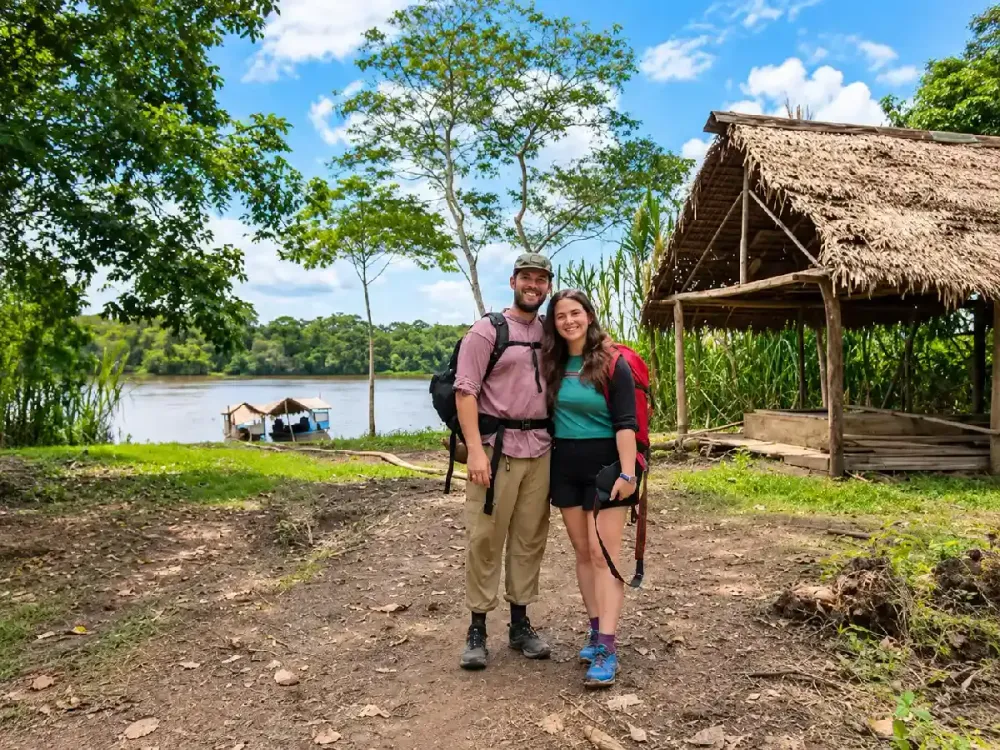
What Should You Pack for Puerto Maldonado, Tambopata, and Lake Sandoval?
Puerto Maldonado is one of the main tourism gateways to the southern Peruvian Amazon. From this city, travelers can explore the tropical forests of Madre de Dios, visit Tambopata National Reserve, and discover natural attractions such as Lake Sandoval.
For this region, your packing list should prioritize comfort during forest walks and protection against humidity. Some trails may contain mud, exposed roots, slippery surfaces, and sections exposed to direct sunlight. Hiking shoes with good traction, long pants, and breathable clothing are therefore important.
When visiting Lake Sandoval, carrying a small backpack with waterproof protection for your belongings, safe drinking water, and sun protection is particularly useful. The typical excursion combines river transportation with a walk through the rainforest, followed by wildlife observation around the lake.
To learn more about this experience, explore our guide to Lake Sandoval, including how to get there and what wildlife you may see.
Travelers visiting different areas of Tambopata should also consider insect repellent, protective clothing, and suitable footwear. Our Tambopata National Reserve visitor guide explains the reserve's ecosystems and the experiences available in its natural environments.
If you're planning a longer itinerary, read what to do in Puerto Maldonado and how to get to Puerto Maldonado from Cusco and Lima. These guides will help you understand the activities and organize transportation before departure.
You can also explore our Puerto Maldonado rainforest tours to compare different experiences and confirm what equipment is included in each program.
Peruvian Amazon Packing List by Trip Length
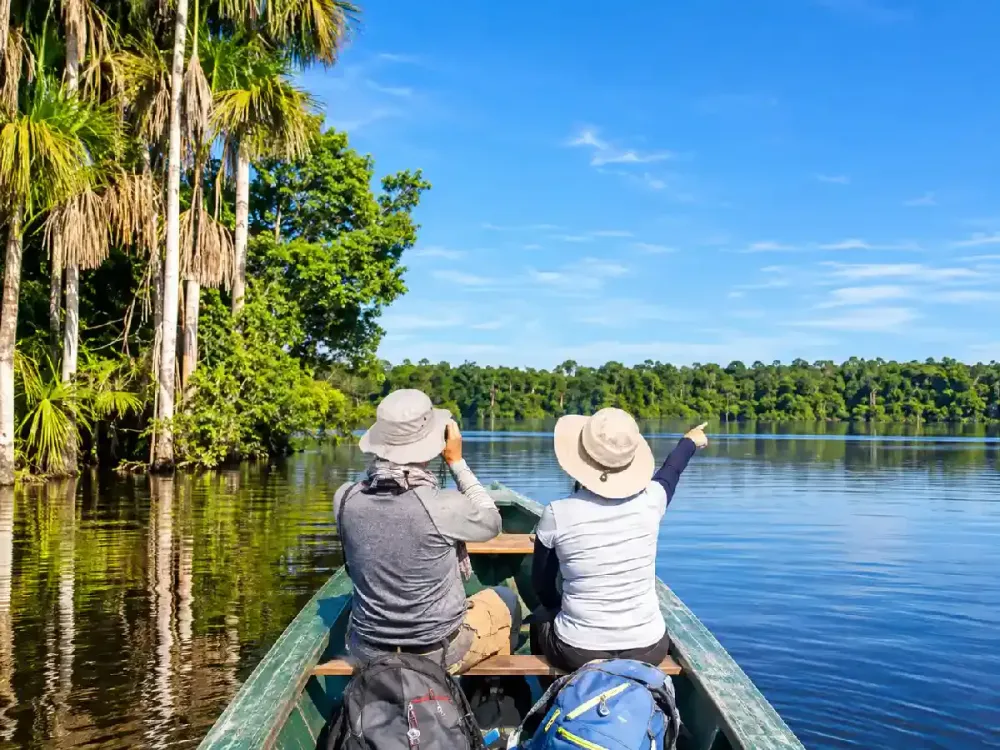
The length of your rainforest adventure is one of the main factors determining how much clothing and equipment you need. A two-day excursion doesn't require the same amount of luggage as a four- or five-day expedition, particularly when your accommodation is far from urban areas.
For shorter trips, prioritize a compact backpack that allows you to carry the essentials comfortably. Longer programs may require additional clothing, sufficient personal hygiene supplies, and greater protection for belongings.
| Item | 2 Days | 3–4 Days | 5 Days or More |
|---|---|---|---|
| Lightweight T-shirts | 2 | 3–4 | 5 or more |
| Long-sleeved shirts | 1 | 2–3 | 3 or more |
| Long pants | 1 | 2 | 2–3 |
| Underwear | 2–3 sets | 4–5 sets | According to trip length |
| Socks | 2 pairs | 4–5 pairs | According to trip length |
| Rain jacket | 1 | 1 | 1 |
| Hiking footwear | 1 pair | 1 pair | 1 pair |
| Insect repellent | As needed | As needed | Extra supply |
| Sunscreen | 1 container | 1 container | According to usage |
| Waterproof bags | 1 | 1–2 | 2 or more |
| Flashlight or headlamp | 1 | 1 | 1 |
| Portable power bank | Recommended | Recommended | Highly recommended |
These quantities are general guidelines. Adjust them according to laundry access, local weather conditions, your itinerary, and the services included in your tour. If the operator provides boots, rain protection, or other equipment, you won't need to bring those items yourself.
It's also important to check baggage allowances for domestic flights and any transportation used during the excursion. Restrictions may vary depending on the airline, ticket type, boat, and your accommodation's logistics.
If your journey combines different regions of Peru, separating rainforest clothing from your other belongings is often the easiest approach. For example, travelers visiting Cusco before heading into the Amazon may need clothing suitable for very different climates.
If you're planning a multi-destination adventure, explore how to combine Machu Picchu and the Amazon rainforest. You can also read how to get to the Peruvian Amazon from Lima and Cusco to organize your transportation and avoid carrying unnecessary luggage.
Final Tips for Preparing Your Peruvian Amazon Adventure
The best way to prepare your Peruvian Amazon packing list is to organize it around the activities you'll actually be doing. Rainforest hikes, boat journeys, and nighttime excursions require specific items, but they don't necessarily demand a large amount of luggage. Prioritizing lightweight clothing, rain protection, and practical accessories will make your journey much more comfortable.
Before closing your backpack, review your itinerary and confirm which services and equipment your accommodation or tour operator provides. Some programs include rubber boots, life jackets, and other accessories required for excursions. It's also worth checking electricity availability, communication facilities, and transportation arrangements, especially if you're traveling to remote areas outside Iquitos or Puerto Maldonado.
Don't forget your travel documents, regular medication, insect repellent, and sun protection. Keep important belongings inside waterproof bags and carry a spare set of dry clothes whenever possible. These simple preparations become particularly valuable when unexpected rainfall occurs or when activities take you away from your accommodation for several hours.
Responsible travel is also an essential part of exploring the Amazon. Avoid leaving litter on trails, participate only in authorized activities, and always follow your local guide's recommendations. The rainforest contains ecosystems of extraordinary value, and enjoying these landscapes means respecting wildlife, local communities, and the natural environments that make each visit possible.
At Dreamy Tours, we can help you organize a Peruvian Amazon experience that matches your travel dates, interests, and available time. Whether you'd like to explore Tambopata's tropical forests, navigate the waterways of Loreto, or discover the extraordinary landscapes of Pacaya Samiria, thoughtful planning will make your adventure more enjoyable. Explore our rainforest tours in Iquitos and Puerto Maldonado, check what's included, and prepare your backpack to discover one of Peru's most fascinating natural regions.
Personal travel advice
Plan your trip with Dreamy Tours
Start a tailored journey with our exclusive tours and custom trips across Peru and other Latin American countries.