Search the blog
Tabla de contenidos
Choosing the best time to visit Iquitos is one of the most important decisions when planning an adventure in the Peruvian Amazon. Located in the Loreto region, this city experiences warm temperatures and high humidity throughout the year. However, rainfall and changing river levels transform the landscapes and can influence which activities are available to travelers.
Unlike other destinations in Peru, where the dry and rainy seasons often bring major changes, Iquitos has a tropical climate with rainfall every month. Although some periods are relatively less rainy, there is no completely dry season. Understanding the patterns of rainfall, temperature, and river levels is therefore essential when choosing your travel dates.
Another important factor is the difference between the rainy season and the Amazon River's high-water and low-water periods. When river levels are high, certain flooded forest areas can be explored by boat. As the water recedes, exposed riverbanks and trails make some land-based activities possible. Both conditions offer different ways to experience the same remarkable rainforest.
In this guide, you will discover what Iquitos' weather is like throughout the year, which months generally receive less rainfall, when to visit Pacaya Samiria, and which season may be best suited to your travel interests.
If you are planning your first adventure in Loreto, explore our complete Peruvian Amazon travel guide and discover the best things to do in Iquitos during your stay.
What Is the Weather Like in Iquitos Throughout the Year?
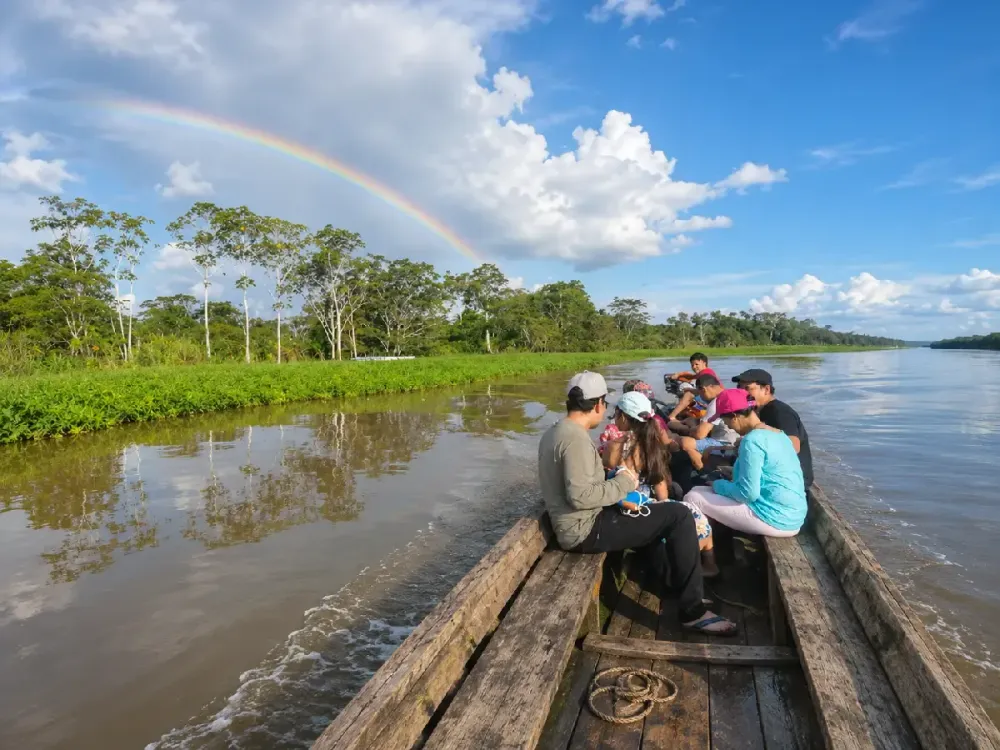
Iquitos has a warm, humid tropical climate, typical of the lowland rainforests of the Peruvian Amazon. Temperatures remain relatively stable throughout the year, although daytime highs, rainfall, and how hot the weather feels can vary from month to month.
According to climatological figures published by the World Meteorological Organization using data from SENAMHI, Peru's National Meteorology and Hydrology Service, average monthly high temperatures in Iquitos range approximately from 30 to 32°C (86 to 90°F), while average lows are generally around 21 to 22°C (70 to 72°F).
These figures describe average conditions. On individual days, temperatures can rise above their usual levels, making the heat feel particularly intense because of the high humidity.
Humidity is one of the defining characteristics of an Amazon rainforest experience. Even when the sky is partly cloudy, walking around the city or joining an excursion can feel hot and tiring. Lightweight clothing, regular hydration, and avoiding strenuous activities during the hottest hours when possible are sensible precautions.
Rainfall is another constant feature of the local climate. Short showers, heavy downpours, and thunderstorms can temporarily affect outdoor activities. However, a rainy day does not necessarily mean that every excursion will be canceled.
| Weather Feature | General Conditions in Iquitos |
|---|---|
| Climate type | Warm and humid tropical climate |
| Average monthly high temperatures | Approximately 30 to 32°C |
| Average monthly low temperatures | Approximately 21 to 22°C |
| Rainfall | Possible throughout the year |
| Humidity | Generally high |
| Relatively less rainy months | June, July, and August |
| Months with generally abundant rainfall | March, April, and December |
These conditions explain why Iquitos can be visited during any month. The best decision depends not only on heat or rainfall but also on the experiences you want to enjoy in and around the city.

What Are the Rainiest Months in Iquitos?
Rain is common in Iquitos throughout the year, but it is not distributed evenly across the months. Some months historically receive higher average precipitation, while others tend to experience relatively lower rainfall totals.
According to Iquitos climatological data published by the World Meteorological Organization using SENAMHI records, March has one of the highest average rainfall totals, at approximately 316.6 millimeters. December and April also receive considerable precipitation, with monthly averages close to 300 millimeters.
These figures indicate that certain months tend to accumulate more rainfall. However, they do not mean that rain falls continuously throughout every day. In the Amazon, sunshine, cloudy skies, and intense tropical showers can all occur within the same afternoon.
For travelers, rainfall may affect walking comfort, trail conditions, and transportation times. Heavy storms can also require changes to scheduled activities when conditions become unsafe.
Nevertheless, rainier months offer lush tropical vegetation and a different perspective on Amazonian environments. During high-water periods, some channels and flooded forest areas may become accessible to small boats.
It is important not to confuse rainfall recorded in Iquitos with immediate changes in river levels across Loreto. Major Amazonian rivers are also influenced by precipitation falling in other parts of their extensive drainage basins.
If you are planning an expedition to a remote rainforest area, consider both the city's weather conditions and the current river levels in the specific sector you intend to visit.
When Does It Rain Less in Iquitos?
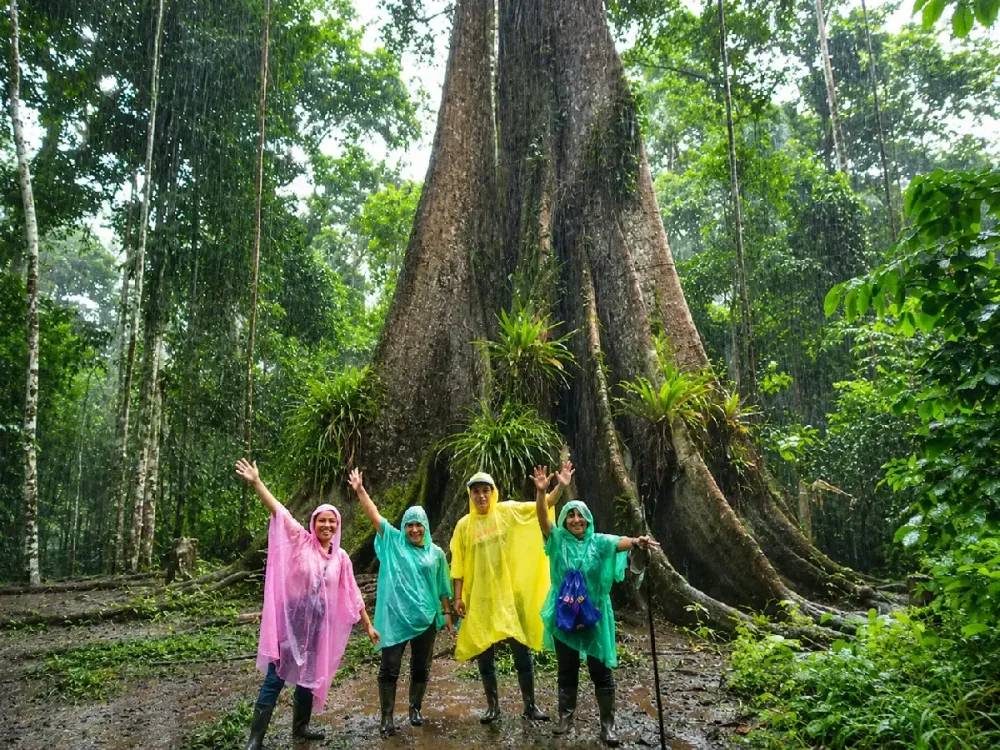
June, July, and August generally record lower average rainfall than the wettest months in Iquitos. However, this does not mean the city experiences a truly dry season.
According to the climatological figures published by the World Meteorological Organization, August receives an average of approximately 173.8 millimeters of rainfall, followed by July with 187.3 millimeters and June with around 189.7 millimeters.
Although these amounts are lower than those recorded in March or December, they still represent substantial rainfall. Even during an August visit, you may experience heavy showers, thunderstorms, and rapidly changing cloud cover.
Relatively less rainy conditions can make certain walks, city tours, and activities involving land access more comfortable. However, actual trail conditions should always be checked before beginning an excursion.
For travelers interested in the historic center, local markets, Tarapacá Waterfront, and other city attractions, these months can be convenient, although Iquitos can be explored throughout the year.
If your main goal is to visit natural areas, you should also check navigation conditions. Less rainfall does not necessarily mean that every river route will be faster or easier to access.
The best choice is one that balances the weather, your planned activities, and the places you want to discover. With proper preparation, you can enjoy your trip even when unexpected showers appear.

Amazon River High-Water and Low-Water Seasons: How Do Tours Change?
One of the most important factors when choosing the best time to travel to Iquitos is the seasonal behavior of the rivers. In the Loreto region, high-water and low-water periods transform the landscape and change how visitors can explore certain natural environments.
During high-water periods, rivers flood areas that remain dry or less submerged at other times of the year. Some flooded forest sections can be explored by small boats, allowing travelers to observe trees and vegetation from a different perspective.
During low-water periods, river levels fall and expose riverbanks, sandbars, and trails that make certain walks possible. However, shallow water may also make navigation more difficult along smaller channels.
The exact timing is not identical for every river. As a general reference, high-water conditions in several parts of Loreto are often associated with the earlier months of the year, while lower river levels are more common during the second half. The timing of the highest and lowest levels varies by river basin.
| Feature | High-Water Season | Low-Water Season |
|---|---|---|
| Landscape | Flooded forest areas | Exposed riverbanks and ground |
| Navigation | Access to some flooded channels | Some channels may become shallow |
| Rainforest walks | Limited in certain areas | Greater access to some trails |
| Photography | Reflections and flooded forest landscapes | Riverbanks, trails, and changing habitats |
| Wildlife observation | Depends on accessible habitats | Depends on habitat concentration and access |
| Planning | Check authorized navigation routes | Check water depth and transfer times |
These differences explain why the same destination can offer noticeably different experiences depending on the month.
It is also important to understand that river levels do not necessarily change immediately after local rainfall. The behavior of a major river basin is influenced by broader weather patterns and can vary between years.
If you are preparing for an expedition, ask your tour operator which activities are expected to be available on your dates and how the itinerary might change with river conditions.
Best Time to Visit Pacaya Samiria from Iquitos
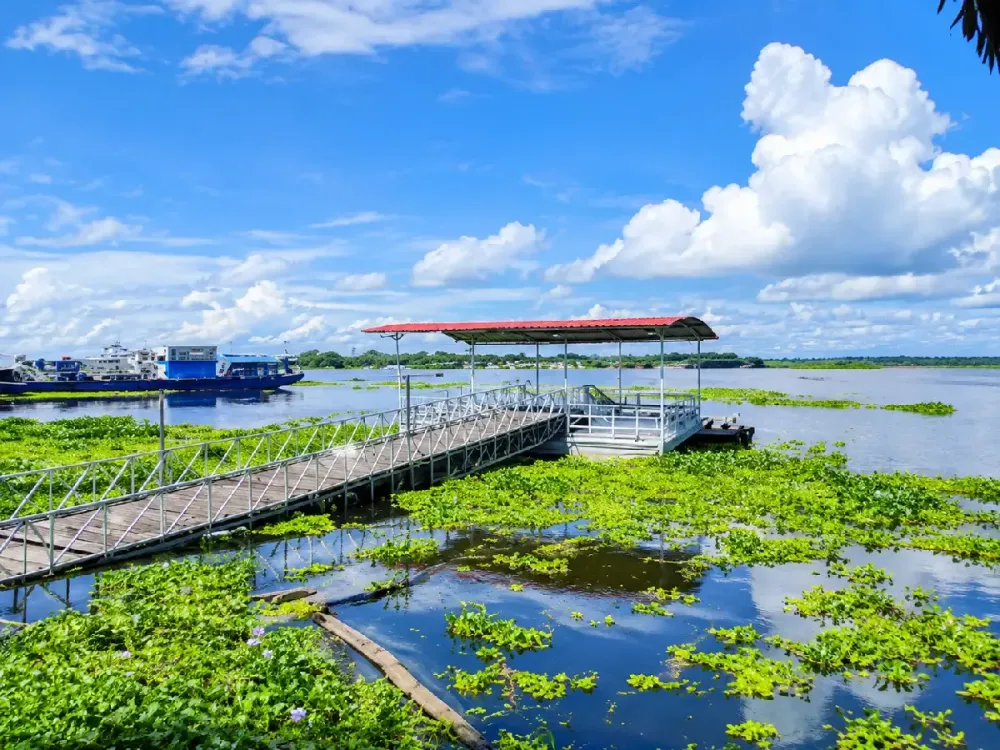
Pacaya Samiria National Reserve is one of Loreto's most important natural destinations and a major reason travelers choose to visit Iquitos. Its extensive flooded forests, rivers, and lagoons form a collection of ecosystems that change dramatically throughout the year.
According to SERNANP's official visitor information, the recommended period to visit Pacaya Samiria is from May through September. The same source identifies October through April as the reserve's general rainy period.
This recommendation is particularly useful when planning a multi-day rainforest expedition. However, it does not mean every part of the reserve experiences the same conditions or that visits are impossible outside those months.
Pacaya Samiria covers an enormous area, and its visitor routes, channels, lagoons, and access points can differ significantly. Two excursions may encounter different conditions even during the same season.
The reserve is often called the Jungle of Mirrors because of the reflections that appear on certain bodies of water. During guided expeditions, visitors can explore tropical forest landscapes and look for birds, monkeys, caimans, and other wildlife living freely in their natural habitats.
Wildlife sightings depend on animal behavior and the characteristics of each ecosystem. It would therefore be misleading to guarantee particular sightings simply because you are traveling in a certain month.
To discover this protected area, explore the 3-day Pacaya Samiria tour, which combines river navigation and guided Amazon rainforest activities.
Before booking, confirm which sector you will visit, the availability of authorized tourism services, the navigation time, and the activities expected during your travel season.
When Should You Visit Yanayacu and Its Amazonian Landscapes?
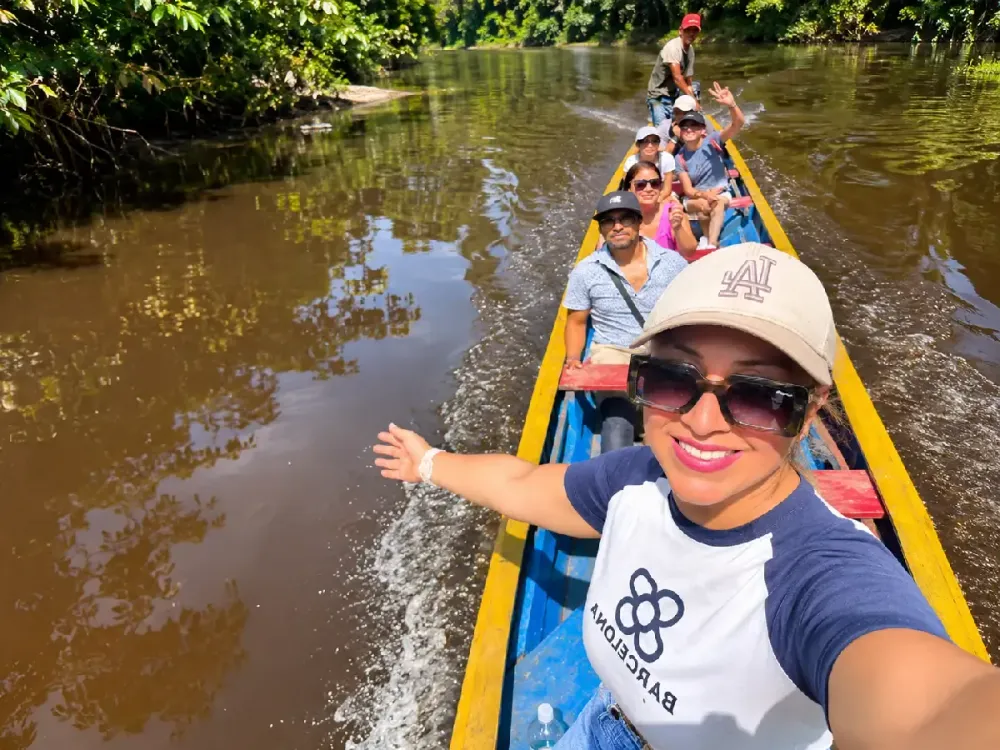
Yanayacu is another interesting destination for travelers who want to explore Loreto's natural environments through river navigation, guided forest walks, and wildlife observation. Its waterways, channels, and tropical forests experience changing conditions as river levels rise and fall.
During high-water periods, certain flooded forest areas may become accessible by boat. This offers a distinctive view of Amazonian vegetation, especially where reflections of trees and the sky create beautiful scenery for photography.
As river levels fall, exposed riverbanks and land routes may become easier to access. At the same time, some waterways may become shallower, requiring adjustments to navigation routes.
The best season for visiting Yanayacu depends on the exact location of the tour and the activities you hope to experience. Several places in the Peruvian Amazon share the name Yanayacu, so checking the specific destination and itinerary is important.
Excursions may include guided walks, birdwatching, river navigation, plant identification, and nighttime activities, depending on local conditions.
If you are looking for a moderately paced experience, consider the 3-day Yanayacu Amazon tour. For more time in nature, explore the 4-day Yanayacu rainforest program.
For both programs, confirm the activity schedule and transfer times before traveling. The season can influence the experience, but it does not determine the overall quality of the journey on its own.

Which Season Is Best for Wildlife Watching in Iquitos?
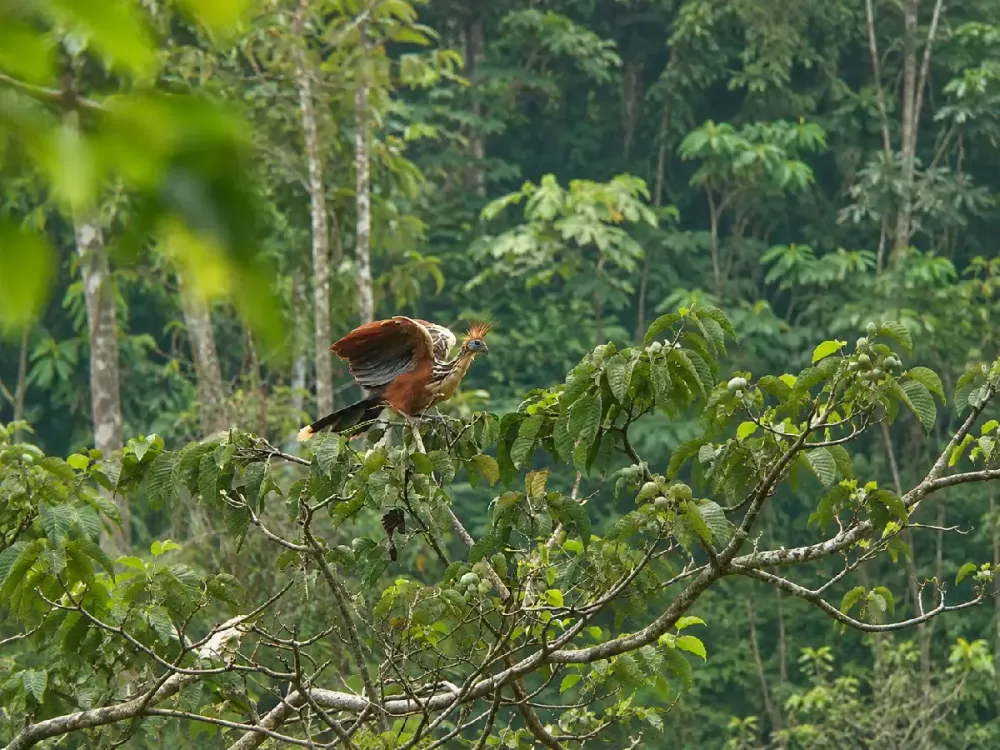
Wildlife observation is one of the main attractions for visitors to Iquitos. Loreto's ecosystems support numerous species of birds, primates, reptiles, amphibians, and aquatic mammals.
However, there is no single month when every animal becomes easier to observe. Each species has different habits and habitat preferences, and sightings also depend on location, time of day, and natural conditions.
During high-water periods, boats can access certain flooded forest habitats. These conditions may provide opportunities to observe birds and other animals associated with vegetation near the water.
During low-water periods, some trails and riverbanks become exposed. This may make walking excursions and the exploration of habitats that are difficult to access during high water more practical.
River dolphins can be encountered in certain Amazonian areas, but sightings depend entirely on the animals' natural behavior. Monkeys, toucans, macaws, and other birds may also be observed at different times of the year, without any guarantee of an encounter.
For travelers interested in specialized wildlife photography, choosing excursions led by naturalist guides who understand animal behavior and local habitats can make a meaningful difference.
One option is the 4-day birdwatching tour in Iquitos, designed to explore different Amazonian habitats through guided observation.
Regardless of the season, responsible wildlife watching means maintaining an appropriate distance from animals and avoiding activities that involve handling wildlife or changing its behavior for photographs.

What Is the Best Time to Explore Iquitos City?
If your main interest is discovering urban attractions, local cuisine, and Amazonian culture, you can visit Iquitos during any month of the year. Rainfall is part of the local climate, but most cultural activities do not depend on a specific river season.
Among the city's most recognizable places are the Plaza de Armas, the Iron House, Tarapacá Waterfront, the museums, and the Belén neighborhood. Each offers an opportunity to discover different aspects of Loreto's history and traditions.
Relatively less rainy months, such as June, July, and August, can be convenient for walking around the city. However, you can also explore these attractions during wetter months by adapting your schedule to the weather.
The Belén neighborhood is an interesting example of how urban landscapes change with river levels. Some homes are designed to adapt to seasonal flooding, so the area can look very different depending on when you visit.
Local cuisine is another highlight at any time of year. Traditional dishes such as juane, tacacho con cecina, and patarashca introduce visitors to ingredients and cooking techniques associated with the Amazon region.
If you want to identify the most interesting places to explore, read our guide to tourist attractions in Iquitos.
You can also discover what to do in Iquitos, with suggestions for combining cultural visits and nature experiences according to your available days.

Iquitos Weather by Month: Temperatures and Rainfall
Comparing monthly climate conditions can help you choose suitable travel dates. Although Iquitos experiences tropical temperatures throughout the year, average rainfall figures reveal meaningful seasonal differences.
The following values are climatological averages published by the World Meteorological Organization using information from Peru's National Meteorology and Hydrology Service (SENAMHI). They represent historical climate conditions, not forecasts for any particular year.
| Month | Average High | Average Low | Average Monthly Rainfall |
|---|---|---|---|
| January | 31.2°C | 21.9°C | 266.1 mm |
| February | 31.5°C | 22.0°C | 210.1 mm |
| March | 30.9°C | 22.1°C | 316.6 mm |
| April | 30.6°C | 22.0°C | 292.1 mm |
| May | 30.1°C | 21.9°C | 292.1 mm |
| June | 30.0°C | 21.6°C | 189.7 mm |
| July | 29.9°C | 20.8°C | 187.3 mm |
| August | 31.2°C | 21.0°C | 173.8 mm |
| September | 31.6°C | 21.3°C | 209.5 mm |
| October | 31.7°C | 21.8°C | 254.2 mm |
| November | 31.6°C | 22.1°C | 286.9 mm |
| December | 31.3°C | 22.1°C | 301.2 mm |
According to these records, August has the lowest average monthly rainfall, while March receives the highest amount. The data also show that precipitation remains significant even during the relatively less rainy months.
Average monthly temperatures vary moderately throughout the year. Traveling in June or July should therefore not be confused with visiting during a cold or completely dry season.
These figures are useful for comparing general trends, but the actual weather during a particular week may be different. Rainfall recorded in the city also does not fully explain water levels in every river throughout Loreto.
If your trip includes expeditions to Pacaya Samiria or Yanayacu, combine these climate averages with current navigation information provided by your tour operator.
Which Month Should You Choose for Your Iquitos Experience?
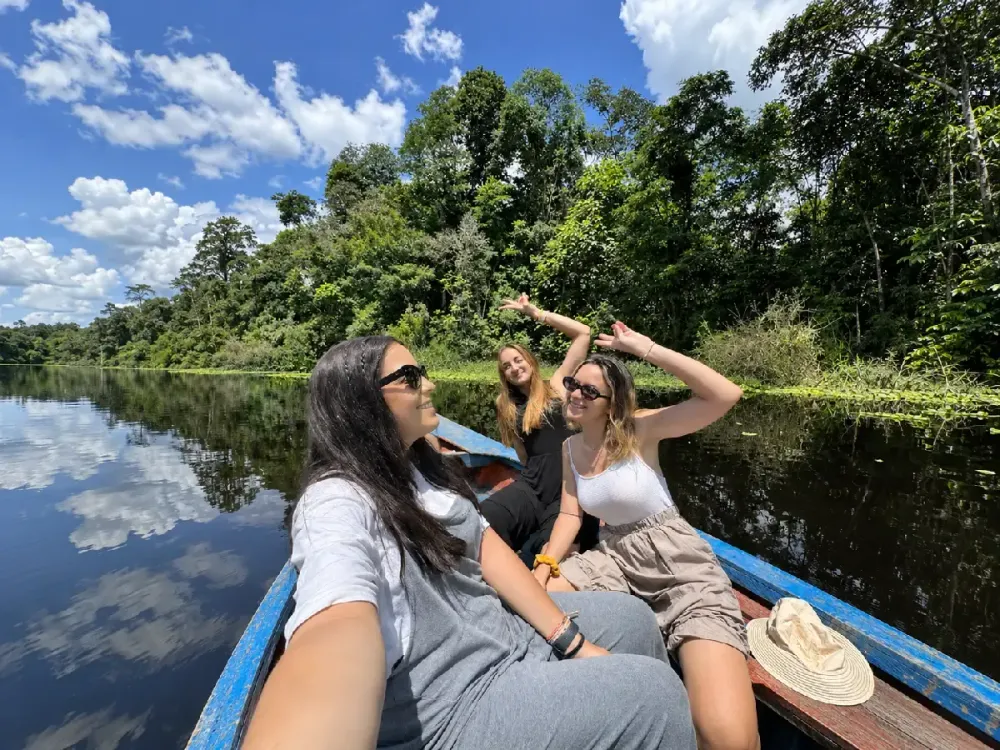
The best time to visit Iquitos depends on the activities you want to enjoy. Some travelers are mainly interested in the city, museums, and markets, while others want to navigate flooded forests, hike rainforest trails, or join multi-day expeditions.
For visitors who prefer warm temperatures with relatively lower average rainfall, June, July, and August can be attractive months. However, these conditions do not guarantee clear skies or an absence of storms.
If your main goal is to visit Pacaya Samiria, the May-to-September period recommended by SERNANP is a useful reference. For activities involving flooded forests, river levels in the particular sector you will visit are also important.
The following table compares different travel interests.
| Travel Experience | Reference Period | What to Consider |
|---|---|---|
| Explore Iquitos and its markets | Year-round | Plan activities around rainfall |
| Choose relatively less rainy months | June to August | Rain is still possible |
| Visit Pacaya Samiria | May to September | SERNANP's official recommendation |
| Navigate flooded forests | High-water periods | Confirm the sector and river levels |
| Hike through the rainforest | When trails are accessible | Check trail conditions |
| Birdwatching | Year-round, depending on species and habitat | Choose a specialized program |
| Photograph river landscapes | Year-round | Scenery changes with river levels |
This comparison shows that there is no single ideal season for every traveler.
A visit to Iquitos during rainier months may be interesting for people who want to experience certain aquatic environments. Traveling during low-water periods may provide different opportunities for walking, exploring exposed terrain, and photography.
Your available time is another important consideration. If you only have a few days, choose activities that can adapt more easily to changing weather. With a longer stay, you can plan more extensive nature experiences.

What to Pack for Iquitos During Different Weather Seasons
Packing appropriate clothing and equipment is important for enjoying Iquitos in any month. The tropical climate calls for lightweight, comfortable items suited to humidity, rainfall, and outdoor activities.
Long-sleeved shirts and quick-drying trousers are particularly useful for rainforest excursions. A lightweight rain jacket is also recommended because showers can occur even during the relatively less rainy months.
Footwear should match your itinerary. Comfortable walking shoes may be suitable for city sightseeing, while wet rainforest trails require more appropriate footwear. Some operators provide rubber boots for certain excursions, but you should confirm this before traveling.
A small backpack with waterproof protection can make day trips easier. It is also advisable to protect documents, cameras, and electronic devices from moisture.
Insect repellent, sunscreen, and a reusable water bottle are important essentials. Heat and humidity can make longer walks demanding, so staying properly hydrated is particularly important.
For nighttime activities, a flashlight can be useful. Birdwatchers may also want to bring binoculars and a camera with protection against rain.
Before your trip, check current health recommendations for the Peruvian Amazon. Depending on your itinerary and personal circumstances, a healthcare professional may advise preventive measures against yellow fever and other mosquito-borne diseases.
The best approach is to review what your tour includes and bring only the equipment needed for your planned activities.
Tips for Choosing Your Travel Dates and Planning a Trip to Iquitos
Deciding when to travel to Iquitos involves more than comparing rainfall averages. The length of your stay, the places you want to visit, and transportation schedules can be just as important as the weather.
If you plan to join an expedition to Pacaya Samiria or Yanayacu, begin by choosing a suitable tour and checking the usual conditions in the specific area. Then look for flights that match the tour's departure and return times.
To understand your transportation options, read our guide on how to get to Iquitos from Lima, Cusco, and other cities. It explains flights, riverboat routes, and transfers throughout Loreto.
It is also advisable to leave enough time for transportation. Rainforest excursions may involve both road and river journeys, and weather conditions can sometimes require schedule changes.
If you are planning a trip combining Cusco, Machu Picchu, and the Amazon, remember that reaching Iquitos generally involves an air connection. Puerto Maldonado, by comparison, has a road connection from Cusco.
You can compare both destinations in our guide to Iquitos or Puerto Maldonado.
For a broader perspective on weather across different rainforest destinations, explore our guide to the best time to visit the Peruvian Amazon.
At Dreamy Tours, we believe that the best time to visit Iquitos is the season that allows you to enjoy the experiences that interest you most, considering both the weather and river levels. Careful planning helps you appreciate each season without relying on unrealistic expectations about perfect weather.
If you want to explore Loreto's tropical landscapes and ecosystems, discover our Iquitos Amazon rainforest tours and compare expeditions to Pacaya Samiria, Yanayacu, and other Amazonian environments.
Iquitos is a destination transformed by water, vegetation, and the natural rhythms of the rainforest. Understanding these seasonal changes will help you choose your dates with greater confidence and discover a region that offers different experiences throughout the year.
Personal travel advice
Plan your trip with Dreamy Tours
Start a tailored journey with our exclusive tours and custom trips across Peru and other Latin American countries.