Search the blog
Tabla de contenidos
Pacaya Samiria National Reserve is one of the most extraordinary natural destinations in the Peruvian Amazon. Located in the Loreto region, it protects more than two million hectares of tropical forests, rivers, lakes, and seasonally flooded ecosystems that support an impressive diversity of plant and animal species. Its landscapes change throughout the year according to natural water cycles, making every visit a different experience.
Known as the Jungle of Mirrors because of the reflections created by its waters, Pacaya Samiria offers opportunities to navigate among partially submerged trees, observe pink river dolphins, discover Amazonian birds, and learn about conservation initiatives led by local communities.
Unlike other natural destinations located close to cities, visiting this reserve requires careful planning. River transportation, distances between visitor areas, weather conditions, and accommodation locations directly influence the duration and characteristics of each expedition.
In this guide, you will find information about how to get to Pacaya Samiria from Iquitos, its main attractions, wildlife watching opportunities, entrance fees, high-water and low-water seasons, and practical recommendations for enjoying a responsible Amazon rainforest experience.
If you are planning your first trip to Loreto, you can also explore our complete Peruvian Amazon travel guide and discover what to do in Iquitos to combine your city visit with an Amazon rainforest expedition.
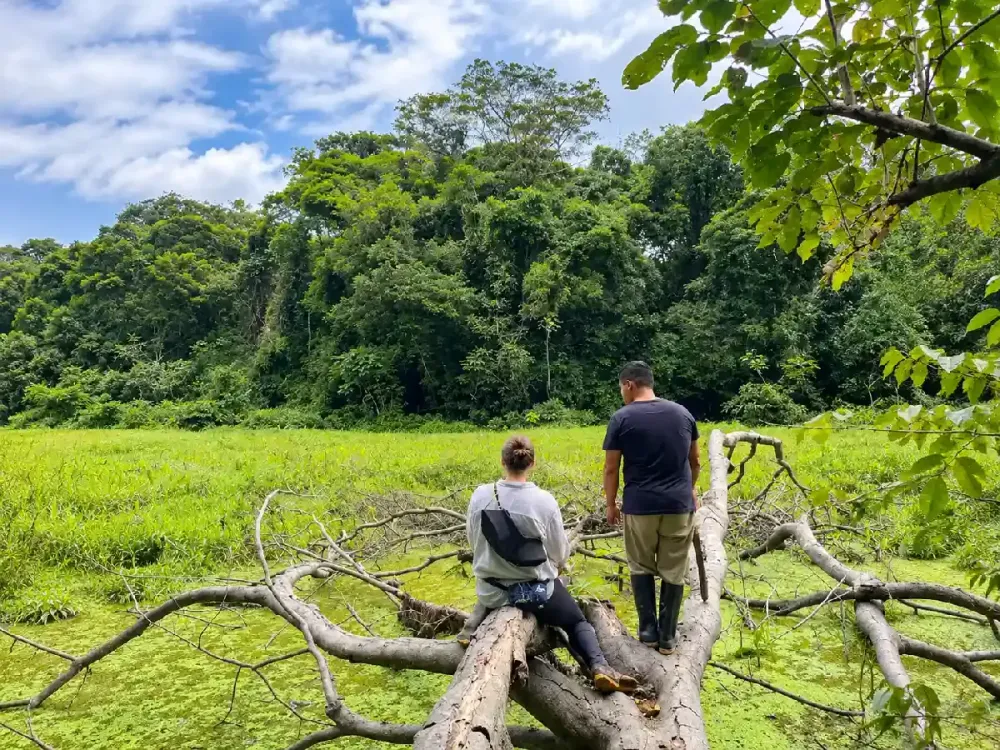
Where Is Pacaya Samiria National Reserve and Why Is It Important?
Pacaya Samiria National Reserve is located in the Loreto region of northeastern Peru and covers territories within the provinces of Loreto, Requena, Ucayali, and Alto Amazonas. Its location within the Ucamara Depression, between the major Marañón and Ucayali river systems, favors the development of extensive floodplain environments that represent one of its most distinctive natural features.
The reserve covers 2,080,000 hectares, equivalent to 20,800 square kilometers (approximately 8,031 square miles). Its history as a national reserve dates back to 1972, while Supreme Decree No. 016-82-AG, issued on February 4, 1982, established the expansion of its protected territory. This extensive area protects several ecosystems representative of the lowland Amazon rainforest.
Its conservation objectives include protecting species such as the arapaima, black caiman, Amazonian manatee, and giant river otter. The reserve also plays an important role in conserving aquatic environments, seasonally flooded forests, and natural resources used by communities living within its boundaries and surrounding areas.
Unlike some other categories of protected natural areas, a national reserve allows certain forms of sustainable resource use under applicable regulations. In Pacaya Samiria, different communities participate in resource management, monitoring, and species conservation activities, connecting environmental protection with local development.
Its tourism appeal lies precisely in this combination of biodiversity, river landscapes, and community-based experiences. To discover other natural destinations with different characteristics, explore our selection of the best places to visit in the Peruvian Amazon.
Why Is Pacaya Samiria Known as the Jungle of Mirrors?
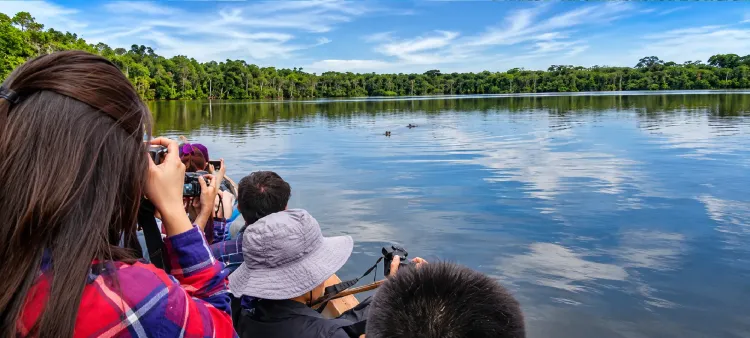
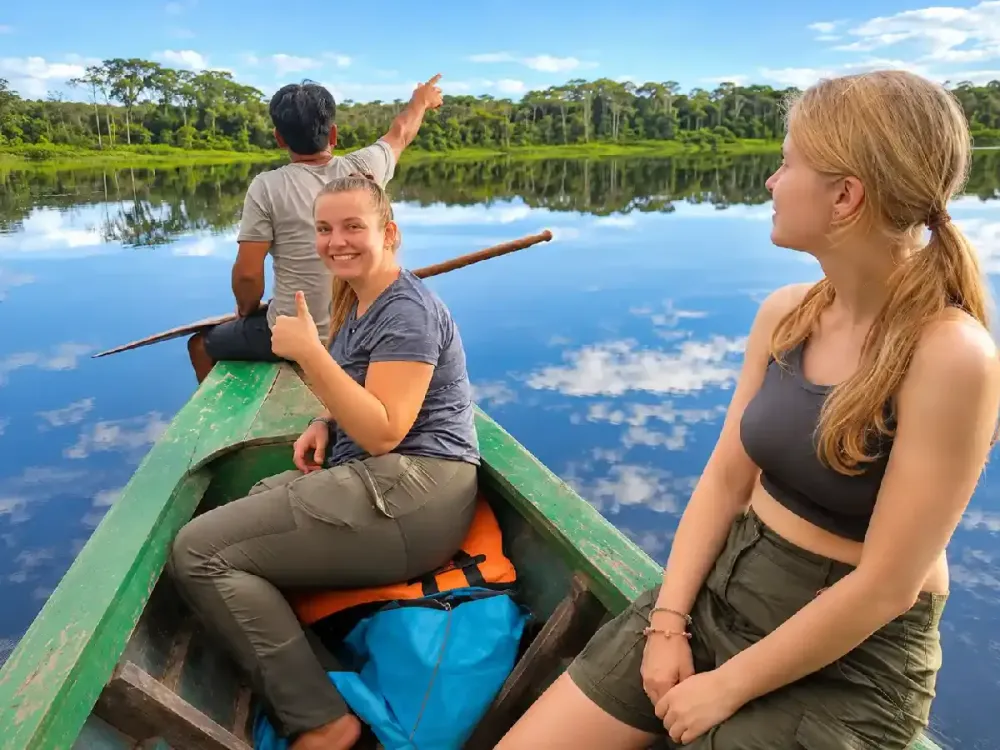
One of the most distinctive features of Pacaya Samiria is the appearance of its rivers, natural channels, and lakes. Under certain conditions, calm water surfaces reflect trees, clouds, and shoreline vegetation, creating landscapes where the forest appears to continue beneath the surface.
This visual phenomenon is particularly striking in environments where currents are relatively gentle and boats can navigate without creating significant disturbances on the water. The name Jungle of Mirrors describes this characteristic landscape, which can be appreciated in different parts of the reserve.
A considerable portion of its forest environments experiences periodic flooding. As river levels rise, water enters certain areas of the forest, transforming access routes and allowing small boats to navigate through places that may remain dry during other months of the year.
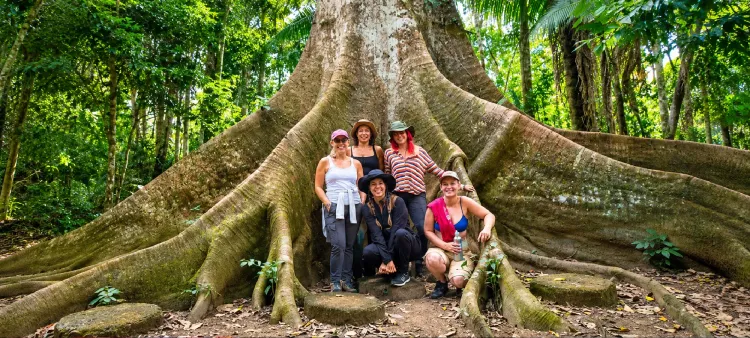
Seasonally flooded forests support plants adapted to changing water levels. These include different species of palms and tropical trees that provide food and shelter for fish, birds, reptiles, and mammals. Organic matter originating from vegetation also influences the characteristics of certain bodies of water.
For photography enthusiasts, these conditions provide particularly interesting opportunities during the early morning and late afternoon. Changing light, reflections, and colors allow visitors to capture different aspects of the Amazon without relying exclusively on wildlife sightings.
However, not all waterways in Pacaya Samiria have identical characteristics, and not every forest remains flooded throughout the year. The diversity of natural environments and variations in river levels explain why choosing an itinerary compatible with your travel season is important.
Main Visitor Areas and Places to Visit in Pacaya Samiria
The vast size of Pacaya Samiria means that its attractions are distributed across different river basins and visitor areas. Before booking an expedition, it is advisable to identify which route is included in the program, how long transportation takes, and which activities are available in that particular environment.
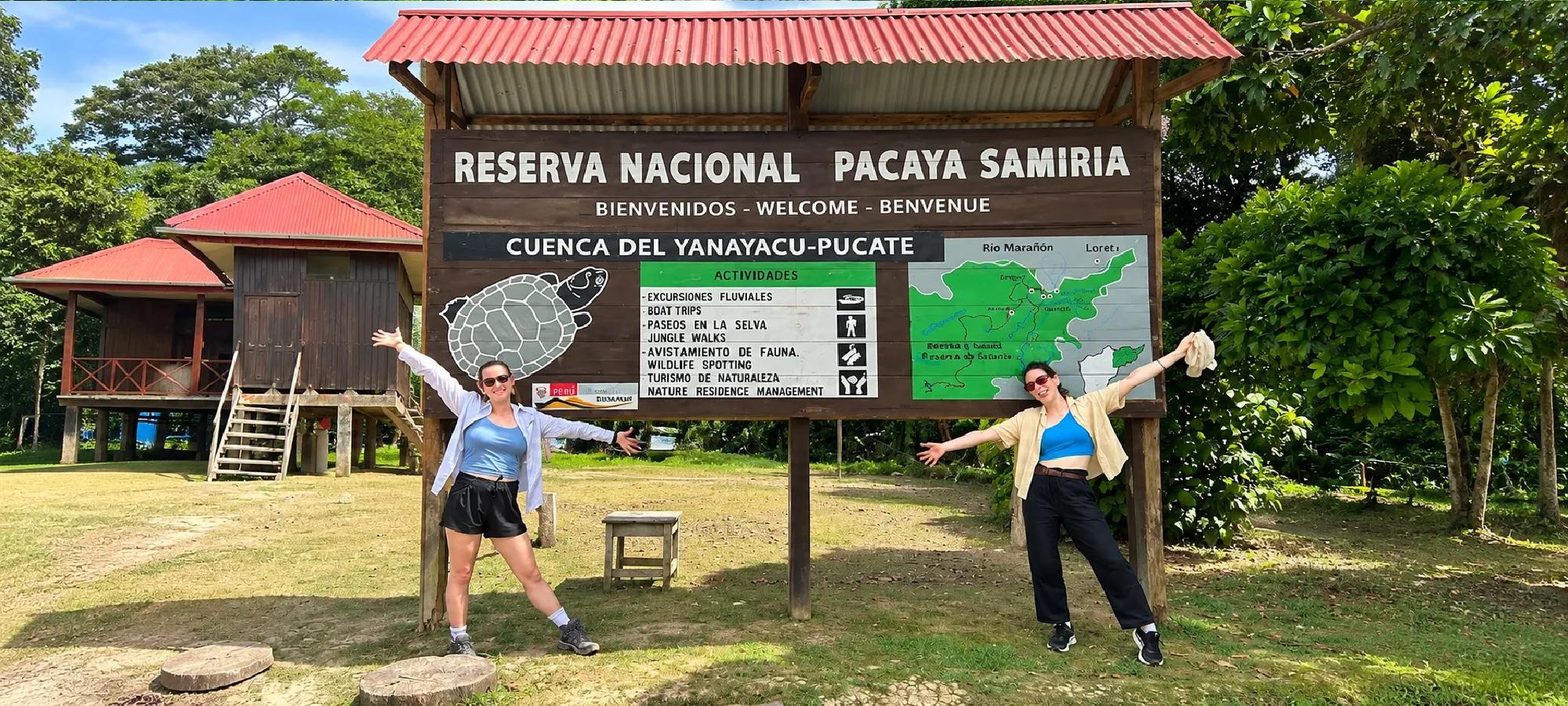
Yanayacu Pucate is one of the most frequently used tourism access routes. Its natural environments include seasonally flooded forests, natural water channels, and areas near communities such as Yarina. These routes allow visitors to combine boat excursions, wildlife watching, and rainforest walks when ground conditions permit.
Cocha El Dorado, also known as El Dorado Lake, is another of the reserve's most representative attractions. This lake environment is associated with community-led conservation initiatives and the sustainable management of resources such as arapaima and Amazonian turtles. Its characteristics make it particularly interesting for travelers who want to understand the relationship between biodiversity and community-based resource management.
The Samiria sector offers opportunities to explore environments associated with the river of the same name, including lakes, streams, and tropical forests. The Pacaya sector also features river excursions and wildlife watching opportunities, although reaching certain locations may require considerably longer journeys.
| Visitor Area or Attraction | Main Experience | Visiting Characteristics |
|---|---|---|
| Nauta Caño | Birdwatching and flooded forests | Navigation through natural channels and lakes |
| Yanayacu Pucate | River exploration and Amazonian wildlife | One of the main access alternatives |
| Cocha El Dorado | Biodiversity and community conservation | Expeditions requiring specific logistical planning |
| Samiria River | Forests, lakes, and wildlife | River excursions and community-based experiences |
| Pacaya River | Exploration of more remote natural environments | Travel times depend on the access point |
These areas are not necessarily included within the same excursion. A three-day program may focus on a specific sector without reaching the reserve's more remote attractions. Before booking, confirm which visitor areas are included and check the current access conditions for each destination.
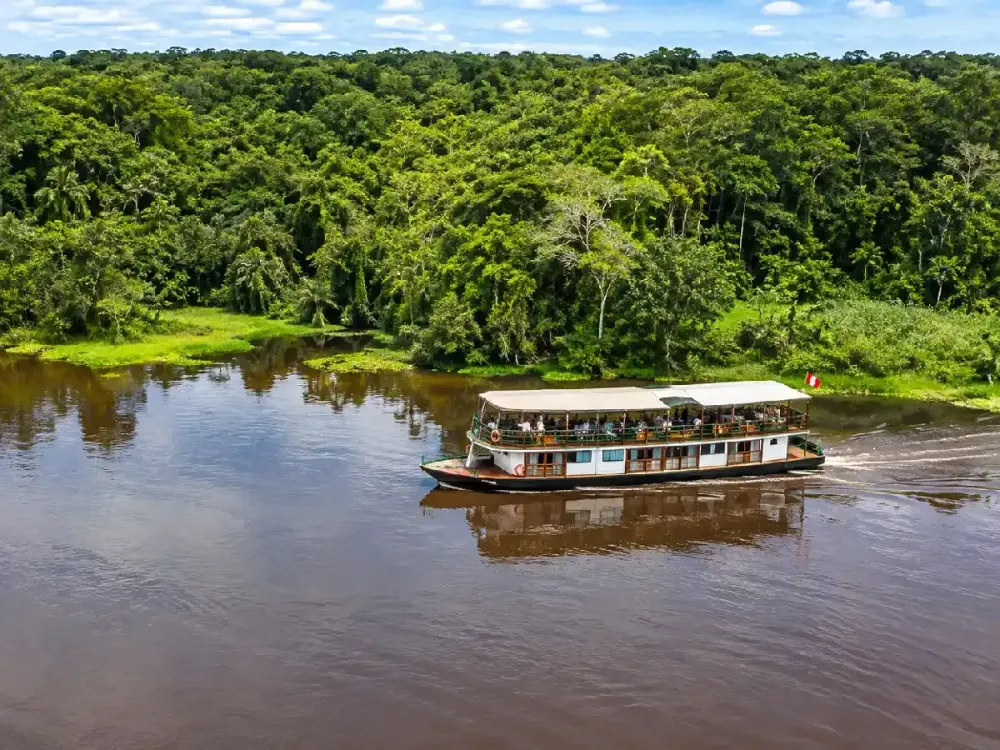
How to Get to Pacaya Samiria National Reserve from Iquitos
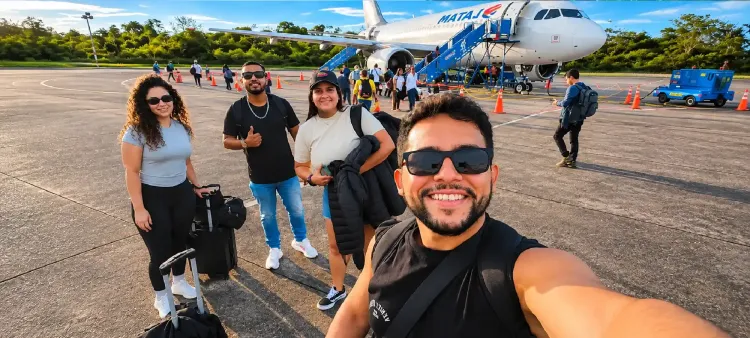
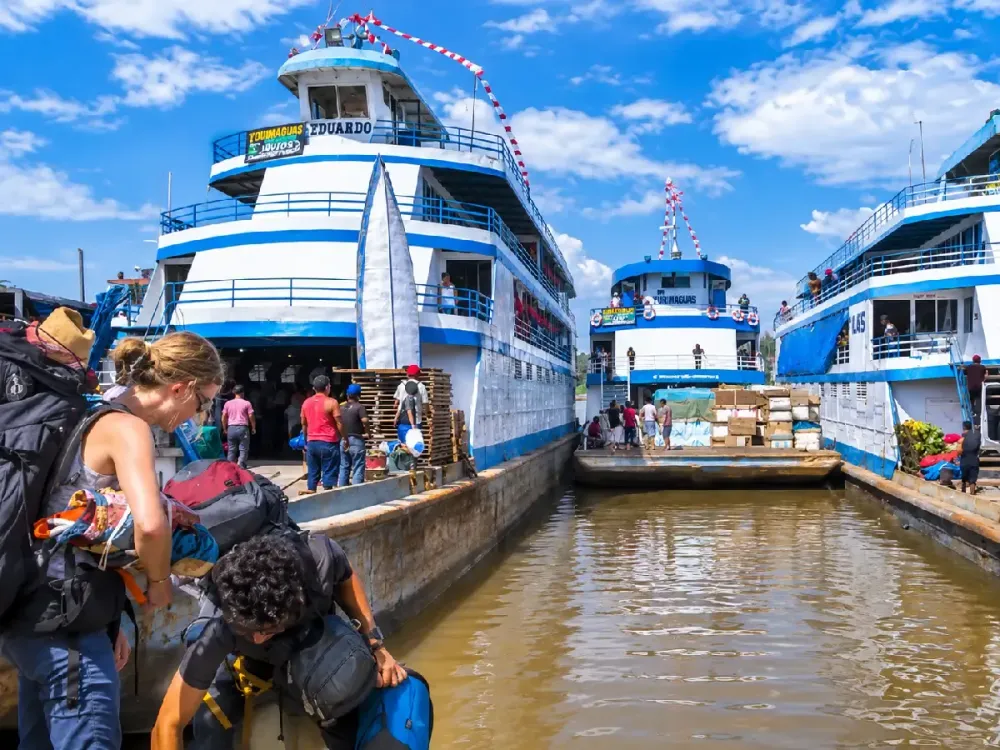
Iquitos is one of the main tourism gateways to Pacaya Samiria. The city has flight connections from Lima and other Peruvian cities, although it does not have a direct road connection to Peru's national highway network. For this reason, flying is generally the most practical alternative for travelers with limited time.
One of the usual routes involves traveling by road from Iquitos to Nauta. This town is connected to different parts of the Amazon through the major rivers of Loreto and serves as an important starting point for organizing transportation toward the reserve.
From Nauta, the journey continues by boat, with vessel speed and characteristics depending on the selected program. Some routes allow visitors to reach the reserve's initial ranger stations within a few hours, while others require considerably longer river journeys.
Certain sectors can also be accessed from Lagunas using road and river connections from Tarapoto and Yurimaguas. This alternative may be interesting for specialized expeditions, although it requires different logistical arrangements from conventional programs departing from Iquitos.
| Route | Transportation | Approximate Travel Time |
|---|---|---|
| Lima to Iquitos | Airplane | 1 hour and 45 minutes |
| Iquitos to Nauta | Road transportation | 2 hours |
| Nauta to Yanayacu ranger station | Regular boat or speedboat | 3 hours or 1 hour, respectively |
| Nauta to Samiria ranger station | River transportation | 4 hours |
| Tarapoto to Yurimaguas | Road transportation | 2 hours |
| Yurimaguas to Lagunas | Speedboat, depending on the service | 5 hours |
These travel times are general references published by SERNANP and may vary according to river levels, boat characteristics, and the exact arrival point. Access times do not represent the total time needed to reach your accommodation or complete the activities included in your program.
If you are traveling from Lima, Cusco, or another Peruvian city, explore our guide on how to get to Iquitos to organize your air and river connections before beginning your expedition.
Flora and Fauna of Pacaya Samiria National Reserve
Biodiversity is one of Pacaya Samiria's greatest natural attractions. Its aquatic and forest ecosystems provide suitable conditions for numerous species that depend on flooding cycles, food availability, and the characteristics of tropical vegetation.
According to information published by Peru's Ministry of the Environment, more than one thousand vertebrate species have been recorded within the reserve. This diversity includes mammals, birds, reptiles, amphibians, and fish that use different natural environments for feeding, movement, and reproduction.
Among its most representative aquatic mammals are pink river dolphins, gray river dolphins, Amazonian manatees, and giant river otters. These species display distinctive behavioral characteristics, and some are considerably more difficult to observe than others.
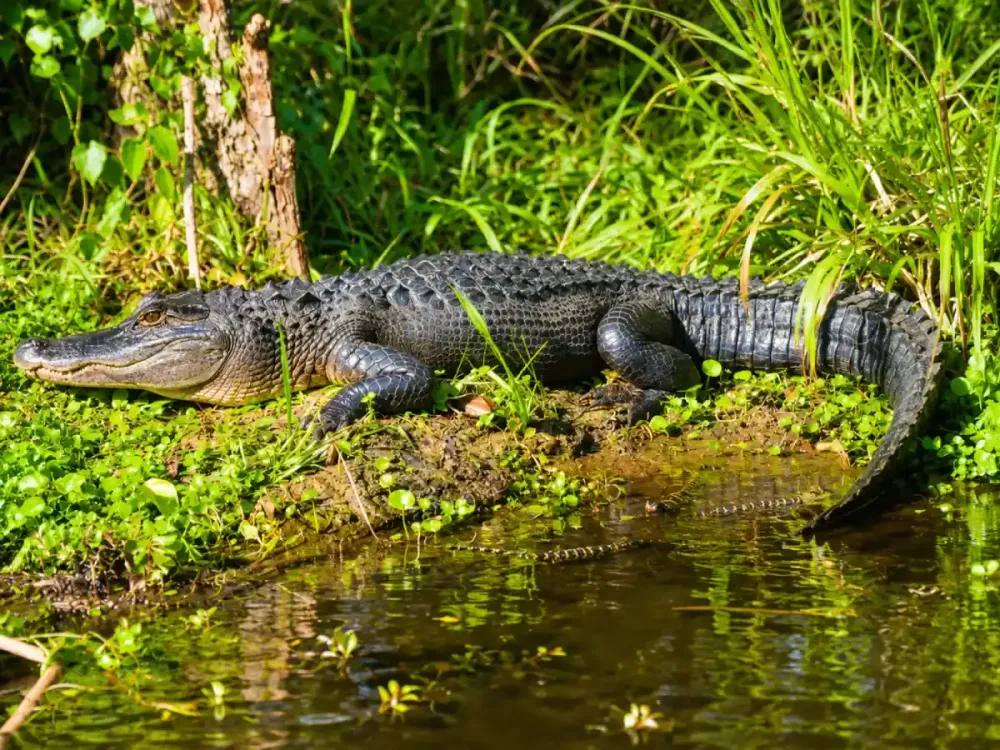
Reptiles also form an important part of the reserve's ecosystems. Caimans, freshwater turtles, and different snake species inhabit environments associated with rivers, lakes, and forests. During certain nighttime excursions, visitors may look for caimans from boats under the supervision of experienced guides.
The vegetation includes tropical trees, palms, climbing vines, and plants adapted to periodic flooding. Palm swamps, locally known as aguajales, are dominated by aguaje palms and provide important habitats for different animal species. They also support sustainable resource management activities carried out by some local communities.
Wildlife watching should always be approached with realistic expectations. Although Pacaya Samiria is home to extraordinary biological diversity, wild animals do not follow tourist schedules. Their visibility depends on weather conditions, the season, individual species behavior, and the characteristics of the selected excursion.
Pink River Dolphins, Manatees, and Other Aquatic Wildlife in Pacaya Samiria
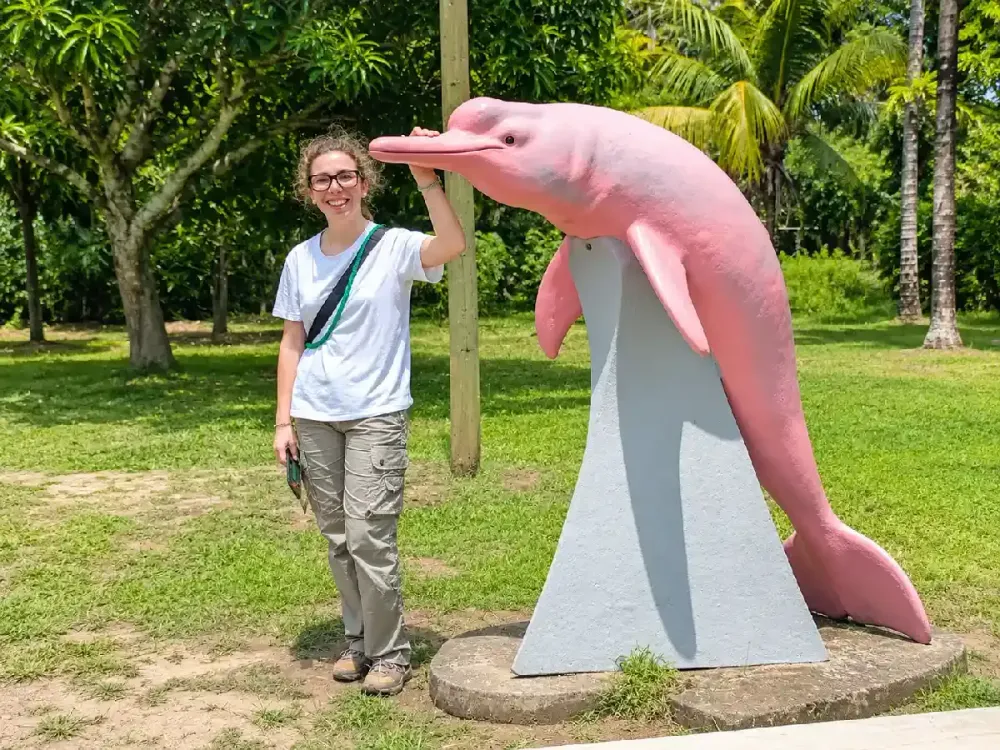
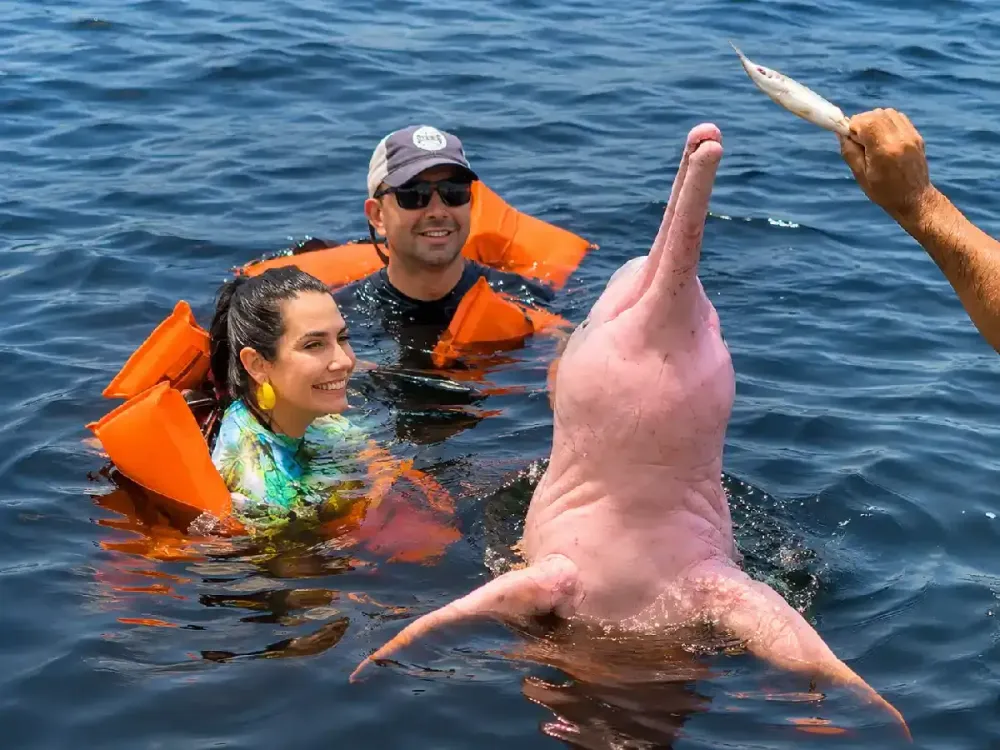
Pink river dolphins are among the most iconic animals of the Peruvian Amazon. Scientifically known as Inia geoffrensis, they are adapted to life within Amazonian river systems. Unlike marine dolphins, they inhabit freshwater environments where they can travel between rivers, natural channels, and certain flooded areas.
The coloration of these animals can vary considerably between individuals. Some display shades of gray, while others have a more noticeable pink coloration. Their appearance, behavior, and ability to move between aquatic environments make them particularly interesting animals to observe during Amazon rainforest expeditions.
Pacaya Samiria is also home to the gray Amazon river dolphin, commonly known as the tucuxi and scientifically identified as Sotalia fluviatilis. Although both dolphin species can be found within Loreto's river systems, they display physical and behavioral differences that naturalist guides can help visitors recognize during boat excursions.
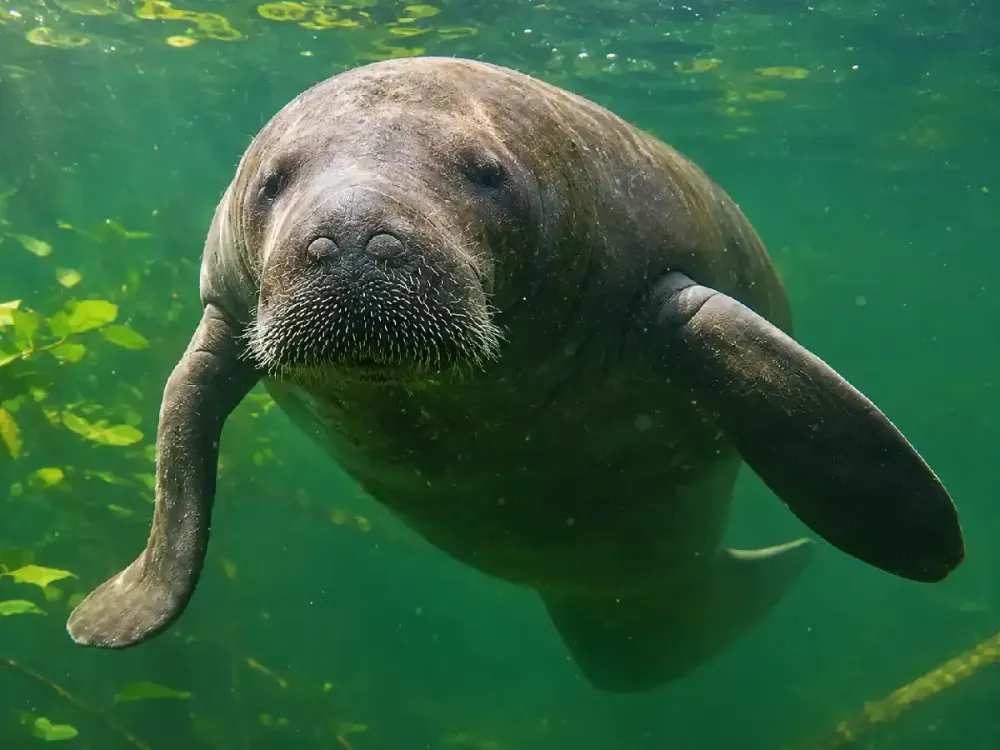
The Amazonian manatee, scientifically known as Trichechus inunguis, is another important aquatic mammal of the region. Its diet consists of vegetation, and it spends much of its time underwater, making direct observation difficult. Conserving aquatic environments is essential for protecting its populations.
The arapaima, locally known as the paiche, stands out as one of the Amazon's most representative fish. Its large size and ability to breathe atmospheric air are distinctive adaptations to certain aquatic environments. In Pacaya Samiria, community-led sustainable management initiatives contribute to the conservation of this species while supporting local economic activities.
If you want to participate in river excursions where you can look for dolphins and other animals in the wild, our 3-day Pacaya Samiria tour offers an organized experience departing from Iquitos. Wildlife sightings always depend on natural conditions and must take place without chasing or feeding the animals.
Monkeys, Caimans, and Birds You Can See in Pacaya Samiria
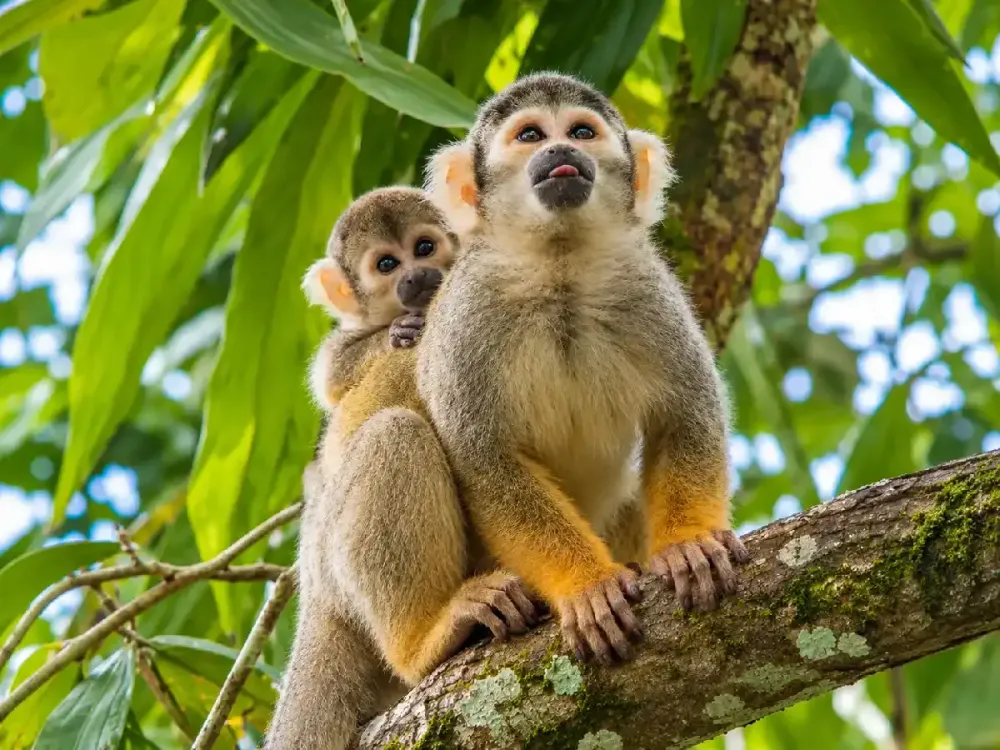
In addition to aquatic wildlife, the forests of Pacaya Samiria support different species of terrestrial and tree-dwelling mammals. Monkeys may be found in certain forest environments, where they use the canopy to travel, search for food, and carry out social activities. Their calls and movements among the branches often help visitors detect their presence.
Primates found in the region include howler monkeys, capuchin monkeys, squirrel monkeys, and different species of spider monkeys, locally known as maquisapas. Opportunities to observe them depend on the visitor area and forest conditions, meaning that not all species will necessarily appear during the same excursion.
Caimans are another particularly interesting wildlife group. During certain nighttime boat excursions, guides may use observation techniques that help detect reflections from their eyes near the water's surface. These activities must be conducted while maintaining safe distances and avoiding any handling of the animals.
The reserve is also home to Amazonian freshwater turtles, including yellow-spotted river turtles, locally known as taricayas, and giant South American river turtles, known as charapas. These species play important roles within aquatic ecosystems and are part of community-based initiatives designed to protect their populations and promote sustainable resource use.
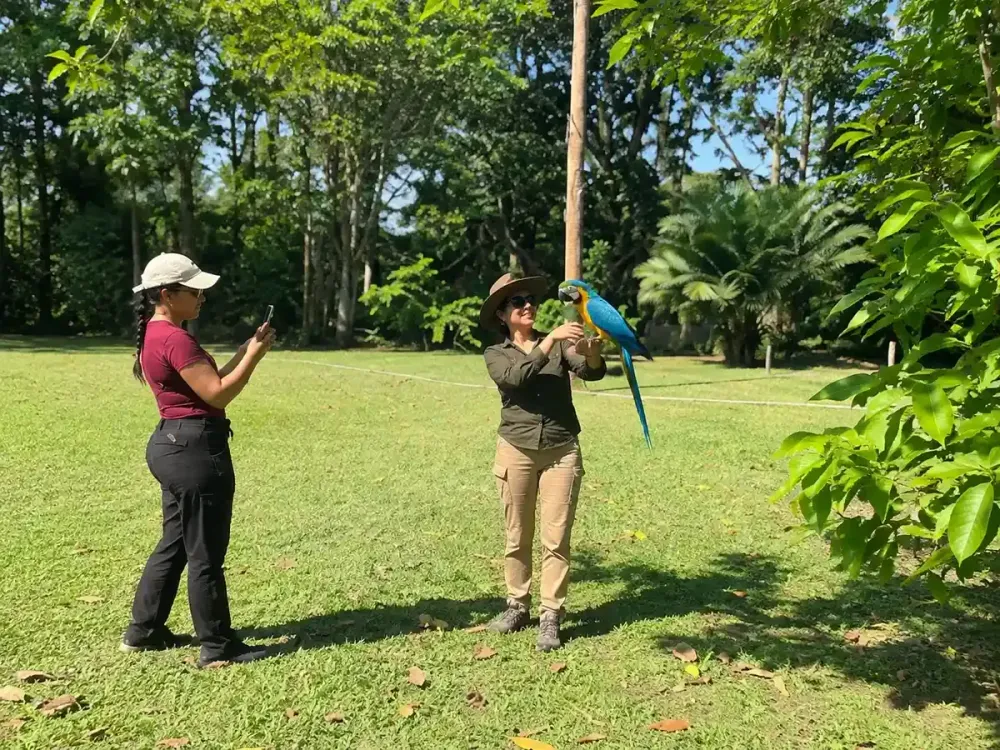
Birds provide particularly interesting opportunities for wildlife photography and naturalist observation. Species found in the region may include macaws, toucans, herons, kingfishers, and different birds associated with seasonally flooded forests. During certain low-water periods, some areas may experience increased activity among aquatic bird species.
If your main interest is specialized birdwatching, you can also explore our Iquitos nature and rainforest tours, where you will find different Amazonian programs. Before choosing a tour, check whether the excursion takes place inside Pacaya Samiria or within other natural environments of Loreto.
Things to Do in Pacaya Samiria: Top Amazon Rainforest Experiences
Navigating rivers and natural water channels is one of the most characteristic experiences in Pacaya Samiria. These excursions allow visitors to appreciate vegetation from the water, look for wildlife along the riverbanks, and recognize differences between the aquatic environments found throughout the reserve.
During certain high-water periods, some routes provide opportunities to explore flooded forest areas using small boats. This experience allows visitors to observe partially submerged trees and understand how Amazonian species adapt to natural changes in water levels.
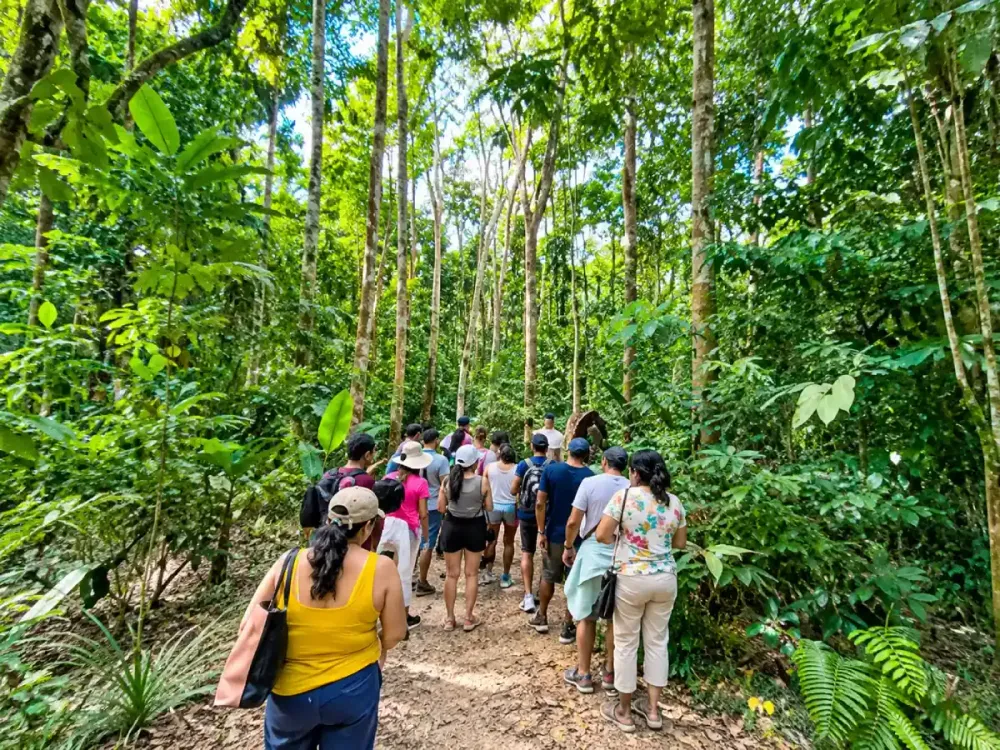
Interpretive rainforest walks are another interesting activity when ground conditions allow. Naturalist guides can explain plant characteristics, their relationships with wildlife, and the natural processes influencing tropical forest ecosystems. These walks also provide opportunities to identify animal tracks and other signs of wildlife presence.
Nighttime excursions offer a different perspective of the Amazon rainforest. Some insects, amphibians, reptiles, and mammals carry out much of their activity after sunset. These excursions must take place only in authorized areas, with appropriate guidance and in accordance with the safety requirements of each program.
Community-based experiences can also complement wildlife and nature observation. Certain visitor areas feature initiatives related to turtle conservation, fisheries management, and the sustainable use of Amazonian products. Participating in authorized activities helps visitors understand the role of local communities in protecting the reserve.
To compare these activities with other experiences in Loreto, explore our guide to Iquitos tours and how to choose the best rainforest trip. You will discover the differences between Pacaya Samiria programs, Yanayacu excursions, and other Amazon rainforest exploration alternatives.
Best Time to Visit Pacaya Samiria: High-Water and Low-Water Seasons
Pacaya Samiria experiences a warm, humid tropical climate throughout the year. Rainfall and variations in river levels directly influence forest accessibility and the characteristics of excursions. Travel planning should therefore consider both weather seasons and the behavior of the region's river systems.
SERNANP generally recommends visiting the reserve between May and September. During these months, travelers may encounter relatively favorable conditions for different tourism activities, although humidity and the possibility of rainfall remain part of the Amazon rainforest experience.
The rainy season identified by the reserve's administration generally extends from October through April. Rainfall contributes to rising water levels, although the highest and lowest river levels also depend on conditions throughout the river basins and do not necessarily coincide with the months of highest or lowest local rainfall.
During the high-water season, certain forest areas may become flooded and accessible by small boats. These conditions provide opportunities to discover different landscapes and observe how animals use environments that change seasonally.
During the low-water season, falling water levels may expose beaches, riverbanks, and certain forest trails. Some aquatic species may become concentrated in smaller areas, while certain navigation routes may require adjustments because of reduced water depth.
If you are planning your travel dates, explore our guide to the best time to visit Iquitos and our article about the best time to visit the Peruvian Amazon. Choosing between high-water and low-water seasons depends on the experiences you want to enjoy, without assuming that either season guarantees better wildlife sightings.
Pacaya Samiria National Reserve Entrance Fees and Visiting Hours
Pacaya Samiria National Reserve is managed by Peru's National Service of State-Protected Natural Areas, known as SERNANP. Visiting the reserve requires compliance with applicable access regulations and the use of services provided by authorized tour operators or local tourism groups.
The general visiting hours published by SERNANP are Monday through Sunday, from 6:00 a.m. to 5:00 p.m. Programs including overnight stays and nighttime activities must operate according to applicable permits, authorized areas, and specific conditions established for each sector.
Entrance fees are determined by the duration of the visit and the visitor's category. Different rates apply to Peruvian nationals, local residents, and children who meet the requirements established by the reserve's administration.
| Visitor Category | 1 Day | 2 to 3 Days | 4 to 30 Days |
|---|---|---|---|
| General admission | S/ 30 | S/ 60 | S/ 150 |
| Peruvian adults | S/ 15 | S/ 30 | S/ 75 |
| Peruvian children aged 5 to 16 | S/ 8 | S/ 15 | S/ 35 |
| Local residents | S/ 8 | S/ 15 | S/ 35 |
According to the official fee schedule referenced on November 20, 2026, children under five receive free admission, while local residents must provide their Peruvian national identity document (DNI) to establish eligibility. All prices are expressed in Peruvian soles. Before traveling, consult the official Pacaya Samiria National Reserve visitor information published by SERNANP to check for possible changes in entrance fees, visiting hours, or access requirements.
Entrance fees to the reserve do not represent the total cost of an expedition. Tourism programs may include road transportation, boats, accommodation, meals, guides, and specialized equipment. It is therefore important to review the included services before booking.
The three-day Pacaya Samiria tour published by Dreamy Tours includes the permit to enter the reserve as part of its program services. Specific conditions should be confirmed when requesting a quotation.
How Many Days Do You Need to Visit Pacaya Samiria and Which Tour Should You Choose?
The appropriate length of a visit to Pacaya Samiria depends on the area you want to explore, your accommodation location, and the type of experience you are looking for. Although certain routes allow shorter visits, the extensive river distances make multi-day programs particularly appealing for a first rainforest expedition.
A three-day, two-night stay allows travelers to combine transportation from Iquitos with activities in the Amazonian environments included in their itinerary. However, this does not represent three full days of exploration within the reserve, since part of the first and final days is dedicated to transportation.
Our 3-day, 2-night Pacaya Samiria tour begins with transportation from Iquitos to Nauta, followed by a boat journey toward the area of the Buenos Aires community. The first day includes rainforest exploration activities and a nighttime excursion.
The second day incorporates excursions in small boats, rainforest walks, and wildlife watching activities. The program includes camping equipment and an overnight stay in a shelter within the reserve, according to the itinerary's conditions. The third day is dedicated to returning through the Buenos Aires community, Nauta, and Iquitos.
Travelers who want to combine their expedition with urban experiences can explore our recommended itineraries for Iquitos in 3 days and Iquitos in 4 days. The latter duration may allow an additional day dedicated to exploring the city, provided transportation schedules are compatible.
You can also compare our 3-day Yanayacu Amazon tour and 4-day Yanayacu Iquitos tour. These programs offer alternative Amazon rainforest experiences with their own distinctive characteristics. It is important not to automatically confuse them with the Yanayacu Pucate sector of Pacaya Samiria, as the name Yanayacu is used for different locations throughout the region.
Tips for Visiting Pacaya Samiria Responsibly and Safely
Before organizing your trip, identify the areas of Pacaya Samiria you want to explore and choose an expedition that fits your available time. Because of the reserve's vast size, reaching certain attractions may require several hours or even entire days of river transportation. Carefully review accommodation locations, overnight arrangements, scheduled activities, and included services. If you also want to discover other urban and natural attractions in Loreto, explore our guide to the best tourist attractions in Iquitos to organize a balanced stay.
Prepare your luggage according to the tropical conditions and the possibility of extended river journeys. Bring lightweight quick-drying clothing, long-sleeved shirts, comfortable trousers, insect repellent, sunscreen, a rain jacket, a flashlight, and footwear suitable for wet terrain. Protect your documents and electronic devices using waterproof bags, and ask whether your tour operator provides rubber boots, tents, mosquito nets, and other equipment. Consulting a healthcare professional about appropriate preventive measures and health recommendations for your Peruvian Amazon trip is also important.
During your excursions, respect the regulations established by SERNANP and follow your guides' instructions. Avoid feeding, chasing, or handling wildlife, do not remove plants or other natural resources, and wear life jackets during boat transportation. If you participate in community-based activities, respect the customs, decisions, and personal spaces of your host families. The conservation of Pacaya Samiria depends both on protecting its ecosystems and supporting sustainable development opportunities for communities living in the region.
Organize your flights to Iquitos while considering the characteristics of access to the reserve and possible changes in river conditions. Arriving one day before your expedition begins may provide greater peace of mind, particularly when international connections or tight flight schedules are involved. Dreamy Tours' three-day program recommends choosing early arrival flights and return flights departing after 6:00 p.m., although these schedules should be confirmed before booking. If you are still deciding which Amazonian region to explore, our comparison of Iquitos and Puerto Maldonado can help you evaluate the logistical differences.
At Dreamy Tours, we believe that visiting Pacaya Samiria National Reserve is an opportunity to discover the extraordinary biodiversity of the Peruvian Amazon and understand the importance of conserving its forests, rivers, and communities. Whether you want to observe pink river dolphins, navigate through flooded forests, discover local traditions, or enjoy a wildlife-focused expedition, you can explore our Iquitos and Pacaya Samiria rainforest tours. Contact us to discover available options based on your travel dates, interests, and available time, and organize an Amazon rainforest experience that combines exploration, learning, and respect for nature.
Personal travel advice
Plan your trip with Dreamy Tours
Start a tailored journey with our exclusive tours and custom trips across Peru and other Latin American countries.