Search the blog
Tabla de contenidos
Choosing the best time to visit Pacaya Samiria is one of the most important decisions when planning an expedition into the Peruvian Amazon. Located in the Loreto region, this national reserve protects extensive flooded forests, rivers, lakes, and tropical ecosystems where natural conditions change throughout the year. Rainfall and river levels influence navigation routes, access to forest trails, and the experiences visitors can enjoy.
Pacaya Samiria is known as the Jungle of Mirrors because of the reflections that appear on its calm waters. During certain periods, rising river levels make it possible to navigate among partially submerged trees, while falling water levels expose riverbanks and paths that may remain flooded during other seasons. These changes transform the landscape and also influence wildlife behavior.
According to Peru's National Service of State-Protected Natural Areas (SERNANP), May through September is the recommended period for visiting Pacaya Samiria, while October through April is identified as its general rainy season. However, this does not mean that rainfall never occurs during the recommended months or that visiting during the rest of the year is unsuitable.
Choosing the right travel dates also involves considering which activities you want to prioritize. Navigating through flooded forests, hiking, birdwatching, and photographing river landscapes can offer very different experiences depending on the season and the particular area of the reserve you visit.
In this guide, you will discover how Pacaya Samiria's weather changes throughout the year, the differences between high-water and low-water seasons, the usual conditions during each period, and what to consider before booking an expedition from Iquitos. If you are not yet familiar with the destination, you can also read our complete Pacaya Samiria National Reserve travel guide.
What Is the Best Time to Visit Pacaya Samiria According to SERNANP?
SERNANP identifies May through September as the recommended period for visiting Pacaya Samiria National Reserve. This guidance helps travelers choose a generally favorable time for planning different tourism activities, although specific conditions depend on the location and characteristics of each visitor area.
During these months, rainfall may be relatively less frequent than during the wetter periods of the year. This can favor certain activities, including walks along accessible trails, boat transportation, and the exploration of natural environments. Nevertheless, Pacaya Samiria is located in a tropical region where humidity and rainfall can occur at any time of year.
The reserve's administration also identifies October through April as its rainy season. During this period, increased rainfall can affect river levels, navigation conditions, and access to certain locations. These variations are part of the natural functioning of Amazonian ecosystems.
It is important to distinguish between the recommended tourism period and the exact timing of high-water or low-water conditions. River levels depend on rainfall across extensive river basins and may respond to processes that do not coincide directly with the rainfall recorded on a particular day or during a specific month.
For this reason, although May through September is a useful reference for planning your trip, your final decision should consider the activities included in your itinerary. You can explore these differences further in our guide to the best time to visit the Peruvian Amazon, where we compare the natural conditions of Loreto and Madre de Dios.
What Is the Weather Like in Pacaya Samiria Throughout the Year?
Pacaya Samiria experiences a warm, humid tropical climate. Temperatures remain high throughout much of the year, and humidity is a constant feature of its forests, rivers, and lakes. Even during the months with relatively less rainfall, travelers should prepare for humid conditions.
Official information published by SERNANP provides reference temperatures of approximately 26°C to 35°C (79°F to 95°F) for the reserve. These figures help illustrate the region's general climate, but they should not be interpreted as guaranteed minimum and maximum temperatures for every day or visitor area.
During excursions, the apparent temperature can vary depending on the time of day, exposure to sunlight, cloud cover, and wind conditions. Activities on open boats may feel different from walks beneath the forest canopy, where shade, humidity, and air circulation influence the experience.
Rain can occur at different times of day and temporarily affect scheduled activities. Heavy rainfall may reduce visibility, make certain walks more difficult, or require guides to adjust transportation arrangements, particularly when an itinerary includes lengthy river journeys.
Preparing for these conditions involves packing lightweight, quick-drying clothing, sun protection, a rain jacket, and suitable equipment for protecting personal belongings. Before traveling to a remote area, it is advisable to check the weather forecast and follow your tour operator's recommendations.
If you also plan to explore the city before or after your expedition, read our guide to the best time to visit Iquitos. Urban activities and expeditions inside the reserve do not always face the same logistical conditions.
High-Water Season in Pacaya Samiria: What Changes When Rivers Rise?
The high-water season is one of the most important natural processes affecting Pacaya Samiria's floodplain ecosystems. It occurs when river levels rise and water enters certain forest areas, temporarily transforming the landscape and the routes available for transportation.
Under these conditions, areas that remain dry during other periods may become partially submerged. Navigating in small boats can allow visitors to explore certain forest environments and observe trees, palms, and other plants adapted to seasonal changes in water levels.
Rising water also influences the distribution of different animals. Some species use flooded environments to search for food or move between habitats, while certain fish can enter parts of the forest that are not connected to rivers throughout the entire year.
For travelers interested in landscape photography, high-water conditions can create especially attractive scenes. Calm water surfaces reflect surrounding vegetation, revealing the distinctive appearance that has earned Pacaya Samiria its nickname, the Jungle of Mirrors.
However, the high-water season may also restrict certain walks or require changes to landing points. Forest trails may be submerged, and some activities on land may need to be replaced by boat excursions, provided navigation conditions are suitable.
If your main objective is to navigate through flooded forests, ask in advance which areas will be accessible during your travel dates. Water levels do not behave identically across every route, so available experiences should be confirmed with operators familiar with local conditions.
Low-Water Season in Pacaya Samiria: Trails, Riverbanks, and Navigation
The low-water season is the period when river levels fall and certain surfaces that were submerged during high-water conditions become exposed. This process changes Pacaya Samiria's aquatic and terrestrial environments, creating both new opportunities and limitations for excursions.
Some riverbanks, beaches, and trails may become accessible as water levels decrease. These conditions can make certain interpretive walks easier and allow visitors to explore natural environments that are not always available during periods of greater flooding.
Lower water levels can also influence the visible distribution of some species. In certain areas, aquatic animals may become concentrated in smaller bodies of water, while birds find feeding opportunities in habitats exposed by receding rivers.
SERNANP highlights the possibility of observing important concentrations of aquatic birds along the Pacaya River route during low-water conditions. Similar opportunities are also mentioned for environments along the Samiria River, although actual sightings depend on natural conditions and animal activity.
Nevertheless, low water levels can make navigation difficult in certain channels and streams. Some routes may need to be modified, and particular vessels may have difficulty crossing shallow sections of the waterways.
For these reasons, the low-water season should not automatically be considered better for every activity. It is especially important to check which excursions are operating and whether a program includes forest walks, river navigation, or a combination of both experiences.
Pacaya Samiria Month by Month: When Should You Plan Your Trip?
Although SERNANP identifies general visiting and rainy periods, conditions in Pacaya Samiria do not change in exactly the same way every year. A month-by-month comparison can therefore provide useful travel guidance, but it should not be treated as an exact calendar of river levels.
Between January and April, travelers should pay particular attention to rainfall and the possibility of encountering flooded environments. These months may provide suitable conditions for certain river-based experiences, although some forest walks can be restricted.
May marks the beginning of the period recommended by SERNANP. That general recommendation continues throughout June, July, August, and September, but river conditions and the availability of specific activities must still be checked according to the chosen visitor area.
Between October and December, the rainy period identified by the reserve's administration begins and continues. Rainfall may increase and progressively change navigation conditions and access to different natural environments.
| Months | Seasonal Reference | What to Consider Before Traveling |
|---|---|---|
| January to March | Rainy season | Possible changes to river routes and forest trails |
| April | Final month of the official rainy period | Check current river levels |
| May | Beginning of the recommended visiting period | Confirm access conditions for each area |
| June to August | Recommended period according to SERNANP | Check activities and navigation conditions |
| September | Final month of the recommended period | Review low-water routes according to the area |
| October to November | Rainy season | Allow for changes caused by rainfall |
| December | Rainy season | Confirm access and transportation conditions |
This table is not a monthly weather forecast and does not establish exact dates for high-water and low-water seasons. River levels can vary according to the basin, year, and weather conditions.
For travelers combining the expedition with international flights, choosing dates that allow a reasonable amount of time for transfers to the reserve and the return to Iquitos is recommended.
Best Time to See Pink River Dolphins and Other Wildlife
Wildlife watching is one of the main reasons to visit Pacaya Samiria. Its rivers and forests support species such as pink river dolphins, gray river dolphins, caimans, monkeys, Amazonian turtles, and numerous birds that inhabit Loreto's tropical ecosystems.
River dolphins may be observed in certain waterways, but their visibility depends on factors such as food availability, water conditions, and natural behavior. There is no particular month that guarantees an encounter with these animals during an excursion.
Changes between high-water and low-water conditions can alter the areas used by different species. When flooded habitats expand, some animals may spread across a larger environment. During low-water periods, certain species may be found in more concentrated aquatic areas.
Caiman sightings also depend on the selected route and the type of activity. Some programs include authorized nighttime excursions during which guides look for animals from boats. These experiences require visitors to maintain safe distances and avoid handling wildlife.
For monkeys and other tree-dwelling species, their presence may be detected through calls and movements among the branches. However, dense vegetation, distance, and lighting conditions all influence the chances of seeing them.
The main recommendation is to choose a nature-focused excursion rather than booking a tour solely because it promises wildlife sightings. To discover the reserve's most representative species and their habitats, read our guide to Pacaya Samiria's wildlife and biodiversity.
When to Visit Pacaya Samiria for Birdwatching and Amazonian Turtles
Birds are among the most fascinating wildlife groups found in Pacaya Samiria. The reserve contains aquatic environments, forests, and riverbanks where visitors may encounter different species of herons, kingfishers, macaws, and other birds adapted to Amazonian habitats.
During certain low-water periods, some locations may experience greater activity among aquatic birds. SERNANP identifies this characteristic along routes associated with the Pacaya and Samiria rivers, where reduced water levels can make certain species easier to observe.
For bird photography enthusiasts, the early morning often provides interesting lighting conditions and opportunities to observe active birds. However, actual sightings depend on the location, animal behavior, and the experience of the guide.
Amazonian turtles, including yellow-spotted river turtles known locally as taricayas and giant South American river turtles known as charapas, are also closely connected to seasonal river changes. During certain low-water periods, they use beaches and riverbanks for reproduction, making the protection of these habitats particularly important.
SERNANP recommends avoiding beaches during the afternoons and evenings of July, August, and the first week of September because yellow-spotted river turtles may be laying eggs. Visitors should respect these recommendations to avoid disturbing the animals during reproduction.
If you are interested in watching birds, turtles, or other wildlife, check which programs include naturalist excursions and which conservation regulations apply during your visit. Our guide to Iquitos tours and Amazon rainforest experiences can help you compare different alternatives.
Things to Do in Pacaya Samiria According to the Season
Tourism activities in Pacaya Samiria are closely connected to the natural conditions of its rivers and forests. The same route may offer different experiences depending on water levels, trail accessibility, and regulations established by the reserve's administration.
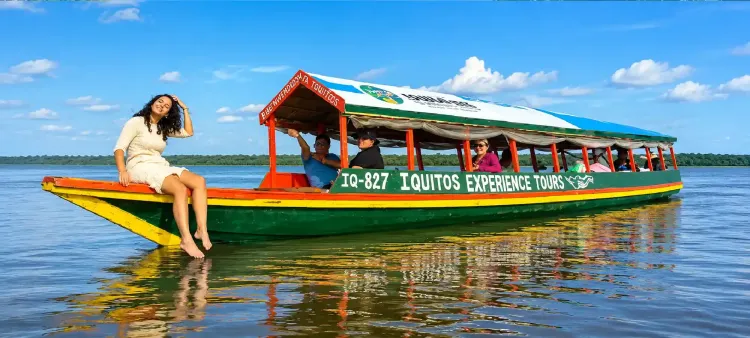
Boat navigation is one of the most characteristic activities. During certain high-water periods, some flooded forest areas can be explored using small boats, while during other seasons excursions focus on channels and bodies of water that remain suitable for navigation.
Interpretive rainforest walks depend on the availability of accessible trails. During the low-water season, certain surfaces may become exposed, while during periods of greater flooding some paths may remain underwater.
Wildlife watching activities are organized according to the species present and the characteristics of each visitor area. Some excursions may focus on birds, monkeys, dolphins, or caimans, always respecting conservation regulations and without guaranteeing encounters.
| Activity | Favorable Natural Conditions | What You Should Confirm |
|---|---|---|
| Navigating flooded forests | Sufficiently high water levels | Access to the area and river safety |
| Walking along rainforest trails | Accessible ground | Trail conditions and water depth |
| Watching aquatic birds | Certain habitats during low-water periods | Species present and authorized routes |
| Photographing water reflections | Calm water surfaces | Lighting, wind, and location |
| Watching river dolphins | Suitable river habitats | Naturalist program and river conditions |
| Community-based experiences | Local availability and authorization | Community participation and included services |
None of these activities depends exclusively on a particular month of the year. The location of the visitor area and the conditions encountered during the expedition are decisive factors.
You can also explore nature experiences available through our Iquitos rainforest tours, which offer programs with different durations and approaches.
How Does the Weather Affect Access Routes from Iquitos and Nauta?
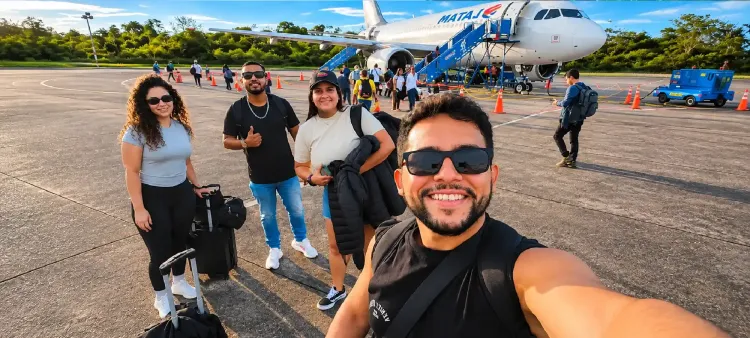
To visit Pacaya Samiria, many travelers begin in Iquitos and continue by road toward Nauta. From there, reaching certain areas of the reserve involves river navigation using boats whose speed and characteristics depend on the selected program.
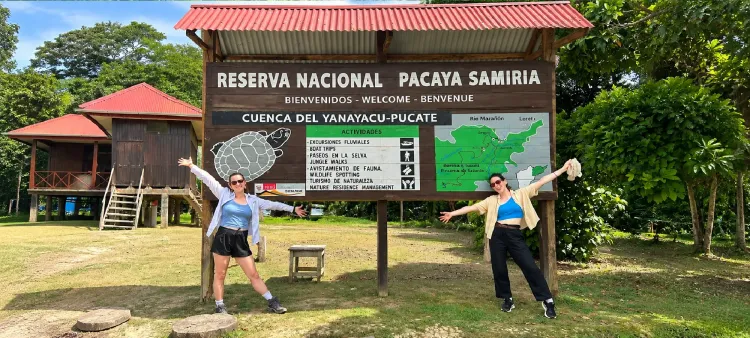
SERNANP provides an approximate travel time of two hours for the road journey between Iquitos and Nauta. From Nauta, reaching the Yanayacu ranger station may take around three hours in a conventional motorboat or one hour by speedboat, while access to the Samiria ranger station involves different navigation requirements.
During rainy periods, changing weather and river conditions may affect transportation times. Heavy rainfall can reduce visibility and create additional safety considerations, meaning some services may require operational adjustments.
During the low-water season, lower river levels can reduce the depth of certain channels. This may influence the routes used, the types of boats available, and the time required to reach particular entrance points.
The enormous size of Pacaya Samiria makes these changes especially important for multi-day expeditions. Not every visitor area is located at the same distance, and conditions may differ considerably between sectors during the same season.
Before booking, ask which route your program follows, where the entrance points are located, and how long transportation will take. Our guide to how to get to Iquitos will help you organize the first stage of the journey. For more detailed planning, confirm the route from Nauta to the reserve directly with your tour operator.
How Many Days Should You Book and Which Tour Is Best for Each Season?
The duration of a Pacaya Samiria expedition depends on the planned activities, the chosen visitor area, and transportation times. Although visits of different lengths can be organized, multi-day programs generally allow a better balance between navigation, rainforest walks, and nature observation.
A three-day, two-night excursion may be suitable for first-time visitors who want to combine different activities within an organized itinerary. However, part of the first and final days is usually dedicated to transportation, so it is important to consider the actual time available for exploration.
Our 3-day Pacaya Samiria tour from Iquitos combines road and river transportation with nature-based activities. The program includes excursions through Amazonian environments and opportunities to observe wildlife, depending on natural conditions and the confirmed itinerary.
Travelers who wish to explore more remote parts of the reserve may benefit from additional days. Certain routes involve lengthy journeys and may be subject to access limitations related to river levels, so the appropriate duration must be evaluated individually.
Visitors who also want to explore Iquitos should consider allowing additional time in the city. An urban visit provides opportunities to discover cultural attractions and enjoy complementary experiences before or after the rainforest expedition.
You can compare our suggested itineraries for Iquitos in 3 days and Iquitos in 4 days, or explore our Iquitos rainforest tours to discover available programs.
Pacaya Samiria or Tambopata: Which Is Better Depending on the Weather?
Pacaya Samiria and Tambopata are two of the Peruvian Amazon's most important protected natural areas, but they differ considerably in location, accessibility, and visiting conditions. Choosing between them should not depend exclusively on the calendar, but also on the experiences you want to enjoy.
Pacaya Samiria is located in Loreto and is commonly visited through routes beginning in Iquitos and continuing toward Nauta and the reserve's river sectors. Its flooded forests and changing water levels are particularly important for navigation and nature exploration.
Tambopata is located in the Madre de Dios region, with Puerto Maldonado serving as its main gateway. Tourism activities may combine boat excursions, rainforest walks, and visits to attractions such as Lake Sandoval, depending on the applicable conditions and authorizations.
SERNANP recommends visiting Pacaya Samiria between May and September, while its recommended period for Tambopata extends from May through October. These general guidelines are useful for planning an expedition, but they do not guarantee an absence of rainfall.
| Characteristic | Pacaya Samiria | Tambopata |
|---|---|---|
| Region | Loreto | Madre de Dios |
| Main Gateway City | Iquitos | Puerto Maldonado |
| SERNANP Recommended Period | May to September | May to October |
| Main Experiences | Flooded forests and river navigation | Rainforest trails, lakes, and boat excursions |
| Important Natural Factor | High-water and low-water river conditions | Rainfall and trail conditions |
| Combined Trip With Cusco | Requires additional connections | Connected to Cusco by road |
Travelers who want to discover the great river systems of Loreto may find Pacaya Samiria particularly rewarding. Tambopata, meanwhile, can be more practical for visitors organizing a trip through Cusco and Machu Picchu.
If you are still deciding which Amazonian region to visit, read our guide to Iquitos or Puerto Maldonado: Which Should You Choose?. It provides a broader comparison of attractions, transportation, and experiences.
Tips for Planning Your Pacaya Samiria Trip During the Best Season
Before choosing your travel dates, decide which experiences you want to prioritize and review the seasonal conditions of the visitor area you plan to explore. If you need a general reference for organizing your expedition, SERNANP recommends May through September. However, if navigating flooded forests is your main interest, you should also check current water levels. Ask about planned routes, available activities, and possible changes during your chosen season. For broader planning information, explore our complete Peruvian Amazon travel guide.
Organize flights and transfers with the understanding that arriving in Iquitos does not mean you have already reached the reserve. Many programs include the road journey to Nauta and several additional hours of river navigation. Allowing a reasonable margin before your return flight and confirming pickup times, departure docks, and transportation arrangements is advisable. During rainy periods or when river levels change, coordination with your tour operator becomes particularly important for maintaining a safe itinerary suited to natural conditions.
Prepare your luggage for a humid tropical environment regardless of the month. Bring lightweight quick-drying clothing, long-sleeved shirts, comfortable trousers, a rain jacket, insect repellent, sunscreen, and footwear suitable for wet terrain. Protect documents, photography equipment, and electronic devices with waterproof bags. Ask your tour operator which equipment is provided, and consult a healthcare professional about appropriate preventive measures for your trip to Loreto. Even during the recommended months, you should be prepared for possible rainfall.
During excursions, respect SERNANP regulations and follow the instructions of park rangers and guides. Wear life jackets on boats, remain on authorized routes, and avoid disturbing environments where animals feed or reproduce. Pay particular attention to protecting the beaches used by Amazonian turtles during their nesting periods. If the program includes activities with local communities, respect their customs and decisions. Responsible tourism allows visitors to discover Pacaya Samiria's biodiversity without unnecessarily interfering with its natural processes.
At Dreamy Tours, we believe that the best time to visit Pacaya Samiria is when the natural conditions align with the experiences you want to enjoy during your trip. You can begin by exploring our 3-day Pacaya Samiria tour or compare other Iquitos rainforest tours to choose a program that fits your travel dates and available time. Contact us to discover transportation, accommodation, and activity options, and organize an expedition that allows you to experience the landscapes of the Jungle of Mirrors while contributing to its conservation.
Personal travel advice
Plan your trip with Dreamy Tours
Start a tailored journey with our exclusive tours and custom trips across Peru and other Latin American countries.