Search the blog
Tabla de contenidos
Deciding how many days you need for the Inca Trail is one of the first choices to make when planning a trip to Machu Picchu. Dreamy Tours currently offers 1-day, 2-day and 4-day experiences, but these should not be understood as the same trek shortened into different lengths. Each option has its own pace, logistics and way of experiencing the historic route toward Machu Picchu.
The right choice depends mainly on how much time you have in Cusco, how important trekking is within your overall Peru itinerary and what kind of experience you prefer. A traveler with a tight schedule may choose to walk part of the Inca Trail in a single day, while someone looking for a more complete mountain journey will usually find more value in the four-day Classic route.
At Dreamy Tours, we recommend choosing the experience that genuinely fits your trip first and checking availability afterward. The longest route is not automatically the best option for everyone, just as choosing the shortest route only to save time may mean giving up part of the experience you were hoping for.
1-Day Inca Trail: the option for travelers with very limited time
The Private 1-Day Inca Trail is designed for travelers who want to experience a genuine section of the historic route but have very little time in Cusco. The trek begins at Km 104 and allows you to walk the Short Inca Trail sector before reaching Machu Picchu within the same day.
Even though it lasts only one day, it should not be considered a light excursion. The experience concentrates several hours of hiking, uphill sections and stone stairways into a single day, so it works best for travelers who are comfortable with a sustained walking pace and an early start.
Its main advantage is efficiency. It allows you to include an authentic trekking experience within a wider Peru itinerary without dedicating several complete days to the trail. The trade-off is that the pace is naturally more concentrated and there is less time to rest between sections.
2-Day Inca Trail: a balance between trekking and comfort
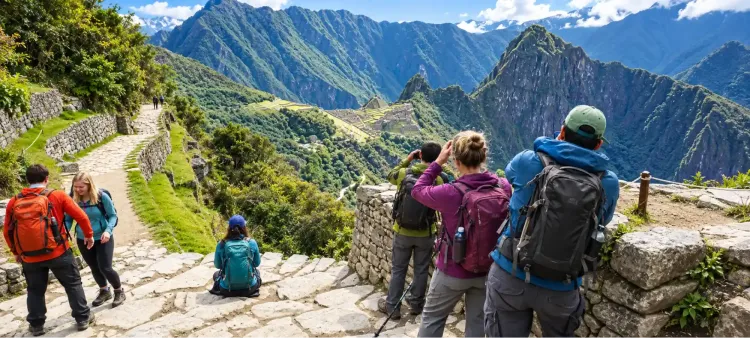
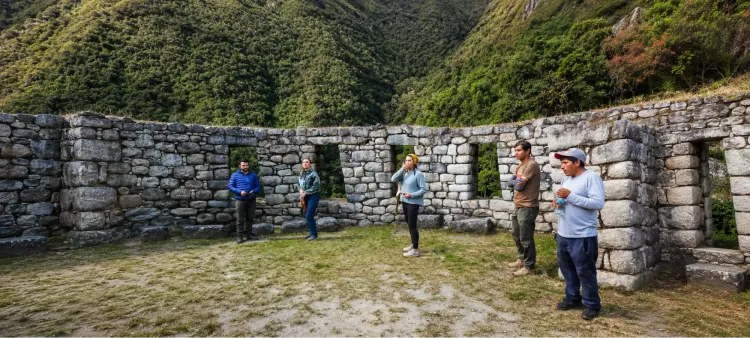
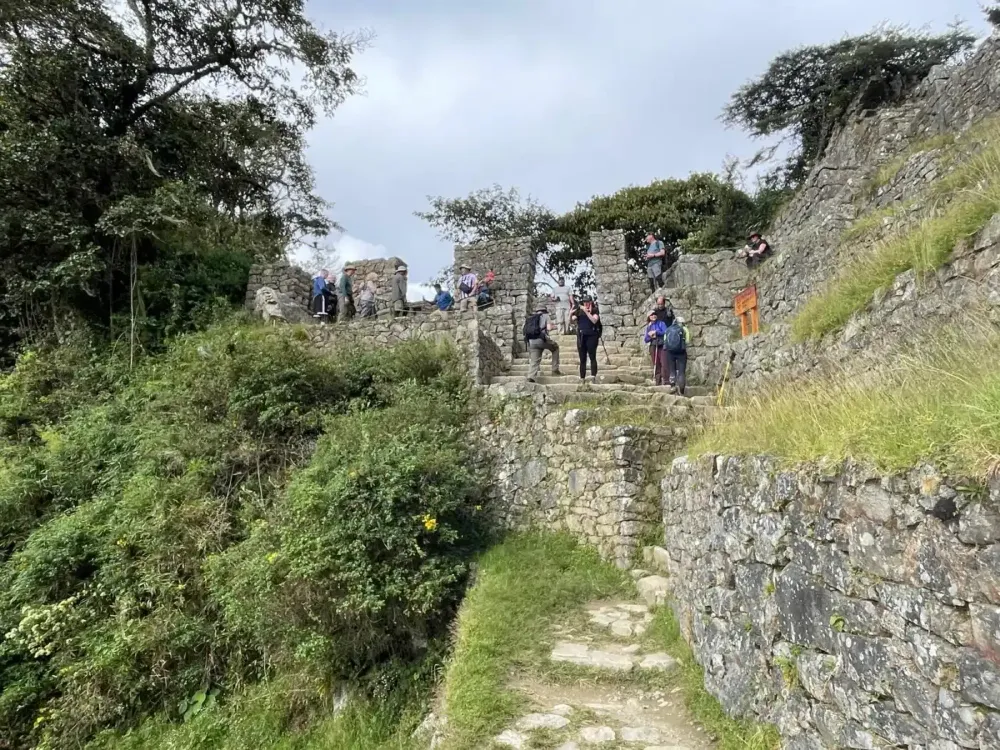
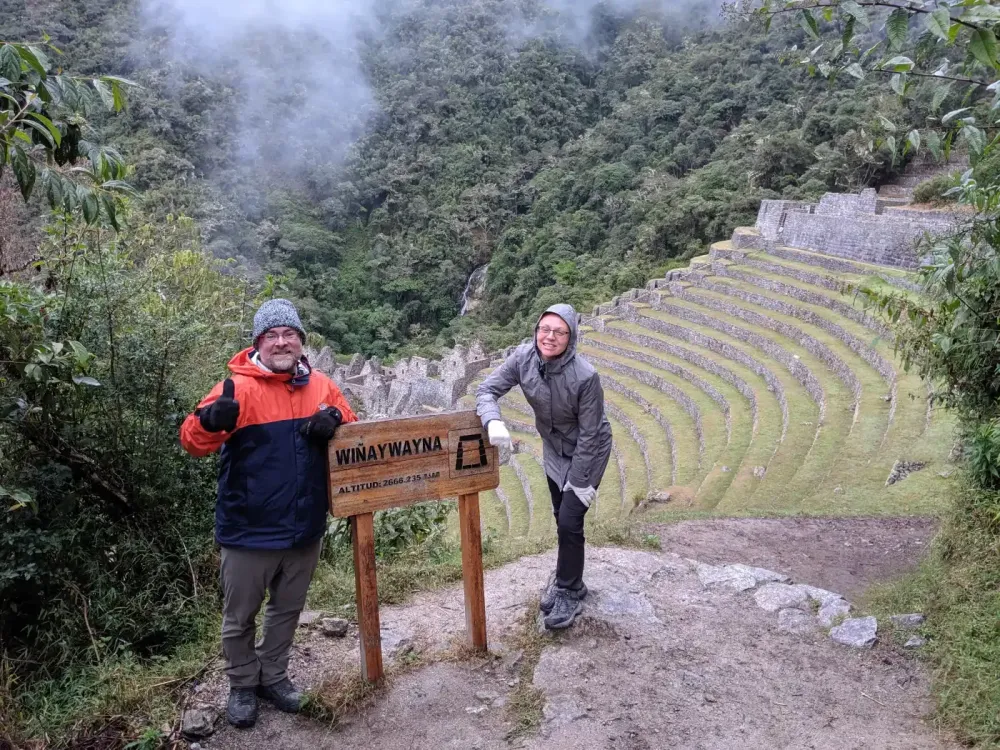
The Short Inca Trail 2 Days also begins at Km 104, but it distributes the experience in a more comfortable way. During the first day, travelers hike through Chachabamba, Wiñay Wayna and Inti Punku before reaching the Machu Picchu area and then continuing to Machu Picchu Pueblo for the night.
The second day allows travelers to return to Machu Picchu for a more detailed visit. This structure is one of the main reasons the two-day route works so well for people who want both trekking and a more relaxed archaeological visit.
For travelers combining Cusco, the Sacred Valley and other destinations in Peru, two days often provide a very practical balance between adventure, comfort and available time.
4-Day Inca Trail: the Classic experience
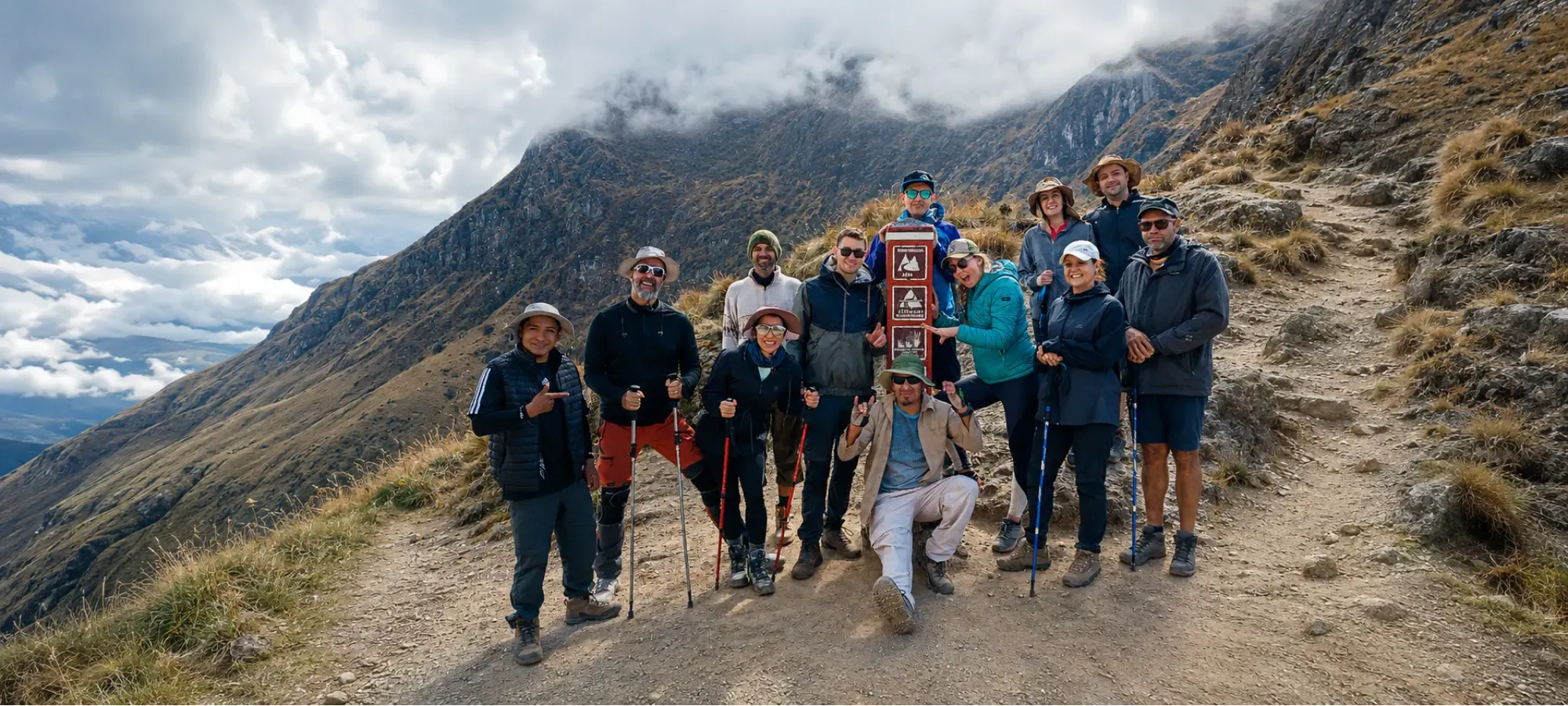
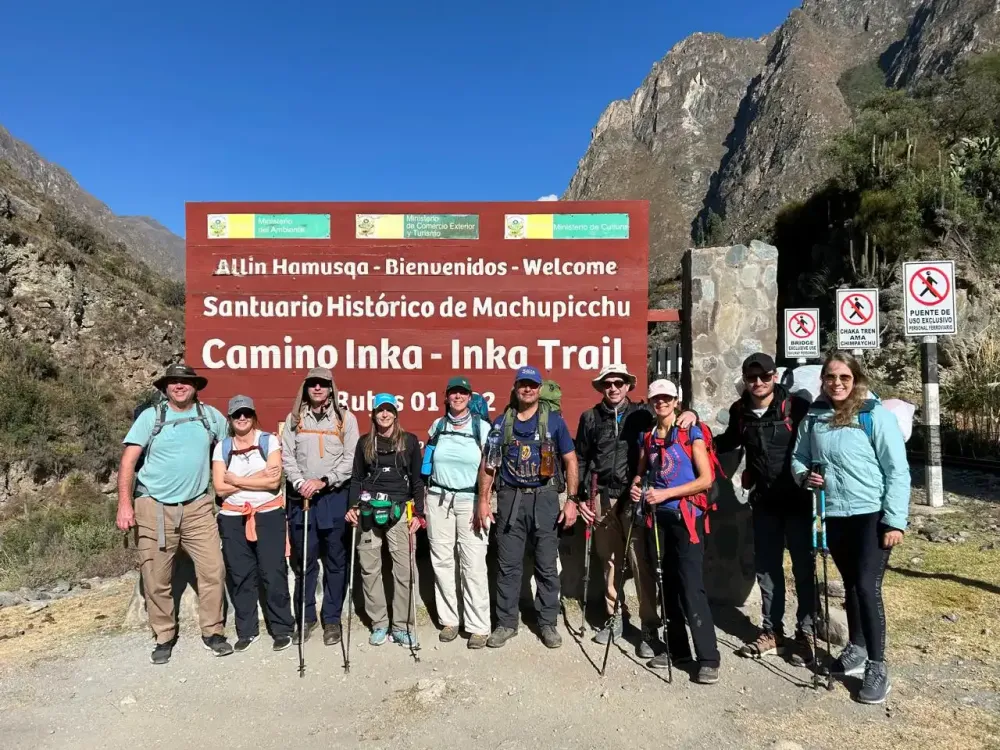
The Classic Inca Trail 4 Days is the traditional option and the route that allows you to experience a much larger part of the historic trail. It begins at Km 82 and continues over four days through ancient Inca paths, mountain passes, forest, campsites and archaeological sites before reaching Wiñay Wayna, Inti Punku and Machu Picchu.
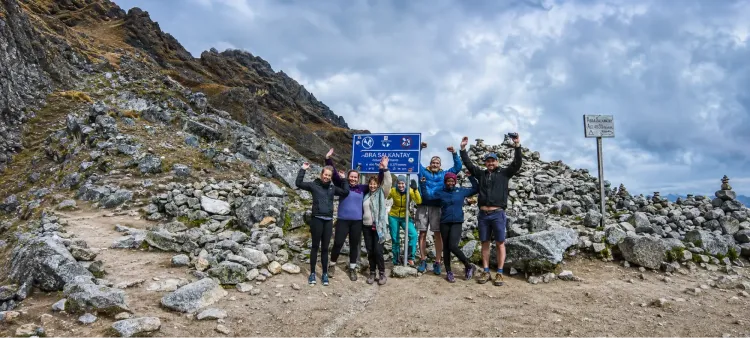
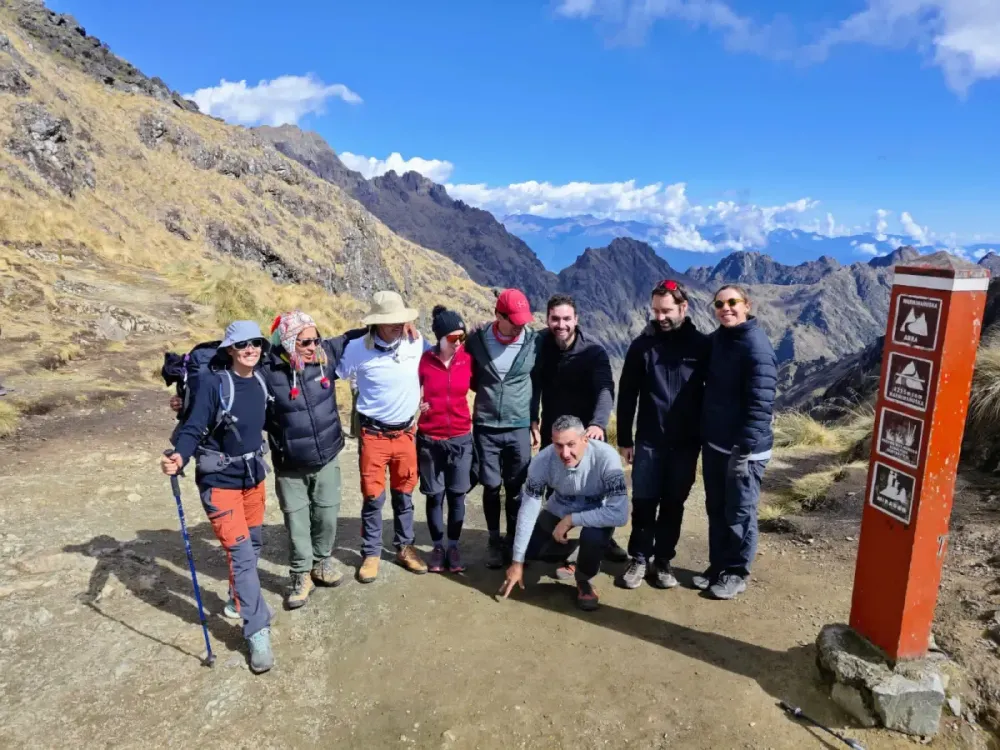
Unlike the shorter routes, trekking becomes one of the main purposes of the trip. You walk for several consecutive days, sleep at campsites and cross higher-altitude sections, including Dead Woman’s Pass.
The Classic route is better suited to travelers who want a genuine multi-day trekking experience and want to understand the Inca Trail as a journey in itself rather than simply a way to reach Machu Picchu.
You can explore the full sequence in our guide to the Classic Inca Trail route.
Differences between hiking the Inca Trail in 1, 2 or 4 days
The main difference is not simply how long you will be walking. Each version changes the rhythm and character of the journey.
The one-day route concentrates the experience into a single demanding day. The two-day option keeps the main hiking section but adds a hotel night and a later visit to Machu Picchu. The four-day route adds campsites, mountain passes, a wider range of scenery and a much larger sequence of archaeological sites.
| If you mainly value... | 1 Day | 2 Days | 4 Days |
|---|---|---|---|
| Saving time | Excellent | Very good | Lower |
| Sleeping in a hotel | Not the main focus | Yes | No during the trek |
| Avoiding camping | Yes | Yes | No |
| Multi-day trekking | No | No | Yes |
| More archaeological sites | Fewer | Moderate | More |
| High-mountain experience | Limited | Limited | Much stronger |
| Reaching Inti Punku | Yes | Yes | Yes |
| Fitting it into a short Peru trip | Very easy | Easy | Requires more time |
For this reason, asking which route is “best” without considering the traveler’s priorities is not very useful. The better question is which version fits your trip best.
Which route gives you more time at Machu Picchu?
The length of the Inca Trail does not automatically determine how much time you will spend visiting Machu Picchu. Each itinerary is structured differently, and the archaeological visit needs to be considered as part of the full program.
On the two-day route, for example, the first day allows travelers to arrive through the Inca Trail and then spend the night in Machu Picchu Pueblo. The next day provides a separate visit to Machu Picchu with more time and less pressure after the hike.
The Classic route creates a different experience. Machu Picchu appears as the culmination of several days of trekking after crossing the mountains and arriving through Inti Punku. In this case, much of the value comes from everything that happens before reaching the archaeological site.
Which route is more physically demanding?
In general, the four-day Inca Trail requires greater endurance because it combines several consecutive days of hiking, campsites, climbs, descents, stone stairways and high-altitude sections. Dead Woman’s Pass, the highest point of the Classic route, reaches approximately 4,200 meters.
However, this does not mean that the one-day route is necessarily easy. Concentrating the Km 104 section into one day requires a sustained pace over several hours. The two-day route uses a similar first-day trekking section, although the overall structure gives you more time to recover afterward.
For this reason, duration and difficulty should be evaluated separately. If physical effort is a major factor in your decision, read Inca Trail difficulty and Inca Trail altitude before choosing.
Which routes include camping?
Camping is part of the Classic four-day Inca Trail experience. During the trek, the group spends several nights inside the route and continues walking the following day until reaching Machu Picchu.
This is very different from the Short Inca Trail. On the two-day program, travelers complete the main trekking day and then spend the night in a hotel in Machu Picchu Pueblo. On the one-day route, the entire hiking experience is concentrated into the same day.
Your accommodation preference can strongly influence your decision. For some travelers, sleeping in the mountains is an essential part of the adventure. For others, having a shower and a comfortable bed after several hours of hiking makes the two-day route much more appealing.
If you want to know what to expect on the Classic route, read our guide to Inca Trail campsites.
Which Inca Trail option is best if you have only a few days in Cusco?
If time is your main limitation, the one-day and two-day routes are easier to fit into a larger itinerary.
The one-day option allows you to dedicate only one day to the trekking experience, although this also means concentrating much of the physical effort into a shorter period. The two-day option requires an additional night but offers a less compressed rhythm and separates the hike more clearly from the Machu Picchu visit.
If you have only four days for your entire stay in Cusco, using all four of them for the Classic Inca Trail may leave little room for acclimatization or other experiences in the region. If you have a week or more, including the Classic route becomes much easier.
You should not think only about the number of days the tour lasts. You also need time to arrive in Cusco, adjust to the altitude and fit the rest of your Peru itinerary around the trek.
Which option is better for first-time trekkers?
For someone who has never completed a multi-day trek before, the Short Inca Trail can be a more manageable introduction. It allows you to walk an authentic section of the route, tackle real uphill sections and stone stairways, and reach Inti Punku without committing to several consecutive days or camping.
That does not mean beginners should automatically avoid the Classic route. A traveler with good general fitness, some preparation and realistic expectations can complete the four-day Inca Trail even if it is their first major trek.
The difference comes down to how much challenge you want to take on. If you are unsure, continue with Inca Trail for beginners and review our guide to how to train for the Inca Trail.
How should you choose the duration based on your travel style?
A useful way to decide is to think about what role the Inca Trail will play within your Peru trip.
If Machu Picchu is one part of a broader itinerary that also includes Lima, Arequipa, Puno, the Amazon or other destinations, you may want to control carefully how many days you spend in Cusco. In that case, the one-day or two-day versions allow you to include trekking without building the entire trip around it.
If one of the main reasons for traveling to Peru is to complete the Inca Trail, the four-day route makes much more sense. The journey begins long before Machu Picchu, and the trek itself becomes a major destination.
A simple way to think about it is:
- 1 day: best for travelers with very limited time who are comfortable with a concentrated hiking day.
- 2 days: best for travelers who want to combine trekking, hotel comfort and a more relaxed Machu Picchu visit.
- 4 days: best for travelers who want the Classic route and want the trek to be one of the main experiences of the trip.
So, how many days do you really need for the Inca Trail?
There is no single correct duration for every traveler. One, two and four days offer different experiences, and the best choice depends on your available time, physical condition and expectations.
The Private 1-Day Inca Trail concentrates the experience for travelers who only have one day available. The Short Inca Trail 2 Days offers a particularly good balance between trekking and comfort. The Classic Inca Trail 4 Days is the best fit for travelers who want a complete mountain journey with campsites, archaeology and several days on the trail.
If you are specifically deciding between the two most popular options, read our comparison of 2 Day vs 4 Day Inca Trail.
Choose the duration first, then check availability
Once you know how many days you want to spend on the Inca Trail, the next step is to check whether your preferred dates are available. Access is regulated, so choosing a route does not automatically mean there will be space on every departure date.
For this reason, we recommend checking Inca Trail availability 2026 and 2027 before confirming hotels, domestic flights or other services tied to fixed dates.
If you still need to understand how access works, you can also read our guide to Inca Trail permits.
The decision can be summarized simply: choose 1 day if time is your main constraint, 2 days if you want a balance between hiking and comfort, or 4 days if you want the Inca Trail itself to become one of the defining experiences of your trip to Peru.
Personal travel advice
Plan your trip with Dreamy Tours
Start a tailored journey with our exclusive tours and custom trips across Peru and other Latin American countries.