Search the blog
Tabla de contenidos
The Classic Inca Trail 4 Days is the most demanding of the traditional Inca Trail options we offer because it combines several consecutive trekking days with significant altitude changes.
The Classic route begins at Piscacucho, in the Km 82 sector, the traditional starting point for the route toward Machu Picchu. The full trek is around 42 kilometers, depending on how access sections are measured, and reaches its highest point at Dead Woman’s Pass at approximately 4,200 meters.
However, not every day feels equally difficult. The first day allows you to adapt to the hiking rhythm. The second contains the main ascent. The third combines repeated elevation changes with long sections of stone stairways. The fourth is shorter, although you reach it with accumulated fatigue from the previous days.
Is the Inca Trail difficult?
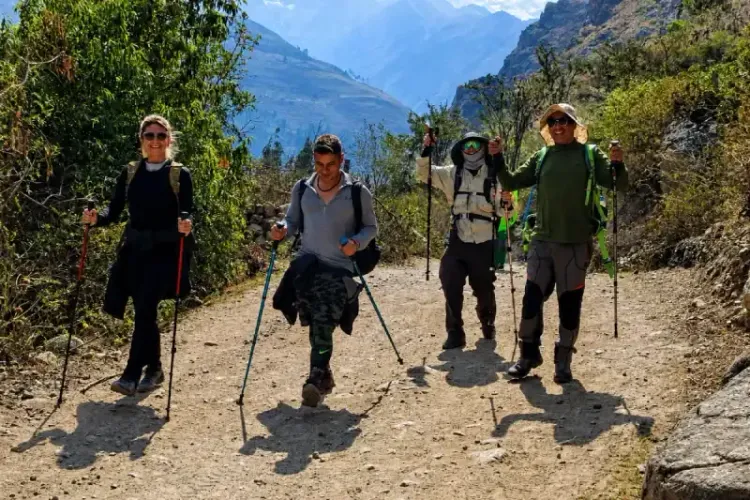
In general, the Classic Inca Trail can be considered a moderate to demanding trek. It does not include sections that require ropes, climbing techniques or mountaineering skills, but it combines enough physical challenges that arriving prepared makes a major difference.
The real difficulty comes from accumulation. During the trek, you will walk for several hours a day, deal with repeated climbs and descents, irregular stone steps, changing temperatures and sections above 4,000 meters. On top of that, fatigue builds from one day to the next.
An active traveler who is used to walking can complete the trek, but good fitness does not completely remove the effects of altitude or the leg fatigue caused by hundreds of stone steps. The experience becomes much more manageable when you maintain a steady pace and understand that there is no advantage in hiking too fast.
How difficult is the 4-Day Inca Trail?
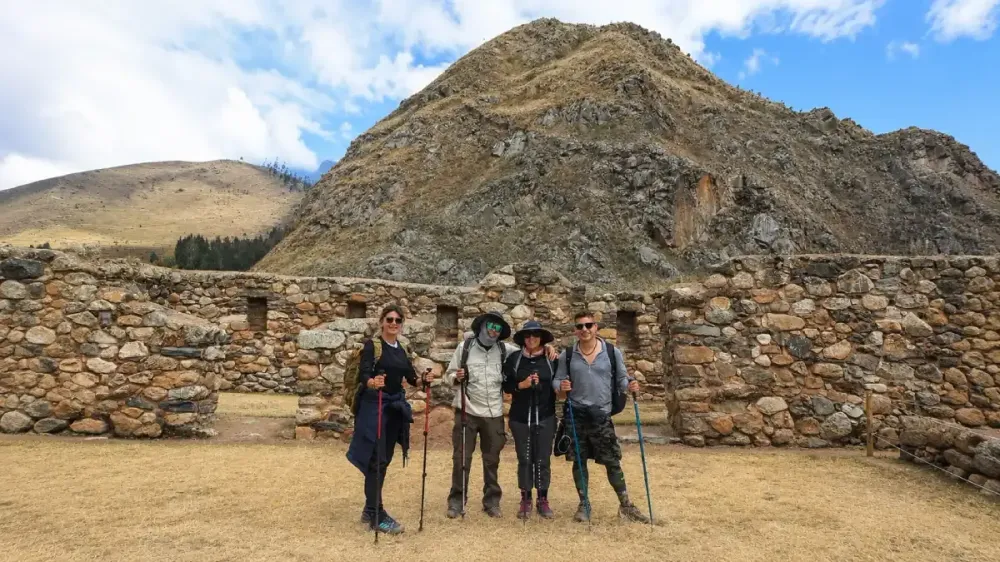
The Classic Inca Trail 4 Days is the most demanding of the traditional Inca Trail options we offer because it combines several consecutive trekking days with significant altitude changes.
The Classic route begins at Piscacucho, in the Km 82 sector, the traditional starting point for the route toward Machu Picchu. The full trek is around 42 kilometers, depending on how access sections are measured, and reaches its highest point at Dead Woman’s Pass at approximately 4,200 meters.
However, not every day feels equally difficult. The first day allows you to adapt to the hiking rhythm. The second contains the main ascent. The third combines repeated elevation changes with long sections of stone stairways. The fourth is shorter, although you reach it with accumulated fatigue from the previous days.
How difficult is the first day?
The first day usually works as a gradual introduction to the trek. From Km 82, the route follows sections of the Urubamba Valley while the first climbs and elevation changes begin to appear.
On our itinerary, this stage covers approximately 12 kilometers. For many travelers, it is the day when they discover how their body responds to several hours of walking with a daypack, sun exposure and uneven terrain. There is real effort involved, but the steepest climbs and highest elevations have not yet appeared.
For that reason, we consider the first day moderate in difficulty. It is not the time to prove how fast you can walk. Maintaining a comfortable pace, staying hydrated and saving energy are far more useful because the main challenge arrives on the second day.
Why is the second day the hardest?
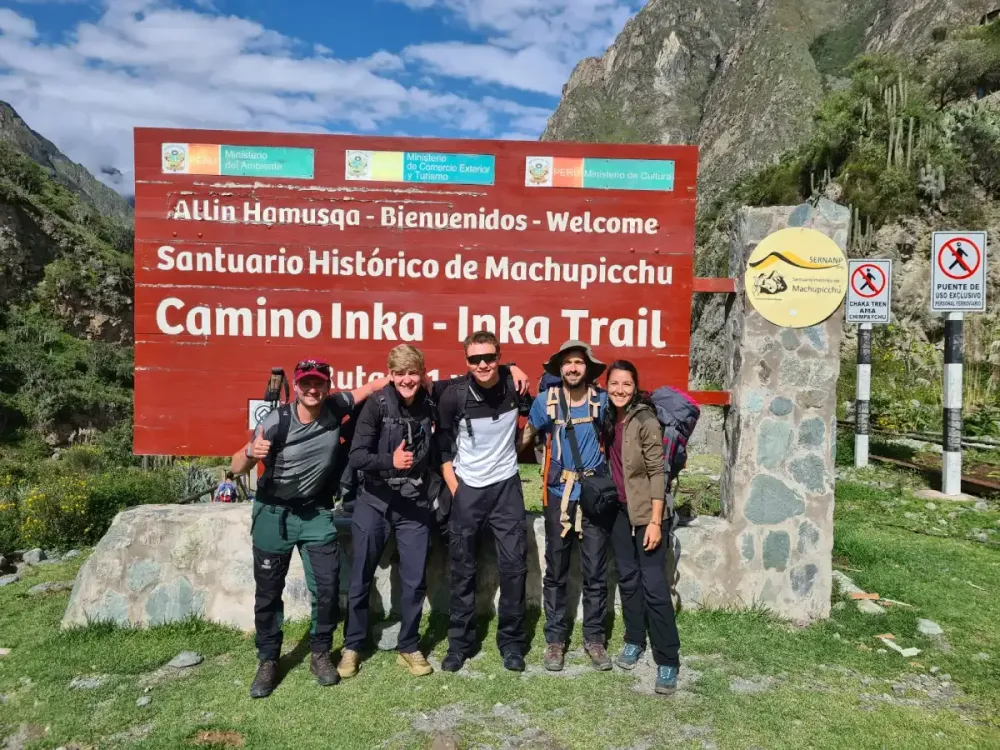
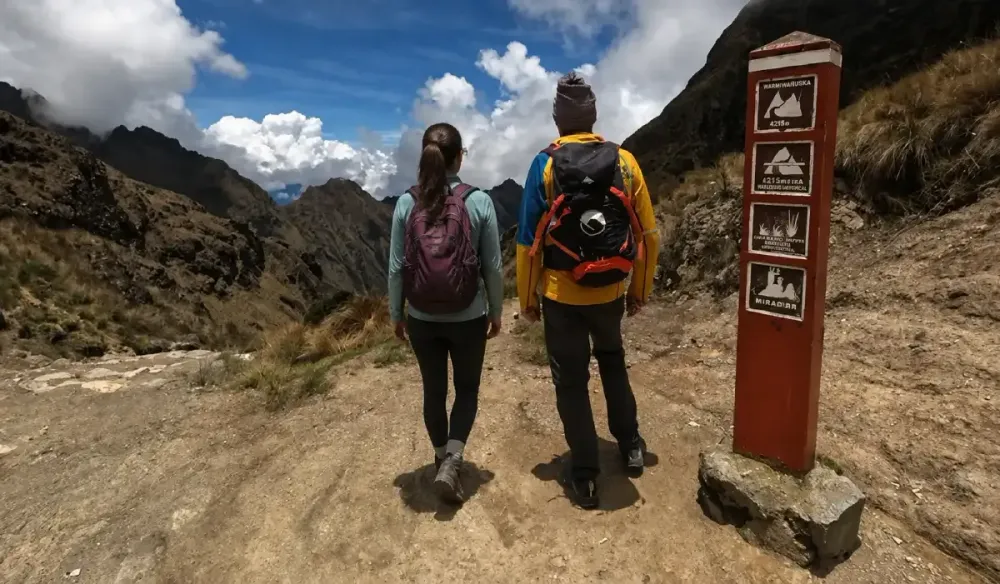
When travelers ask which day is the hardest on the Inca Trail, the answer is usually the second. The route climbs toward Dead Woman’s Pass, or Warmiwañusqa, at approximately 4,200 meters above sea level. After the pass, the route descends toward the Pacaymayo Valley.
The difficulty comes from the combination of a long ascent, elevation gain, stone steps and altitude. As you climb higher, maintaining the same pace can require more effort. There is no benefit in trying to keep up with the fastest people in the group. The goal is to move steadily and manage your energy.
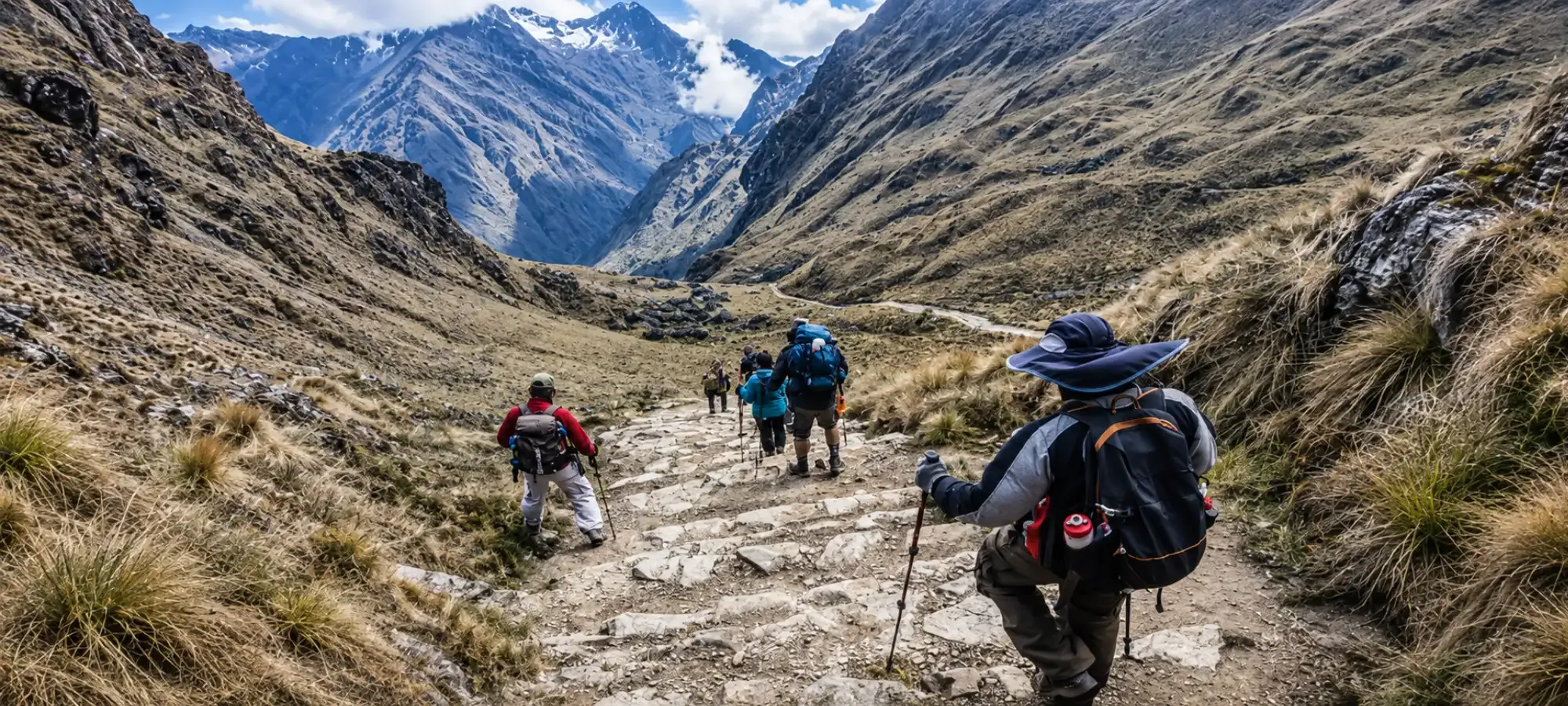
After reaching the pass, you still have to descend. This matters because many travelers prepare mentally only for the uphill section, but long descents can also place significant stress on the knees and legs.
Because of this combination, we consider the second day demanding and the most important stage to evaluate when deciding whether the Classic route suits your fitness level.
Does the third day become easier after Dead Woman’s Pass?
Reaching the highest point does not mean the difficulty is over. The third day changes in character, but it remains physically important.
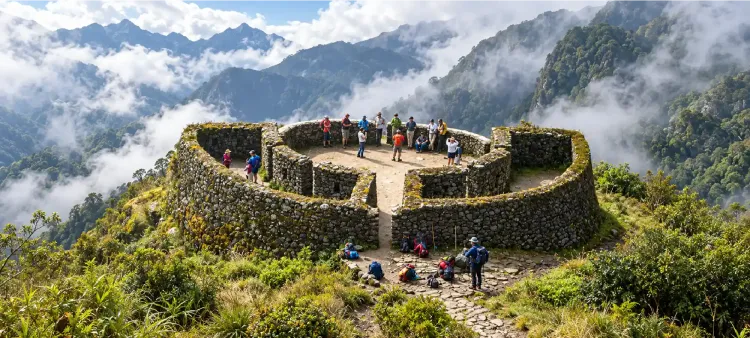
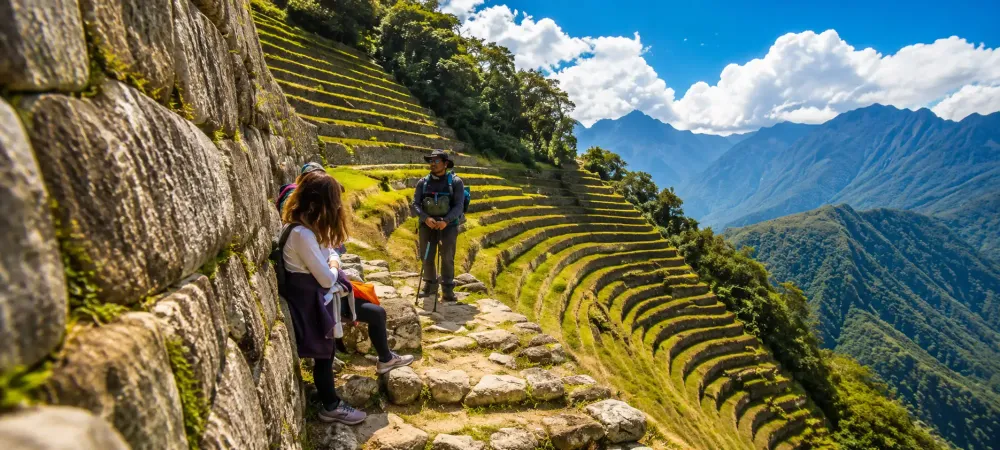
The route crosses archaeological sectors such as Runkurakay, Sayacmarca and Phuyupatamarka before continuing toward Wiñay Wayna. This stage includes additional climbs, long descents and a large number of stone stairways.
For some travelers, the downhill sections on the third day can feel even more uncomfortable than the main climb on the previous day, especially if they are not used to descending for several hours. The muscles have already been working for two days, and every step adds to the accumulated load.
At the same time, the scenery begins to change toward cloud forest. It is a beautiful stage, but physically it can still be considered moderate to demanding.
How difficult is the final day to Machu Picchu?
The final day is shorter than the previous stages, but it usually begins very early. From the Wiñay Wayna area, the route continues along the Inca Trail toward Inti Punku before the final approach to Machu Picchu.
The physical difficulty is generally lower than on Days 2 or 3, although there are still stairways and uphill sections. In addition, your legs already carry several days of accumulated fatigue, so an apparently simple section may feel very different from how it would feel if you were fully rested.
Overall, this day can be considered moderate in difficulty. The main difference is emotional. After several days of hiking, Inti Punku marks the point where the historic route begins its final approach toward Machu Picchu.
How difficult is the Short Inca Trail 2 Days?
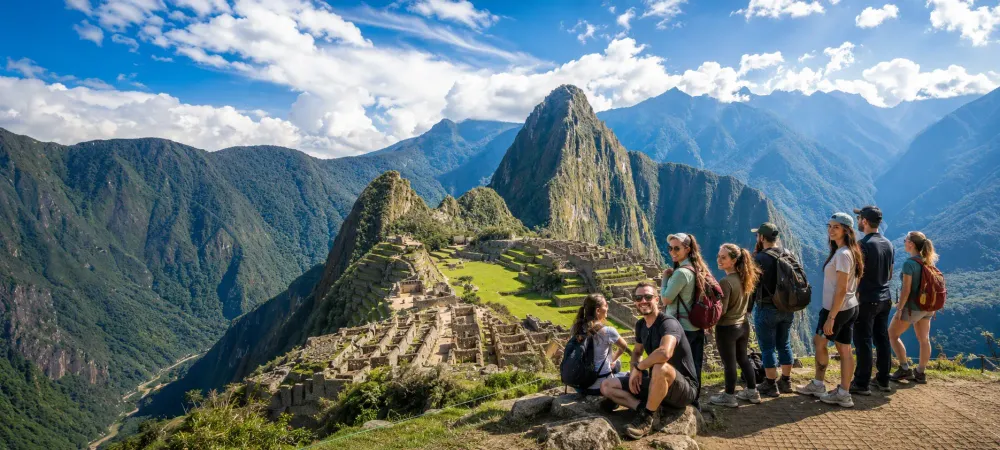
The Short Inca Trail 2 Days is considerably less demanding than the Classic route in terms of duration, maximum altitude and accumulated effort, but it should not be confused with an easy walk.
The trek begins at Km 104, passes Chachabamba and climbs toward Wiñay Wayna before continuing to Inti Punku and the Machu Picchu area. Most of the physical effort is concentrated into the first day. The route avoids Dead Woman’s Pass and the highest mountain sections of the Classic route.
The main challenge is precisely that concentration. For several hours, you need to maintain a steady pace and handle uphill sections and stone stairways without spreading the route over multiple days.
It can be an excellent alternative if you want to walk an authentic section of the Inca Trail, prefer sleeping in a hotel and do not want to take on four consecutive trekking days. If you are comparing both options, read 2-Day vs 4-Day Inca Trail.
How difficult is the 1-Day Inca Trail?
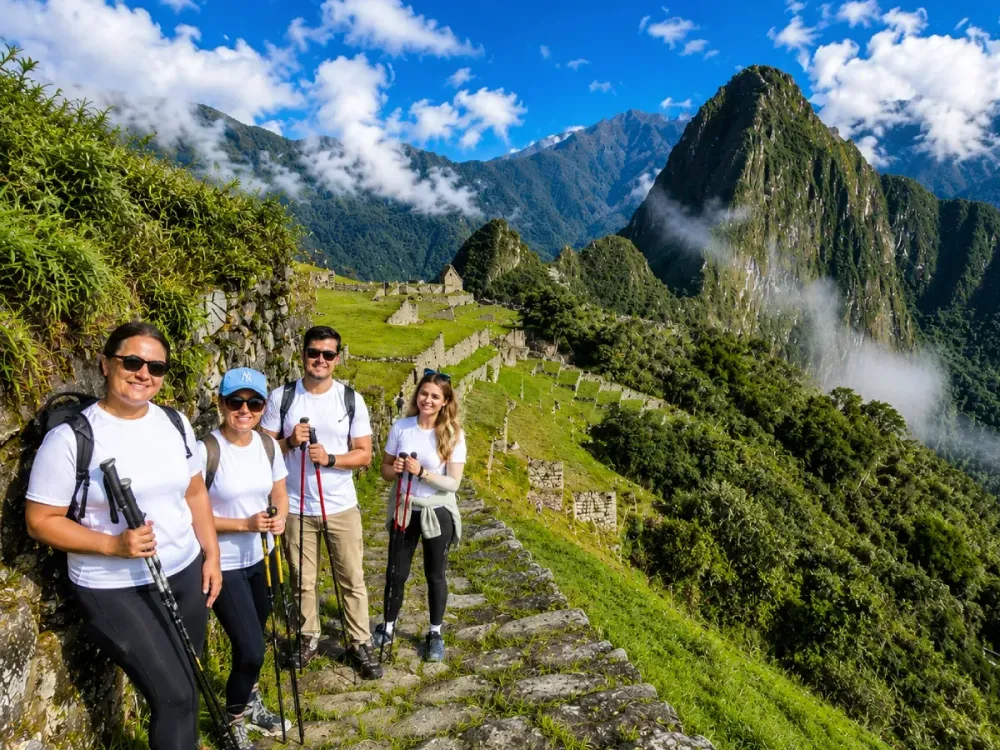
The Private 1-Day Inca Trail also uses the Km 104 access and follows the Short Inca Trail section, but concentrates almost the entire experience into one day.
This creates a small paradox: it is the shortest option in total duration, but it can still feel intense because the trek, arrival toward Machu Picchu and return logistics all need to be completed in the same day. The current Dreamy Tours program includes approximately 11 kilometers of hiking and a maximum altitude close to 2,780 meters.
It does not require the accumulated endurance of four days and does not cross Dead Woman’s Pass, but it still demands several hours of continuous walking and enough stamina to complete a long day.
For this reason, it usually works best for active travelers with limited time who are comfortable with extended days of activity. You can compare the two Short Inca Trail formats in 1-Day vs 2-Day Inca Trail.
What fitness level do you need for the Inca Trail?
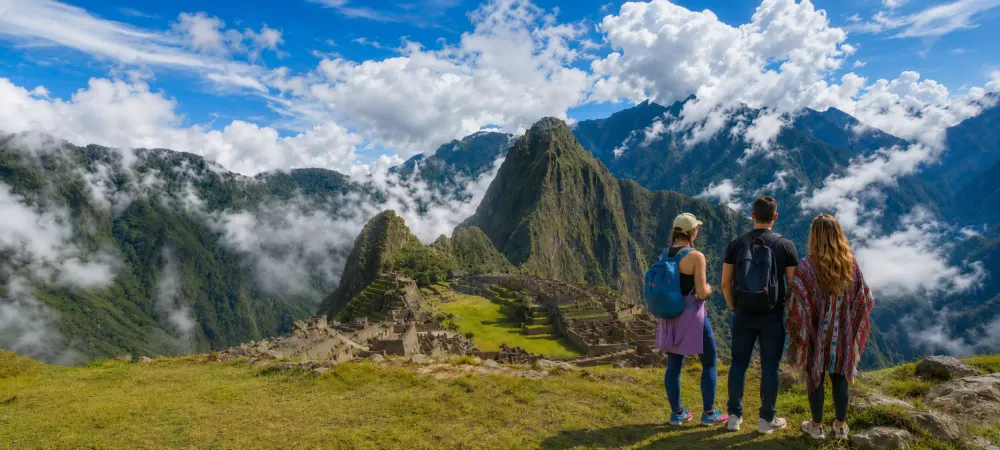
You do not need to be an athlete. However, it definitely helps to arrive used to walking for several hours and with enough leg endurance to handle repeated climbs, descents and stairways.
A completely sedentary traveler will probably find the Classic Inca Trail much more demanding than someone who walks, hikes or exercises regularly. The goal is not to reach professional athletic fitness, but to prepare your body for sustained effort.
Before traveling, it can help to include longer walks, hiking with elevation gain, stair training and moderate cardiovascular exercise. If you have access to routes with both climbs and descents, they are especially useful because the Inca Trail demands strength in both directions.
Training deserves its own article, so you can continue with how to train for the Inca Trail without turning this difficulty guide into a workout plan.
How much does altitude affect the difficulty?
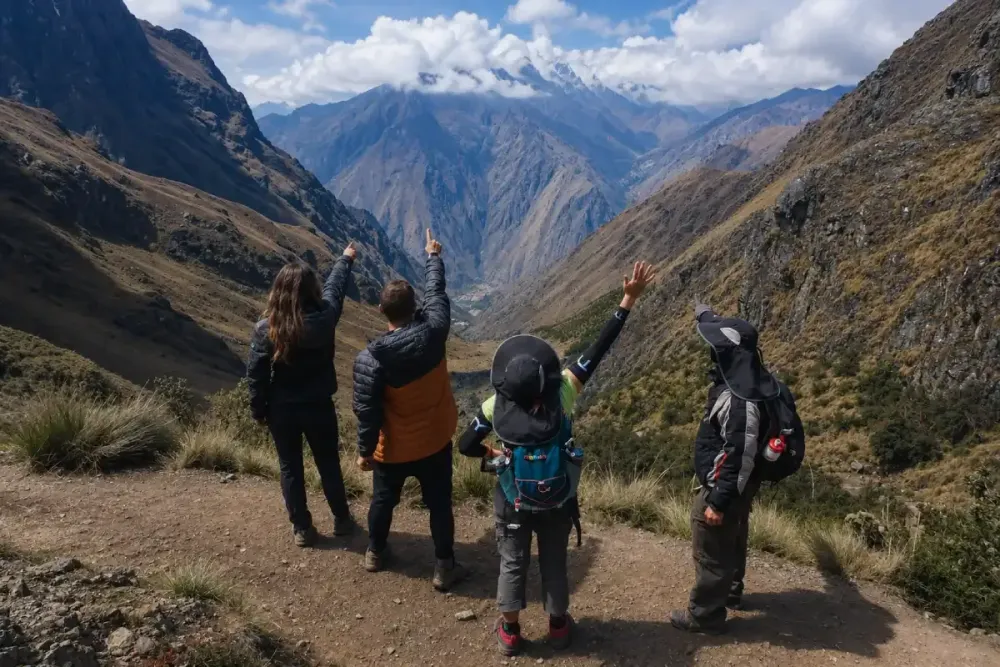
Altitude can significantly change how hard the trek feels. A traveler in excellent physical condition can still feel its effects because fitness and altitude adaptation are not the same thing.
On the Classic route, Dead Woman’s Pass reaches approximately 4,200 meters, while the Short Inca Trail remains at considerably lower elevations. This is why the same uphill effort can feel much harder when it takes place above 3,500 or 4,000 meters.
It is sensible to arrive in Cusco with time to adapt before beginning the trek rather than scheduling the Inca Trail immediately after arriving from sea level. There is no exact number of acclimatization days that guarantees everyone will react the same way because altitude response varies from person to person.
If you want to focus specifically on elevation changes, read Inca Trail altitude and altitude sickness on the Inca Trail.
What is more tiring: uphill sections, descents or stairs?
This part of the difficulty is often underestimated. Climbs attract the most attention because they increase breathing and energy use quickly, especially at altitude. However, long descents can also be hard on the knees and muscles after several hours.
Stone stairways add another challenge. Many steps are uneven in height and surface, so you need to pay attention to foot placement. On the third day, after two previous days of effort, the accumulation of steps can feel especially demanding.
For that reason, it is more accurate to think of the Inca Trail as a combination of climbs, descents and stone stairways, not simply one long uphill push toward Dead Woman’s Pass. Preparing your legs for downhill walking can be just as important as training for the climbs.
Trekking poles can be helpful for some travelers, particularly on descents, as long as they are used properly and have protective tips to reduce impact on the trail.
Can weather make the Inca Trail more difficult?
Yes. Weather does not change the physical route, but it can change how demanding each stage feels.
In rain, stone surfaces can become wet and require more careful footing. On very sunny days, direct exposure can increase fatigue and make hydration and sun protection more important. At higher elevations, wind and low temperatures can feel especially strong during rest stops.
The dry season, mainly from May through September, usually brings less rain, but mornings and nights can still be cold. During the wetter season, there is a greater chance of rain, mist and wet trail conditions.
Temporary closures can also happen for safety reasons when weather conditions become severe. This is another reason to view difficulty not only as a fitness issue, but also as a combination of terrain, altitude and conditions on the day.
For a deeper look at this topic, read Inca Trail weather.
Can someone with no trekking experience hike the Inca Trail?
Yes. Not having previous multi-day trekking experience does not automatically prevent you from doing the Inca Trail, as long as you choose an appropriate version, prepare properly and have realistic expectations.
For an active traveler who has never completed a long trek, the Short Inca Trail 2 Days can be a more manageable introduction. It allows you to walk a historic section of the route without accumulating four days of fatigue or sleeping at campsites.
The Classic Inca Trail 4 Days cn also be a first major trek, but you should be comfortable walking for several hours in a row and understand that the route includes fatigue, altitude, climbs, descents and several consecutive days of activity.
Previous trekking experience helps, but it is not the only factor. Preparation, pacing, rest and acclimatization matter a great deal. If this will be your first trek of this kind, read Inca Trail for beginners.
So, which Inca Trail should you choose based on your fitness level?
If you want an intense but concentrated experience in a single day and you have a good fitness level, the Private 1-Day Inca Trail may be a good fit. It avoids several days of accumulated fatigue, although it still requires sustained activity over one long day.
If you want to hike the historic section from Km 104, avoid the highest mountain passes and rest in a hotel afterward, the Short Inca Trail 2 Days offers one of the best balances between trekking and comfort.
If you want the traditional route, are prepared to hike for several days and are comfortable with campsites, climbs, descents, stone stairways and altitude, the Classic Inca Trail 4 Days offers the most complete experience.
The difficulty of the Inca Trail should not automatically be a reason to rule it out. It should be a reason to choose the right version and arrive prepared. Once you know which route fits your fitness level, check Inca Trail availability before organizing the rest of your trip.
Personal travel advice
Plan your trip with Dreamy Tours
Start a tailored journey with our exclusive tours and custom trips across Peru and other Latin American countries.