Search the blog
Tabla de contenidos
Chachabamba on the Inca Trail is the first major archaeological site travelers encounter after beginning the hike from Km 104.
Its location near the Urubamba River and along the ancient Inca road network makes it an excellent introduction to the history behind the Short Inca Trail to Machu Picchu.
Many travelers start the route thinking mainly about Wiñay Wayna and Inti Punku, but Chachabamba immediately shows that this trek is about much more than walking through the mountains.
It is also a journey through places that were built and used during the Inca period.
If you want to understand how this experience begins, read Km 104: starting point of the Short Inca Trail.
What is Chachabamba?
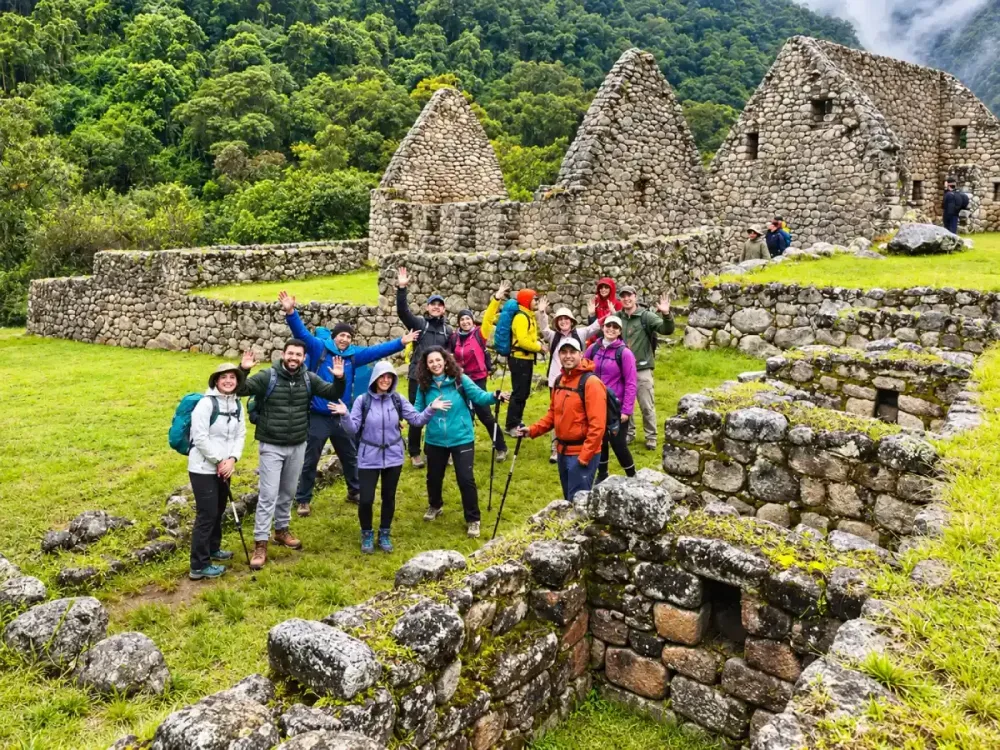
Chachabamba is an archaeological site located along one of the ancient Inca Trail sections leading toward Machu Picchu.
Today, it forms part of the route used by travelers hiking the Short Inca Trail.
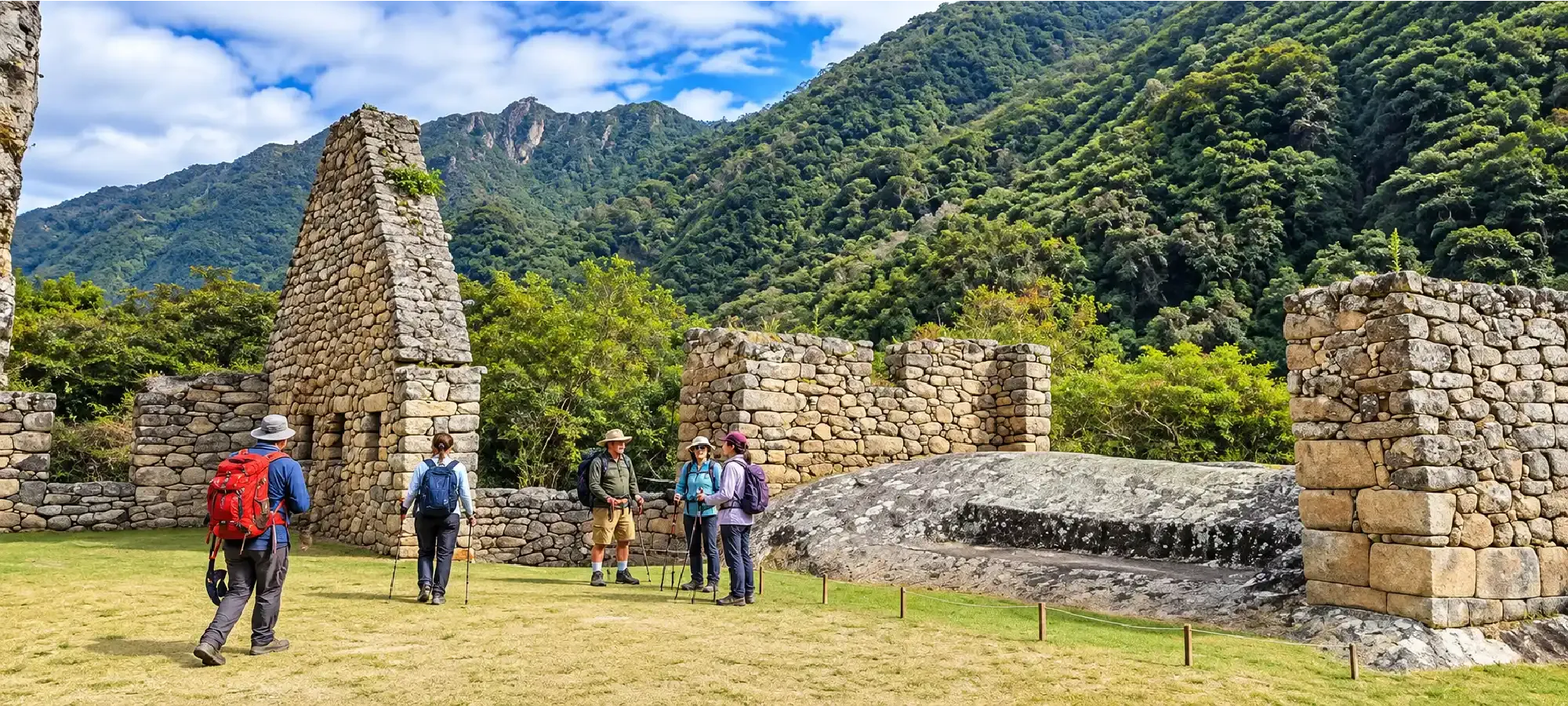
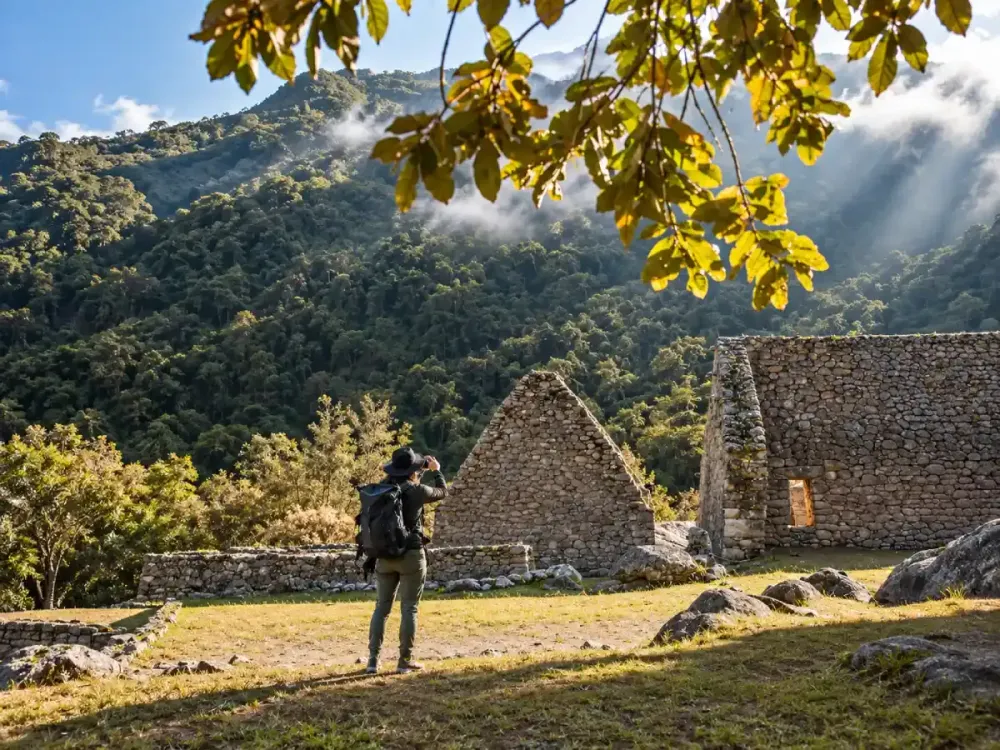
The complex includes stone structures, terraces, enclosures and features related to water management.
Its location close to the beginning of the hike makes it one of the first direct encounters with Inca architecture on this route.
From Chachabamba, the landscape also begins to change clearly: the railway and riverside setting are left behind as the trail starts climbing gradually into the mountains.
Where is Chachabamba located?
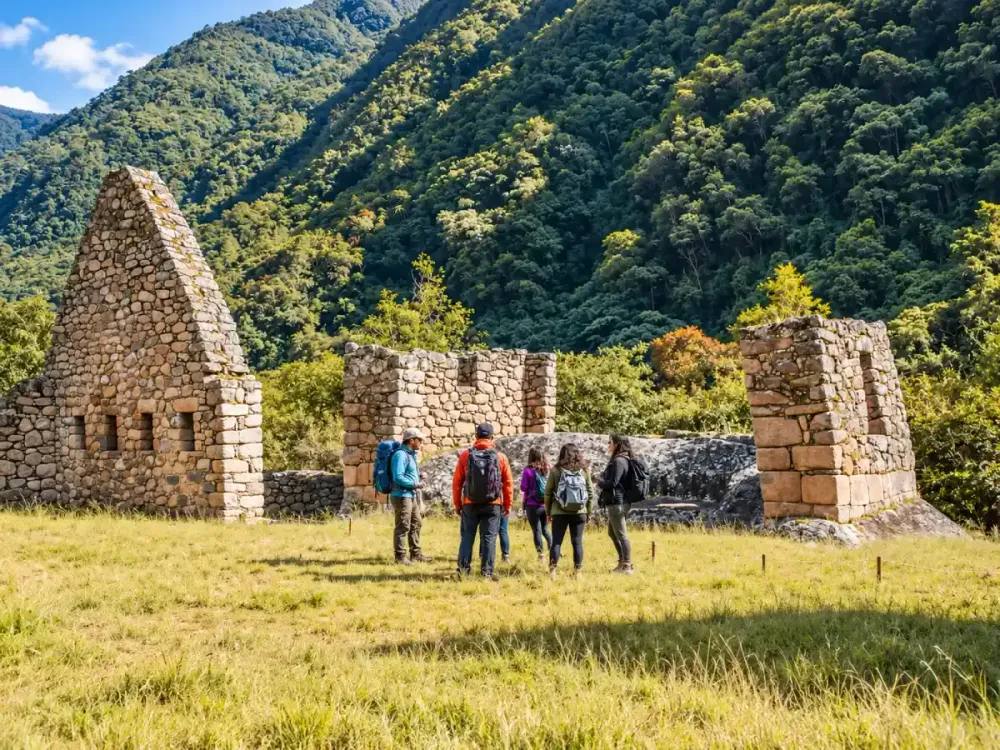
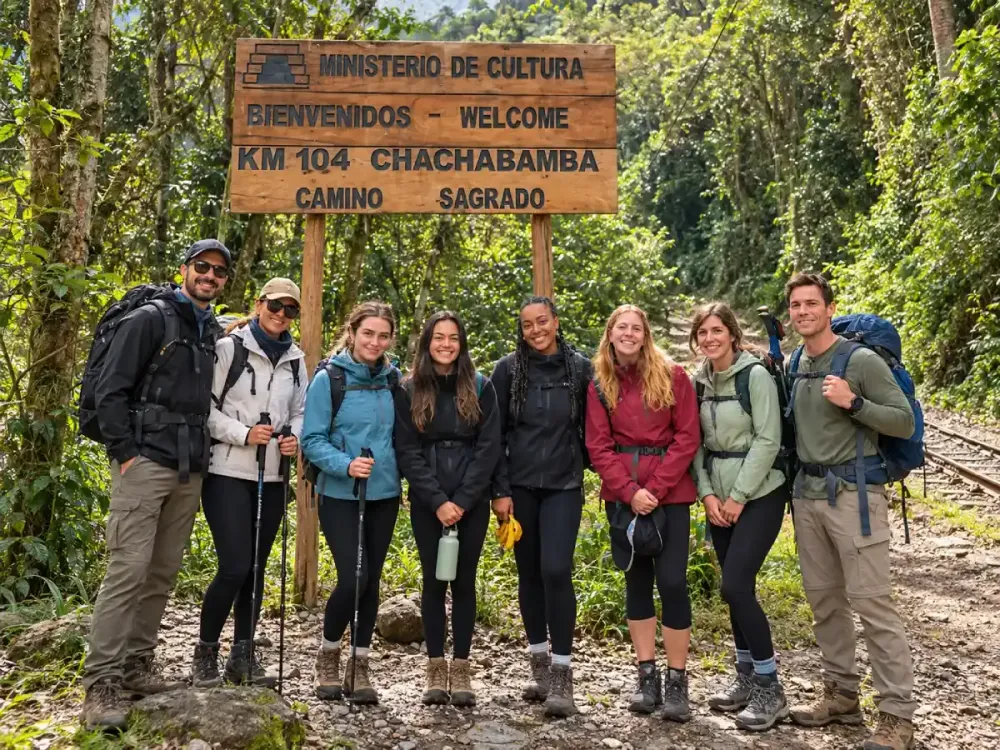
Chachabamba is located near Km 104 in the Urubamba River valley.
To reach this area, travelers normally take the train that runs between Ollantaytambo and Machu Picchu.
Those with the corresponding Short Inca Trail permit get off in the Km 104 sector.
After the entry process, the hike begins toward Chachabamba.
For this reason, the site is directly connected with the Km 104 Inca Trail.
Is Chachabamba part of the Short Inca Trail?
Yes.
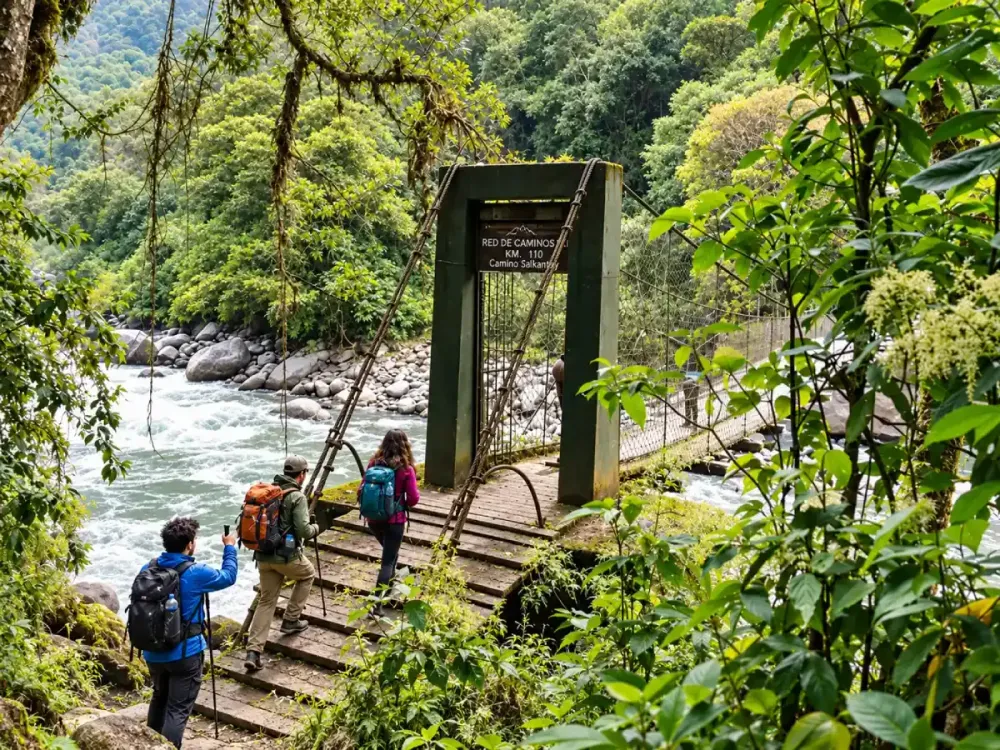
Chachabamba is one of the main archaeological sites on the Short Inca Trail.
It forms part of routes such as the Short Inca Trail 2 Days and some one-day experiences using this section of the trail.
The main sequence can be understood like this:
Km 104 → Chachabamba → Wiñay Wayna → Inti Punku → Machu Picchu.
This combination is one of the reasons the Short Inca Trail offers much more than simply a shorter version of the Classic route.
Although the journey is shorter, it still includes some of the most interesting historic sites and original Inca paths before reaching Machu Picchu.
What does Chachabamba mean?
As with many Quechua names associated with archaeological sites, different interpretations of the name Chachabamba can be found.
For that reason, it is better not to reduce its meaning to one absolute translation.
For travelers, the most important thing is understanding the role of the site within the landscape and the Inca road network.
Its location near the river, its architecture and the presence of water-related features help explain why this place may have been important along the route to Machu Picchu.
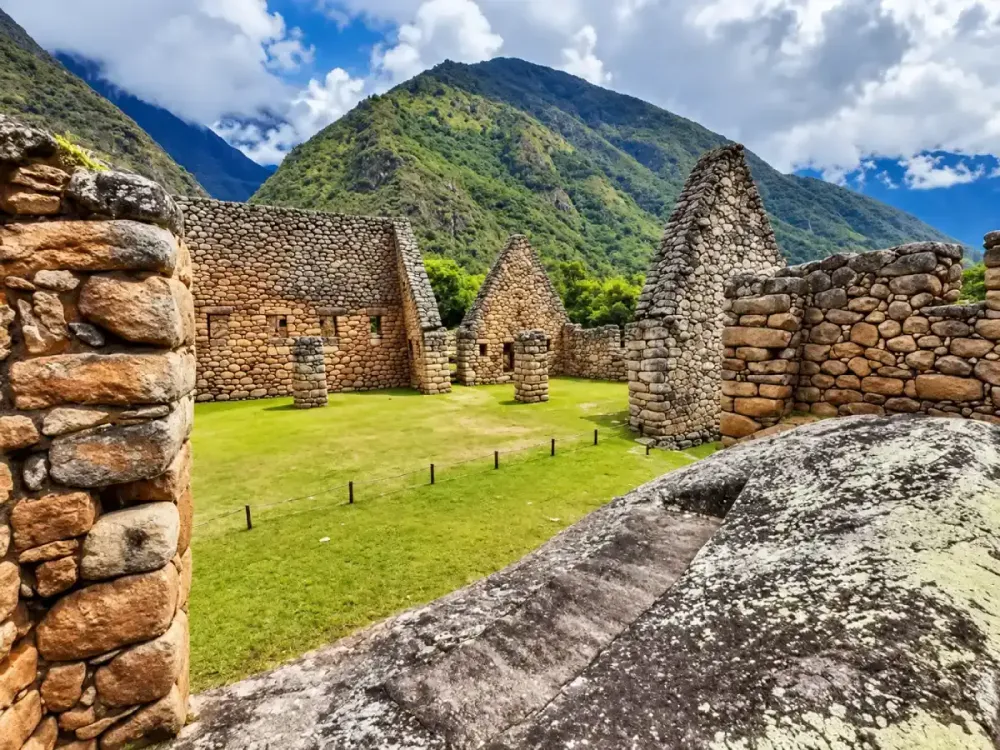
What was Chachabamba used for?
The exact function of Chachabamba remains open to interpretation.
Because of its architectural features and its relationship with water, it is often associated with possible ceremonial, administrative and route-control functions.
It may also have served as a place connected with the movement of people through the Inca road system.
Chachabamba should not be viewed as an isolated site.
It formed part of a wider network of roads and structures connected with other areas of the region.
That relationship becomes even clearer as the route continues toward Wiñay Wayna and later Machu Picchu.
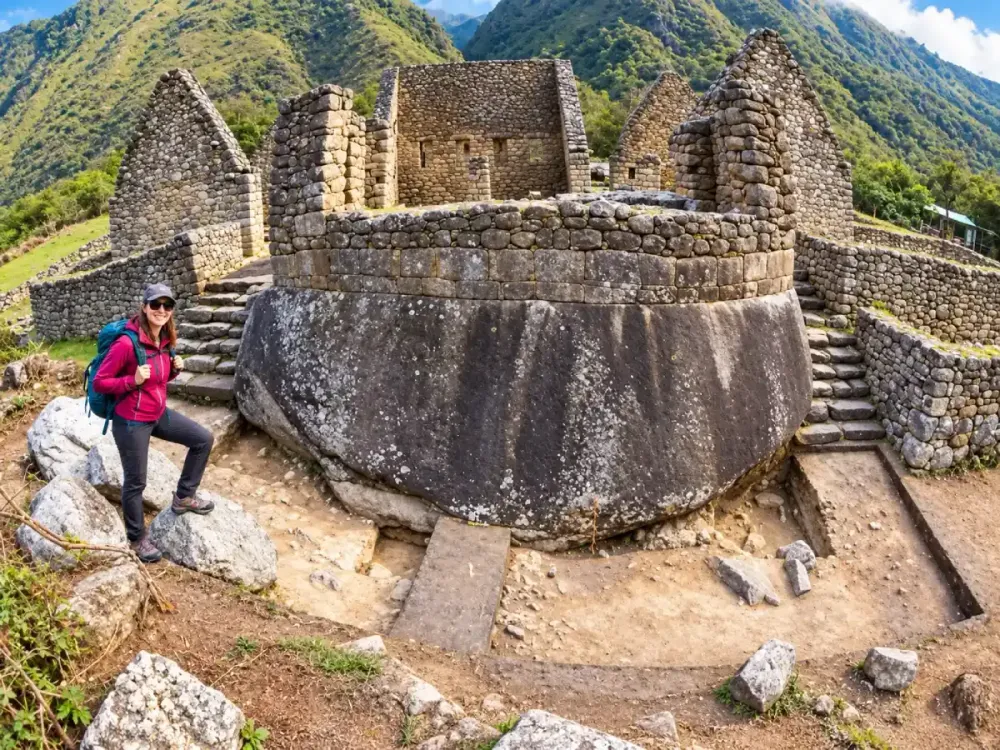
What is the architecture of Chachabamba like?
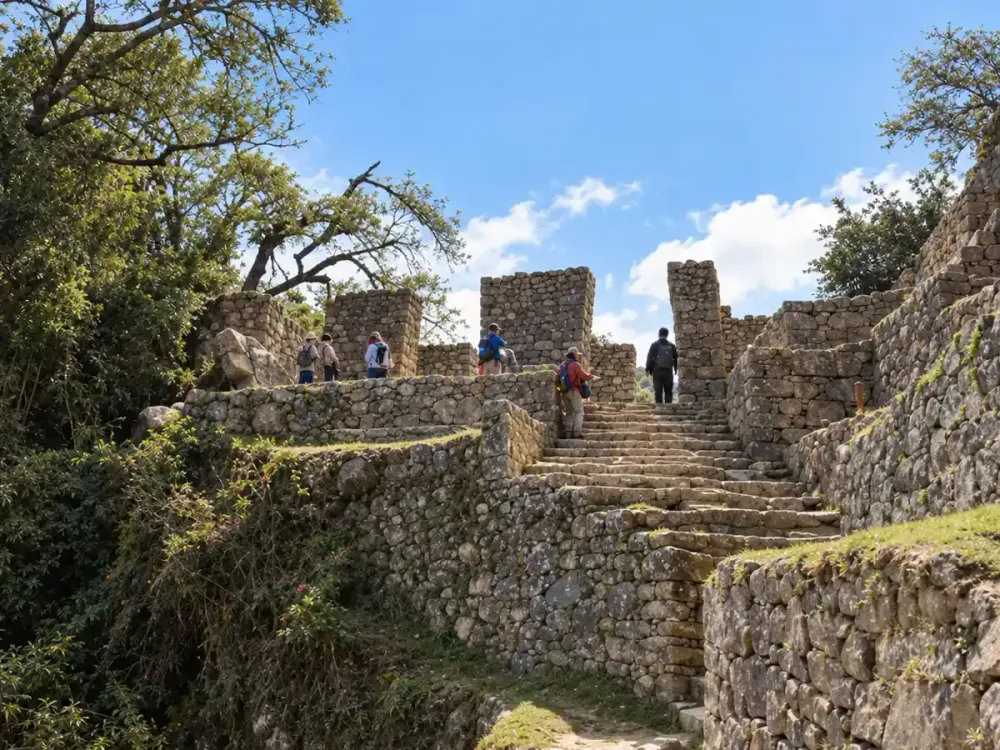
The site combines several elements of Inca architecture adapted to the terrain.
During the visit, you can see features such as:
- Stone walls.
- Enclosures.
- Terraces.
- Stairways.
- Water channels.
- Structures adapted to the slope.
One of the most interesting aspects is the relationship between the construction and the natural setting.
The Urubamba River, the mountain and the vegetation all form part of the immediate surroundings.
This integration between engineering and landscape appears repeatedly along the Inca Trail.
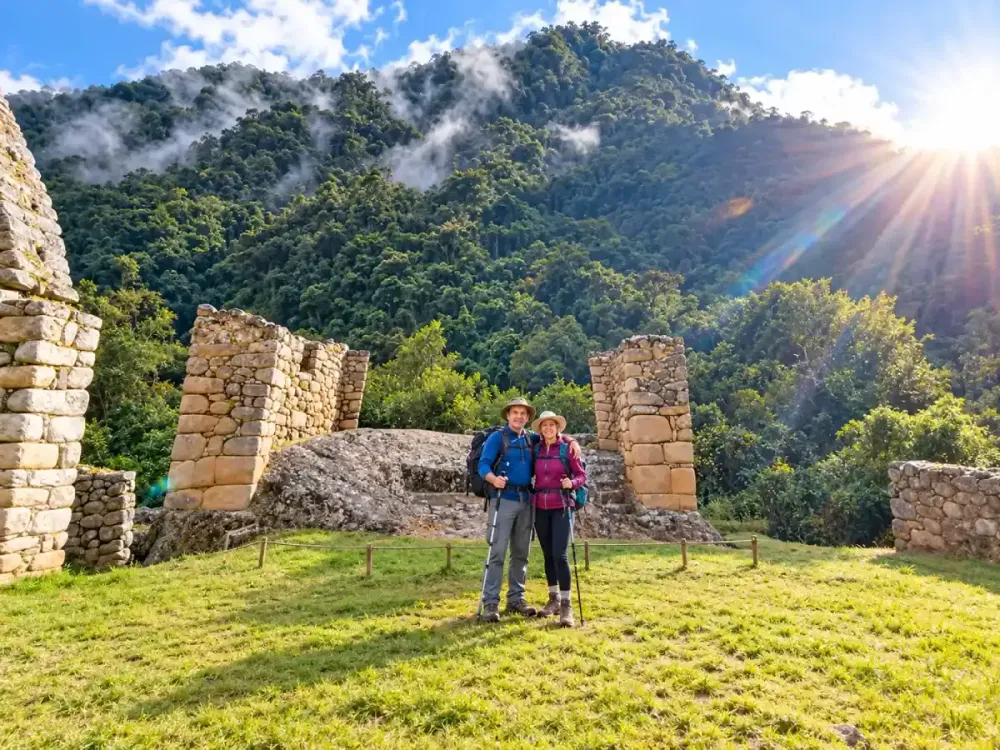
Why was water important at Chachabamba?
Water management is one of the most interesting elements found at many Inca sites.
At Chachabamba, channels and other structures show that water formed an important part of the site’s design.
This has contributed to interpretations linking the place with ceremonial activities.
However, it is better not to present one specific function as completely proven.
What can clearly be observed is that water was not a secondary detail.
It was integrated into the architectural organization of the complex.
What is the altitude of Chachabamba?
Chachabamba is located considerably lower than the major mountain passes of the Classic route.
This is an important difference compared with the Classic Inca Trail 4 Days, which crosses higher sections such as Dead Woman’s Pass.
The route from Km 104 does not reach those elevations.
However, after Chachabamba, the trail begins a steady climb toward Wiñay Wayna.
So even though the Short Inca Trail avoids the highest mountain passes, it still requires physical effort.
If you want to compare the elevations of both routes, read Inca Trail altitude.
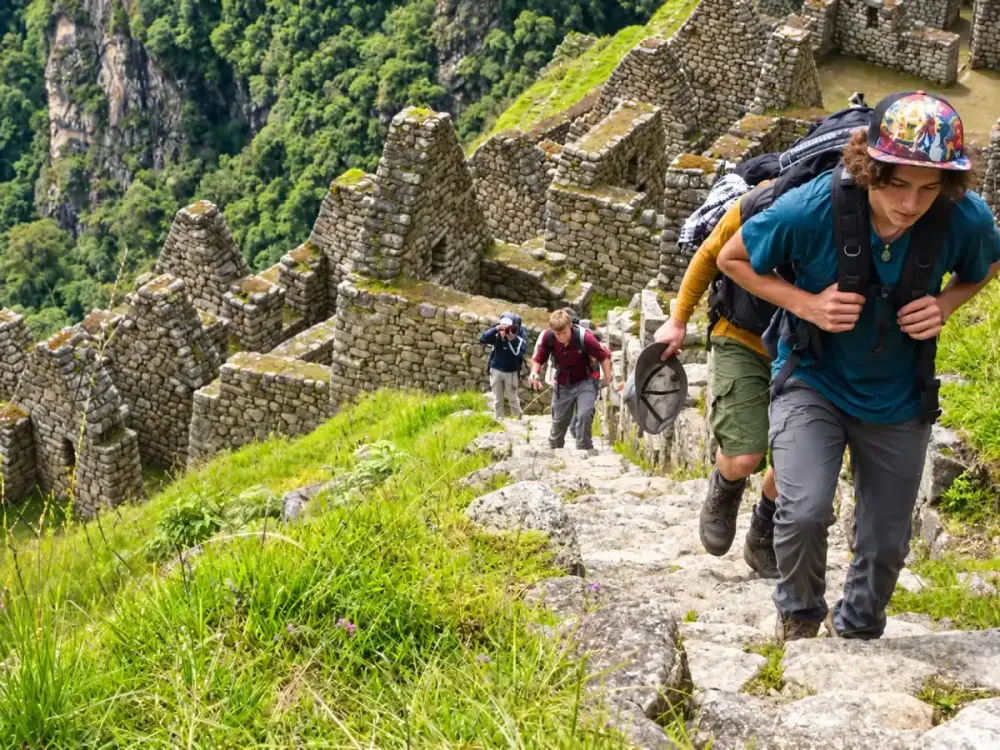
What is the walk from Km 104 to Chachabamba like?
Chachabamba appears very close to the beginning of the route.
After getting off the train at Km 104 and completing the entry process, the hike begins.
This first section acts as an introduction to the trail.
The visit to Chachabamba gives travelers time to stop, explore the site and listen to the guide before beginning the more sustained uphill section.
The real physical challenge of the day becomes more noticeable after leaving Chachabamba.
What happens after visiting Chachabamba?
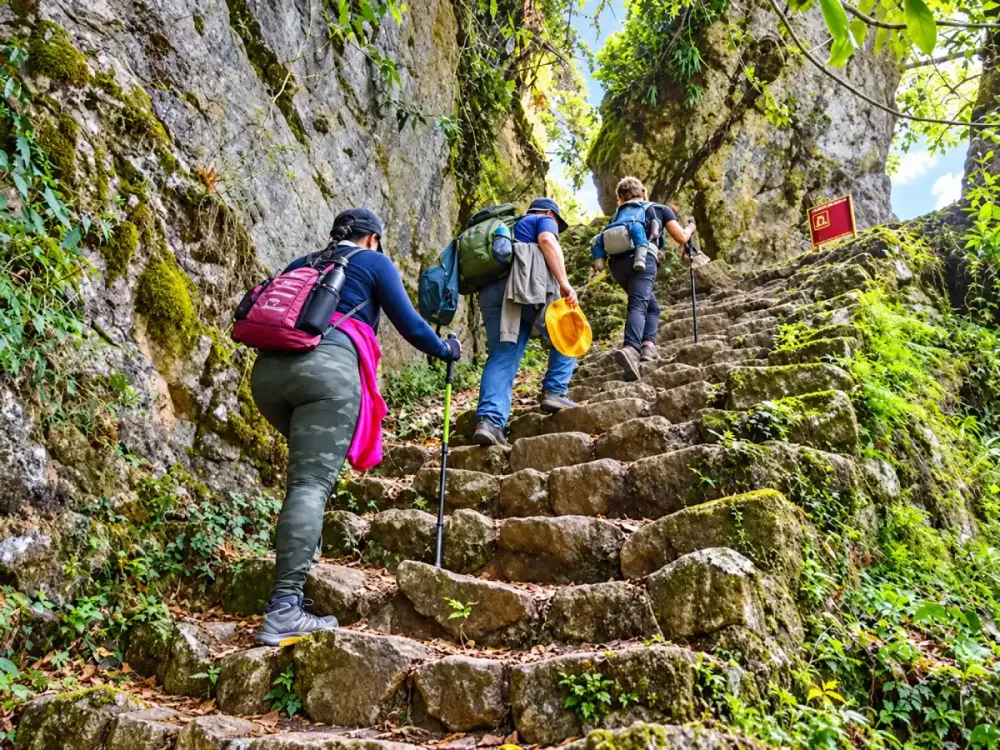
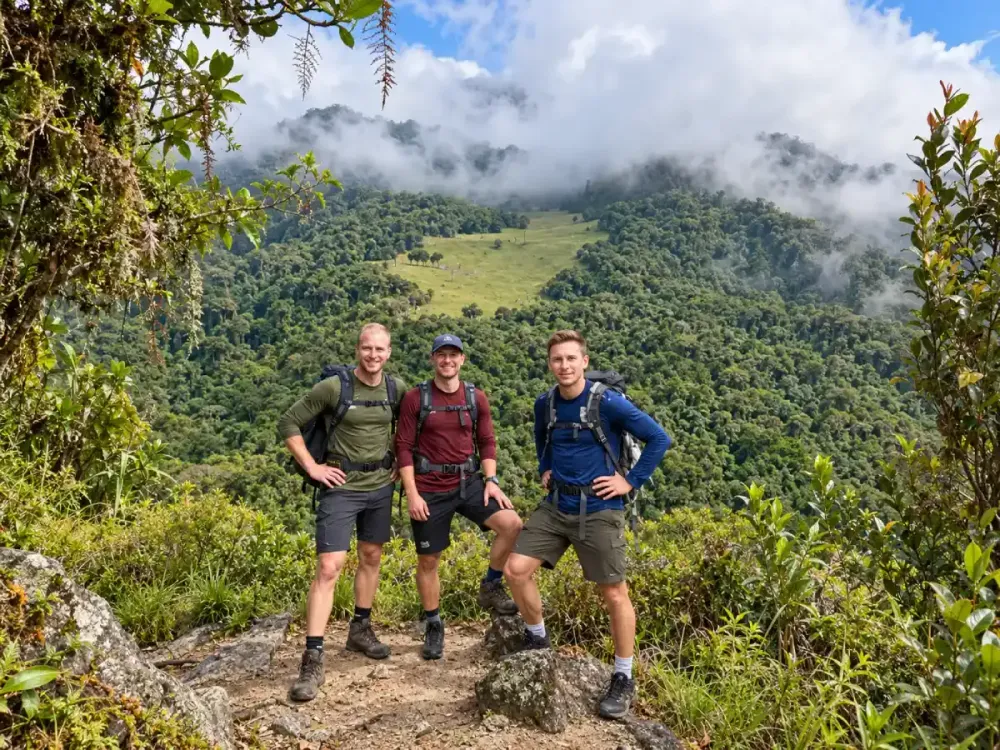
After Chachabamba, a longer climb toward Wiñay Wayna begins.
The trail gains elevation gradually and passes through mountain scenery and vegetation.
This part of the hike includes stone stairways and several sections of the ancient trail.
The climb can feel demanding, especially on warm days.
For this reason, it is better to maintain a steady pace from the beginning.
There is little benefit in using all your energy during the first hours when an important part of the route still lies ahead.
From Chachabamba to Wiñay Wayna
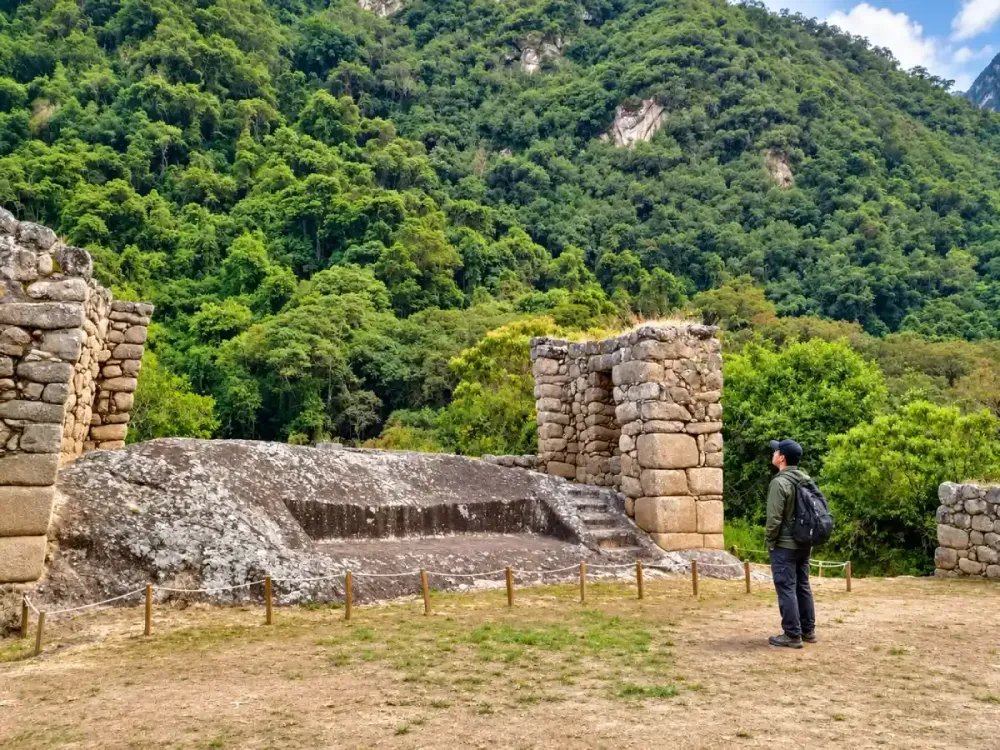
Wiñay Wayna is one of the main goals of the hike from Chachabamba.
The difference between both sites also helps explain the archaeological variety of the Short Inca Trail.
Chachabamba appears near the beginning of the route and is closely connected with the valley and river.
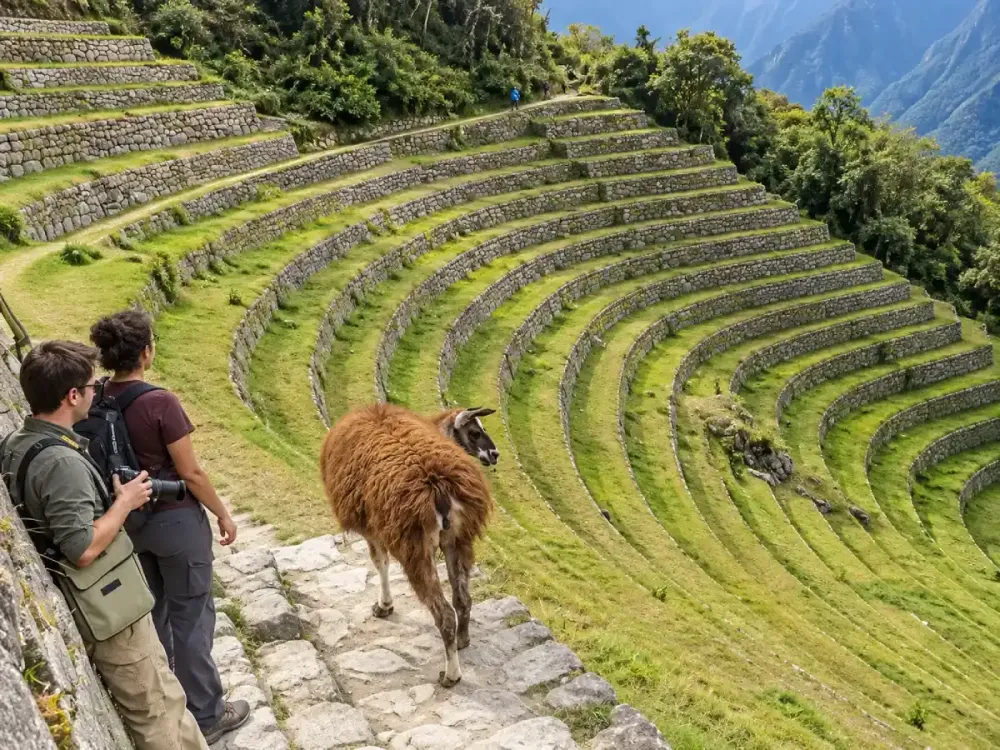
Wiñay Wayna, on the other hand, sits higher on the mountainside and is known for its large terraces.
A significant part of the physical effort of the Short Inca Trail takes place between these two points.
In that sense, Chachabamba works almost like the archaeological gateway to the day’s journey.
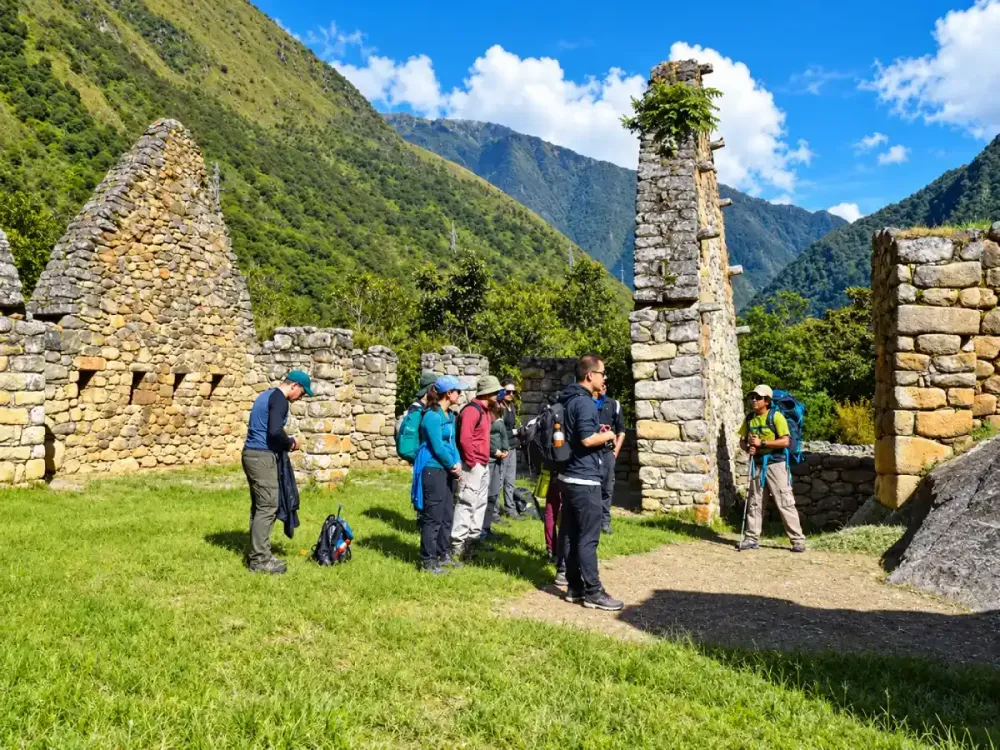
Is Chachabamba difficult to reach?
Reaching Chachabamba itself is not usually the most demanding part of the hike.
The greater physical effort comes afterward.
However, the Short Inca Trail should still be understood as a trek, not simply an archaeological visit.
The full day includes:
- Several hours of walking.
- Uphill sections.
- Stone stairways.
- Temperature changes.
- Mountain terrain.
- Accumulated fatigue.
If you are unsure about the physical level required, read Inca Trail difficulty and Inca Trail for beginners.
Do you need physical preparation for this route?
Basic preparation helps a lot.
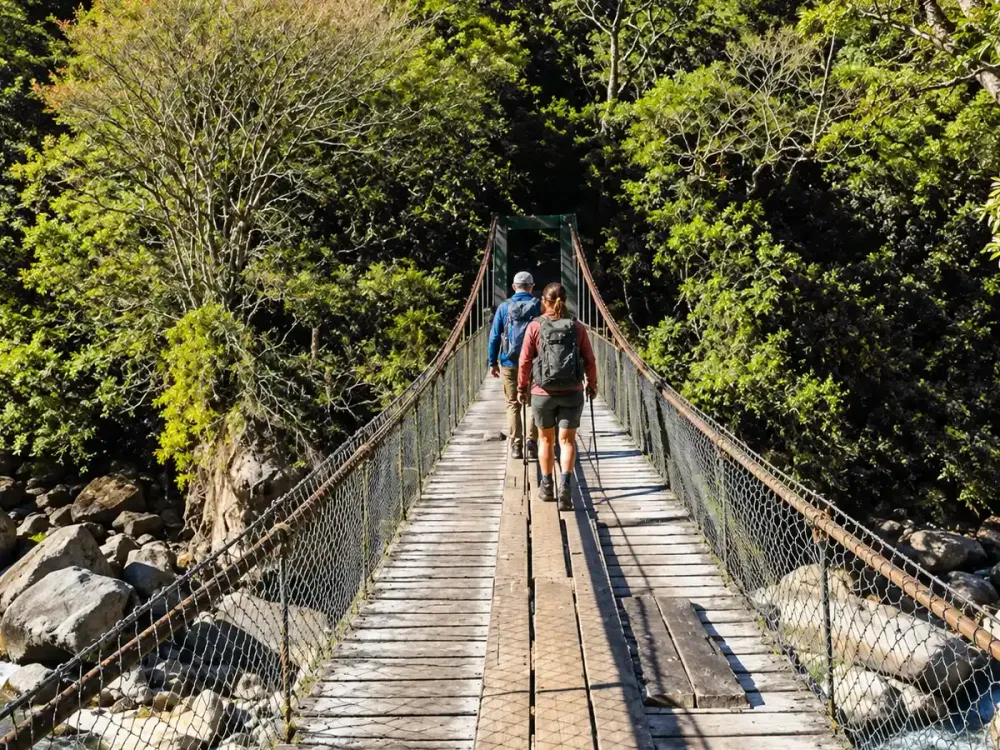
You do not need advanced mountain experience, but it is useful to be comfortable walking for several hours.
Before traveling, it can help to practice:
- Long walks.
- Uphill hiking.
- Stair training.
- Cardiovascular exercise.
- Leg strengthening.
- Walking with a light backpack.
Preparation is especially useful for the climb that begins after Chachabamba.
You can complement this with how to train for the Inca Trail.
What should you carry to visit Chachabamba?
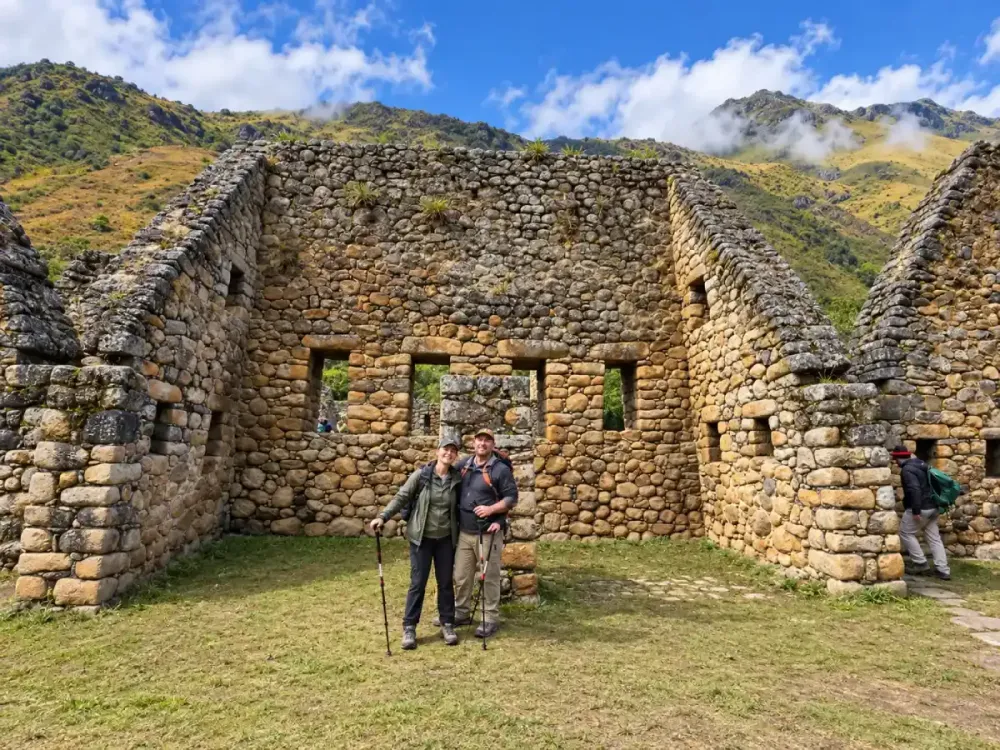
Because Chachabamba forms part of a full trekking day, it is better to carry a light daypack.
Useful items include:
- Water.
- Sun protection.
- Hat or cap.
- Waterproof jacket.
- Light warm layer.
- Snacks.
- Travel documents.
- Personal medication.
- Camera or phone.
Avoid carrying things you will not use during the hike.
Every extra kilo can feel much heavier during the climb toward Wiñay Wayna.
Read what to pack for the Inca Trail to prepare your daypack properly.
Is Chachabamba part of the Classic 4 Day Inca Trail?
No.
Chachabamba is not part of the standard route that begins at Km 82.
It is mainly associated with the Short Inca Trail routes that begin at Km 104.
This helps distinguish both itineraries.
On the Classic route, travelers visit sites such as Runkurakay, Sayacmarca and Phuyupatamarka.
On the Short route, the archaeological sequence includes Chachabamba and Wiñay Wayna before continuing toward Inti Punku.
If you are still deciding which route to choose, read 2 Day vs 4 Day Inca Trail.
Chachabamba vs Wiñay Wayna: are they similar?
No.
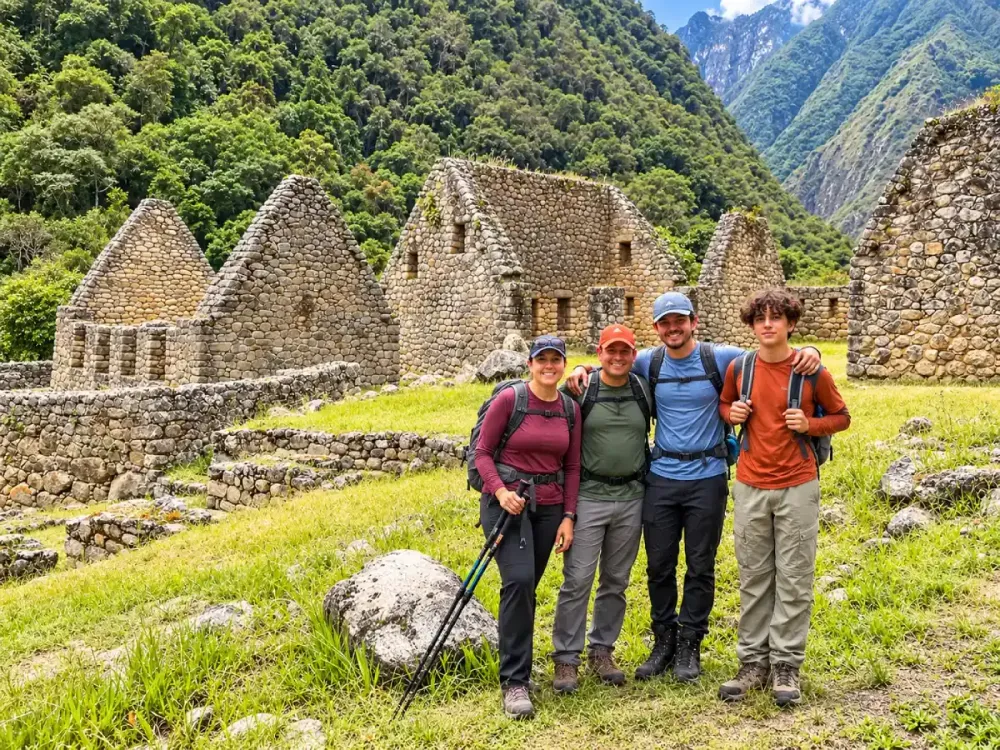
They are two different archaeological sites that appear at different stages of the hike.
Chachabamba is located close to the beginning of the route from Km 104.
Wiñay Wayna appears after a significant climb and has a very different architectural layout, especially because of its terraces built into the mountainside.
Both help travelers understand the archaeological richness of the Short Inca Trail.
It is not really a question of which one is better.
The experience works precisely because both form part of the same historical sequence before reaching Machu Picchu.
What happens after Wiñay Wayna?
After Wiñay Wayna, the ancient trail continues toward one of the most anticipated points of the route: Inti Punku.
The Sun Gate represents the final approach toward Machu Picchu.
For many travelers, this sequence is what makes the Short Inca Trail so special:
Chachabamba opens the archaeological experience, Wiñay Wayna reveals one of the most impressive complexes on the route, and Inti Punku prepares the arrival at Machu Picchu.
Is Chachabamba worth visiting?
Yes.
Chachabamba should not be seen simply as a quick stop before Wiñay Wayna.
It introduces travelers to the historical dimension of the Short Inca Trail.
Its architecture, relationship with water and location along the ancient road help show that the journey to Machu Picchu begins long before the citadel itself comes into view.
Visiting Chachabamba with a guide also helps travelers notice details that could easily be missed during a quick stop.
Chachabamba: the first archaeological stop from Km 104
Chachabamba on the Inca Trail marks the archaeological beginning of the Short Inca Trail to Machu Picchu.
Its proximity to Km 104, architecture integrated into the landscape and connection with the ancient Inca road system make it an ideal introduction before beginning the climb toward Wiñay Wayna.
If you are planning this experience, complement this guide with Km 104: starting point of the Short Inca Trail, Wiñay Wayna, Inti Punku, Inca Trail difficulty and what to pack for the Inca Trail.
If you want to experience this historic section yourself, explore our Short Inca Trail 2 Days or 1 Day Inca Trail.
Before choosing your dates, also check Inca Trail availability 2026 and 2027 to plan your trip in advance.
Personal travel advice
Plan your trip with Dreamy Tours
Start a tailored journey with our exclusive tours and custom trips across Peru and other Latin American countries.