Search the blog
Tabla de contenidos
Inca Trail permits are one of the first things you should check when planning a trek to Machu Picchu. Unlike many other hiking routes around Cusco, access to the Inca Trail network is regulated and subject to daily limits designed to protect both the archaeological heritage and the natural environment of the Historic Sanctuary of Machu Picchu.
This means you cannot simply arrive in Cusco and decide to hike the trail a few days later. Your travel date, chosen route and personal information must be connected to the corresponding entry authorization. Availability can also change quickly, especially during the busiest travel months.
At Dreamy Tours, we recommend checking available spaces first and confirming your trekking date before organizing hotels, domestic flights and other activities around Cusco. You can begin by checking our Inca Trail availability 2026 and 2027.
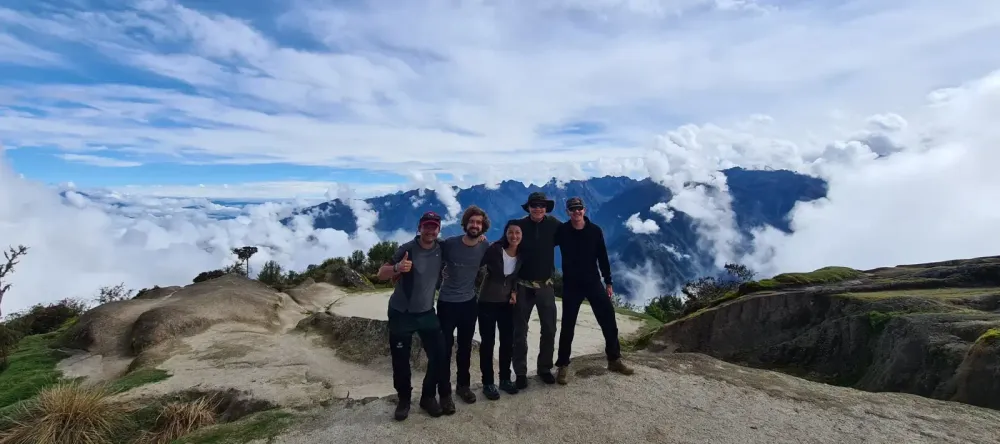
Why do you need a permit for the Inca Trail?
The Inca Trail is not an open-access hiking path. It forms part of the protected Inca road network within the Machu Picchu archaeological and natural area, where tourism is regulated to reduce the impact on ancient paths, archaeological sites and the surrounding ecosystem.
The route crosses a culturally important landscape containing original Inca roads, archaeological complexes, mountain passes and cloud forest. Because of this combination of heritage and environment, visitor access is controlled rather than left unrestricted.
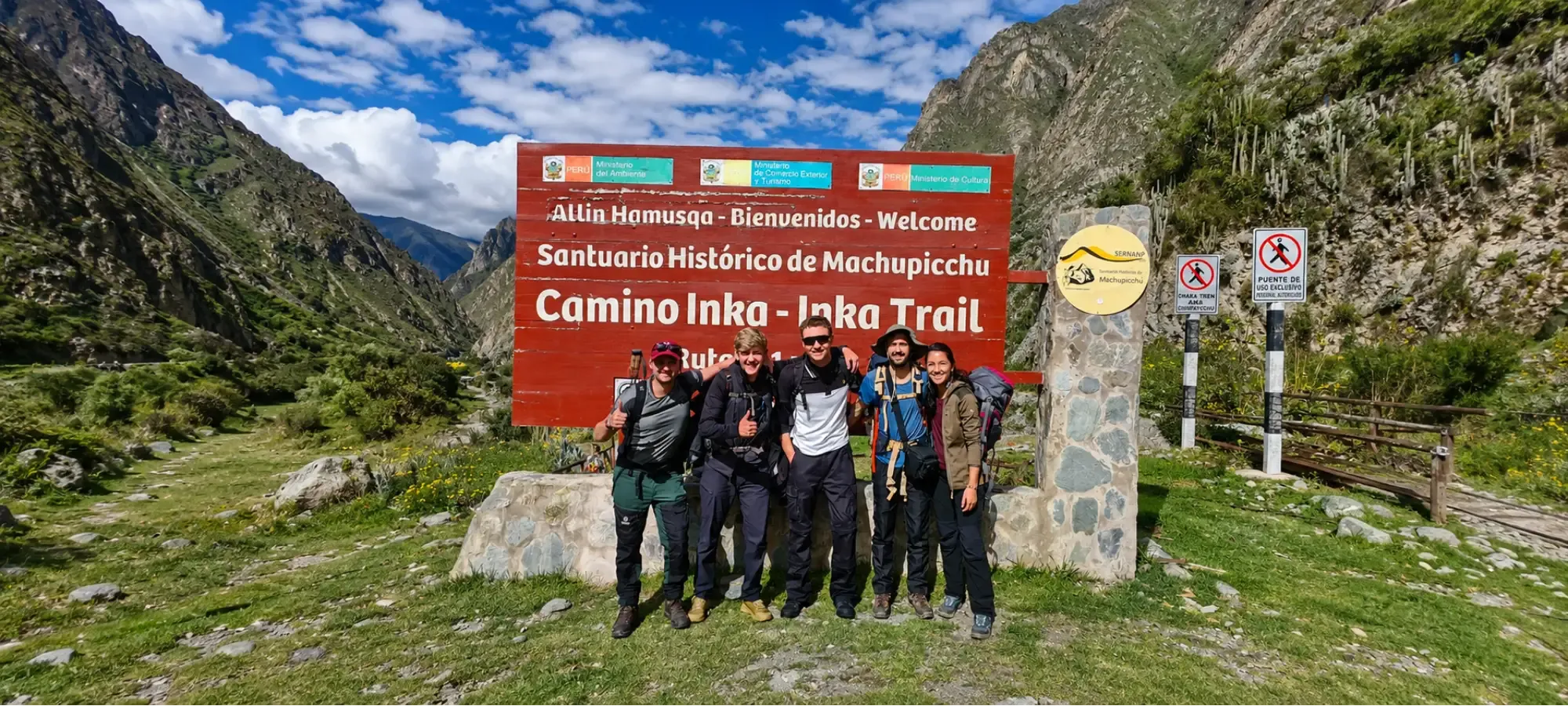
At official access points, authorized personnel verify the identity of travelers and the registration of the group before entry. On the Classic route, this process takes place around Piscacucho, commonly known as Km 82.
The permit is therefore not simply an administrative formality. It is part of the system used to control how many people enter the protected trail network each day and to help preserve the route for future visitors.
How many Inca Trail permits are available each day?
The official capacity of the wider Inca Trail network includes both visitors and personnel involved in tourism operations. This is an important distinction because the total daily capacity should not be interpreted as the number of tourist permits available for one specific trekking route.
Guides, porters and other authorized personnel also form part of the daily operation. In addition, different routes within the Inca Trail network have their own access points and availability.
For this reason, statements such as “there are hundreds of tourist tickets available every day” can be misleading. What matters to you as a traveler is the number of spaces still available for your specific route and departure date.
| Aspect | How it works |
|---|---|
| Is daily access limited? | Yes |
| Are all spaces only for tourists? | No |
| Is availability the same for every route? | No |
| Does availability change by date? | Yes |
| Can popular dates sell out? | Yes |
| Should you check before planning the rest of your trip? | Yes |
If you already know approximately when you want to travel, check Inca Trail availability before finalizing the rest of your Peru itinerary.
Which routes require an Inca Trail permit?
When travelers hear “Inca Trail permit,” they often imagine a single trail. In reality, the protected Inca road network includes different authorized routes and access points.
For most international travelers, the two best-known options are the Classic Inca Trail and the Short Inca Trail.
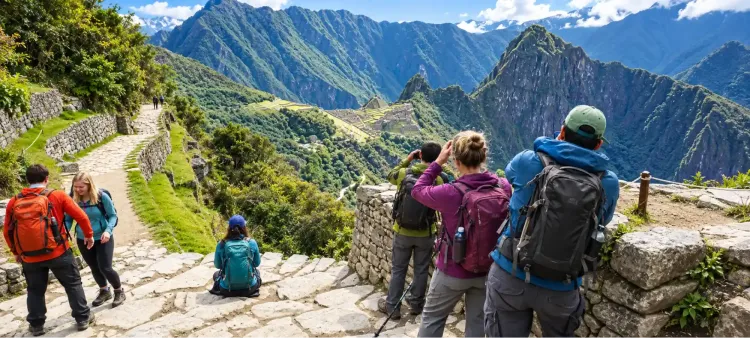
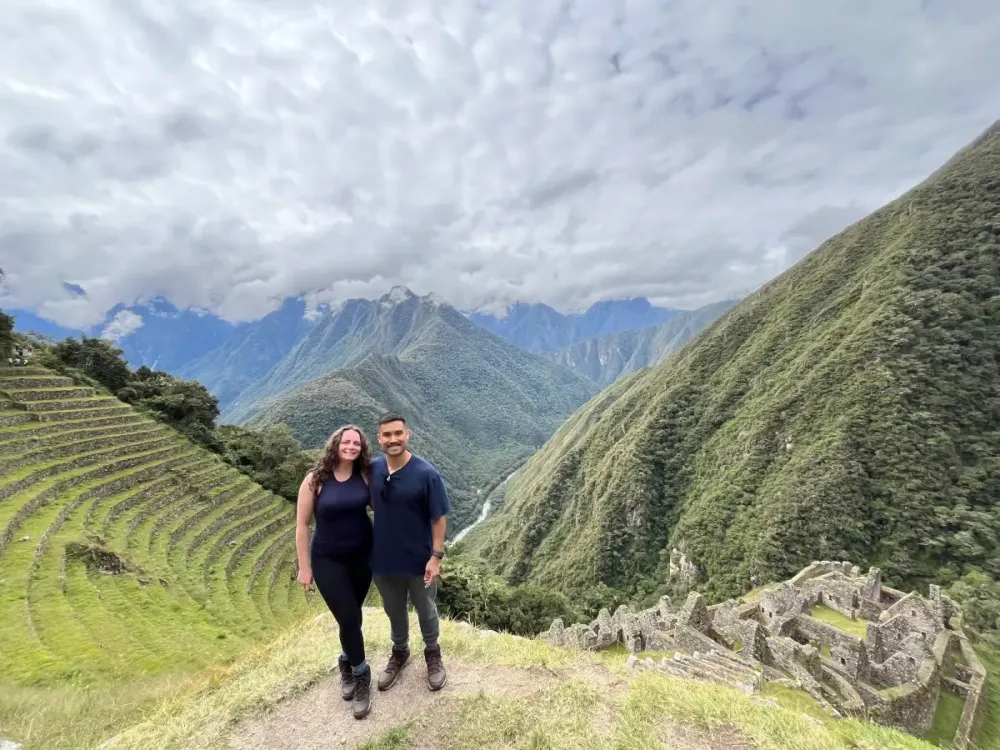
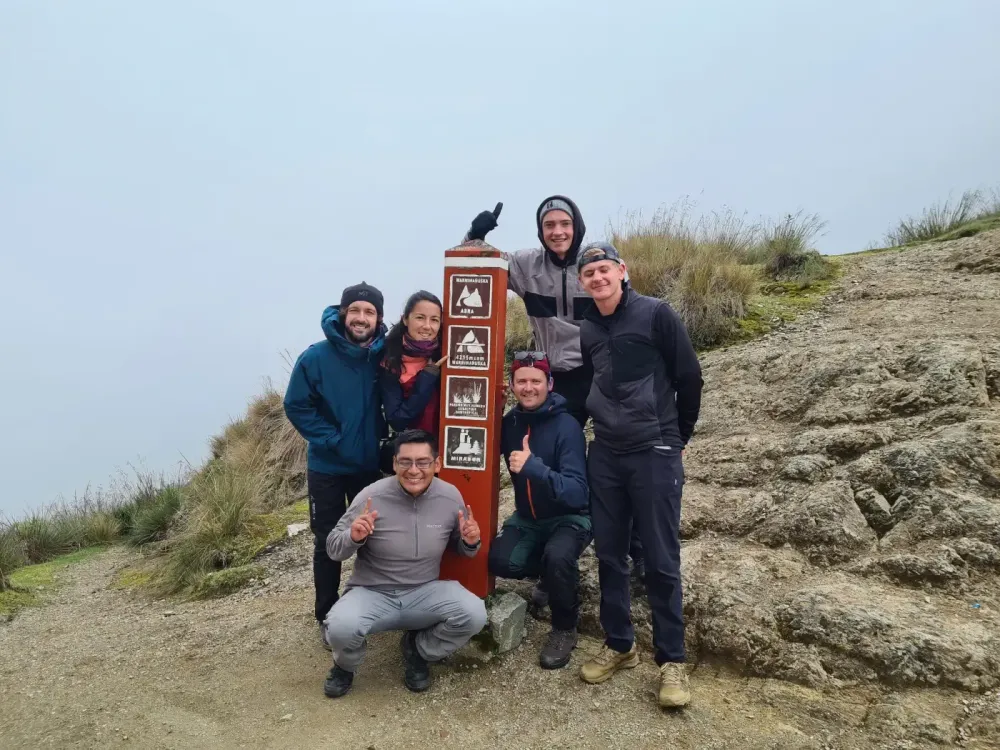
The Classic Inca Trail route traditionally begins around Km 82 at Piscacucho. Over several days, hikers cross mountain passes and archaeological sites before reaching Wiñay Wayna, Inti Punku and Machu Picchu.
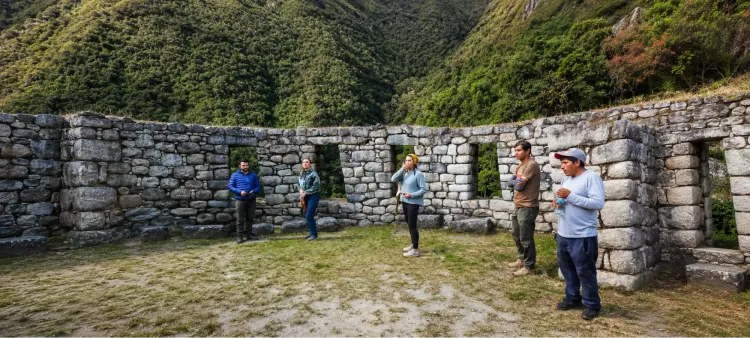
The Short Inca Trail 2 Days begins around Km 104 and follows a shorter section of the protected trail through Chachabamba, Wiñay Wayna and Inti Punku before reaching Machu Picchu.
Both routes use protected sections of the Inca Trail network, but they do not follow the same itinerary or share exactly the same availability.
How does the permit work for the 4-day Inca Trail?
The Classic Inca Trail 4 Days uses the traditional route beginning near Piscacucho, commonly known as Km 82.
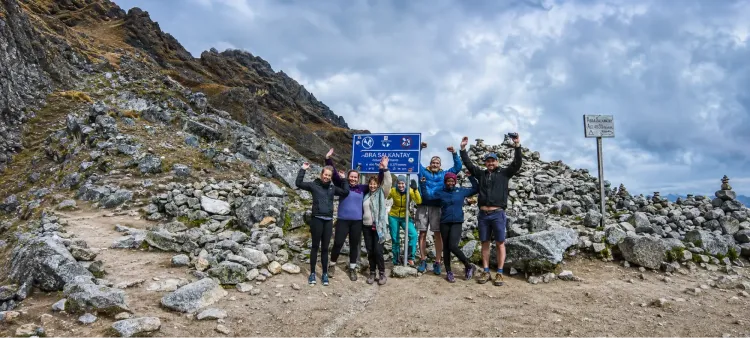
From there, the trek continues through areas such as Wayllabamba, Dead Woman’s Pass, Pacaymayo, Runkurakay, Sayacmarca, Phuyupatamarka, Wiñay Wayna and Inti Punku before reaching Machu Picchu.
Because this is a regulated route, access needs to be arranged in advance. We do not recommend arriving in Cusco expecting to secure a place for the following day, particularly if hiking the Inca Trail is one of the main reasons for your trip to Peru.
The Classic route also requires much more than simply obtaining an entry permit. A multi-day trek involves guides, support staff, camping logistics, food and transportation, all coordinated within a protected area.
Is the Inca Trail open all year?
Does the 2-day Inca Trail also require a permit?
Yes. Choosing a shorter route does not mean you can enter the Inca Trail without authorization.
The Short Inca Trail begins around Km 104 and enters through the Chachabamba sector before continuing toward Wiñay Wayna, Inti Punku and Machu Picchu.
This route is particularly attractive to travelers who want to experience original Inca paths and archaeological sites but do not have four days available for the Classic trek.
The Short Inca Trail 2 Days still uses a protected and regulated part of the Inca road network, so availability should also be checked before organizing your travel dates.
If you are still deciding between different options, our guide to the Classic Inca Trail route can help you understand how the traditional itinerary develops.
How are Inca Trail permits booked?
The booking system for the Inca Trail is connected to regulated access to the protected route. The traveler’s personal information, trekking date and selected route need to be registered correctly before entry.
The process is not the same as purchasing a simple attraction ticket at the entrance. Hiking the Inca Trail requires coordination between the regulated entry, the authorized tourism operation and the services needed for the chosen route.
For organized treks, travel agencies continue to play an important role because the trekking operation involves much more than access alone. Guides, transportation, support staff, meals and route logistics must all be coordinated according to the itinerary.
At Dreamy Tours, we recommend confirming availability before making other non-refundable arrangements around your trekking date.
What information do you need to book an Inca Trail permit?
The permit is linked to the identity of the traveler, so the information provided during the reservation process must match the person who will actually hike the trail.
You should normally have the following information ready:
- Full name exactly as shown on your passport.
- Passport or travel document number.
- Nationality.
- Date of birth.
- Preferred trekking date.
- Selected Inca Trail route.
- Number of travelers.
It is important to enter these details carefully. Your travel document should correspond with the information used when your booking was arranged.
If you renew your passport after making the reservation, contact your tour operator before traveling so they can explain the procedure that applies to your booking.
Is the Inca Trail permit included in the tour?
When booking an organized trek, always review what the program includes rather than assuming that every service is automatically covered.
On our Classic Inca Trail 4 Days and Short Inca Trail 2 Days pages, you can review the current itinerary, transportation, meals, entrance arrangements and other services included in each experience.
Thinking only in terms of “buying a permit” can oversimplify the process. An Inca Trail trek requires several elements to work together, including regulated entry, guiding services, transportation and, on the Classic route, multi-day trekking logistics.
Can you buy an Inca Trail permit after arriving in Cusco?
Relying on this strategy is not recommended.
Availability changes throughout the year, and high-demand departure dates can sell out well in advance. Since access is limited and linked to specific dates, waiting until you arrive in Cusco could leave you without a place on your preferred route.
If the Inca Trail is one of the main experiences you want during your trip to Peru, it should be one of the first reservations you organize.
A practical planning sequence looks like this:
| Order | What to organize |
|---|---|
| 1 | Decide approximately when you will travel to Peru |
| 2 | Check Inca Trail availability |
| 3 | Choose between the Classic and Short routes |
| 4 | Confirm your trekking departure |
| 5 | Allow time for acclimatization in Cusco |
| 6 | Arrange hotels, other tours and transportation |
This order reduces the risk of planning your entire Peru trip only to discover that your preferred Inca Trail date is no longer available.
How far in advance should you book the Inca Trail?
There is no single number of months that guarantees availability for every departure date. Demand varies throughout the year, and some dates sell out faster than others.
At Dreamy Tours, we recommend planning several months ahead when the Inca Trail is an essential part of your trip, particularly if your travel dates are not flexible or if you plan to visit during popular months.
However, checking real availability is more useful than relying on a rigid rule such as “always book two months in advance.”
The best approach is to check Inca Trail availability 2026 and 2027 as soon as you have an approximate travel period.
Are 2026 Inca Trail permits already available?
For 2026 travel, the important question is no longer whether the season has opened, but which routes and departure dates still have spaces available.
Availability changes as bookings are confirmed, so travelers planning a trek during 2026 should check their preferred date as early as possible.
For future seasons, such as 2027, the official release and booking process should always be confirmed according to the schedule established by the relevant Peruvian authorities.
For this reason, we avoid presenting future availability as confirmed until the corresponding official information has been released.
What happens if your preferred date is sold out?
If the Classic Inca Trail is unavailable on your preferred date, you still have several options.
First, check nearby departure dates. If your itinerary is flexible, moving the trek by one or two days may provide alternatives.
You can also check the Short Inca Trail 2 Days, particularly if your priority is to walk an original section of the Inca Trail and reach Machu Picchu through Wiñay Wayna and Inti Punku.
Another possibility is choosing a different multi-day trek in the Cusco region, depending on your travel interests and available time.
What you should not do is assume you can enter the Inca Trail without confirmed access or purchase an unofficial service promising entry outside the regulated system.
Is the Inca Trail closed in February?
Yes. The Inca Trail network closes during February for annual conservation and maintenance work.
During this period, teams carry out maintenance on trails, campsites, signs and infrastructure, as well as environmental and conservation work within the protected area.
This closure is an important part of preserving the trail and allowing maintenance to take place without regular tourist traffic.
If your Peru trip falls in February and hiking the regulated Inca Trail is one of your main goals, you will need to consider an alternative trekking route around Cusco.
Can the Inca Trail close temporarily outside February?
Yes. Although February is the scheduled annual closure, temporary restrictions can also occur at other times when weather or safety conditions require them.
Heavy rainfall, landslides or damage to sections of the trail can occasionally lead authorities to suspend access while inspections, cleaning or repairs are completed.
This is another reason to follow official instructions and remain in contact with your tour operator before beginning the trek.
A confirmed permit provides access for the planned departure, but safety conditions always take priority.
What document should you carry on the day of entry?
You should travel with the same identification document used to arrange your reservation.
At official checkpoints, traveler information may be verified before the group is allowed to enter the protected route.
For international visitors, this usually means carrying the passport associated with the booking.
Before traveling, check that the information on your document matches the details used for your reservation. If you have renewed your passport since booking, contact your operator in advance rather than waiting until the day the trek begins.
Does having a permit mean the Inca Trail is easy?
No. A confirmed permit solves the access requirement, not the physical challenge of the trek.
The Classic Inca Trail 4 Days reaches approximately 4,200 meters at Dead Woman’s Pass and includes several days of hiking with significant ascents, descents and stone stairways.
If you are still deciding whether the trek matches your fitness level, read our guide to Inca Trail difficulty and Inca Trail for beginners.
You should also allow time to acclimatize before starting the trek, particularly if you arrive in Cusco directly from a low-altitude destination.
Inca Trail permits: what to remember before booking
The Inca Trail permit system exists to regulate access and support the conservation of one of Peru’s most important cultural and natural routes. Entry is limited, routes are controlled and travelers must be properly registered before entering the protected trail network.
For travelers, the planning process can be kept simple: choose the route that suits you, check real availability and confirm your departure before organizing the rest of your trip around it.
If you want the complete multi-day journey from Km 82 to Machu Picchu, explore the Classic Inca Trail 4 Days. If you prefer a shorter experience beginning around Km 104, review the Short Inca Trail 2 Days.
And once you have an approximate travel date, your next step should be checking Inca Trail availability 2026 and 2027 before confirming the rest of your stay in Cusco.
No. The Inca Trail normally closes during February for annual maintenance and conservation work.
Travelers visiting Peru during this month can still visit Machu Picchu using other transportation options or explore alternative treks around Cusco.
If hiking the Inca Trail is essential to your trip, plan your Peru vacation for another month.
What happens if Inca Trail permits are sold out?
A sold-out date does not necessarily mean you have to cancel your Machu Picchu plans.
Depending on your itinerary, you may be able to:
- Check nearby departure dates.
- Look for Short Inca Trail availability.
- Consider an alternative trek to Machu Picchu.
- Adjust the order of your Cusco itinerary.
This is another reason why checking availability early gives you more flexibility when planning your trip.
Plan your Inca Trail to Machu Picchu
Walking along ancient Inca paths, discovering archaeological sites hidden among the mountains and finally approaching Machu Picchu through the Sun Gate makes this route one of Peru's most memorable travel experiences.
But the limited number of Inca Trail permits means planning matters.
If you are preparing your Peru vacation, check Inca Trail availability for 2026 -2027 first and choose between the Classic Inca Trail 4 days and the Short Inca Trail 2 days according to your travel schedule and preferred trekking experience.
Check availability for your travel dates and start planning your Inca Trail to Machu Picchu with Dreamy Tours.
Personal travel advice
Plan your trip with Dreamy Tours
Start a tailored journey with our exclusive tours and custom trips across Peru and other Latin American countries.