Inca Trail

Inti Punku: The Sun Gate on the Inca Trail to Machu Picchu

September 25, 2026
Tabla de contenidos

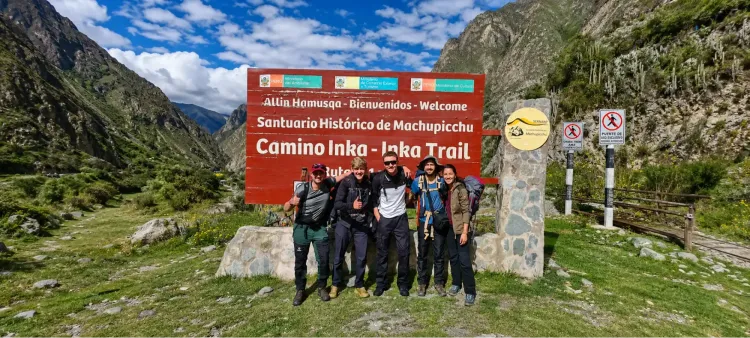
Inti Punku on the Inca Trail is one of the most anticipated points for travelers approaching Machu Picchu on foot.

Also known as the Sun Gate, Inti Punku marks one of the most symbolic moments of the journey. After hiking along ancient Inca paths, stone stairways and mountain trails, Machu Picchu finally begins to appear within the surrounding landscape.

Travelers on both the Short Inca Trail 2 Days and the Classic Inca Trail 4 Days approach Machu Picchu through this historic section of the trail. Dreamy Tours places Inti Punku at approximately 2,780 meters above sea level on its Short Inca Trail itinerary.

But Inti Punku is much more than a viewpoint.

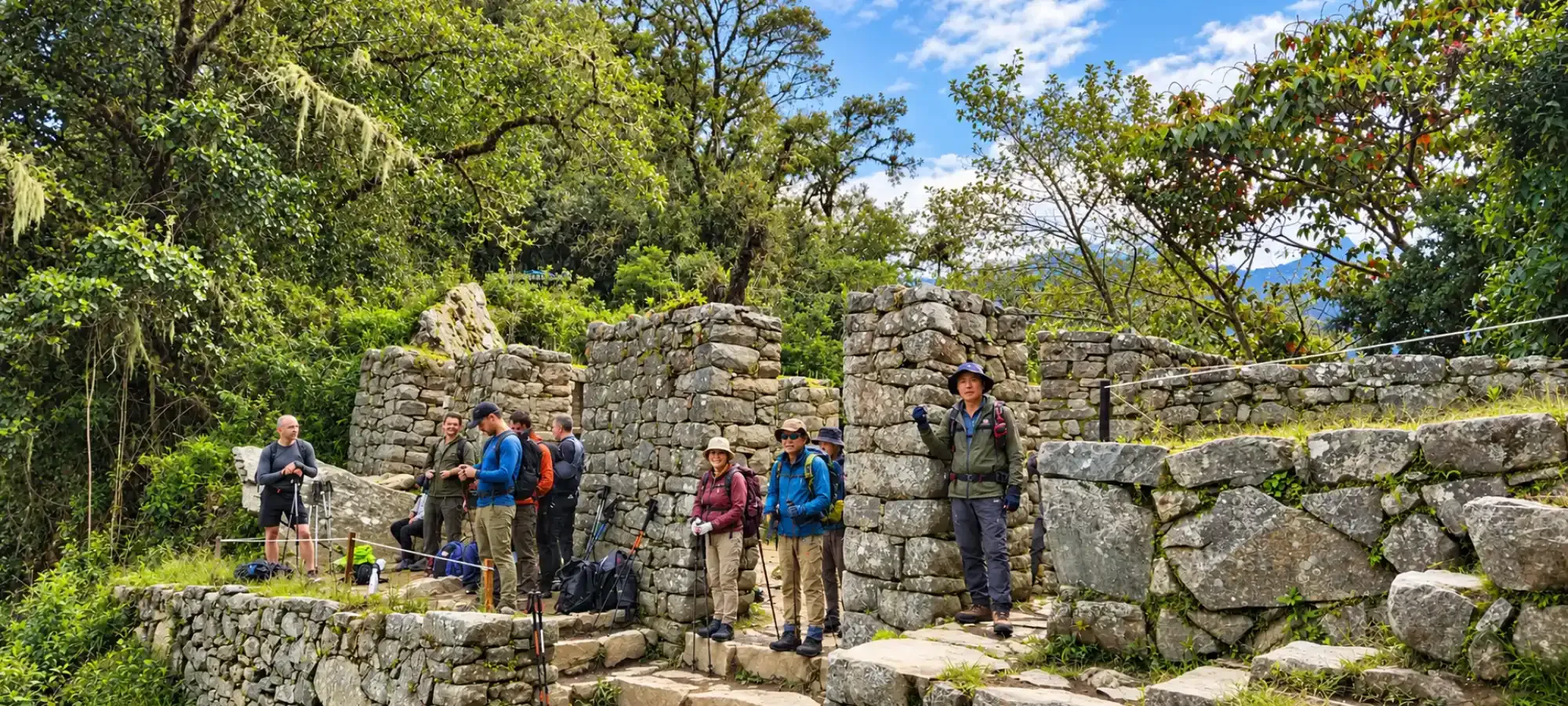
It forms part of the ancient Inca road system and represents the final stage of an archaeological journey that, depending on the route, can include Chachabamba, Wiñay Wayna, Runkurakay and Sayacmarca.
What is Inti Punku?

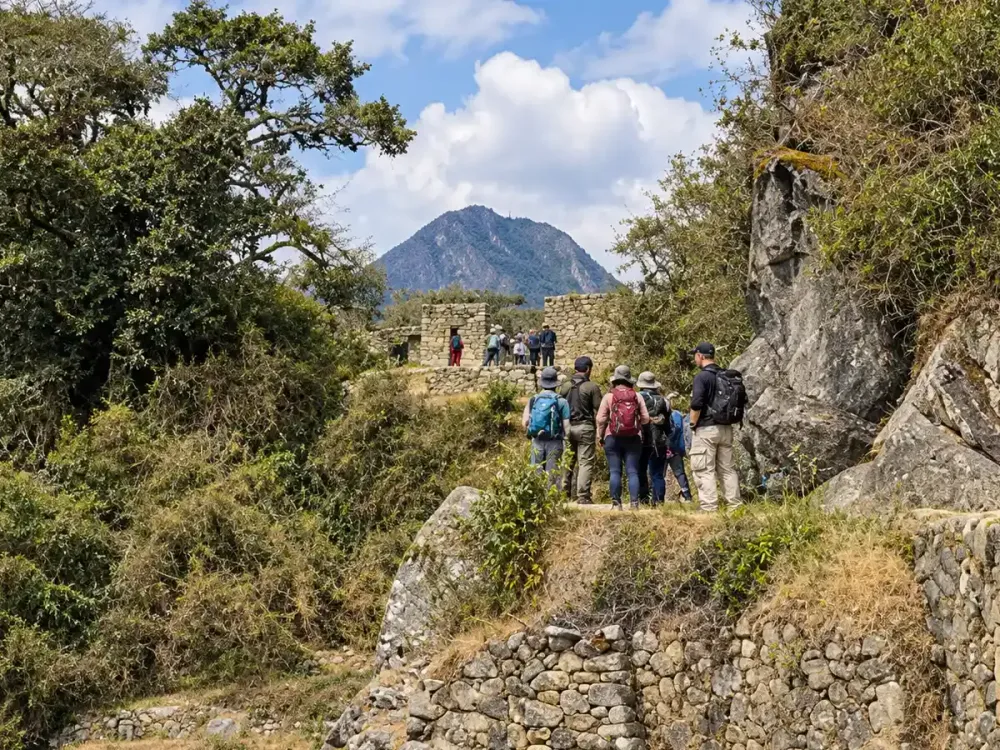
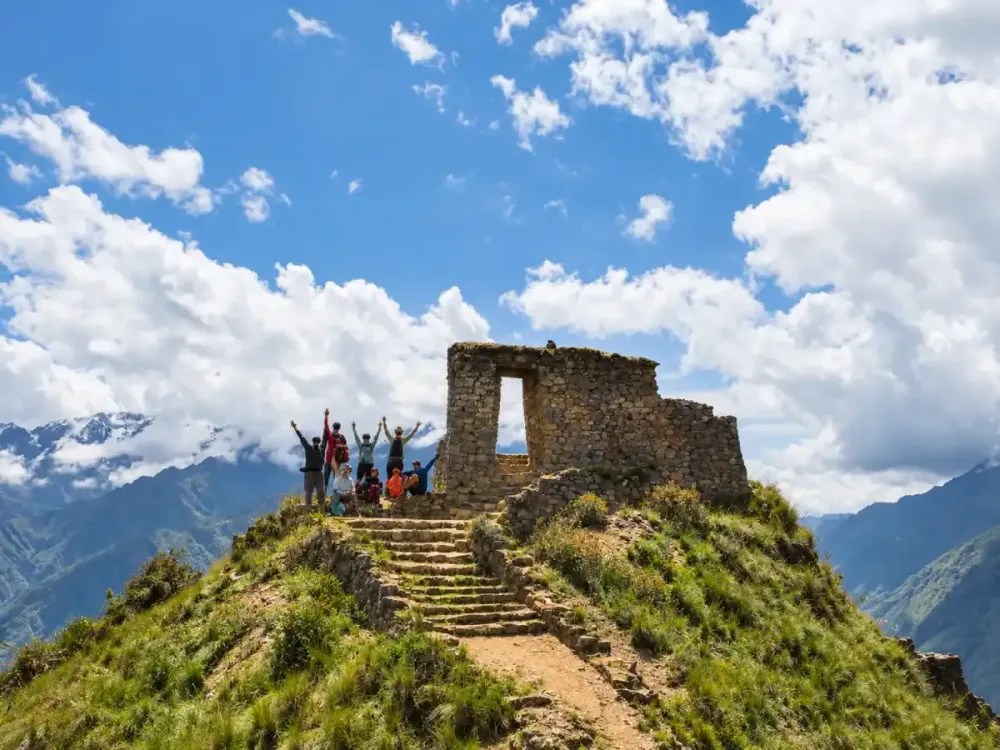
Inti Punku is an archaeological structure located along the historic approach to Machu Picchu.

Its name comes from Quechua and is commonly translated as “Sun Gate.”

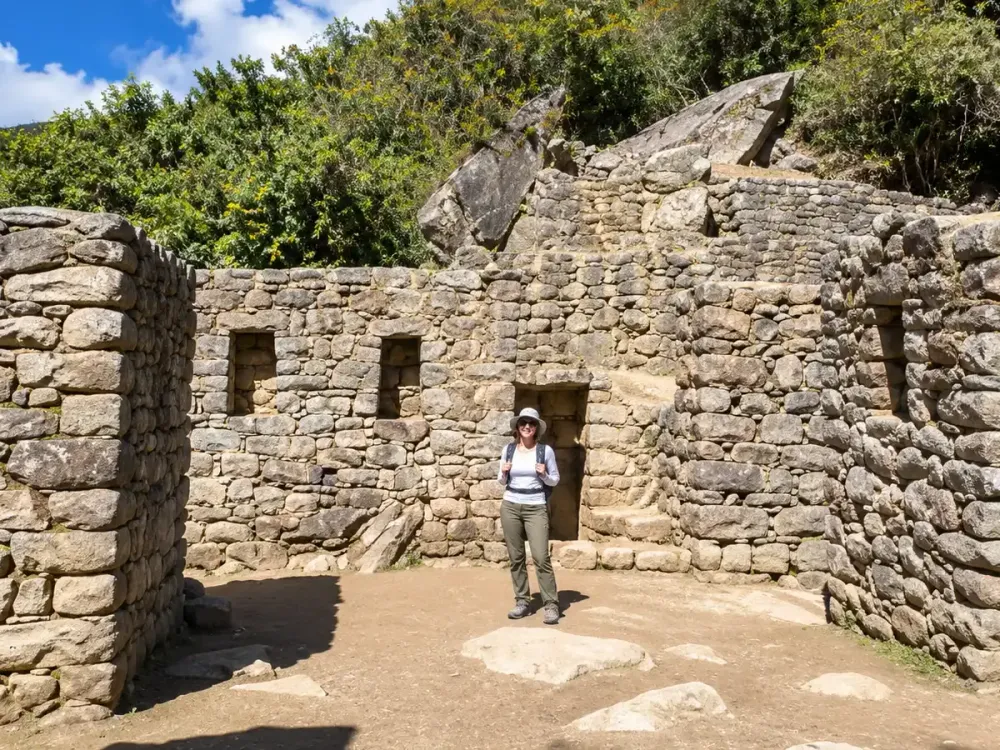
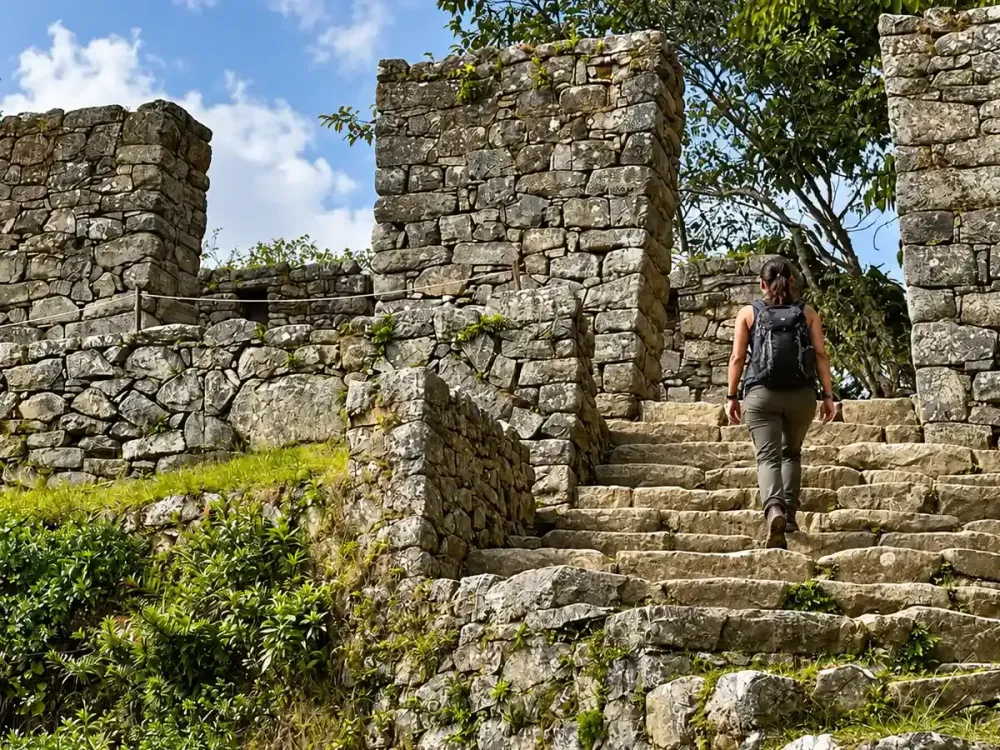
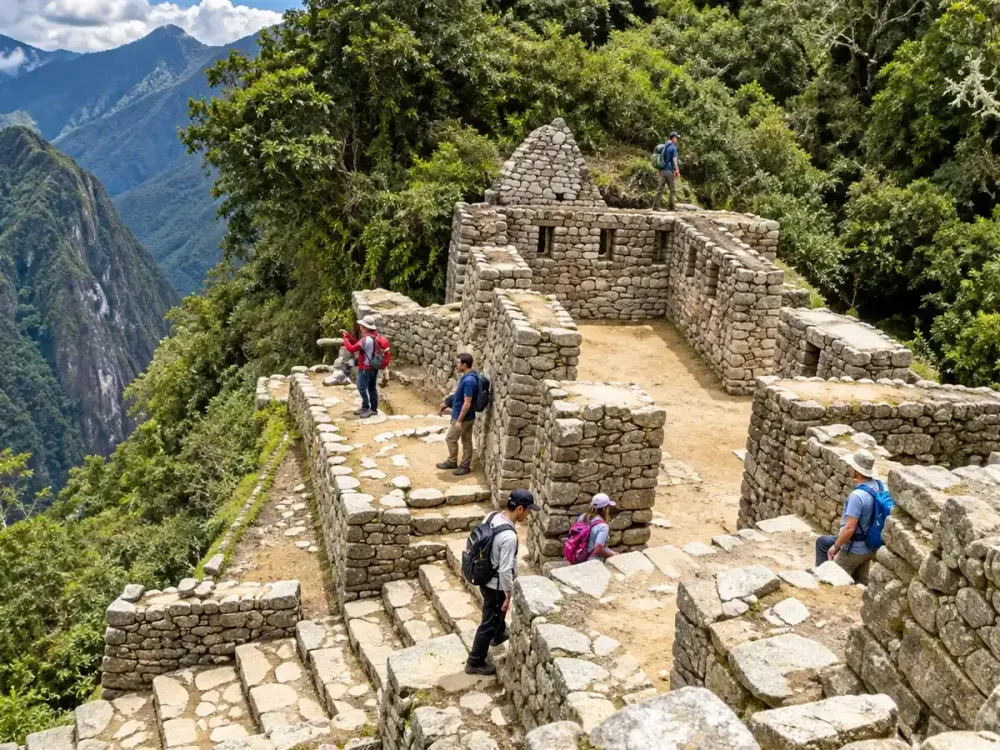
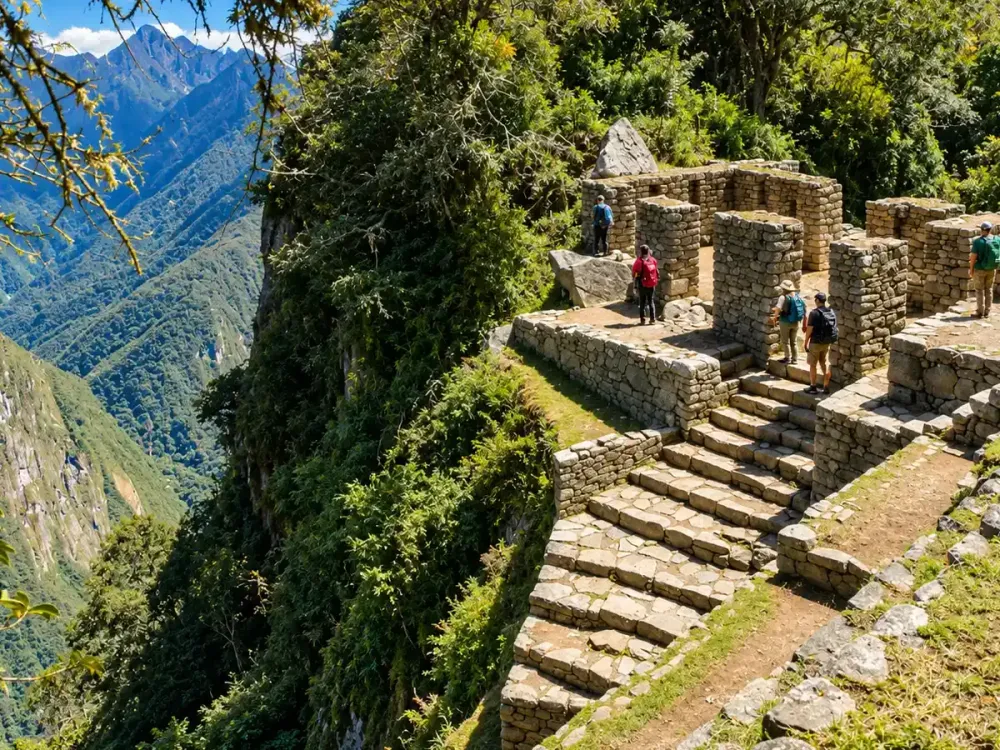
The site consists of stone structures and ancient paths built directly into the mountain landscape.

Its elevated position offers a very different perspective of Machu Picchu compared with arriving directly by bus.

For travelers hiking the Inca Trail, Inti Punku acts as the transition between the trek itself and the final arrival at Machu Picchu.
Where is Inti Punku located?

Inti Punku is located in the mountains above Machu Picchu, along the final section of the historic Inca Trail.

Travelers approaching through the Inca Trail arrive from the direction of Wiñay Wayna.

After continuing along original stone paths and through the final sections of cloud forest, the trail reaches the Sun Gate.

The Classic Inca Trail route follows this historic approach before continuing down toward Machu Picchu.
What is the altitude of Inti Punku?

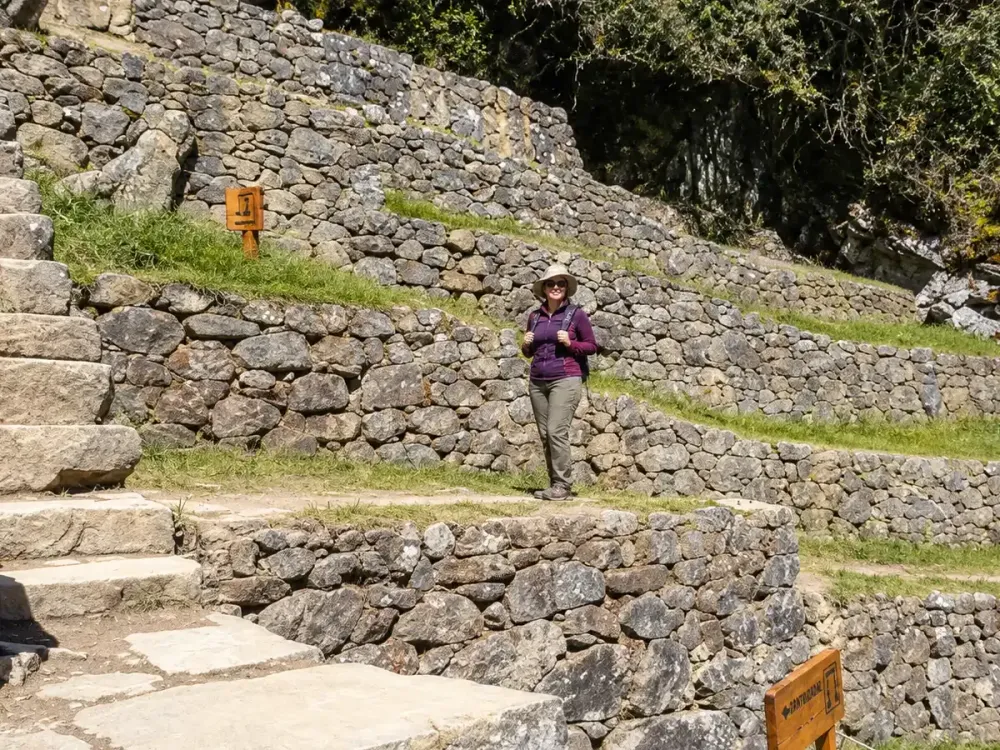
Inti Punku is located at approximately 2,780 meters above sea level on the route used by Dreamy Tours.

This means it sits above Machu Picchu but considerably below the highest mountain passes of the Classic Inca Trail.

Dead Woman’s Pass, for example, reaches approximately 4,200 meters.

By the time travelers on the Classic route reach Inti Punku, the highest-altitude challenges are already behind them.

To understand how elevation changes throughout the trek, read Inca Trail altitude.
What does Inti Punku mean?

In Quechua, “Inti” means sun and “punku” means gate.

Inti Punku is therefore commonly translated as “Sun Gate.”

The name reflects the importance of the sun within Andean culture and the symbolic relationship between architecture and the surrounding landscape.

Today, the name is especially associated with the historic approach to Machu Picchu and the moment when the archaeological site first begins to appear after the trek.
What was Inti Punku used for?

There is no single explanation that reduces Inti Punku to only one function.

Its location along the ancient road suggests that it may have been connected with controlling access and movement toward Machu Picchu.

Its name, orientation and position have also led to interpretations related to ceremonial and astronomical purposes.

What is clear is that Inti Punku was not an isolated structure.

It formed part of a wider system of roads, gateways and buildings connected with Machu Picchu and the surrounding mountains.
Why is Inti Punku so important on the Inca Trail?

Because it represents one of the most powerful moments of the journey.

On the Classic route, travelers spend several days crossing mountains, archaeological sites and high-altitude passes without seeing Machu Picchu.

Then, at Inti Punku, the destination finally enters the landscape.

A similar experience happens on the Short Inca Trail.

After beginning at Km 104, visiting Chachabamba and climbing toward Wiñay Wayna, the route continues toward the Sun Gate.

That sequence turns Inti Punku into much more than another stop along the trail.
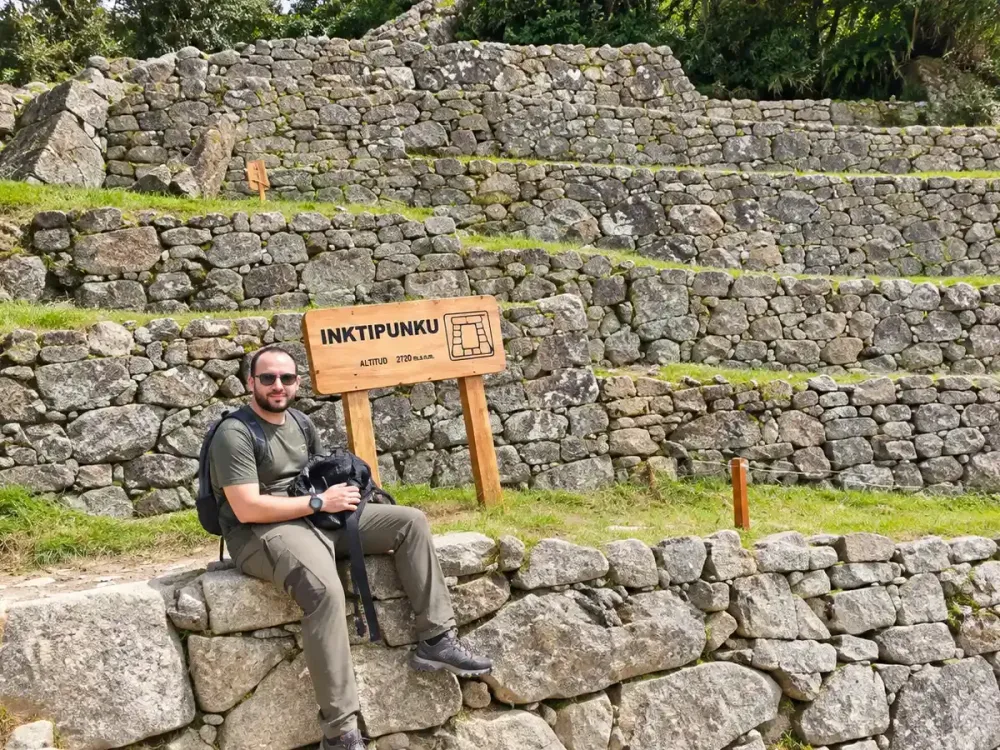
How do you reach Inti Punku on the Short Inca Trail?

On the Short Inca Trail, travelers follow the historic path toward Wiñay Wayna.

After visiting the archaeological complex, the route continues toward Inti Punku.

This final section retains many of the features that make the Inca Trail distinctive:

  • Original stone paths.
  • Inca stairways.
  • Dense vegetation.
  • Uphill and downhill sections.
  • Ancient Inca structures.

Reaching Inti Punku marks the beginning of the final approach toward Machu Picchu.

You can experience the complete sequence on the Short Inca Trail 2 Days.
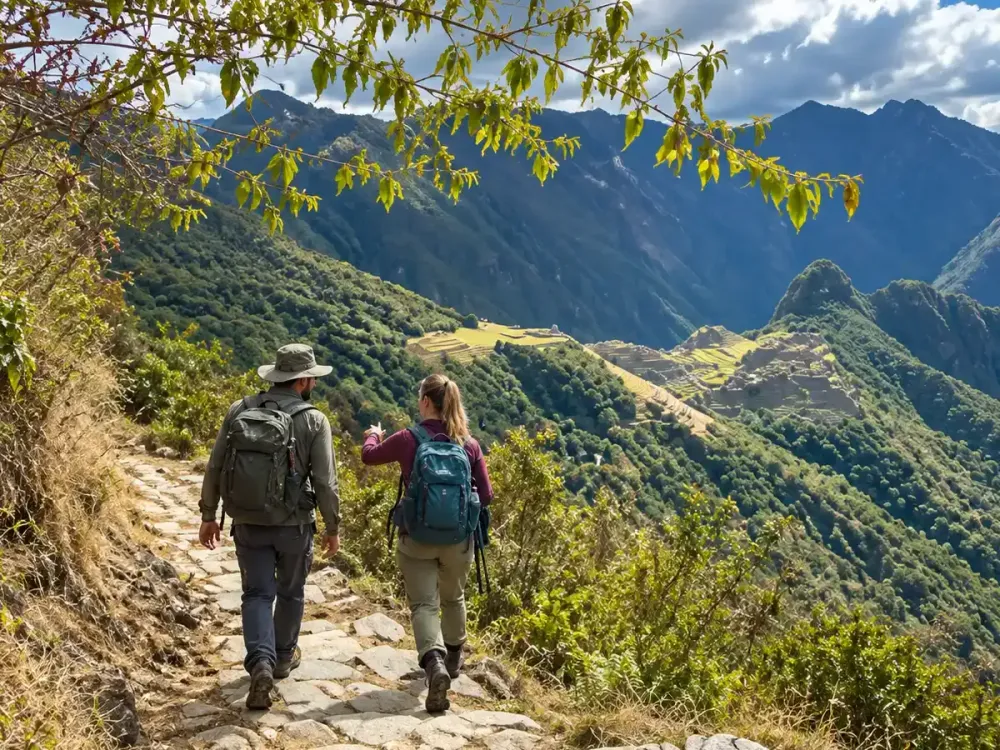
How do you reach Inti Punku on the Classic Inca Trail?

On the Classic Inca Trail 4 Days, Inti Punku appears after several full days of trekking.

Before reaching it, travelers have crossed high mountain terrain and archaeological sites such as Runkurakay, Sayacmarca, Phuyupatamarka and Wiñay Wayna.

This gives the arrival a completely different meaning.

It is not simply the end of a few hours of walking.

It is the culmination of a multi-day journey through changing elevations, ecosystems and archaeological landscapes before reaching Machu Picchu.
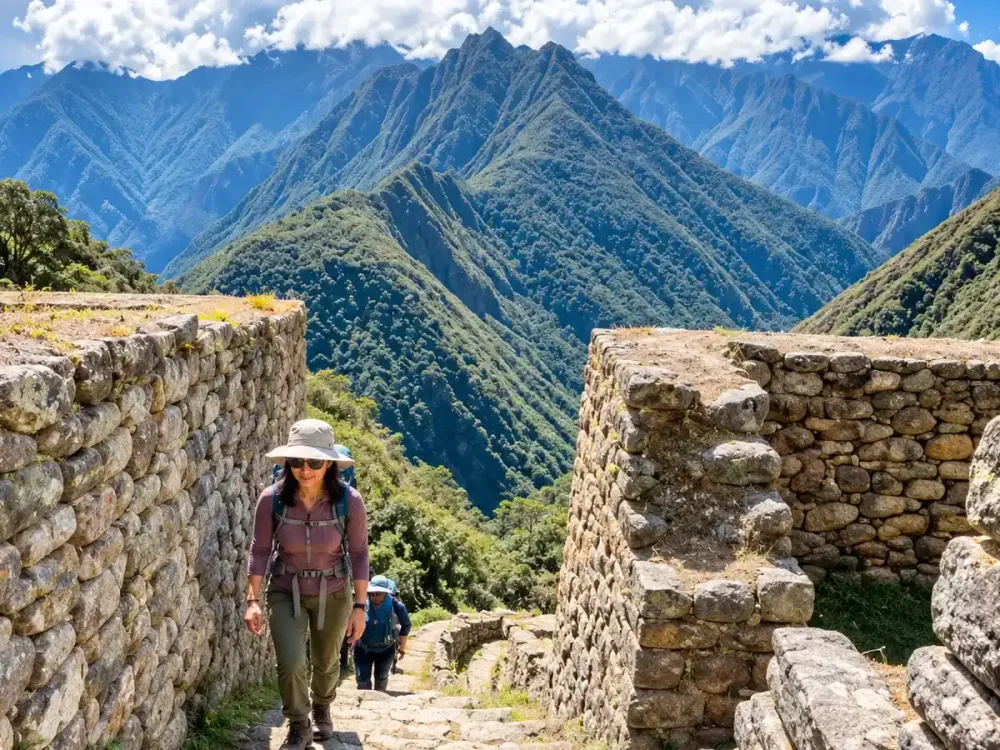
Is Wiñay Wayna before Inti Punku?

Yes.

On the Inca Trail, Wiñay Wayna comes before Inti Punku.

The sequence is especially clear on the Short Inca Trail:

Km 104 → Chachabamba → Wiñay Wayna → Inti Punku → Machu Picchu.

Wiñay Wayna is an archaeological complex known for its terraces and mountain architecture.

Inti Punku, on the other hand, is the Sun Gate and represents one of the historic gateways toward Machu Picchu.

They are different places and play very different roles in the experience.
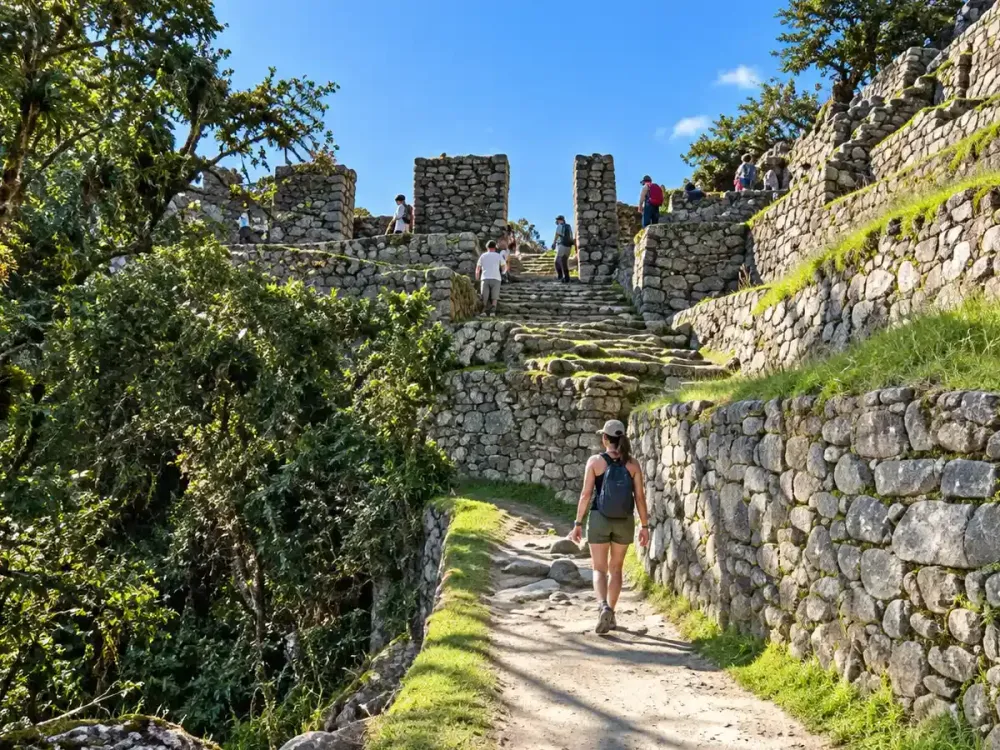
Can you see Machu Picchu from Inti Punku?

Yes.

This is one of the main reasons Inti Punku is so well known.

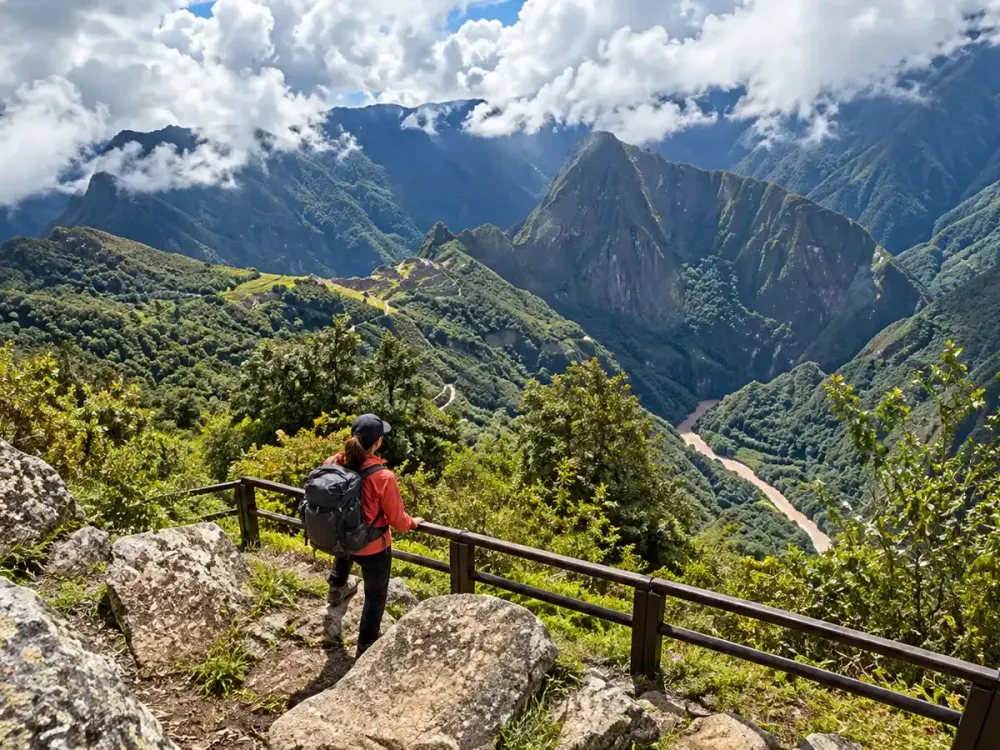
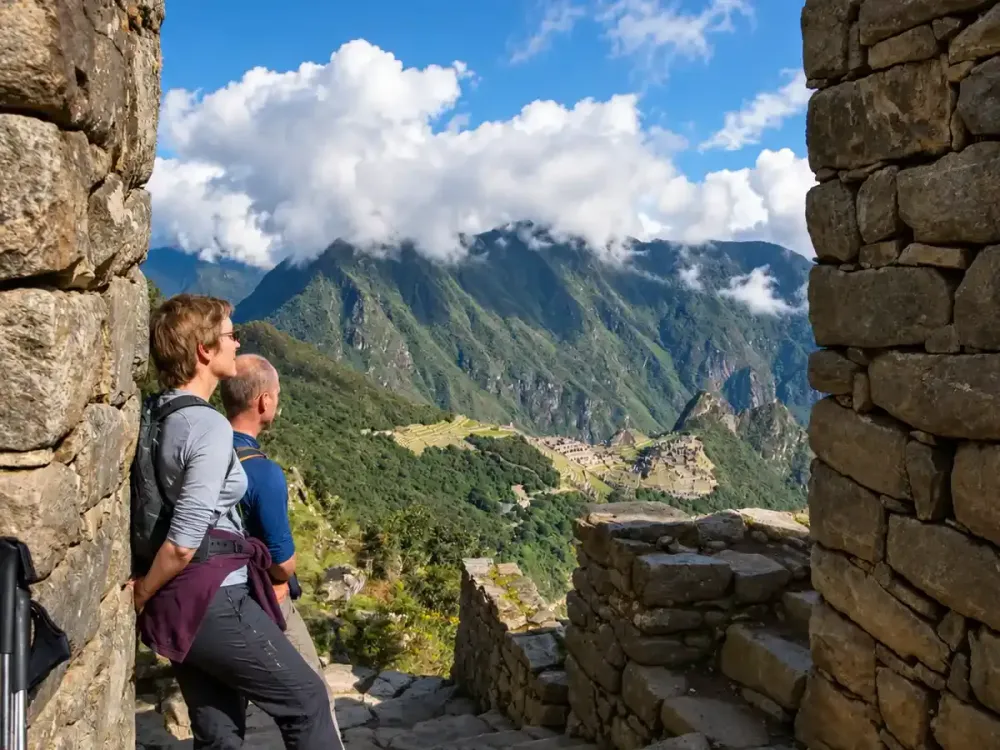
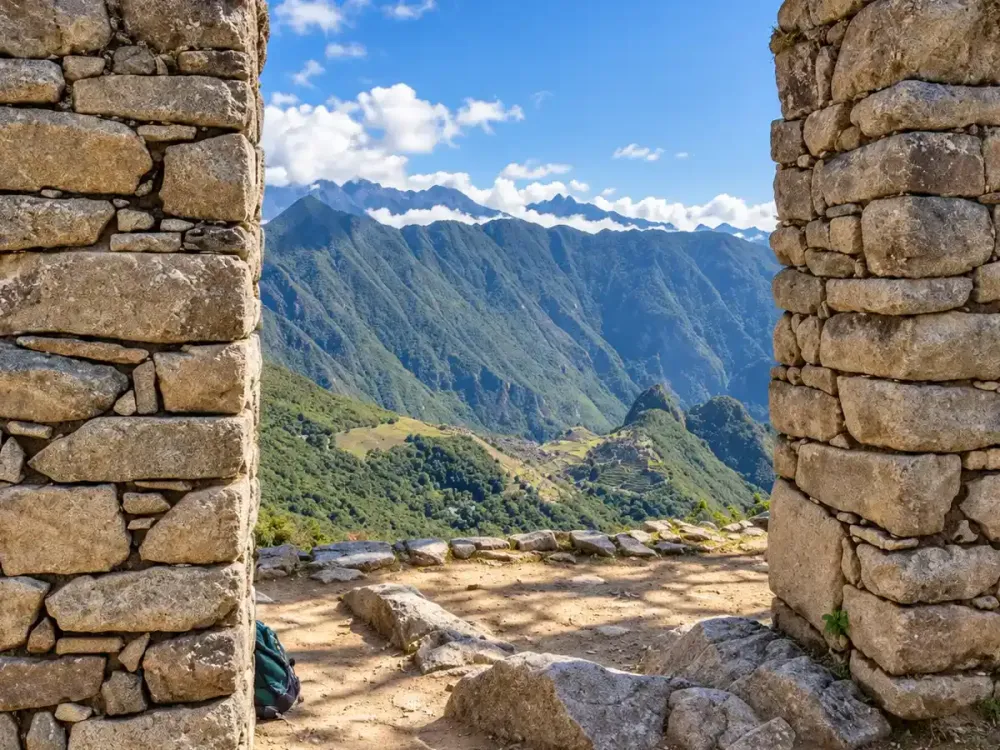
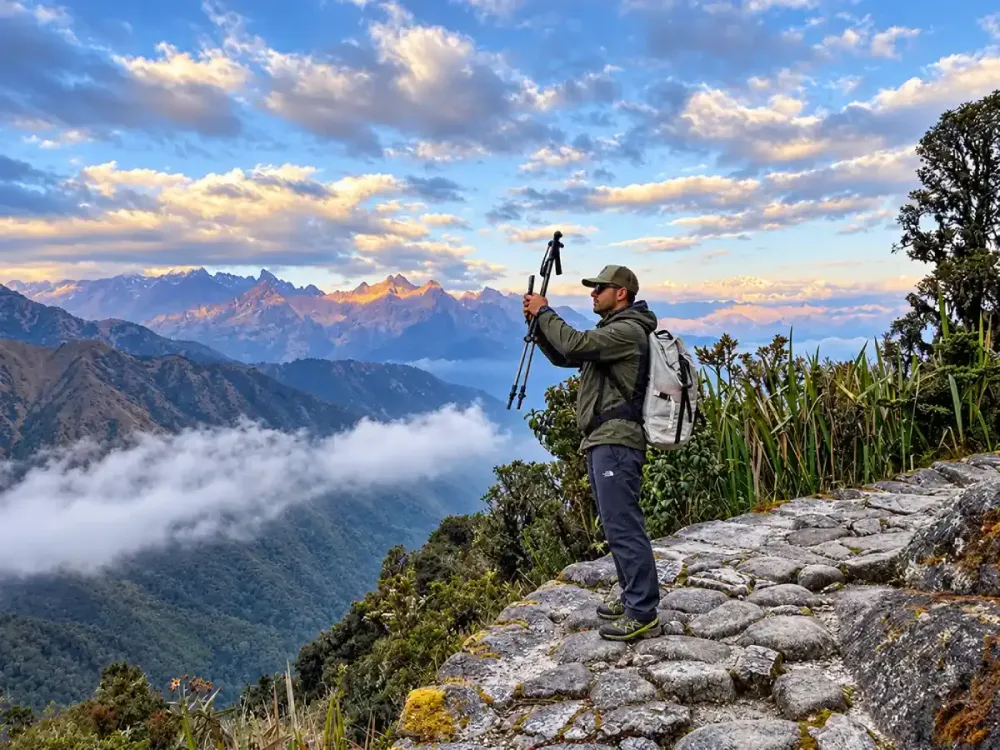
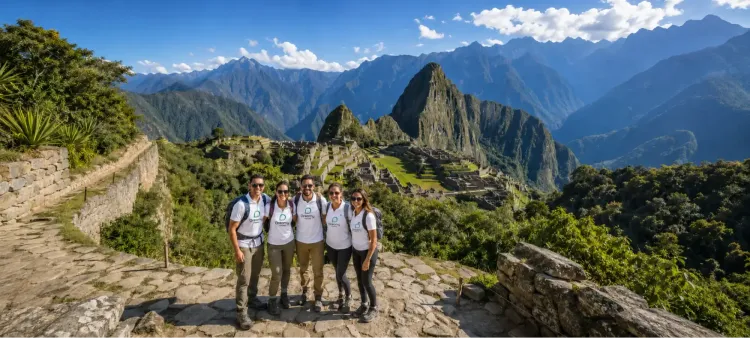
From the Sun Gate, travelers can look toward Machu Picchu and the mountains surrounding the archaeological site.

However, visibility always depends on the weather.

Clouds and mist can move through this area quickly.

Sometimes Machu Picchu may be partially hidden before gradually appearing as the clouds shift.

That changing mountain atmosphere is part of the experience of hiking through the cloud forest environment surrounding Machu Picchu.
What is the best time to reach Inti Punku?

Travelers hiking the Inca Trail do not normally choose Inti Punku as an isolated visit.

The arrival time depends on the itinerary, hiking pace, trail conditions and group logistics.

For this reason, it is better not to plan the experience around one supposedly “perfect” time for photographs.

Mountain weather can change quickly.

Even during the drier months, cloud cover can appear.

If you are still deciding when to travel, read Inca Trail weather and best time to hike the Inca Trail.
Is it difficult to reach Inti Punku?

The difficulty depends on the route you choose.

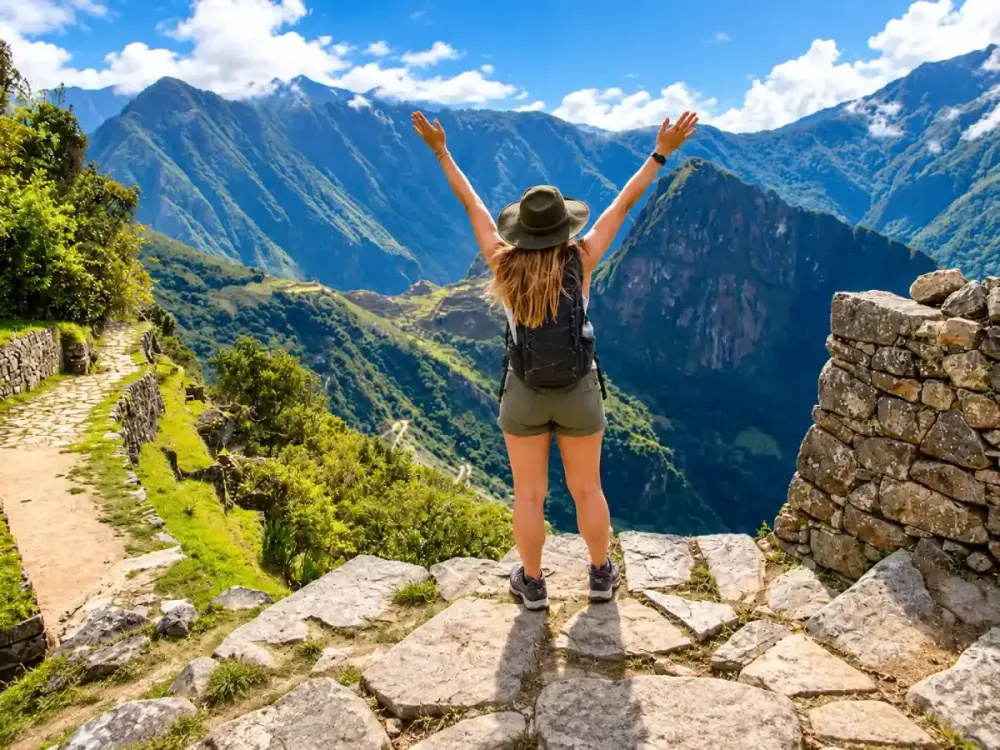
Travelers on the Short Inca Trail reach Inti Punku after several hours of hiking, including the climb toward Wiñay Wayna.

On the Classic route, hikers arrive after several days of trekking with accumulated fatigue.

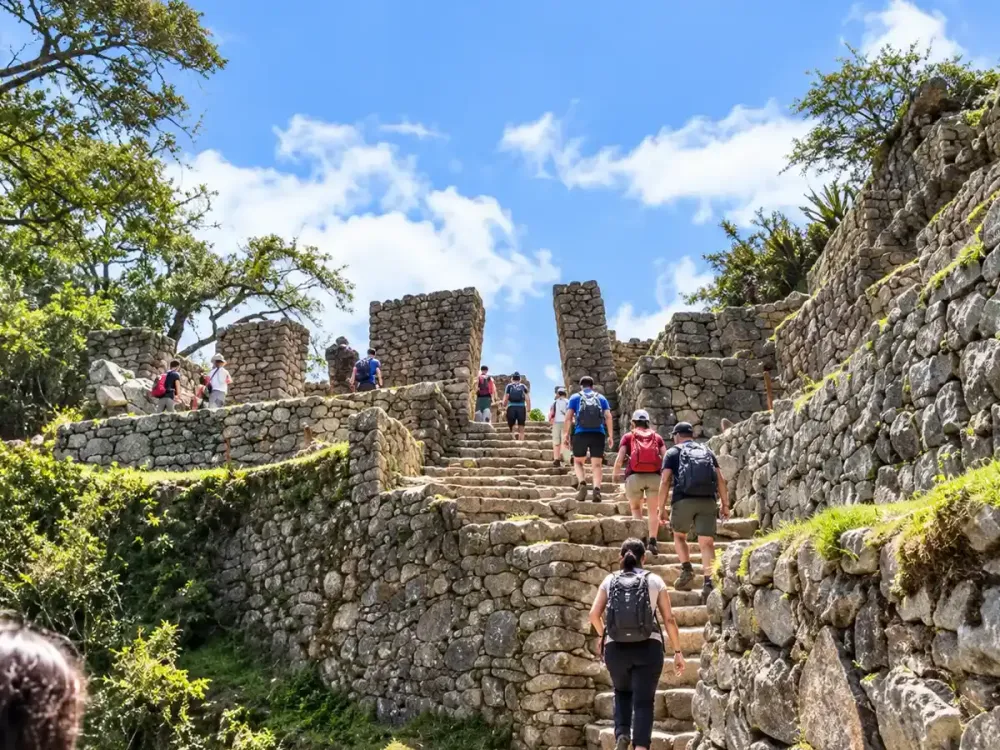
The final sections also include stone stairways and terrain where it is still important to manage your energy.

No technical climbing skills are required.

The main challenges come from:

  • Several hours of hiking.
  • Stone stairways.
  • Elevation changes.
  • Accumulated fatigue.
  • Weather conditions.
  • ndividual fitness.

For a more complete explanation, read Inca Trail difficulty.
Do you need to be physically fit?

It is useful to be comfortable walking for several hours.

You do not need to train like a professional athlete.

However, being accustomed to walking, climbing stairs and hiking on uneven terrain can make the experience considerably more enjoyable.

This becomes especially important on the Classic route, where Inti Punku appears after several consecutive days of hiking.

If you are preparing for your trip, read how to train for the Inca Trail.
What should you carry to Inti Punku?

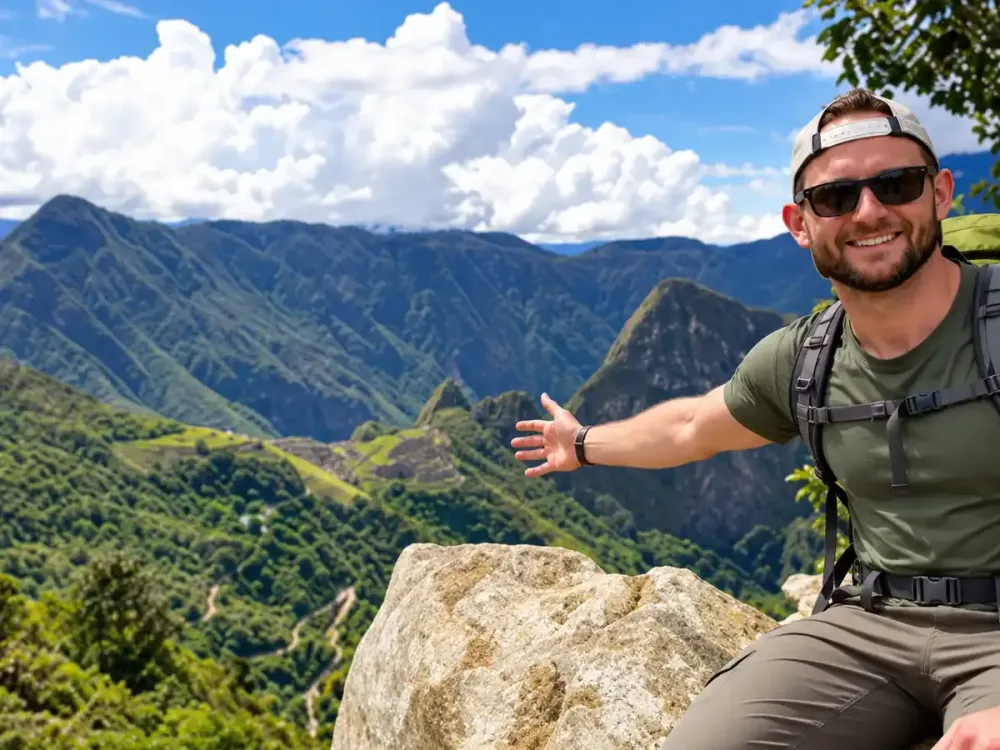
A light daypack is usually enough for your daily essentials.

Useful items include:

  • Water.
  • Sun protection.
  • Hat or cap.
  • Waterproof jacket.
  • Light warm layer.
  • Snacks.
  • Travel documents.
  • Personal medication.
  • Camera or phone.

Carrying unnecessary weight can make the final hours of the hike more tiring than they need to be.

For a complete checklist, read what to pack for the Inca Trail.
Is Inti Punku part of both the Short and Classic Inca Trail?

Yes.

Both the Short and Classic Inca Trail routes approach Machu Picchu through Inti Punku.

The difference is everything that happens before reaching it.

On the Short Inca Trail 2 Days, travelers reach the Sun Gate after hiking the shorter regulated section of the historic trail and passing Wiñay Wayna.

On the Classic Inca Trail 4 Days, Inti Punku represents the culmination of several days of trekking.

The same place can therefore feel very different depending on the journey used to reach it.
Can you visit Inti Punku without hiking the Inca Trail?

There is an important distinction here.

Machu Picchu’s official visitor system includes a separate Intipunku access option within its circuit structure. Access conditions can depend on the route, season and current regulations, so travelers planning to visit Inti Punku from Machu Picchu should check the official Machu Picchu circuit information before purchasing tickets.

This is different from reaching Inti Punku as part of the Inca Trail.

When hiking the Inca Trail, the Sun Gate is part of the historic approach toward Machu Picchu.

When visiting it from the Machu Picchu side, the experience follows the visitor circuit and ticket conditions established for that route.
Do you need an additional ticket for Inti Punku when hiking the Inca Trail?

Travelers hiking the Inca Trail enter through the regulated Inca Trail permit system.

The required permits and Machu Picchu entry arrangements depend on the trek and service booked.

This is different from purchasing a separate Machu Picchu visitor route that includes access toward the Intipunku sector.

For the Inca Trail, it is best to confirm exactly what is included in your tour and check Inca Trail availability 2026 and 2027 before organizing the rest of your trip.
Inti Punku vs the main entrance to Machu Picchu

Arriving through Inti Punku creates a very different experience from entering Machu Picchu directly from the usual visitor access area.

When you arrive via the Inca Trail, Machu Picchu becomes the conclusion of a historic walk.

There is no sudden transition from transportation to sightseeing.

The landscape reveals itself gradually.

First comes Inti Punku.

Then Machu Picchu begins to appear within the mountains.

Finally, the historic path continues toward the archaeological site.

This gradual arrival is one of the main reasons many travelers choose the Inca Trail.
Is it worth reaching Machu Picchu through Inti Punku?

For travelers who want to experience the Inca Trail as a complete journey, Inti Punku is an essential part of the route.

Its value is not limited to getting a panoramic photograph.

What makes it special is the way it connects the historic trail with the final destination.

After hours or days following ancient stone paths, reaching the Sun Gate makes it easier to understand Machu Picchu as part of a much larger cultural and mountain landscape.

That context changes the experience of arriving.

Inti Punku: the historic Inca Trail arrival at Machu Picchu

Inti Punku on the Inca Trail represents one of the defining moments of the journey to Machu Picchu.

The Sun Gate connects the final section of the ancient trail with the first broad views toward the archaeological site and provides a natural conclusion to a journey that begins much earlier.

If you want a shorter trekking experience, explore the Short Inca Trail 2 Days.

If you want to experience the complete historic journey, consider the Classic Inca Trail 4 Days.

We also recommend complementing this guide with Wiñay Wayna, the Classic Inca Trail route, Inca Trail difficulty and what to pack for the Inca Trail.

Before choosing your trekking dates, check Inca Trail availability 2026 and 2027 and plan your journey in advance.

Inti Punku on the Inca Trail is one of the most anticipated points for travelers approaching Machu Picchu on foot.

Also known as the Sun Gate, Inti Punku marks one of the most symbolic moments of the journey. After hiking along ancient Inca paths, stone stairways and mountain trails, Machu Picchu finally begins to appear within the surrounding landscape.

Travelers on both the Short Inca Trail 2 Days and the Classic Inca Trail 4 Days approach Machu Picchu through this historic section of the trail. Dreamy Tours places Inti Punku at approximately 2,780 meters above sea level on its Short Inca Trail itinerary.

But Inti Punku is much more than a viewpoint.

It forms part of the ancient Inca road system and represents the final stage of an archaeological journey that, depending on the route, can include Chachabamba, Wiñay Wayna, Runkurakay and Sayacmarca.

What is Inti Punku?

Inti Punku is an archaeological structure located along the historic approach to Machu Picchu.

Its name comes from Quechua and is commonly translated as “Sun Gate.”

The site consists of stone structures and ancient paths built directly into the mountain landscape.

Its elevated position offers a very different perspective of Machu Picchu compared with arriving directly by bus.

For travelers hiking the Inca Trail, Inti Punku acts as the transition between the trek itself and the final arrival at Machu Picchu.

Where is Inti Punku located?

Inti Punku is located in the mountains above Machu Picchu, along the final section of the historic Inca Trail.

Travelers approaching through the Inca Trail arrive from the direction of Wiñay Wayna.

After continuing along original stone paths and through the final sections of cloud forest, the trail reaches the Sun Gate.

The Classic Inca Trail route follows this historic approach before continuing down toward Machu Picchu.

What is the altitude of Inti Punku?

Inti Punku is located at approximately 2,780 meters above sea level on the route used by Dreamy Tours.

This means it sits above Machu Picchu but considerably below the highest mountain passes of the Classic Inca Trail.

Dead Woman’s Pass, for example, reaches approximately 4,200 meters.

By the time travelers on the Classic route reach Inti Punku, the highest-altitude challenges are already behind them.

To understand how elevation changes throughout the trek, read Inca Trail altitude.

What does Inti Punku mean?

In Quechua, “Inti” means sun and “punku” means gate.

Inti Punku is therefore commonly translated as “Sun Gate.”

The name reflects the importance of the sun within Andean culture and the symbolic relationship between architecture and the surrounding landscape.

Today, the name is especially associated with the historic approach to Machu Picchu and the moment when the archaeological site first begins to appear after the trek.

What was Inti Punku used for?

There is no single explanation that reduces Inti Punku to only one function.

Its location along the ancient road suggests that it may have been connected with controlling access and movement toward Machu Picchu.

Its name, orientation and position have also led to interpretations related to ceremonial and astronomical purposes.

What is clear is that Inti Punku was not an isolated structure.

It formed part of a wider system of roads, gateways and buildings connected with Machu Picchu and the surrounding mountains.

Why is Inti Punku so important on the Inca Trail?

Because it represents one of the most powerful moments of the journey.

On the Classic route, travelers spend several days crossing mountains, archaeological sites and high-altitude passes without seeing Machu Picchu.

Then, at Inti Punku, the destination finally enters the landscape.

A similar experience happens on the Short Inca Trail.

After beginning at Km 104, visiting Chachabamba and climbing toward Wiñay Wayna, the route continues toward the Sun Gate.

That sequence turns Inti Punku into much more than another stop along the trail.

How do you reach Inti Punku on the Short Inca Trail?

On the Short Inca Trail, travelers follow the historic path toward Wiñay Wayna.

After visiting the archaeological complex, the route continues toward Inti Punku.

This final section retains many of the features that make the Inca Trail distinctive:

  • Original stone paths.
  • Inca stairways.
  • Dense vegetation.
  • Uphill and downhill sections.
  • Ancient Inca structures.

Reaching Inti Punku marks the beginning of the final approach toward Machu Picchu.

You can experience the complete sequence on the Short Inca Trail 2 Days.

How do you reach Inti Punku on the Classic Inca Trail?

On the Classic Inca Trail 4 Days, Inti Punku appears after several full days of trekking.

Before reaching it, travelers have crossed high mountain terrain and archaeological sites such as Runkurakay, Sayacmarca, Phuyupatamarka and Wiñay Wayna.

This gives the arrival a completely different meaning.

It is not simply the end of a few hours of walking.

It is the culmination of a multi-day journey through changing elevations, ecosystems and archaeological landscapes before reaching Machu Picchu.

Is Wiñay Wayna before Inti Punku?

Yes.

On the Inca Trail, Wiñay Wayna comes before Inti Punku.

The sequence is especially clear on the Short Inca Trail:

Km 104 → Chachabamba → Wiñay Wayna → Inti Punku → Machu Picchu.

Wiñay Wayna is an archaeological complex known for its terraces and mountain architecture.

Inti Punku, on the other hand, is the Sun Gate and represents one of the historic gateways toward Machu Picchu.

They are different places and play very different roles in the experience.

Can you see Machu Picchu from Inti Punku?

Yes.

This is one of the main reasons Inti Punku is so well known.

From the Sun Gate, travelers can look toward Machu Picchu and the mountains surrounding the archaeological site.

However, visibility always depends on the weather.

Clouds and mist can move through this area quickly.

Sometimes Machu Picchu may be partially hidden before gradually appearing as the clouds shift.

That changing mountain atmosphere is part of the experience of hiking through the cloud forest environment surrounding Machu Picchu.

What is the best time to reach Inti Punku?

Travelers hiking the Inca Trail do not normally choose Inti Punku as an isolated visit.

The arrival time depends on the itinerary, hiking pace, trail conditions and group logistics.

For this reason, it is better not to plan the experience around one supposedly “perfect” time for photographs.

Mountain weather can change quickly.

Even during the drier months, cloud cover can appear.

If you are still deciding when to travel, read Inca Trail weather and best time to hike the Inca Trail.

Is it difficult to reach Inti Punku?

The difficulty depends on the route you choose.

Travelers on the Short Inca Trail reach Inti Punku after several hours of hiking, including the climb toward Wiñay Wayna.

On the Classic route, hikers arrive after several days of trekking with accumulated fatigue.

The final sections also include stone stairways and terrain where it is still important to manage your energy.

No technical climbing skills are required.

The main challenges come from:

  • Several hours of hiking.
  • Stone stairways.
  • Elevation changes.
  • Accumulated fatigue.
  • Weather conditions.
  • Individual fitness.

For a more complete explanation, read Inca Trail difficulty.

Do you need to be physically fit?

It is useful to be comfortable walking for several hours.

You do not need to train like a professional athlete.

However, being accustomed to walking, climbing stairs and hiking on uneven terrain can make the experience considerably more enjoyable.

This becomes especially important on the Classic route, where Inti Punku appears after several consecutive days of hiking.

If you are preparing for your trip, read how to train for the Inca Trail.

What should you carry to Inti Punku?

A light daypack is usually enough for your daily essentials.

Useful items include:

  • Water.
  • Sun protection.
  • Hat or cap.
  • Waterproof jacket.
  • Light warm layer.
  • Snacks.
  • Travel documents.
  • Personal medication.
  • Camera or phone.

Carrying unnecessary weight can make the final hours of the hike more tiring than they need to be.

For a complete checklist, read what to pack for the Inca Trail.

Is Inti Punku part of both the Short and Classic Inca Trail?

Yes.

Both the Short and Classic Inca Trail routes approach Machu Picchu through Inti Punku.

The difference is everything that happens before reaching it.

On the Short Inca Trail 2 Days, travelers reach the Sun Gate after hiking the shorter regulated section of the historic trail and passing Wiñay Wayna.

On the Classic Inca Trail 4 Days, Inti Punku represents the culmination of several days of trekking.

The same place can therefore feel very different depending on the journey used to reach it.

Can you visit Inti Punku without hiking the Inca Trail?

There is an important distinction here.

Machu Picchu’s official visitor system includes a separate Intipunku access option within its circuit structure. Access conditions can depend on the route, season and current regulations, so travelers planning to visit Inti Punku from Machu Picchu should check the official Machu Picchu circuit information before purchasing tickets.

This is different from reaching Inti Punku as part of the Inca Trail.

When hiking the Inca Trail, the Sun Gate is part of the historic approach toward Machu Picchu.

When visiting it from the Machu Picchu side, the experience follows the visitor circuit and ticket conditions established for that route.

Do you need an additional ticket for Inti Punku when hiking the Inca Trail?

Travelers hiking the Inca Trail enter through the regulated Inca Trail permit system.

The required permits and Machu Picchu entry arrangements depend on the trek and service booked.

This is different from purchasing a separate Machu Picchu visitor route that includes access toward the Intipunku sector.

For the Inca Trail, it is best to confirm exactly what is included in your tour and check Inca Trail availability 2026 and 2027 before organizing the rest of your trip.

Inti Punku vs the main entrance to Machu Picchu

Arriving through Inti Punku creates a very different experience from entering Machu Picchu directly from the usual visitor access area.

When you arrive via the Inca Trail, Machu Picchu becomes the conclusion of a historic walk.

There is no sudden transition from transportation to sightseeing.

The landscape reveals itself gradually.

First comes Inti Punku.

Then Machu Picchu begins to appear within the mountains.

Finally, the historic path continues toward the archaeological site.

This gradual arrival is one of the main reasons many travelers choose the Inca Trail.

Is it worth reaching Machu Picchu through Inti Punku?

For travelers who want to experience the Inca Trail as a complete journey, Inti Punku is an essential part of the route.

Its value is not limited to getting a panoramic photograph.

What makes it special is the way it connects the historic trail with the final destination.

After hours or days following ancient stone paths, reaching the Sun Gate makes it easier to understand Machu Picchu as part of a much larger cultural and mountain landscape.

That context changes the experience of arriving.

Inti Punku: the historic Inca Trail arrival at Machu Picchu

Inti Punku on the Inca Trail represents one of the defining moments of the journey to Machu Picchu.

The Sun Gate connects the final section of the ancient trail with the first broad views toward the archaeological site and provides a natural conclusion to a journey that begins much earlier.

If you want a shorter trekking experience, explore the Short Inca Trail 2 Days.

If you want to experience the complete historic journey, consider the Classic Inca Trail 4 Days.

We also recommend complementing this guide with Wiñay Wayna, the Classic Inca Trail route, Inca Trail difficulty and what to pack for the Inca Trail.

Before choosing your trekking dates, check Inca Trail availability 2026 and 2027 and plan your journey in advance.

Personal travel advice

Plan your trip with Dreamy Tours

Start a tailored journey with our exclusive tours and custom trips across Peru and other Latin American countries.
Related Posts