Search the blog
Tabla de contenidos
Yes, a beginner can hike the Inca Trail, but the experience will depend on the route you choose, your physical preparation and how your body responds to altitude. You do not need technical mountain skills or previous multi-day trekking experience, but you should not expect it to feel like a simple sightseeing walk either.
The Classic Inca Trail 4 Days combines several consecutive hiking days, long climbs, descents, stone stairways, campsites and a maximum elevation of approximately 4,200 meters at Dead Woman’s Pass. The Short Inca Trail 2 Days, by contrast, avoids the highest mountain passes and concentrates the main hike into one day before an overnight stay in a hotel.
At Dreamy Tours, we believe being a beginner is not the real problem. What matters is choosing the right route, training in advance, allowing time to acclimatize and arriving with realistic expectations about the effort required to hike in the Andes.
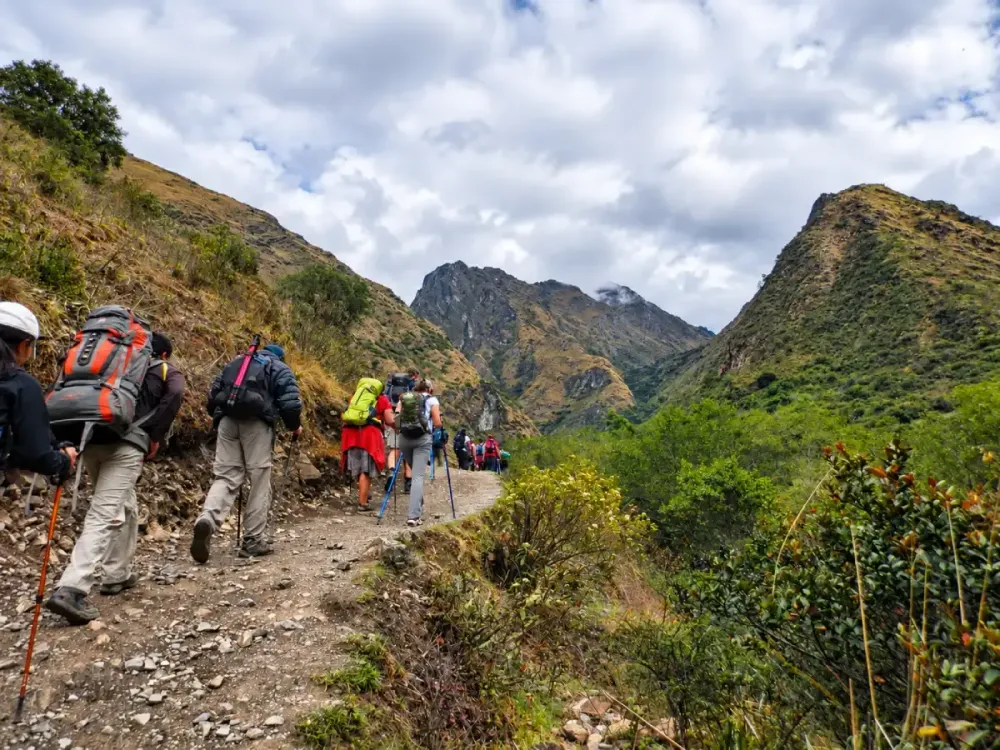
Do you need previous trekking experience to hike the Inca Trail?
Not necessarily. Many travelers complete the Inca Trail as their first major trekking experience. The difference is not whether you have spent years hiking, but whether you are reasonably comfortable walking for several hours and understand that the terrain will be very different from an urban walk.
A beginner should be comfortable enough with uphill sections, descents, stairs and uneven surfaces. You do not need to move quickly, but you should be able to maintain a steady effort for several hours.
It is also important to understand that the Classic route does not require climbing, ropes or technical mountaineering skills. The challenge comes mainly from endurance, elevation changes, altitude and accumulated fatigue.
If you want to understand the physical demands first, read Inca Trail difficulty.
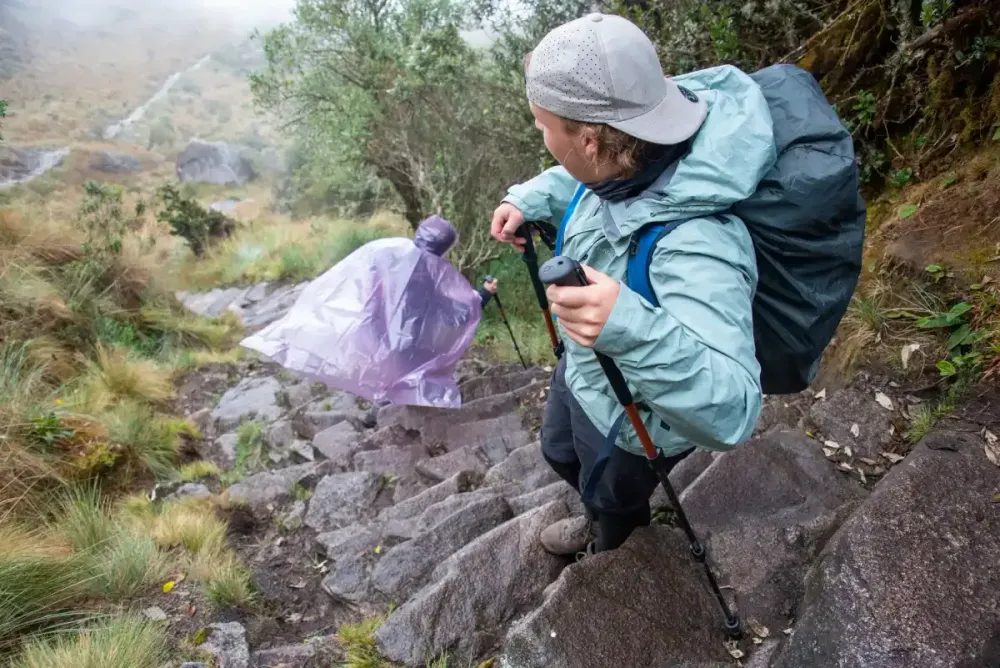
Is the Short Inca Trail 2 Days a good option for beginners?
For many travelers with no previous trekking experience, the Short Inca Trail 2 Days can be the most balanced introduction to the historic route.
The hike begins at Km 104, passes Chachabamba, climbs toward Wiñay Wayna and then continues to Inti Punku. Most of the physical effort is concentrated into the first day, but the route avoids Dead Woman’s Pass and the high mountain passes above 4,000 meters found on the Classic trail.
Another important difference is accommodation. Instead of sleeping at campsites, after completing the main hike you continue to Machu Picchu Pueblo and stay in a hotel before the corresponding visit to Machu Picchu.
That can make it especially attractive for someone who wants to experience an authentic section of the Inca Trail without committing to four consecutive trekking days.
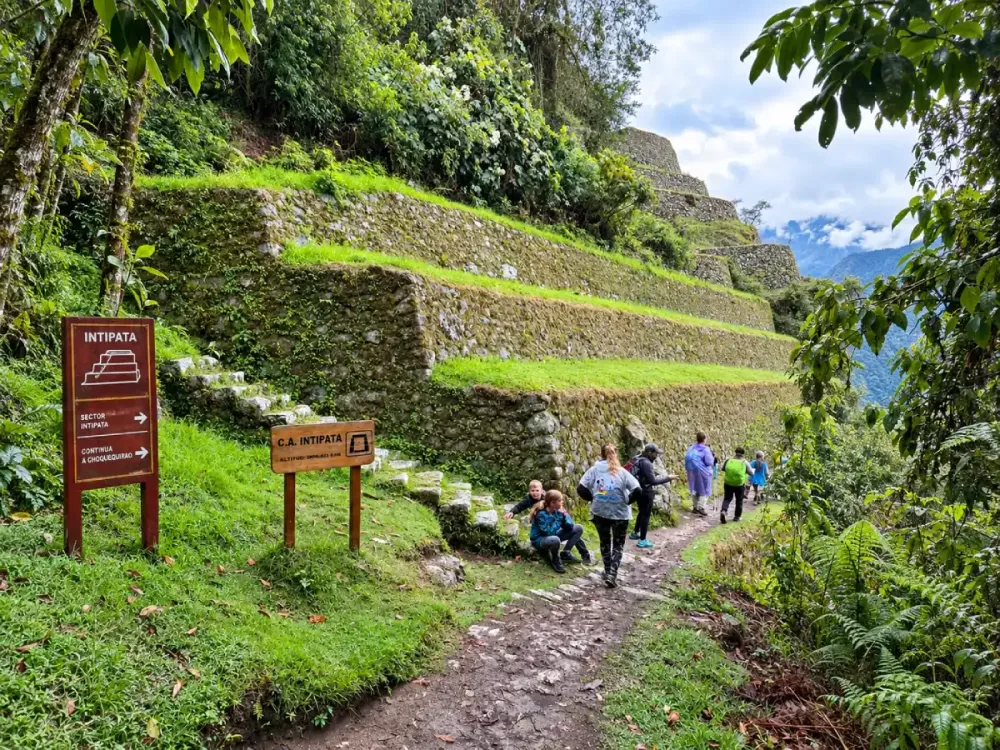
Can a beginner hike the 4-Day Inca Trail?
Yes, but it requires more preparation. The Classic Inca Trail 4 Days covers approximately 42 kilometers and reaches its highest point at Dead Woman’s Pass at around 4,200 meters above sea level.
During the four days, you combine several hours of hiking, stone stairways, climbs, descents, campsites and significant changes in elevation. Day 2 is usually the most demanding because of the climb to Dead Woman’s Pass, but Day 3 can also be tiring because of the long stairways and extended downhill sections.
A beginner can consider this route if they exercise regularly, have time to train before traveling, are comfortable walking for several hours and are open to sleeping at campsites.
What we do not recommend is choosing the four-day route simply because it is the most famous version. The trek should match your fitness level and the kind of experience you actually want.
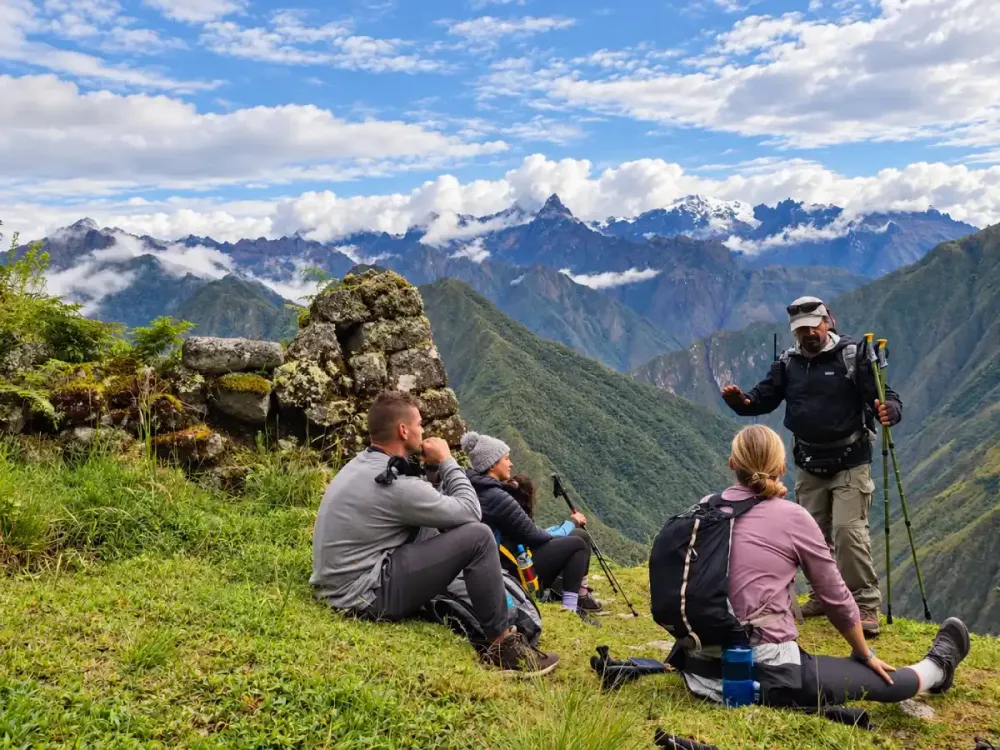
2-Day vs 4-Day Inca Trail for beginners
If this will be your first major trek, the decision between the 2-day and 4-day versions should be based on the kind of experience you want and how much physical effort you are comfortable taking on.
| Feature | 2-Day Inca Trail | 4-Day Inca Trail |
|---|---|---|
| Previous experience | Not essential | Not essential, but helpful |
| Maximum elevation | Approx. 2,700–2,800 m | Approx. 4,200 m |
| Camping | No | Yes |
| Main physical effort | Concentrated on Day 1 | Spread across 4 days |
| Dead Woman’s Pass | No | Yes |
| Consecutive trekking days | Fewer | More |
| Accommodation | Hotel | Campsites |
| Best for | Beginners who value comfort | Well-prepared beginners |
| Arrival through Inti Punku | Yes | Yes |
If you have never completed a trek and comfort matters to you, the two-day format is usually more manageable. If you exercise regularly, can train in advance and want the full historic journey, the Classic route can also be your first major trek.
For a deeper comparison, read 2-Day vs 4-Day Inca Trail.
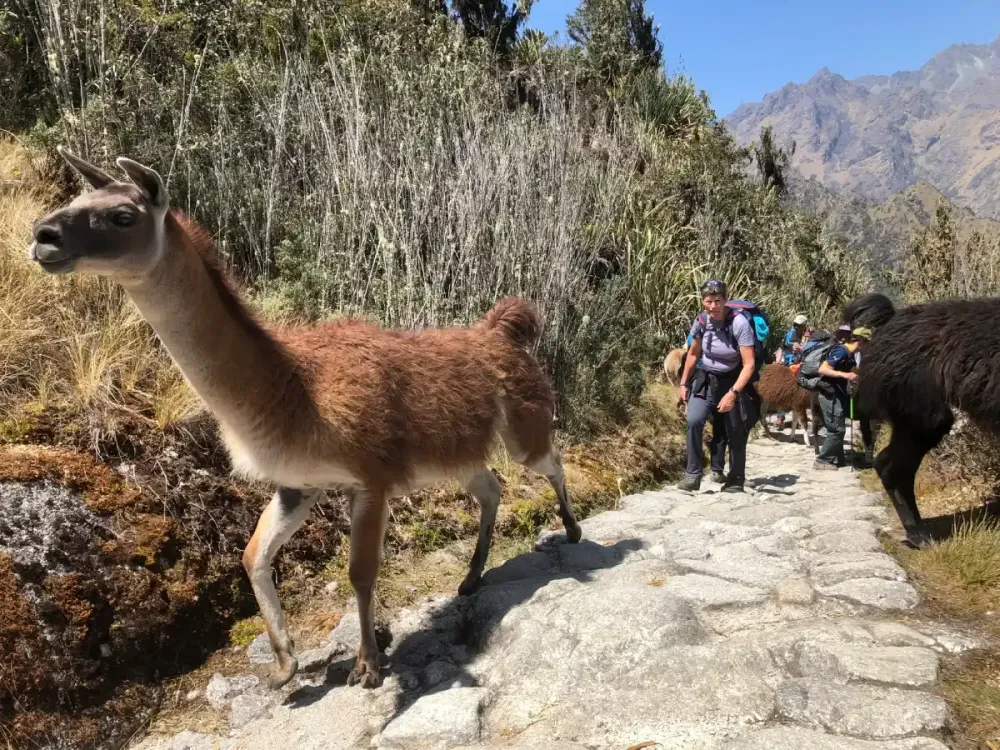
Altitude matters especially for beginners
For someone who has never hiked in the Andes, altitude may have a greater impact on the experience than the lack of previous trekking experience itself.
The Classic route reaches approximately 4,200 meters at Dead Woman’s Pass, while the Short Inca Trail remains considerably lower. This difference explains why a traveler in excellent physical condition may feel comfortable on the short route but find the second day of the Classic trail much more demanding.
Being fit does not prevent altitude-related symptoms. Training and acclimatization are different processes. For that reason, it is sensible to arrive in Cusco a few days before the trek, especially if you are coming directly from a city near sea level.
You can learn more in Inca Trail altitude and altitude sickness on the Inca Trail.
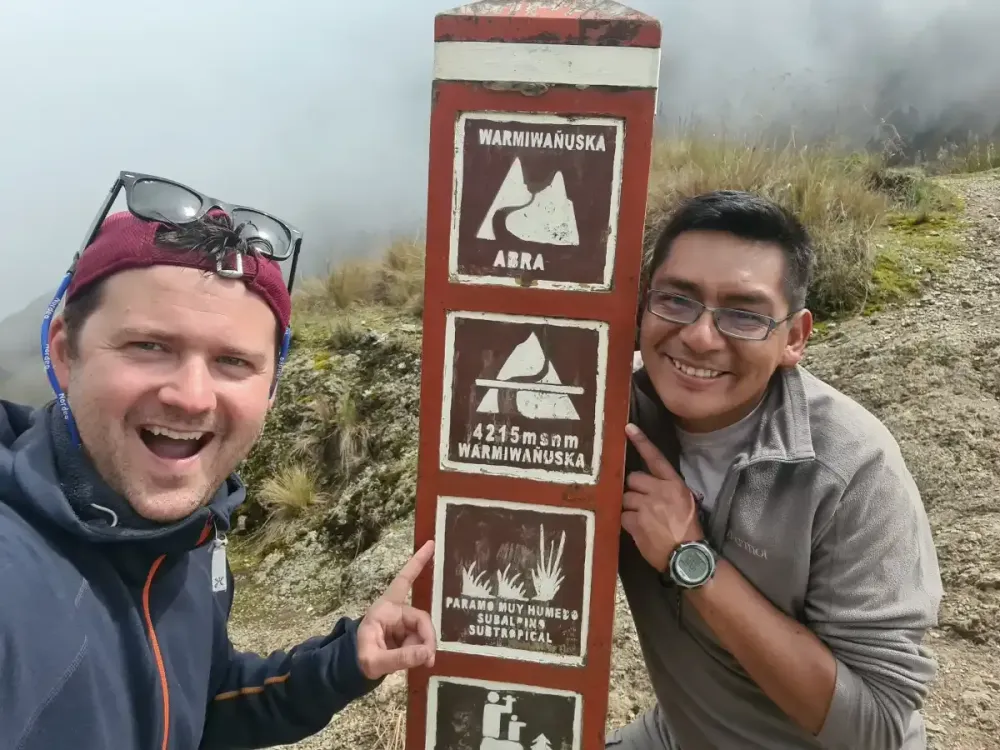
How much should a beginner train before the Inca Trail?
You do not need months of extreme training, but you should start early enough to build endurance progressively.
If you already exercise regularly, around 6 to 8 weeks of preparation can be a useful guideline. If you are currently more sedentary, it may be better to begin earlier and increase your workload more gradually.
Training should resemble the effort you will encounter as much as possible: longer walks, hills, stairs, uneven terrain and consecutive days of activity.
It is not only about cardiovascular fitness. Your legs also need to get used to downhill movement because descents and stone stairways can be just as tiring as climbs.
For a more complete plan, read how to train for the Inca Trail.
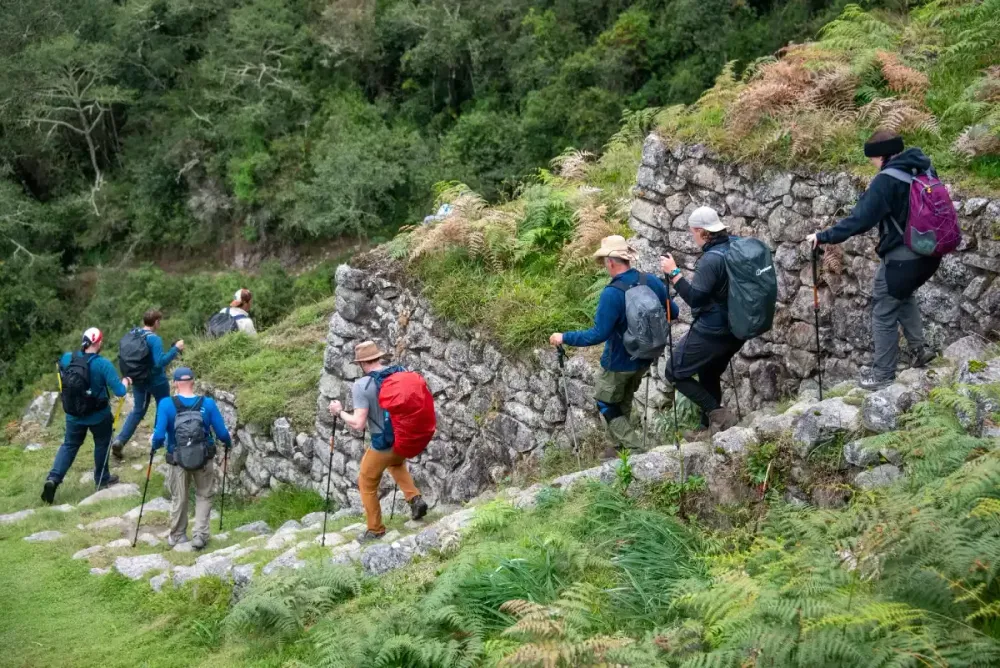
What fitness level does a beginner really need?
There is no mandatory fitness test, but several practical indicators can help you evaluate your readiness.
Before traveling, it is useful if you can walk for several hours, complete uphill sections without becoming completely exhausted and recover well enough to do moderate activity again the next day.
| Readiness sign | What it suggests |
|---|---|
| You can walk for 3–4 hours | You have a basic endurance foundation |
| You can handle routes with elevation gain | Your legs are familiar with climbing |
| You have practiced descents | Better preparation for stone stairways |
| You can train on two consecutive days | You are preparing for accumulated effort |
| Your hiking boots are already broken in | Lower risk of footwear discomfort |
| You recover reasonably well after hiking | Good starting point for multi-day trekking |
You do not need to meet every point perfectly. The table is meant to help you identify areas where you can still improve before the trek.
Are campsites difficult if you have never camped before?
For some beginners, camping can feel more unfamiliar than the hiking itself.
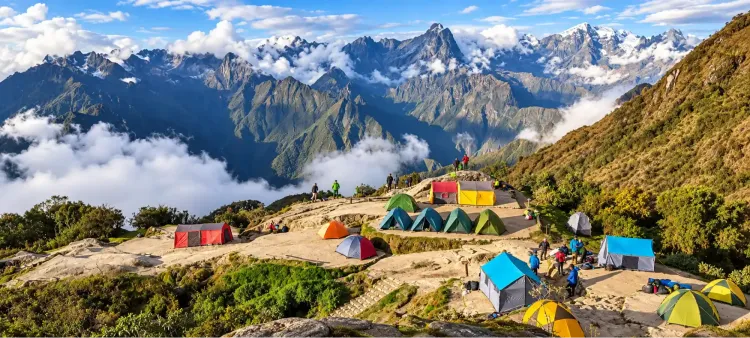
On the Classic Inca Trail, you spend several nights at established campsites along the route. That means sleeping in a tent, adjusting to colder nighttime temperatures and using more basic facilities than you would find in a hotel.
You do not need previous camping experience, but it helps to know what to expect. Bringing suitable thermal clothing, keeping your belongings organized and getting as much rest as possible can make the experience considerably more comfortable.
If camping is a major concern, the Short Inca Trail may be a better fit because it combines historic trekking with hotel accommodation.
To understand this part of the Classic route better, read Inca Trail campsites.
Common mistakes first-time Inca Trail hikers make
The problem is usually not simply “being a beginner.” Many difficulties come from decisions that could have been avoided before the trip.
One common mistake is wearing brand-new hiking boots on the trek. Another is underestimating the descents, assuming only Dead Woman’s Pass will be difficult or starting too fast during the first few hours.
Another important mistake is arriving in Cusco and starting the trek immediately without leaving time to acclimatize. Travel fatigue, poor sleep, altitude and several hours of hiking can make the first day feel much harder than necessary.
It is also wise to avoid carrying too much weight, training only on flat surfaces or choosing the four-day route before properly comparing the different Inca Trail options.
Preparation does not remove the effort, but it prevents small mistakes from becoming the main story of the trip.
What should you pack if this is your first Inca Trail?
A beginner does not need to fill their backpack with unnecessary mountain equipment. In fact, carrying too much weight can make the trek significantly less comfortable.
The essentials include hiking footwear that you have already used, layered clothing, rain protection, sun protection, a reusable water bottle and a small, comfortable daypack for the items you will need while walking.
On the Classic route, you will also need suitable clothing for cold nights and days with significant temperature changes. The exact packing list will depend on the service you book and which items are transported by the support team.
A useful rule is simple: bring what you need, but do not turn your backpack into a portable house.
For a more detailed checklist, read what to pack for the Inca Trail.
Does a beginner need to book the Inca Trail in advance?
Yes, especially if you want to hike the Classic route. Access to the Inca Trail network is regulated, so choosing the correct trek is not only about physical fitness. There also needs to be availability for your travel date.
Once you know which version suits you, it is better to check Inca Trail permits and Inca Trail availability before building the rest of your Peru itinerary around the trek.
The Inca Trail network also closes during February for annual conservation and maintenance. Temporary closures outside February can also occur for safety reasons, including severe weather.
For a beginner, this means planning should happen on two levels: choosing a route that matches your abilities and confirming that the regulated access is available for the dates you want.
How do you know whether to choose 1, 2 or 4 days?
The right duration depends less on the label “beginner” and more on your fitness level, available time and the kind of experience you want.
The Private 1-Day Inca Trail concentrates the Km 104 hike into one long day. It can work well for active travelers with very limited time, although the effort is compressed into a tighter schedule.
The Short Inca Trail 2 Days usually offers the most balanced option for beginners. You hike the historic section, pass Wiñay Wayna and Inti Punku, and then rest in a hotel.
The Classic Inca Trail 4 Days is better if you want trekking to be a central part of your trip, can train beforehand, are comfortable with camping and want to experience the full traditional route.
You can also compare 1-Day vs 2-Day Inca Trail before deciding.
So, which Inca Trail do we recommend for a beginner?
There is no single answer for every traveler. For someone with no previous trekking experience, average fitness and a preference for comfort, the Short Inca Trail 2 Days is often the most balanced starting point.
If you exercise regularly, have time to train, can acclimatize before the trek and want to spend several days immersed in the historic route, you can also complete the Classic Inca Trail 4 Days even if it is your first major trek.
Being a beginner does not mean you need to rule out the Classic route. It means you should choose it with enough information and accept that preparation, pacing and tolerance for fatigue will matter.
Before booking, combine this guide with Inca Trail difficulty, how to train for the Inca Trail and Inca Trail altitude.
The Inca Trail can absolutely become your first major trek. The key is not how many routes you have completed before. It is choosing the right version, preparing in advance and arriving in the Andes with a clear idea of what the trail will actually demand from you.
Personal travel advice
Plan your trip with Dreamy Tours
Start a tailored journey with our exclusive tours and custom trips across Peru and other Latin American countries.