Search the blog
Tabla de contenidos
Discovering what to do in Iquitos means opening the door to one of Peru's most fascinating regions. Surrounded by mighty rivers and vast tropical rainforests, this Amazonian city brings together history, gastronomy, culture, and unforgettable nature experiences. From its traditional neighborhoods to river journeys and expeditions into protected reserves, Iquitos has something to offer travelers looking for adventure, relaxation, and a deeper connection with the Peruvian Amazon.
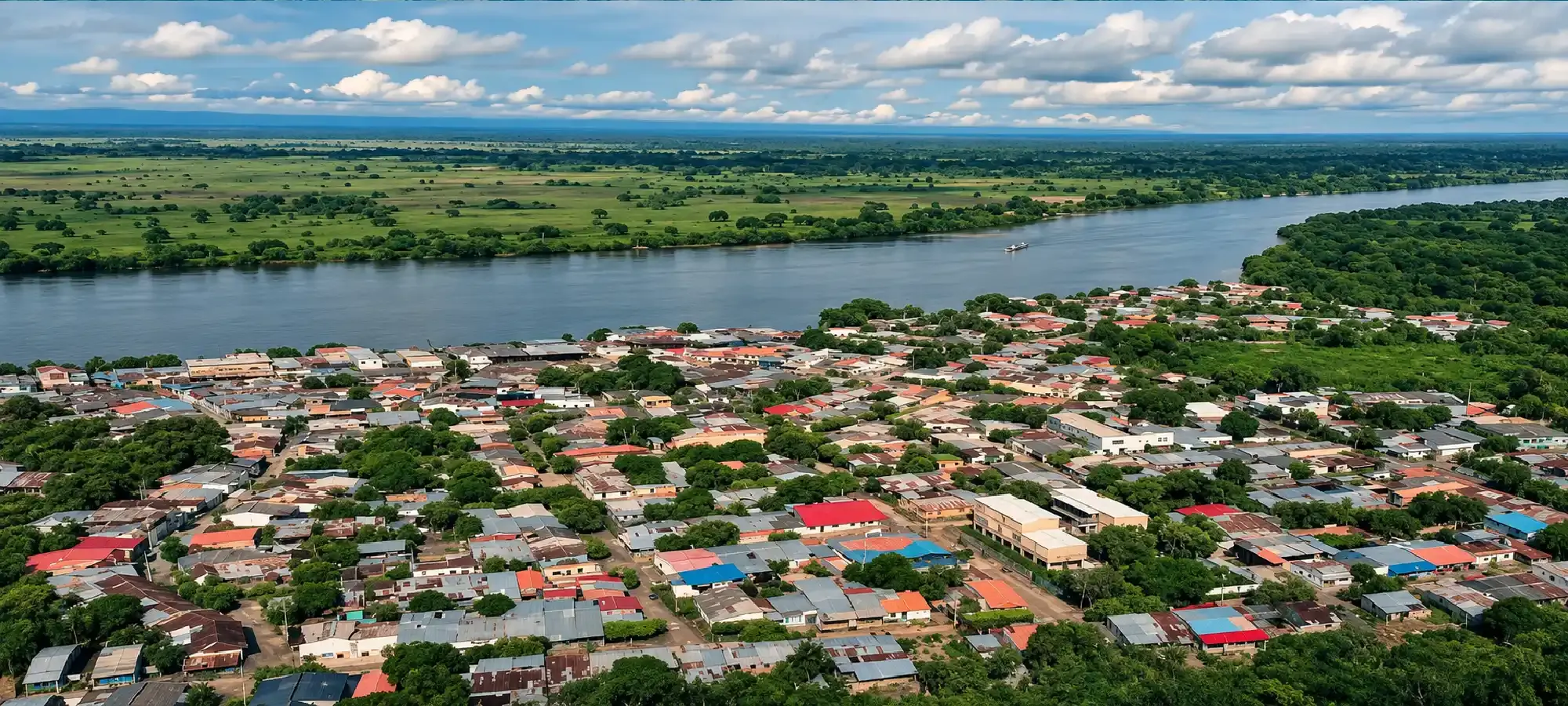
The capital of the Loreto region, Iquitos is known for an unusual characteristic: it has no direct road connection to Peru's national highway network. Most visitors arrive by plane, while rivers remain essential transportation routes for numerous Amazonian communities. This close relationship with water is part of the city's identity, where landscapes transform with the seasonal rise and fall of river levels.
Among Iquitos' main attractions are the Tarapacá Waterfront, the Belén neighborhood, the Amazon River, and Pacaya Samiria National Reserve. Visitors can also explore museums, discover regional cuisine, observe tropical birds, and join expeditions to Yanayacu and other rainforest areas in Loreto.
In this guide, you will discover the best places and experiences to help plan your trip according to your interests and available time. If you would like to explore more destinations in the region, take a look at our complete Peruvian Amazon travel guide and discover the best places to visit in the Peruvian Amazon.

Explore the Historic Center and Tarapacá Waterfront
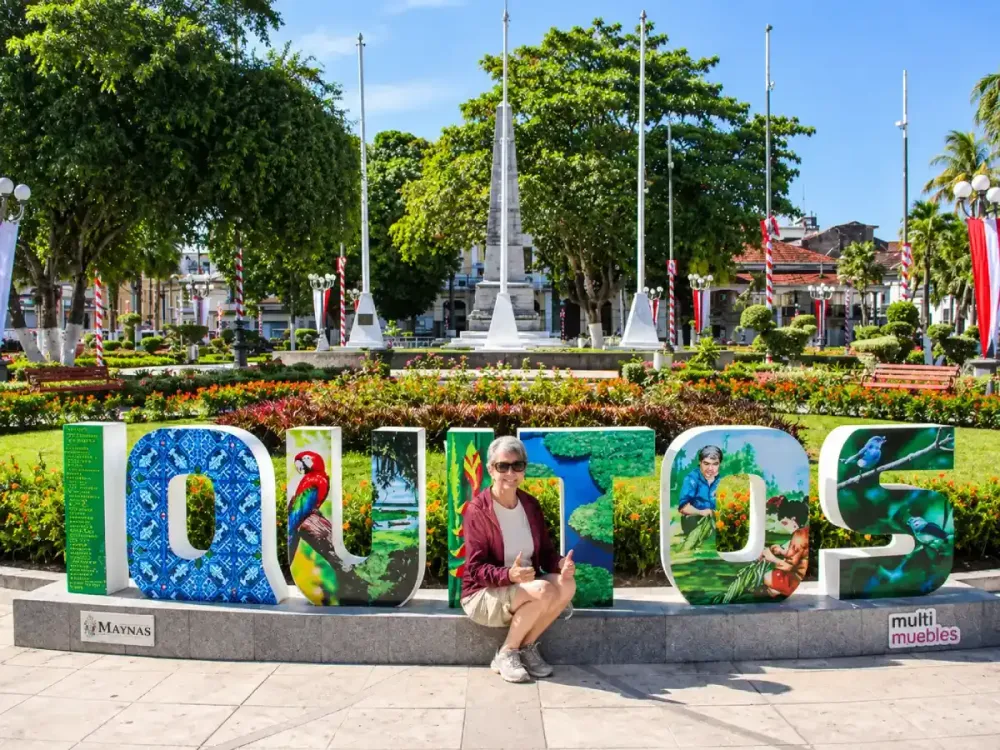
One of the best ways to begin exploring Iquitos is by walking through its historic center. The streets preserve buildings associated with the rubber boom, a period that transformed the city's economy and architecture between the late 19th and early 20th centuries. Old facades, balconies, and buildings decorated with ceramic tiles offer a glimpse into an important chapter of Amazonian history.
The Plaza de Armas is one of the city's main gathering places. Nearby, you will find the Iquitos Cathedral and the well-known Iron House, or Casa de Fierro, a metal structure associated with the architecture of the rubber boom era. Its appearance contrasts with more traditional buildings and reflects the different influences that shaped the city's development.
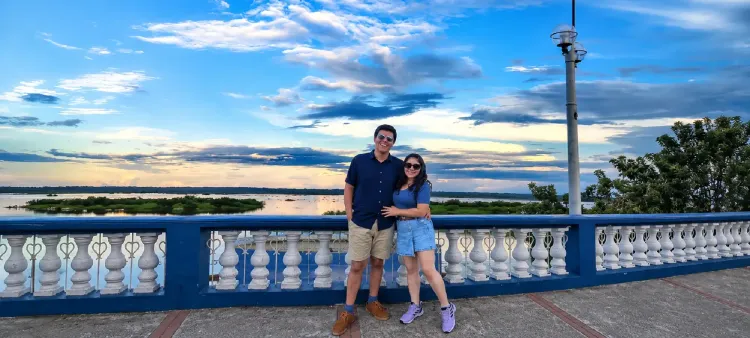
A short walk away is the Tarapacá Waterfront, known locally as Malecón Tarapacá, one of Iquitos' most recognizable promenades. From here, you can enjoy views of the river landscape and see how waterways remain part of everyday life. The afternoon is often a pleasant time to stroll, take photographs, and experience the local atmosphere.
It is also worth taking time to appreciate the city's historic mansions. Buildings such as the former Hotel Palace display architectural details reflecting Iquitos' commercial past. Exploring this part of the city reveals a side of its history that travelers heading directly into the rainforest sometimes overlook.
If you only have a few hours available, the historic center and waterfront make an excellent introduction to Iquitos, combining heritage, photography, and local cuisine without requiring long transfers.
Visit the Belén Neighborhood and Discover Amazonian Life
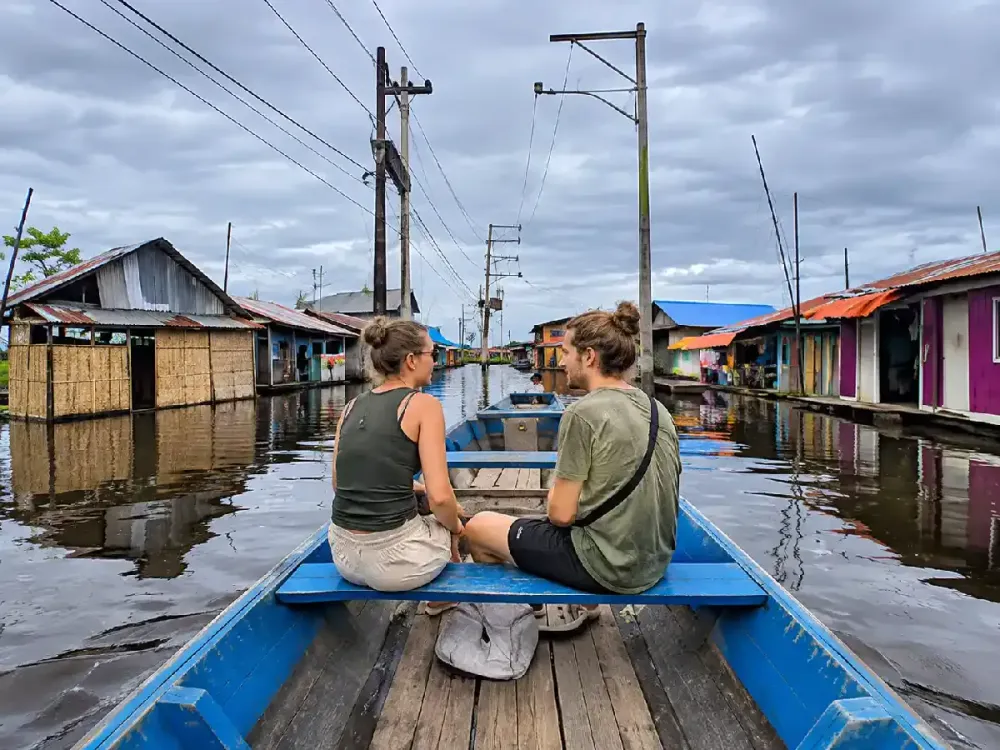
The Belén neighborhood is one of Iquitos' best-known places and an important part of the city's cultural identity. Located in an area connected to the Itaya River, the neighborhood is famous for houses adapted to changing water levels and commercial activities that form part of residents' daily lives.
During high-water periods, some areas feature homes built on stilts or floating structures, while the landscape changes considerably when river levels fall. These adaptations reveal how Amazonian communities have developed ways of living alongside the natural cycles of the rivers.
Belén Market is another fascinating place to explore. Vendors sell fruits, fish, spices, plants, and various regional products that are important to Loreto's food traditions. Visiting with a local guide can help you understand where the products come from and their cultural significance.
A visit also calls for respect toward the people who live and work in the neighborhood. Always ask permission before photographing residents, avoid intrusive visits, and choose guided experiences that provide benefits to the community.
Discovering Belén is about much more than observing its buildings. It is an opportunity to understand how markets, river transportation, and social relationships function in a city deeply connected to the Amazonian waterways.
Discover Iquitos' Museums and Cultural History
Beyond its natural beauty, Iquitos has cultural spaces that introduce visitors to the history and diversity of Amazonian peoples. Museums are an excellent complement to rainforest excursions, especially if you want to understand Loreto's traditions before exploring the region's natural environments.
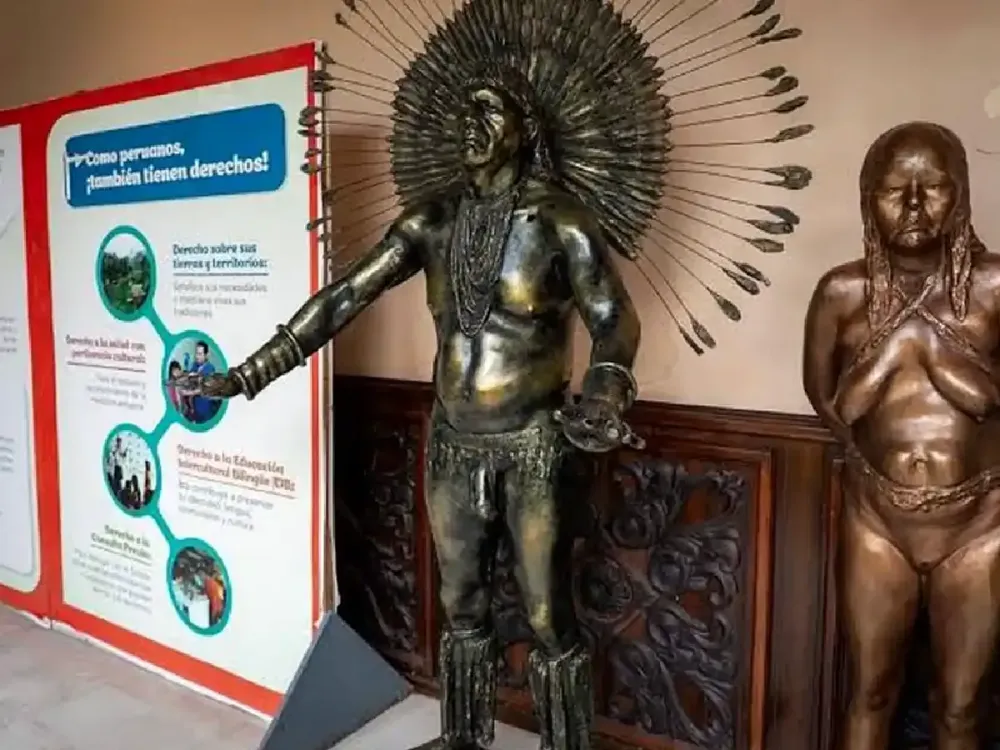
The Museum of Indigenous Amazonian Cultures displays objects related to everyday life, clothing, ceremonial activities, and traditional knowledge from different peoples of the Amazon Basin. Its collections offer insight into social organization and the relationships these communities maintain with their natural surroundings.
Another interesting place is the Amazonian Museum, located along the Tarapacá Waterfront. Housed in a historic building, it presents elements connected to regional history and representations of different Amazonian communities. Visiting the museum is a natural addition to a walk through the historic center.
These cultural spaces help visitors understand that the Amazon is far more than a landscape of forests and wildlife. It is also home to peoples with distinct languages, knowledge systems, artistic expressions, and traditions.
Before visiting, check current opening hours and admission arrangements, as these may change depending on each institution's management. If you have a day to explore the city, you can combine the historic center, Tarapacá Waterfront, and a museum in a single itinerary.
Explore the Nanay River and Nearby Natural Attractions
The Nanay River area offers appealing options for travelers who want to experience Amazonian landscapes without joining a multi-day expedition. This area forms part of Iquitos' river environment, where you can observe boats, commercial activities, and natural landscapes shaped by the waterways.
One well-known location is Bellavista-Nanay, which serves as a reference point for various river activities. Around this area, visitors can appreciate the connection between the city and its rivers while discovering places associated with regional cuisine.
The Nanay Bridge has also become a recognizable landmark in the city's surroundings. Its structure offers a different perspective of the river and nearby landscapes, although visitors should remain within permitted areas and respect traffic restrictions.
Another option is the Quistococha Tourist Complex, known for its natural setting and lagoon. Before planning a visit, check its current operating status, opening hours, and available services, as access conditions can change.
For travelers with limited time, attractions near the city provide an introduction to Loreto's varied landscapes before a longer rainforest expedition. They also offer opportunities to enjoy photography, regional food, and the atmosphere of the river.

Cruise the Amazon River and Visit Nauta
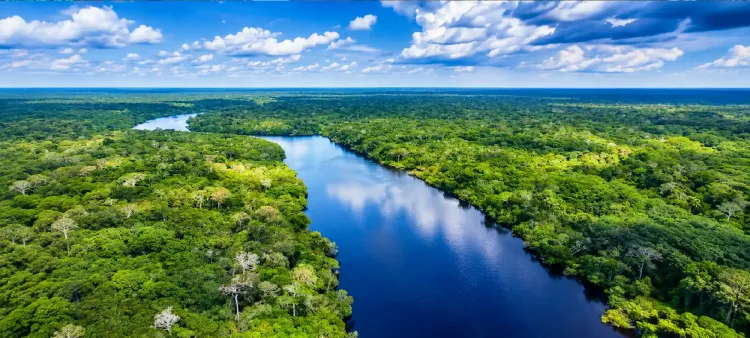
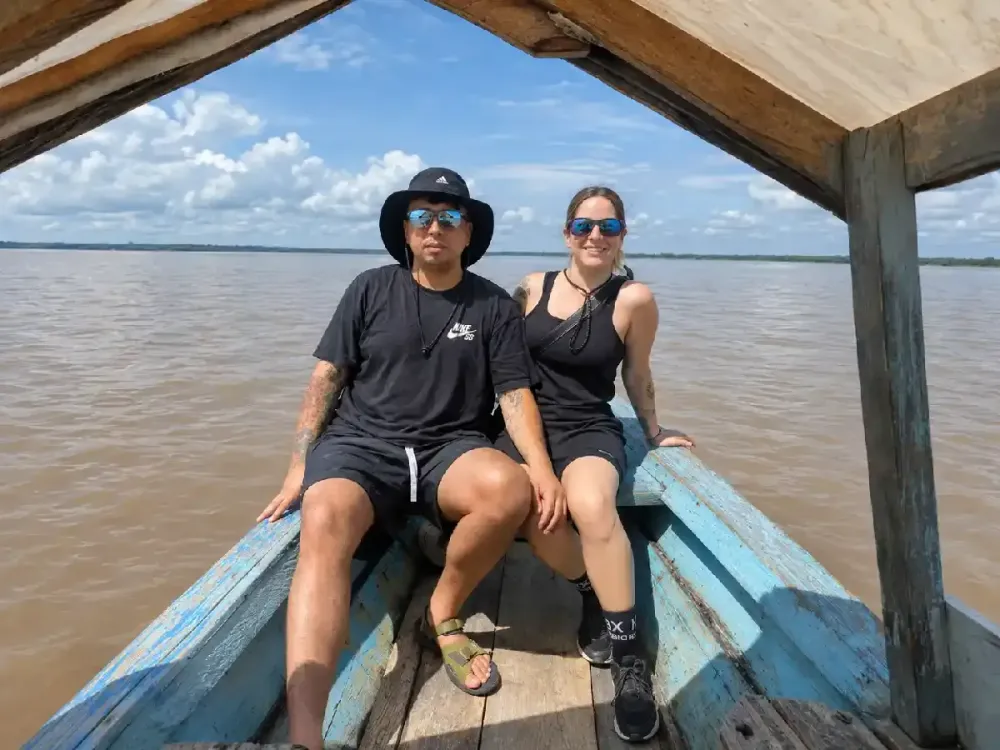
One of the greatest attractions of traveling to Iquitos is the opportunity to navigate the Amazon's major rivers. These excursions reveal landscapes filled with tropical vegetation, riverside communities, and environments where water transportation remains essential.
The town of Nauta is an important gateway for exploring this part of the region. Located south of Iquitos, it can be reached by road. Near Nauta, the Marañón and Ucayali rivers meet, forming the main course of the Amazon River, one of the world's most significant river systems.
Boats depart from Nauta toward different areas of Loreto's rainforest. Some journeys explore lagoons, channels, and flooded forests, while others form part of multi-day expeditions into protected natural areas.
During a river journey, travelers may observe birds and, in certain locations, river dolphins. However, these animals live in the wild, and sightings depend on their movements, weather conditions, and the characteristics of each route.
The experience changes considerably throughout the year. During high-water periods, boat routes may open through flooded forest areas, while lower river levels expose riverbanks and other areas where certain walking excursions become possible.
If your goal is to explore the river landscapes beyond the city, allow enough time for transfers and choose operators familiar with the conditions along each route.
Visit Pacaya Samiria National Reserve
Pacaya Samiria National Reserve is one of Loreto's most important natural destinations and a major reason many travelers visit Iquitos. Covering approximately 2,080,000 hectares, the reserve protects extensive tropical forest ecosystems, rivers, lagoons, and seasonally flooded environments that support remarkable biodiversity.
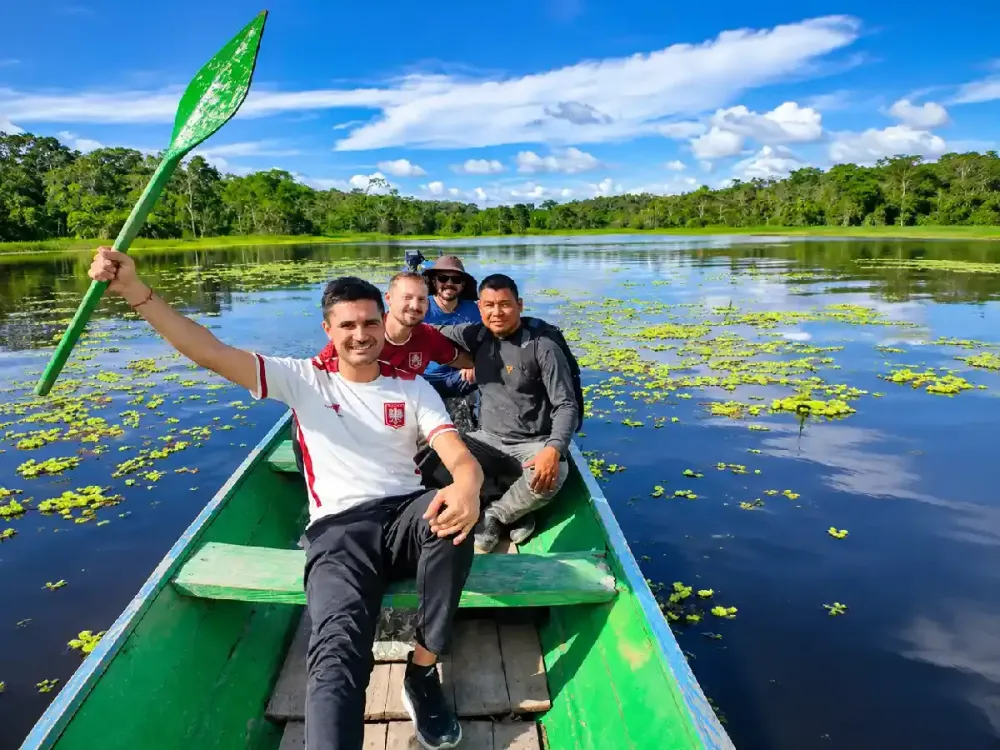
It is often known as the Jungle of Mirrors because of the reflections that appear on its waters, particularly when conditions are calm. Trees, vegetation, and the sky can be reflected in rivers and lagoons, creating a landscape very different from a typical rainforest hike.
Expeditions combine river navigation with guided exploration of habitats where birds, monkeys, caimans, turtles, and numerous fish species live. In certain areas, visitors may also have opportunities to look for river dolphins, depending on natural conditions.
One of the visitor areas recognized by SERNANP is Yanayacu-Pucate, where authorized activities may include wildlife observation, river excursions, and community visits. Available routes vary according to river levels, travel time, and conservation requirements.
Visiting the reserve requires authorized tourism services and compliance with SERNANP regulations. Not all sections are open to unrestricted tourism, and conditions are not identical throughout the year.
If you would like to explore these environments, discover the 3-day Pacaya Samiria tour, which combines transfers from Iquitos, river navigation, and guided rainforest activities.
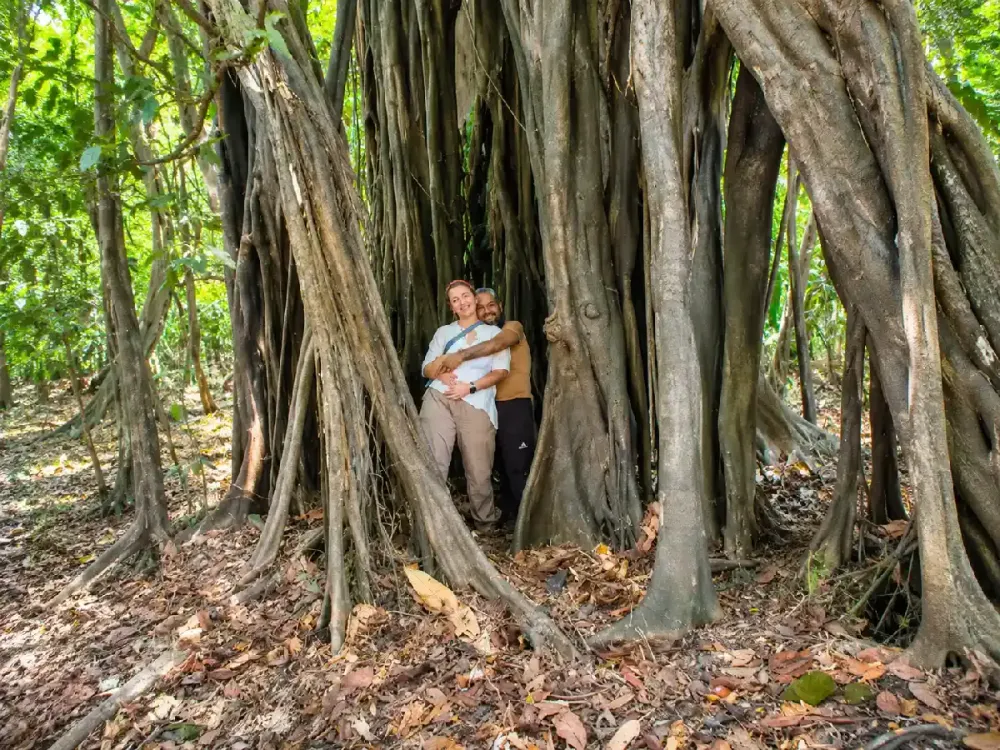
Discover Yanayacu and Its Dark-Water Landscapes
Yanayacu is an appealing destination for travelers who want to explore Loreto's Amazon through boat journeys, guided walks, and nature observation. Its waterways and tropical forest surroundings offer landscapes that change according to the season and river conditions.
In certain areas, dark-colored waters reflect the surrounding trees and sky, creating particularly attractive scenes for photography. These landscapes are part of Amazonian environments where organic matter and natural water characteristics influence their color.
Activities may include walks to identify plants and trees, boat excursions, birdwatching, and organized nighttime outings. During these experiences, guides help travelers recognize animal calls, tracks, and other signs of wildlife.
Yanayacu can also be an interesting option for first-time visitors to Iquitos who want a moderately paced rainforest expedition. It combines different river environments with opportunities for guided exploration.
| Experience | Program Duration | Main Focus |
|---|---|---|
| Pacaya Samiria | 3 days | National reserve and flooded forests |
| Yanayacu | 3 days | River navigation and Amazonian nature |
| Yanayacu | 4 days | More extensive rainforest exploration |
| Birdwatching | 4 days | Specialized birdwatching excursions |
You can explore the 3-day Yanayacu Amazon tour or choose the 4-day Yanayacu program if you prefer to spend more time in the rainforest.
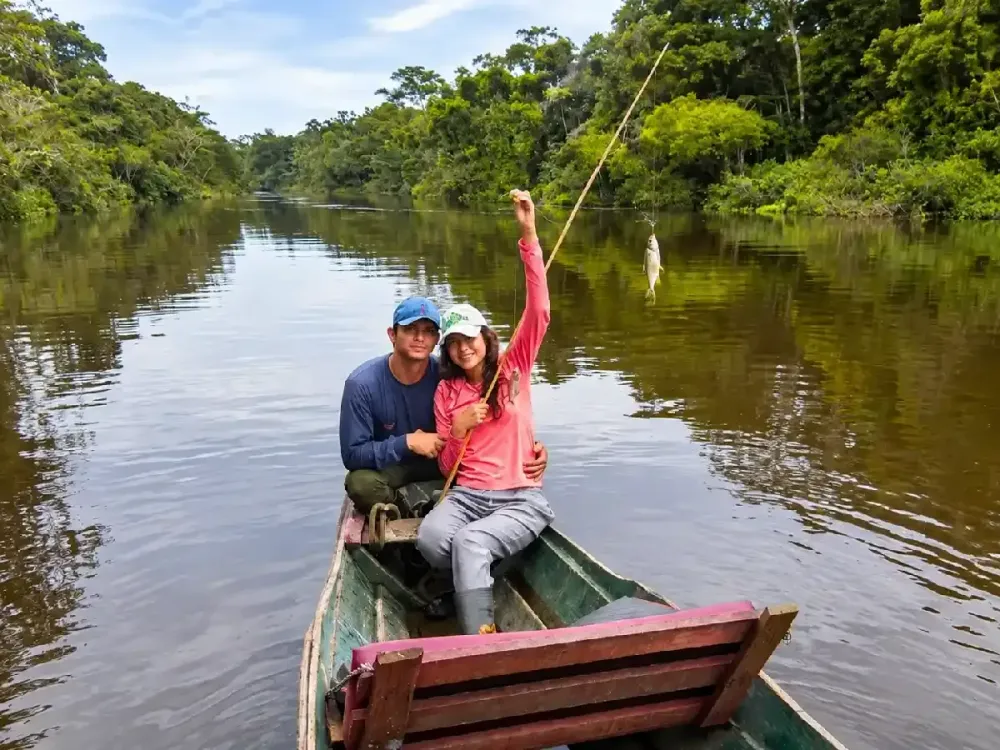
Watch Birds, River Dolphins, and Other Amazonian Wildlife
Wildlife observation is one of the most popular experiences in Iquitos. Loreto's different ecosystems support a remarkable diversity of birds, mammals, reptiles, amphibians, and fish that play important roles in the natural functioning of the Amazon rainforest.
Bird species that may be encountered in certain areas include toucans, macaws, herons, and hoatzins. Some inhabit forest environments, while others are associated with lagoons, riverbanks, and flooded habitats.
River dolphins are another highlight for visitors. Along certain Amazonian routes, travelers may have opportunities to observe pink or gray river dolphins, although sightings depend on the area visited and the animals' natural behavior.
Guided rainforest walks reveal other aspects of biodiversity that can easily go unnoticed. Frogs, butterflies, insects, and various primate species inhabit these tropical ecosystems, and it is often easier to hear wildlife than to actually see it.
For travelers seeking a more specialized experience, birdwatching excursions generally begin early in the morning and may continue at different times of day. Patience, quiet observation, and the knowledge of experienced naturalist guides are essential.
The 4-day birdwatching tour in Iquitos is designed for travelers interested in exploring different Amazonian habitats and identifying birds in their natural environment.
It is important to avoid activities that involve handling wild animals or forcing encounters for photographs. Responsible wildlife watching means keeping a respectful distance and allowing animals to behave naturally.

Taste the Traditional Food of Iquitos and Loreto
Food is an essential part of any visit to Iquitos. Loreto's cuisine brings together river ingredients, tropical fruits, agricultural products, and traditional cooking techniques that reflect the relationship between local communities and their Amazonian environment.
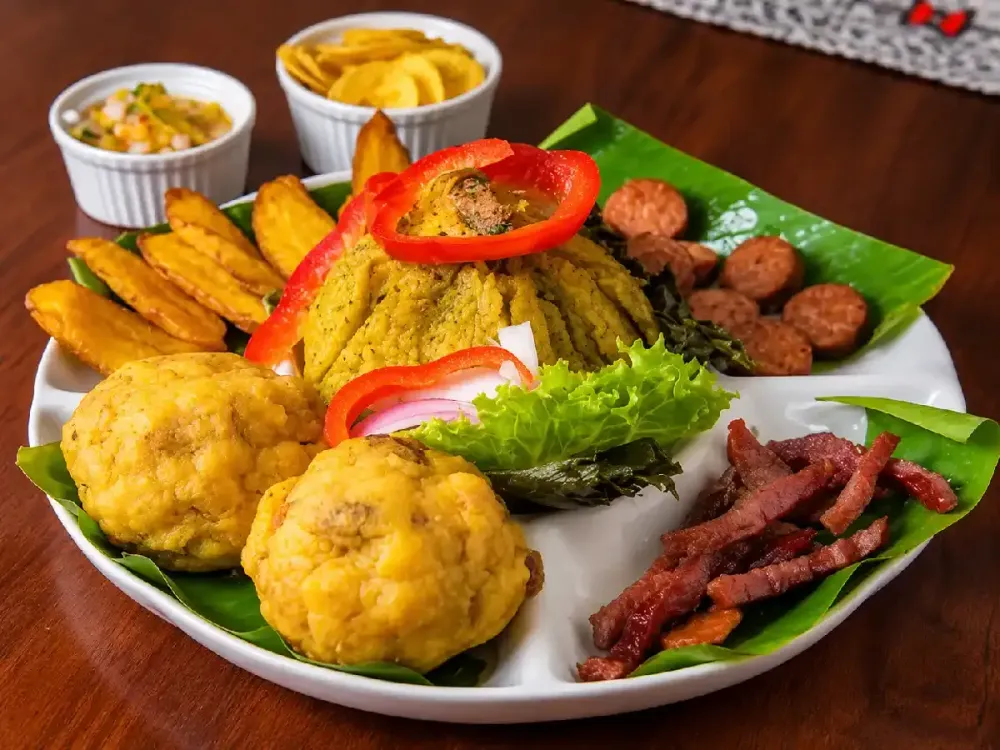
One of the best-known dishes is juane, usually prepared with rice, chicken, egg, and seasonings wrapped in bijao leaves. Its preparation and presentation are closely connected to regional celebrations and traditions.
Tacacho con cecina is another popular dish. It consists of roasted or cooked green plantain that is mashed and served with smoked or salted pork. This preparation is typical of several areas of the Peruvian Amazon.
Other traditional foods include river fish such as paiche, along with dishes made from cassava and different regional ingredients. Amazonian fruits such as camu camu and aguaje are also used in drinks and other local products.
| Dish or Ingredient | Description |
|---|---|
| Juane | Rice and other ingredients wrapped in bijao leaves |
| Tacacho con cecina | Mashed plantain served with pork |
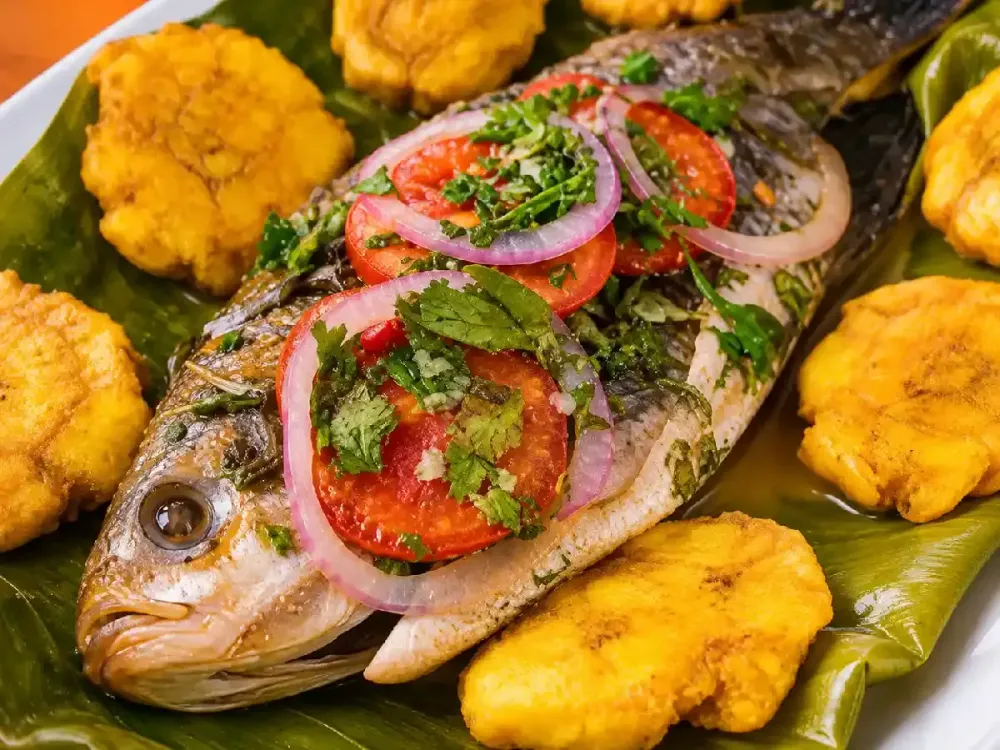
| Patarashca | Seasoned fish cooked in leaves |
| Paiche | Amazonian fish used in various dishes |
| Aguaje | Amazonian fruit used in drinks and desserts |
| Camu camu | Fruit used in juices and other preparations |
To experience the local cuisine, visit regional restaurants and markets with appropriate hygiene standards. When choosing fish and other wildlife-related products, select establishments that respect sourcing and conservation regulations.
Food in Iquitos also offers opportunities to discover family stories, celebrations, and customs that form part of Loreto's cultural heritage.
What Is the Best Time to Visit Iquitos?
Iquitos can be visited throughout the year, but rainfall and changing river levels influence its landscapes and available activities. The climate is tropical, warm, and humid, with frequent rainfall even during relatively less rainy months.
In this region, it is important to distinguish the rainy season from high-water and low-water periods. Water levels in major rivers depend on rainfall across different parts of the Amazon Basin and do not always respond immediately to weather conditions within the city.
During high-water periods, certain flooded forest areas can be explored by small boats. When water levels fall, exposed riverbanks and trails may provide opportunities for guided walks and exploration of different habitats.
SERNANP recommends visiting Pacaya Samiria National Reserve between May and September. However, this does not mean every part of Loreto experiences the same conditions during those months.
| Period | General Conditions | Experiences |
|---|---|---|
| May to September | Recommended visiting period for Pacaya Samiria | River excursions and activities according to water levels |
| October to April | General rainy period for Pacaya Samiria | Landscapes with changing water levels and access conditions |
| Year-round | Warm and humid conditions in Iquitos | Cultural visits and weather-adapted excursions |
Choosing the best time depends on the activities you want to experience. If your priority is exploring a specific rainforest area, check river levels and access conditions before booking.
For a broader understanding of the seasons, read our guide to the best time to visit the Peruvian Amazon.
What to Do in Iquitos in 1, 2, 3, or 4 Days
The length of your visit determines which experiences you can realistically include in Iquitos. With one or two days, you can explore several city attractions and take nearby excursions, while three or four days allow more time for the rainforest and organized expeditions.
If you only have one day, focusing on the city is usually the best approach. Start at the Plaza de Armas and historic center, continue to Tarapacá Waterfront, and visit a museum. In the afternoon, a regional food experience can complete your day.
With two days, you can dedicate your first day to urban attractions and use the second for a nearby excursion, depending on transportation times and local conditions. Avoid packing too many activities into your itinerary when river transfers are involved.
A three-day stay makes it possible to join a complete Amazon expedition, although some programs use all three days exclusively for rainforest exploration. If you also want to explore the city, allow additional time before or after your excursion.
With four days, you can choose a longer Yanayacu program or a specialized birdwatching adventure. Depending on your flight schedule, you may also combine a city visit with a three-day rainforest expedition.
| Time Available | Suggested Experience | Important Considerations |
|---|---|---|
| 1 day | Historic center, waterfront, museum, and local food | City sightseeing |
| 2 days | City attractions and a nearby excursion | Allow time for transportation |
| 3 days | Pacaya Samiria or Yanayacu expedition | May occupy the entire stay |
| 4 days | Yanayacu or specialized birdwatching | Longer rainforest programs |
| 5 days or more | City exploration and multi-day expedition | Greater flexibility |
To make the most of your trip, choose a realistic itinerary rather than trying to see too many places. In the Amazon, river distances and changing natural conditions are an important part of the travel experience.
Travel Tips for Visiting Iquitos and Choosing the Best Experiences
Planning your visit to Iquitos carefully will help you enjoy its attractions while reducing difficulties related to weather and transportation. The first thing to consider is that most visitors arrive by plane, and many excursions require additional transfers to river ports, communities, or lodges outside the city.
For nature activities, pack lightweight, quick-drying clothes, long-sleeved shirts, comfortable trousers, insect repellent, sunscreen, and a rain jacket. It is also advisable to protect documents and electronic devices in waterproof bags.
Choose footwear according to your itinerary. Some excursions provide rubber boots, but it is important to check what your tour includes before departure. A flashlight can also be particularly useful for nighttime activities.
Review current health recommendations before traveling to the region. Depending on your destination and personal circumstances, a healthcare professional may recommend protection against yellow fever and other mosquito-borne illnesses.
If you plan to visit protected natural areas, choose authorized services and follow park ranger instructions. Wildlife conservation, responsible waste management, and respect for local communities are essential parts of any Amazon experience.
Before booking an excursion, check the actual travel time, included activities, accommodation type, and meal arrangements. It is also important to confirm whether the itinerary works with your flight times and offers flexibility in case of weather-related changes.
At Dreamy Tours, we believe that one of the best ways to discover Iquitos is to combine its cultural heritage with guided experiences in Amazonian ecosystems. The city's markets, rivers, and cuisine reveal one side of Loreto, while rainforest expeditions offer a different perspective on its natural landscapes.
If you are planning your next adventure, explore the Iquitos Amazon rainforest tours and compare experiences in Pacaya Samiria, Yanayacu, and the Amazonian environments that interest you most.
Personal travel advice
Plan your trip with Dreamy Tours
Start a tailored journey with our exclusive tours and custom trips across Peru and other Latin American countries.