Search the blog
Tabla de contenidos
Altitude sickness on the Inca Trail is one of the main concerns for travelers arriving in Cusco from cities near sea level. The Classic route reaches approximately 4,200 meters at Dead Woman’s Pass, so allowing your body time to adjust to altitude deserves just as much attention as physical training.
Not everyone reacts the same way. Being physically fit does not guarantee that your body will adapt immediately to lower oxygen availability. The main factors are the altitude reached, the speed of ascent and how much time your body has had to acclimatize beforehand.
At Dreamy Tours, we recommend organizing your trip so that arriving in Cusco and beginning the Classic Inca Trail 4 Days do not become one sudden jump in altitude and physical effort. If you want to understand the elevation profile first, read Inca Trail altitude.
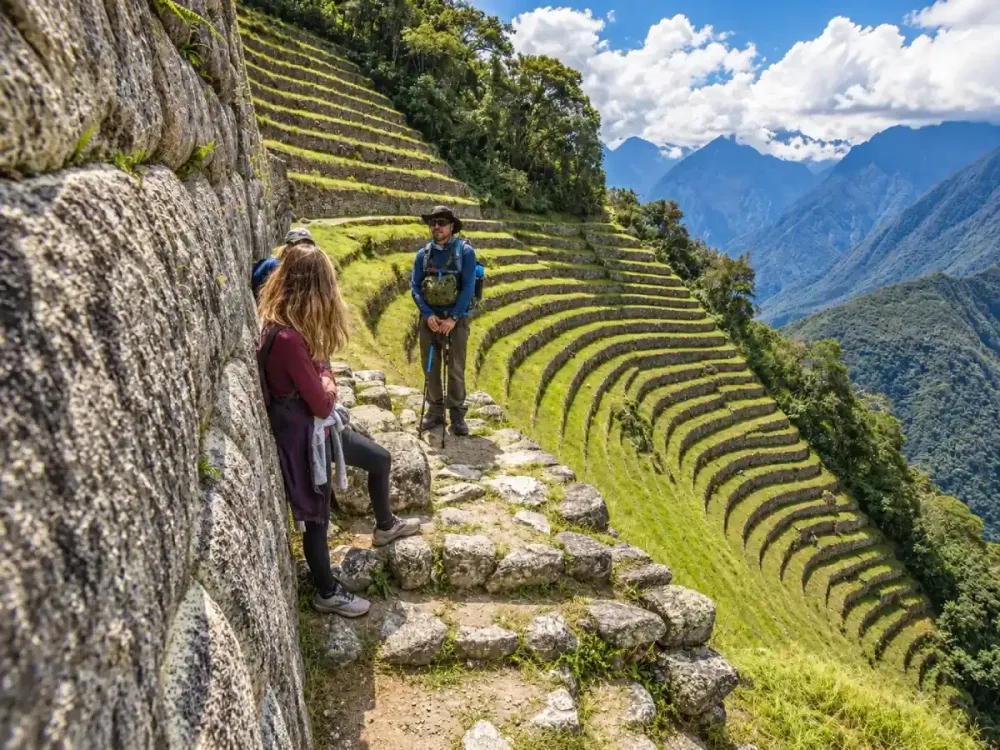
What is altitude sickness?
Acute mountain sickness can occur when someone ascends to high altitude faster than the body can adapt. As elevation increases, atmospheric pressure decreases, which means less oxygen is available with each breath.
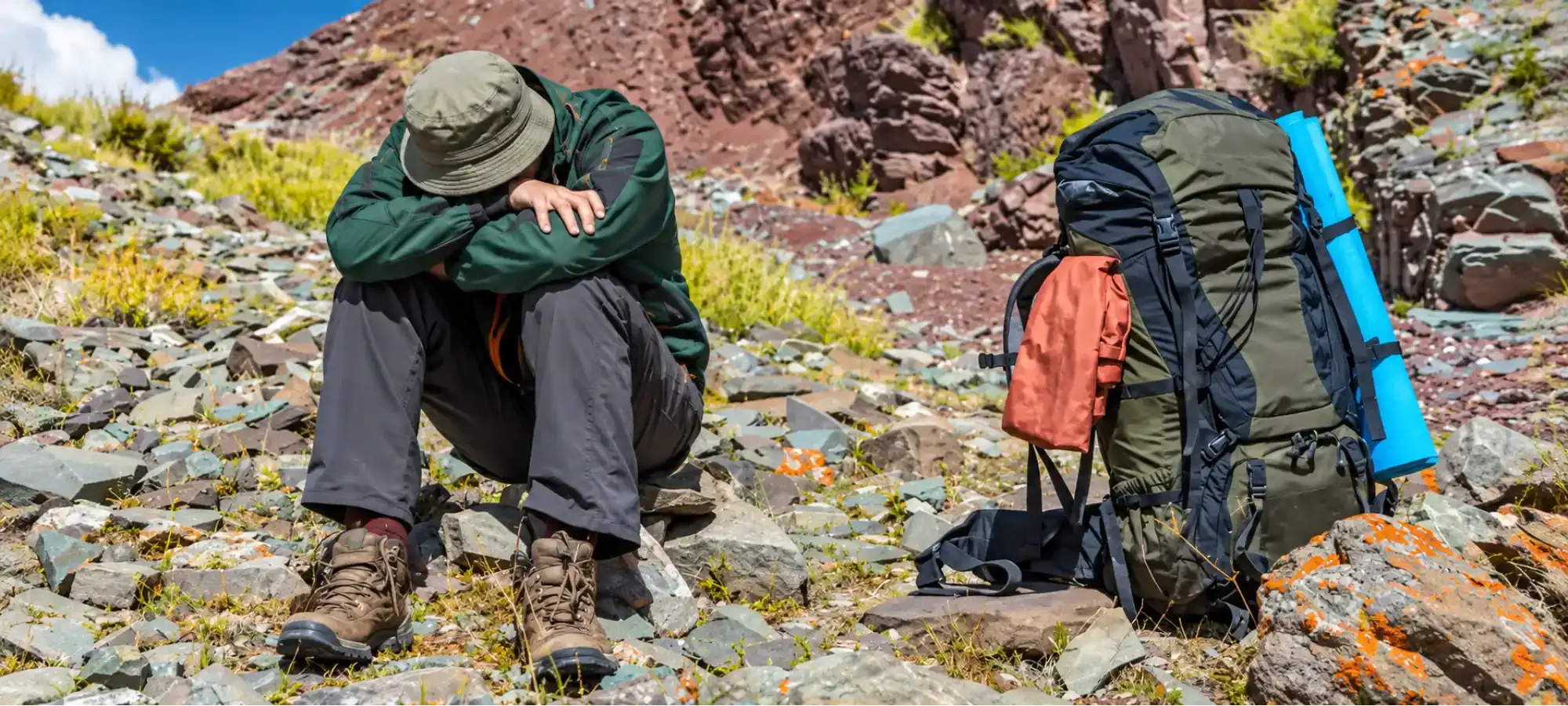
Mild symptoms may include headache, unusual fatigue, dizziness, nausea, reduced appetite and difficulty sleeping. However, some of these symptoms can also be caused by dehydration, exhaustion, digestive issues or other conditions, so not every discomfort at altitude should automatically be treated as altitude sickness.
| Possible symptom | What to do initially |
|---|---|
| Mild headache | Rest and monitor how it develops |
| Unusual fatigue | Reduce effort |
| Dizziness | Inform your guide and avoid rushing |
| Nausea or loss of appetite | Report it and monitor symptoms |
| Difficulty sleeping | Rest and watch for other symptoms |
| Symptoms that worsen | Stop ascending and seek assessment |
During a trek, the key is not only identifying a symptom, but also observing whether it improves, stays the same or becomes worse as you remain at altitude.
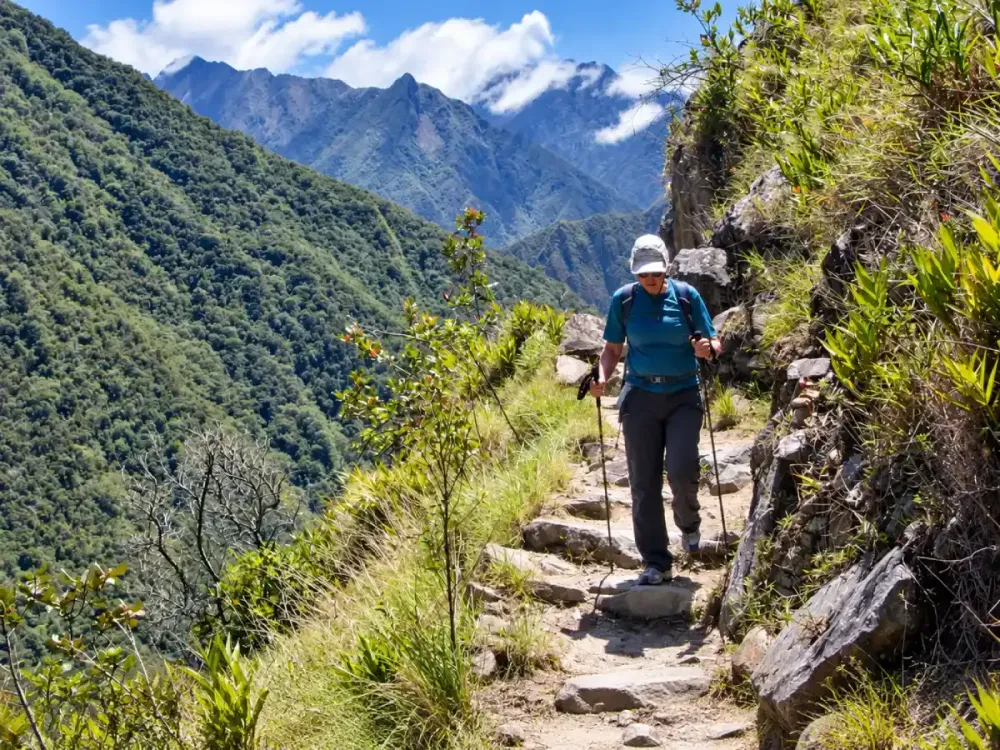
Why is acclimatization important before the Inca Trail?
Your body needs time to adjust to an environment where less oxygen is available. During the first days at altitude, breathing patterns and other physiological responses begin to change so that the body can function more efficiently.
For this reason, arriving from sea level and beginning a demanding trek immediately does not give your body the same opportunity to adapt as spending some time in the region first.
Acclimatization does not mean staying completely inactive for several days. You can explore Cusco or do moderate activities, but it is wise to avoid turning your first hours in the Andes into a sequence of intense physical efforts.
The basic idea is simple: give your body time before asking it to handle several consecutive trekking days and a climb to approximately 4,200 meters.
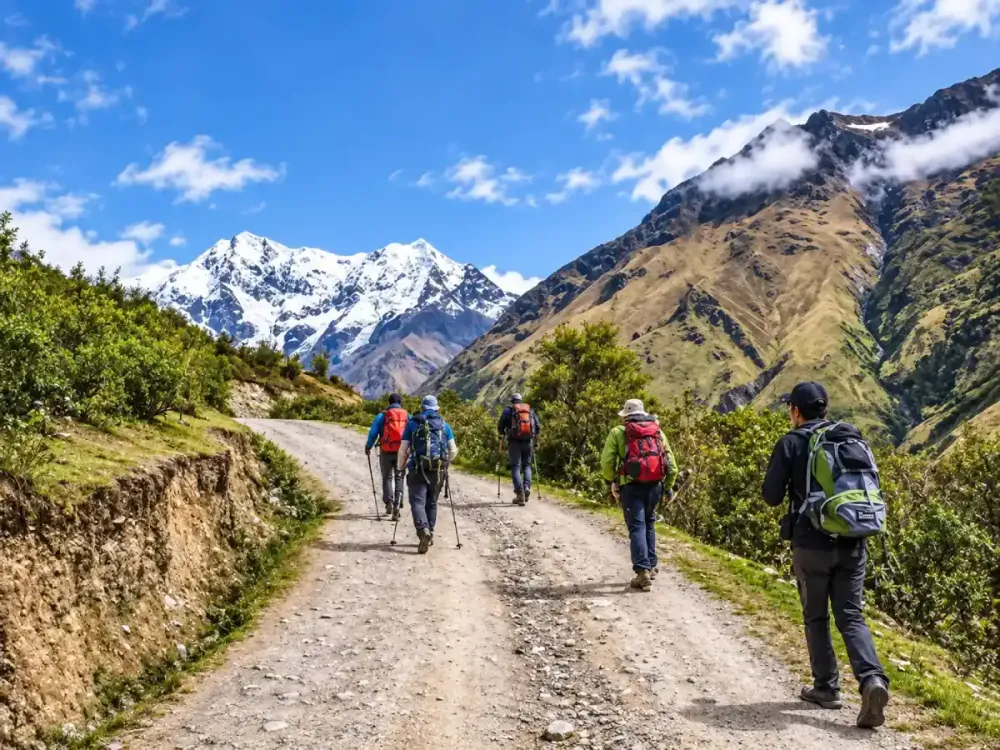
How many days do you need to acclimatize?
There is no exact number that works equally well for everyone. Your response to altitude depends on factors such as where you are coming from, how quickly you ascend and how your body has reacted to altitude in the past.
As a practical guideline, we usually recommend allowing 2 to 3 days before the Inca Trail if you are arriving from a low-altitude location. This creates a more gradual transition and avoids starting the trek immediately after your flight.
Those days can be used for lighter sightseeing, rest and gentle activity around Cusco or the Sacred Valley. The goal is not to guarantee that you will have no symptoms, because no fixed number of days can do that. The goal is to reduce the abruptness of the transition.
Acclimatization is most useful when it is treated as part of the itinerary, not as an optional extra added only if you feel unwell.
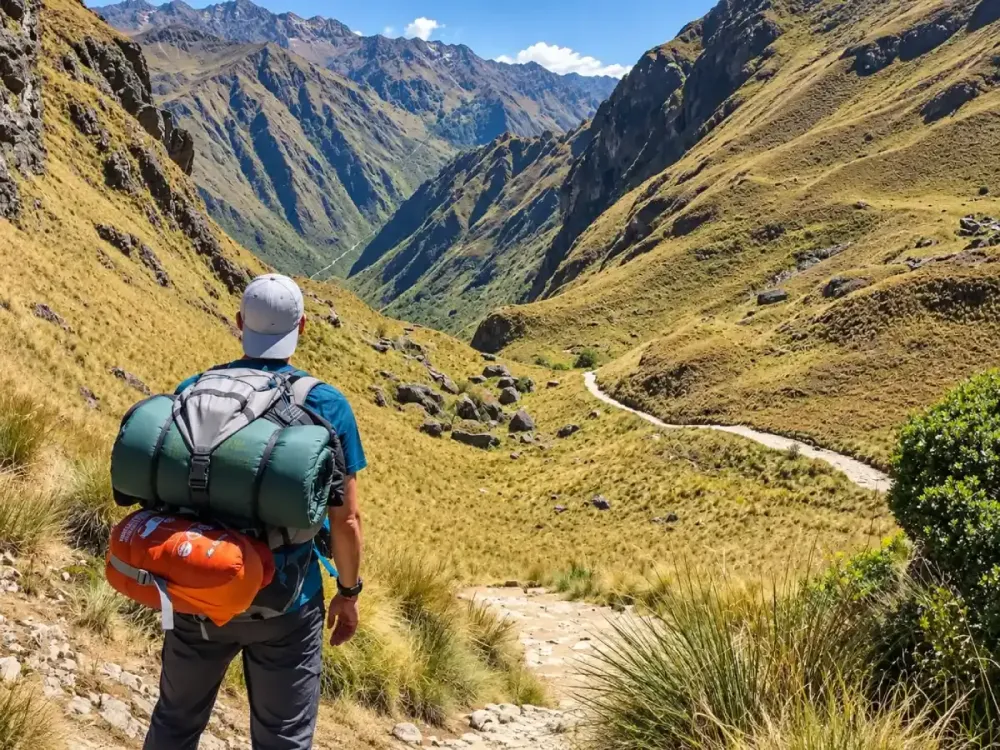
Does being fit prevent altitude sickness?
No. This is one of the most common misconceptions about trekking in the Andes.
Someone may run regularly, cycle, hike often or have excellent cardiovascular fitness and still feel the effects of altitude. Fitness helps you walk longer, handle climbs and descents and recover from muscular effort, but it does not guarantee rapid adaptation to reduced oxygen availability.
It helps to separate the two concepts clearly:
| Physical preparation | Acclimatization |
|---|---|
| Improves walking endurance | Helps the body adapt to altitude |
| Strengthens legs and core | Depends largely on time and rate of ascent |
| Makes climbs and descents easier | Cannot be achieved through training alone |
| Can be developed weeks before travel | Happens through gradual exposure to altitude |
| Reduces muscular fatigue | Does not guarantee absence of symptoms |
Ideally, you should work on both. You can prepare physically using our guide to how to train for the Inca Trail and then allow time for acclimatization once you arrive in Peru.
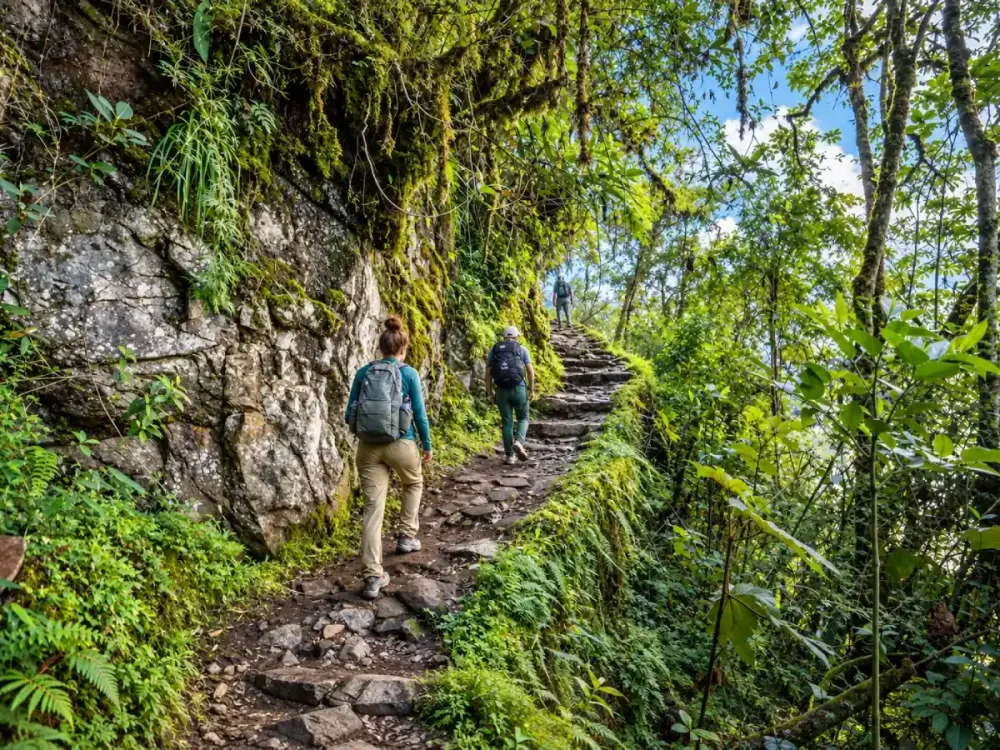
Where on the Inca Trail is altitude felt the most?
The second day of the Classic Inca Trail contains the main altitude challenge. The route climbs steadily to Dead Woman’s Pass, or Warmiwañusqa, at approximately 4,200 meters above sea level.
As elevation increases, it is normal for your walking pace to slow. A climb that might feel manageable at lower altitude can require more breaks once you approach 4,000 meters.
This does not mean every traveler will develop altitude sickness at Dead Woman’s Pass. It simply means this is one of the sections where it is particularly important to pay attention to how your body is responding and avoid trying to match someone else’s pace.
After crossing the pass, there is also a significant descent toward Pacaymayo, so managing your energy remains important. You can see the full elevation profile in Inca Trail altitude and the physical demands in Inca Trail difficulty.
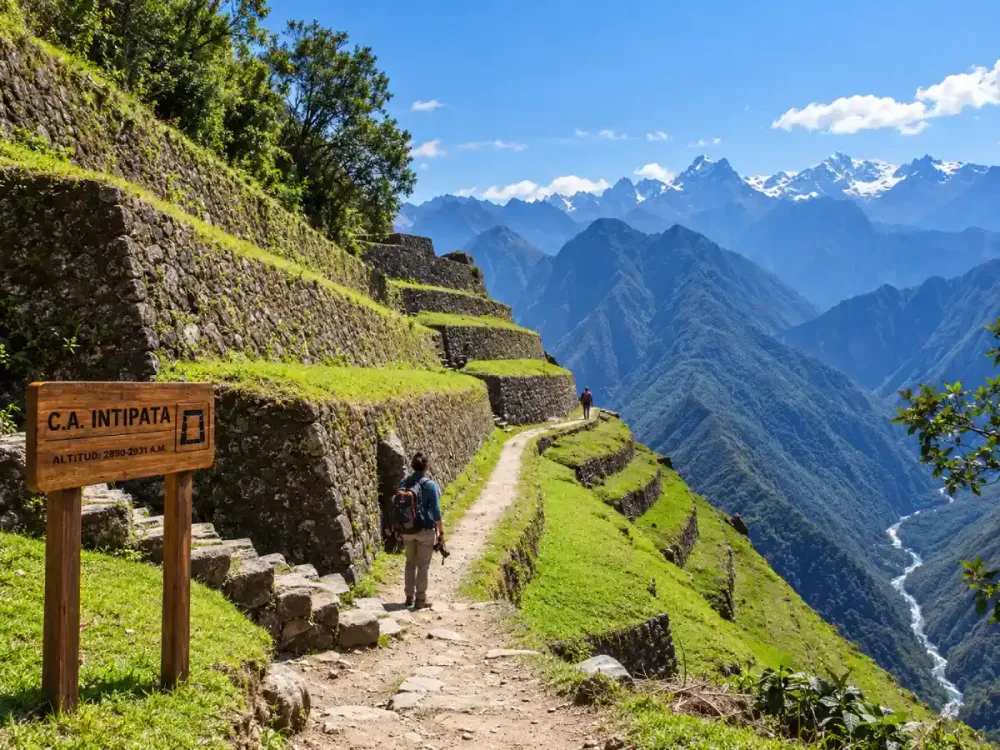
What can you do before the trek to adapt better?
Preparation for altitude starts before you reach Km 82. One of the most useful decisions is to organize your itinerary so that arriving in Cusco does not immediately lead into the first trekking day.
During your first hours at altitude, keep your pace relaxed, rest properly, eat regularly and avoid unnecessary intense exercise. You can still explore, but there is little benefit in exhausting yourself before the trek has even begun.
Spending time in Cusco or the Sacred Valley can help create a more gradual transition. The goal is not to remain indoors, but to give your body time to adjust before several hours of trekking each day.
Sleep also matters. Beginning the Inca Trail after a long flight, poor rest and a packed sightseeing schedule adds several sources of fatigue on top of the altitude itself.
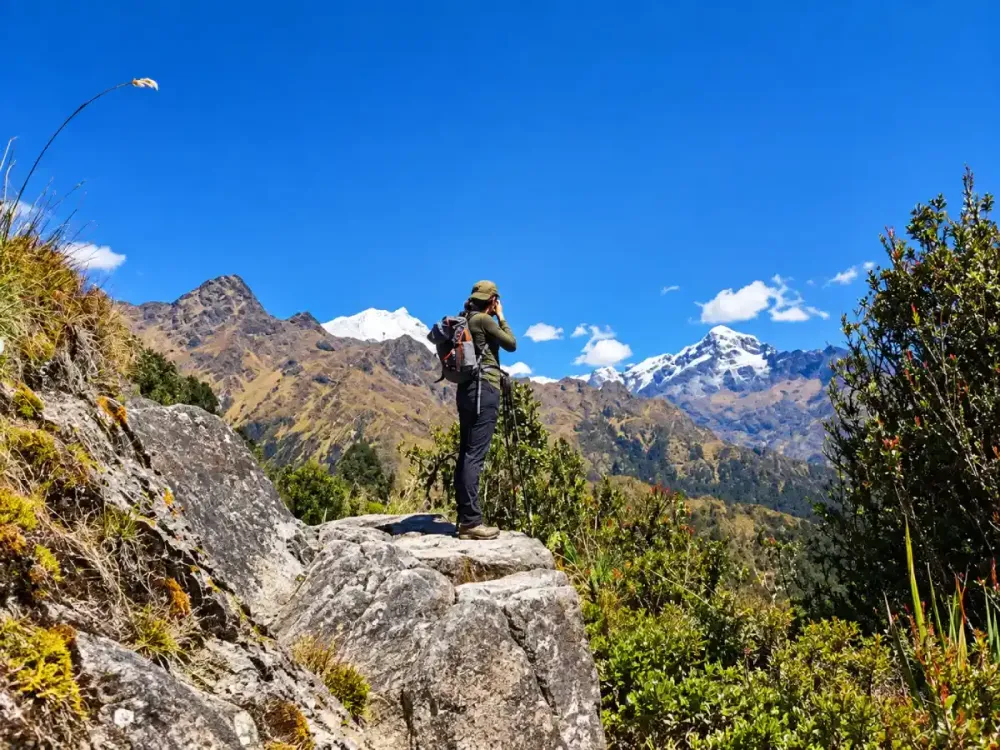
Does drinking lots of water prevent altitude sickness?
Staying properly hydrated is important during any trek, but drinking large amounts of water does not prevent altitude sickness by itself.
Acclimatization depends mainly on how much time your body has to adapt and how quickly you move to higher elevations. Water helps prevent dehydration, which can also cause symptoms such as headache and fatigue, but it does not replace the physiological process of adapting to altitude.
It is also not a good idea to drink excessive amounts of water under the assumption that more is always better. A practical approach is to stay normally and consistently hydrated according to your level of activity and the environmental conditions.
During the trek, drinking regularly throughout the day is generally more useful than waiting until you feel extremely thirsty.
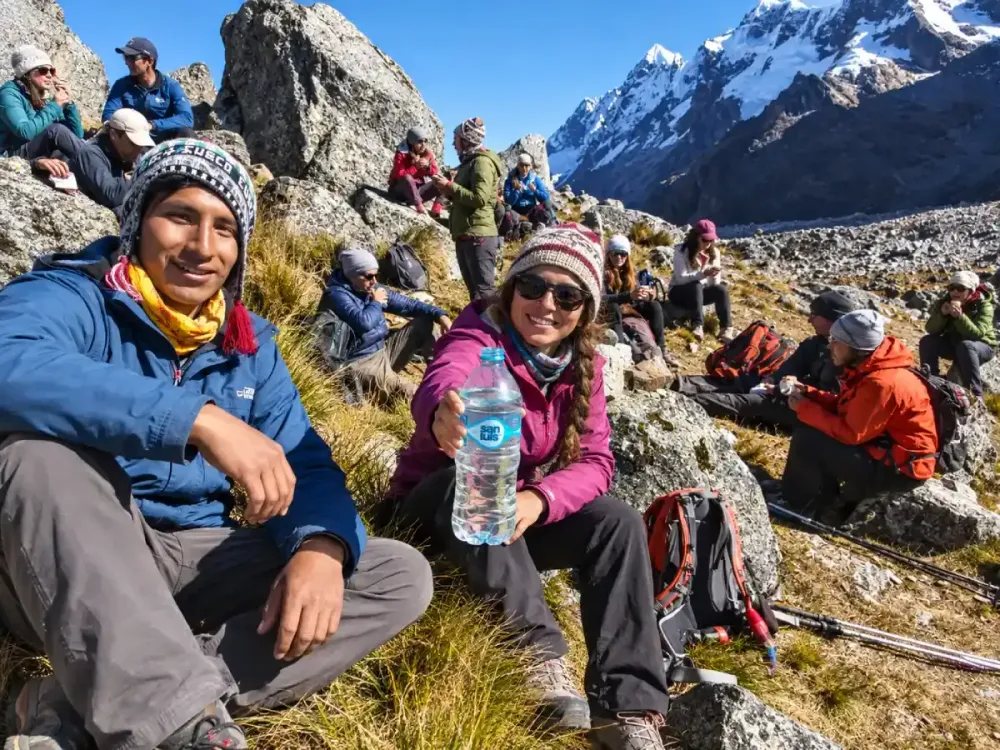
Does walking more slowly help at altitude?
Yes. Adjusting your pace can make hiking at altitude much more manageable.
When you climb, trying to maintain the same speed you would use at sea level can become unnecessarily exhausting. During the ascent toward Dead Woman’s Pass in particular, it is better to choose a rhythm you can sustain without burning through your energy reserves too early.
Walking more slowly does not by itself prevent acute mountain sickness, but it reduces the intensity of physical effort while your body is working under conditions different from those you are used to.
At Dreamy Tours, we recommend walking at your own pace. You do not need to move at the same speed as everyone else. On a multi-day trek, consistency and energy management are usually more important than speed.
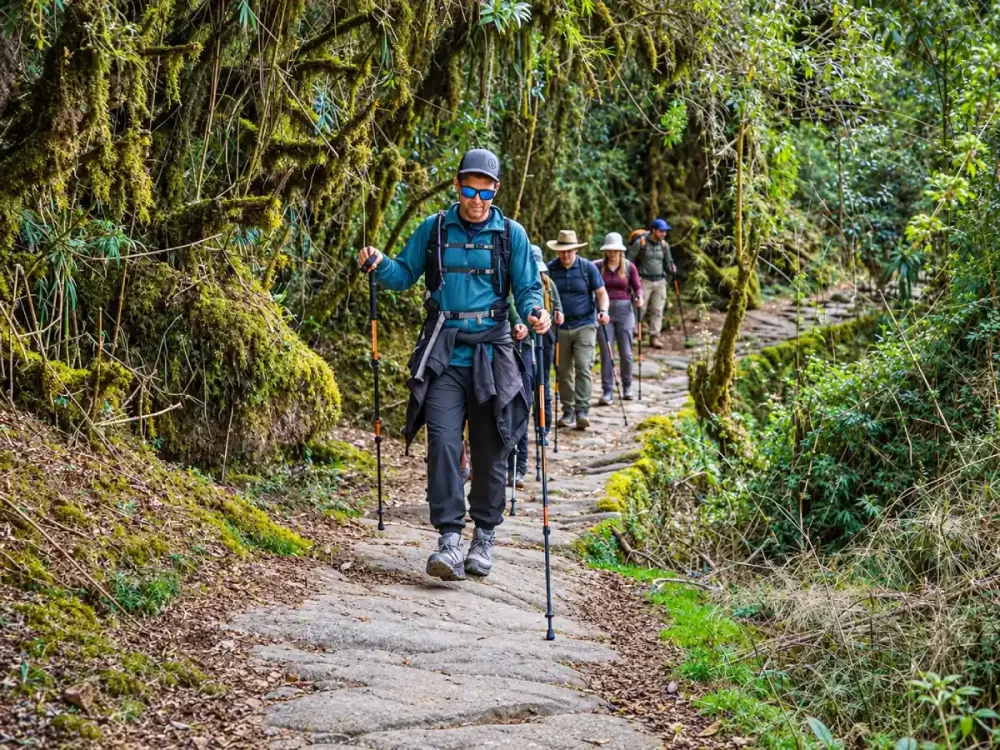
What should you do if you feel unwell on the Inca Trail?
If you begin to feel unwell during the trek, tell your guide. Do not hide symptoms because you are worried about delaying the group or because you want to complete the stage at any cost.
If symptoms consistent with altitude sickness appear, one important principle is not to continue ascending if they are getting worse. Depending on the situation, it may be necessary to rest, monitor how you feel and reassess whether continuing is appropriate.
It is also important to remember that not every symptom at altitude is caused by altitude itself. Digestive issues, dehydration, lack of sleep and exhaustion can create similar problems.
Communicating what you are feeling gives the trekking team a better chance to assess the situation based on the actual conditions rather than guessing.
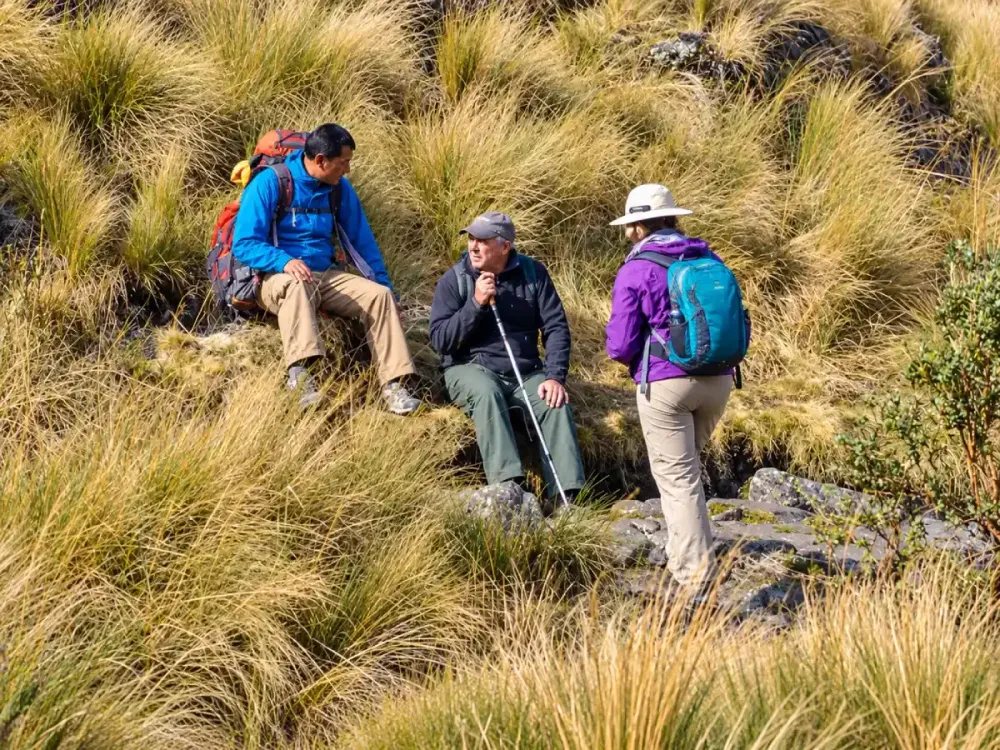
What should you do if you feel unwell on the Inca Trail?
If you begin to feel unwell during the trek, tell your guide. Do not hide symptoms because you are worried about delaying the group or because you want to complete the stage at any cost.
If symptoms consistent with altitude sickness appear, one important principle is not to continue ascending if they are getting worse. Depending on the situation, it may be necessary to rest, monitor how you feel and reassess whether continuing is appropriate.
It is also important to remember that not every symptom at altitude is caused by altitude itself. Digestive issues, dehydration, lack of sleep and exhaustion can create similar problems.
Communicating what you are feeling gives the trekking team a better chance to assess the situation based on the actual conditions rather than guessing.
Should you take medication to prevent altitude sickness?
There are medications used in the prevention and treatment of certain altitude-related problems, but they should not be taken automatically or used as a replacement for proper acclimatization.
Acetazolamide, for example, may be used in some situations to support acclimatization or reduce the risk of acute mountain sickness. However, whether it is appropriate for you, what dose to use and whether there are any contraindications should be discussed with a healthcare professional.
If you have previously experienced serious altitude problems, have a relevant medical condition, take other medications or want to consider preventive medication before traveling, speak with a qualified medical professional.
Medication should also not be used as a way to justify ascending faster than is sensible. Planning and gradual acclimatization remain essential.
Does altitude sickness make the Inca Trail dangerous?
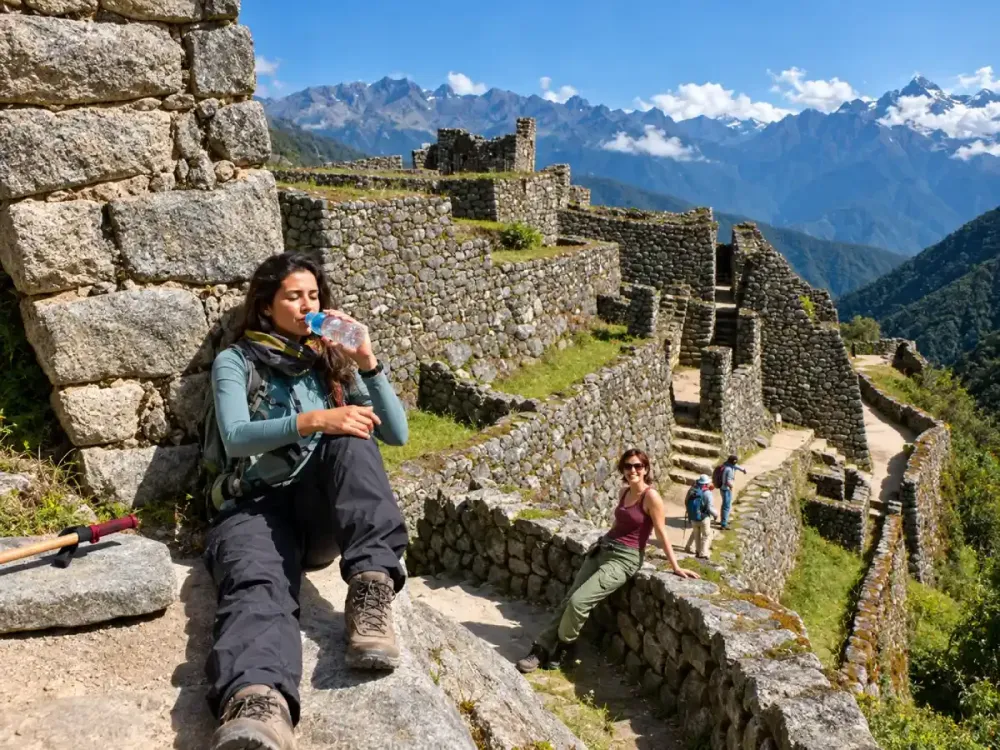
The presence of high altitude does not automatically make the Inca Trail dangerous, but it is a factor that must be respected and managed properly.
For most travelers, the practical focus is straightforward: arrive early enough to acclimatize, keep a sustainable pace, rest properly, communicate symptoms and do not continue ascending if your condition is getting worse.
The Classic Inca Trail 4 Days reaches approximately 4,200 meters, while the Short Inca Trail 2 Days remains considerably lower and avoids Dead Woman’s Pass. If high-altitude exposure is a major concern, the Short Inca Trail may be an alternative worth considering.
Preparing for altitude does not mean being afraid of the mountains. It means recognizing that your body is working under different conditions and planning accordingly.
If you are considering the Classic route, combine this information with Inca Trail altitude, Inca Trail difficulty and how to train for the Inca Trail. Physical preparation, acclimatization and pacing serve different purposes, but together they give you a much more realistic and safer approach to the trek.

Personal travel advice
Plan your trip with Dreamy Tours
Start a tailored journey with our exclusive tours and custom trips across Peru and other Latin American countries.