Search the blog
Tabla de contenidos
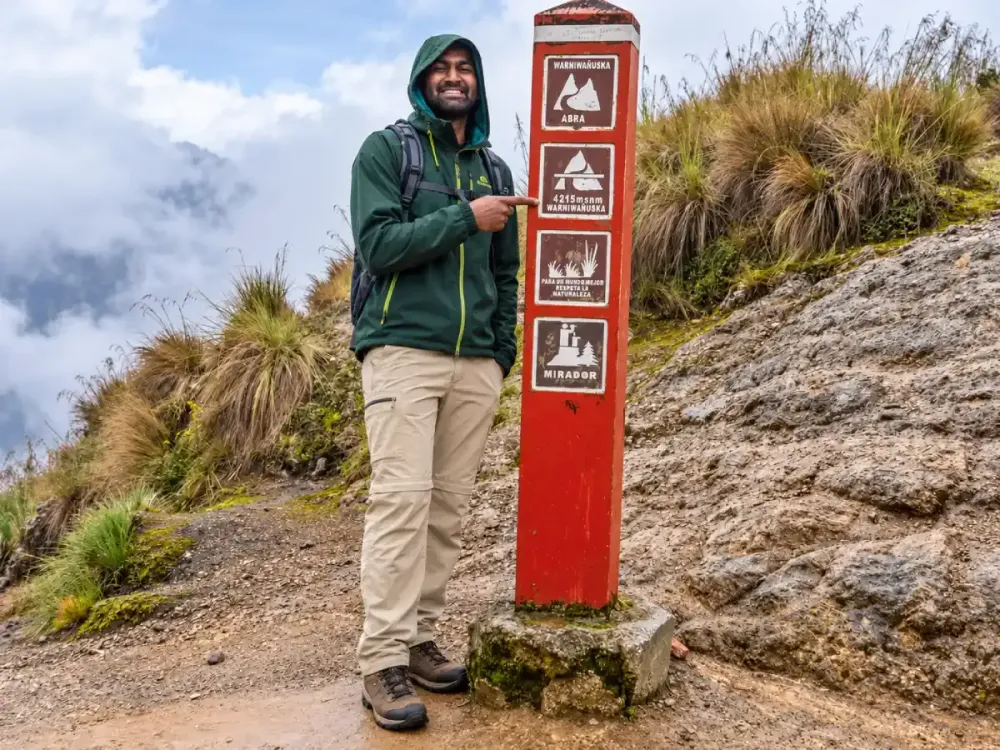
Dead Woman’s Pass, known locally as Warmiwañusqa, is the highest point on the Classic Inca Trail and one of the sections that creates the most questions before the trek begins. It sits at approximately 4,200 meters above sea level and is reached during the second day of the route.
Reaching this pass does not require climbing techniques or specialist mountaineering skills. The real challenge comes from the combination of a long ascent, increasing altitude, steep sections and the fatigue already accumulated from the previous day.
At Dreamy Tours, we believe Warmiwañusqa should be understood as part of the full Classic Inca Trail 4 Days experience. It is not simply a summit to reach, but a key section of the Classic Inca Trail route and one of the clearest examples of how altitude and elevation gain affect the real difficulty of the trek.
What is Dead Woman’s Pass?
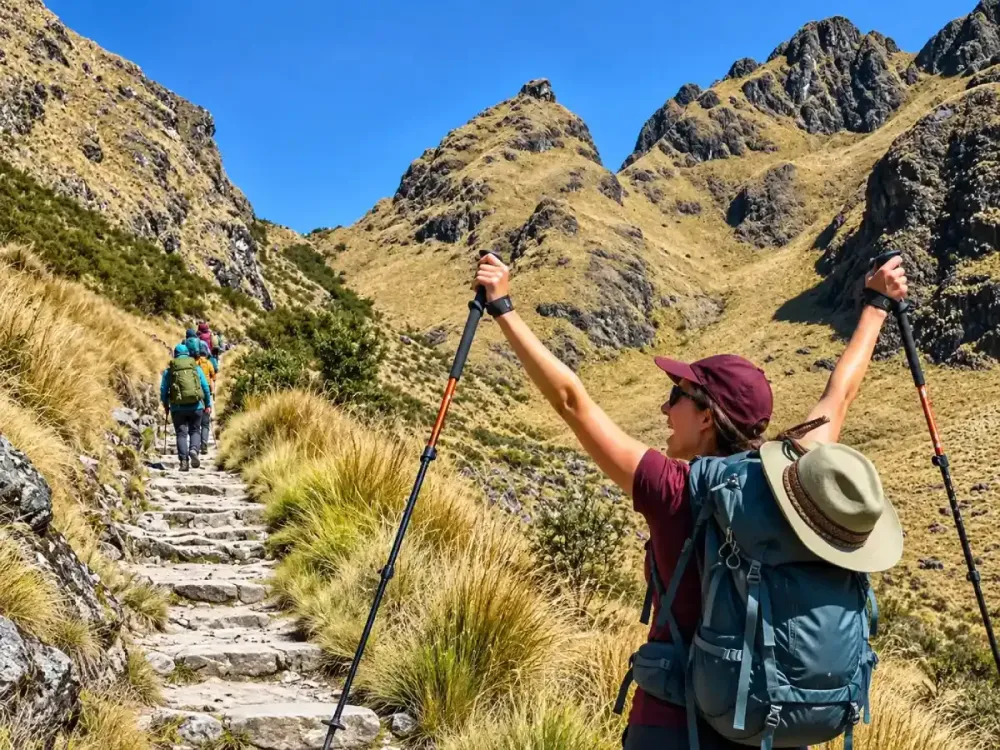
Dead Woman’s Pass is a mountain pass on the Classic Inca Trail. Its Quechua name, Warmiwañusqa, is commonly interpreted as “Dead Woman’s Pass,” a name associated with the shape of the surrounding mountains when viewed from certain angles.
It marks the highest point of the traditional four-day route. For hikers, it also represents a major transition because it brings the longest and most demanding ascent of the trek to an end.
It is not an archaeological site or a technical summit that requires climbing. The trail simply crosses the pass as part of the historic route, following steep mountain terrain and stone steps.
To understand where it appears within the full itinerary, read the Classic Inca Trail route.
How high is Dead Woman’s Pass?
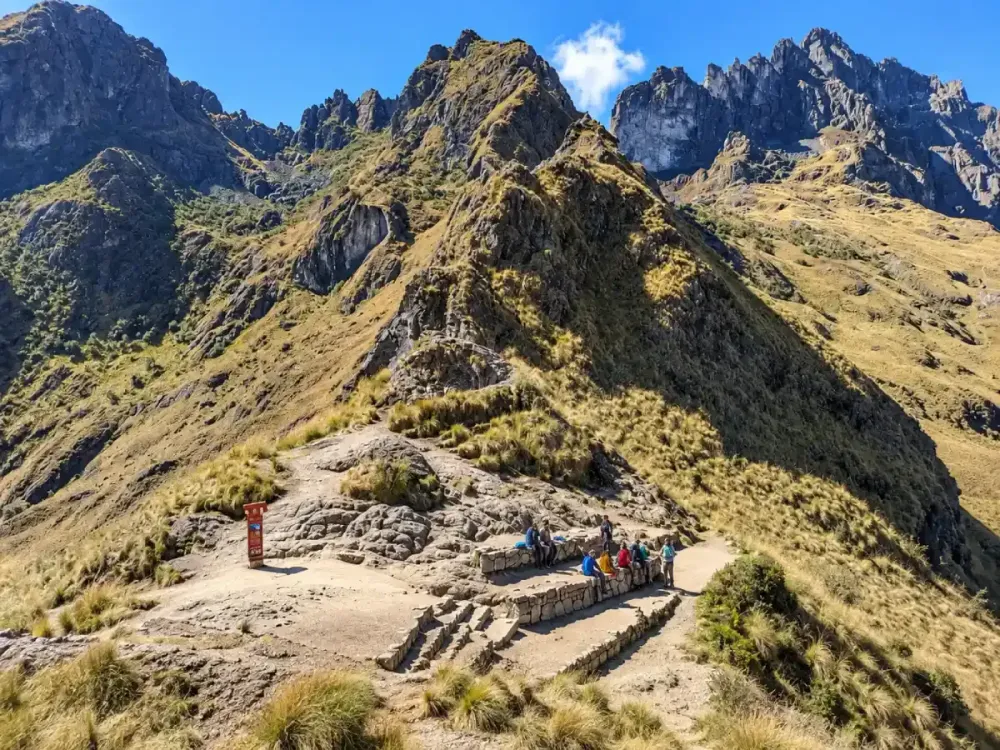
Dead Woman’s Pass is located at approximately 4,200 meters above sea level, making it the highest point of the Classic Inca Trail.
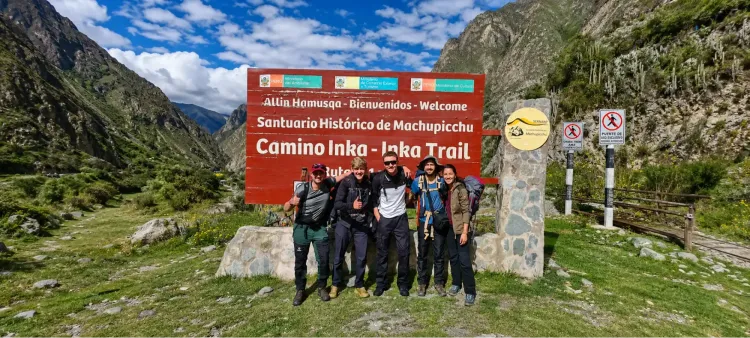
The route begins at Km 82 at roughly 2,600 to 2,700 meters and gains elevation progressively over the first stages. By the time hikers reach Warmiwañusqa, they have already accumulated a considerable amount of climbing.
| Reference point | Approximate elevation | Relationship to Dead Woman’s Pass |
|---|---|---|
| Km 82, Piscacucho | 2,600–2,700 m | Start of the Classic route |
| Wayllabamba | Around 3,000 m | First major increase in elevation |
| Llulluchapampa | 3,600–3,800 m | Final approach to the pass |
| Dead Woman’s Pass | 4,200 m | Highest point |
| Pacaymayo | Around 3,600 m | Descent after the pass |
These elevations explain why the ascent feels progressively harder. You do not suddenly arrive at 4,200 meters. The climb develops over several hours. For the complete profile, read Inca Trail altitude.
On which day do you reach Dead Woman’s Pass?
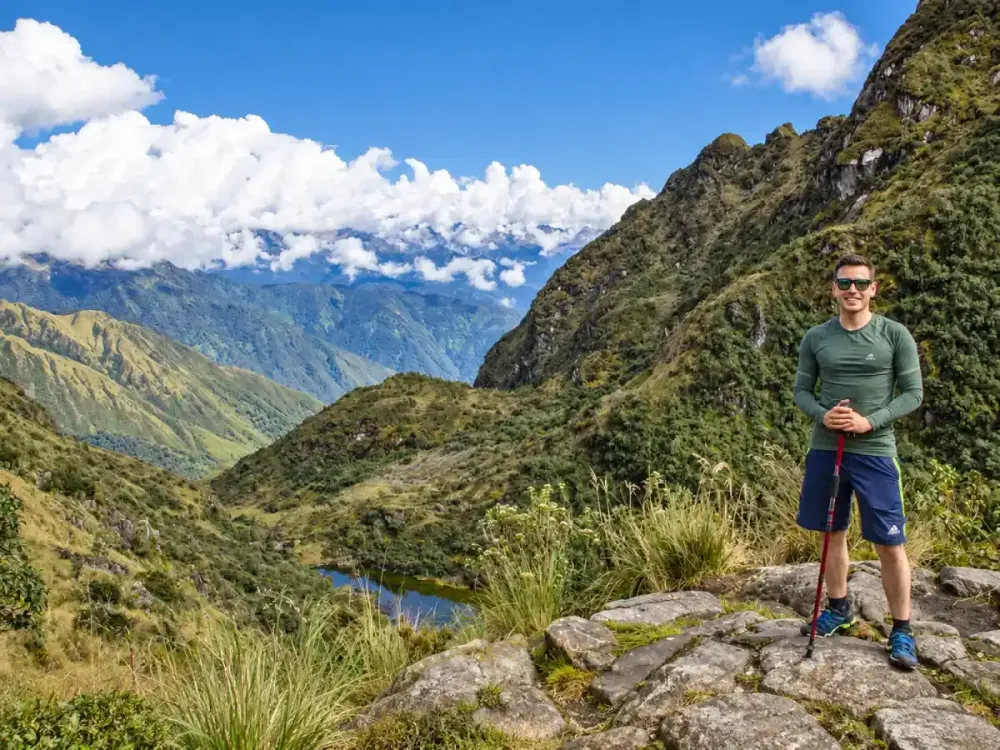
On the Classic four-day route, Dead Woman’s Pass is reached on Day 2 of the trek. This stage includes the biggest ascent and is usually considered the main physical challenge of the itinerary.
After the first night, the route begins climbing steadily. As the group gains elevation, the vegetation changes, temperatures may fall and the slopes become increasingly noticeable.
Reaching the pass does not mean the hiking day is finished. After Warmiwañusqa, the route descends toward Pacaymayo, so there is still a significant amount of walking ahead.
This combination of a long ascent followed by a demanding descent is one reason Day 2 stands out in our guide to Inca Trail difficulty.
Why is Dead Woman’s Pass one of the hardest sections?
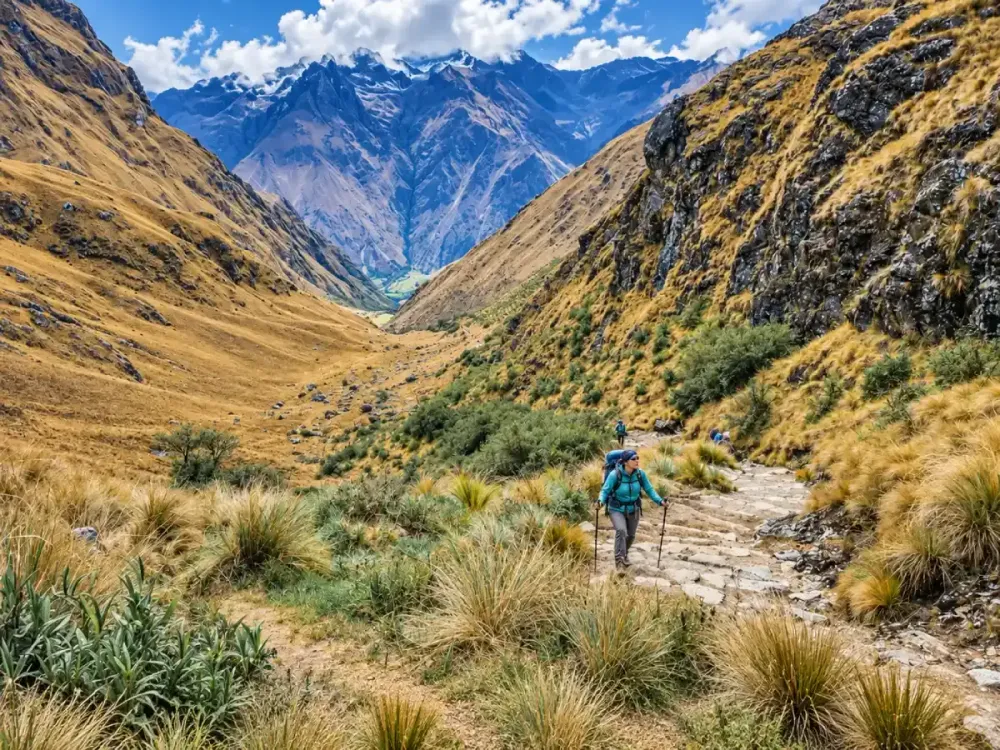
The difficulty of Dead Woman’s Pass does not come from altitude alone. The real challenge appears when altitude, hours of hiking, elevation gain, steep slopes and accumulated fatigue all come together.
During the ascent, the body works continuously for several hours while gaining elevation. Hikers are also starting the day with some fatigue already present from the first stage.
| Factor | How it affects difficulty |
|---|---|
| Altitude | Effort can feel harder as elevation increases |
| Long ascent | Requires endurance over several hours |
| Steep sections and stairs | Increase muscular effort |
| Accumulated fatigue | The body is already carrying effort from Day 1 |
| Temperature changes | Require constant clothing adjustments |
| Personal pace | Starting too fast can increase fatigue |
Even hikers with good fitness can find this section demanding. Physical preparation helps, but moving above 4,000 meters adds a different challenge from normal exercise at lower elevations.
For the full day-by-day analysis, read Inca Trail difficulty.
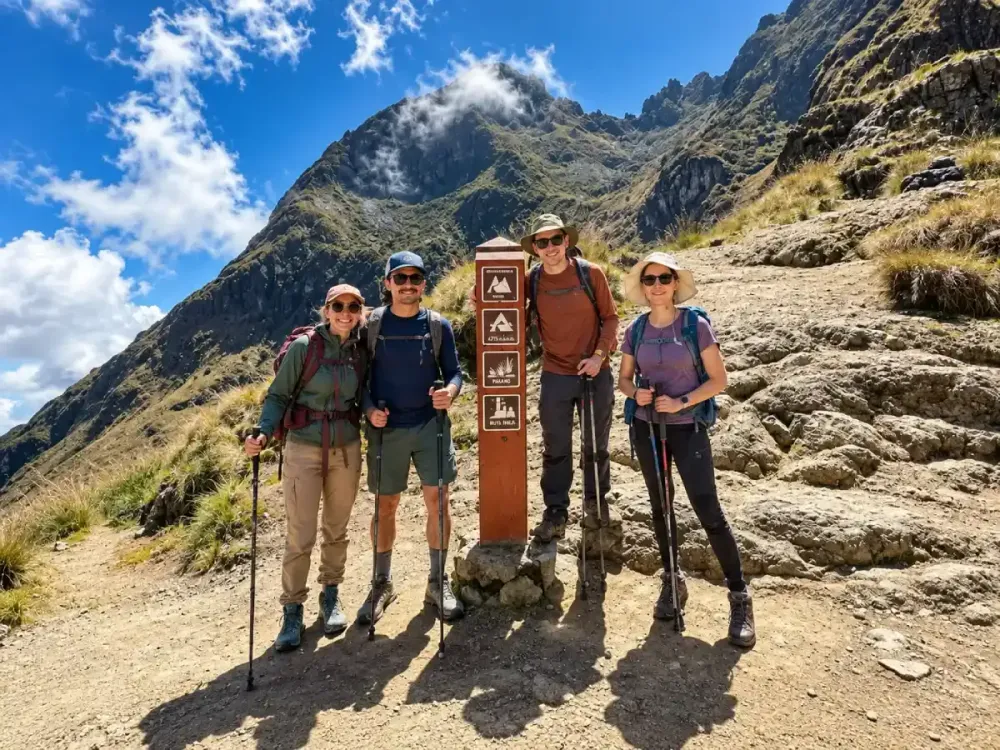
What is the climb to Dead Woman’s Pass like?
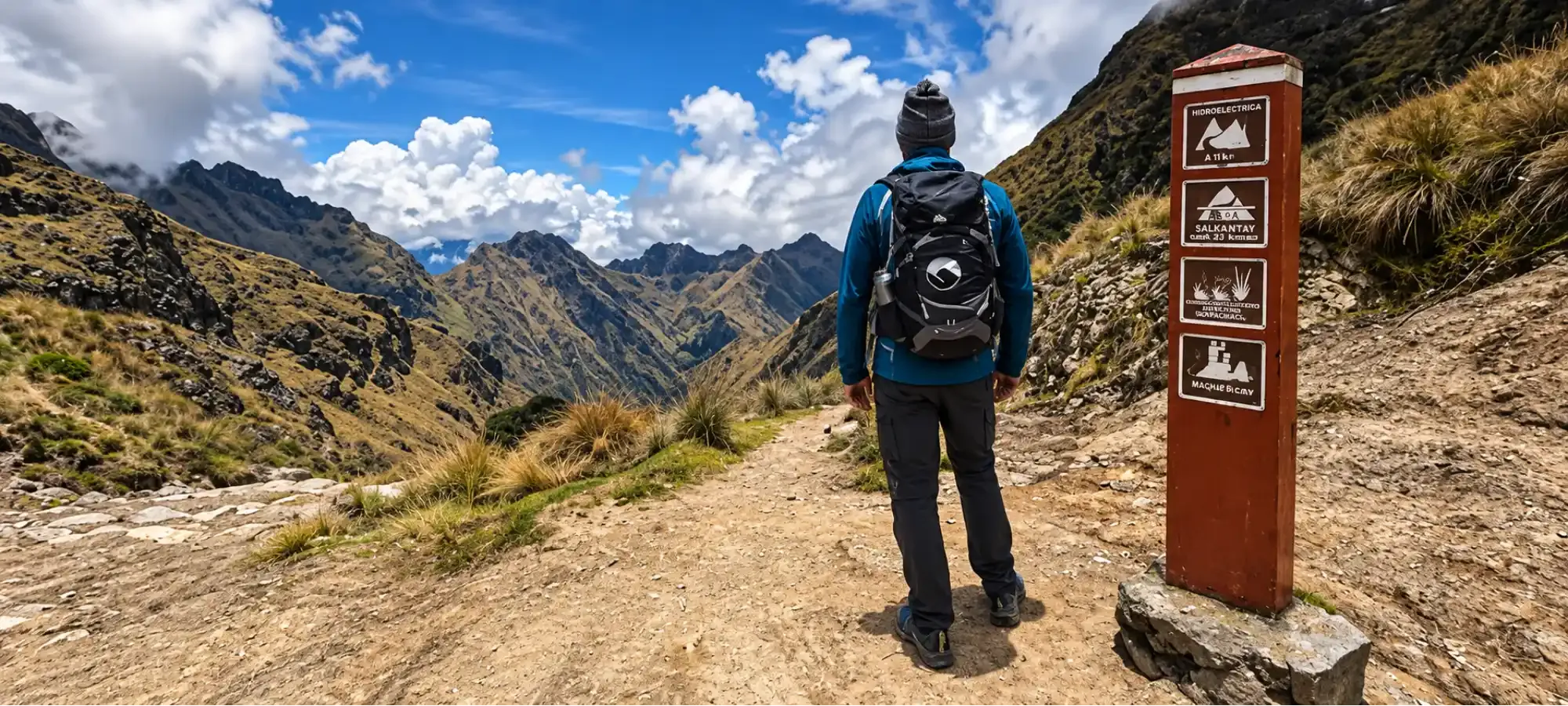
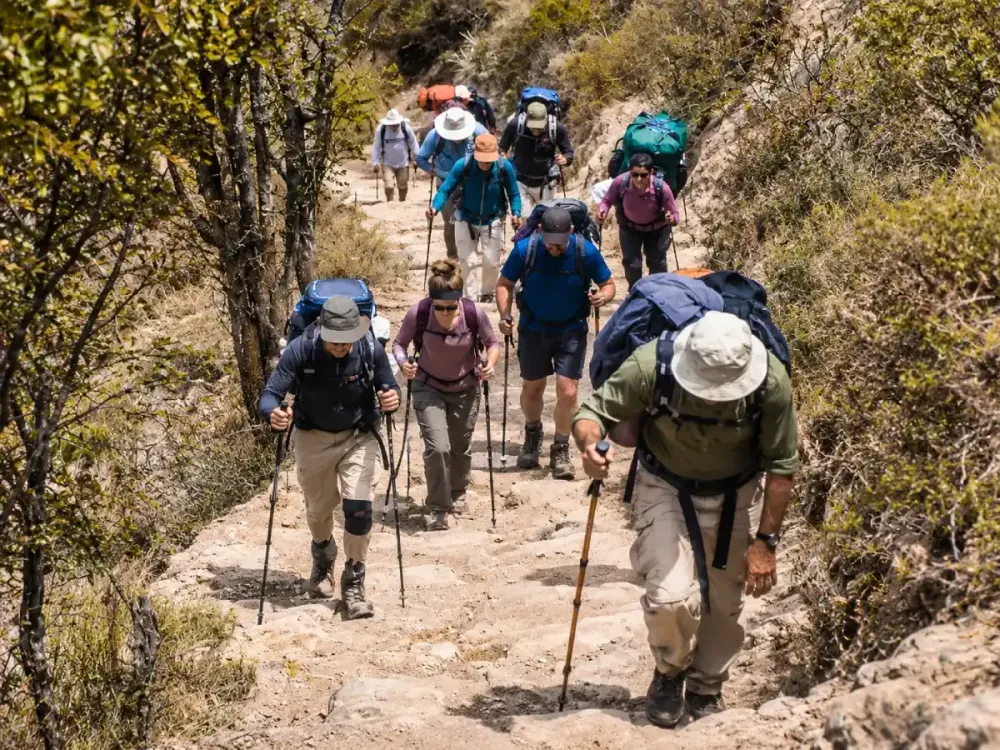
The ascent is long and progressive. The trail combines mountain paths, stone steps and steeper sections that become more noticeable as you gain elevation.
It is not technical climbing. You do not need ropes or mountaineering skills. What you do need is enough endurance to keep moving for several hours.
The best strategy is usually to maintain a steady pace from the beginning. Walking too fast on the lower sections can cause fatigue to appear just when both the slope and altitude become more demanding.
During our Classic Inca Trail 4 Days, we recommend managing your energy for the entire stage rather than focusing only on reaching the pass. The descent toward Pacaymayo still comes afterward.
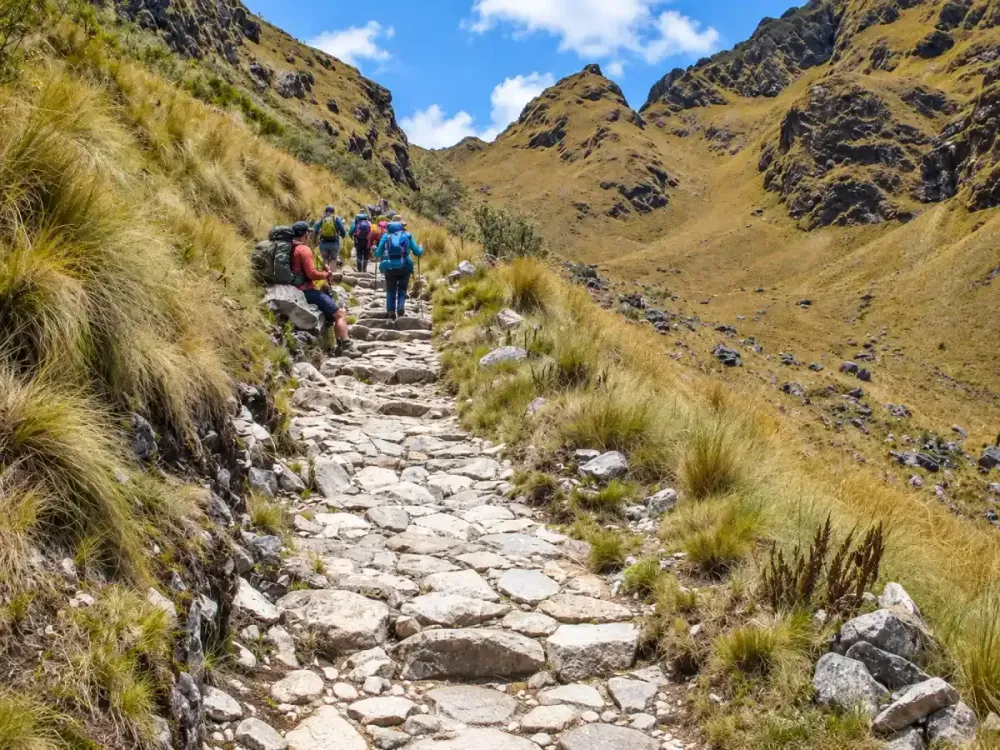
How long does it take to reach Dead Woman’s Pass?
There is no single exact time that applies to every hiker. The duration depends on where the day begins, your fitness level, group pace, rest stops, weather and how your body responds to altitude.
Two travelers can cover the same section at very different speeds and both complete it successfully. For that reason, using the clock as your main reference can create unnecessary pressure.
A better approach is to divide the climb mentally into smaller sections and maintain a pace that you can sustain for several hours.
The goal is not to arrive first. The goal is to reach Dead Woman’s Pass with enough energy to continue hiking and safely handle the descent.
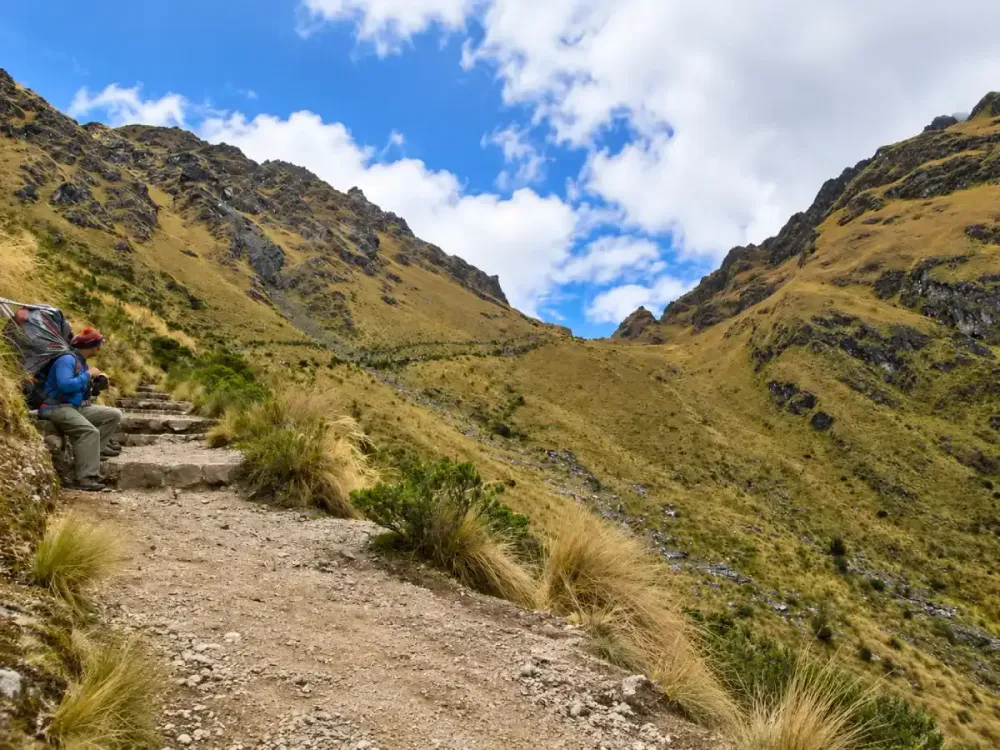
Is it cold at Dead Woman’s Pass?
Yes, it can be quite cold at Dead Woman’s Pass, especially when there is wind, cloud cover or rapidly changing mountain weather.
During the climb, you may feel warm because of the physical effort and hike in lighter clothing. Once you stop at the pass, however, the temperature can feel significantly lower.
A lightweight thermal layer, fleece, waterproof or windproof jacket, warm hat and light gloves can all be useful depending on the conditions.
For a better packing strategy, read what to pack for the Inca Trail and Inca Trail weather.
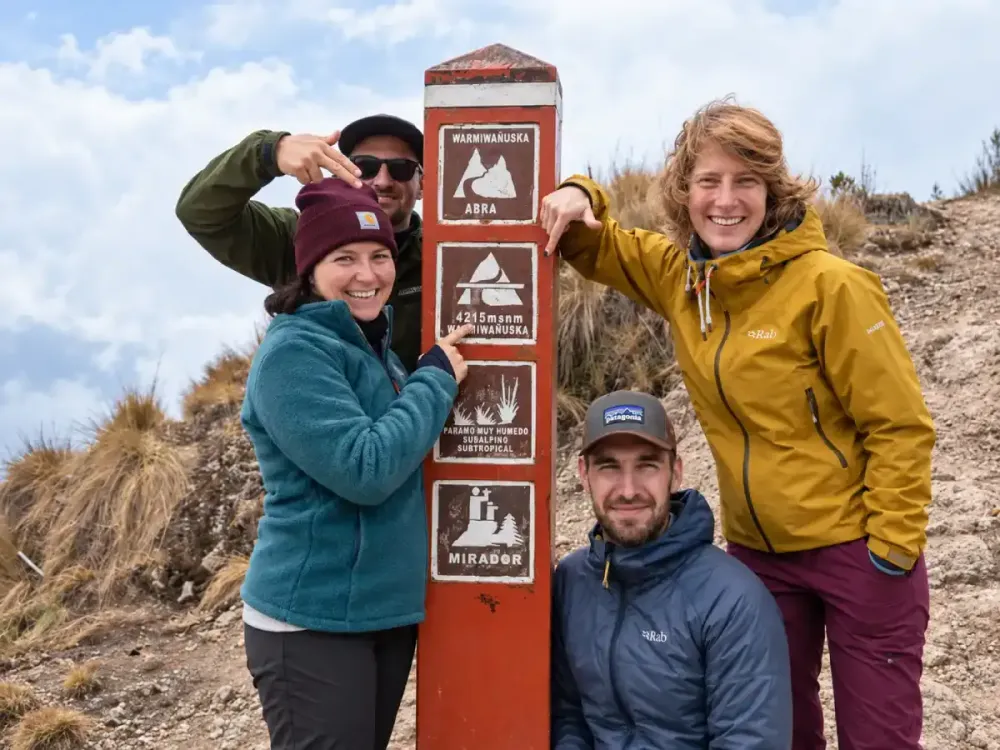
Is altitude more noticeable at Dead Woman’s Pass?
It can be, simply because Dead Woman’s Pass is the highest point of the trek. Some hikers may notice greater fatigue, faster breathing or the need to stop more often as they approach 4,200 meters.
That does not mean every feeling of tiredness is automatically altitude sickness. The ascent itself is physically demanding, and each person responds differently to the combination of exercise and elevation.
Good fitness also does not guarantee that altitude will not affect you. Training and acclimatization are different processes, so it is wise to spend some time in the Cusco region before beginning the trek.
To understand this better, read altitude sickness on the Inca Trail and Inca Trail altitude.
How should you prepare for Dead Woman’s Pass?
Physical preparation helps significantly because the climb combines cardiovascular endurance with sustained leg work. You do not need to train like a professional athlete, but it is useful to arrive comfortable with walking for several hours.
Long walks, routes with elevation gain, stair training, leg strengthening and cardiovascular exercise are all useful. It can also help to train on consecutive days occasionally so your body becomes familiar with performing while carrying some accumulated fatigue.
Practicing with a backpack similar to the one you will use on the trek can also help you adjust to the weight and identify any comfort issues before traveling.
For a more structured approach, read how to train for the Inca Trail.
Do you need trekking poles for Dead Woman’s Pass?
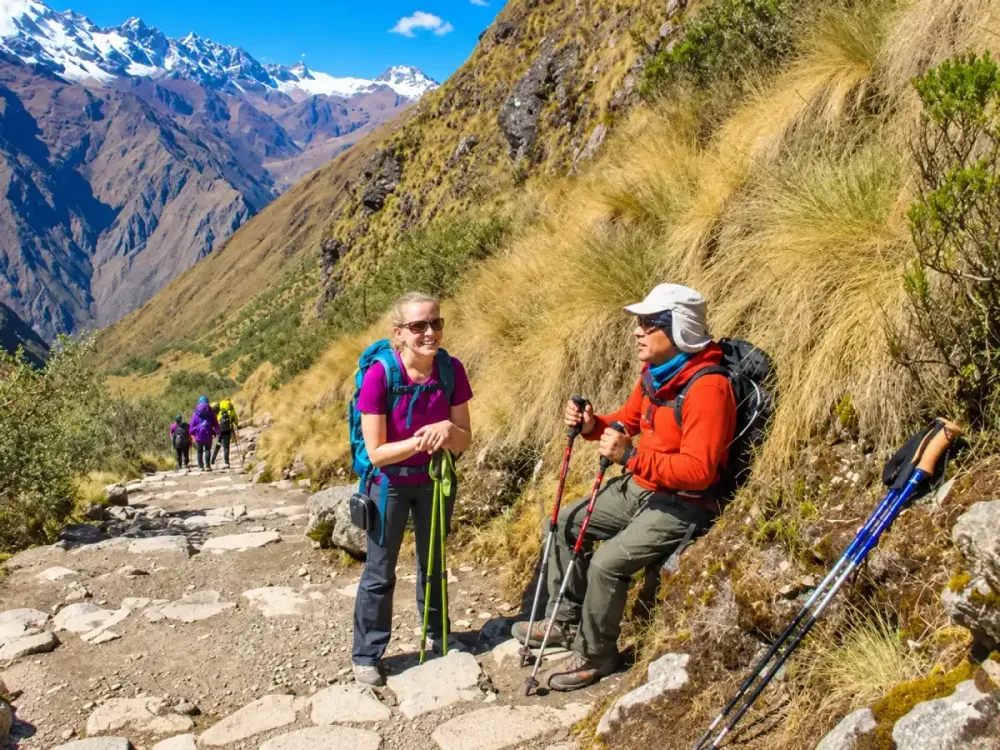
Trekking poles are not essential for every hiker, but they can be very useful during this stage.
On the ascent, poles can improve stability and help distribute effort. Their value can become even more noticeable after reaching the pass, when the descent begins and your legs are already carrying several hours of fatigue.
If you have never used poles before, practice with them prior to the trip. Learning how to coordinate them during a long mountain ascent can otherwise feel awkward.
It is also important to use appropriate protective tips where required so that the equipment does not damage historic stone surfaces.
What should you carry during the climb?
Your daypack should stay light and practical. Every extra item becomes more noticeable after several hours of climbing, so it helps to separate what you need during the hike from the rest of your luggage.
Keep water, sunscreen, rain protection, a warm layer, hat, personal snacks, necessary medication, documents and your phone or camera within easy reach.
Do not bury your rain jacket or warm layer at the bottom of your backpack. Mountain weather can change quickly, and repeatedly unpacking everything to reach one item becomes inconvenient.
For a more balanced setup, read what to pack for the Inca Trail.
What does it feel like to reach the pass?
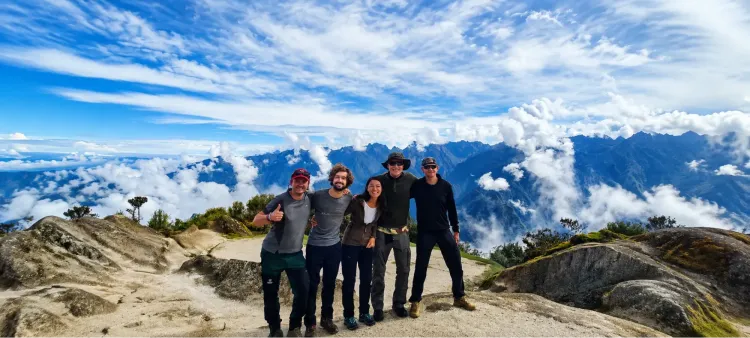
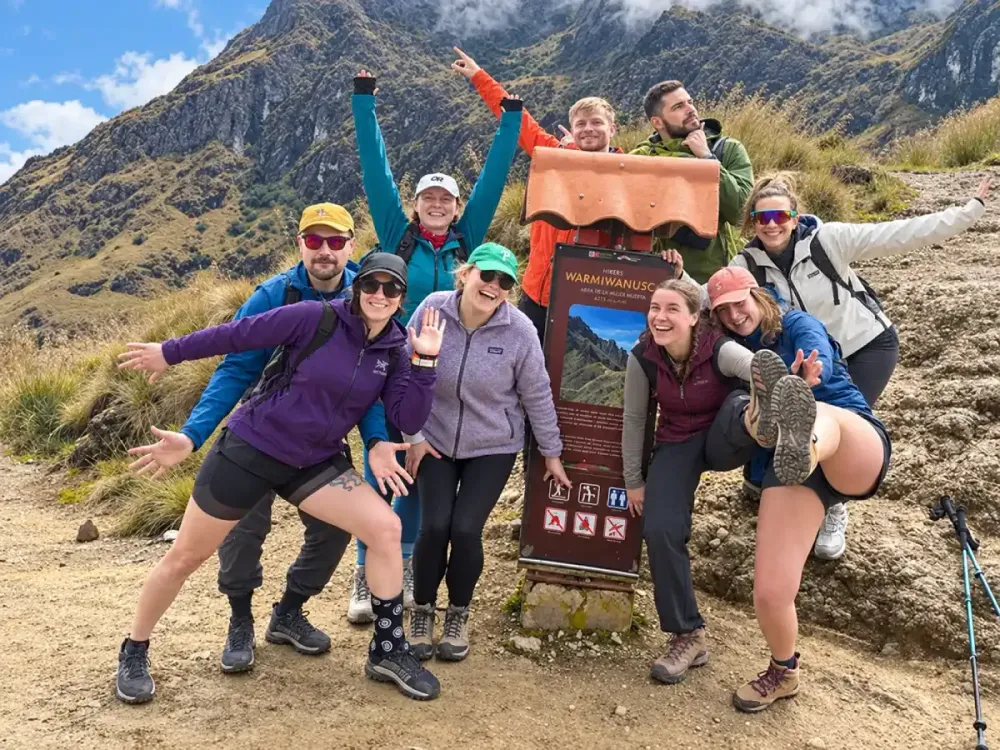
Reaching Dead Woman’s Pass often brings a combination of fatigue, relief and satisfaction. After several hours of climbing, reaching the highest point means you have completed one of the biggest physical challenges of the Classic Inca Trail.
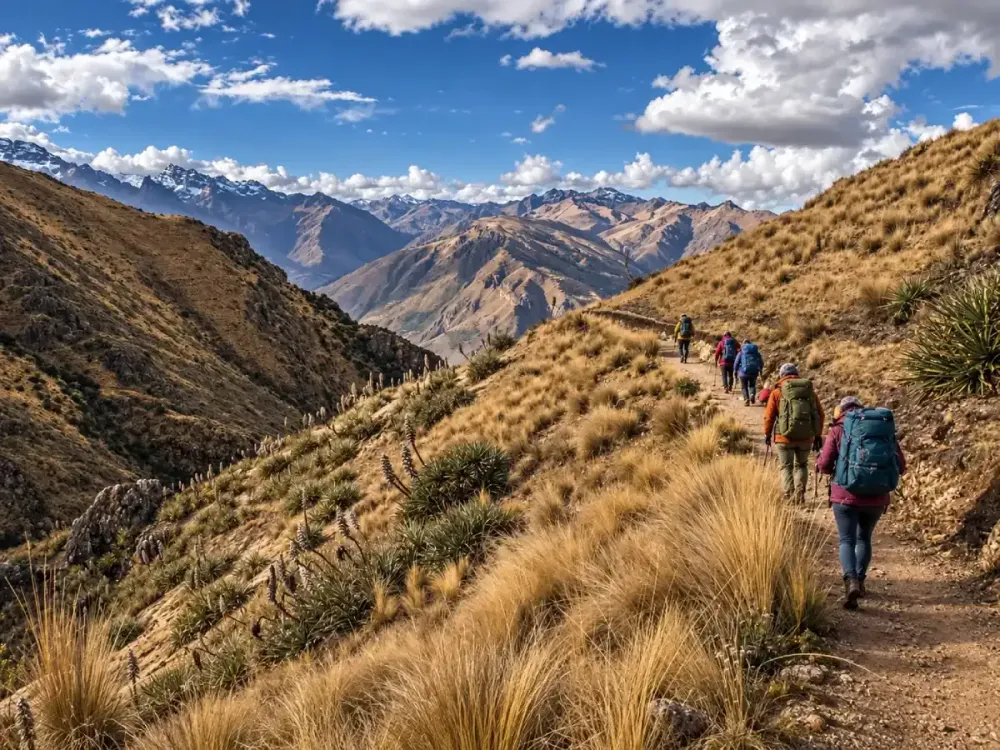
The landscape also gives the moment a distinctive character. The open high-mountain environment, wide views and the feeling of standing at approximately 4,200 meters make this section feel very different from the lower parts of the route.
It is a good place to recover your breathing, add a warm layer if necessary and enjoy the surroundings without assuming the day is already over. The descent still requires concentration and leg strength.
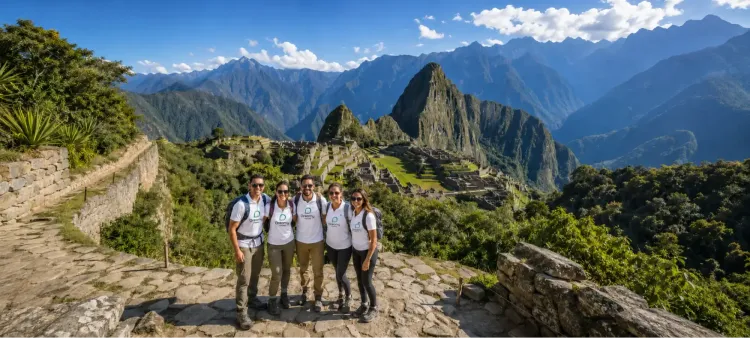
Dead Woman’s Pass is one of the places where you really understand why the Classic Inca Trail 4 Days is not defined only by reaching Machu Picchu. The complete journey, from Km 82 to Inti Punku, is made up of stages that give the final arrival its meaning.
Personal travel advice
Plan your trip with Dreamy Tours
Start a tailored journey with our exclusive tours and custom trips across Peru and other Latin American countries.