Search the blog
Tabla de contenidos
Traveling to Bolivia for the first time can feel very different from visiting other destinations in South America. The country combines high-altitude cities, long travel distances, roads crossing the Altiplano, Lake Titicaca, the Uyuni Salt Flats, historic towns and Amazonian regions where the climate changes completely.
A good first trip is not about trying to see everything. The key is to choose a logical route, leave enough time for transfers and understand that La Paz, Uyuni, Copacabana, Sucre and the Amazon all require different travel rhythms.
A classic first-time route can follow La Paz → Copacabana → Isla del Sol → Uyuni → Potosí → Sucre. If you are arriving from Peru, another natural option is Puno → Copacabana → La Paz → Uyuni Salt Flats. To explore that route in more detail, read Peru and Bolivia in One Trip: A Step-by-Step Itinerary.

Choose the places you want to visit before booking
The first step should be deciding which destinations really matter to you. Bolivia has enough attractions to fill several weeks, so trying to include too many places in a short trip usually creates an itinerary dominated by transfers.
For a first visit, La Paz and Uyuni often take priority. You can then add Copacabana and Isla del Sol if you are interested in Lake Titicaca, Sucre and Potosí if history and architecture are important to you, or Rurrenabaque if you want to include the Amazon.
If you are still deciding what to prioritize, read 12 Best Places to Visit in Bolivia. It will help you compare the main regions before building your itinerary.
| Type of trip | Suggested route | Approximate time |
|---|---|---|
| Short first visit | La Paz + Uyuni | 5–6 days |
| Classic route | La Paz + Titicaca + Uyuni | 7–8 days |
| More complete route | La Paz + Titicaca + Uyuni + Potosí + Sucre | 9–10 days |
| Bolivia with Amazon | La Paz + Rurrenabaque + Titicaca + Uyuni | 12–13 days |
| Peru + Bolivia | Cusco + Puno + Copacabana + La Paz + Uyuni | 10+ days |
Consider altitude from your first day
One of the most important things to think about when planning a trip to Bolivia is altitude. La Paz sits above 3,500 meters, and many destinations across the Altiplano are even higher.
That means it is not a good idea to arrive and immediately fill your first day with long walks, steep stairs and demanding activities. Starting slowly allows your body to adjust more gradually and helps you enjoy the following days more comfortably.
If you arrive directly in La Paz, a good strategy is to use the first few hours for rest, gentle walking and light sightseeing. After that, you can continue with more complete city tours.
To organize your time in the capital, read What to See in La Paz Bolivia in One Day.
Choose the right time to travel
Bolivia can be visited throughout the year, but the season changes the experience significantly.
From May to October, much of the Altiplano experiences drier conditions. This period works very well for La Paz, Lake Titicaca and Uyuni, although June, July and August can bring very cold mornings and nights.
From November to March, rainfall becomes more frequent. For some travelers, this may sound less appealing, but these are also the months when the chances of seeing the famous Uyuni mirror effect increase.
Before booking flights and hotels, read Best Time to Visit Bolivia.
How many days do you need in Bolivia?
The number of days you have will completely change the type of trip you can plan.
With five or six days, it is best to focus on La Paz and Uyuni. With seven or eight days, you can also include Lake Titicaca. With nine or ten days, you can add Potosí or Sucre, while around thirteen days gives you enough time to include the Amazon without turning the itinerary into a race.
For a balanced first visit, 9 to 13 days is an especially good range.
You can compare different options in How Many Days Do You Need in Bolivia?.
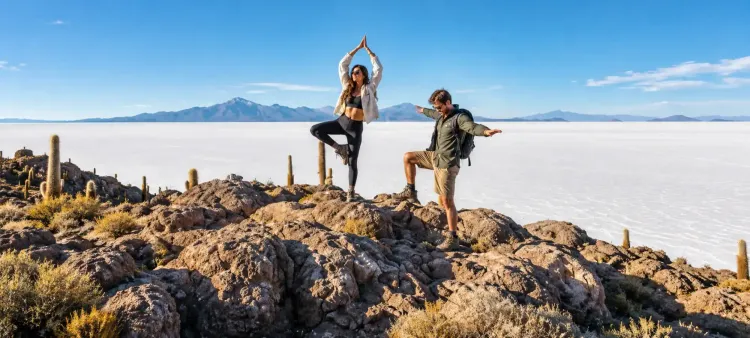
Plan your Uyuni Salt Flats visit in advance
Uyuni is one of the main reasons many travelers visit Bolivia, but there is more than one way to experience it.
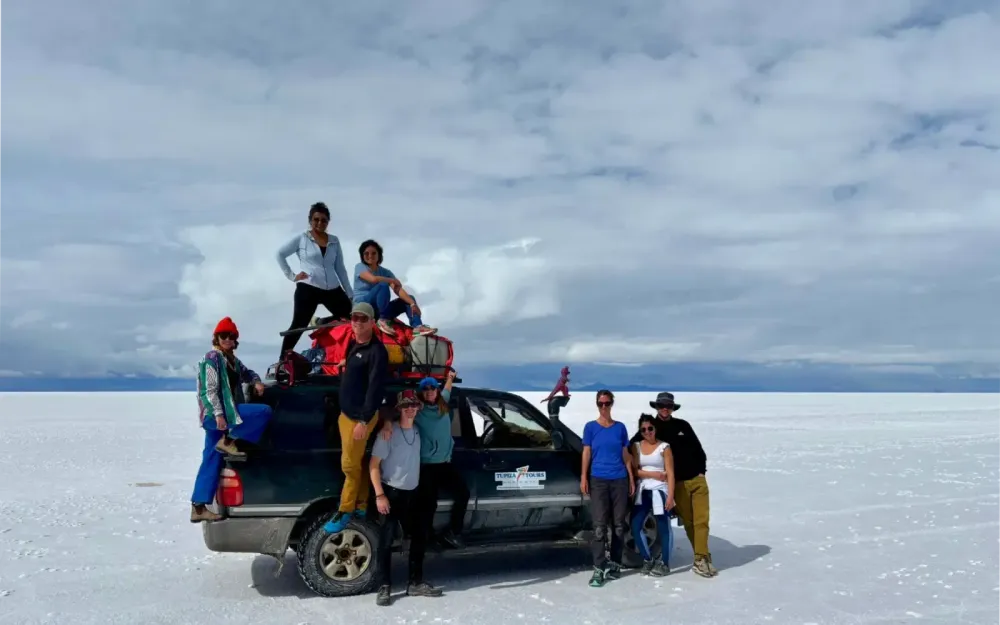
A one-day tour lets you visit the Train Cemetery, Colchani and the main salt-flat landscapes. With two days, you can extend the route toward Tunupa Volcano, while three-day itineraries continue toward high-altitude deserts, lagoons and places such as Laguna Colorada.
Before deciding, read How Many Days Do You Need for the Uyuni Salt Flats? and our Uyuni Salt Flats Travel Guide.
If you are looking for a shorter introduction, you can also consider the Uyuni Salt Flats Full Day.
Organize transfers in a logical sequence
One of the most common mistakes when traveling around Bolivia is looking at distances only on a map. Two cities may appear relatively close, but road conditions, altitude and transportation schedules can make the real journey much longer.
Whenever possible, it is better to move in one general direction.
A route such as La Paz → Copacabana → La Paz → Uyuni → Potosí → Sucre can be organized much more efficiently than jumping constantly between distant regions.
For one of the most common routes, read How to Get from La Paz to Uyuni. The main options usually include overland and air connections, and the best choice depends on your available time and budget.
Pack for different climates
Bolivia requires you to think about packing by region, not only by season.
During a single trip, you can experience intense sun during the day, very cold nights, strong winds across the Altiplano and completely different conditions if you continue toward the Amazon.
Layering is usually the best strategy. A warm jacket, wind protection, comfortable footwear, sunglasses and sunscreen are especially important at high altitude.
For a complete packing guide, read What to Pack for Bolivia. If your trip is focused on Uyuni, also check What to Pack for Uyuni Salt Flats.
Organize documents, money and important reservations
Before traveling, make sure your passport has enough remaining validity and check the immigration requirements that apply specifically to your nationality. Entry conditions can change, so it is best to verify them before purchasing non-refundable services.
It is also useful to carry more than one payment method. In larger cities, card payments are easier to use, but cash is still practical in smaller towns, markets and remote areas.
Keep digital copies of important documents, reservation confirmations, hotel information and major transportation details.
For your most important services, especially flights, hotels and fixed-date tours, booking ahead can reduce last-minute problems.
Leave enough time to enjoy each destination
One of the most common mistakes on a first Bolivia trip is filling every day from early morning until late at night.
Bolivia is better enjoyed when you have enough time to walk slowly through La Paz, look across Lake Titicaca without constantly checking the time or take in the Uyuni landscape without immediately rushing to another transfer.
This becomes even more important because of altitude. An itinerary with some breathing room is more comfortable and gives you more flexibility if weather or logistics change.
As a general reference:
| Destination | Recommended time | Why |
|---|---|---|
| La Paz | 1–2 days | Historic center, cable car and nearby attractions |
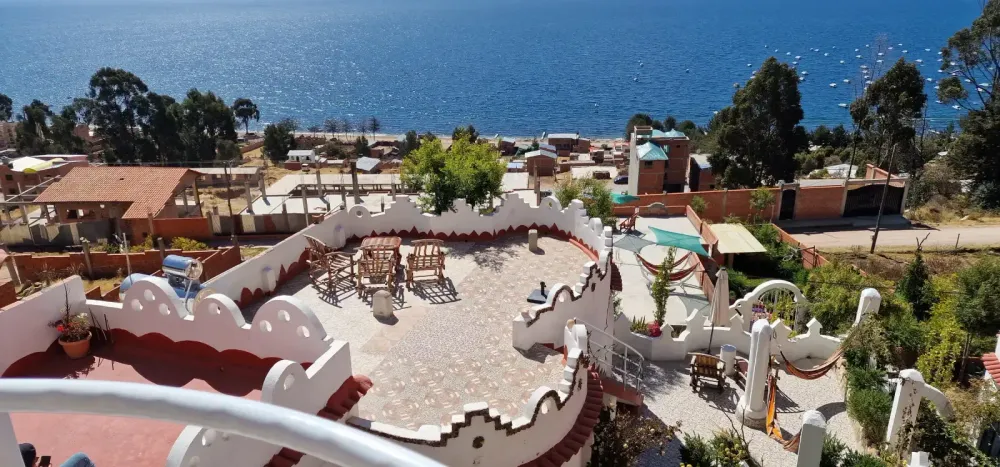
| Copacabana + Isla del Sol | 1–2 days | Lake Titicaca and boat travel |
| Uyuni | 1–3 days | Salt flats and Altiplano |
| Sucre + Potosí | 2–3 days | History and heritage |
| Amazon | 3–4 days | Jungle, pampas and wildlife |
Decide whether to travel independently or combine it with tours
You do not need to choose between organizing absolutely everything yourself and booking a fully organized trip.
La Paz, Sucre and other cities can be explored with plenty of independence. Regions such as Uyuni and the Altiplano, however, usually require vehicles, coordination and knowledge of specific routes.
For many travelers, the best solution is a combination: travel independently in cities and use organized services for remote regions.
Our guide Bolivia Independently or With a Tour compares both options and can help you decide which format works best for your time and travel style.
Combine La Paz, Lake Titicaca and Uyuni on your first trip
If you are not sure where to start, these three destinations create an excellent foundation.
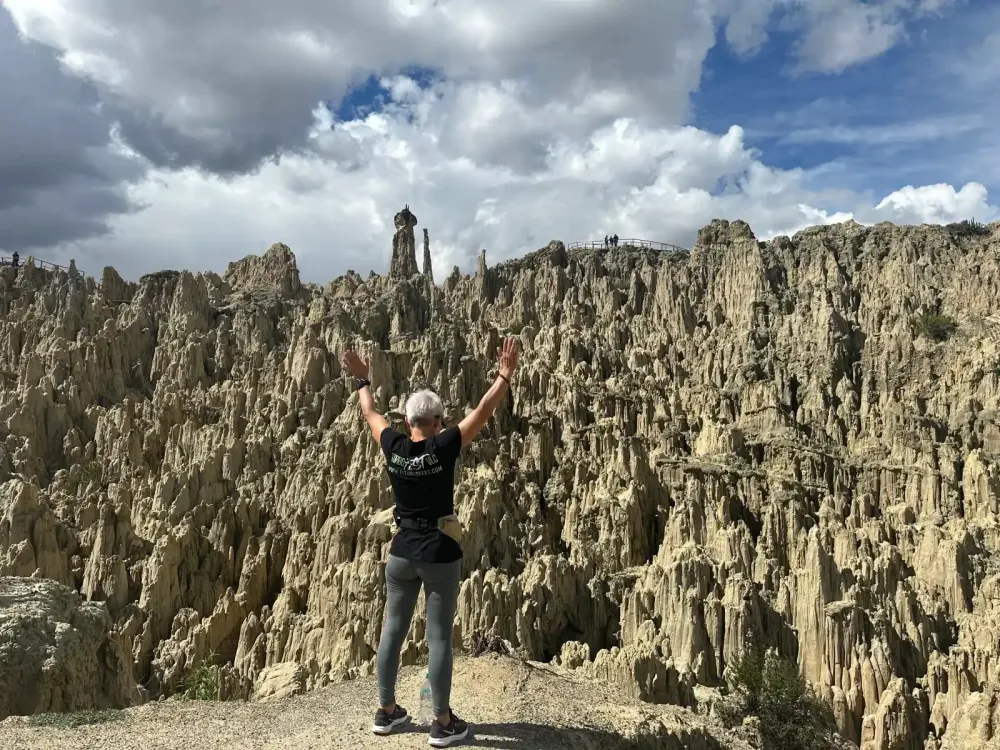
La Paz offers urban culture, markets, history and landscapes such as Moon Valley. Lake Titicaca adds Copacabana and Isla del Sol, while Uyuni provides a completely different environment.
This combination works especially well because every stage adds a new experience instead of repeating the same kind of attraction.
If you prefer a pre-arranged itinerary, you can explore Bolivia Explorer 9 Days or, if you want to include the Amazon as well, Bolivia Exceptional 13 Days.
Tips for traveling to Bolivia for the first time
A successful first Bolivia trip starts with a realistic itinerary. Decide on your main destinations first, consider the distances, leave time to adjust to altitude and choose the season accordng to the type of landscapes you want to experience.
It is also wise to avoid overly tight connections, review transportation before each stage, prepare for different temperatures and keep some flexibility in the schedule.
As a quick summary:
- prioritize quality over the number of destinations;
- leave time to adjust to altitude;
- organize long-distance transfers first;
- compare one, two and three-day Uyuni options;
- check the weather before finalizing your packing;
- book important services in advance.
At Dreamy Tours, we believe the best itinerary is not necessarily the one with the most stops, but the one that gives you enough time to enjoy each destination properly. You can explore our Bolivia Tours to compare different ways to organize your first visit.
Personal travel advice
Plan your trip with Dreamy Tours
Start a tailored journey with our exclusive tours and custom trips across Peru and other Latin American countries.