Search the blog
Tabla de contenidos
Bolivia is one of the most diverse countries in South America. In a single journey, you can walk across the world’s largest salt flat, explore cities built between mountains, sail across Lake Titicaca, discover ancient archaeological sites and, a few days later, find yourself surrounded by the Bolivian Amazon.
If you are planning your first trip and searching for the best places to visit in Bolivia, you do not need to see the entire country at once. A better approach is to build a logical route based on the time you have, the season and the kind of experience you want.
Before choosing your itinerary, our Bolivia Travel Guide: What to Know Before Your First Trip can help you understand the basics. If you are still deciding how independently you want to travel, our guide to Bolivia independent travel or tours is another useful starting point.
| Place | Main experience | Recommended time |
|---|---|---|
| Uyuni Salt Flats | Salt desert, mirror effect and Altiplano landscapes | 1–3 days |
| La Paz | Andean culture, historic center and cable cars | 1–3 days |
| Moon Valley | Eroded formations and walking trails | Half day |
| Lake Titicaca | Altiplano scenery and boat journeys | 1–2 days |
| Copacabana | Lakeside town and gateway to Isla del Sol | 1 day |
| Isla del Sol | Walking trails, communities and lake views | 1 day |
| Tiwanaku | Archaeology and pre-Inca history | Half day–1 day |
| Sucre | Architecture, history and culture | 1–2 days |
| Potosí | Cerro Rico and colonial heritage | 1–2 days |
| Laguna Colorada | Flamingos and high-altitude landscapes | Part of a 3-day route |
| Tarija | Wine, gastronomy and valleys | 2–3 days |
| Rurrenabaque | Jungle, pampas and wildlife | 3–4 days |
Uyuni Salt Flats
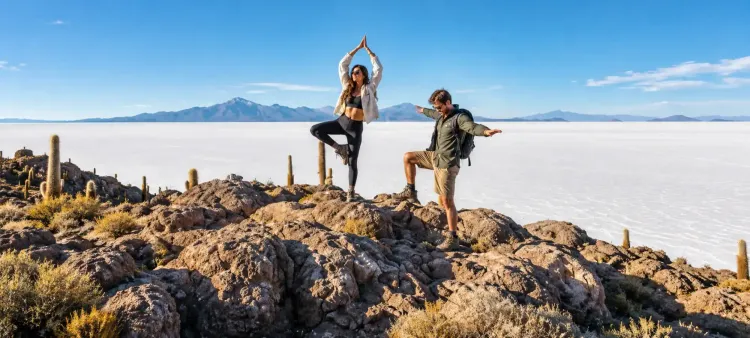
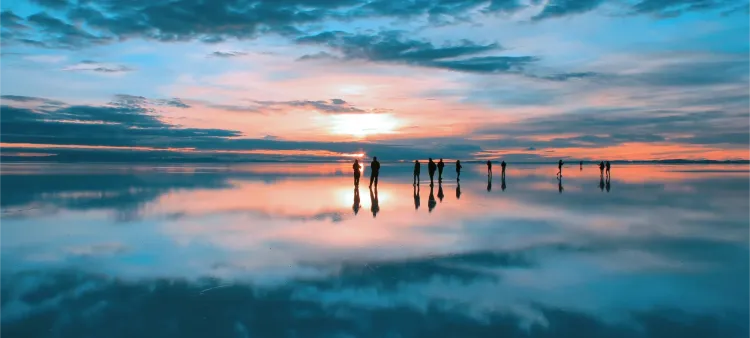
The Uyuni Salt Flats are the destination that most often places Bolivia on a traveler’s map. Their vast white surface creates one of the most unusual landscapes in South America, but the experience changes dramatically with the seasons. During the drier months, geometric salt patterns stretch toward the horizon, while the rainy season can leave a thin layer of water that produces the famous mirror effect.
Uyuni is much more than driving across a white salt desert. Routes can also include Colchani, the Train Cemetery, Incahuasi Island and other parts of the surrounding Altiplano. If you want to understand the destination before choosing a tour, start with our Uyuni Salt Flats Travel Guide.
The number of days you spend here makes a major difference. A full day covers the classic highlights, while two or three days allow you to continue toward Tunupa Volcano, high-altitude lagoons and remote desert landscapes. Our guide to How Many Days Do You Need for the Uyuni Salt Flats? explains those differences in more detail.
If the mirror effect is one of your main reasons for traveling, read When to See the Uyuni Salt Flats Mirror Effect. For a first introduction to the region, you can also explore our Uyuni Salt Flats Full Day.

La Paz
La Paz deserves much more than being treated as a transit point on the way to Uyuni. Its location between steep mountainsides, strong Andean identity and extraordinary geography make it one of Bolivia’s most distinctive cities.
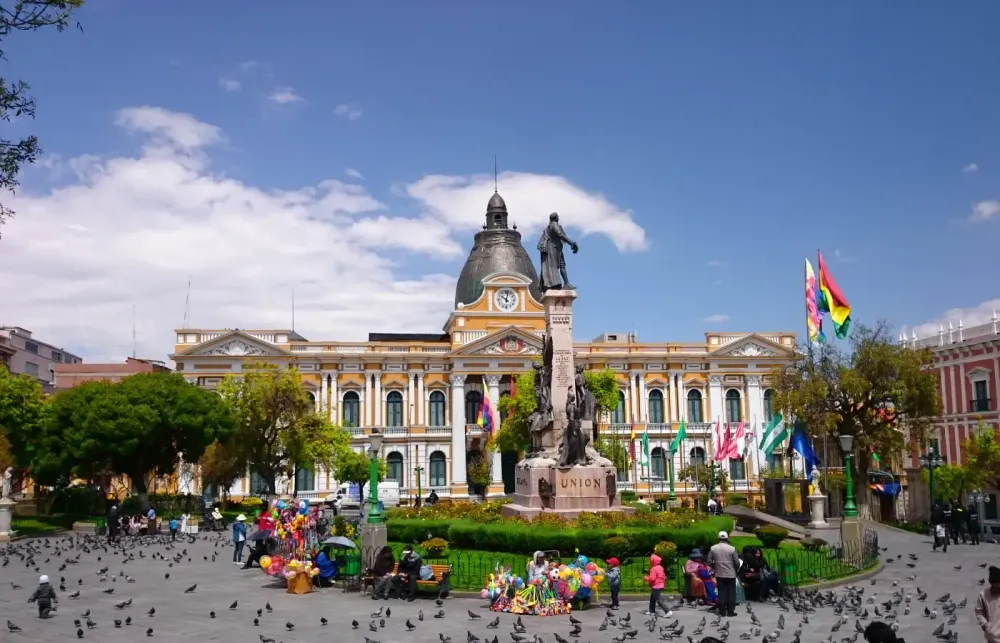
A first visit can include Plaza Murillo, San Francisco, the Witches’ Market, Calle Jaén and several viewpoints. Yet one of the city’s greatest attractions is simply seeing how entire neighborhoods climb the slopes and connect with El Alto.
If you only have one day, our guide to What to See in La Paz Bolivia in One Day organizes the main attractions into a practical route. Another option is the La Paz City Tour & Moon Valley, which combines the historic city with one of the most unusual natural landscapes nearby.
Altitude should also be part of your planning. La Paz sits above 3,500 meters, so it is wise to keep your first hours relatively relaxed rather than filling the day with demanding activities.
Moon Valley
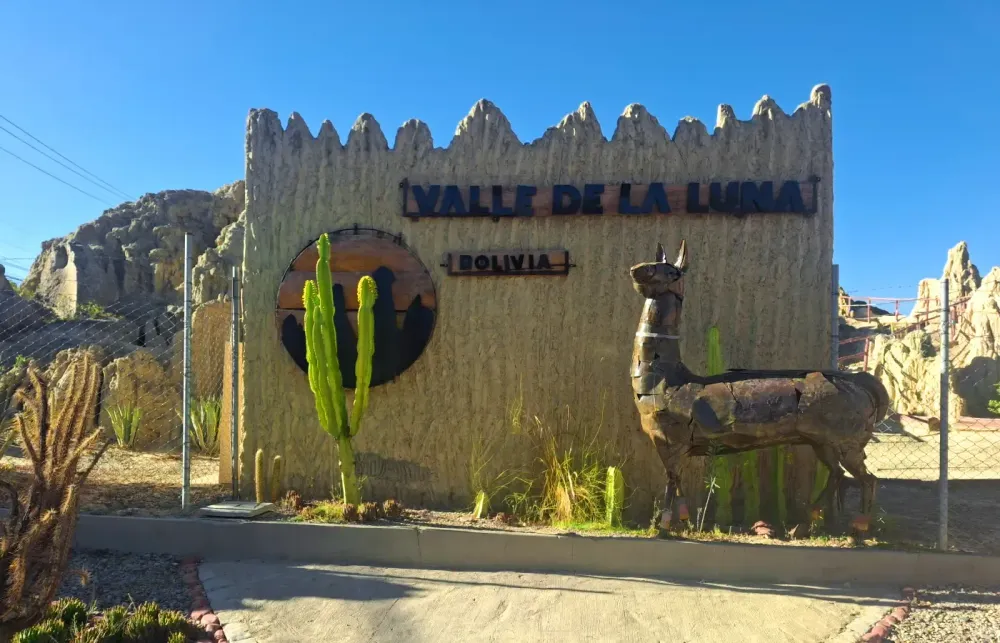
Moon Valley offers a completely different side of La Paz. Only a short distance from the urban center, erosion has created a landscape of narrow pinnacles, ridges and small canyons.
The site is explored on foot using designated trails, and you do not need an entire day to visit it. This makes Moon Valley very easy to combine with the historic center, the cable car or other viewpoints.
Its proximity is one of its greatest advantages. In the morning, you can be exploring historic squares and markets, and a few hours later you can be walking through a dry, sculpted landscape that feels far removed from the city.
Our Moon Valley La Paz guide explains how to get there, how much time you need and what to expect. It is also included in the La Paz City Tour & Moon Valley.
Lake Titicaca
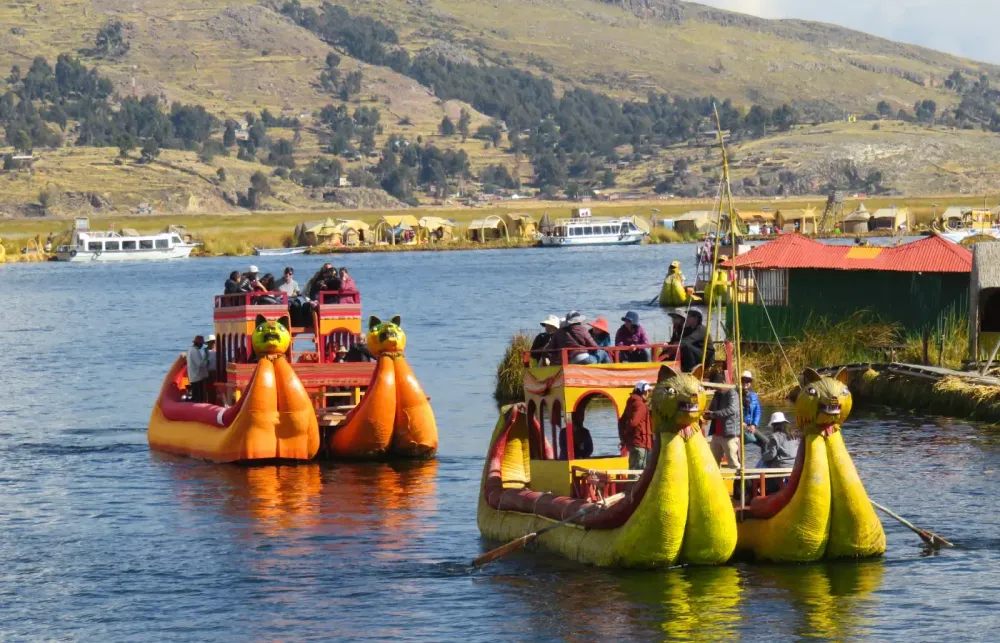
Lake Titicaca is shared between Bolivia and Peru and is one of the great cultural and natural landscapes of the Andes. On the Bolivian side, Copacabana and Isla del Sol are the main visitor hubs, combining boat journeys, traditional communities and impressive views of the surrounding mountains.
The lake also creates a natural route between Peru and Bolivia. Travelers arriving from Peru can continue from Puno to Copacabana before reaching La Paz and eventually Uyuni, avoiding unnecessary backtracking.
If you are thinking about combining both countries, read Peru and Bolivia in One Trip: A Step-by-Step Itinerary. Travelers who prefer to have the major transportation and visits organized can also explore Peru and Bolivia 10 Days.
Lake Titicaca deserves more than a quick roadside stop. Whenever your schedule allows, spend at least one full day experiencing the lake rather than simply passing through the region.
Copacabana
Copacabana sits on the shores of Lake Titicaca and serves as the main gateway to Isla del Sol. Its location also makes it a logical stop for travelers moving between Puno and La Paz.
The Basilica of Our Lady of Copacabana is one of the town’s main landmarks, while the surrounding hills provide several viewpoints over the lake. Compared with La Paz, the atmosphere is considerably slower and more relaxed, which makes Copacabana a good place to pause during a longer Altiplano journey.
It works particularly well before or after La Paz, and it can be combined naturally with Uyuni without creating major detours.
For travelers who prefer a complete organized route, Bolivia Explorer 9 Days includes Copacabana together with several of Bolivia’s major highlights.
Isla del Sol
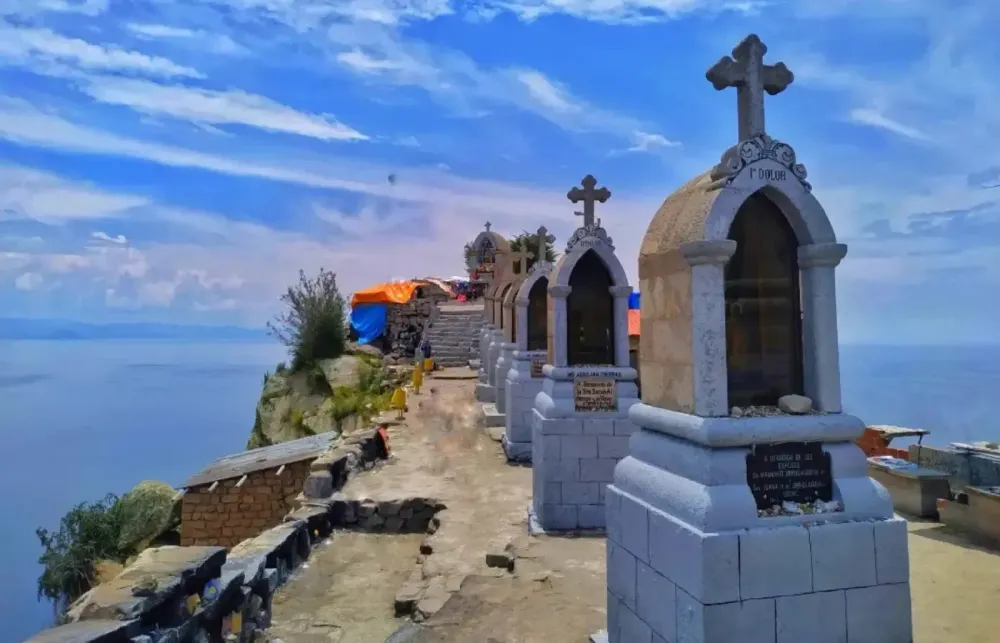
From Copacabana, boats continue across Lake Titicaca to Isla del Sol, one of the most symbolic destinations on the Bolivian side of the lake.
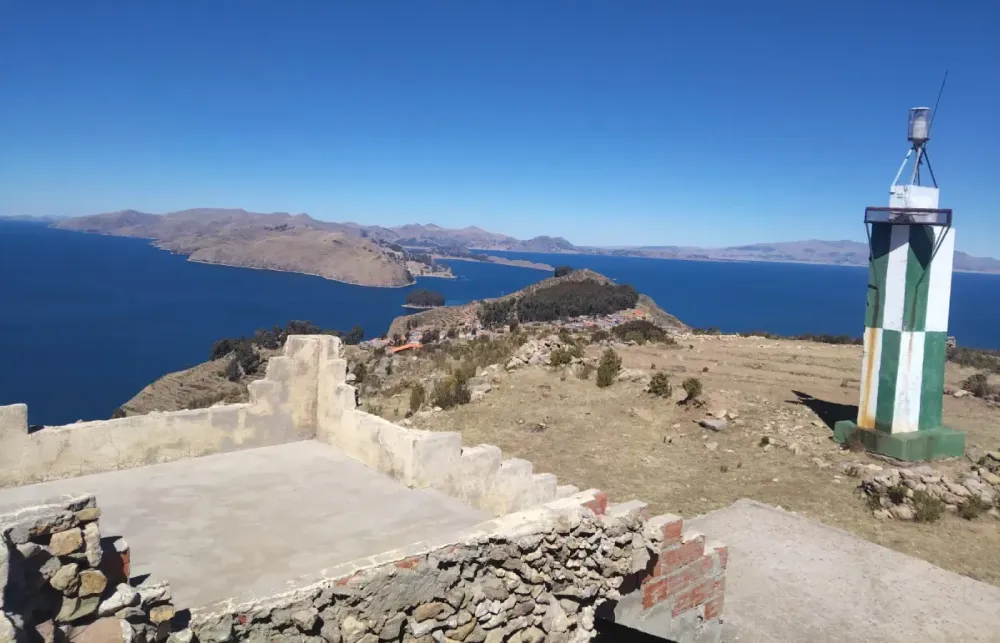
The island is not defined by one single attraction. Its real appeal comes from walking between small communities, seeing traditional agricultural terraces and discovering different views over Titicaca as you cross the landscape.
Isla del Sol is also closely connected with Andean traditions and stories about the origins of important cultures of the region.
If you want your Bolivia itinerary to include quieter landscapes and time away from large cities, the island adds a completely different rhythm before continuing toward La Paz or Uyuni.
Tiwanaku
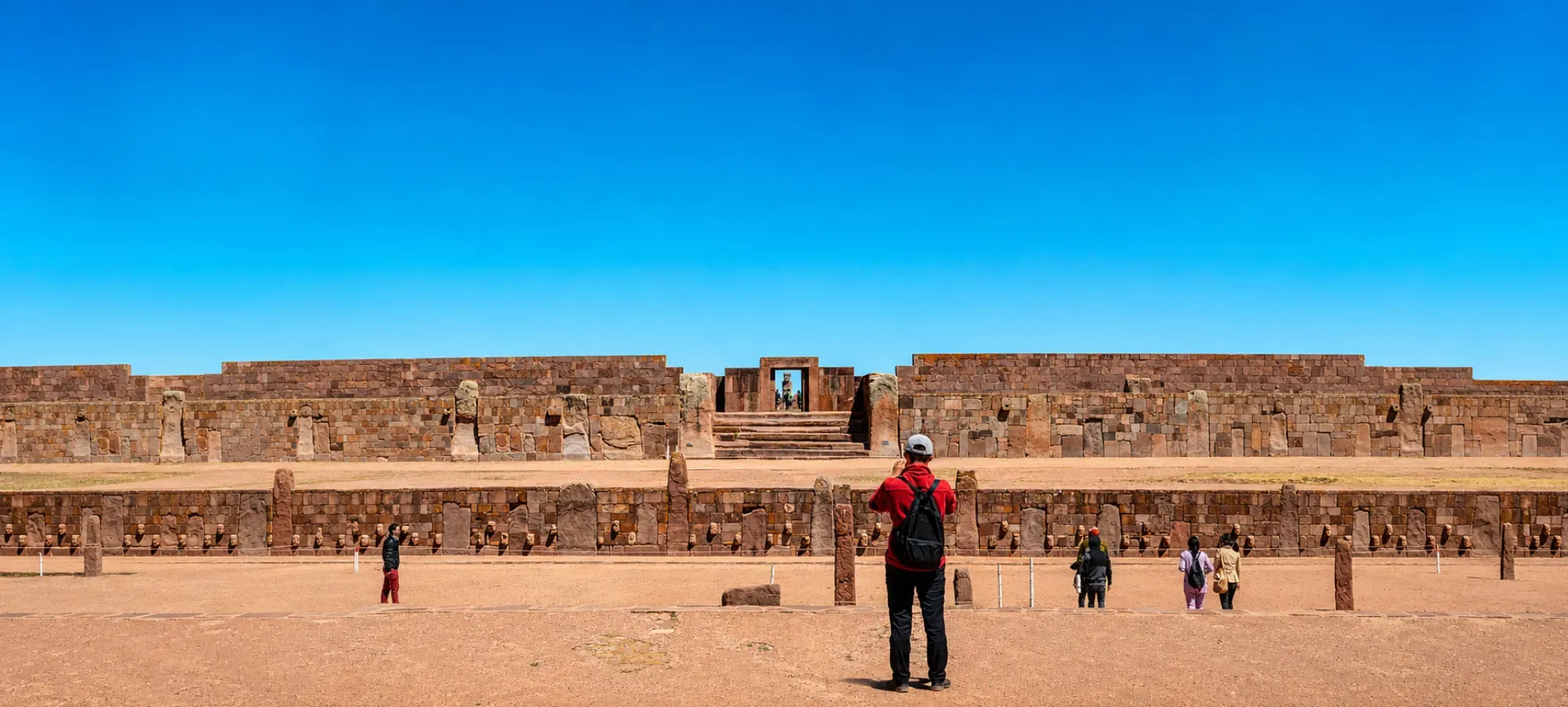
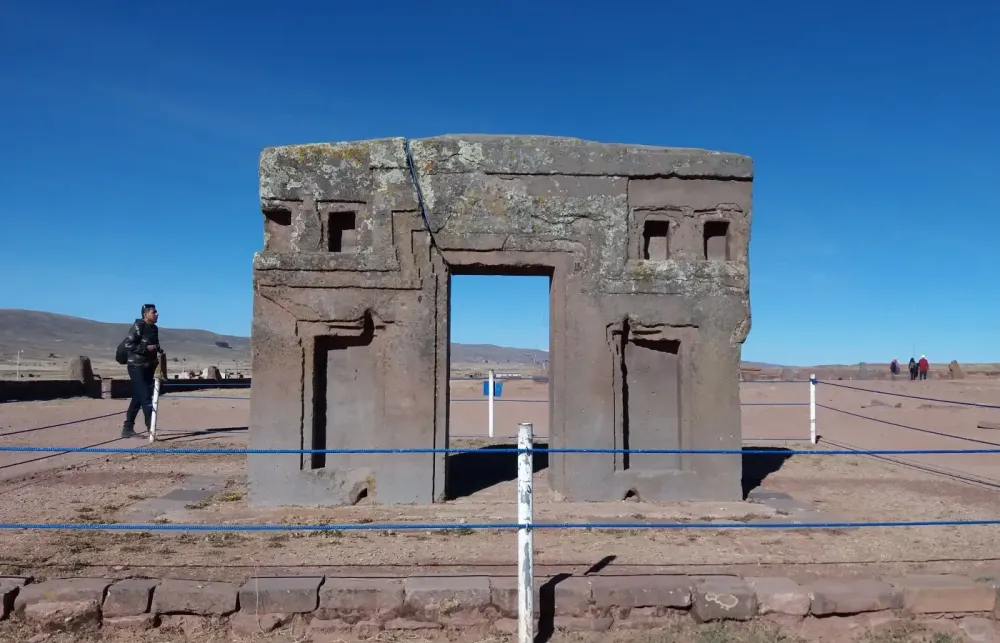
Tiwanaku is one of the most important archaeological destinations that can be visited from La Paz. The complex includes monumental structures such as Kalasasaya, the Akapana Pyramid, the Semi-Subterranean Temple and the famous Gate of the Sun.
More than a quick archaeological stop, Tiwanaku helps travelers understand that the history of the Altiplano developed many centuries before the expansion of the Inca Empire. The site reflects the architectural, political and cultural achievements of one of the most influential civilizations of the central Andes.
Because it is an officially managed archaeological site, entrance fees, opening hours and access requirements can change. Before traveling, it is best to verify current information directly with the official Tiwanaku authorities rather than relying on outdated travel blogs.
Its location also makes Tiwanaku easy to include before continuing toward Lake Titicaca or other parts of western Bolivia.
Sucre
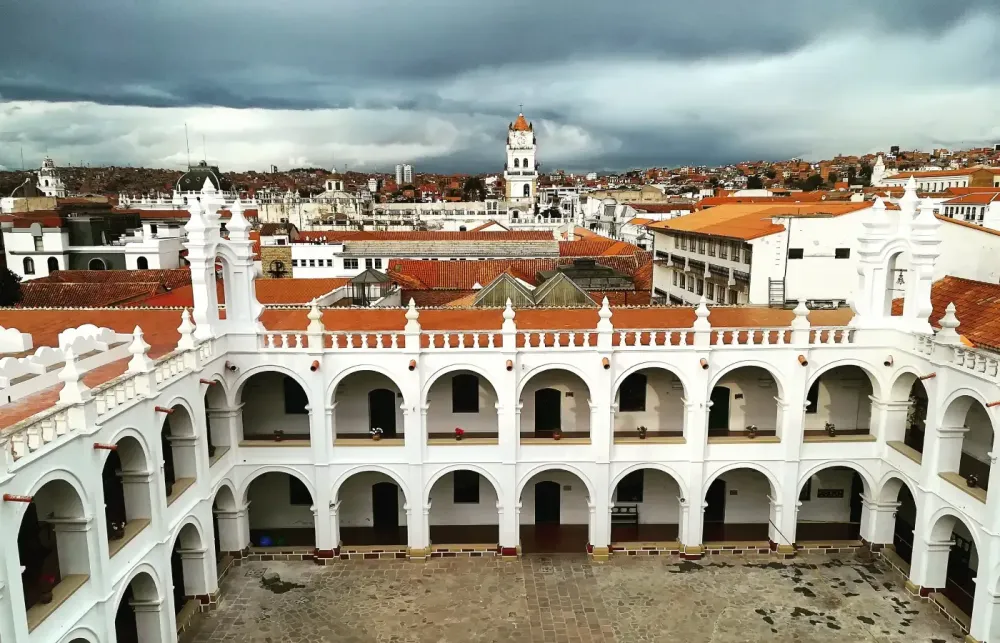
Sucre provides a striking change after the high-altitude landscapes of La Paz, Titicaca and Uyuni. Its whitewashed buildings, historic squares and colonial architecture give the city a completely different atmosphere.
Key places include Plaza 25 de Mayo, Casa de la Libertad and La Recoleta. However, part of Sucre’s charm comes simply from walking through the historic center, visiting cafés and leaving some unplanned time to enjoy the city.
Sucre works particularly well in itineraries that also include Potosí. Together, the two cities add history and cultural depth to a journey that might otherwise focus mainly on dramatic natural landscapes.
If you have nine, ten or more days in Bolivia, including Sucre usually makes the overall journey feel much more balanced.
Potosí
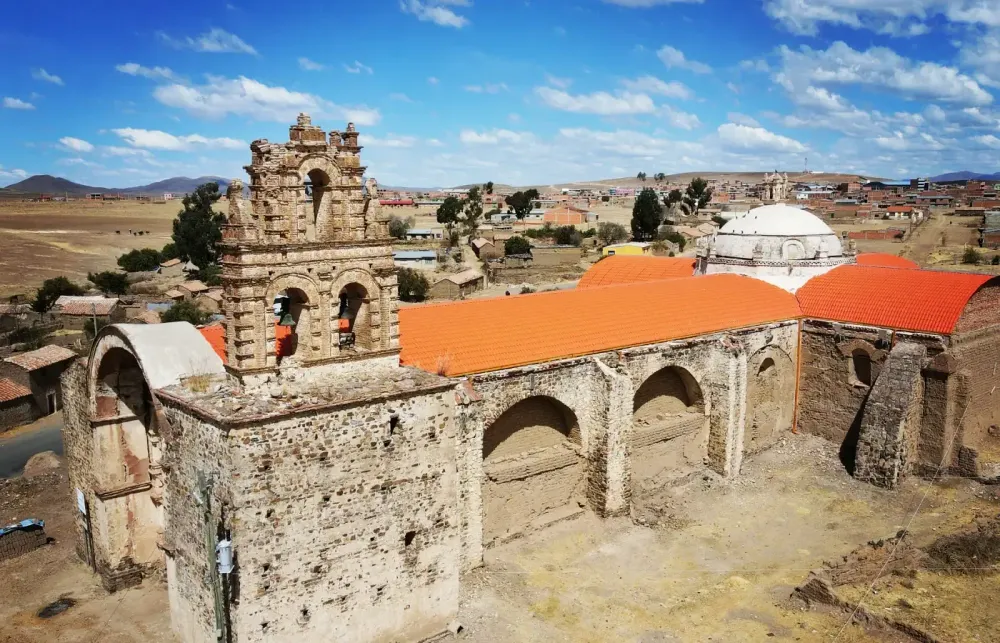
Potosí played a central role in the history of Bolivia and colonial South America. Its rise was closely connected with Cerro Rico and the enormous quantities of silver extracted from the mountain.
The historic center still preserves churches, colonial architecture and important cultural buildings. Casa Nacional de Moneda is one of the city’s most significant places for understanding the economic importance Potosí once held.
The city combines naturally with Sucre and Uyuni, creating a route that balances history with some of Bolivia’s most extraordinary landscapes.
Potosí does not require many days, but even a short visit adds valuable context to a Bolivia itinerary.
Laguna Colorada and the Bolivian Altiplano
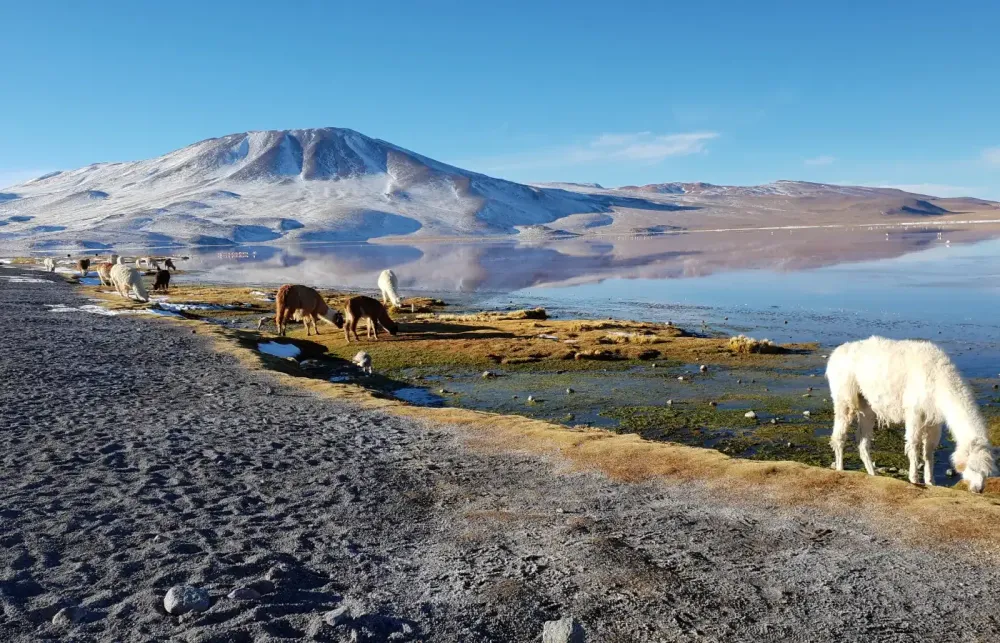
Once a journey continues south from Uyuni, the landscape changes again. High-altitude deserts, volcanoes, geothermal areas and remote lagoons begin to appear, often with flamingos feeding in shallow waters.
Laguna Colorada is one of the most iconic landscapes in this region. Its water can take on reddish tones that contrast with surrounding mountains and large groups of flamingos. You can learn more in our guide to Laguna Colorada Bolivia.
Other multi-day routes may also pass through the Siloli Desert, Stone Tree, Green Lagoon and geothermal areas. This is why a three-day Uyuni journey feels completely different from a standard one-day visit to the salt flats.
Travelers who want to explore this part of the Altiplano can consider Uyuni Salt Flats and Colored Lagoons 3 Days. Before traveling, our What to Pack for Uyuni Salt Flats guide is also useful for preparing for altitude, sun, cold nights and changing weather.
Tarija
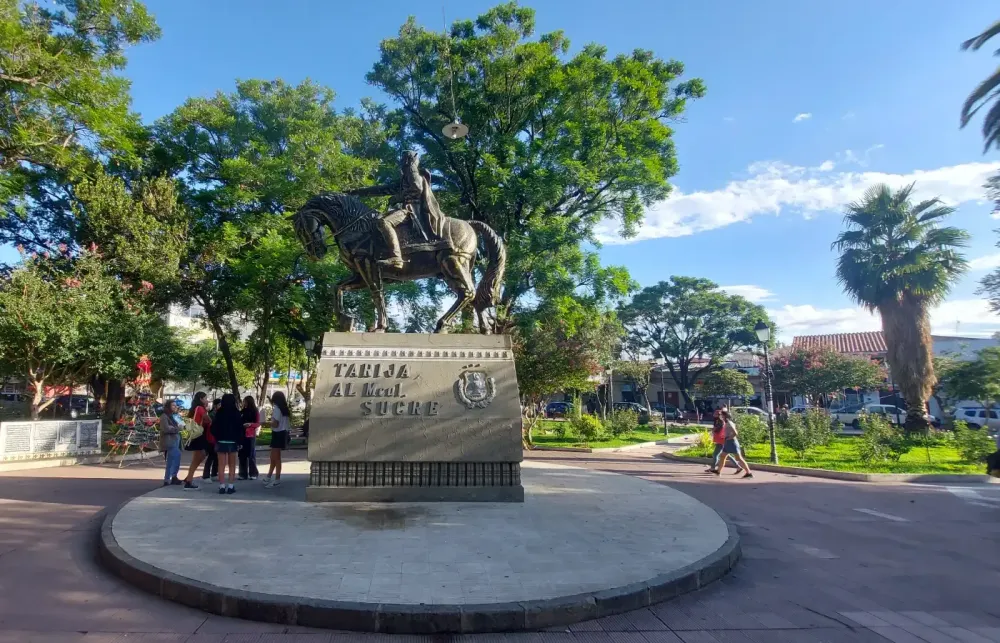
Tarija offers another complete change of scenery. Its valleys, milder climate and wine culture feel very different from Bolivia’s high Altiplano.
The region is known for vineyards, wineries, high-altitude wines and singani, one of Bolivia’s most distinctive spirits. Visiting the wine-producing areas provides an opportunity to understand local agriculture, gastronomy and another side of Bolivian culture.
Tarija works particularly well for travelers who have already experienced La Paz and Uyuni or who want to include destinations beyond the country’s classic first-time route.
Our Tarija Wine Route 3 Days focuses on this combination of wine, local culture and valley landscapes.
Rurrenabaque and the Bolivian Amazon
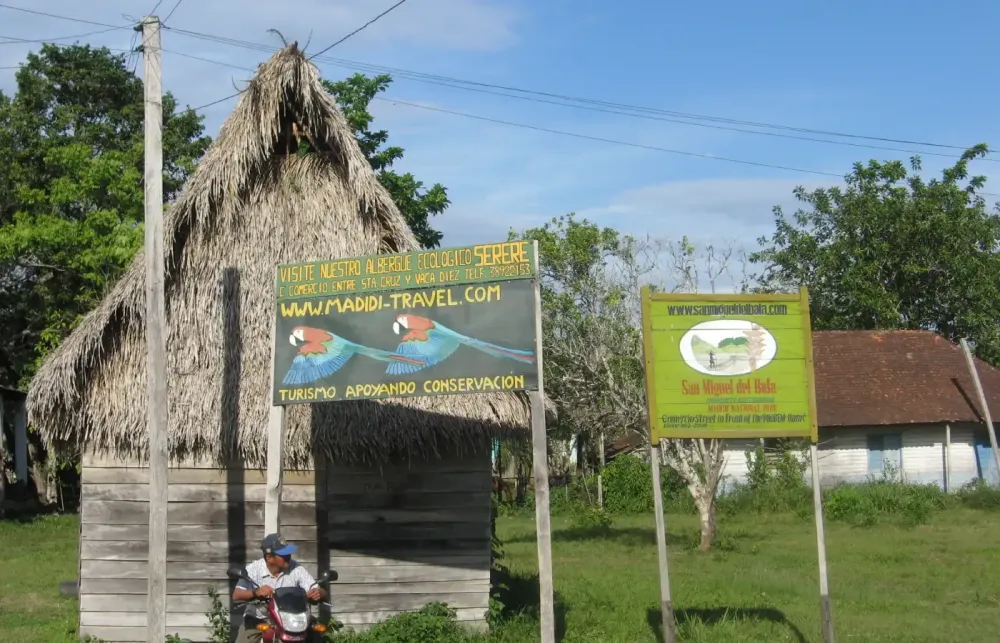
Bolivia does not end with the Andes. From Rurrenabaque, travelers can enter a completely different environment where cold highlands give way to rivers, tropical vegetation and Amazonian wildlife.
Rurrenabaque is commonly used as a base for journeys into jungle and pampas areas. Depending on the itinerary, experiences may include boat trips, wildlife observation and guided walks through tropical landscapes.
Combining the Amazon with La Paz and Uyuni is one of the best ways to understand Bolivia’s geographical diversity. Within the same trip, you can move from mountain cities to an enormous salt desert and then into humid tropical ecosystems.
For travelers who want that contrast within one longer itinerary, Bolivia Exceptional 13 Days combines La Paz, Uyuni and the Amazon.
Before finalizing your route, read Best Time to Visit Bolivia and What to Pack for Bolivia, because conditions vary enormously between these regions.
How many days should you spend in Bolivia?
| Time available | Suggested route | Best for |
|---|---|---|
| 5–7 days | La Paz + Lake Titicaca or La Paz + Uyuni | Short first trip |
| 8–9 days | La Paz + Titicaca + Uyuni | Major Bolivia highlights |
| 10 days | Wider Bolivia route or Peru + Bolivia | More complete Andean journey |
| 12–13 days | La Paz + Titicaca + Uyuni + Amazon | Experiencing Bolivia’s contrasts |
| 14+ days | Add Sucre, Potosí or Tarija | Slower, deeper journey |
There is no single perfect Bolivia itinerary. The right route depends on the regions that interest you most and how quickly you prefer to travel.
If you are still deciding, read How Many Days Do You Need in Bolivia?.
At Dreamy Tours, we believe a first journey works particularly well when it combines at least three different sides of the country: the culture and geography of La Paz, the landscapes of the Uyuni Salt Flats and a third region such as Lake Titicaca, Sucre or the Amazon.
You can compare all available itineraries through our Bolivia Tours.
Personal travel advice
Plan your trip with Dreamy Tours
Start a tailored journey with our exclusive tours and custom trips across Peru and other Latin American countries.