Search the blog
Tabla de contenidos
Choosing the best time to visit Bolivia depends mainly on the places you want to see. The country has very diverse geography, and conditions can change significantly between La Paz, Lake Titicaca, the Uyuni Salt Flats, Sucre, Potosí, the valleys of Tarija and the Bolivian Amazon.
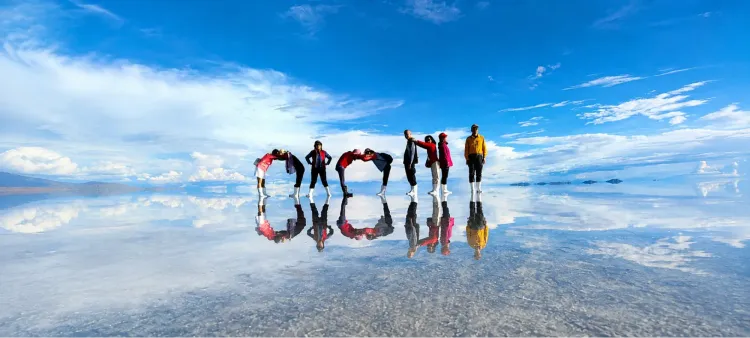
For much of the Altiplano, the dry months from May to October usually offer favorable travel conditions, with less rain and many clear days. However, the rainy season also has a major advantage: during the first months of the year, the chances of seeing the famous mirror effect in Uyuni increase.
That is why it is better to decide which destinations matter most before choosing your travel dates. If you are still building your route, our guide to 12 Best Places to Visit in Bolivia can help you choose the main stops.
When is the best time to visit Bolivia?
For a first trip focused on La Paz, Lake Titicaca, Uyuni, Sucre and Potosí, the period between May and October is usually an excellent reference. The dry season makes many outdoor activities easier and generally offers more stable conditions across the Altiplano.
That does not mean there is only one perfect season. January, February and March can be especially interesting for travelers who want to see the Uyuni Salt Flats covered by a thin layer of water. April and November are transition months and can offer a good balance depending on the region.
If this is your first visit, we also recommend reading our Bolivia Travel Guide: What to Know Before Your First Trip before booking the rest of your services.
| Season | Approximate months | What to expect | Best for |
|---|---|---|---|
| Rainy season | November to March | More rainfall and greener landscapes | Uyuni mirror effect |
| Transition | April | Less rain and moderate temperatures | Mixed itineraries |
| Dry season | May to October | Less rain and clearer skies | Altiplano, Titicaca and overland travel |
| Transition | November | Gradual return of rainfall | Flexible travel plans |
Bolivia from May to October: dry season
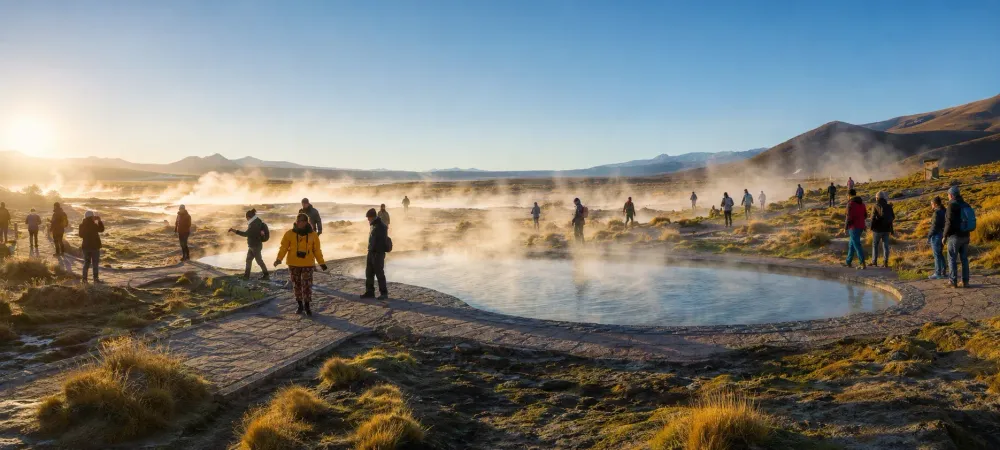
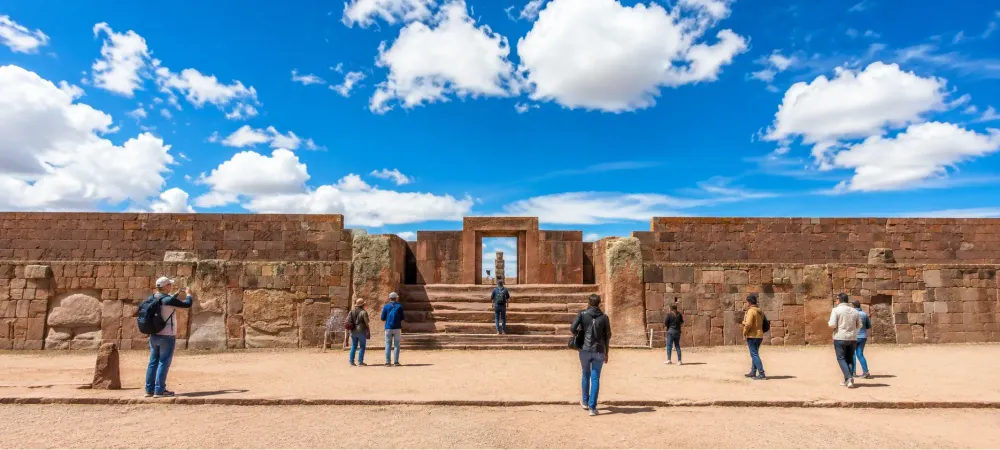
The dry season is one of the most popular times to travel around Bolivia, especially when the itinerary includes the Altiplano. La Paz, Copacabana, Lake Titicaca, Uyuni, Potosí and other high-altitude regions usually experience less rainfall, making road travel and outdoor activities easier.
The main factor to consider is the cold. June, July and August fall within the Southern Hemisphere winter, and temperatures can drop sharply in the mornings and evenings, especially at high elevations.
That does not mean you need to pack only heavy clothing. Dressing in layers usually works much better. Our What to Pack for Bolivia guide explains how to prepare for the Altiplano, Uyuni and lower-altitude regions.
For travelers who want to explore several destinations within one route, these months also work very well for an itinerary such as Bolivia Explorer 9 Days.
Bolivia from November to March: rainy season
From November to March, rainfall becomes more frequent in different parts of the country. In the Altiplano, showers may appear mainly during certain hours of the day, while some roads and activities require more flexibility.
At the same time, this season transforms some landscapes completely.
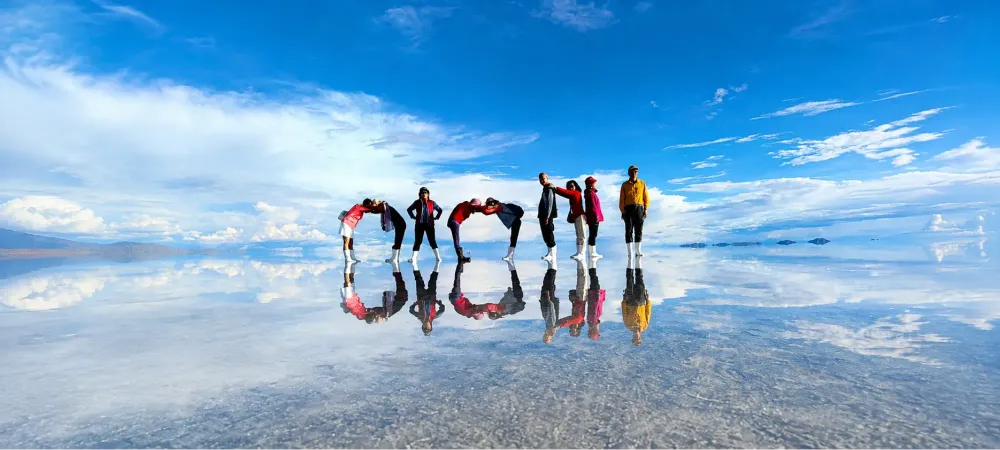
The best example is Uyuni. When a thin layer of water covers sections of the salt flats and wind conditions are favorable, the famous mirror reflection can appear and make the horizon almost disappear.
Travelers who are prioritizing this phenomenon should read When to See the Uyuni Salt Flats Mirror Effect, where we explain why January, February and March often provide some of the best opportunities.
Rain can also modify routes, so it is important to travel with some flexibility and understand that no specific date can guarantee the mirror effect.
Best time to visit La Paz and Lake Titicaca
La Paz, Copacabana and Lake Titicaca can be visited throughout the year, but the dry months from May to October generally offer good conditions for walking, riding the cable car, taking boat trips and combining several Altiplano destinations.
June, July and August can bring particularly cold nights. If you want to avoid the coldest part of the Andean winter, May, September and October offer a very attractive balance between drier conditions and slightly milder temperatures.
In La Paz, you can combine the historic center, cable car and nearby natural attractions. If your time is limited, our guide to What to See in La Paz Bolivia in One Day helps organize the main sights without overloading the day.
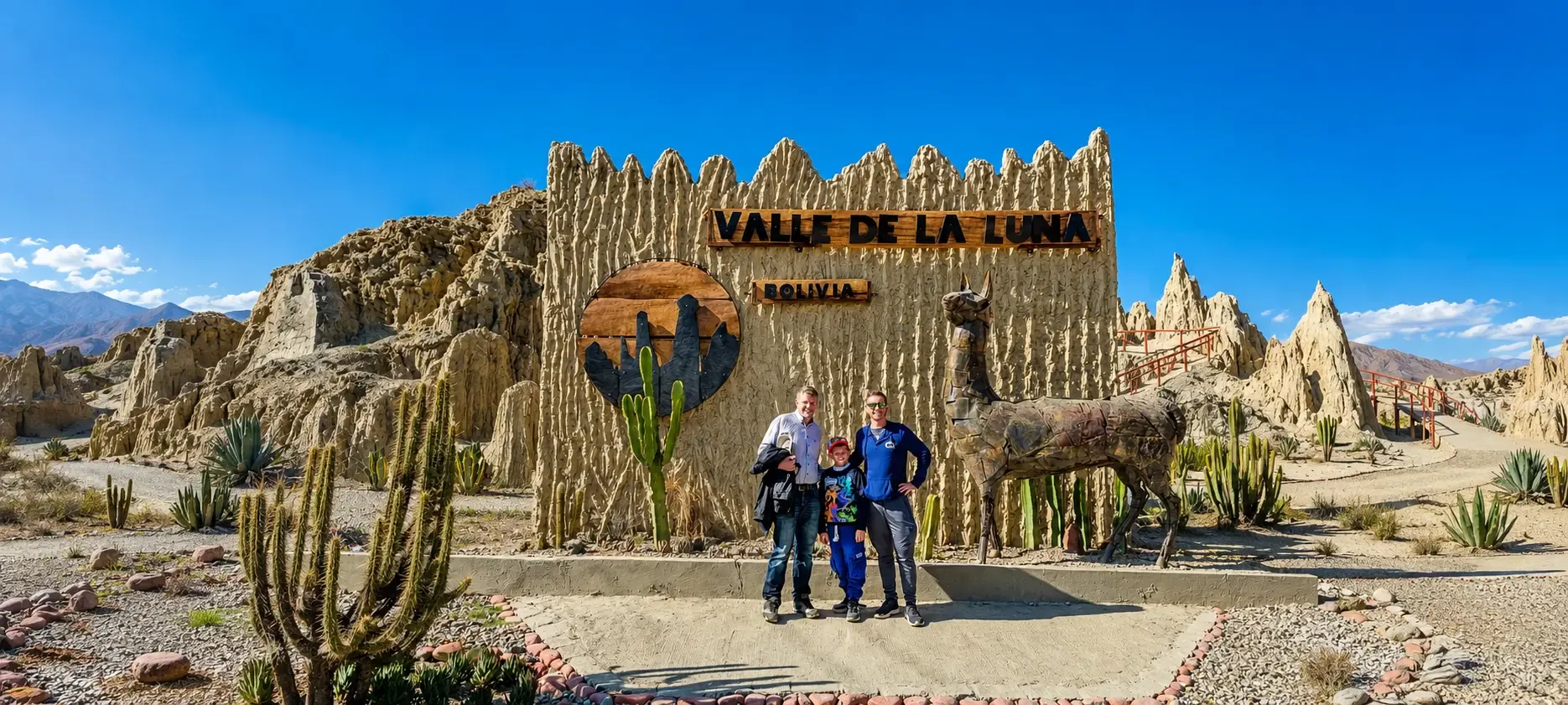
You can also add the La Paz City Tour and Moon Valley and complement the visit with our Moon Valley La Paz guide.

Best time to visit the Uyuni Salt Flats
Choosing when to visit Uyuni depends more on the landscape you want to experience than on finding one supposedly perfect month.
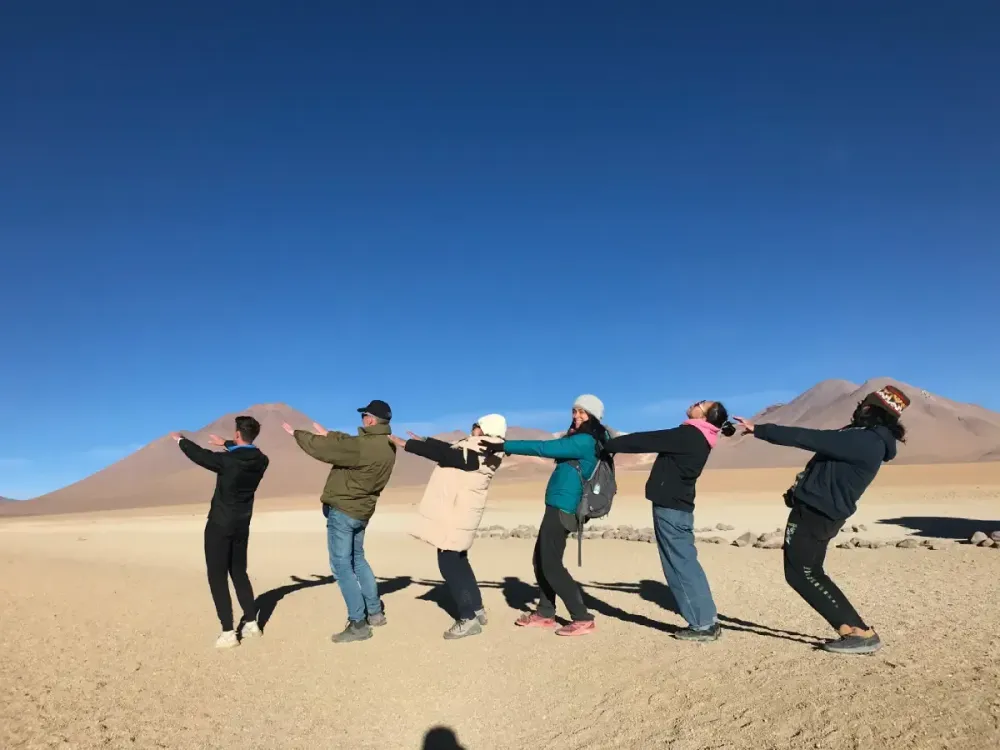
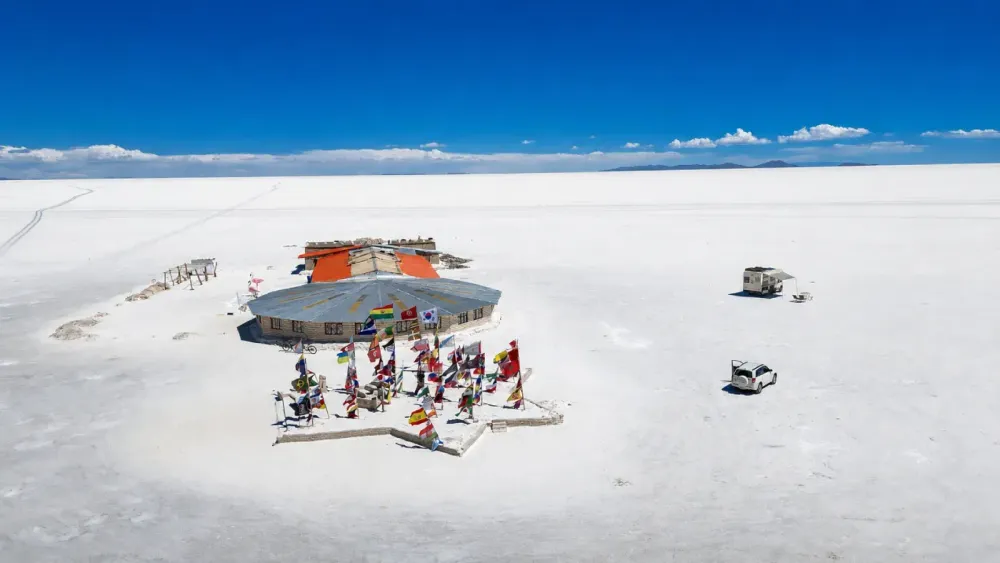
During the dry season, the vast white surface, geometric salt patterns and classic perspective photographs dominate the experience. These months also tend to make access to different sections of the salar and surrounding areas easier.
During the rainy season, on the other hand, there is a chance to see the mirror effect.
If you are still deciding which experience you prefer, read Best Time to Visit Uyuni Salt Flats and our Uyuni Salt Flats Travel Guide.
For a shorter visit, you can consider the Uyuni Salt Flats Full Day. If you want to explore more deeply, How Many Days Do You Need for the Uyuni Salt Flats? compares one, two and three-day options.
Best time to visit Sucre, Potosí and the valleys
Sucre and several valleys in Bolivia have different conditions from the high Altiplano. Temperatures can be more moderate, and urban sightseeing is not as strongly affected by the intense cold found in places such as Uyuni.
Between April and October, conditions are often favorable for cultural visits, walking tours and road travel. That makes Sucre and Potosí excellent additions to an itinerary that already includes La Paz and Uyuni.
Tarija offers another kind of experience entirely. Its valleys, vineyards and food culture bring a slower rhythm to the trip. If you want to move beyond the classic Altiplano route, you can explore the Tarija Wine Route 3 Days.
Combining these regions helps create a more varied journey instead of focusing only on high-altitude scenery.

When should you travel to the Bolivian Amazon?
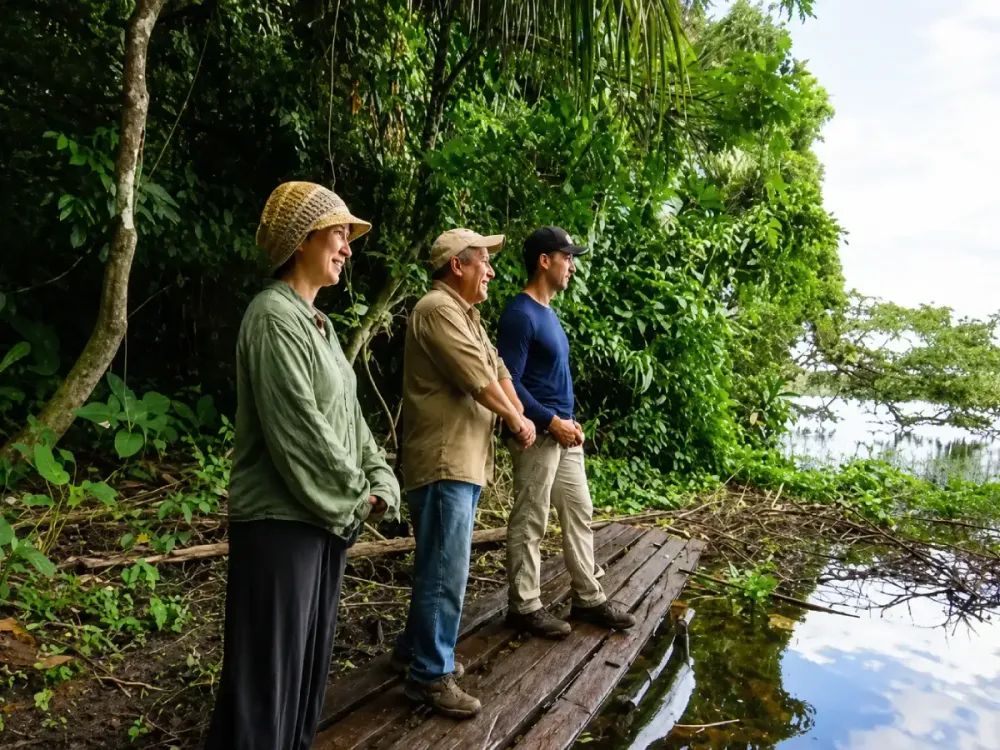
The Bolivian Amazon has a warm, humid climate that is very different from La Paz or Uyuni. Regions such as Rurrenabaque receive rainfall at different times of the year, and conditions can affect boat trips, roads and some outdoor activities.
Relatively drier months generally make transportation and outdoor experiences easier, although the rainforest can be visited throughout the year. During wetter periods, vegetation becomes especially lush, but itineraries may need more flexibility.
If you plan to combine the Amazon with the Altiplano in the same trip, packing deserves special attention because you will move from hot, humid conditions to cold areas above 3,000 meters.
An itinerary such as Bolivia 13 Days: La Paz, Uyuni and Amazon is designed precisely around these contrasts.
Bolivia month by month: which season should you choose?
Weather does not behave exactly the same way every year, but a monthly overview makes the seasonal differences easier to understand.
| Months | General conditions | Main experience |
|---|---|---|
| January–March | Rainy season | Higher chance of the Uyuni mirror effect |
| April–May | Transition toward drier weather | Good balance for combined routes |
| June–August | Dry and cold in the Altiplano | Clearer skies and strong visibility |
| September–October | Dry with gradually warmer temperatures | Excellent months for multi-region trips |
| November | Transition month | Variable conditions and first rains |
| December | More established rainfall | Changing landscapes and possible water in Uyuni |
This table should be treated as a general reference. Bolivia has major differences in altitude and geography, so a trip limited to La Paz and Uyuni will never have exactly the same conditions as a route combining the Altiplano, Tarija and the Amazon.
That is why it is better to think about the route first and the month second.
Best time according to the type of trip you want
Not every traveler is looking for the same experience, and that should influence the dates you choose.
If you want to focus mainly on the Altiplano, the dry season is especially practical. If your dream is to photograph the mirror effect in Uyuni, the first months of the year become much more important. If you want to combine culture, gastronomy and valleys, transition months can also work very well.
For landscape photography, both dry and rainy seasons offer completely different opportunities. The white salt flats are ideal for perspective photography and wide horizons, while flooded sections of the salar create spectacular reflections.
If you are still deciding whether to organize everything independently or book some experiences, read Bolivia Independently or With a Tour. The best choice can change depending on the season and the destinations in your itinerary.
What to pack for Bolivia by season
Packing for Bolivia should be based on regions, not only on months.
For a route through La Paz, Lake Titicaca and Uyuni, it is always useful to bring layered clothing, a good jacket, sun protection and comfortable footwear. During June, July and August, pay even more attention to cold temperatures, especially on multi-day Altiplano trips.
If you travel during the rainy season, add waterproof protection for yourself, your backpack and electronic devices.
For Uyuni, our guide to What to Pack for Uyuni Salt Flats covers clothing, footwear, sun protection and essential items in more detail.
And if your trip includes several regions, What to Pack for Bolivia will help you prepare a more balanced bag.
How to combine Bolivia’s regions according to the season
A good itinerary depends not only on climate, but also on connecting destinations logically.
During the dry season, a route such as La Paz → Lake Titicaca → Uyuni → Potosí → Sucre works very well. If you travel between January and March and the mirror effect is your priority, you can make Uyuni one of the main highlights and keep some flexibility around the exact visit date.
To organize the journey to Uyuni, read How to Get from La Paz to Uyuni.
If you want to continue into more remote landscapes, Laguna Colorada Bolivia, Tunupa Volcano in Uyuni and Incahuasi Island in Uyuni can help you build a much deeper Uyuni experience.
Before finalizing the full itinerary, we also recommend reading How Many Days Do You Need in Bolivia?.
So, what is the best month to visit Bolivia?
If you want one general answer, May, September and October offer an excellent balance for many itineraries. These months allow travelers to explore much of the Altiplano in relatively dry conditions while partly avoiding the coldest period of the Andean winter.
June, July and August are also excellent dry-season months, as long as you are prepared for cold mornings and nights.
If your priority is the Uyuni mirror effect, the answer changes: January, February and March become far more attractive.
As a general reference:
- Altiplano, La Paz and Titicaca → May to October
- White Uyuni Salt Flats → May to October
- Uyuni mirror effect → January to March
- Bolivian Amazon → preferably during relatively drier periods
There is no single perfect date for the entire country. The best time to visit Bolivia is the period that matches the landscapes and experiences you actually want to see.
At Dreamy Tours, we recommend defining the route first and choosing the month afterward. You can compare our Bolivia Tours to build an itinerary based on your available time and travel season.
Personal travel advice
Plan your trip with Dreamy Tours
Start a tailored journey with our exclusive tours and custom trips across Peru and other Latin American countries.