Search the blog
Tabla de contenidos
Planning a Peru and Bolivia trip allows you to connect some of the most important destinations in the Andes within a single route. In Peru, you can explore Cusco, the Sacred Valley, Machu Picchu and Lake Titicaca; from there, the journey can continue naturally into Bolivia through Copacabana, Isla del Sol, La Paz and finally the Uyuni Salt Flats.
The main advantage is geography. These destinations follow a logical sequence, so you do not need to finish one trip and start another from scratch. Lake Titicaca acts as a natural bridge between both countries.
This route is especially attractive for travelers who want to combine archaeology, Andean culture, historic cities and dramatic natural landscapes in one journey. If you are still deciding how much time to spend on the Bolivian side, read How Many Days Do You Need in Bolivia?.
Why combine Peru and Bolivia in the same trip?
Peru and Bolivia share a long Andean history, but they offer very different experiences. Cusco and Machu Picchu introduce travelers to the Inca world, while Lake Titicaca adds high-altitude communities and landscapes before the route continues into Bolivia.
La Paz then presents one of the most distinctive cities in South America, and Uyuni changes the scenery once again with an enormous salt flat surrounded by the vast Altiplano.
This contrast is what makes the route so attractive. Instead of planning two disconnected trips, you can move through the Andes in a coherent direction from north to south or vice versa.
| Stage | Main destinations | Main experience |
|---|---|---|
| Cusco | Historic center and Inca sites | History and Andean culture |
| Sacred Valley | Pisac, Ollantaytambo and valley towns | Archaeology and landscapes |
| Machu Picchu | Inca citadel | Archaeological heritage |
| Puno | Route of the Sun and Lake Titicaca | Peruvian Altiplano |
| Copacabana and Isla del Sol | Bolivian Titicaca | Culture and boat travel |
| La Paz | Historic center, cable cars and Moon Valley | Urban Andean life |
| Uyuni | Salt flats and high-altitude landscapes | Nature |
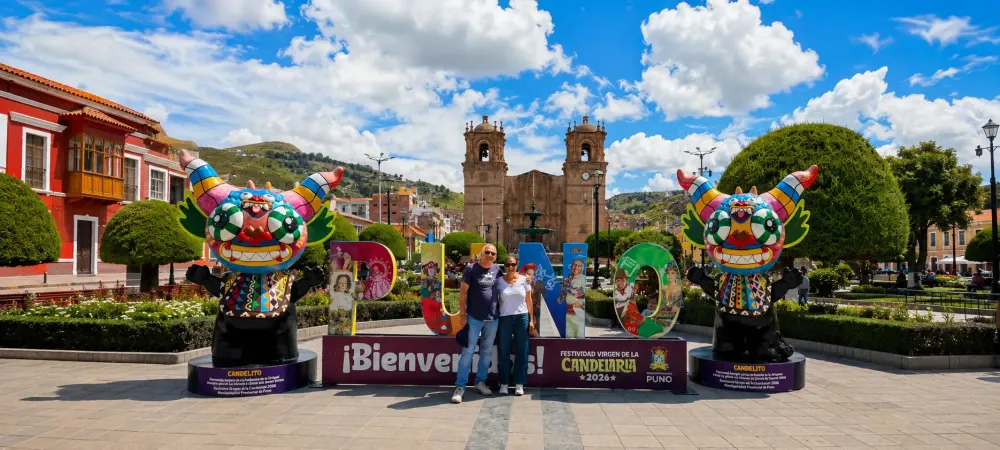
First stage: Cusco and the Sacred Valley
Cusco is one of the best places to begin this route because it introduces the history of the Andes before you continue toward Bolivia.
Your first day can focus on the historic center and sites such as Qorikancha, Sacsayhuamán, Qenqo, Puka Pukara and Tambomachay. It is also a good idea to keep the first day relatively relaxed so your body has time to adapt to the altitude.
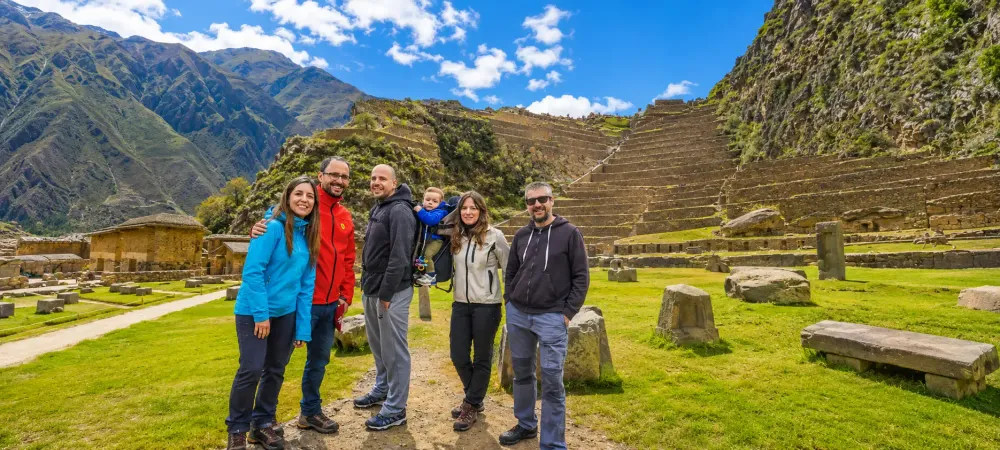
The journey can then continue into the Sacred Valley. Pisac and Ollantaytambo combine agricultural terraces, Inca architecture and living Andean towns.
If you want a broader experience of the valley, you can explore the Sacred Valley VIP Tour, which also includes Chinchero, Moray and Maras.
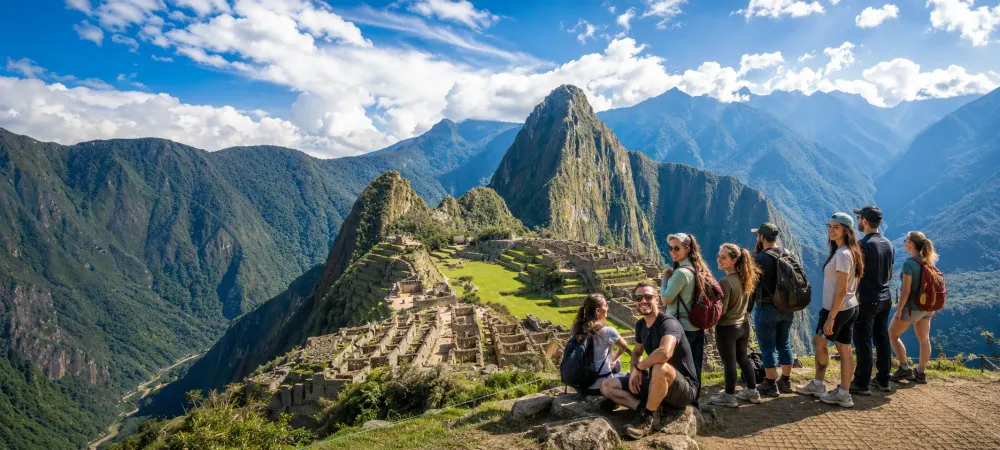
From Cusco to Puno along the Route of the Sun
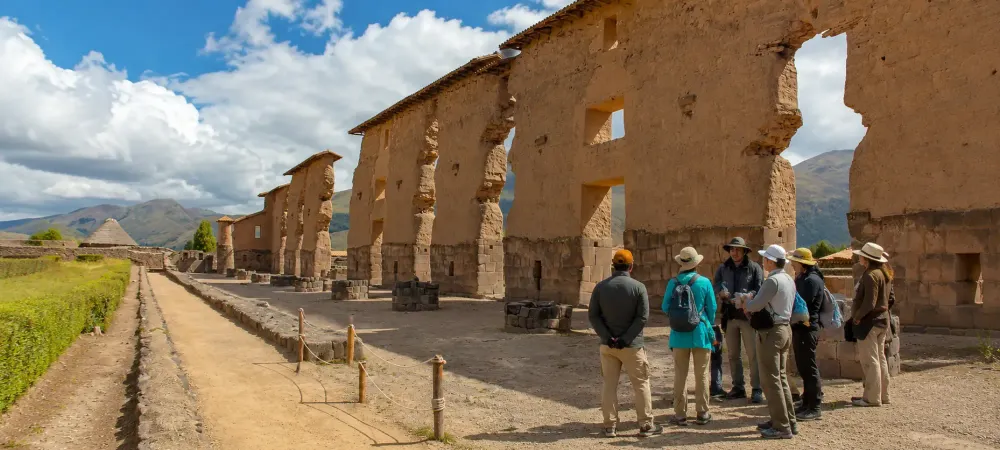
After Machu Picchu, the route can continue toward Puno. One of the most interesting ways to make this journey is through the well-known Route of the Sun.
Instead of treating the day only as transportation, this option turns the road itself into part of the trip. Along the way, you can encounter Andean landscapes and places such as Andahuaylillas, Raqchi, La Raya and Pukará.
The journey also creates a gradual transition between Cusco and the higher landscape of Lake Titicaca.
Once you arrive in Puno, the scenery changes again. The city becomes the main base for exploring the Peruvian side of the lake before continuing into Bolivia.
Lake Titicaca: Uros and Taquile
From Puno, you can travel by boat across Lake Titicaca and visit two of its most representative destinations: the floating Uros Islands and Taquile Island.
The Uros offer insight into a way of life deeply connected to totora reeds and the lake, while Taquile is known for rural paths, open views and an important textile tradition.
After several days focused on Inca architecture and archaeology, Lake Titicaca adds a different pace to the journey. Here, the experience is more closely connected to communities, landscapes and everyday life in the Altiplano.
If you want to dedicate a full day to this experience, you can explore the Uros and Taquile Full Day Tour.
From Peru to Bolivia through Copacabana
After exploring the Peruvian side of Lake Titicaca, one of the most logical ways to continue is to travel from Puno to Copacabana.
This route allows you to cross from Peru into Bolivia without breaking the flow of the journey. Lake Titicaca remains the main geographical element, but the surroundings and destinations begin to change.
Copacabana deserves some time of its own. In addition to being the main gateway to Isla del Sol, the town is home to the Basilica of Our Lady of Copacabana and several viewpoints over the lake.
If this will be your first experience in Bolivia, you may also find our Bolivia Travel Guide: What to Know Before Your First Trip useful.
Isla del Sol: a quieter side of Lake Titicaca
From Copacabana, boats continue toward Isla del Sol, one of the most symbolic places on the Bolivian side of Lake Titicaca.
The island’s appeal does not depend on a single monument. Its trails, agricultural terraces, communities and views over the lake are all part of the experience.
Isla del Sol is also closely linked to Andean traditions associated with the origins of the Incas. This creates an interesting cultural connection with the first part of the journey through Cusco.
Including the island also helps break up long overland transfers before continuing toward a much more dynamic city such as La Paz.
La Paz, a city built between mountains
After Copacabana, the journey continues to La Paz. The city offers a dramatic change from the quiet landscapes of Lake Titicaca.
The historic center, Witches’ Market, San Francisco, Plaza Murillo and several viewpoints introduce the city’s cultural identity. Its cable car system adds another dimension, allowing travelers to see how neighborhoods spread across the steep slopes toward El Alto.
If you only have one day, our guide to What to See in La Paz Bolivia in One Day helps organize the main highlights.
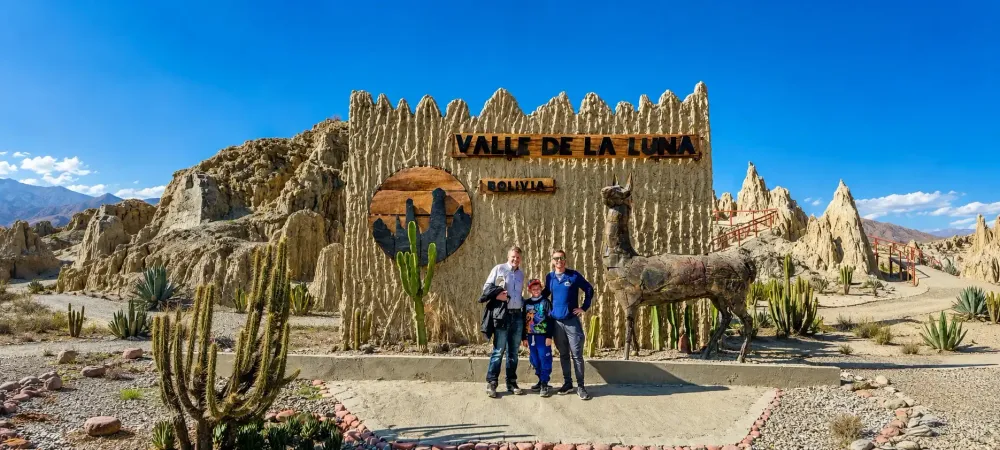
You can also combine the city’s key attractions with the La Paz City Tour and Moon Valley. For more detail about the natural attraction, read Moon Valley La Paz.
Uyuni Salt Flats, a completely different ending
After Inca cities, high-altitude lakes and mountain landscapes, finishing the journey at the Uyuni Salt Flats creates one of the strongest contrasts of the entire trip.
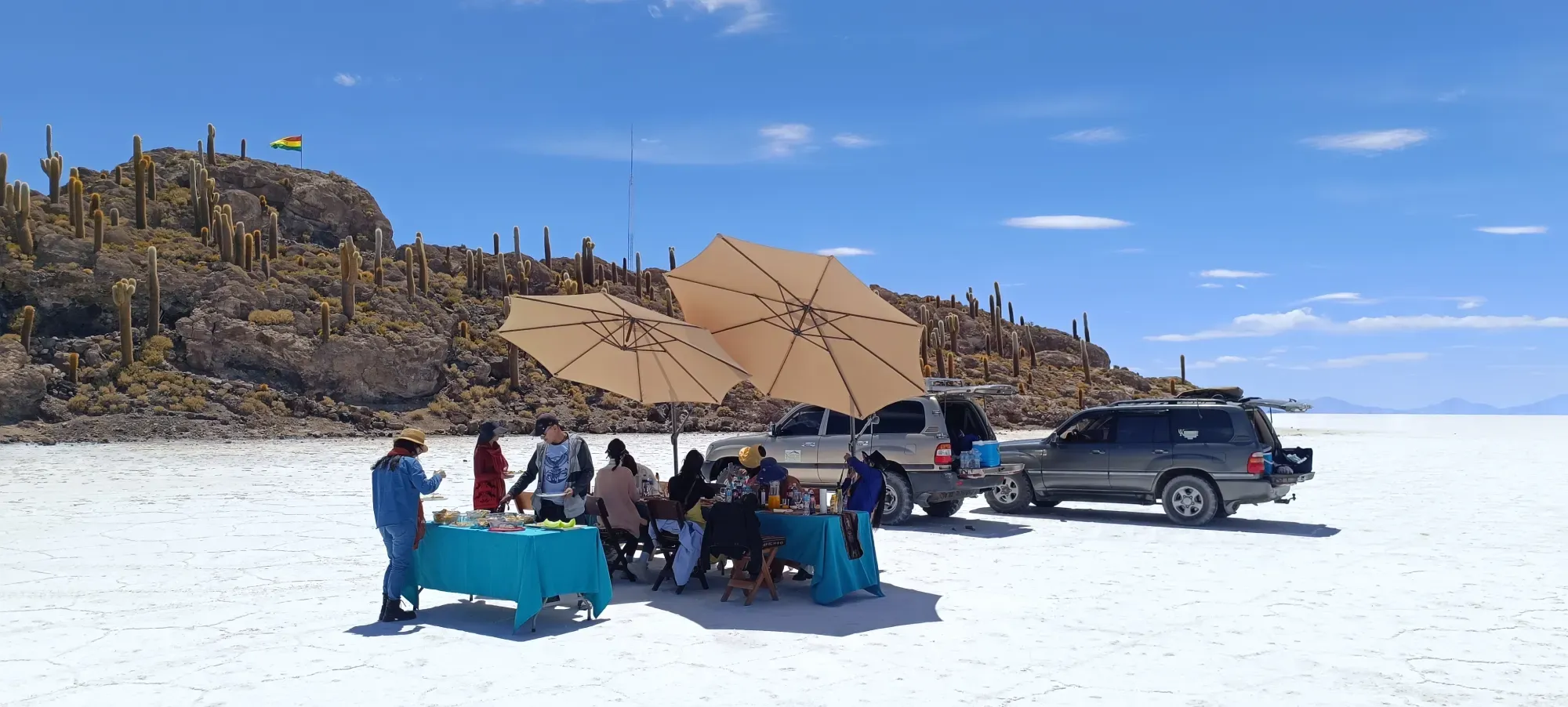
The classic route can include the Train Cemetery, Colchani and different sections of the enormous salt surface. Depending on the itinerary and access conditions, travelers can also continue toward Incahuasi Island and other parts of the Altiplano.
Before traveling, we recommend reading our Uyuni Salt Flats Travel Guide.
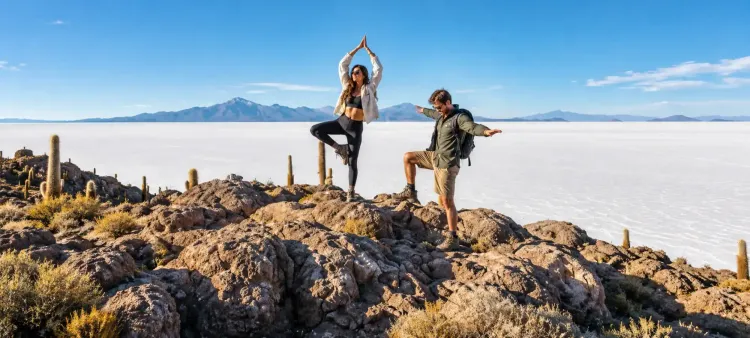
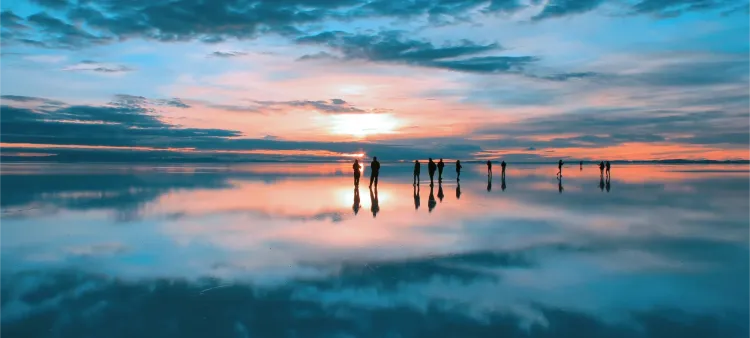
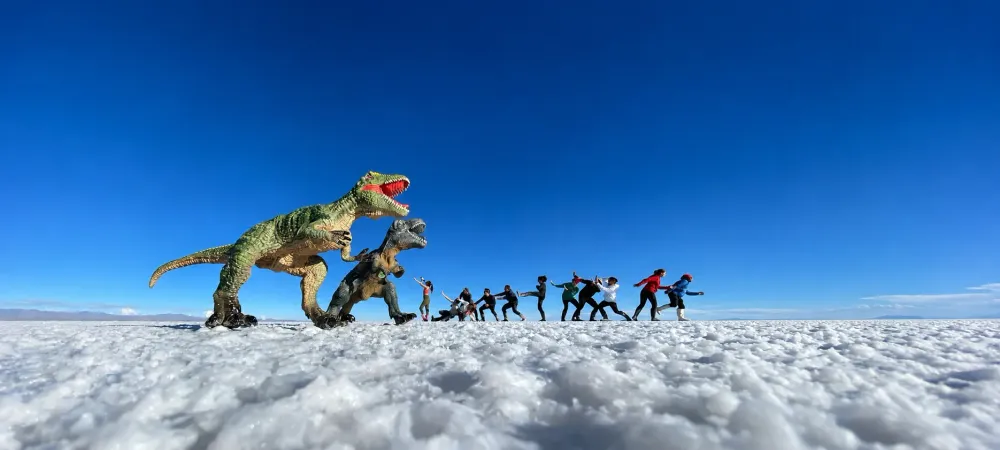
The season changes the landscape dramatically. During the dry months, the salt flats appear as a vast white desert, while during certain rainy periods a thin layer of water can create the famous mirror effect. If this is one of your priorities, read When to See the Uyuni Salt Flats Mirror Effect.
For a first experience, you can also consider the Uyuni Salt Flats Full Day.
How many days do you need for Peru and Bolivia?
The ideal duration depends on how much you want to include in each country. Ten days can work for a concentrated route through Cusco, Machu Picchu, Lake Titicaca, La Paz and Uyuni, but the schedule needs to be carefully planned.
With twelve days, the trip becomes more comfortable and gives you more time in both countries without feeling like you are constantly in transit.
| Time available | Suggested route | Pace |
|---|---|---|
| 8–9 days | Cusco + Machu Picchu + Puno + La Paz + Uyuni | Fast |
| 10 days | Cusco + Sacred Valley + Machu Picchu + Titicaca + La Paz + Uyuni | Complete |
| 12 days | Same route with more time in Peru and Bolivia | Balanced |
| 14+ days | Add Arequipa, Sucre, Potosí or more of the Bolivian Altiplano | Relaxed |
If you have ten days, you can explore Peru and Bolivia 10 Days. For a slower journey, you can also consider Peru and Bolivia 12 Days.
Best time for a Peru and Bolivia itinerary
The season matters especially in Cusco, Machu Picchu, Lake Titicaca and Uyuni.
From May to September, much of the Andes experience drier conditions. This usually favors overland travel and outdoor activities, although June, July and August can bring very cold nights in the Altiplano.
From January to March, rainfall becomes more frequent in the Andes. At the same time, these months can increase the chances of finding water on sections of the Uyuni Salt Flats and seeing the mirror effect.
If Uyuni is a major priority, read Best Time to Visit Bolivia and Best Time to Visit Uyuni Salt Flats before choosing your travel dates.
How to organize transportation between Peru and Bolivia
The route becomes much easier when you organize it in one direction:
Cusco → Sacred Valley → Machu Picchu → Puno → Copacabana → La Paz → Uyuni
From Cusco, you can travel overland toward Puno. From Puno, the journey continues to Copacabana across the land border between Peru and Bolivia. From there, you can continue to La Paz.
Uyuni can then be reached from La Paz by overland transportation and, depending on the services available during your travel dates, by air connections. Our guide to How to Get from La Paz to Uyuni explains the main options.
Following this geographical sequence avoids unnecessary backtracking and helps you make better use of your available days.
Two countries and one great journey through the Andes
A Peru and Bolivia itinerary takes you from the Inca architecture of Cusco and Machu Picchu to the communities of Lake Titicaca, through a high-altitude city such as La Paz and finally to the endless horizon of the Uyuni Salt Flats.
That constant transformation is what makes the route so rewarding. You are not repeating the same experience in two countries. Instead, you are connecting archaeology, living cultures, cities and landscapes that are very different from one another.
If Bolivia will be an important part of your journey, we also recommend reading 12 Best Places to Visit in Bolivia and How Many Days Do You Need in Bolivia? before finalizing your route.
At Dreamy Tours, we believe this combination works best when travelers avoid trying to include too much. You can start by comparing Peru and Bolivia 10 Days and Peru and Bolivia 12 Days to choose the pace that best matches your trip.
Personal travel advice
Plan your trip with Dreamy Tours
Start a tailored journey with our exclusive tours and custom trips across Peru and other Latin American countries.