Search the blog
Tabla de contenidos
One of the first questions travelers ask when planning a trip is how many days do you need in Bolivia. The answer depends on the places you want to include and the pace you prefer, because the country combines high-altitude cities, Lake Titicaca, the Uyuni Salt Flats, historic centers, desert landscapes and tropical regions that feel completely different from one another.
For a first visit, anywhere from 7 to 13 days can work, depending on how much ground you want to cover. With one week, you can focus on La Paz, Lake Titicaca and Uyuni. With nine or ten days, you can add Potosí, Sucre or more of the Altiplano. With almost two weeks, you can include the Amazon and travel at a more comfortable pace.
If you are still deciding which destinations matter most, start with 12 Best Places to Visit in Bolivia and our Bolivia Travel Guide: What to Know Before Your First Trip. Both will help you choose what deserves priority within your available time.
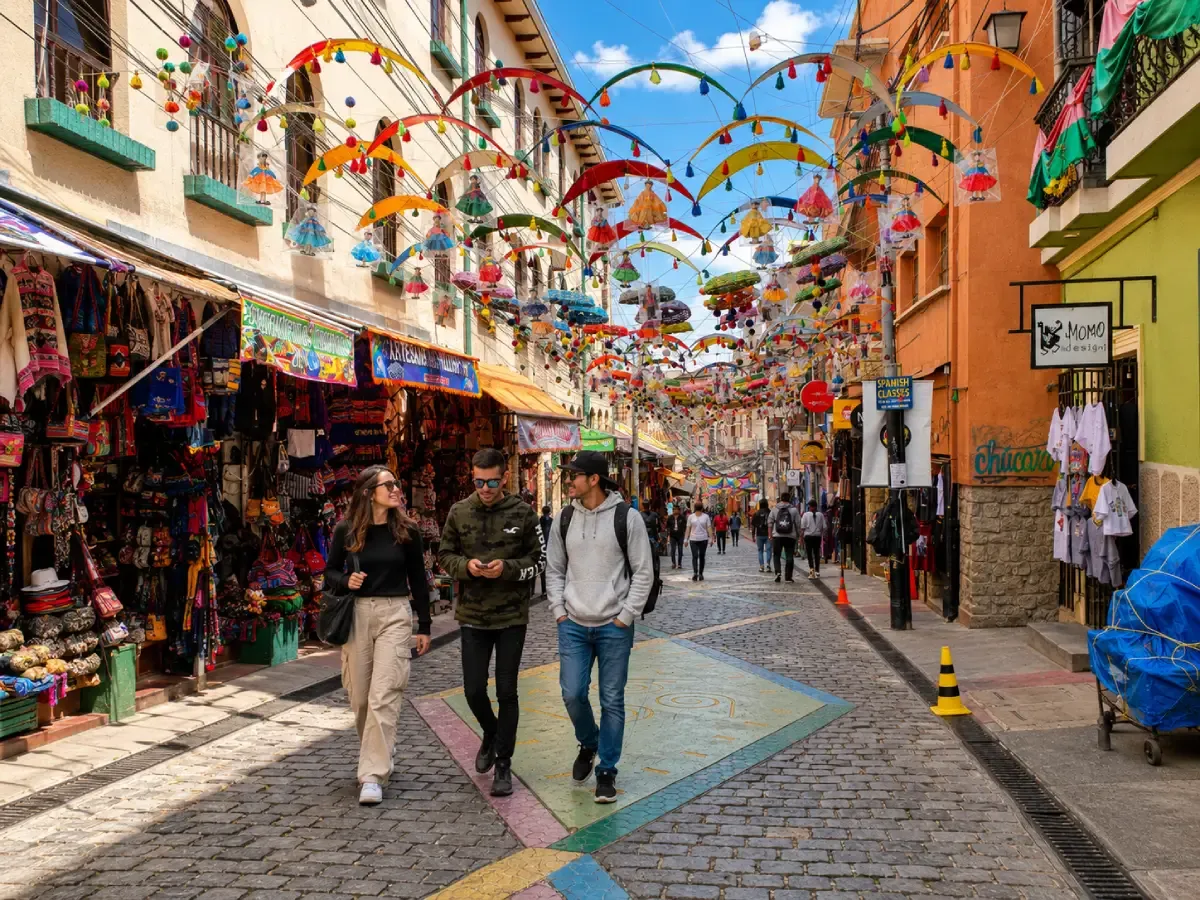
How many days are recommended for Bolivia?
For a first trip that includes several of the country’s major highlights, we recommend considering 9 to 13 days. This range gives you enough time to experience different regions without turning the trip into a chain of airports, buses and long road transfers.
Seven days can work if you focus only on the essentials. Nine days allow for a balanced route. Ten days give you a little more flexibility to add a destination or combine Bolivia with Peru. Thirteen days, on the other hand, make it possible to include a region as different as the Amazon.
| Trip length | Approximate route | Best for |
|---|---|---|
| 7 days | La Paz + Lake Titicaca + Uyuni | Essential first visit |
| 9 days | La Paz + Titicaca + Uyuni + Altiplano + Sucre/Potosí | Balanced route |
| 10 days | Wider Bolivia itinerary or Peru + Bolivia | Broader regional trip |
| 13 days | La Paz + Amazon + Titicaca + Uyuni + Altiplano | More complete experience |
| 14+ days | Add Sucre, Potosí, Tarija or other destinations | Slower journey |
You do not need to see everything on one trip. In Bolivia, planning distances well is often more important than adding more destinations.

Bolivia in 7 days: a route through the essentials
One week works well if you want a first overview of the country and are willing to focus on three main areas.
A logical route could be La Paz → Copacabana → Isla del Sol → Uyuni Salt Flats. La Paz introduces you to urban Andean culture, Lake Titicaca adds history and landscapes, and Uyuni delivers one of the most extraordinary natural environments in South America.
The key is not trying to add Sucre, Potosí, Tarija and the Amazon into the same seven days. That would make the itinerary too rushed.
If you only have one day in the capital, read What to See in La Paz Bolivia in One Day. To organize the next stage, our guide to How to Get from La Paz to Uyuni will also help.
And if Uyuni will be the main highlight of your trip, start with our Uyuni Salt Flats Travel Guide.

Bolivia in 9 days: a more balanced route
With nine days, an important difference appears: you no longer need to choose only between cities and nature.
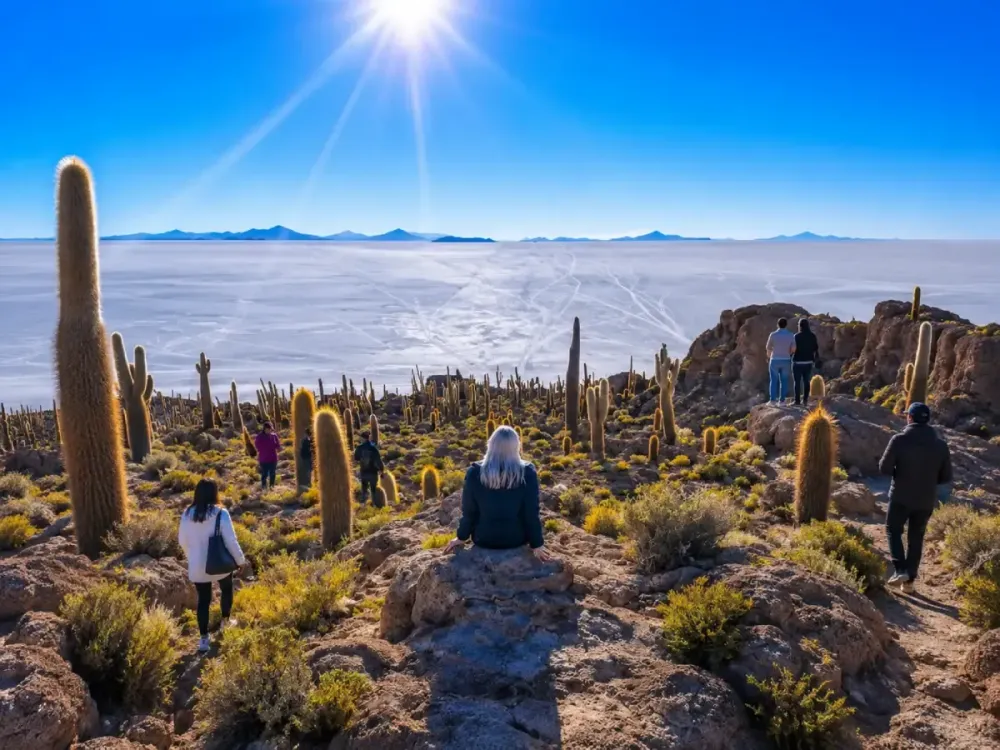
A well-structured itinerary can include La Paz, Copacabana, Isla del Sol, Uyuni, the high-altitude lagoons and a first look at Potosí or Sucre. This gives you a much broader view of the country without keeping the pace excessively fast.
Our Bolivia Explorer 9 Days follows exactly this kind of logic. The route connects La Paz and Moon Valley with Copacabana, Isla del Sol, Uyuni Salt Flats, Incahuasi Island, Laguna Colorada, Potosí and Sucre.
Nine days are especially attractive for a first trip because they reveal several sides of Bolivia while keeping the route relatively compact.
If you want to learn more about some of the key stops, read Laguna Colorada Bolivia and Incahuasi Island in Uyuni.
Bolivia in 10 days: more time to explore
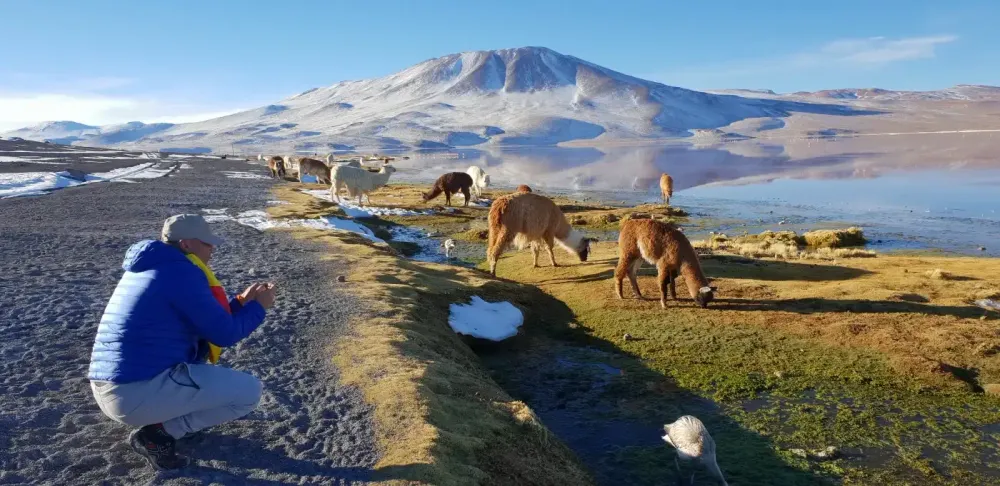
Ten days may not sound much different from nine, but one extra day can make the itinerary noticeably more comfortable.
That additional time can be used for an extra night in La Paz, more time around Lake Titicaca, a slower stay in Uyuni or a less rushed connection between Potosí and Sucre.
It is also a very interesting trip length for travelers combining two countries.
Lake Titicaca creates a natural route between Peru and Bolivia, making it possible to connect Cusco, Machu Picchu and Puno with Copacabana, La Paz and Uyuni. If that sounds appealing, read Peru and Bolivia in One Trip: A Step-by-Step Itinerary.
You can also explore our Peru and Bolivia 10 Days if you prefer an organized route across both countries.
Bolivia in 13 days: a much more complete experience
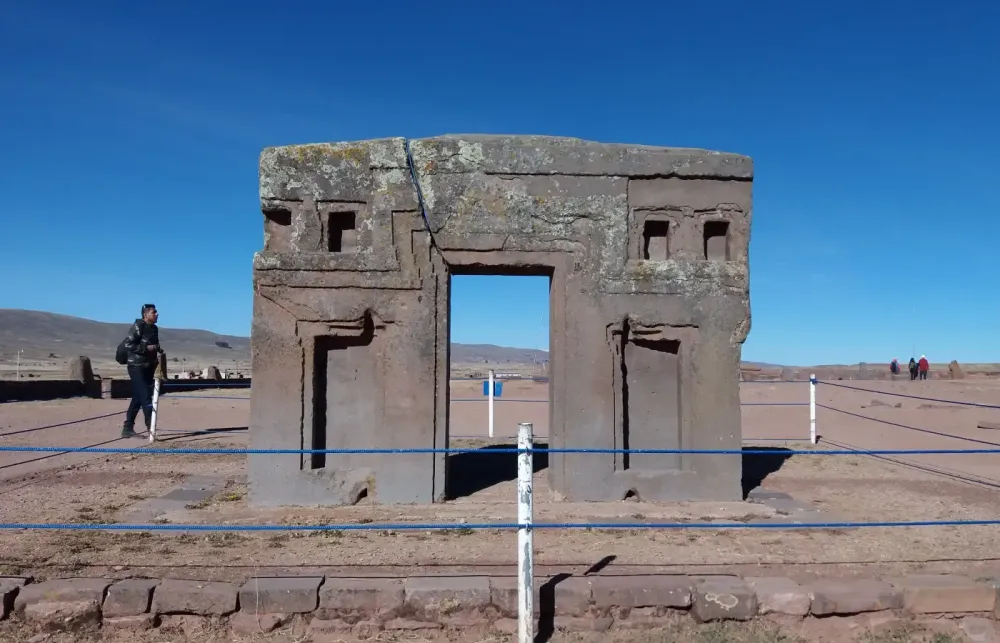
With around two weeks, Bolivia stops feeling like a sequence of quick stops and starts becoming a much deeper journey.
In addition to La Paz, Lake Titicaca and Uyuni, you can add a completely different region such as the Amazon. This changes the entire experience because within just a few days you move from Andean cities and salt flats to rivers, tropical vegetation and wildlife.
Our Bolivia Exceptional 13 Days combines La Paz, Rurrenabaque, Amazonian pampas, Lake Titicaca, Copacabana, Isla del Sol and Uyuni.
The main advantage of a 13-day itinerary is not only seeing more places. It also allows for more relaxed connections, better rest and a more gradual adjustment to altitude and climate changes.
For a trip this varied, also read What to Pack for Bolivia.
How many days should you spend at the Uyuni Salt Flats?
Uyuni can take anywhere from one day to several days within your itinerary.
If your goal is to see the main salt-flat attractions, including the Train Cemetery, Colchani and the vast white surface, one full day can be enough.
Two days allow you to continue toward Tunupa Volcano and Coquesa. With three days, you can reach high-altitude lagoons, deserts, volcanoes and much more remote landscapes.
As a simple reference:
1 day → Uyuni Salt Flats and main highlights
2 days → Uyuni Salt Flats + Tunupa Volcano
3 days → Uyuni Salt Flats + lagoons + Altiplano
Our guide How Many Days Do You Need for the Uyuni Salt Flats? compares these options in more detail.
You can also explore the Uyuni Salt Flats Full Day, Uyuni Salt Flats and Tunupa Volcano 2 Days and Uyuni Salt Flats and Colored Lagoons 3 Days.

How many days should you spend in La Paz and Lake Titicaca?
La Paz deserves at least one full day if you want to see its main attractions. The historic center, Witches’ Market, Plaza Murillo, cable car, viewpoints and Moon Valley can be arranged within a well-planned day.
With two days, you can slow the pace and add more parts of the city or a nearby excursion.
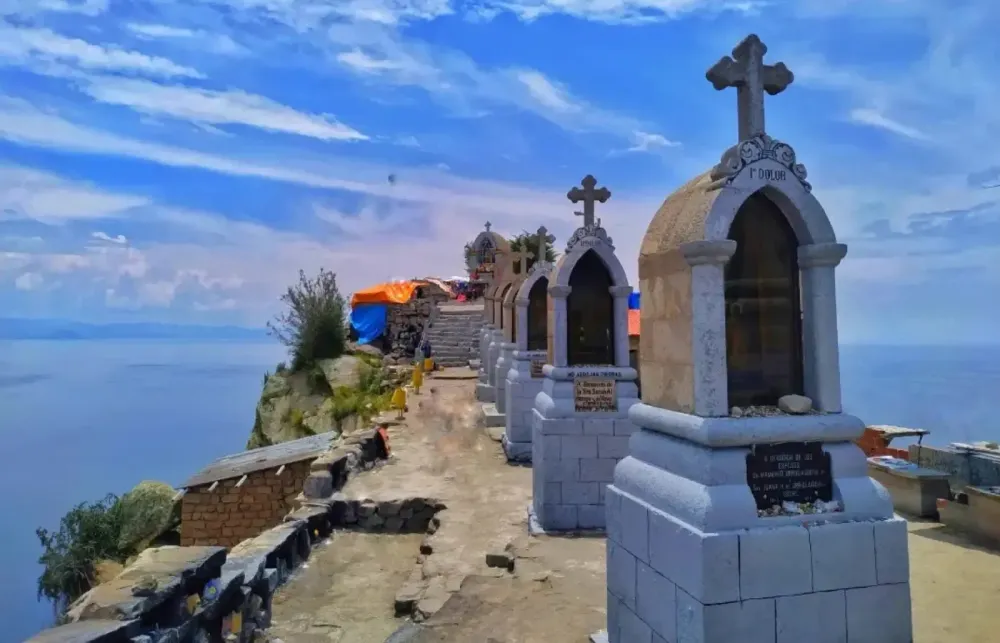
For Copacabana and Isla del Sol, we recommend at least one additional day. If you want to stay overnight and experience the lake more slowly, two days work even better.
On a nine-day itinerary, spending around three days between La Paz, Copacabana and Isla del Sol creates a good balance before continuing toward Uyuni.
To organize the capital, read Moon Valley La Paz and consider our La Paz City Tour and Moon Valley.
How should you divide your days in Bolivia?
A good distribution keeps travel time under control and gives each destination a clear purpose within the itinerary.
For a first trip, you can use this reference:
| Region | Recommended time | What it adds to the trip |
|---|---|---|
| La Paz | 1–2 days | History, urban culture, cable car and viewpoints |
| Copacabana + Isla del Sol | 1–2 days | Lake Titicaca, boat travel and Andean culture |
| Uyuni | 1–3 days | Salt flats and Altiplano landscapes |
| Sucre + Potosí | 2–3 days | History, architecture and heritage |
| Bolivian Amazon | 3–4 days | Jungle, pampas and wildlife |
| Tarija | 2–3 days | Wine, gastronomy and valley landscapes |
You do not need to include all these regions. The purpose of the table is to show how much space each one needs inside the itinerary.
You should also leave time for transfers, altitude adjustment and possible operational changes. Bolivia covers large distances, and the geography does not always allow you to move as quickly as a map might suggest.
What route should you choose for your first Bolivia trip?
If this is your first visit, the best route depends more on your priorities than on trying to see as many cities as possible.
With seven days, prioritize La Paz, Lake Titicaca and Uyuni.
With nine days, you can include a deeper Altiplano route and some historic destinations.
With ten days, you have more room to combine Bolivia with Peru or extend certain stays.
With thirteen days, you can introduce the Amazon and create a much more varied journey.
Before choosing your dates, read Best Time to Visit Bolivia. The season can change the experience considerably, especially in Uyuni.
If you travel during the first months of the year and want to see the salt flats covered by water, read When to See the Uyuni Salt Flats Mirror Effect.
Is 9 or 13 days better for Bolivia?
Nine days work very well for travelers who want to experience the main destinations in a compact trip.
The route can include La Paz, Titicaca, Uyuni and several Altiplano landscapes, while also adding Sucre or Potosí depending on the itinerary.
Thirteen days are better when Bolivia is the main focus of the trip and you want to include completely different regions.
The biggest difference is the Amazon. Adding Rurrenabaque and the pampas changes the journey significantly and requires several extra days for the logistics to make sense.
In simple terms:
9 days → very complete Andean and Altiplano route
13 days → Andes + Altiplano + Amazon
You can compare Bolivia Explorer 9 Days with Bolivia Exceptional 13 Days.
Should you combine Peru and Bolivia in the same trip?
Yes, especially if you are already traveling a long distance to reach South America and have ten days or more available.
Peru and Bolivia have a natural geographical connection through Lake Titicaca. A route can move from Cusco and Machu Picchu toward Puno, cross into Copacabana and then continue to La Paz and Uyuni.
The advantage is that you do not need to return to your starting point before entering the second country.
However, it is important not to squeeze both countries into too little time. A very short itinerary can turn Machu Picchu, Titicaca and Uyuni into little more than photo stops.
If you want to explore this option further, read Peru and Bolivia in One Trip and our Peru and Bolivia 10 Days.
Independent travel or an organized Bolivia itinerary?
Your available time also affects the way you travel.
If you have several weeks, organizing transportation and accommodation independently can give you a lot of flexibility. If you only have seven to ten days, coordinating flights, overnight buses, excursions and hotels becomes much more important.
In regions such as Uyuni, many attractions are also reached using vehicles designed for the salt flats and Altiplano.
That is why many travelers end up using a mixed approach: exploring cities independently and booking organized trips for remote areas.
Our guide to Bolivia Independently or With a Tour compares both options and can help you decide what works best for your schedule.
So, how many days do you need in Bolivia?
For a first trip, a practical reference would be:
7 days → essential trip
9 days → balanced first visit
10 days → broader route or Peru + Bolivia
13 days → more complete journey with very different regions
If you want to see La Paz, Lake Titicaca, the Uyuni Salt Flats and a few additional destinations without constantly rushing, 9 to 13 days is probably the best starting point.
Bolivia is not a country that needs to be crossed at maximum speed. Distances, altitude and the huge differences between regions mean that leaving some space in the itinerary usually improves the experience.
At Dreamy Tours, we recommend choosing the places that matter most to you first and calculating the duration afterward. You can start by comparing Bolivia Explorer 9 Days, Bolivia Exceptional 13 Days and our other Bolivia Tours.
Personal travel advice
Plan your trip with Dreamy Tours
Start a tailored journey with our exclusive tours and custom trips across Peru and other Latin American countries.