Search the blog
Tabla de contenidos
Knowing what to pack for Bolivia takes a little more planning than preparing for a destination with one climate. On the same trip, you can spend time in La Paz and Lake Titicaca, cross the Uyuni Salt Flats at high altitude and, only a few days later, find yourself in the warm and humid Bolivian Amazon.
The key is not to fill your suitcase with clothing for every possible scenario. A better approach is to choose versatile layers and practical items that can adapt to changing conditions. In the Altiplano, you may have strong sun during the day and very cold temperatures after sunset, while regions such as Rurrenabaque require lighter clothing, rain protection and insect repellent.
Before packing, it helps to define your route first. If you are still deciding where to go, read 12 Best Places to Visit in Bolivia and How to Plan Your First Trip to Bolivia.
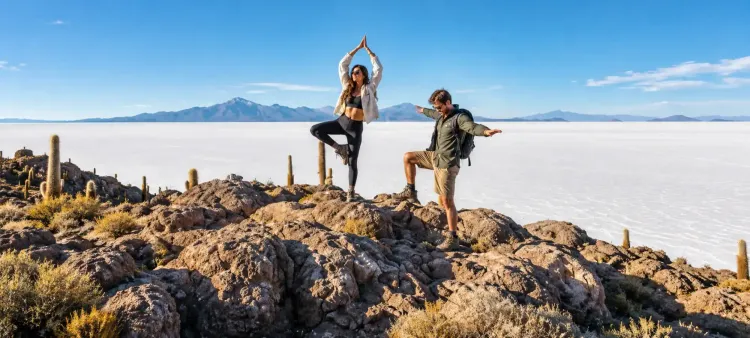
What clothes should you pack for Bolivia?
The most practical way to dress while traveling around Bolivia is to use layers. Instead of packing only heavy clothes, combine comfortable T-shirts, a thermal or fleece layer and a jacket that you can remove or add as conditions change.
This works especially well in La Paz, Lake Titicaca and Uyuni because temperatures can vary significantly between early morning, sunny afternoons and nighttime. Even during the dry season, a clear day does not necessarily mean a mild evening.
For most Altiplano routes, we recommend comfortable shirts, travel pants, a fleece or sweater, a warm jacket, good socks, a hat, gloves and a lightweight windproof or waterproof layer. Footwear should be comfortable, closed and stable enough for uneven ground.
| Region | Main clothing | Recommended extras |
|---|---|---|
| La Paz | Layers, fleece and jacket | Hat, sunglasses and comfortable shoes |
| Lake Titicaca | Layered clothing and windbreaker | Sun hat and sunscreen |
| Uyuni Salt Flats | Warm, wind-resistant clothing | Gloves, warm hat and sunglasses |
| Sucre and valleys | Lighter clothing with an extra layer | Comfortable shoes |
| Amazon | Lightweight, breathable clothing | Rain jacket and insect repellent |
If you are still deciding when to travel, read Best Time to Visit Bolivia before finalizing your packing list.
What to pack for the Uyuni Salt Flats
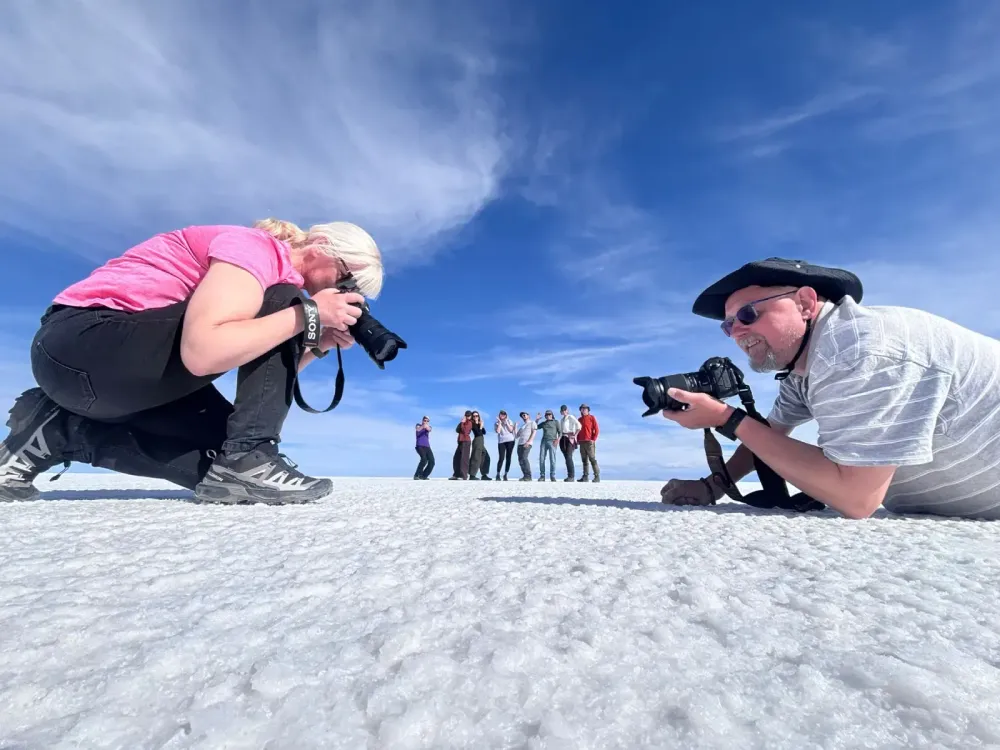
The Uyuni Salt Flats need a little extra preparation because altitude, wind, strong sunlight and the reflective white surface create very specific conditions.
Sunglasses are especially important because the salt surface reflects a large amount of light. Sunscreen, lip balm, a hat, reusable water bottle and power bank are also highly useful.
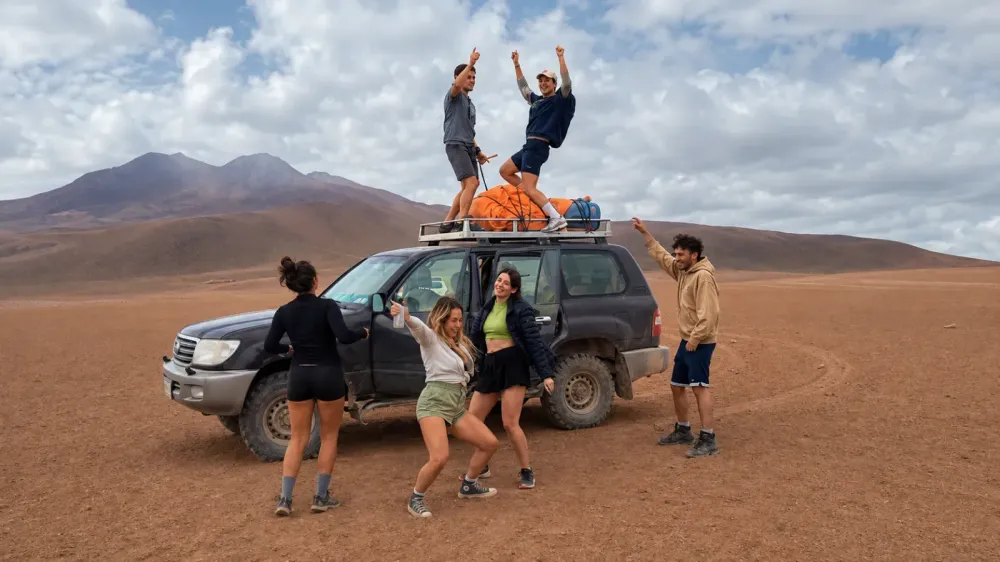
On two or three-day tours, you need to prepare not only for the salt flats, but also for deserts, lagoons and higher sections of the Altiplano where temperatures can fall sharply.
If you travel during the rainy season, footwear becomes even more important because some areas may contain shallow water when the mirror effect appears. For a more detailed packing list, read What to Pack for Uyuni Salt Flats.
Before choosing your itinerary, you can also compare How Many Days Do You Need for the Uyuni Salt Flats?.
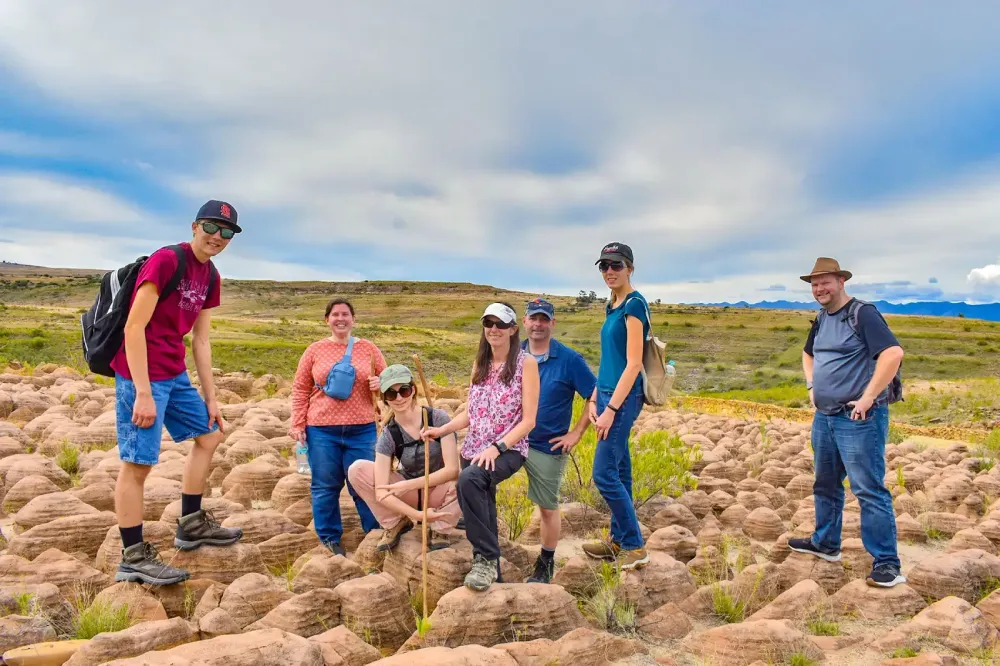
Packing for La Paz and Lake Titicaca
For La Paz, Copacabana and Isla del Sol, layering is once again the best strategy. During sunny hours, temperatures may feel comfortable, but early mornings, cloudy periods and evenings can feel much colder.
Comfortable shoes are essential in La Paz because the city has steep streets and many routes combine walking with cable cars and local transportation. A small daypack is usually enough for water, documents, a camera, sunscreen and the jacket you may remove during warmer parts of the day.
Around Lake Titicaca, wind is another important factor. If you are taking a boat toward Copacabana or Isla del Sol, a windproof jacket may be more useful than an excessively heavy coat.
If you want to plan your time in the capital, read What to See in La Paz Bolivia in One Day. You can also check Moon Valley La Paz for a nearby outdoor visit.
What to pack for the Bolivian Amazon
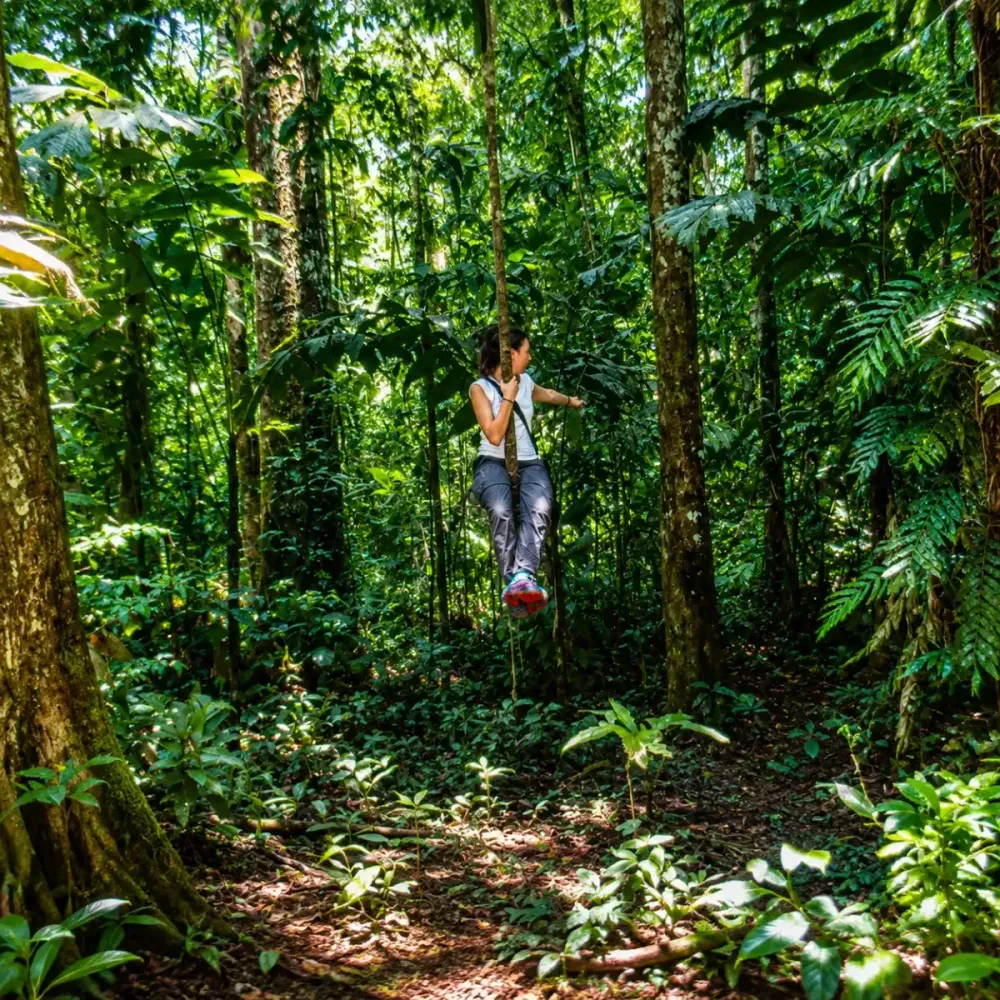
If your journey continues toward Rurrenabaque and the Bolivian Amazon, your packing list needs to adapt to a completely different climate.
You will need lightweight, breathable and comfortable clothing for hot and humid conditions. Long-sleeved shirts can also be useful for protecting your skin during walks and outdoor activities.
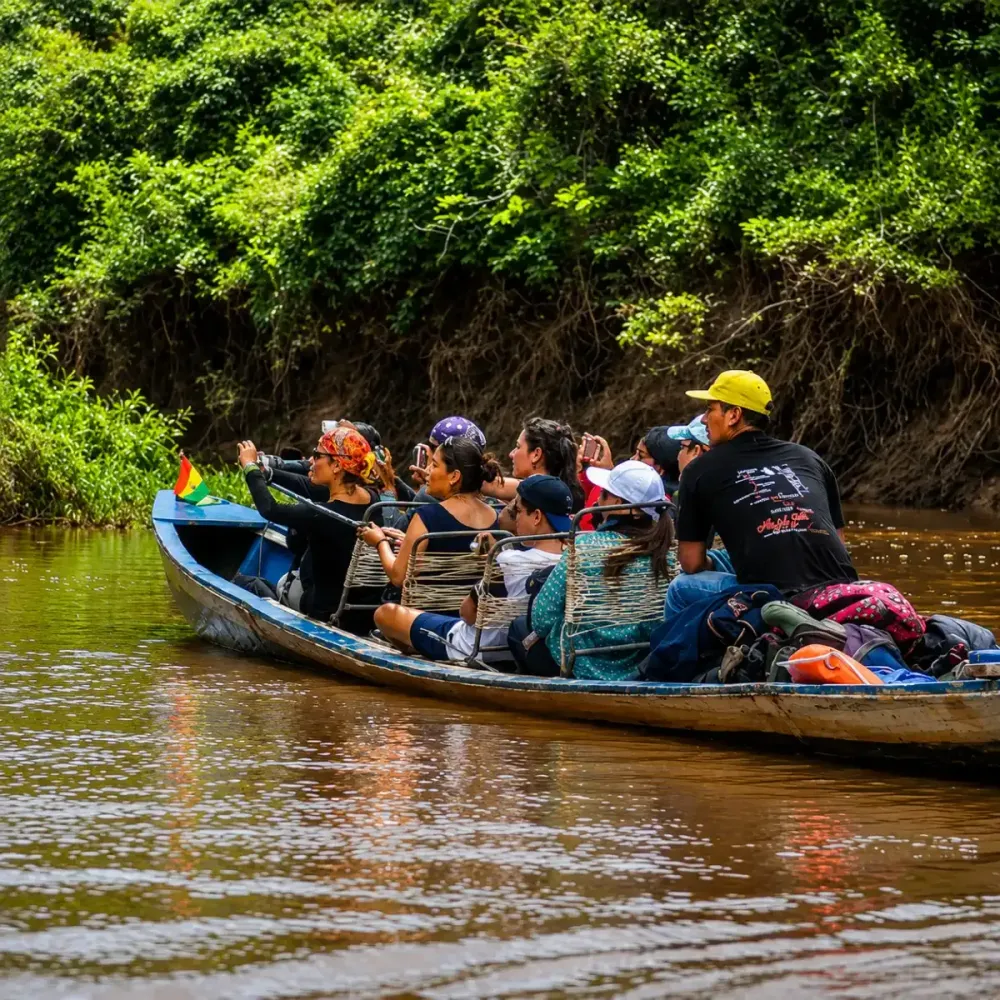
Pack lightweight pants, a thin rain jacket, hat, insect repellent and footwear suitable for the activities you plan to do. It is also a good idea to carry a waterproof pouch or dry bag for documents and electronic devices during river transfers.
You do not need two completely separate suitcases to combine the Altiplano and Amazon. A smart selection of lightweight clothing plus warm layers can cover both environments.
If you want to combine these regions in one itinerary, explore Bolivia Exceptional 13 Days.
What to carry in your daypack
Even if you travel with a larger suitcase or backpack, a small daypack is usually the most practical option for daily excursions.
Carry only what you need for that particular day: water, sunscreen, sunglasses, documents, phone or camera, power bank, a light jacket and personal essentials.
The idea is to avoid carrying items that will stay unused inside the backpack all day. This becomes especially important at high altitude, where unnecessary weight can make walking feel more tiring.
A small backpack works well for exploring La Paz, taking a boat on Lake Titicaca or joining a day trip in Uyuni.
Documents and personal essentials
Clothing takes up most of the planning, but documents and personal items are the things you have the least room to forget.
Carry your passport, any travel documents required for your nationality, important reservations, hotel details and transportation confirmations. It is also wise to keep digital copies of your most important documents in a secure place that you can access from another device.
If you regularly take medication, bring enough for the entire trip and keep it in your carry-on luggage during major transfers.
Chargers, adapters if needed, a power bank and more than one payment method are also useful. In markets, small towns and remote areas, carrying some cash can make things easier.
Suitcase or backpack for Bolivia?
Both options can work, and the best choice depends mainly on your itinerary.
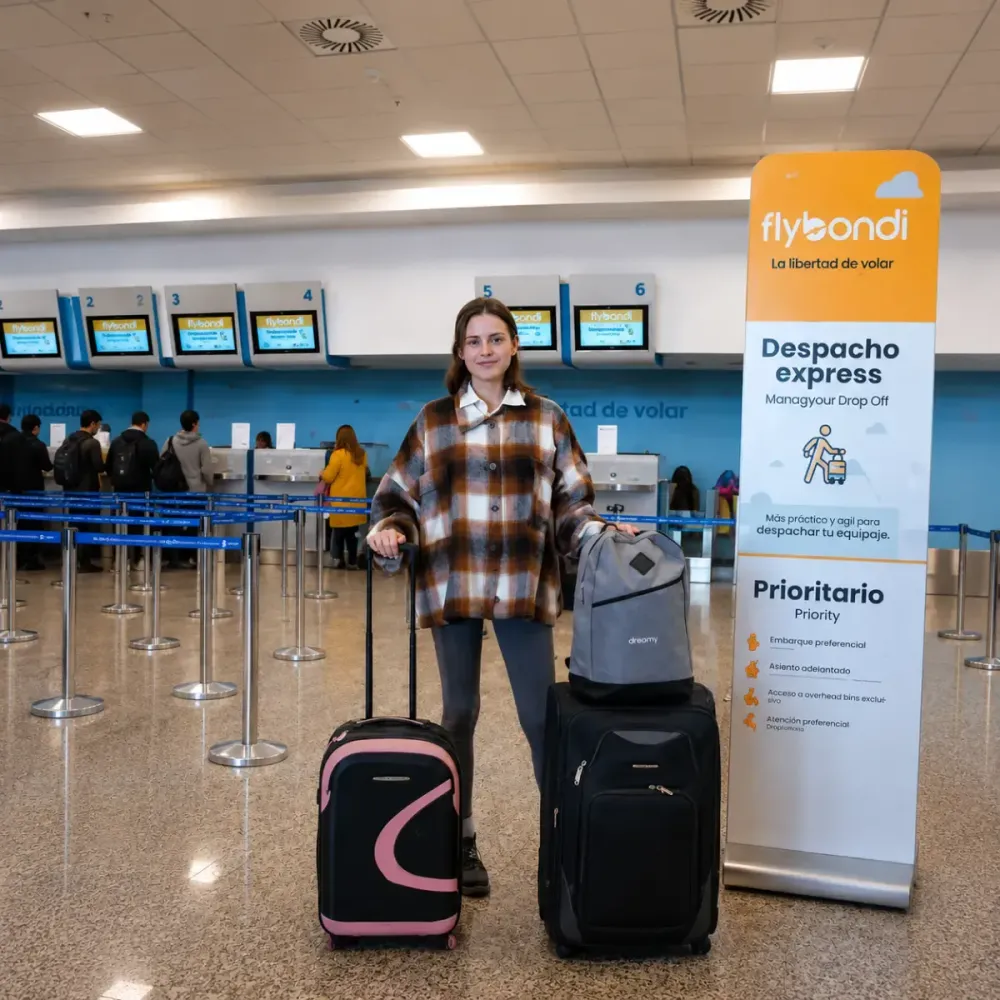
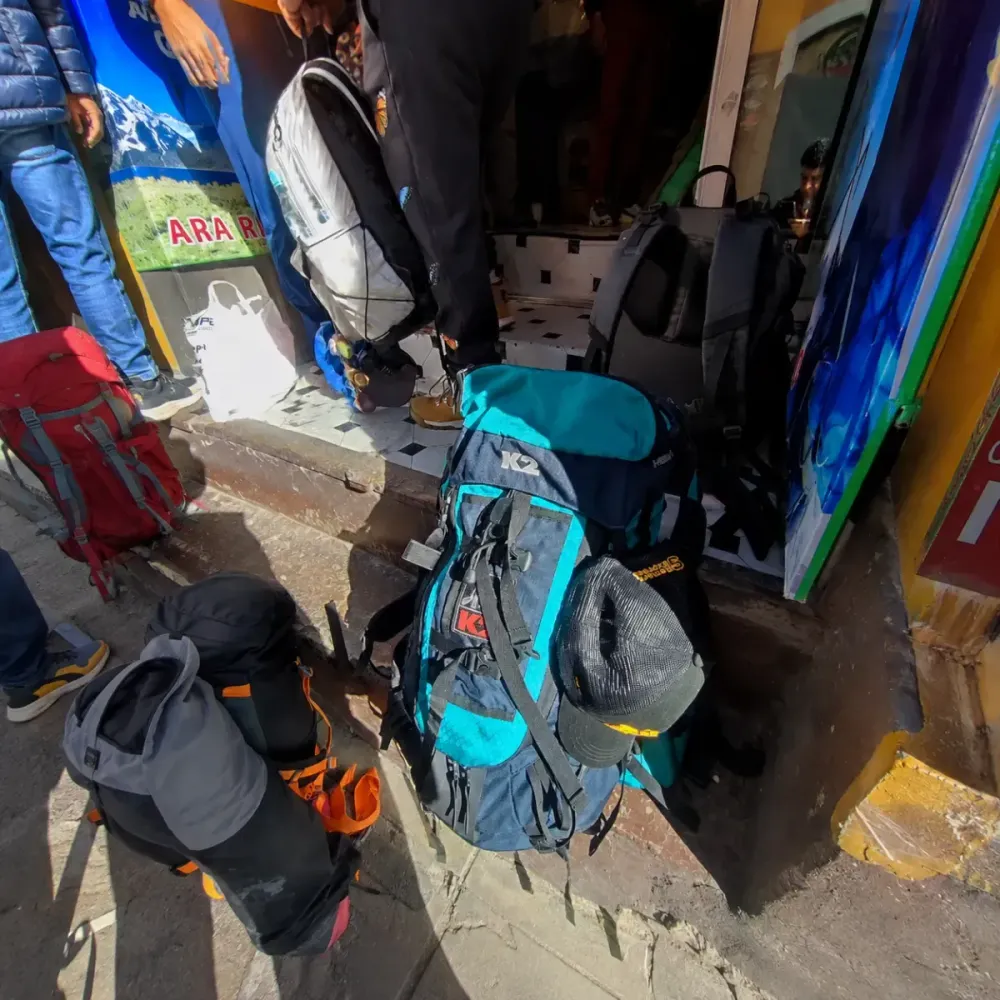
If you are staying in hotels and using organized transfers between cities, a rolling suitcase can be perfectly comfortable. If you are changing accommodation frequently, traveling overland and exploring Uyuni, Lake Titicaca or the Amazon, luggage that is easy to carry may be more practical.
A good middle ground is often the best solution: one main suitcase or travel backpack plus a small daypack.
You do not need to travel with the smallest bag possible. The goal is simply to avoid carrying clothes and objects that you are unlikely to use.
What to pack according to the season
The time of year matters especially when packing for the Altiplano.
During the dry season, rainfall is less frequent, but mornings and nights can be very cold. June, July and August deserve extra attention because they fall in the Southern Hemisphere winter and can bring low temperatures to Uyuni and other high-altitude regions.
During the rainy season, waterproof protection becomes more important. A water-resistant jacket and covers for your backpack, phone or camera can be very useful.
Travelers coming specifically for the Uyuni mirror effect should also choose footwear with wet conditions in mind.
If seeing the reflection is one of your priorities, read When to See the Uyuni Salt Flats Mirror Effect and Best Time to Visit Uyuni Salt Flats.
Sun protection and personal care at altitude
Cool temperatures can make some travelers underestimate the strength of the sun in the Altiplano. However, altitude and long periods outdoors make sun protection important even on cold days.
Pack sunscreen, quality sunglasses, a hat or cap and lip balm. A reusable water bottle is also useful for maintaining regular hydration throughout the day.
You do not need to turn your toiletry bag into a portable pharmacy. Focus on products you use regularly, basic hygiene and the personal items you know you will need.
If your itinerary includes several consecutive days in remote areas, organize these supplies before leaving larger cities.
Technology, cameras and batteries
Bolivia offers some of the most photogenic landscapes in South America, so phones, cameras and power banks often become important parts of the packing list.
On long trips through Uyuni and the Altiplano, do not assume that you will always have access to power outlets or reliable mobile coverage. Keeping devices charged and carrying a power bank helps avoid running out of battery when the best scenery appears.
Cold temperatures can also temporarily reduce battery performance. During cold nights or high-altitude mornings, keeping electronic devices protected inside your bag can help.
If you plan to take a lot of photos at the Uyuni Salt Flats, make sure you also have enough storage space. Between wide landscapes, perspective photos and possible reflections, your photo gallery can grow rather quickly.
Packing list by type of route
Not every traveler needs exactly the same equipment. Someone visiting only La Paz and Uyuni will have different needs from a traveler combining the Altiplano, historic cities and the Amazon.
Use this table as a practical reference:
| Item | La Paz/Titicaca | Uyuni | Amazon |
|---|---|---|---|
| Warm jacket | Yes | Yes | Not essential |
| Windbreaker | Yes | Yes | Optional |
| Lightweight rain jacket | Recommended | Depending on season | Yes |
| Lightweight clothing | Some | Some | Yes |
| Hat and gloves | Depending on season | Yes | No |
| Sunscreen | Yes | Yes | Yes |
| Sunglasses | Yes | Yes | Recommended |
| Insect repellent | Optional | Not essential | Yes |
| Power bank | Yes | Yes | Yes |
| Comfortable footwear | Yes | Yes | Yes |
This list should be adjusted to your travel dates and specific activities. There is no single perfect packing list for the entire country.
Pack according to your route
The easiest way to know what to pack for Bolivia is to decide where you are going first and then build your luggage around that route.
For La Paz, Lake Titicaca and the Uyuni Salt Flats, prioritize layered clothing, sun protection, comfortable footwear and warm items for cold temperatures. For Rurrenabaque and the Amazon, add lightweight clothing, a rain jacket, insect repellent and protection for humid conditions.
If your trip combines both worlds, you do not need to carry your entire wardrobe. A smart selection of versatile pieces can adapt surprisingly well to Bolivia’s different environments.
If you are still deciding the length of your trip, read How Many Days Do You Need in Bolivia?. For a structured first route, you can also explore Bolivia Explorer 9 Days and our other Bolivia Tours.
Bolivia is special precisely because of these contrasts. You can begin your trip among dry mountain landscapes and, a few days later, find yourself surrounded by tropical vegetation. Packing well lets you enjoy both without carrying more than you actually need.
Personal travel advice
Plan your trip with Dreamy Tours
Start a tailored journey with our exclusive tours and custom trips across Peru and other Latin American countries.