Search the blog
Tabla de contenidos
Choosing between the Lares Trek and the Inca Trail is not simply a matter of comparing two hiking routes to Machu Picchu. Each experience shows a different side of the Andes and may suit you better depending on what you want to discover along the way.
The Classic Inca Trail 4 Days stands out for its historic paths, archaeological sites and the experience of approaching Machu Picchu through the ancient Inca road network and Inti Punku. The Lares Trek to Machu Picchu 4 Days, on the other hand, combines high-mountain landscapes with Andean communities, lagoons, rural areas and traditions that are still part of everyday life in this region.
Both options involve hiking at altitude and require reasonable physical preparation, but the experience, logistics and type of traveler they attract can be very different. At Dreamy Tours, we recommend choosing based on what you most want to remember from the journey: ancient Inca roads and archaeology, or a stronger connection with mountain landscapes and living Andean culture.
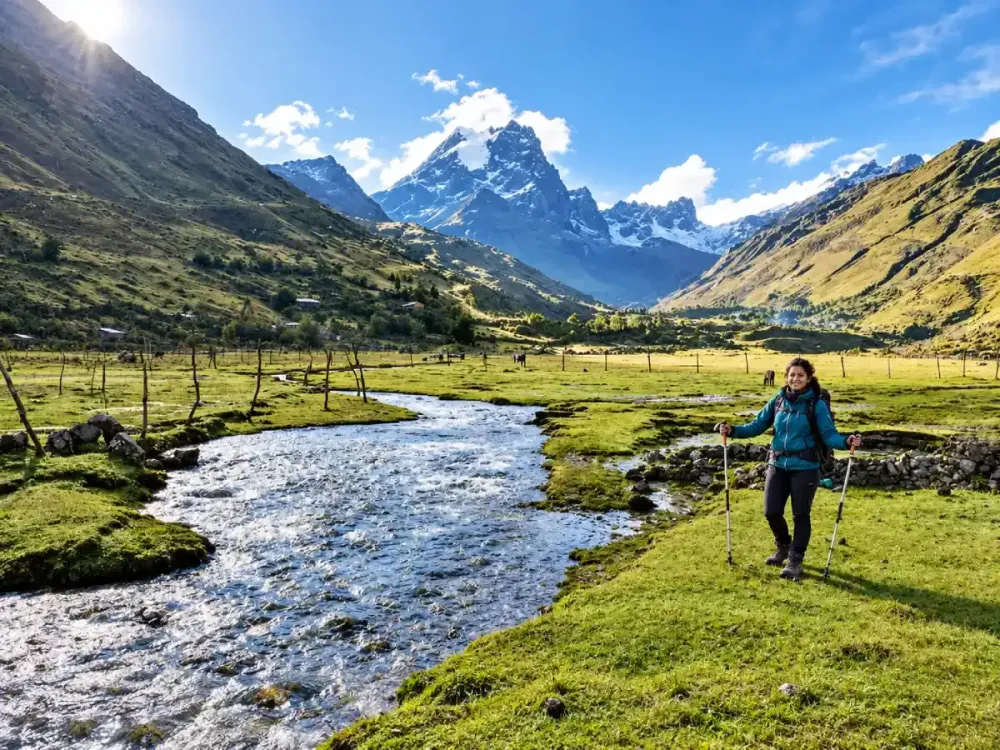
What is the main difference between Lares and the Inca Trail?
The most important difference is the type of experience that dominates the trek. The Inca Trail combines hiking, history and archaeology throughout much of the route. As you move forward, stone paths and archaeological sites form a continuous part of the journey before reaching Machu Picchu.
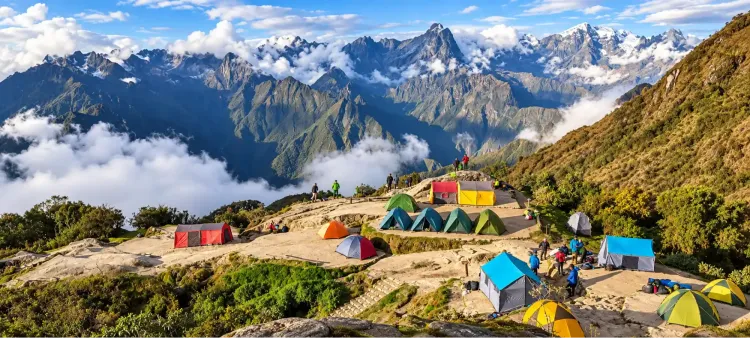
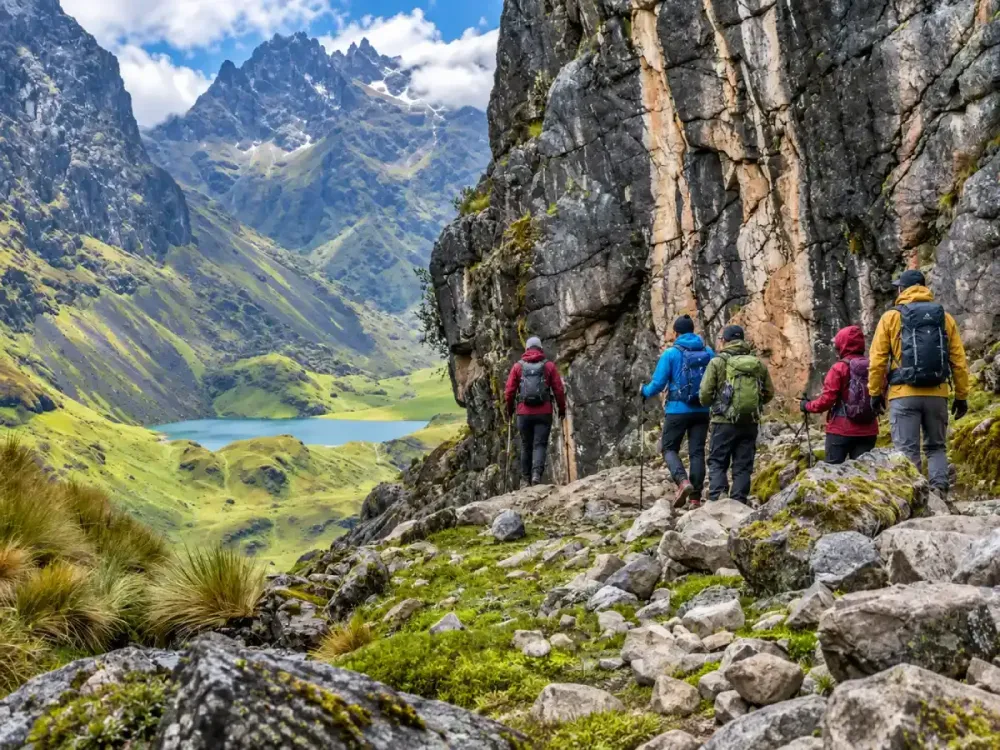
Lares has a different character. The trek crosses Andean landscapes, lagoons, mountain passes and areas where traditional communities are located. Instead of focusing mainly on a sequence of archaeological sites, the experience allows you to see a more rural side of Cusco and get closer to environments where agriculture, textile traditions and Andean ways of life remain part of daily life.
In simple terms, the Inca Trail focuses more on archaeology and history, while Lares combines nature with contemporary Andean culture. There is also an important operational difference: the Inca Trail follows a regulated and defined route, while Lares can be completed through different itinerary variations.
| Feature | Inca Trail | Lares Trek |
|---|---|---|
| Main experience | History and archaeology | Nature and Andean culture |
| Route | Regulated and defined | Can vary by itinerary |
| Archaeological sites | Numerous | Fewer |
| Andean communities | Less central | Important part of the experience |
| Maximum altitude | Approx. 4,200 m | Depends on route, up to approx. 4,400 m on our itinerary |
| Arrival at Machu Picchu | On foot through Inti Punku | Later connection to Machu Picchu |
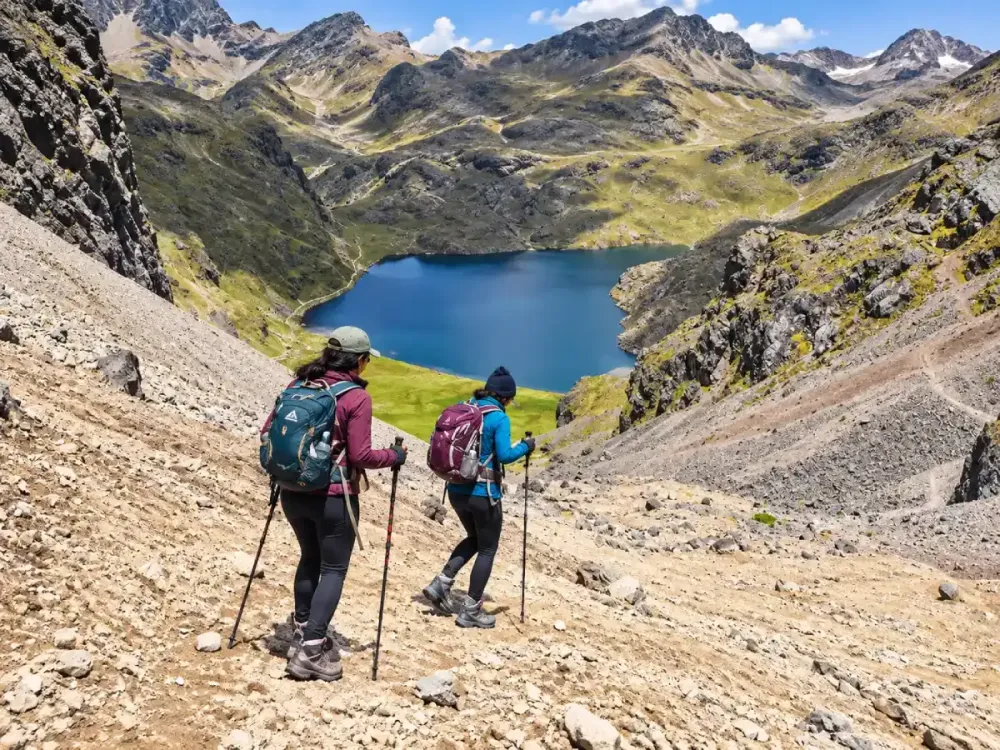
What is the Inca Trail experience like?
The Inca Trail is a historic route that leads toward Machu Picchu through a combination of mountains, ancient stone paths, stairways and archaeological sites. On our Classic Inca Trail 4 Days, the hike begins at Km 82 and continues over four days before reaching Inti Punku and Machu Picchu.
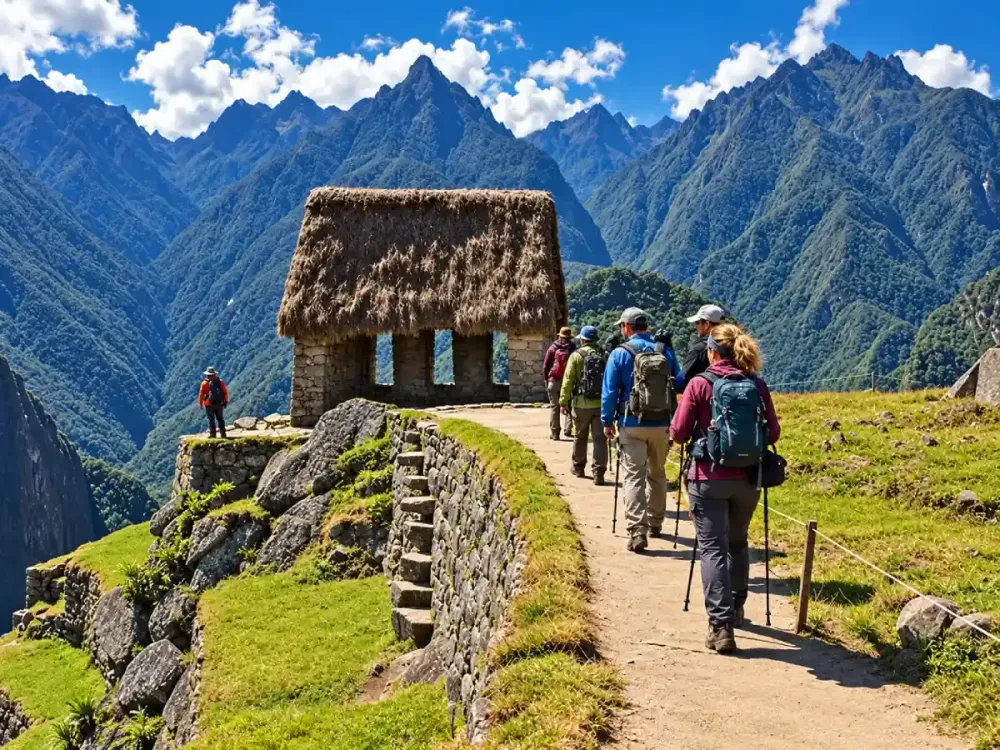
One of the main attractions of this experience is that Machu Picchu does not appear as an isolated destination at the end of the journey. Before arriving, travelers pass through places such as Llaqtapata, Runkurakay, Sayacmarca, Phuyupatamarca and Wiñay Wayna while crossing different elevations and natural environments.
This creates a very distinctive narrative. Each day helps explain how ancient roads and archaeological sites were connected with the geography of the Andes. If this historical element is one of your main reasons for traveling to Peru, the Inca Trail offers an experience that is difficult to reproduce on other treks.
You can explore the complete sequence in our guide to the Classic Inca Trail route.
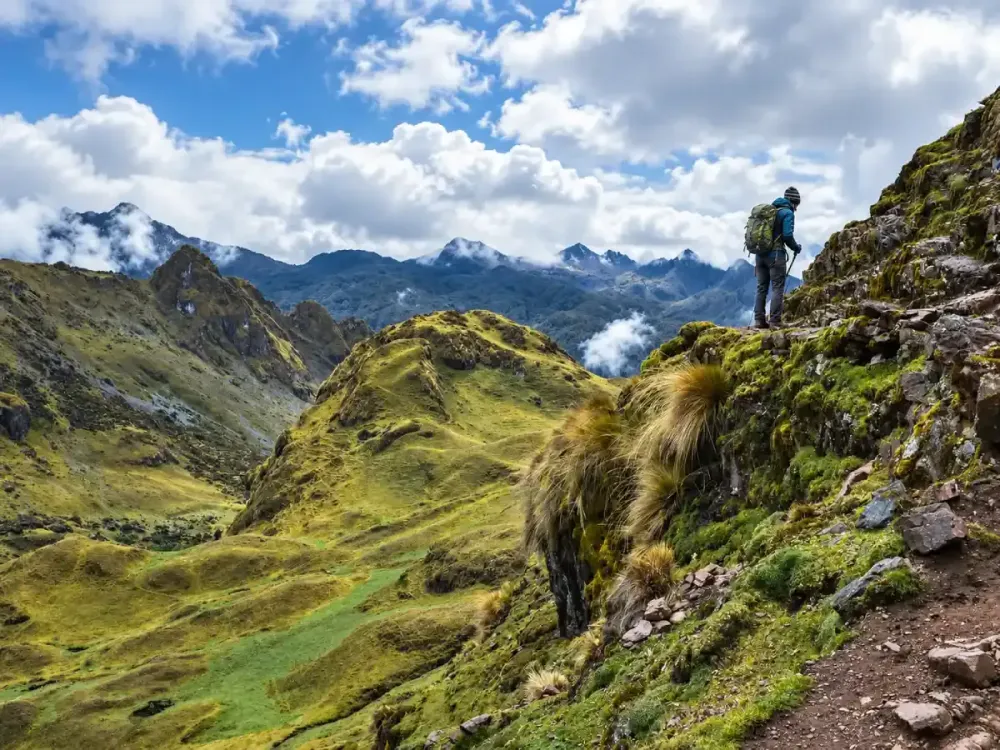
What is the Lares Trek experience like?
The Lares Trek focuses more strongly on high-mountain landscapes and the cultural environment of Andean communities. The Dreamy Tours itinerary crosses areas such as Cuncani, Huacawasi, Ipsay Pass, Patacancha and Willoq before continuing toward Ollantaytambo and later connecting with Machu Picchu.
Along the route, travelers may encounter lagoons, valleys, agricultural areas, traditional textiles and small villages where both the scenery and daily life become part of the experience. Our current itinerary reaches approximately 4,400 meters at Ipsay Pass and combines trekking days with contact with local communities.
Lares can be especially appealing to travelers who want to move beyond a route focused mainly on archaeology and discover another dimension of the Andes. Here, the interest is not only in reaching Machu Picchu, but also in what happens as you cross communities, mountains and rural landscapes.
If this kind of experience appeals to you, review the Lares Trek to Machu Picchu 4 Days.
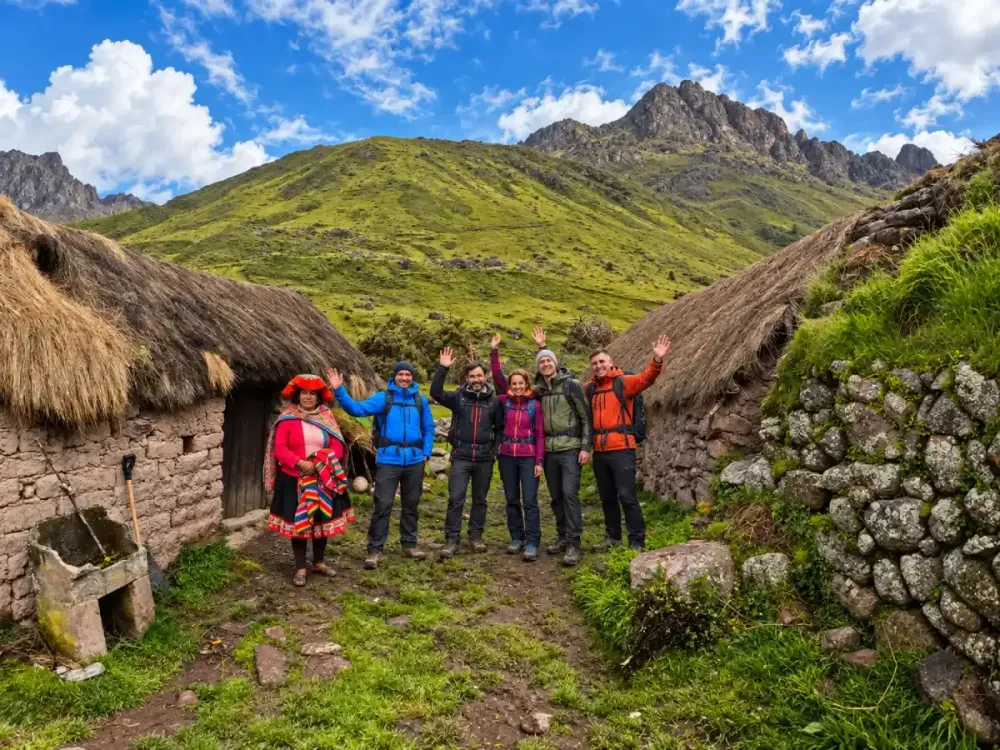
Lares vs Inca Trail: which has better scenery?
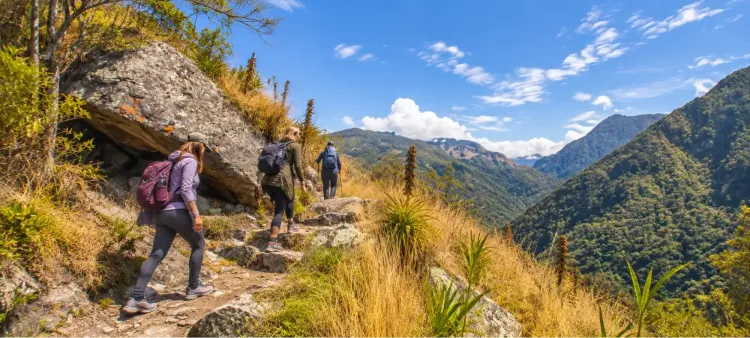
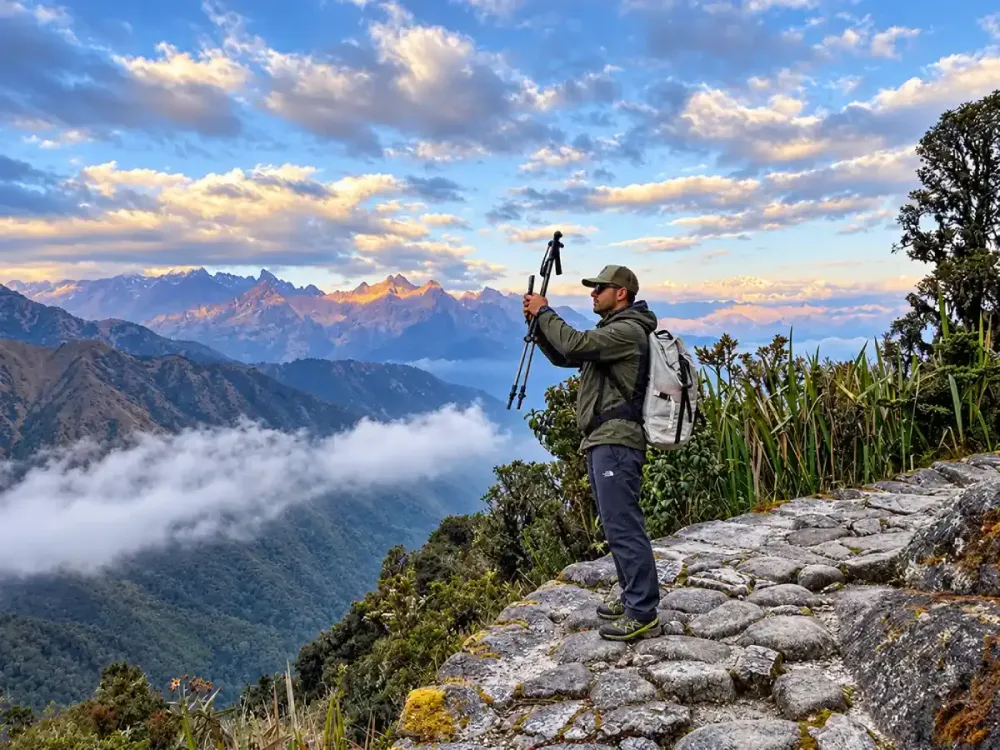
Both routes offer impressive mountain scenery, but the visual experience is different. On the Inca Trail, there is a clear transition from Andean valleys to high passes and then into greener, more humid environments near Machu Picchu. Archaeological sites are constantly integrated into these landscapes.
Lares often creates a more open high-mountain feeling. The itinerary includes lagoons, valleys, high passes, farming areas and communities spread throughout the landscape. Instead of archaeological sites organizing the visual experience, mountains and rural life take a more central role.
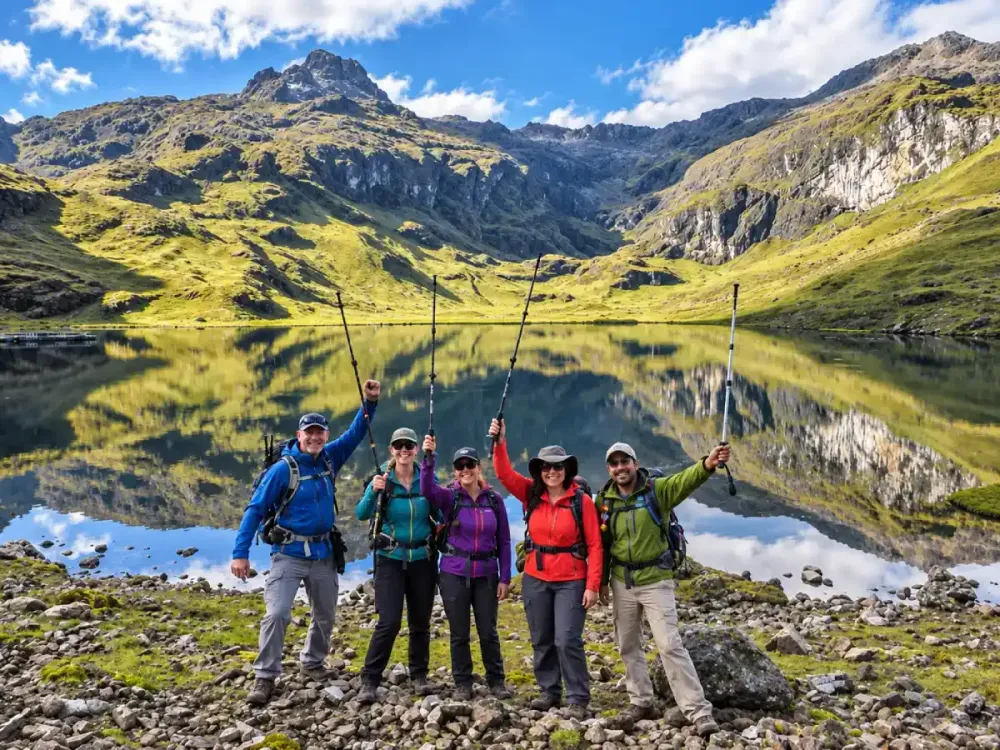
There is no objective answer to which route has “better” scenery. If you are attracted to a combination of mountains, cloud forest and archaeology, the Inca Trail may be more memorable. If you prefer lagoons, broad Andean spaces and mountain communities, Lares may suit your expectations better.
Which is harder: Lares or the Inca Trail?
There is no single answer because Lares can be completed through different itineraries. The difficulty depends on the mountain pass used, the number of hiking hours, accumulated elevation gain and how each operator structures the days.
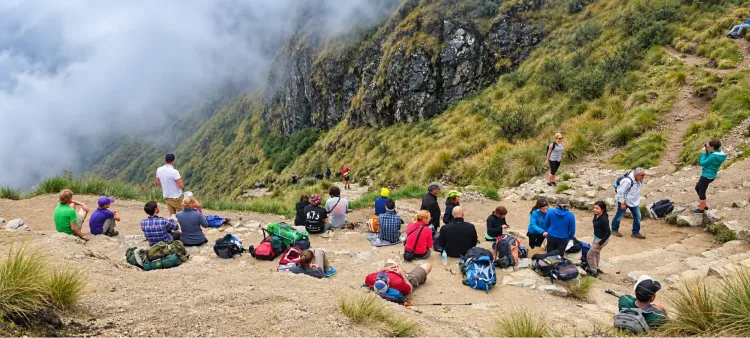
The Inca Trail has a much more defined structure. On our four-day itinerary, the difficulty is considered moderate, although the second day is clearly the most demanding because of the climb to Dead Woman’s Pass and the combination of altitude, stairways, ascents and descents.
The Lares Trek should not automatically be considered an easy alternative either. Our itinerary reaches Ipsay Pass at approximately 4,400 meters and includes several hours of hiking with uphill and downhill sections at altitude.
On both routes, you should be prepared to walk for several hours, deal with elevation changes, adapt to changing weather and maintain your effort over consecutive days. If this factor is important for you, read Inca Trail difficulty and our guide to physical preparation.
Which route reaches a higher altitude?
Here it is important to compare specific itineraries. The Classic Inca Trail reaches its highest point at Dead Woman’s Pass, approximately 4,200 meters above sea level. This pass forms part of the second day and represents one of the main physical challenges of the route.
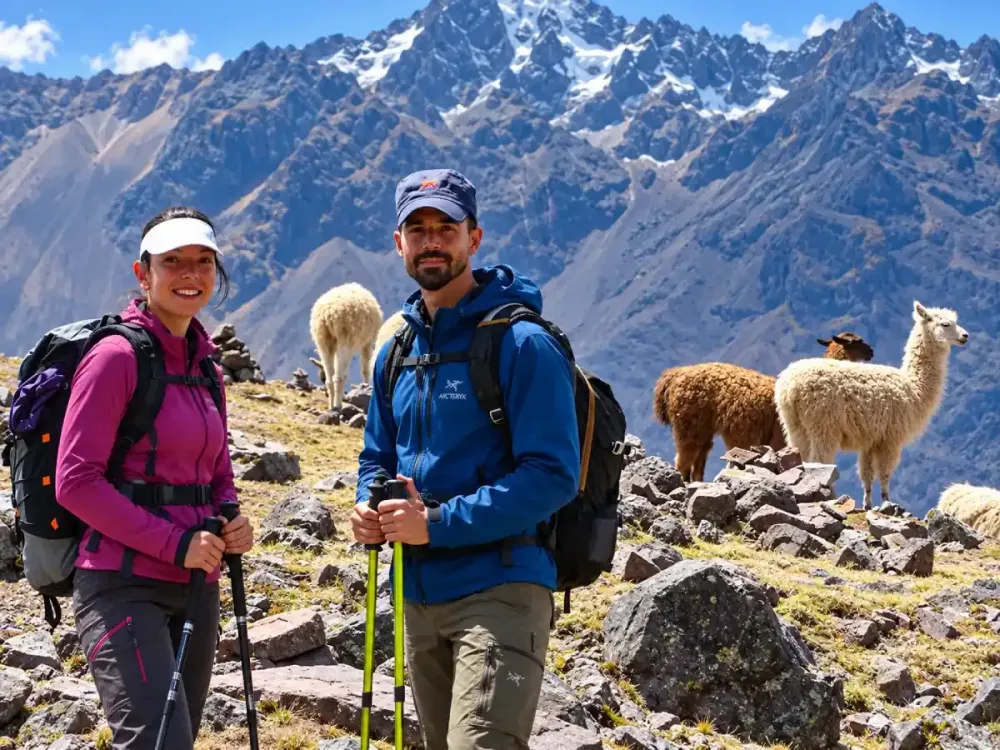
On the Lares Trek to Machu Picchu 4 Days operated by Dreamy Tours, the highest point is Ipsay Pass at approximately 4,400 meters. This means our Lares itinerary reaches a higher altitude than the Classic Inca Trail.
This difference matters because you should not choose Lares assuming it is always a lower-altitude alternative. Depending on the specific route, it can reach elevations similar to or higher than the Inca Trail.
If altitude is an important concern, review the exact itinerary before booking and read our guide to Inca Trail altitude.
Where will you see more archaeological sites?
In this comparison, the Inca Trail has a clear advantage. The Classic route passes through several archaeological sites directly connected with the ancient road before reaching Machu Picchu.
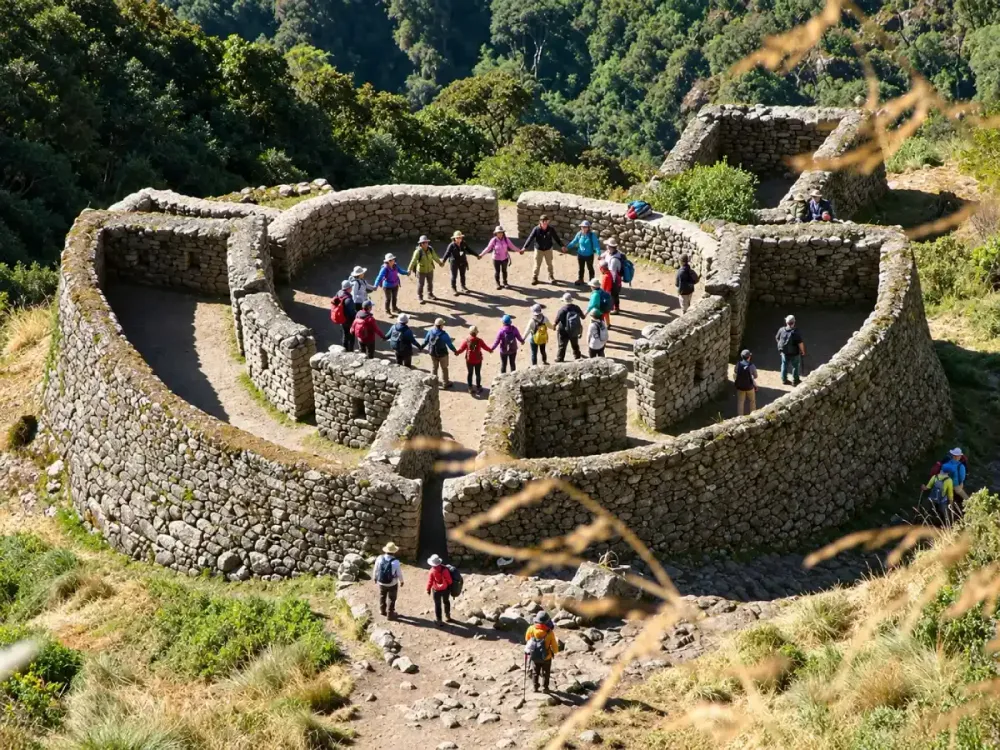
Along the way, travelers encounter places such as Llaqtapata, Runkurakay, Sayacmarca, Phuyupatamarca and Wiñay Wayna. These are not simply attractions added to a modern trekking itinerary. They are part of the historical system that connects different sections of the route.
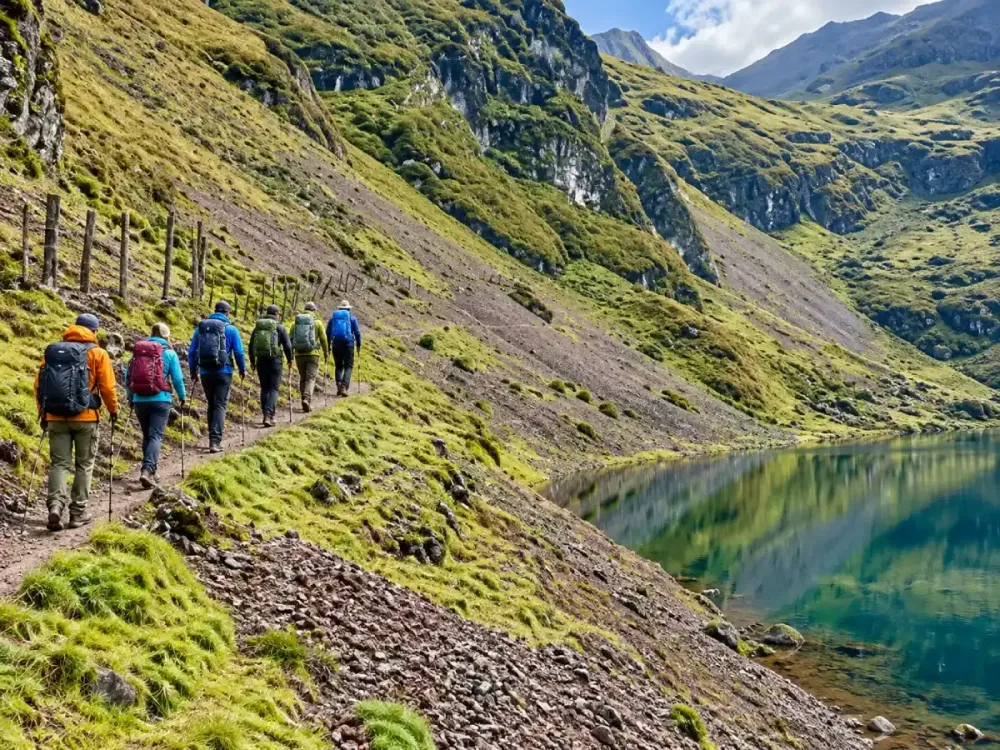
Lares does not have the same concentration of archaeological sites during the hike. Its strength lies in a different kind of heritage: mountains, lagoons, rural areas, communities and living culture.
If one of your main goals is to explore Inca history while trekking, the Inca Trail should carry more weight in your decision. You can learn more about some of its key sites in Runkurakay and Wiñay Wayna.
Which route offers more contact with local communities?
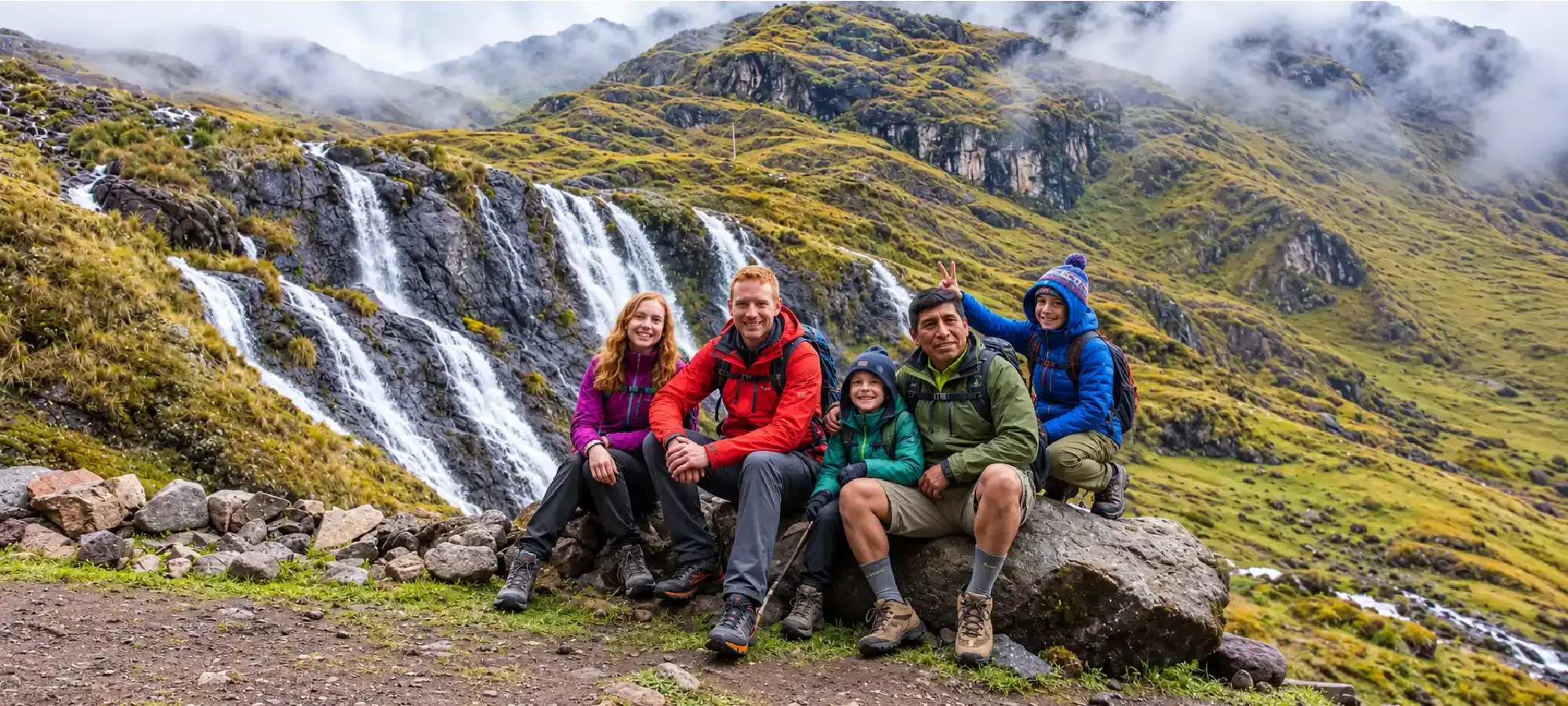
Lares usually offers more direct contact with Andean communities because several sections of the trek pass through rural areas where traditional activities continue to be part of everyday life. Our itinerary includes communities such as Patacancha and Willoq, as well as areas where travelers may observe local agricultural and textile practices.
This allows you to see a different side of Cusco from the major archaeological circuits. The landscape is not simply a backdrop for trekking, but the environment where families and communities maintain a close relationship with farming, textiles and the mountains.
The Inca Trail also takes place in a deeply Andean setting and its operation involves local teams, but the focus of the route remains primarily on the historic path, archaeology and the approach to Machu Picchu.
If living culture and Andean communities are particularly important to you, Lares has a very strong identity.
Which route has more travelers?
The Inca Trail is one of Peru’s best-known trekking routes and operates under a regulated access system. Travelers, guides and authorized staff enter under the rules established for the Inca Trail network, so the route has a very defined operating structure.
Lares works differently. There are several possible route variations, which can spread travelers across different sections rather than concentrating everyone on one regulated trail.
This does not mean Lares is empty or that you will be hiking completely alone. The number of travelers varies depending on the season, itinerary and date. The difference is that the route does not depend on a single regulated corridor with the same structure as the Inca Trail.
To understand how access to the historic route works, read our guide to Inca Trail permits.
Do you need to book in advance?
For the Inca Trail, advance planning is especially important. The route operates with regulated access and certain dates can become fully booked, so we do not recommend organizing your entire Peru trip first and leaving the trek until the end.
Once you have an approximate travel date, it is better to check Inca Trail availability 2026 and 2027 and confirm the route before arranging hotels, domestic flights and other experiences around it.
Lares works differently because it does not use the same permit system as the Inca Trail network. However, that does not mean it should be organized at the last minute. Guides, transportation, train tickets, accommodation, equipment and other services still need coordination.
The real difference is therefore not that one route needs planning and the other does not. The Inca Trail has regulated access limitations, while advance booking for Lares is mainly related to logistics and general service availability.
How do you reach Machu Picchu from each route?
This is one of the most important differences between the two treks.
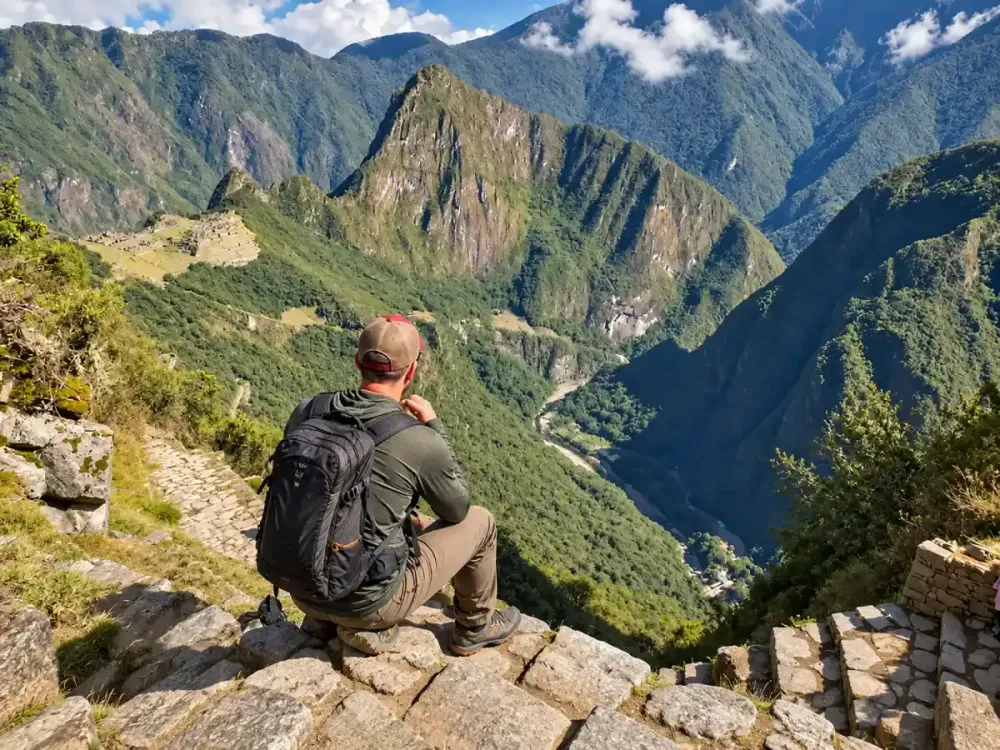
On the Classic Inca Trail 4 Days, Machu Picchu forms part of the direct end of the trek. On the final day, the route continues to Inti Punku, from where the approach toward the archaeological complex begins.
Lares works differently. On the current Dreamy Tours itinerary, after crossing communities and completing the main trekking section, travelers reach Ollantaytambo and take the train to Aguas Calientes. The Machu Picchu visit then takes place as a separate stage of the journey.
This changes the feeling of the ending considerably. On the Inca Trail, Machu Picchu appears as the direct culmination of the historic route. On Lares, you first complete the cultural and mountain journey and then connect with Machu Picchu by train.
If arriving on foot through the Sun Gate is a personal priority, the Inca Trail offers an experience that is difficult to replace.
Which route is better for a first trek?
A well-prepared beginner can complete either route, but it is not a good idea to choose simply because one has a reputation for being “easier.” The key is to study the specific itinerary and understand what each day will require from you.
Before deciding, compare the maximum altitude, hiking hours, elevation changes, total number of days and type of accommodation. You should also consider your current fitness level and how many days you have available in Cusco for acclimatization before the trek begins.
Our Lares itinerary includes a pass at approximately 4,400 meters, while the Inca Trail reaches around 4,200 meters and includes numerous stone stairways, ascents and descents. Neither route should be approached without preparation.
If you are considering the Inca Trail specifically as your first multi-day trek, read Inca Trail for beginners and our guide to physical preparation.
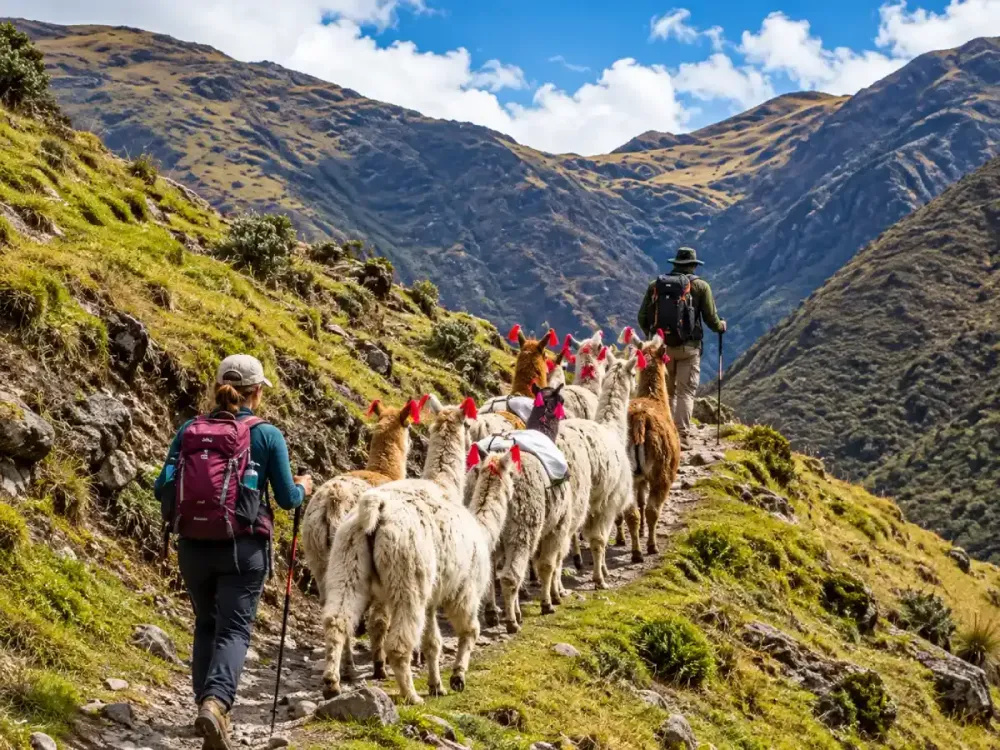
Lares or Inca Trail according to your travel style
The easiest way to decide is to think about the kind of experience you want during the trekking days, not only about the final destination. Both routes eventually connect you with Machu Picchu, but the journey there creates very different memories.
Choose the Classic Inca Trail 4 Days if archaeology is a priority, you want to hike along a historic Inca route, you are interested in visiting several archaeological sites and you dream of approaching Machu Picchu through Inti Punku.
Consider the Lares Trek to Machu Picchu 4 Days if you are especially attracted to high-mountain landscapes, want to experience Andean communities, value local culture and prefer a trek where rural environments play a larger role.
There is also a third possibility if you do not want to choose entirely between the two styles. The Lares Trek and Short Inca Trail 4 Days combines elements of Lares with a historic section of the Inca Trail before reaching Machu Picchu.
In short, the choice is not about deciding which route is objectively better. The Inca Trail stands out for archaeology, history and its arrival through Inti Punku; Lares stands out for high mountains, communities and living Andean culture. The best option is the one that matches the experience you genuinely want to have in the Andes.
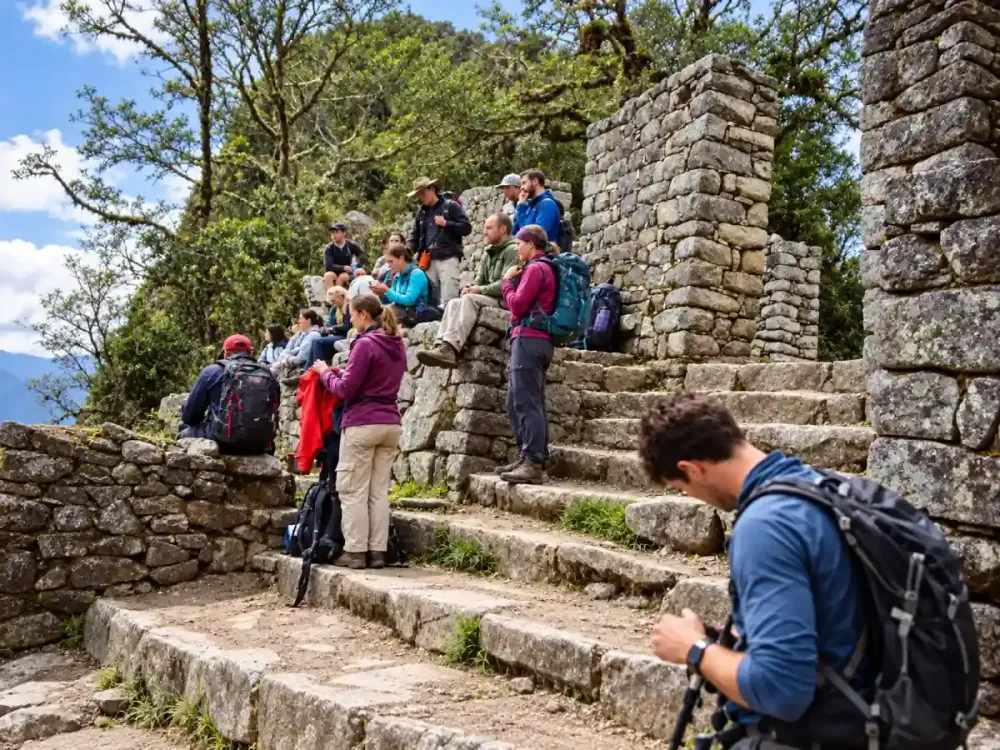
Personal travel advice
Plan your trip with Dreamy Tours
Start a tailored journey with our exclusive tours and custom trips across Peru and other Latin American countries.