Search the blog
Tabla de contenidos
Choosing the best time to hike the Inca Trail depends on more than simply finding the month with the least rain. The route crosses different elevations and ecosystems, including mountain terrain, cloud forest and archaeological areas, so conditions can change noticeably even within the same day.
For most travelers, May through September usually offers the best balance between lower rainfall, generally drier trails and a better chance of clear mountain views. However, this is also one of the busiest periods in Cusco and Machu Picchu, so it is wise to check Inca Trail availability before organizing the rest of your trip.
At Dreamy Tours, we do not consider there to be one single “perfect month” for everyone. The best time depends on whether you prioritize more stable weather, greener landscapes, fewer visitors or greater flexibility when securing your departure date.
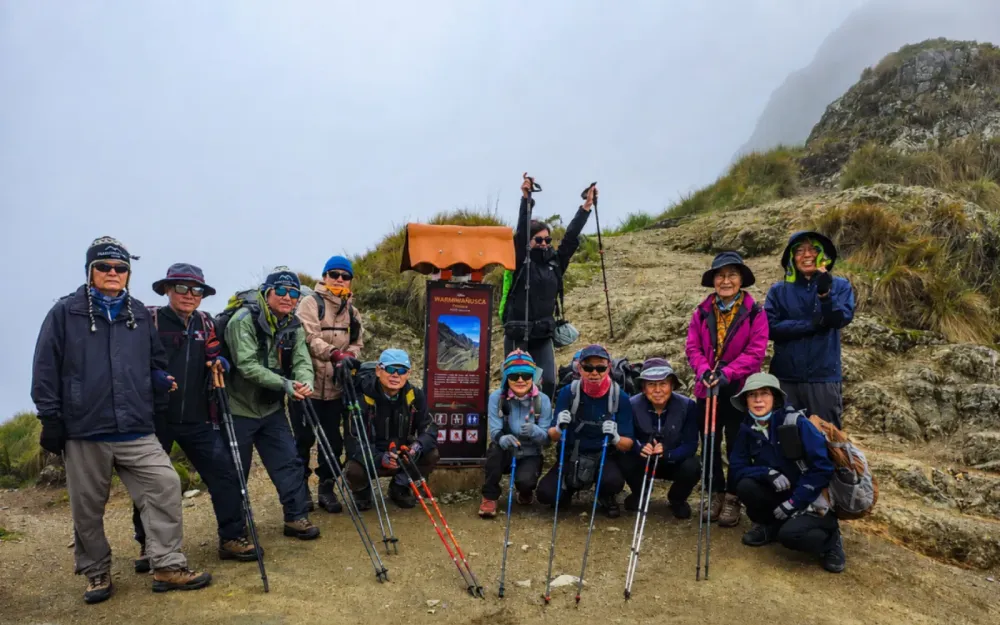
What is the best time to hike the Inca Trail?
In general, May, June, July, August and September tend to offer the driest conditions for trekking in the Cusco Andes. Rainfall is usually less frequent during this period, and travelers are more likely to find drier trails and better visibility.
That does not mean rain disappears completely. The Inca Trail crosses mountain and cloud forest environments, where weather can change quickly. Even during the driest months, it is still important to carry a waterproof jacket and prepare for sudden temperature changes.
If you want a more detailed explanation of rain, cold, humidity and temperature variations, read our guide to Inca Trail weather. In this article, the focus is specifically on when to travel and what advantages each period offers.
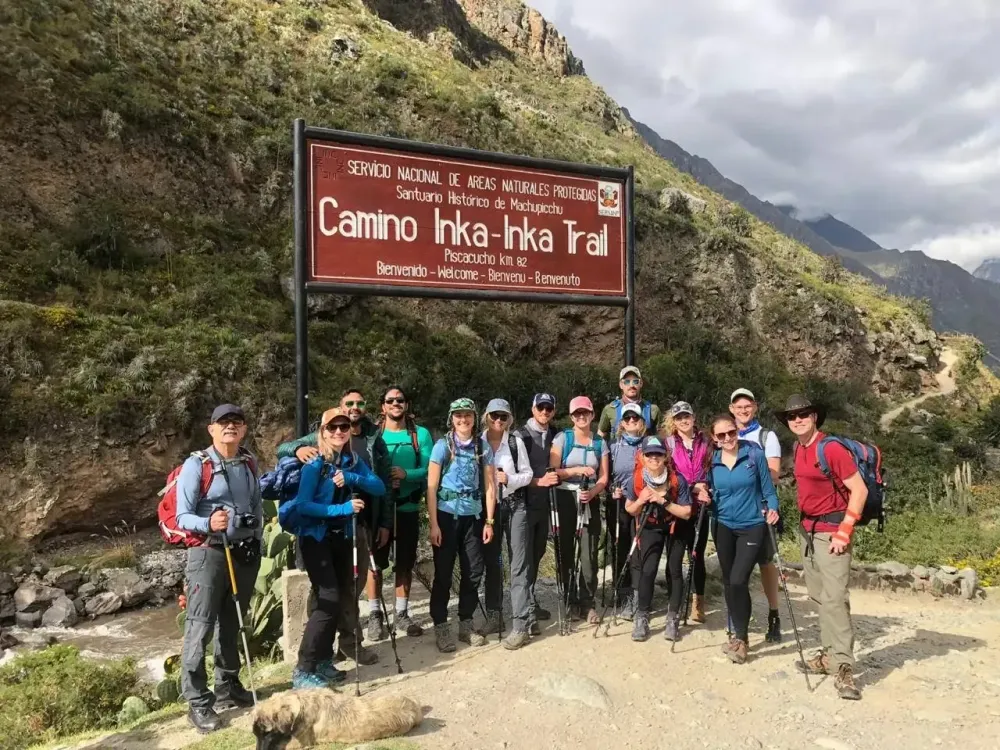
Inca Trail by season: quick comparison
| Period | General conditions | Main advantages | Things to consider |
|---|---|---|---|
| March and April | Transition after the rainy season | Green landscapes and improving weather | Rain can still be frequent |
| May and June | Start of the drier period | Good views and less rainfall | June is a busy month in Cusco |
| July and August | Dry and cold | Generally dry trails and clearer skies | Cold nights and higher demand |
| September | End of the drier period | Good balance between weather and demand | Occasional rain can return |
| October | Transition month | Pleasant landscapes and milder nights | Rain gradually increases |
| November to January | Wet season | Very green scenery | More rain and wetter trails |
| February | Annual closure | Not available for trekking | Inca Trail network closed |
Why are May and September especially good months?
May and September often work very well for travelers looking for a balance between favorable hiking conditions and slightly less concentrated demand than in July or August.
In May, the landscape often still retains much of the green color left by the rainy season, while rainfall usually begins to decrease. This can create an attractive combination of greener mountains, clearer skies and progressively drier trails.
September is still part of the drier period, but it begins to mark the transition toward months with more frequent rain. For many travelers, it remains a very comfortable time to hike the Classic Inca Trail 4 Days without focusing only on the busiest months of the year.
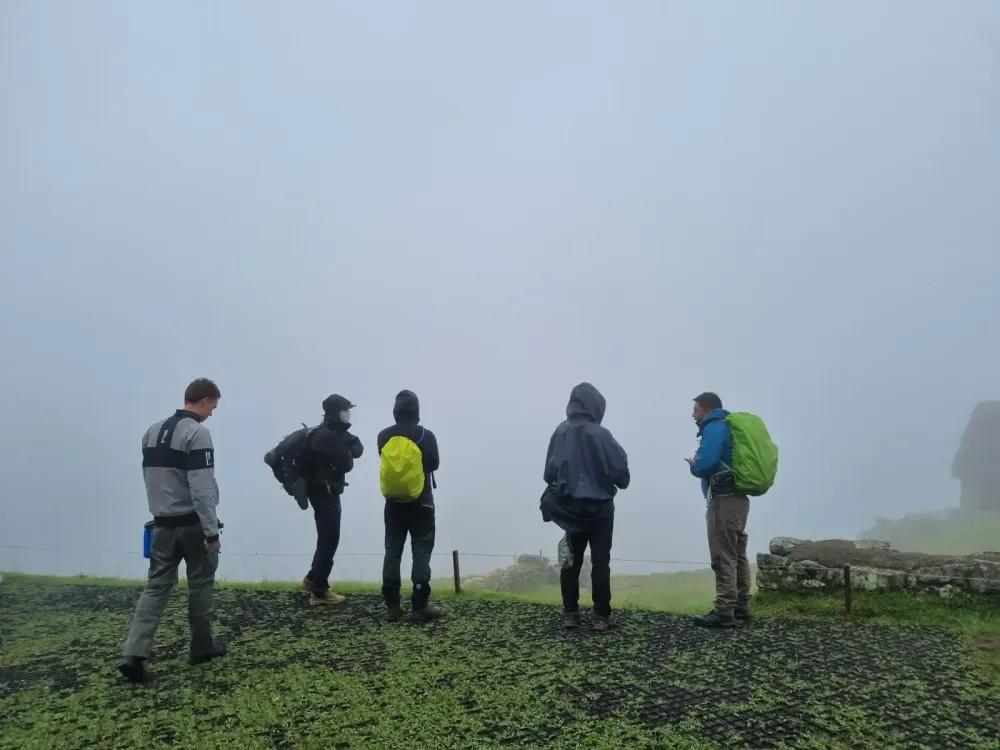
What is the Inca Trail like in June, July and August?
June, July and August are among the driest months in Cusco, which is why they are especially popular for trekking.
During the day, travelers often find clearer skies and good visibility, particularly in open mountain sections. However, mornings, evenings and campsites can feel significantly colder, especially at higher elevations.
June also coincides with one of Cusco’s most important cultural seasons, including major celebrations such as Inti Raymi. This increases demand not only for the Inca Trail, but also for hotels, transportation and other activities throughout the region.
Choosing one of these months can offer excellent weather conditions, but it usually requires more advance planning.
Are July and August really the best months?
They are excellent choices for travelers who want to reduce the chance of rain, but they are not necessarily the best months for everyone.
July and August usually attract large numbers of visitors. This can mean greater competition for permits, accommodation, trains and other services around Cusco and Machu Picchu.
The nights can also be very cold in the campsites and at higher points along the route.
If you prefer similar weather with slightly more flexibility, May or September may be better choices.
The right option depends on what matters more to you: the strongest chance of dry conditions or a better balance between weather and demand.
Can you hike the Inca Trail in October?
Yes. October can be a good month for the Inca Trail, especially during the first half of the month.
It is a transition period between the dry season and the wetter months. Many days can still offer comfortable hiking conditions, although rainfall usually begins to increase as the month progresses.
One advantage is that nights may feel less cold than in July and August. At the same time, the landscape begins to regain greener tones as humidity increases.
If you travel in October, it is best to accept that rain is part of the possibility and prepare your equipment accordingly.
What is it like to hike the Inca Trail during the rainy season?
Between November and January, rainfall becomes more frequent in the Cusco Andes. This does not mean it rains all day, every day, but you are more likely to encounter rain, mist, cloud cover and wet stone sections.
The main advantage is the scenery. The mountains and slopes become much greener, and vegetation around the trail can be especially lush.
However, stone stairways and paths may also feel more slippery. During these months, good-grip hiking shoes, waterproof protection and a properly covered backpack become especially important.
You can prepare more effectively with our guide to what to pack for the Inca Trail.
Is November a good month for the Inca Trail?
November can be a good option if you are comfortable with transitional weather.
Rain becomes more frequent, but you can still have days with very good hiking conditions. The landscape is often greener than during the driest months, and the overall experience can feel quite different from July or August.
The main factor to consider is unpredictability. A day may begin sunny and finish with rain or mist.
For that reason, November is better suited to travelers who accept some weather variation and do not need every day to be completely clear.
Is it a good idea to hike in December or January?
It is possible, but you should travel with realistic expectations.
December and January usually bring more rain and humidity. Trails can remain wet for longer, and cloud cover is more likely in some sections.
The vegetation, however, is often at its greenest and most vibrant.
Some travelers love the combination of mountains, mist and cloud forest. Others may find several days of wetter hiking less comfortable.
If your main goal is to minimize rain, these would not be our first-choice months.
Can you hike the Inca Trail in February?
No. The Inca Trail network closes during February for annual conservation and maintenance work.
During this period, work is carried out on trails, campsites, visitor infrastructure and other protected sections of the network.
For that reason, if your trip to Peru falls in February and your main goal is to hike the regulated Inca Trail, you will need to consider another trekking route around Cusco or visit Machu Picchu through a different travel option.
Is March a good month for the Inca Trail?
March marks the return of operations after the February closure.
From a weather perspective, March can still be quite wet. However, it also offers very green landscapes and the benefit of hiking shortly after the annual maintenance period.
It can be a good option for travelers who do not mind wetter conditions and prefer not to depend exclusively on the driest months.
Is April a good time for the Inca Trail?
April is one of the most interesting transition months.
Rainfall usually begins to decrease, while the landscape still retains much of the lush green color of the wet season. As the month progresses, conditions often become more favorable for hiking.
It does not always offer the same stability as June or July, but it can provide a very good balance for travelers who want to avoid the busiest part of the year.
In practical terms, April works well if you have some flexibility and are prepared for occasional rain.
Best time for the Classic Inca Trail 4 Days
For the Classic Inca Trail 4 Days, choosing the season matters even more because you will spend several consecutive days hiking and sleeping at campsites.
During the dry season, trails are generally in better condition and there is a lower chance of spending many hours walking in rain. However, nights can be especially cold.
During wetter months, the scenery becomes greener, but you should be prepared for more humidity, wet stone sections and frequent weather changes.
If this is your first multi-day trek, May, June or September can provide a particularly good balance.
Best time for the Short Inca Trail 2 Days
On the Short Inca Trail 2 Days, exposure to the weather is concentrated into a shorter period, but the season still matters.
The first hiking day includes the ascent from Km 104 through Chachabamba, Wiñay Wayna and Inti Punku. During the wet season, parts of the trail can be damp and mist can temporarily reduce visibility.
One advantage of the Short Inca Trail is that you do not spend several nights camping in the mountains, which can make it more comfortable for travelers visiting during transitional months.
Which month should you choose based on your priorities?
Not every traveler is looking for the same experience. Choosing a month based on your priorities is often more useful than searching for one universal answer.
| If your priority is... | Months to consider |
|---|---|
| Lower chance of rain | June, July and August |
| Best overall balance | May and September |
| Greener landscapes | March, April, November and December |
| Milder nights | April, September and October |
| Better chance of clear mountain views | May to September |
| Avoiding peak-demand months | April, May, September and October |
| Trekking in February | Not available |
These recommendations are general. Mountain weather can never be guaranteed for a specific day.
What is the best season for first-time trekkers?
If you have never completed a multi-day trek before, the drier months can be more comfortable.
Drier trails reduce some of the extra difficulty caused by wet stone, mud and constant moisture. This does not remove the climbs, descents, stairways or altitude, but it allows you to focus more on the physical demands of the route itself.
If you are still evaluating your preparation level, read Inca Trail difficulty and Inca Trail for beginners.
Is the best weather also the hardest time to find permits?
Often, yes.
The months with drier conditions also tend to attract greater interest from travelers. This increases demand for Inca Trail permits and related services.
That is why choosing June, July or August without first checking availability can force you to change your itinerary later.
Instead of selecting a month only because of the weather, we recommend combining two factors: travel conditions and actual available spaces.
You can review this in Inca Trail availability 2026 and 2027 and understand the access system in our guide to Inca Trail permits.
How does the season affect what you should pack?
The basic packing list is similar throughout the year, but certain items become more important depending on the season.
During the drier months, you should prepare for cold mornings and nights, especially at higher campsites. During the wet season, the priority shifts toward rain protection and keeping important items dry.
At any time of year, we recommend layered clothing, sun protection, a waterproof jacket and hiking shoes that you have already tested.
Mountain weather does not follow the calendar with perfect discipline, so even in July you should carry rain protection, and in December you should not assume every day will be wet.
When should you book after choosing your travel month?
Once you have chosen an approximate period, the next step is to check available spaces before confirming other major reservations.
First, choose one or two months that fit your travel plans. Then check whether there is availability on the dates you need. Finally, organize your hotels, domestic flights and other Cusco experiences around the confirmed trek.
This sequence is especially important if your dates are fixed.
If you still do not know how the access system works, read our complete guide to Inca Trail permits.
So, what is the best time to hike the Inca Trail?
For most travelers, May through September offers the most favorable conditions for hiking the Inca Trail. Rainfall is generally lower, trails are usually drier and there is a better chance of clear views.
If you want a balance between weather and demand, May and September are especially attractive. If your absolute priority is reducing the chance of rain, June, July and August are usually the clearest choices, although they also require more advance planning.
April and October can work very well for travelers who accept slightly more variable weather, while November through January offer greener landscapes in exchange for a higher chance of rain.
February is the clear exception because the Inca Trail network closes for annual maintenance and conservation.
Once you decide on your travel period, check Inca Trail availability and choose between the Classic Inca Trail 4 Days and the Short Inca Trail 2 Days according to the amount of time and type of experience you want.
Personal travel advice
Plan your trip with Dreamy Tours
Start a tailored journey with our exclusive tours and custom trips across Peru and other Latin American countries.