Search the blog
Tabla de contenidos
The Classic Inca Trail is one of Peru’s most famous hikes, but it is not the only way to combine trekking with Machu Picchu. Cusco offers alternative routes focused on high mountains, Andean communities, adventure and challenging archaeological journeys.
Salkantay, Lares and Inca Jungle can all be naturally combined with a final visit to Machu Picchu. Choquequirao can also continue toward the Inca city on longer itineraries, while Ausangate is primarily a high-altitude mountain experience.
At Dreamy Tours, we do not see these routes simply as a “Plan B” when Inca Trail permits are unavailable. Each trek has its own identity and may actually be a better choice depending on the traveler.
If you want a broader overview before deciding, you can also read our guide to the best alternative treks in Cusco.

Why look for an alternative to the Inca Trail?
The Classic Inca Trail 4 Days operates under an official reservation system with limited capacity. For 2026, Peru’s Ministry of Culture opened reservations for the Inca Trail Network in advance to facilitate planning for travelers and authorized operators.
The Inca Trail Network also closes throughout February for conservation and maintenance work. In 2026, the route officially reopened on March 1 after the scheduled annual intervention.
Availability, however, is not the only reason to choose another trek. Some travelers prefer more dramatic mountain landscapes, closer contact with local communities, fewer archaeological sites or a wider variety of activities.
Choosing an alternative to the Inca Trail can therefore be a deliberate travel decision rather than simply a backup option.
Salkantay Trek: the mountain alternative
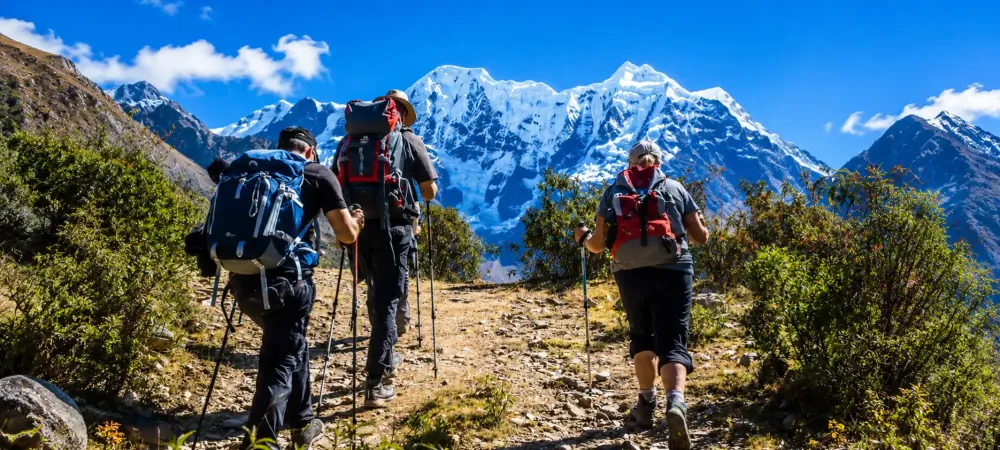
Salkantay is one of the best-known alternatives for travelers who want to spend several days trekking before visiting Machu Picchu.
The route crosses high-altitude landscapes around Salkantay Mountain and reaches approximately 4,600 meters at Salkantay Pass. From there, the trail gradually descends toward cloud forest and warmer environments.
At Dreamy Tours, you can choose the Salkantay Trek to Machu Picchu 4 Days or the longer Salkantay Trek and Llactapata 5 Days.
The five-day version includes areas such as Lucmabamba and Llactapata, while the four-day itinerary follows a more concentrated progression toward Machu Picchu.
If this route is high on your list, our Salkantay Trek Guide explains altitude, difficulty, weather and preparation in greater detail.
Lares Trek: Andean culture and communities
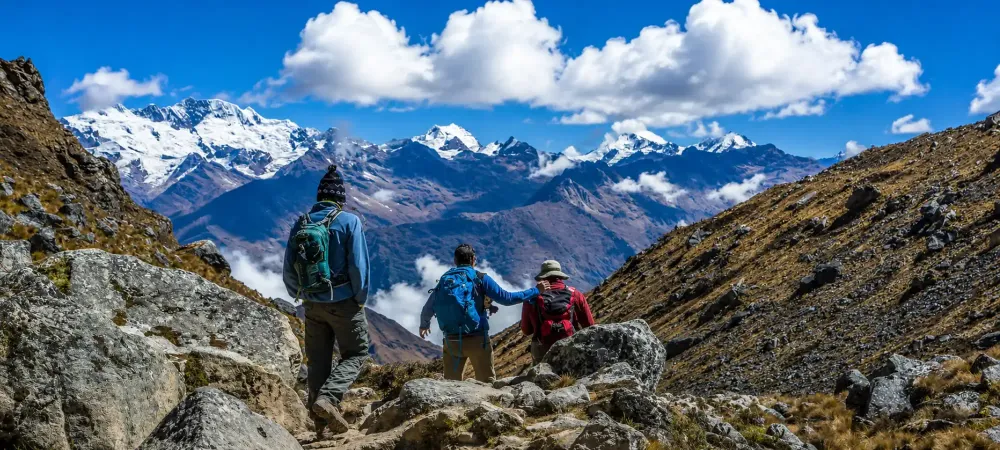
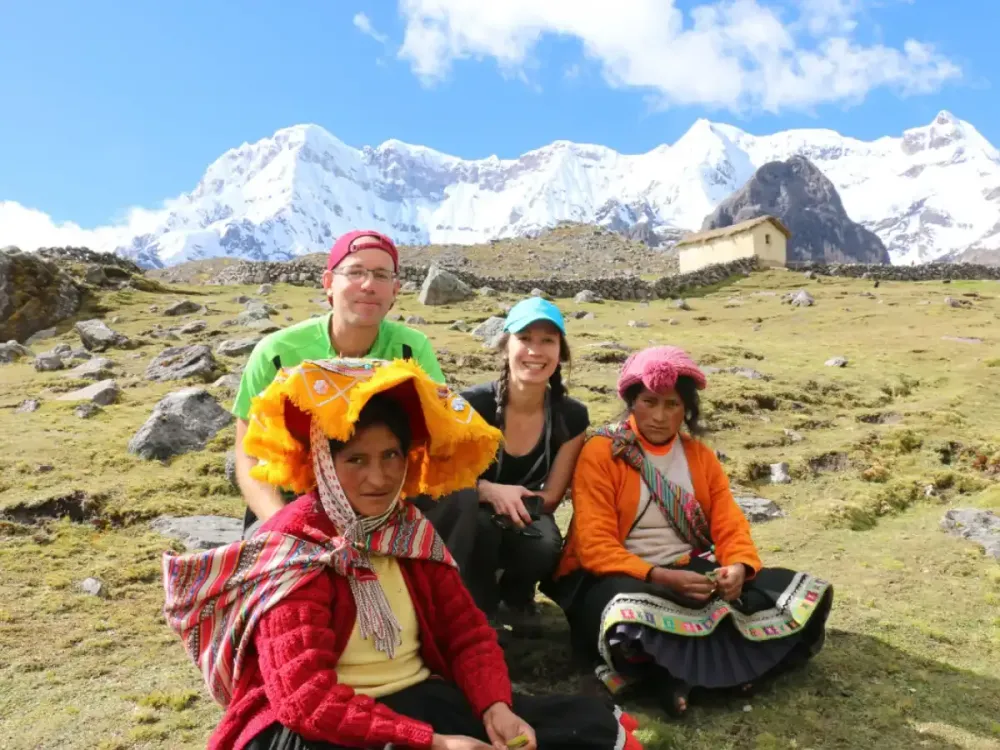
Lares offers a very different experience because the scenery shares the spotlight with the communities living in the valleys and mountains north of the Sacred Valley.
During the trek, travelers pass agricultural areas, alpaca herds and villages where textile production remains part of everyday life. On our current itinerary, the route reaches approximately 4,400 meters at Ipsay Pass.
The Lares Trek to Machu Picchu 4 Days later continues toward Ollantaytambo, where travelers take the train to Machu Picchu Pueblo.
Unlike the Inca Trail, Lares does not approach Machu Picchu along one continuous archaeological trail. Its strength is the combination of hiking, rural landscapes, Andean culture and a later visit to the Inca city.
You can explore the route in more detail in our Lares Trek Guide.
Inca Jungle: biking, trekking and adventure
Inca Jungle is designed for travelers who want something more dynamic than a conventional trekking route.
The journey begins around Abra Málaga, where a downhill bike ride starts in the high mountains and descends toward increasingly warmer environments. The route then continues through Santa María, Santa Teresa, Hidroeléctrica and Machu Picchu Pueblo.
Our Inca Jungle to Machu Picchu 4 Days combines cycling and hiking and may include additional adventure activities depending on the program selected. The current itinerary includes approximately 55 kilometers of biking on the first day.
The experience is less focused on spending four full days trekking through mountains and more on alternating activities, climates and landscapes.
For more information about the cycling sections, difficulty and hiking stages, see our Inca Jungle Trek Guide.

Choquequirao: an alternative for travelers seeking a greater challenge
Choquequirao works differently from Salkantay, Lares or Inca Jungle because the archaeological complex itself can be the main destination of the journey.
The traditional route involves major descents and climbs through the Apurímac Canyon. Its difficulty therefore comes more from accumulated elevation gain and loss than from reaching extreme altitude.
The Choquequirao Trek 4 Days focuses primarily on the archaeological complex, while the Choquequirao Trek and Machu Picchu 6 Days combines both destinations on a longer expedition.
Choquequirao is particularly suitable for travelers with good endurance who are interested in archaeology, deep canyons and physically demanding hiking days.
Our Choquequirao Trek Guide explains the route, official entrance requirements and access conditions in greater detail.

What about Ausangate as an alternative to the Inca Trail?
Ausangate is one of Cusco’s major trekking routes, but an important distinction is necessary: the traditional route is not designed to reach Machu Picchu.
Its main attraction is exploring the Vilcanota Mountain Range among snow-capped peaks, glaciers, lagoons, high-Andean communities and mountain passes that can exceed 5,000 meters.
At Dreamy Tours, you can choose the Ausangate Trek and Rainbow Mountain 4 Days, Ausangate Trek 5 Days or Ausangate Trek 6 Days.
Ausangate makes sense as an alternative to the Inca Trail if you mean “another major trekking experience in Cusco,” but not if your priority is specifically reaching Machu Picchu on the trek itself.
You can learn more in our Ausangate Trek Guide.
Comparing the main alternatives to the Inca Trail
These routes do not all serve exactly the same purpose. The comparison below makes their differences clearer.
| Route | Approx. key altitude | General difficulty | Main experience | Combined with Machu Picchu? |
|---|---|---|---|---|
| Classic Inca Trail | ≈ 4,200 m | Moderate to challenging | Historic trail and archaeology | Yes, arriving through Inti Punku |
| Salkantay | ≈ 4,600 m | Moderate to challenging | High mountains and cloud forest | Yes |
| Lares | ≈ 4,400 m | Moderate | Communities and Andean culture | Yes, through a later connection |
| Inca Jungle | ≈ 4,350 m at Abra Málaga | Moderate | Biking, trekking and adventure | Yes |
| Choquequirao | Major elevation changes, site ≈ 3,033 m | Challenging | Archaeology and Apurímac Canyon | Yes, on longer itineraries |
| Ausangate | Up to ≈ 5,200 m | High | Glaciers, lagoons and high mountains | Not on the traditional route |
These figures are approximate references based on current itineraries and can vary depending on the specific route. Altitude is also not the only factor determining difficulty.
Choquequirao can be extremely demanding because of its steep elevation changes, while Ausangate stands out for prolonged exposure to very high altitude.
Which Inca Trail alternative is best for your travel style?
If your priority is dramatic mountain scenery, changing ecosystems and several days of trekking before Machu Picchu, Salkantay is usually one of the most complete options.
If you are looking for Andean culture and rural communities, Lares offers a very different profile. Trekking remains important, but the human and cultural side of the journey has a much stronger presence.
Inca Jungle is better suited to travelers who enjoy alternating biking, hiking and adventure activities. Choquequirao works especially well for those focused on archaeology and prepared for major elevation changes.
Ausangate is the clearest choice for travelers who prioritize high mountains above everything else and do not need Machu Picchu to be the final destination of the trek.
The best alternative is therefore not necessarily the most famous one. It is the route that matches the experience you actually want to have.
What permits does each trekking route require?
This is where it is important to separate two concepts: an Inca Trail permit is not the same thing as a Machu Picchu entrance ticket.
The Inca Trail Network uses an official regulated booking system. Salkantay, Lares and Inca Jungle, in their standard versions, do not use this permit.
Ausangate is also outside the Inca Trail Network, while Choquequirao has its own entrance system for the archaeological park.
| Route / access | Inca Trail permit required? | Other entrance required? |
|---|---|---|
| Classic Inca Trail | Yes | Access is managed through the official Inca Trail system |
| Salkantay | No | Local fees depending on sector + Machu Picchu if included |
| Lares | No | Machu Picchu if part of the itinerary |
| Inca Jungle | No | Machu Picchu + possible local or optional fees |
| Choquequirao | No | Yes, separate Choquequirao entrance |
| Ausangate | No | Local/community fees depending on the route |
| Machu Picchu | Not an “Inca Trail permit” | Yes, separate nominative ticket |
This distinction matters because finding availability on Salkantay, Lares or Inca Jungle does not automatically guarantee availability for Machu Picchu.
Machu Picchu, TuBoleto and the Cusco Tourist Ticket
If your route finishes at Machu Picchu, you need an official ticket for a specific date, circuit, route and entry time. The Ministry of Culture’s official platform is TuBoleto Cultura.
To register, travelers need a national ID, foreign resident card or passport, together with an email address. After that, you select Machu Picchu, the circuit, route, date, entry time and visitor category before completing payment.
In 2026, Machu Picchu maintains a base capacity of up to 4,500 visitors per day, increasing to 5,600 visitors on officially designated high-season dates. This means Machu Picchu availability can become the main bottleneck even when an alternative trek still has space.
The Cusco Tourist Ticket is completely different. The full BTC for foreign visitors currently costs S/130 and is valid for ten days, while partial tickets cost S/70.
The BTC covers attractions such as Saqsayhuaman, Q'enqo, Puka Pukara, Tambomachay, Pisac, Ollantaytambo, Chinchero and Moray depending on the circuit purchased.
It does not replace the Machu Picchu entrance ticket and does not work as a permit for Salkantay, Lares, Inca Jungle, Choquequirao or Ausangate.
Inca Trail or alternative trek: what should you consider?
Before choosing, decide which part of the experience you want to matter most.
The Inca Trail stands out for its historic path, archaeological sites and the traditional arrival at Machu Picchu through Inti Punku. For many travelers, this archaeological continuity is the main reason for choosing it.
Alternative routes allow you to prioritize different elements. Salkantay gives the mountains a stronger role, Lares emphasizes communities, Inca Jungle focuses on adventure, and Choquequirao combines archaeology with a demanding physical challenge.
You should also consider how many days you have, your fitness level, hiking experience, altitude acclimatization and the season in which you plan to travel. A four-day trek is not automatically easier than a five-day route.
If the Inca Trail is your first choice, remember that the route closes throughout February for annual conservation work.
How should you choose your route to Machu Picchu?
Start with three questions: how many days do you have, how much physical effort do you want, and what do you want to remember most when the trip is over?
For mountains and natural scenery, Salkantay is often an excellent choice. For culture and communities, Lares has a much more distinctive character.
For adventure and varied activities, Inca Jungle offers something different. For archaeology and a serious physical challenge, Choquequirao can be especially rewarding.
If high-altitude trekking is your priority and Machu Picchu does not need to be the final destination, Ausangate deserves to be among your first options.
At Dreamy Tours, we bring these experiences together within our alternative treks in Cusco so you can compare duration, difficulty and travel style before making a decision.
Frequently asked questions about Inca Trail alternatives
What is the most popular alternative to the Inca Trail?
Salkantay is widely presented as one of the main alternatives to the Classic Inca Trail, particularly for travelers interested in mountain landscapes and multi-day hiking before Machu Picchu.
What are the best alternative treks to Machu Picchu?
Salkantay, Lares and Inca Jungle are strong options for travelers who want to combine an alternative route with Machu Picchu. Choquequirao can also be combined with Machu Picchu on longer itineraries.
Does the Salkantay Trek go to Machu Picchu?
Most tourism itineraries continue toward Machu Picchu Pueblo before finishing with a visit to Machu Picchu.
Which Inca Trail alternative is best for Andean culture?
Lares is particularly suitable for travelers interested in rural communities, traditional Andean life and cultural experiences.
Which alternative is best for adventure?
Inca Jungle combines hiking with mountain biking and can include other adventure activities, making it one of the most varied routes.
Does Choquequirao connect with Machu Picchu?
Some Choquequirao itineraries focus only on the archaeological site, while longer routes can continue toward the Machu Picchu region.
Do alternative treks require an Inca Trail permit?
Standard Salkantay, Lares, Choquequirao and Inca Jungle routes do not use the regulated Classic Inca Trail permit system. Machu Picchu admission and any route-specific access requirements are separate and should always be checked when planning the trip.
Personal travel advice
Plan your trip with Dreamy Tours
Start a tailored journey with our exclusive tours and custom trips across Peru and other Latin American countries.