Search the blog
Tabla de contenidos
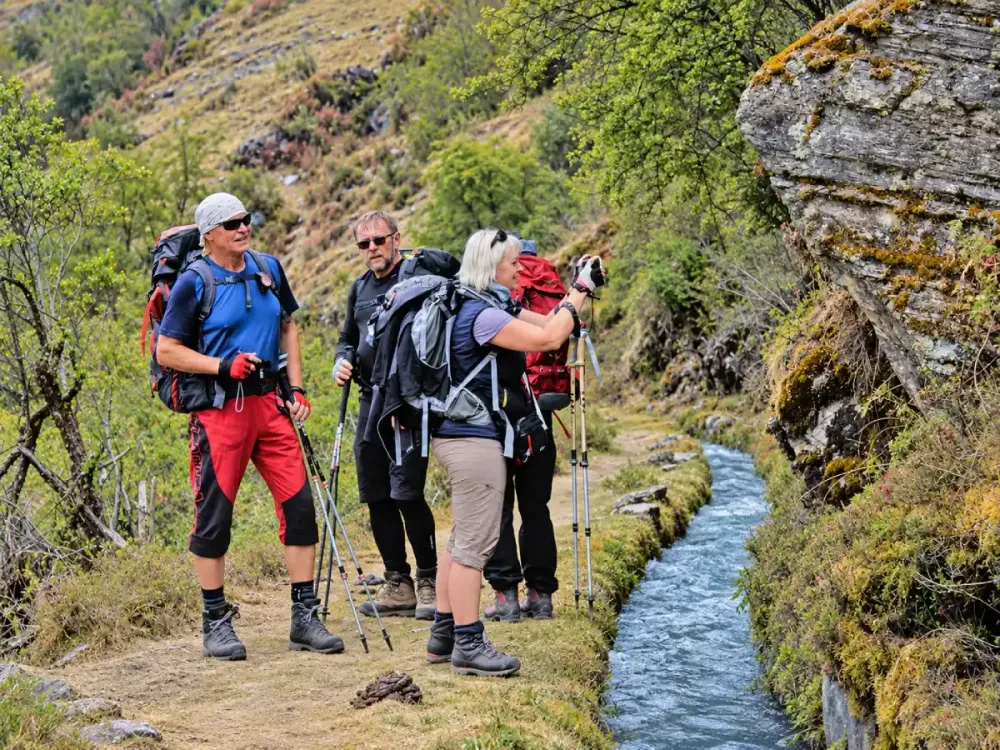
Packing well for the Salkantay Trek can make a big difference once you are on the trail.
The route crosses high-altitude mountain environments near Mount Salkantay before descending toward warmer and more humid areas on the way to Machu Picchu. That means you need gear for cold mornings, strong sun, wind, possible rain and warmer lower elevations.
The goal is simple: bring what you need without carrying too much.
This guide covers what to pack for the Salkantay Trek, what clothing works best, what should go in your daypack and which items are truly essential.
What should you pack for the Salkantay Trek?
Your Salkantay Trek packing list should help you handle changing weather and several consecutive days of hiking.
Useful essentials include:
- Hiking shoes or boots you have already worn.
- Waterproof jacket.
- Thermal base layers.
- Lightweight hiking clothes.
- Hat or cap.
- Gloves.
- Sunscreen.
- Sunglasses.
- Small daypack.
- Reusable water bottle or hydration system.
- Insect repellent.
- Personal hygiene items.
- Personal medication.
The best approach is to dress in layers and avoid packing bulky items that you may only use once.
If you are still learning about the overall route, our Salkantay Trek Guide explains the itinerary, altitude, weather and main trekking options.
What clothes should you wear on the Salkantay Trek?
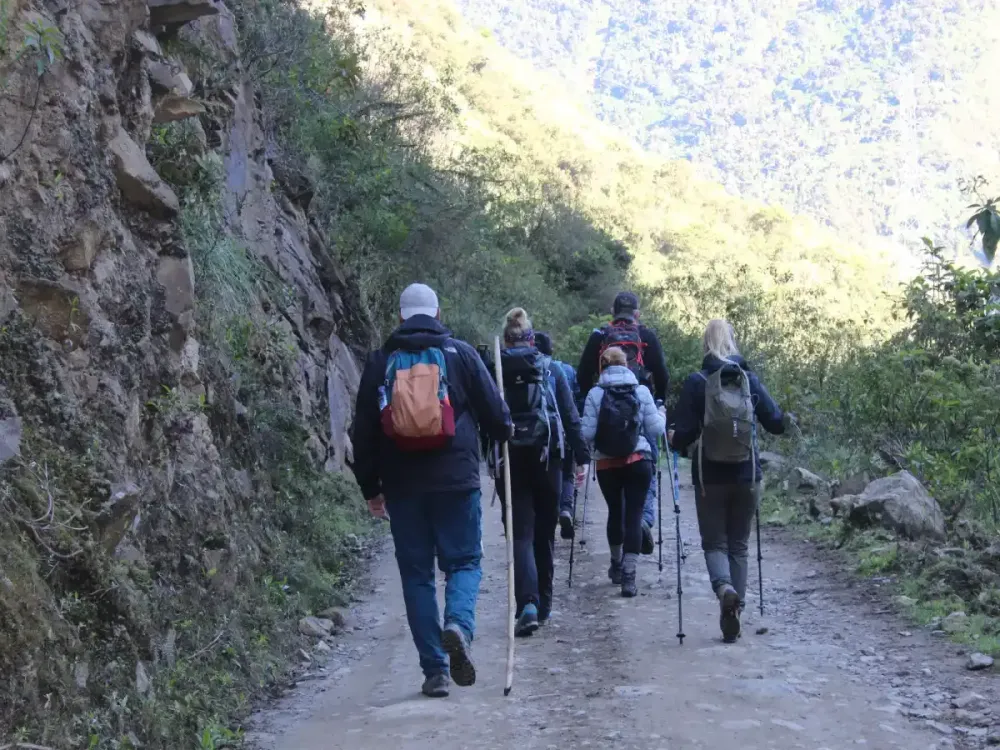
Your clothing should be flexible enough for several different climates.
The first sections can be cold, especially at higher elevations, while the trail becomes warmer and more humid after descending from the mountain pass.
A layering system works best.
A base layer helps manage moisture.
A mid-layer provides warmth.
An outer waterproof layer protects against wind and rain.
Useful clothing includes lightweight hiking shirts, thermal tops, a fleece or light insulated layer, comfortable trekking pants and quick-drying underwear.
Avoid relying on one very heavy jacket. Several lighter layers are usually more practical because you can add or remove them as conditions change.
Do you need thermal clothing?
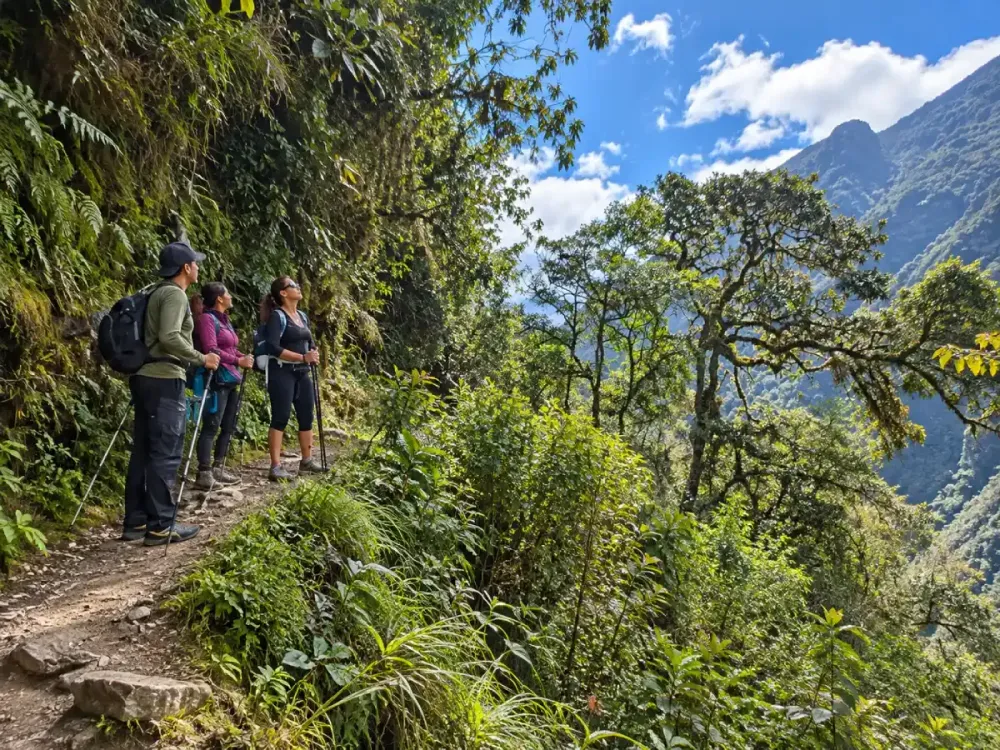
Yes, especially for the higher sections of the route.
Mornings and nights can be cold even during the dry season.
A thermal top and a lightweight base layer for your legs can help keep you warm without taking up much space.
Thermal clothing becomes even more useful during colder months such as June and July.
Our guide to the best time to hike the Salkantay Trek explains how temperatures and weather conditions change throughout the year.
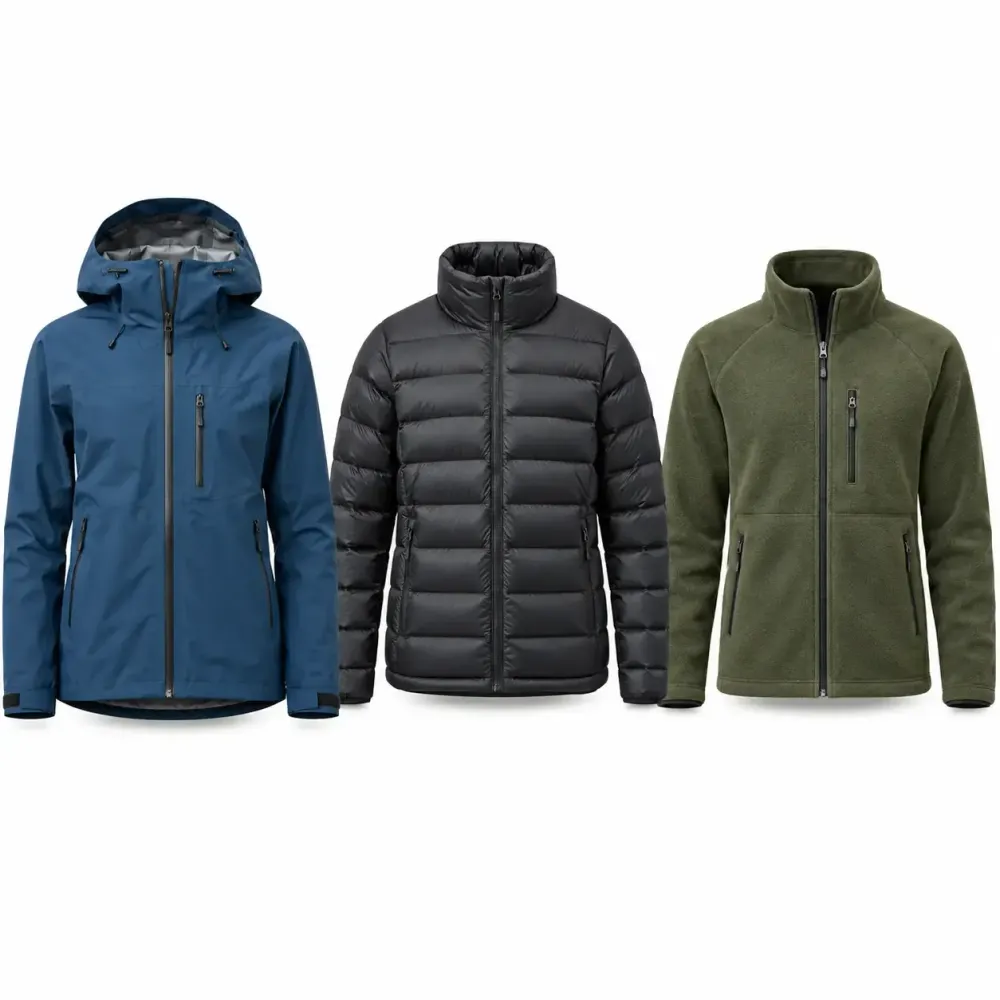
What jacket should you bring?
A waterproof jacket is one of the most important pieces of clothing for the trek.
Mountain weather can change quickly, even during the dry season.
Your jacket should protect you from wind and rain while remaining light enough to carry when you are not wearing it.
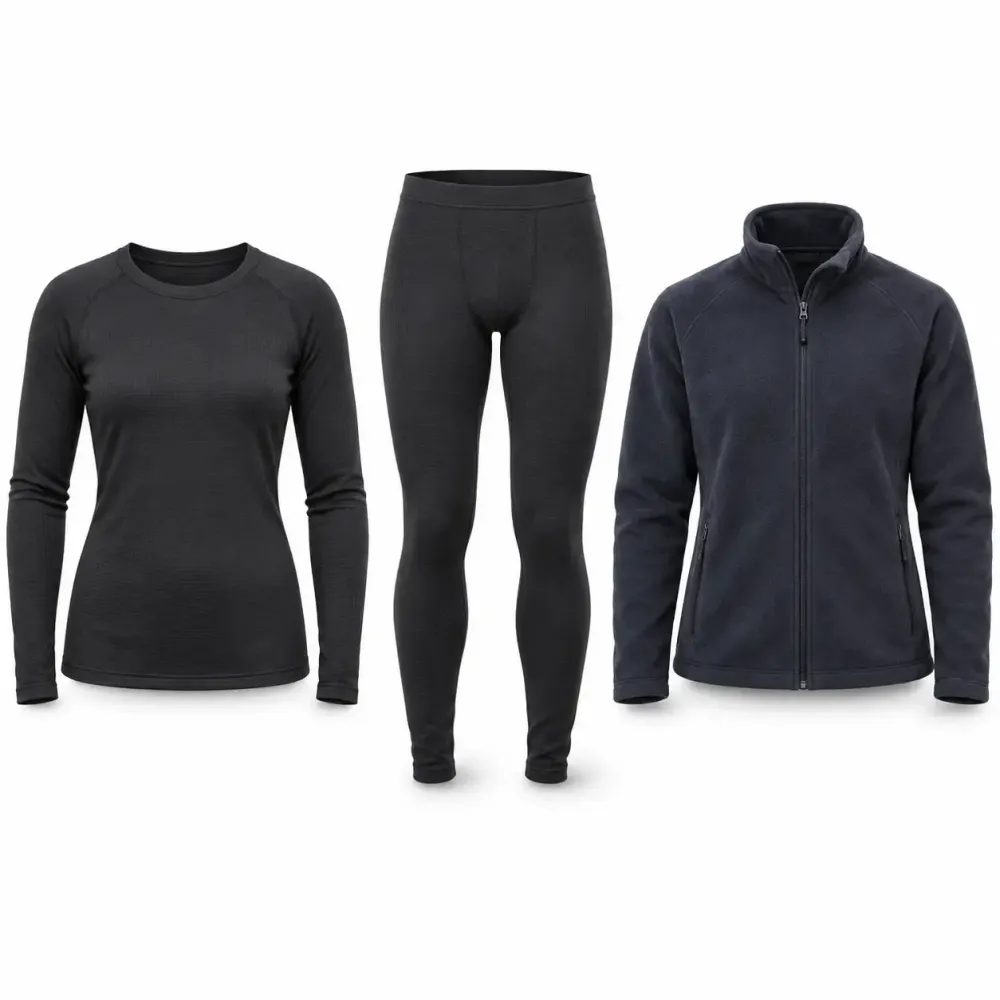
A practical setup is to wear a fleece or thermal layer underneath and add the waterproof shell only when needed.
This gives you more control over body temperature throughout the day.
What pants are best for Salkantay?
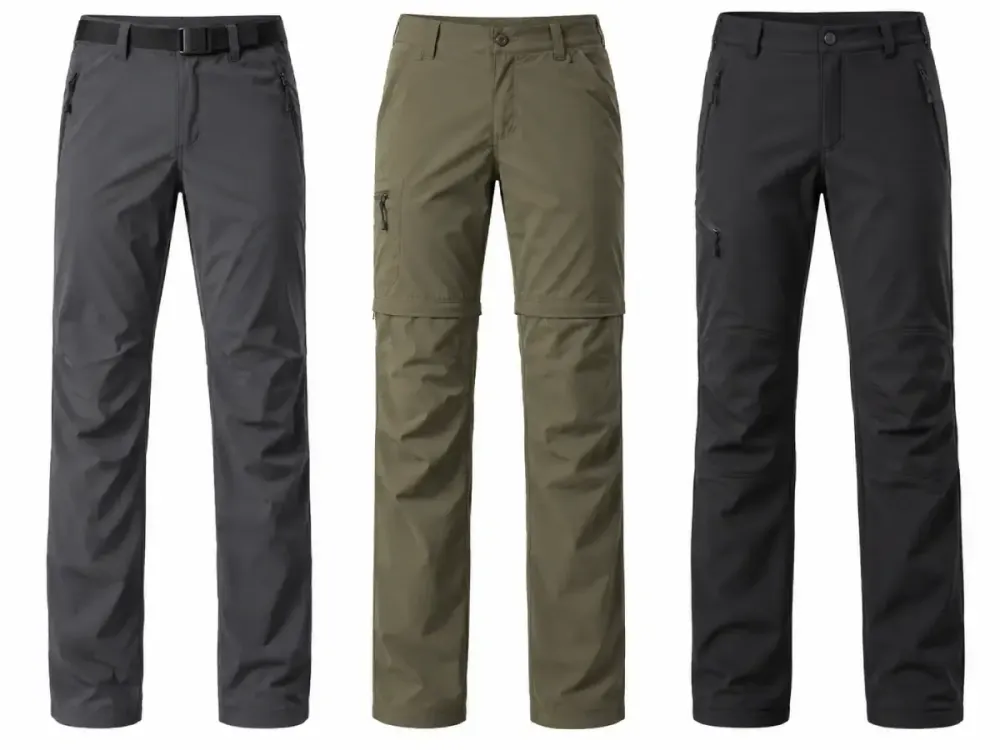
Lightweight trekking pants are generally the best choice.
They should allow easy movement and dry quickly if they get wet.
Bringing a second lightweight pair can also be useful for a multi-day trek.
Jeans are usually a poor choice.
They are heavy, slow to dry and can become uncomfortable after several hours of walking.
Hiking boots or trail shoes?
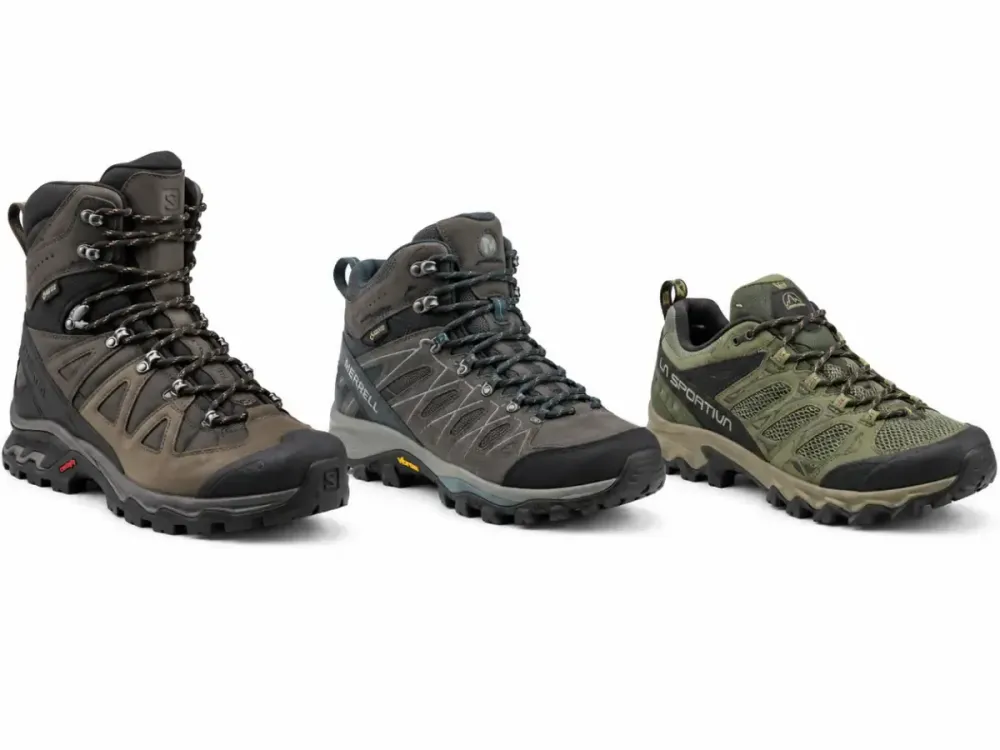
Both can work.
Hiking boots can provide additional ankle support and protection on uneven terrain.
Trail or hiking shoes are lighter and may be more comfortable for travelers who already use them regularly.
The most important factors are grip, comfort and familiarity.
Whatever you choose, make sure the footwear is already broken in before the trek.
The Salkantay Trek is not a good place to discover that your new shoes disagree with your feet.
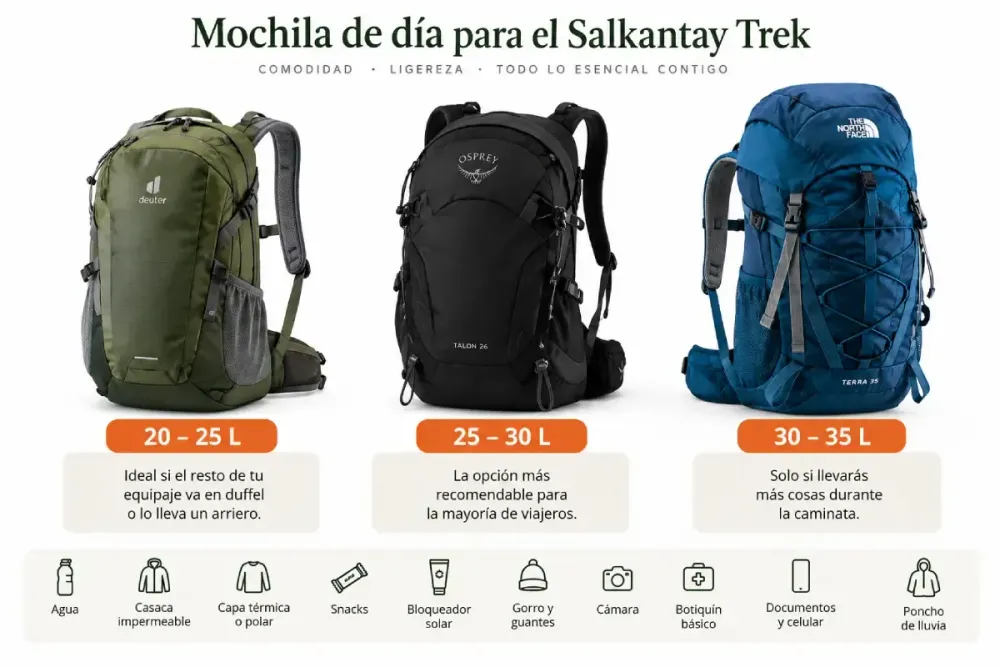
What backpack do you need for the Salkantay Trek?
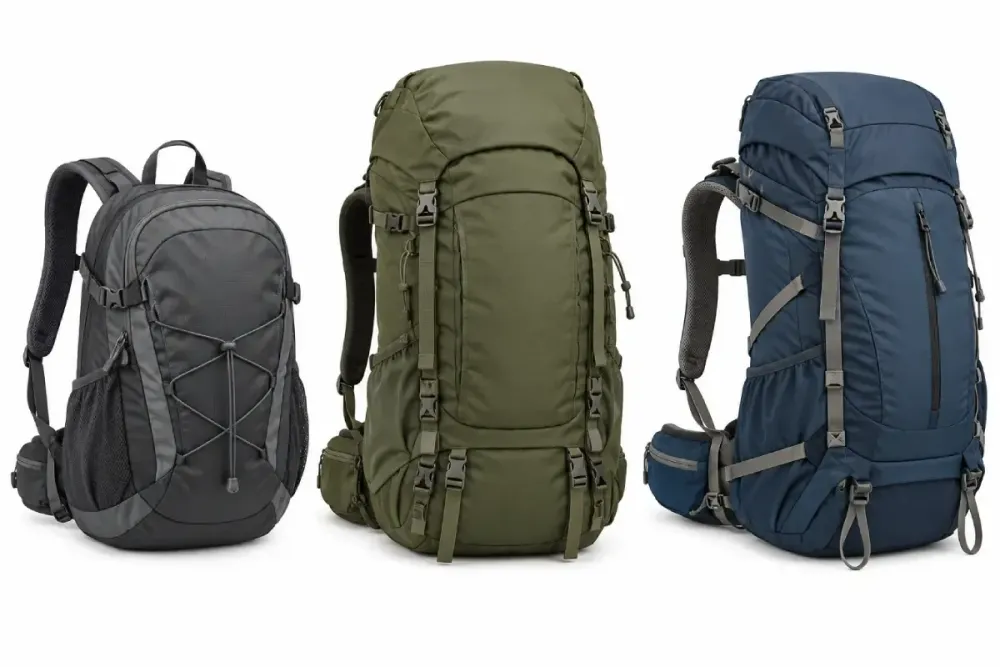
For daily hiking, a small or medium daypack is usually enough.
You should not need to carry all your luggage during every stage of the trek.
Your daypack should contain only the items you need while walking, such as:
- Water.
- Sunscreen.
- Waterproof jacket.
- Warm layer.
- Snacks.
- Documents.
- Phone or camera.
- Personal items.
- Keeping your daypack light is important.
Extra weight becomes much more noticeable after several hours of walking at altitude.
What size daypack is best?
A daypack of around 20 to 30 liters is usually sufficient for most travelers.
Comfort is more important than maximum capacity.
Look for adjustable shoulder straps and, ideally, a rain cover or water-resistant design.
A very large backpack is often unnecessary and can encourage overpacking.
How much water should you carry?
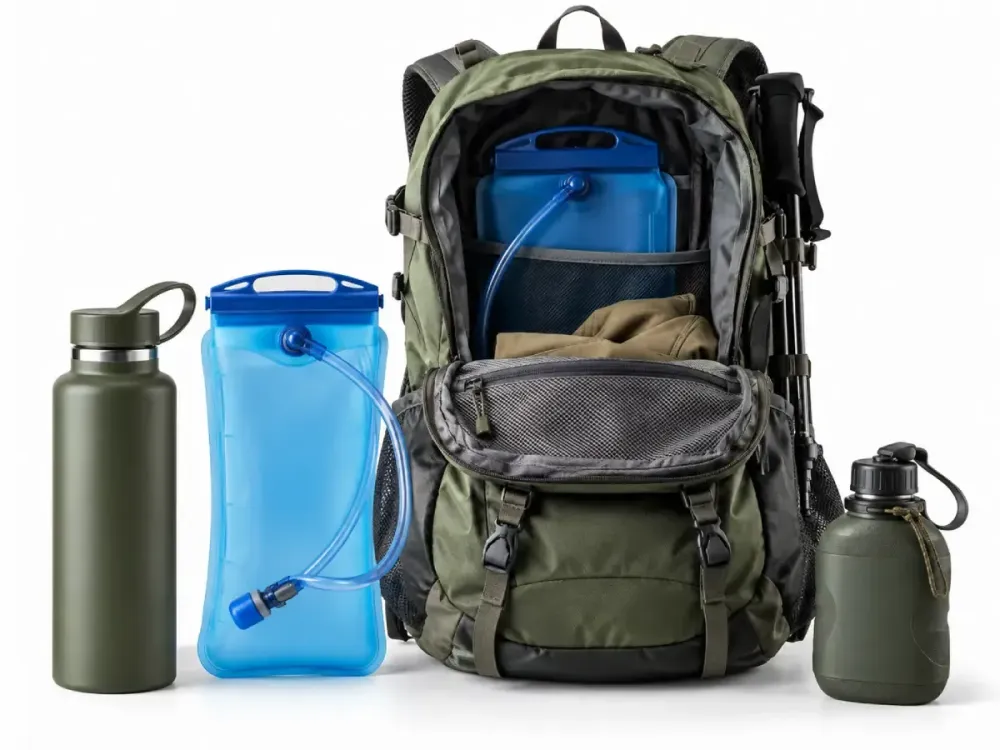
Hydration is especially important during a high-altitude trek.
The amount you need to carry depends on the itinerary and where water can be refilled.
A reusable bottle or hydration bladder can be very practical.
It also helps reduce unnecessary plastic waste and makes it easier to monitor how much you are drinking.
Do you need trekking poles?
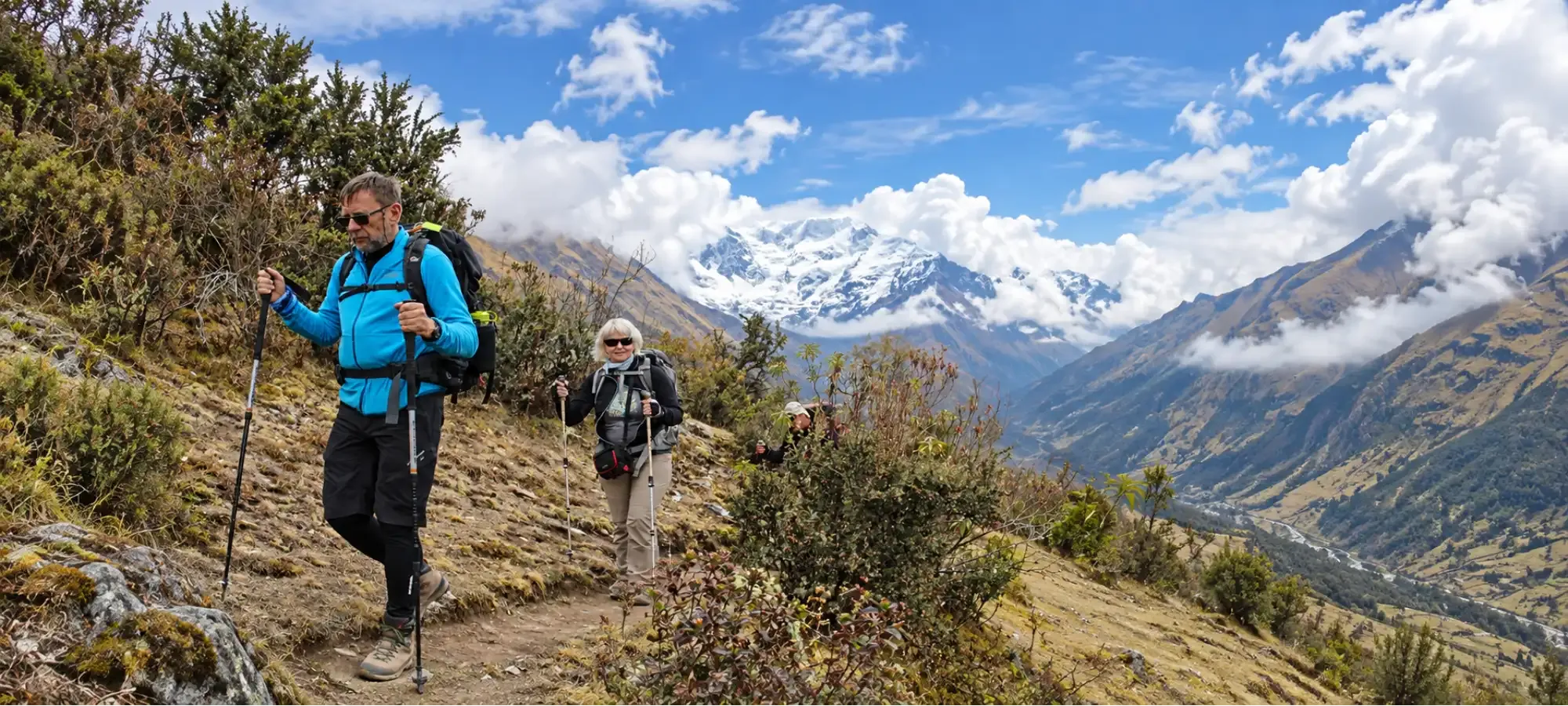
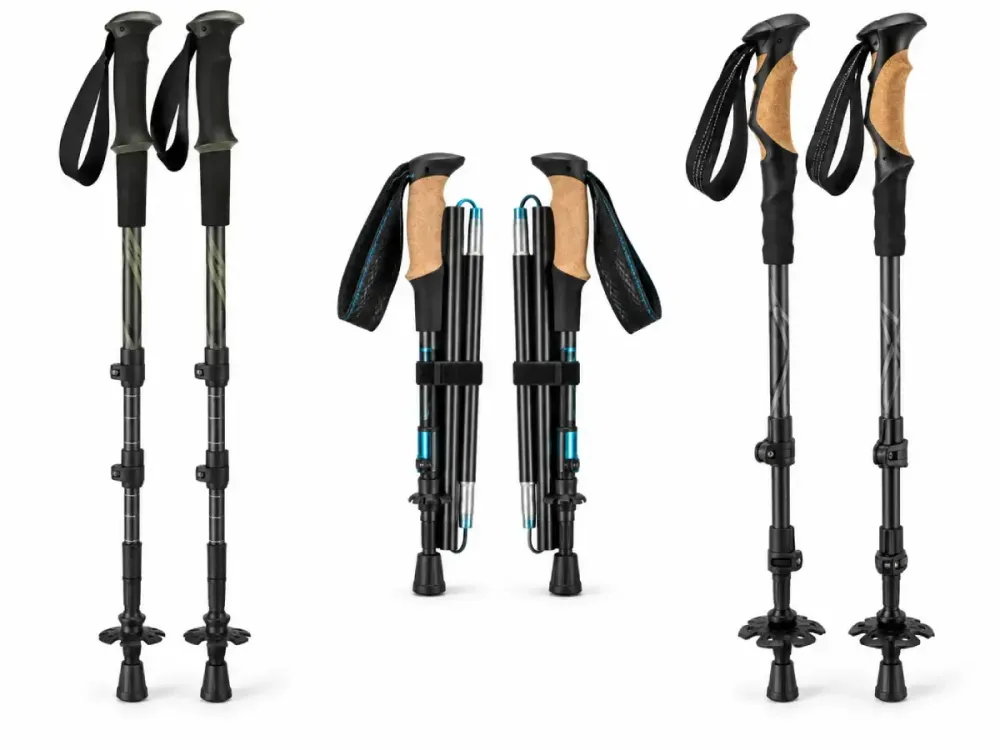
They are not mandatory, but many hikers find them useful.
Trekking poles can improve balance during steep sections and uneven terrain.
They may also reduce some of the pressure on your knees during long descents.
They are especially useful for travelers who already use them or who sometimes experience knee discomfort.
If you have never used poles before, practice with them before the trip so the movement feels natural.
Sun protection for the Salkantay Trek
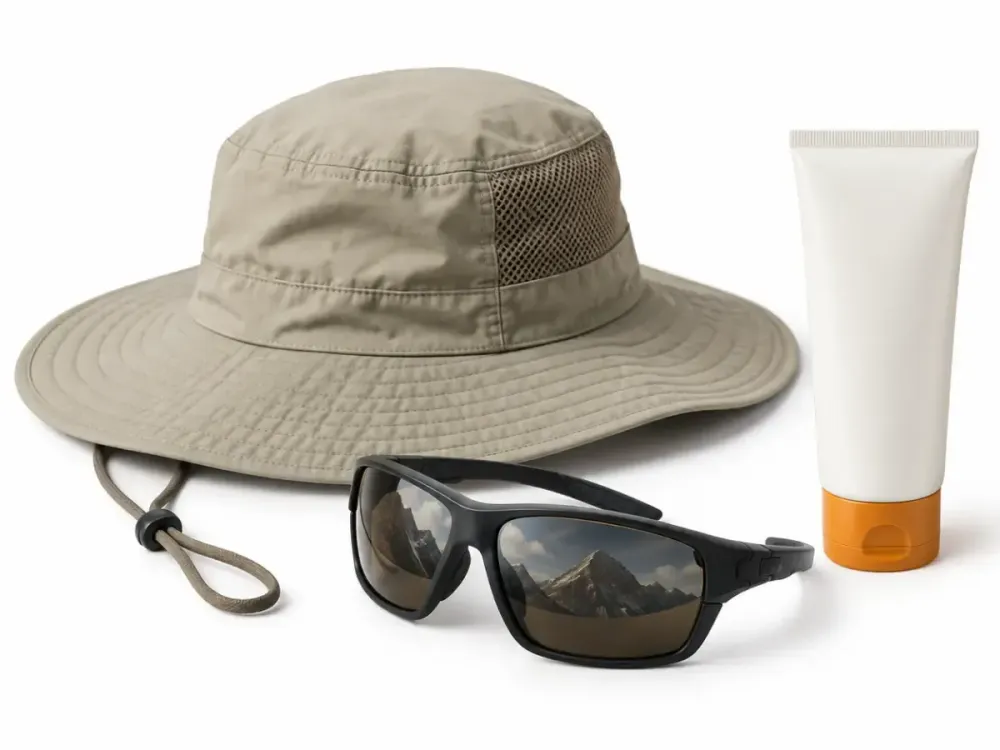
Sun exposure can be intense at high altitude.
Even when the air feels cold, ultraviolet radiation remains strong.
Bring sunscreen with good protection, sunglasses and a hat or cap.
Reapply sunscreen during long hiking days, especially on exposed sections of the trail.
Cold temperatures can make the sun feel less intense than it actually is.
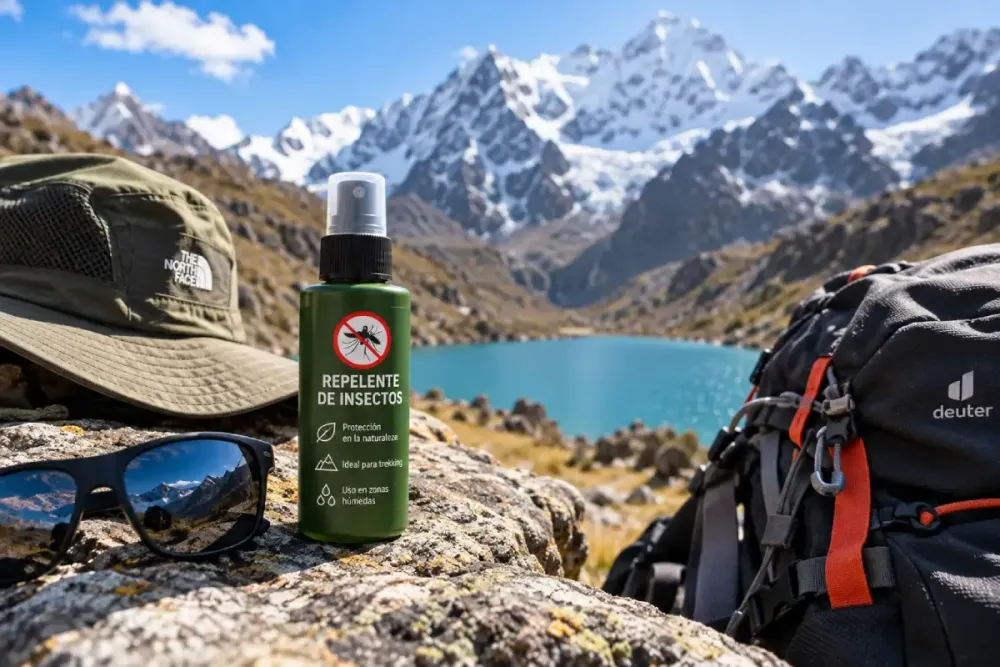
Do you need insect repellent?
Yes, especially for the lower and warmer sections of the route.
After descending from the high mountains, the landscape becomes greener and more humid.
Insects can be more noticeable in these areas.
A small bottle of repellent takes little space and can be very useful.
Personal hygiene items
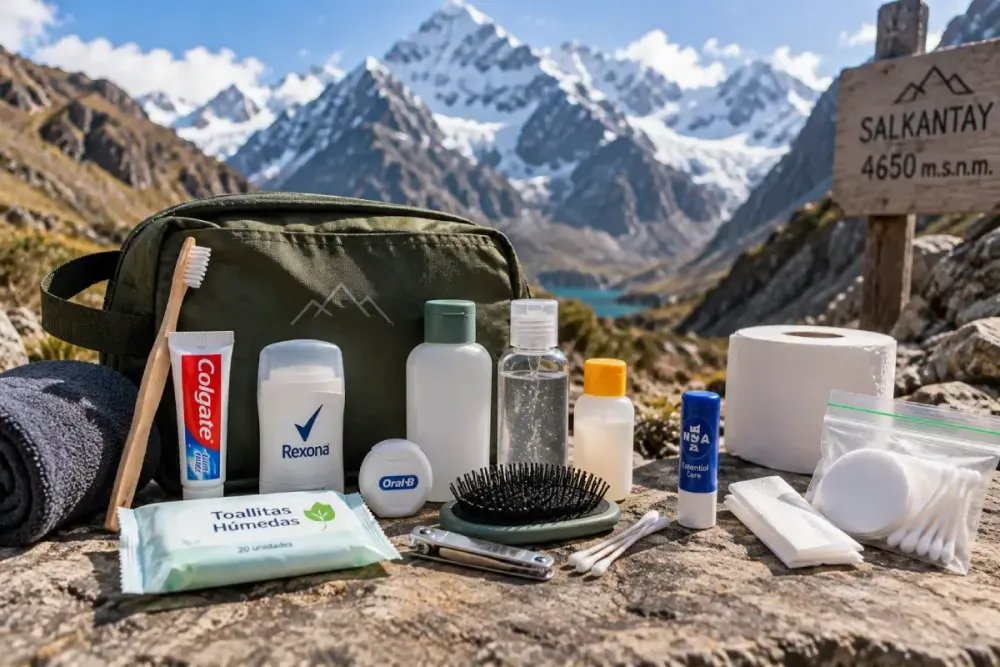
You do not need to bring a large toiletry bag.
For a multi-day trek, a few compact essentials are usually enough:
- Toothbrush and toothpaste.
- Toilet paper.
- Wet wipes.
- Hand sanitizer.
- Lip balm.
- Small deodorant.
- Lightweight quick-drying towel.
Try to use travel-size containers to keep your luggage light.
Personal medication and basic first aid
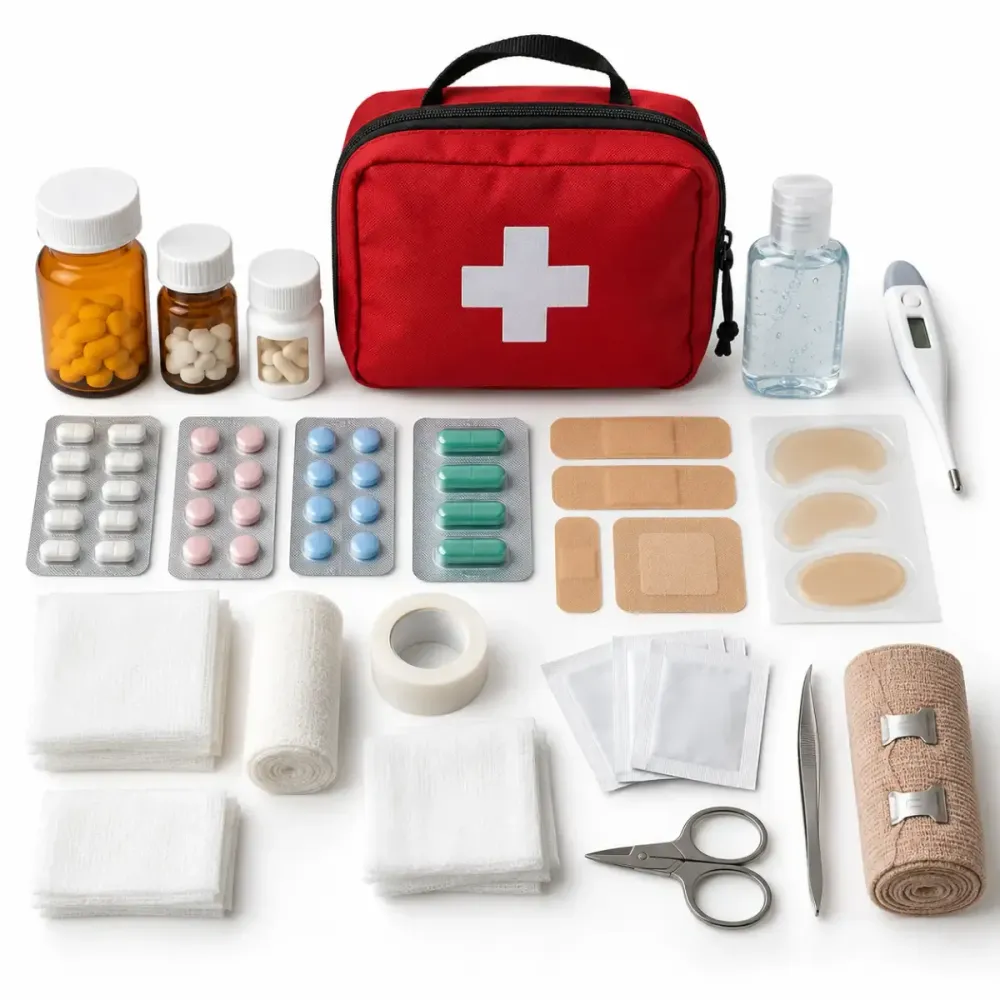
Bring enough of your personal medication for the entire trek.
It is also useful to carry a few basic items you normally use, such as blister plasters or simple pain relief if appropriate for you.
If you require specific medication, bring it with you rather than assuming you will find it easily along the route.
Altitude is one of the main factors that affects physical effort during Salkantay, so acclimatization is also important.
Our guide to Salkantay Trek difficulty explains how altitude, terrain and daily effort combine.
What documents should you carry?
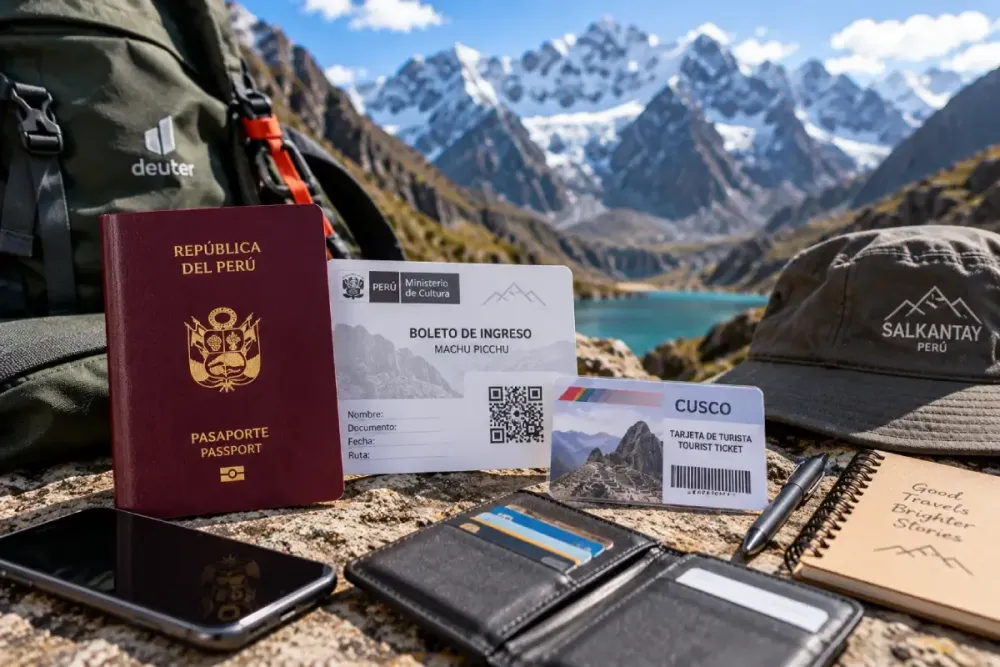
Keep your important documents protected during the trek.
Carry your original passport if it is required for access related to Machu Picchu, and store documents inside a waterproof pouch.
It is also useful to carry a small amount of cash for personal expenses along the route.
Avoid keeping everything in one place.
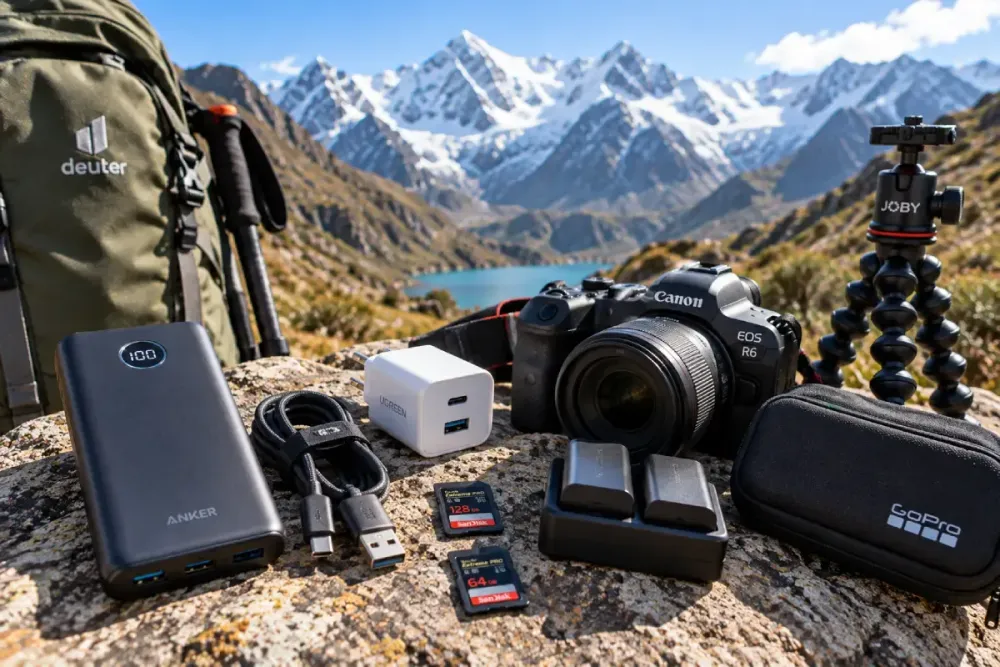
How to keep your phone and camera charged
A power bank can be very useful on a multi-day trek.
You should not assume that electricity will always be available when you need it.
Use battery-saving settings and reduce unnecessary screen time.
If you are bringing a camera, try to keep accessories to a minimum.
Every extra lens feels much more important at home than it does after several hours of uphill hiking.
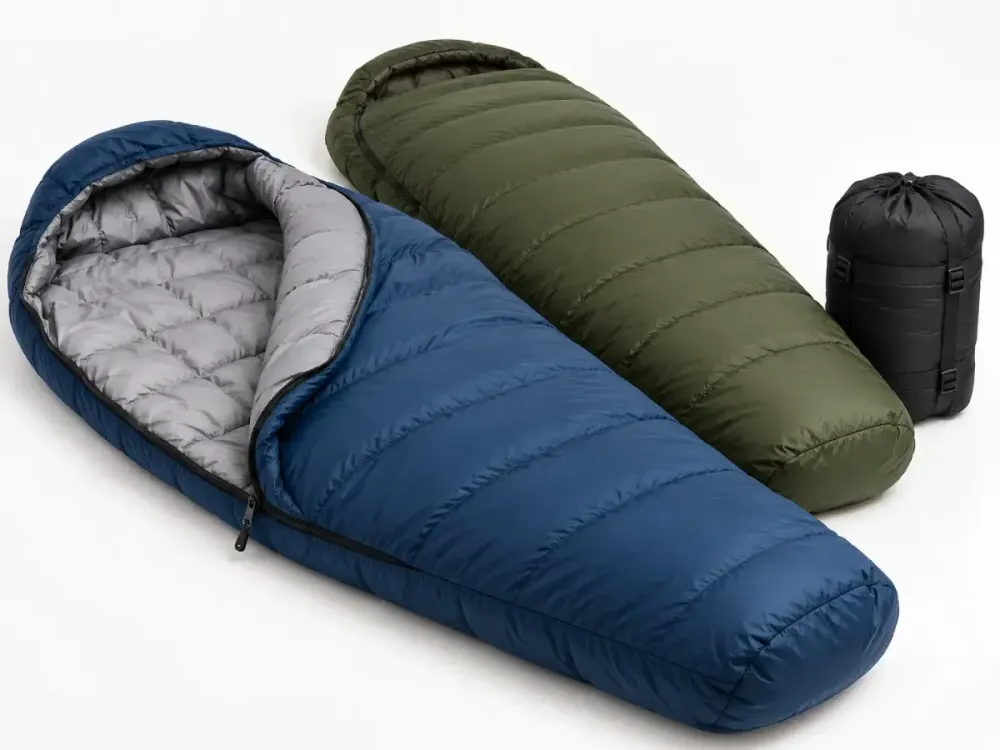
Do you need a sleeping bag?
That depends on the service you book.
Before packing, check exactly what equipment is included in your trek.
Some operators provide or rent sleeping bags, while others may require you to arrange one separately.
There is no reason to bring bulky equipment before confirming what your program already includes.
At Dreamy Tours, we recommend reviewing the inclusions before preparing your final packing list.
What should you not pack for the Salkantay Trek?
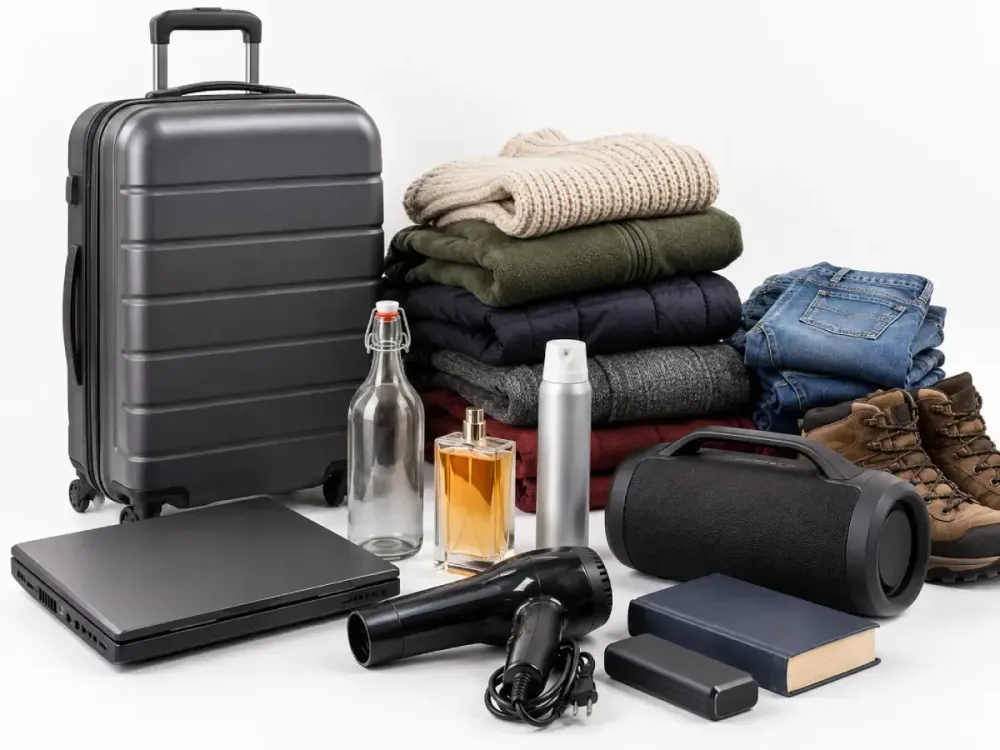
One of the most common mistakes is bringing too much.
Avoid unnecessary clothes, extra heavy shoes, full-size toiletries and electronics you are unlikely to use.
It is also worth questioning the classic “just in case” items.
At home, everything can seem useful.
After several hours of hiking, the definition of essential tends to become much stricter.
Focus on items you are likely to use every day.
How should your packing change with the weather?
Your packing list should reflect the season.
During the dry season, cold nights and strong sun are major considerations.
During wetter months, waterproof protection becomes even more important.
In any season, a waterproof jacket is recommended.
Mountain conditions can change even when the day starts with completely clear skies.
Check our guide to the best time to hike the Salkantay Trek before finalizing your clothing.
What to pack for the 4-day and 5-day Salkantay Trek
The basic packing list is almost the same for both routes.
For the Salkantay Trek to Machu Picchu 4 Days, keeping your luggage compact is especially useful because the experience is concentrated into fewer days.
For the Salkantay Trek 5 Days, you may want an additional shirt or extra underwear, but that does not mean doubling the entire packing list.
The same rule applies to both: pack light and bring only what you are likely to use.
Salkantay Trek packing checklist
Before closing your bag, check that you have:
- Broken-in hiking shoes.
- Hiking socks.
- Thermal layers.
- Lightweight shirts.
- Trekking pants.
- Waterproof jacket.
- Warm layer.
- Hat or cap.
- Gloves.
- Sunscreen.
- Sunglasses.
- Insect repellent.
- Daypack.
- Reusable water bottle.
- Documents.
- Personal hygiene items.
- Personal medication.
- Power bank.
- Cash.
This list covers the essentials, but always adjust it according to the season and the equipment included in your trek.
Frequently asked questions about what to pack for the Salkantay Trek
What clothes do I need for the Salkantay Trek?
Bring lightweight hiking clothes, thermal layers for high-altitude sections and a waterproof outer layer for wind and rain.
Do I need hiking boots?
Hiking boots or good hiking shoes are recommended because the route includes uneven terrain, climbs and descents. The most important thing is that your footwear is comfortable and already broken in.
Can I wear regular sneakers?
Regular athletic shoes are not the best option. Footwear designed for hiking generally provides better grip and stability on mountain terrain.
What size backpack do I need?
A daypack of around 20 to 30 liters is usually enough for water, extra clothing and personal essentials.
Do I need waterproof clothing during the dry season?
Yes. Mountain weather can change quickly, so a waterproof jacket is still recommended during the dry months.
Should I bring trekking poles?
They are optional, but many travelers find them useful on steep climbs, long descents and uneven sections.
Do I need warm-weather clothes?
Yes. The route descends from cold high-altitude environments into warmer areas, so lightweight clothing is also important.
Is it better to bring extra gear just in case?
Usually not. Overpacking makes the trek more tiring. Prioritize protection from cold, rain and sun, hydration, comfortable footwear and personal essentials.
Personal travel advice
Plan your trip with Dreamy Tours
Start a tailored journey with our exclusive tours and custom trips across Peru and other Latin American countries.