Search the blog
Tabla de contenidos
Choosing between the Salkantay Trek 4 or 5 days is not simply a matter of having one extra day available. Both itineraries cross the high mountains, pass through Salkantay Pass and finish with a visit to Machu Picchu, but they distribute the experience differently.
The four-day version moves more quickly toward Machu Picchu, while the five-day route includes areas such as Lucmabamba and Llactapata and gives more time to the transition between high mountains, cloud forest and agricultural landscapes.
At Dreamy Tours, we operate both alternatives. Before choosing, it is worth comparing difficulty, pace, landscapes, available time and which part of the trek you want to make the main focus of your trip.
If you are still getting familiar with the route, our Salkantay Trek Guide explains the altitude, weather, difficulty and preparation first.
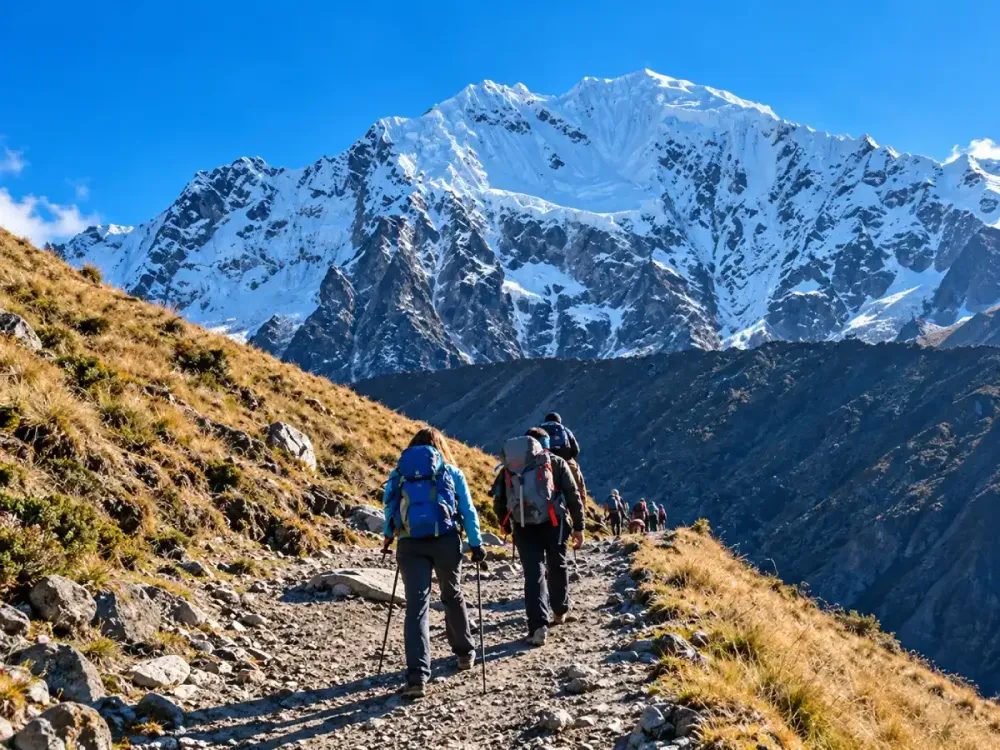
What is the difference between the Salkantay Trek 4 and 5 days?
The main difference is how the journey is distributed after crossing the high-mountain sections.
On our Salkantay Trek to Machu Picchu 4 Days, the route moves more quickly toward Hidroeléctrica and Machu Picchu Pueblo. Day 4 is then dedicated to visiting Machu Picchu.
The Salkantay Trek and Llactapata 5 Days gives more time to the cloud forest and includes Lucmabamba and the hike through Llactapata before reaching Hidroeléctrica.
For this reason, five days does not simply mean doing the same route more slowly. The itinerary adds places and experiences that are not developed in the shorter version.
| Feature | Salkantay 4 days | Salkantay 5 days |
|---|---|---|
| Duration | 4 days / 3 nights | 5 days / 4 nights |
| Salkantay Pass | Yes | Yes |
| Humantay Lake | Yes, according to current itinerary | Yes, according to current itinerary |
| Maximum altitude | ≈ 4,650 m | ≈ 4,600–4,650 m depending on section |
| Cloud forest | Yes | Yes, with more time |
| Lucmabamba | More concentrated route | Yes, with a stronger role |
| Llactapata | Not as a separate hiking day | Yes |
| Machu Picchu | Day 4 | Day 5 |
| Pace | More compact | More progressive |
| Best for | Limited time and good endurance | More time and greater interest in trekking |
The current four-day Dreamy Tours itinerary places Salkantay Pass at approximately 4,650 meters and includes a second day of around 22 km and approximately 8 to 9 hours of hiking.
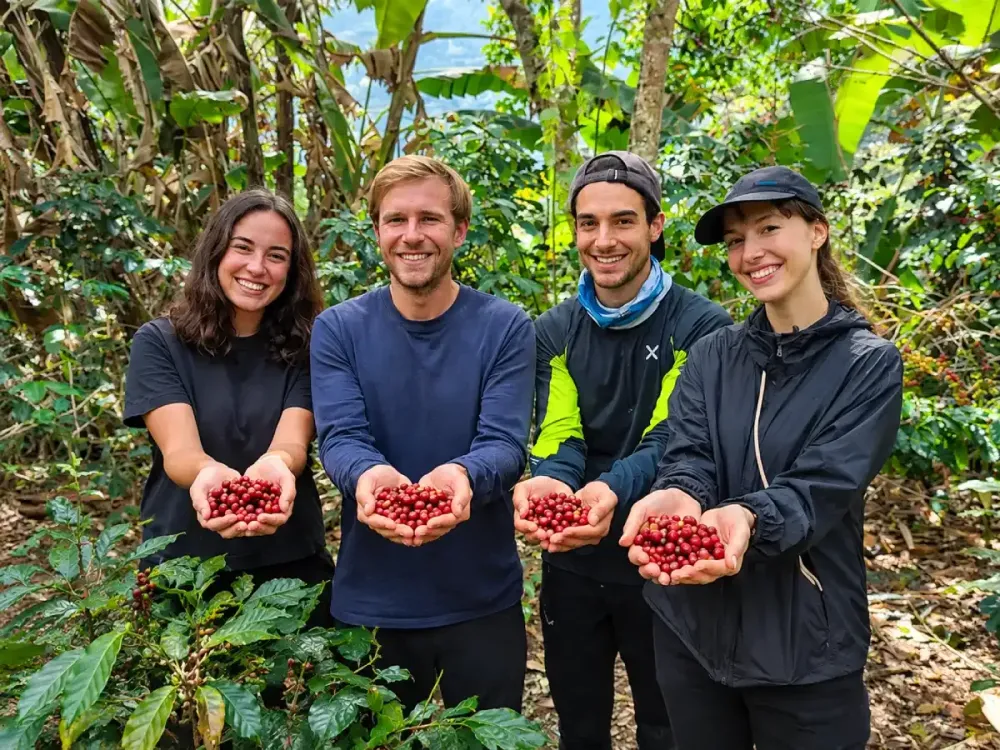
Salkantay Trek 4 days: what is the experience like?
The four-day version concentrates the main landscapes of the route into a more compact program.
The first day enters the Soraypampa area and allows travelers to include Humantay Lake. The second day crosses Salkantay Pass and then descends toward Chaullay or nearby areas of cloud forest.
The third day continues through warmer environments until connecting with Hidroeléctrica and Machu Picchu Pueblo. This means the route maintains an active pace almost until reaching the gateway to Machu Picchu.
It is especially practical for travelers who want a complete trekking experience but also need to reserve time for Cusco, the Sacred Valley, Lima, Arequipa or other destinations in Peru.
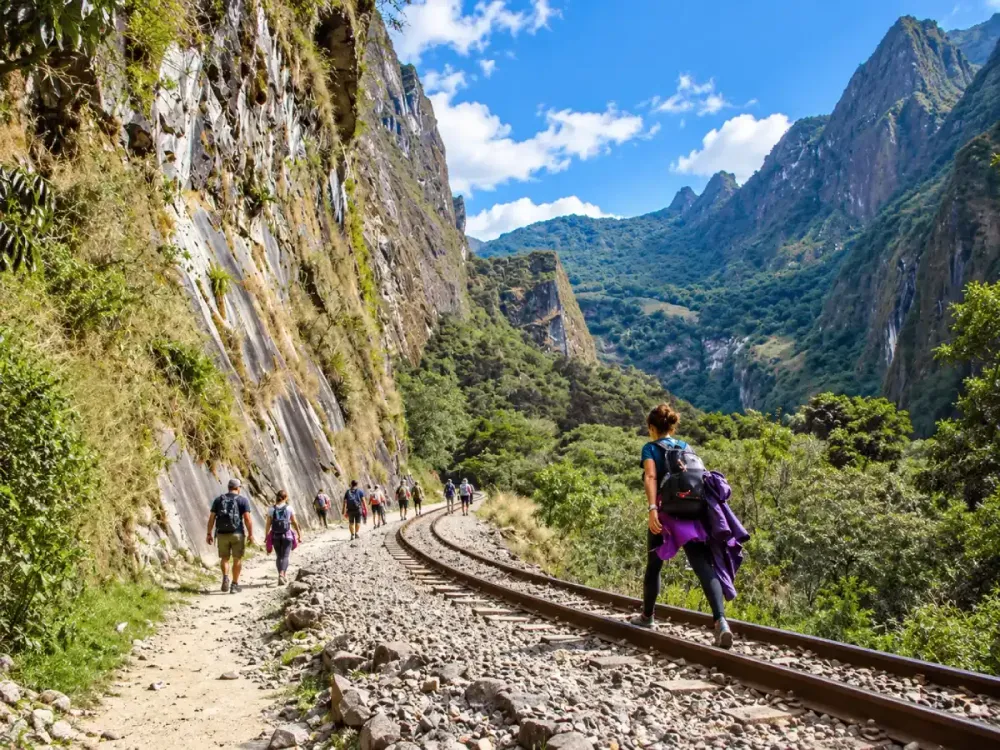
Salkantay Trek 5 days: what changes?
The five-day version keeps the major mountain highlights but develops the second half of the journey in greater depth.
After crossing Salkantay Pass, the route continues toward lower elevations and allows more time in Lucmabamba, where coffee plantations, fruit crops and landscapes very different from the first days begin to appear.
One of the major differences is Llactapata. This stage adds an extra hiking section before descending toward Hidroeléctrica and continuing to Machu Picchu Pueblo.
For travelers who see Salkantay as one of the main experiences of their trip, the extra day adds much more than another night. It genuinely expands the journey.
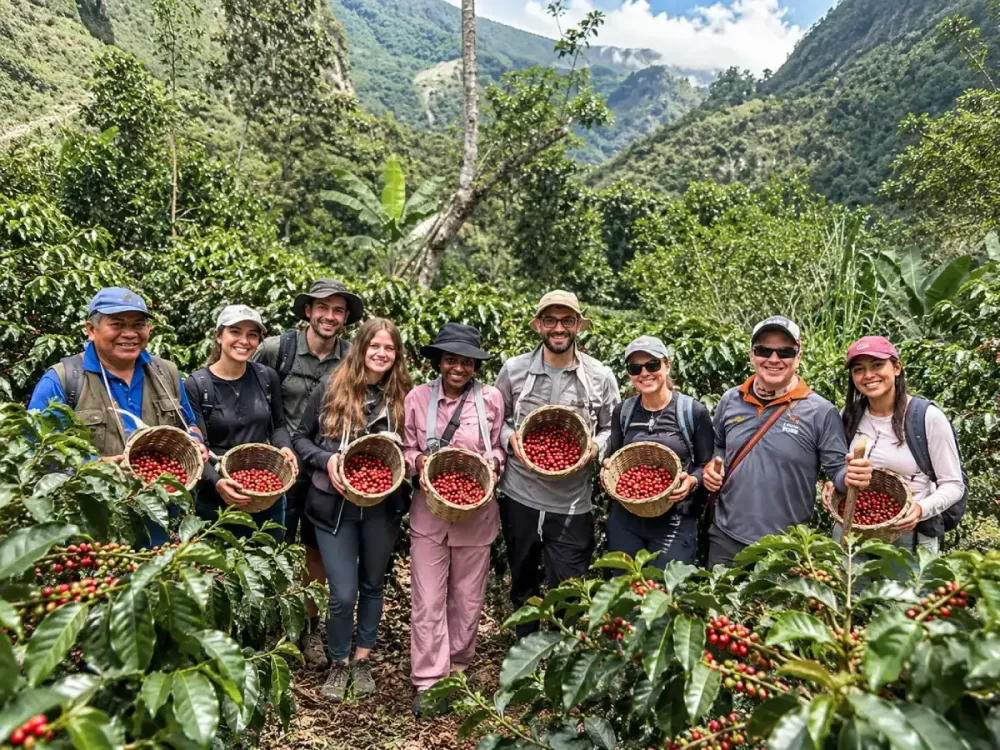
Which is harder, Salkantay 4 or 5 days?
There is no simple answer such as saying four days is difficult and five days is easy.
Both versions cross Salkantay Pass, so they share the main altitude challenge. The route climbs above 4,600 meters and requires proper acclimatization before starting.
The four-day version concentrates more distance and transitions into less time. The five-day version distributes some stages more gradually, but it also adds another full day of hiking and does not remove the demanding sections.
Difficulty therefore also depends on your endurance, pace and hiking experience. Our guide to Salkantay Trek difficulty explains this in greater detail.
Which route has the better pace?
If you prefer a more progressive journey, five days generally offers a more balanced pace.
That does not mean every day is short. The difference is that there is more room to enjoy the transition between high mountains, cloud forest, agricultural areas and the sectors close to Machu Picchu.
The four-day option prioritizes efficiency. It allows you to experience Salkantay’s main landscapes and reach Machu Picchu without adding another full day to your Peru itinerary.
There is no universal winner. Travelers with limited time may value the shorter version more, while those who want trekking to be a central part of the trip will probably enjoy the longer itinerary.
Do both routes cross Salkantay Pass?
Yes. Both the four and five-day routes cross Salkantay Pass.
This point rises above approximately 4,600 meters and represents the highest section of the trek. The climb, cold conditions and lower oxygen availability make it one of the most demanding stages.
Choosing five days does not remove this challenge. For both options, we recommend arriving in Cusco with enough time to adapt gradually to altitude.
You can read our guide to Salkantay Trek altitude if you want to prepare more carefully for this part of the journey.
Do both options include Humantay Lake?
On the current Dreamy Tours itineraries, both the four and five-day versions include the Humantay Lake area on the first day.
On the four-day route, the hike begins from Soraypampa and then returns toward the camping area before continuing toward Salkantay Pass the following day.
For that reason, Humantay is not the main difference between the two options. The real separation becomes more noticeable after crossing the high mountains and descending toward the cloud forest.
If Humantay Lake is one of your main reasons for choosing this route, you can experience it on either current itinerary without needing to select five days only for that visit.
Llactapata: one of the biggest differences
Llactapata is one of the features that most clearly distinguishes the five-day route from the four-day program.
The longer itinerary includes a hiking day from the Lucmabamba area toward Llactapata before descending to Hidroeléctrica. This adds several hours of trekking and provides a different perspective of the Machu Picchu environment.
It also adds an extra archaeological and scenic component before the final visit to the Inca citadel.
If you want a less compressed journey and prefer more intermediate stages before reaching Machu Picchu, Llactapata is one of the strongest reasons to choose five days.
Which option is better if I have limited time in Peru?
If you have only a few days available, the four-day Salkantay route is usually the more efficient option.
One additional day can make a significant difference when you also want to visit Cusco, the Sacred Valley, Machu Picchu and other destinations. The shorter version still includes Salkantay Pass, Humantay, changing ecosystems and the final visit to Machu Picchu.
However, you should still book in advance. Although Salkantay does not require an Inca Trail Network permit, both versions finish at Machu Picchu and depend on an official entrance ticket for a specific date, circuit, route and entry time.
Official sales are handled through TuBoleto Cultura. In 2026, Peru’s Ministry of Culture established a maximum capacity of up to 5,600 visitors per day on specific high-season dates, including the period from June 19 to November 2.
Which route should you choose if trekking is your priority?
If Salkantay is one of the main reasons for your trip to Peru, the five-day version gives the trek more space.
The extra day develops the transition into cloud forest more fully, includes Lucmabamba and Llactapata and prevents the second half of the journey from becoming focused only on reaching Machu Picchu as quickly as possible.
In both cases, the Machu Picchu ticket is separate from the trekking route and must correspond to the circuit available for your booked date. The identity document or passport used for the reservation must match the visitor’s information.
The Cusco Tourist Ticket does not replace that entrance. The full BTC for foreign visitors costs S/130 and partial tickets cost S/70, but its circuits cover attractions such as Saqsayhuaman, Pisac, Ollantaytambo, Chinchero and Moray, not Salkantay or Machu Picchu.
| Ticket or requirement | 4 days | 5 days | Key information |
|---|---|---|---|
| Inca Trail Network permit | No | No | Standard Salkantay does not use this permit |
| Machu Picchu | Yes | Yes | Nominative ticket by date, circuit, route and time |
| TuBoleto Cultura | Applies to Machu Picchu | Applies to Machu Picchu | Official Ministry of Culture platform |
| Full BTC foreign visitor | Not for Salkantay | Not for Salkantay | S/130, valid 10 days |
| Partial BTC | Not for Salkantay | Not for Salkantay | S/70 depending on circuit |
| Original ID | Yes for Machu Picchu | Yes for Machu Picchu | Must match the reservation |
Machu Picchu availability is therefore one of the first elements that should be confirmed before building the rest of the itinerary.
Which option lets you see more places?
The five-day version offers greater variety because it dedicates an additional day to areas that the shorter route either compresses or does not develop in the same way.
At Dreamy Tours, we include Lucmabamba and Llactapata as two important moments on the longer itinerary. This adds coffee-growing areas, tropical vegetation, rural paths and a different perspective of the Machu Picchu region.
Both versions retain the major high-mountain highlights such as Humantay and Salkantay Pass. The main difference appears once the route begins descending toward warmer environments.
If you want the trek to include more layers rather than only its most famous highlights, five days provides a more complete experience. If you prefer to concentrate on the essentials, four days keeps the main landmarks within a shorter program.
Which route offers more contact with local landscapes and communities?
The five-day version allows more time in lower-altitude areas, especially around Lucmabamba, where the scenery changes toward crops, cloud forest and rural environments associated with coffee and fruit production.
This creates a stronger contrast with the first days, which are dominated by Soraypampa, Humantay, snow-capped peaks and Salkantay Pass. The transformation of the landscape becomes a more gradual part of the experience.
The four-day route still shows this change in ecosystems, but its pace is more direct because it has to approach Machu Picchu within less time. For travelers prioritizing efficiency and working with a tighter Peru itinerary, it remains a very complete option.
At Dreamy Tours, we recommend four days if you want to concentrate on the main highlights and five days if you want to give more importance to the trekking itself, Llactapata and the lower valleys. For either option, prepare your equipment with our guide to what to pack for the Salkantay Trek and check the best time for the Salkantay Trek before choosing your dates.
Personal travel advice
Plan your trip with Dreamy Tours
Start a tailored journey with our exclusive tours and custom trips across Peru and other Latin American countries.