Search the blog
Tabla de contenidos
The Lares Trek is one of the most rewarding alternative treks in Cusco for travelers who want to combine Andean landscapes, local communities and a visit to Machu Picchu.
Unlike routes where archaeology or dramatic mountain scenery are the main focus, the Lares Trek is especially known for its cultural experience. The trail passes through rural Andean communities where farming, alpaca herding and traditional weaving remain part of everyday life.
For travelers looking for a quieter and more cultural alternative to the Inca Trail, the Lares Trek offers a very different way to experience the Peruvian Andes.

What is the Lares Trek?
The Lares Trek is a multi-day hiking route through the mountains and valleys of the Lares region, north of the Sacred Valley near Cusco.
There is no single fixed Lares Trek route. Different itineraries may use different trailheads, mountain passes and communities, but most share the same character: remote Andean scenery and close contact with local life.
Our Lares Trek to Machu Picchu 4 Days combines trekking through the Lares region with a connection through the Sacred Valley before continuing to Machu Picchu.

What can you see on the Lares Trek?
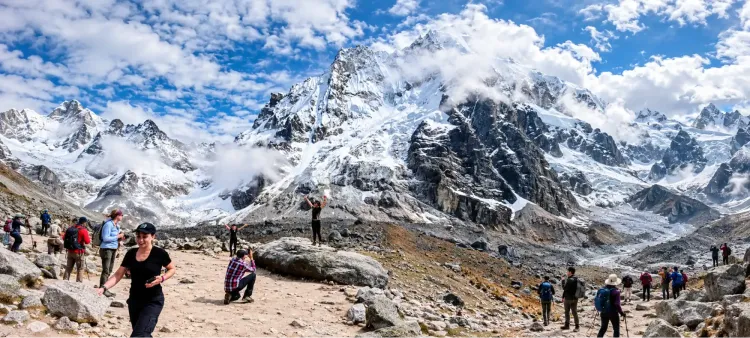
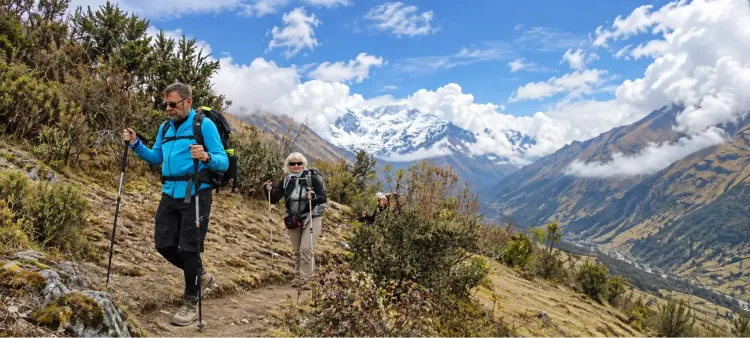
The Lares Trek passes through high Andean landscapes filled with mountains, lakes, grazing areas and small rural settlements.
Along the way, travelers may see alpacas and llamas, traditional farming areas and communities where weaving continues to play an important cultural and economic role.
Villages such as Huacahuasi, Patacancha, Willoq and Cuncani are associated with different variations of the Lares route.
If this cultural side of the journey interests you, read our guide to the communities of the Lares Trek.

How difficult is the Lares Trek?
The Lares Trek is generally considered moderate to challenging, depending on the itinerary.
The main difficulty is altitude rather than technical terrain. Some routes cross mountain passes above 4,000 meters, and travelers need to hike for several hours on consecutive days. Current English-language guides consistently identify altitude and acclimatization as major factors in the trek’s difficulty.
You do not need technical climbing experience, but good general fitness and proper acclimatization are important.
Before choosing the route, check our guide to Lares Trek difficulty for a closer look at the physical demands.

How high is the Lares Trek?
The exact altitude depends on the route.
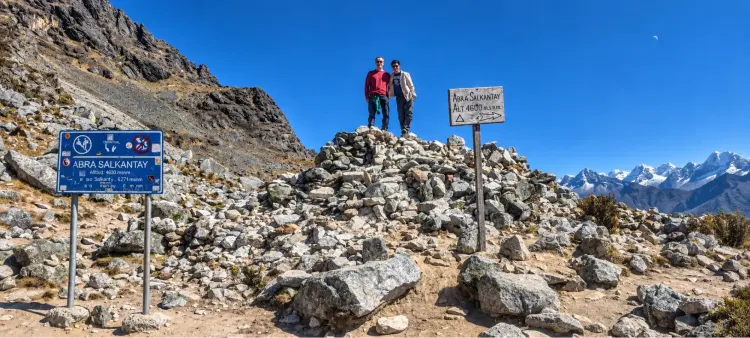
Cusco sits at approximately 3,400 meters above sea level, while several Lares Trek itineraries cross passes above 4,000 meters. Some variants reach considerably higher elevations, which makes acclimatization essential even for fit travelers.
Spending a few days in Cusco or the Sacred Valley before beginning the trek can help your body adjust gradually.
You can find more information in our guide to Lares Trek altitude and acclimatization.

When is the best time to hike the Lares Trek?
The drier months generally provide better conditions for hiking in the Lares region.
During the dry season, trails usually receive less rainfall and mountain views tend to be clearer. However, temperatures can become very cold at night, especially at higher camps.
During the rainy season, the landscapes are greener, but hikers should expect wetter trails, mud and more frequent rainfall.
For a detailed seasonal breakdown, read our guide to the best time to hike the Lares Trek.

Lares Trek and Andean communities
One of the biggest reasons travelers choose Lares is the opportunity to experience rural Andean culture along the route.
Instead of passing only through archaeological sites, hikers travel through areas where families continue farming, raising alpacas and producing traditional textiles.
This cultural connection gives the Lares Trek a different personality from Salkantay or the Classic Inca Trail.
At Dreamy Tours, we consider this interaction with the Andean landscape and its communities one of the most valuable parts of the experience.
Lares Trek vs Inca Trail
The Lares Trek and Inca Trail can both be combined with Machu Picchu, but they offer very different journeys.
The Classic Inca Trail is known for original Inca paths, archaeological sites and the famous approach to Machu Picchu through the Sun Gate.
Lares focuses more strongly on mountain communities, rural landscapes and Andean culture.
Another important difference is the arrival at Machu Picchu. The Lares Trek generally connects with the Sacred Valley and then continues by train toward Machu Picchu rather than entering the citadel directly on foot.
If you are deciding between both experiences, read our complete Lares Trek vs Inca Trail comparison.
Lares Trek vs Salkantay
Lares and Salkantay are also very different alternative treks in Cusco.
Salkantay is strongly focused on dramatic mountain scenery, the Salkantay Pass and the transition from the high Andes toward the cloud forest.
Lares places greater emphasis on rural communities and traditional Andean life.
Travelers looking for dramatic landscapes and a more physically demanding mountain experience may prefer Salkantay, while those interested in culture and local communities may prefer Lares.
Our Lares Trek vs Salkantay guide explains the differences in more detail.
What should you pack for the Lares Trek?
Because the route crosses high-altitude terrain, travelers should prepare for changing temperatures.
Useful items include comfortable hiking boots, warm layers, waterproof clothing, sun protection, gloves, a warm hat, a small daypack and a reusable water bottle.
Cold nights are possible at higher elevations even when daytime conditions are sunny.
Before preparing your backpack, check our guide on what to pack for the Lares Trek.
Is the Lares Trek worth it?
The Lares Trek is an excellent choice for travelers who want more than mountain scenery.
It combines trekking with Andean communities, traditional ways of life and beautiful landscapes before continuing toward Machu Picchu.
It is not intended to reproduce the experience of the Inca Trail or Salkantay. Its greatest strength is precisely that it offers another side of Cusco.
At Dreamy Tours, you can experience this journey on our Lares Trek to Machu Picchu 4 Days, combining Andean trekking, cultural encounters and Machu Picchu in the same trip.
Frequently asked questions about the Lares Trek
Where is the Lares Trek?
The Lares Trek is located in the mountains north of the Sacred Valley in the Cusco region of Peru. Different itineraries use different starting and finishing points within the Lares area.
How many days is the Lares Trek?
Several versions of the route exist. A common format combines several days of trekking with a final visit to Machu Picchu. Dreamy Tours offers the Lares Trek to Machu Picchu 4 Days.
Does the Lares Trek lead directly to Machu Picchu?
Not usually. Most Lares routes finish their hiking section in or near the Sacred Valley and then connect by transportation and train toward Machu Picchu.
How difficult is the Lares Trek?
The trek is generally moderate to challenging. The main difficulty comes from high altitude, mountain passes and several hours of hiking each day rather than technical climbing.
Is the Lares Trek a good alternative to the Inca Trail?
Yes. It is particularly suitable for travelers who want trekking, Andean communities and cultural experiences rather than a route mainly focused on Inca archaeological sites.
Do you need to acclimatize before the Lares Trek?
Yes. Because the trail reaches high elevations, spending a few days in Cusco or the Sacred Valley before the hike is strongly recommended.
Personal travel advice
Plan your trip with Dreamy Tours
Start a tailored journey with our exclusive tours and custom trips across Peru and other Latin American countries.