Search the blog
Tabla de contenidos
Cusco offers much more than the Inca Trail for travelers who want to explore the Andes on foot. Salkantay, Choquequirao, Ausangate, Lares and Inca Jungle allow you to discover snow-capped mountains, lagoons, cloud forests, Andean communities and archaeological sites through very different experiences.
Choosing among the best alternative treks in Cusco should not depend only on which route is the most famous. Altitude, difficulty, duration, scenery and the connection with Machu Picchu vary considerably from one trek to another.
At Dreamy Tours, we believe the best trek is the one that matches your fitness level, available time and the kind of experience you want to have. This guide will help you compare the main alternatives before making your choice.
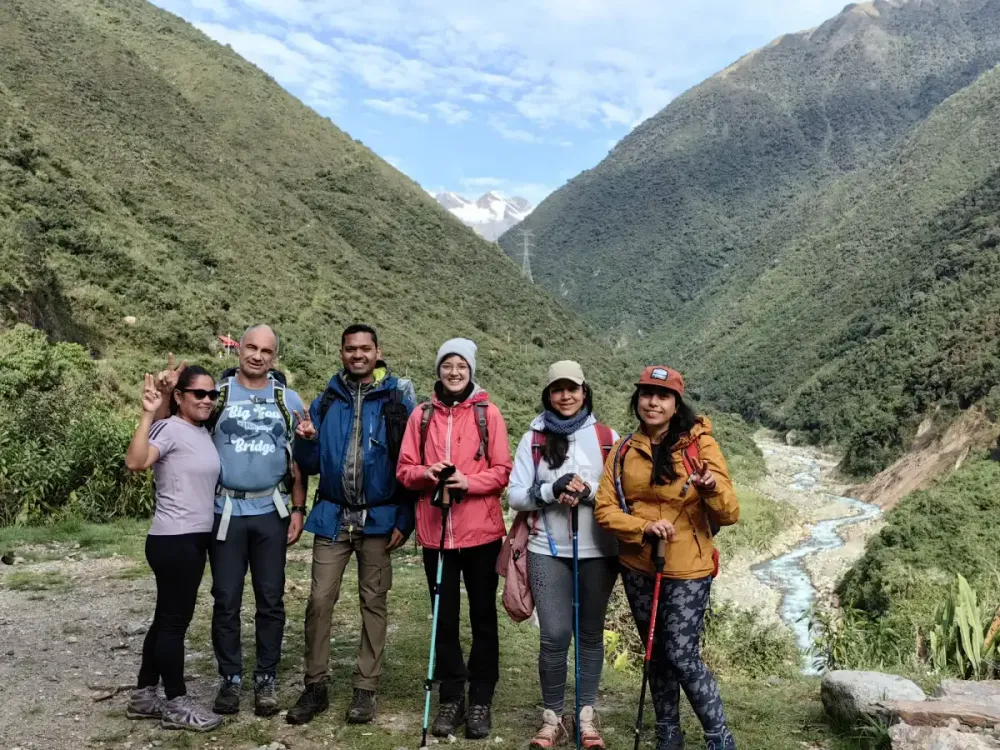
What are the alternative treks in Cusco?
Alternative treks are routes other than the classic Inca Trail that allow travelers to explore different areas of the Vilcabamba and Vilcanota mountain ranges, the Lares Valley and the high jungle of Cusco.
Not all of them have the same objective. Salkantay, Lares and Inca Jungle can be part of itineraries that end with a visit to Machu Picchu, while Ausangate focuses mainly on high-altitude mountain landscapes. Choquequirao can be visited as a destination in its own right or combined with Machu Picchu on longer routes.
This variety allows travelers to choose between high-mountain trekking, archaeology, Andean culture and adventure. If you are comparing routes for the first time, you can also read our alternatives to the Inca Trail.
Salkantay Trek: mountains, changing landscapes and Machu Picchu
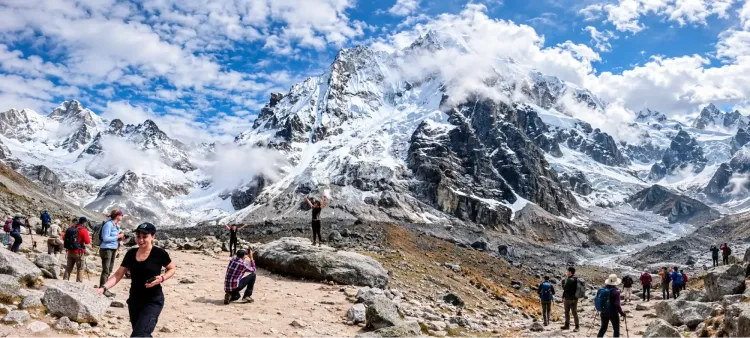
The Salkantay Trek is one of the best-known alternatives for combining trekking with Machu Picchu. The route crosses high-altitude landscapes around Salkantay Mountain before descending into cloud forest and progressively warmer valleys.
One of the main highlights is Salkantay Pass, which reaches approximately 4,600 meters above sea level. For this reason, acclimatization and adequate physical preparation are especially important. Our Salkantay Trek Guide explains the route, climate and preparation in greater detail.
At Dreamy Tours, you can choose the Salkantay Trek to Machu Picchu 4 Days or a more extensive five-day experience that includes areas such as Lucmabamba and Llactapata.
If you are unsure which duration is right for you, our comparison of the Salkantay Trek 4 or 5 Days explains how the pace changes and what the additional day actually adds to the journey.
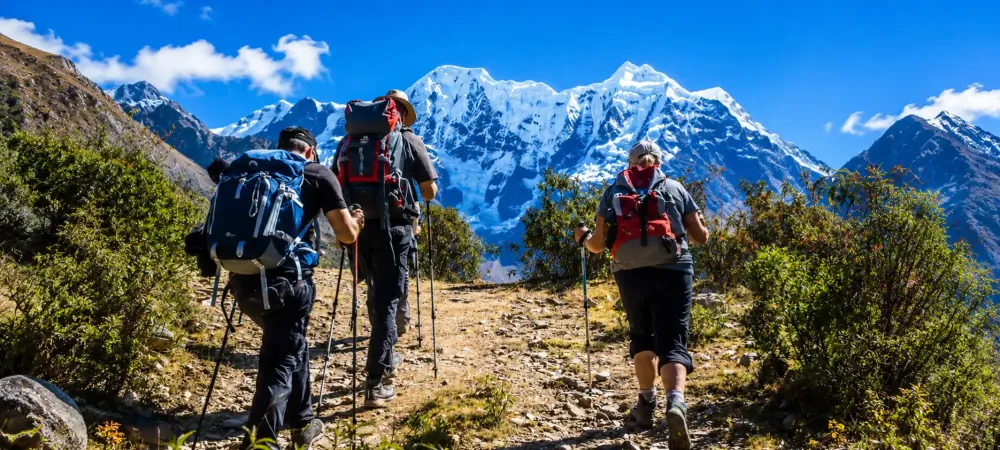
Choquequirao Trek: archaeology and a more demanding challenge
Choquequirao offers a different type of experience. Here, the archaeological complex itself is one of the main objectives of the journey, and reaching it requires major descents and climbs through the Apurímac Canyon.
The difficulty does not come from extreme altitude comparable to Ausangate, but from the significant elevation changes and long hiking days. For this reason, it is generally better suited to travelers with good endurance and experience with extended hikes.
Our Choquequirao Trek 4 Days focuses the adventure around the archaeological complex, while the Choquequirao and Machu Picchu Trek 6 Days allows travelers to combine both destinations. You can also read our Choquequirao Trek Guide.
In 2026, access through the Capuliyoc-Cachora route was temporarily suspended due to safety conditions during the rainy season and was officially reopened from April 15. The Cusco Directorate of Culture currently indicates visiting hours from 7:00 a.m. to 4:00 p.m., so checking the current condition of the route before traveling is important, especially during the rainy months.
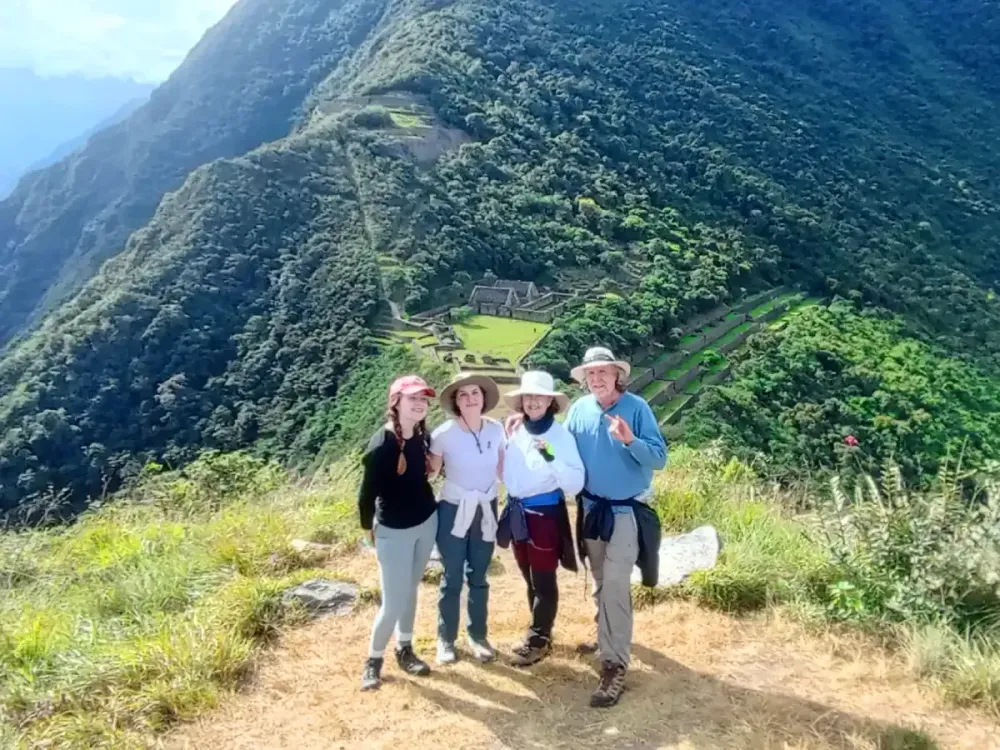
Ausangate Trek: high mountains for well-acclimatized travelers
Ausangate is one of the most intense trekking experiences in Cusco. Unlike Salkantay, Lares or Inca Jungle, its main purpose is not to reach Machu Picchu, but to spend several days exploring the Vilcanota mountain range.
The route crosses lagoons, glaciers, high mountain passes, open grasslands and areas connected with communities traditionally dedicated to raising alpacas and llamas. Some itineraries reach elevations above 5,000 meters, making proper acclimatization essential.
Our Ausangate Trek Guide provides more information about its difficulty, altitude and recommended travel season. Dreamy Tours also operates different multi-day options for travelers who want to adapt the experience to their available time.
Ausangate is particularly suitable for travelers who prioritize nature, photography and high-altitude mountain scenery over reaching Machu Picchu.
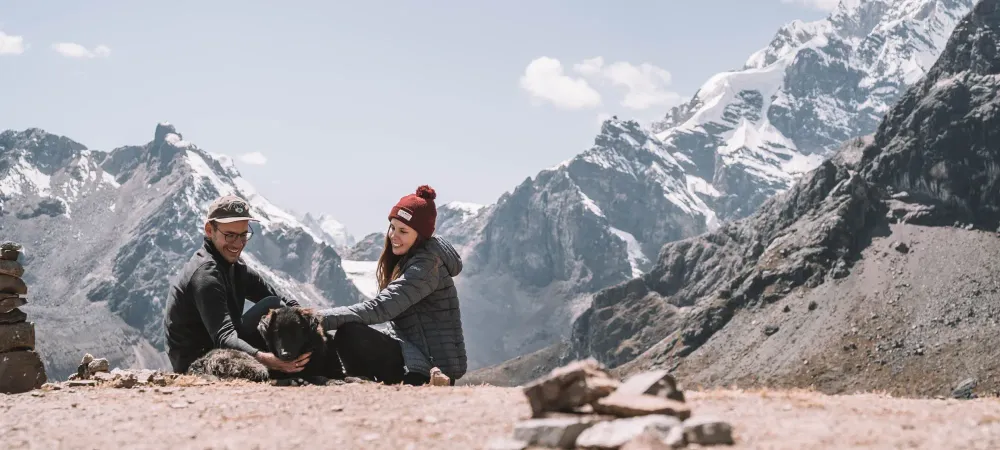
Lares Trek: Andean communities and a cultural experience
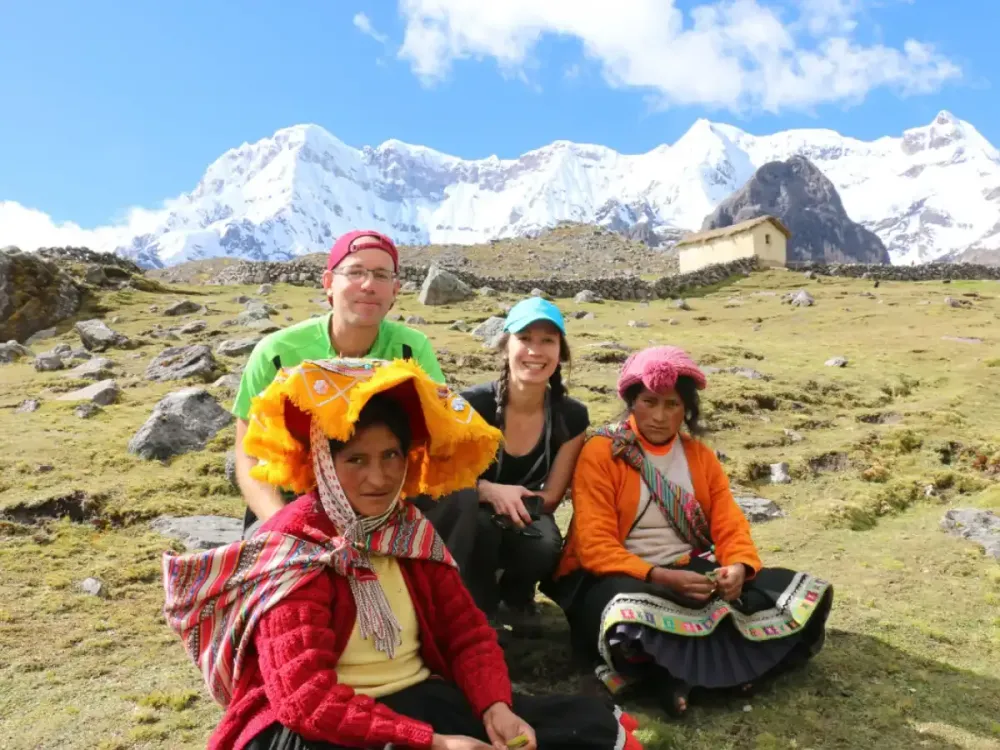
The Lares Trek combines mountain scenery with a much stronger cultural component. There is no single Lares route, as starting points, mountain passes and communities may vary depending on the itinerary.
On our route, the experience crosses rural landscapes and areas where agriculture, livestock farming and traditional textile production continue to form part of everyday life. The altitude can approach 4,400 meters, so arriving properly acclimatized remains important.
The Lares Trek to Machu Picchu 4 Days combines several days of hiking with a later connection through Ollantaytambo and onward to Machu Picchu.
If your priority is a trek with closer contact with communities and rural landscapes, you can also read our Lares Trek Guide.
Inca Jungle: biking, trekking and adventure to Machu Picchu
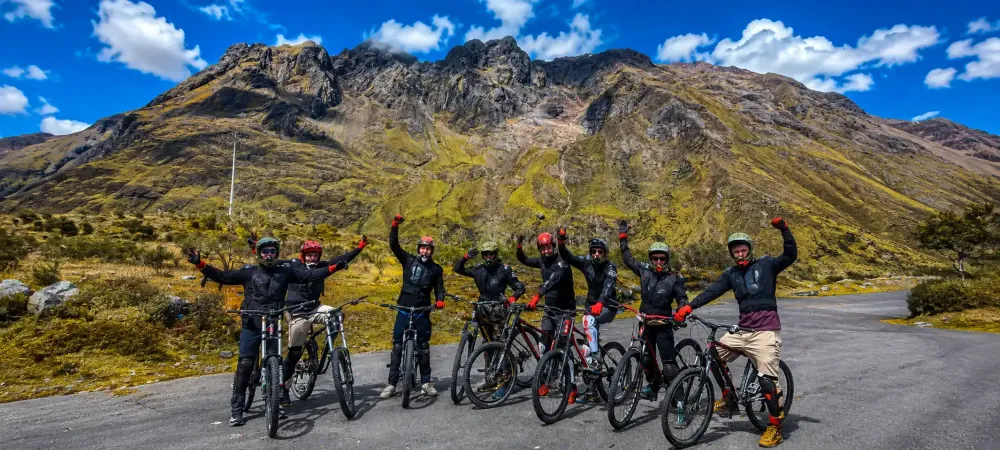
Inca Jungle moves away from the traditional format of a pure trekking route. The experience combines mountain biking, hiking and a descent from high-Andean environments into the high jungle.
One of its characteristic stages begins at Abra Málaga, at approximately 4,350 meters above sea level, from where the route descends by bicycle toward significantly warmer areas. The itinerary later continues through Santa María, Santa Teresa, Hidroeléctrica and Machu Picchu Pueblo.
The Inca Jungle to Machu Picchu 4 Days is particularly suitable for travelers who prefer to combine several types of activities instead of hiking throughout the entire journey.
Our Inca Jungle Trek Guide explains the cycling sections, difficulty, climate and transition between mountains and jungle in greater detail.
Comparison of the best alternative treks in Cusco
Before choosing a trek, it is useful to compare the main differences side by side. The difficulty levels shown below are approximate because they depend on the specific itinerary, weather conditions, acclimatization and each traveler's fitness level.
| Trek | Approximate key altitude | Difficulty | Main experience | Can it be combined with Machu Picchu? |
|---|---|---|---|---|
| Salkantay | Salkantay Pass ≈ 4,600 m | Moderate to challenging | Snow-capped mountains, high Andes and cloud forest | Yes |
| Choquequirao | ≈ 1,500–3,650 m depending on the section | Challenging | Archaeology and major elevation changes | Yes, on longer itineraries |
| Ausangate | Up to ≈ 5,200 m depending on the itinerary | High | Glaciers, lagoons and high mountains | Not on the traditional route |
| Lares | Up to ≈ 4,400 m | Moderate | Andean communities and culture | Yes |
| Inca Jungle | Abra Málaga ≈ 4,350 m | Moderate | Cycling, trekking and high jungle | Yes |
These elevations are based on reference points from the current itineraries and may vary depending on the exact route. Ausangate requires the greatest attention to altitude, while Choquequirao is particularly demanding because of its accumulated elevation changes.
Which is the best trek in Cusco for your travel style?
There is no single route that can be considered the best for every traveler. If you are looking for a strong combination of mountains and Machu Picchu, Salkantay is usually one of the most complete alternatives.
Choquequirao is better suited to travelers who enjoy archaeology and are prepared for a physically demanding hike. Ausangate is designed for well-acclimatized travelers seeking high-altitude landscapes and more remote environments.
Lares has a stronger cultural component, while Inca Jungle offers a more dynamic experience because it combines cycling, hiking and high-jungle environments.
If this will be your first major trek, do not choose based only on photographs. Consider elevation changes, maximum altitude, number of days and the time required for acclimatization. That small dose of reality can prevent a beautiful mountain from turning into a long negotiation with your legs.
What is the best time for trekking in Cusco?
For most trekking routes, the drier months between May and September generally offer more stable conditions. This usually means a lower probability of prolonged rainfall and, in many cases, better trail conditions.
April and October can also be good transitional months, with fewer travelers and greener landscapes, although the probability of rain is higher.
The rainy season is concentrated mainly between November and March. On routes such as Choquequirao, intense rainfall can affect access and safety, as happened with the temporary closure in 2026.
Each trek has its own particular conditions. If Salkantay is one of your options, you can read our guide to the best time to hike the Salkantay Trek.
Permits, tickets, Machu Picchu and the Cusco Tourist Ticket
It is important to separate these concepts because they are often confused. Salkantay, Ausangate, Lares and Inca Jungle, in their standard versions, do not use the Inca Trail permit system required for the classic Inca Trail. However, this does not mean that every part of the journey has unrestricted access.
If your trek ends at Machu Picchu, you need a nominative entrance ticket for the selected route, date and entry time. The official sales platform is TuBoleto from the Ministry of Culture. To purchase a ticket, travelers are required to provide an identity document, passport or foreign resident card, together with an email address.
Choquequirao has its own entrance ticket. The official tariff published by Peru's Ministry of Culture establishes a general admission price of S/60, S/30 for students and S/25 for minors. Travelers must also present the ticket and the document that proves eligibility for the corresponding reduced category.
| Access | Official reference price / requirement | Where is it managed? |
|---|---|---|
| Machu Picchu, standard routes | General S/152; student S/77; minor S/70 | TuBoleto |
| Machu Picchu, Waynapicchu / Great Cavern | General S/200; student S/125; minor S/118 | TuBoleto |
| Choquequirao | General S/60; student S/30; minor S/25 | Official park access / Ministry of Culture |
| Full Cusco Tourist Ticket | Foreign visitor S/130; student S/70; valid for 10 days | COSITUC |
| Partial Tourist Ticket I, II or III | S/70 each | COSITUC |
The general Machu Picchu rates and their corresponding categories are established in the official service tariff. The electronic ticketing platform displays the applicable price after the traveler selects the circuit, route, date and nationality or residency category.
The Cusco Tourist Ticket, or BTC is a different product. It does not replace the Machu Picchu entrance ticket or the Choquequirao ticket, nor does it work as a permit for Salkantay, Lares, Ausangate or Inca Jungle.
The BTC provides access to specific attractions in Cusco and the Sacred Valley. For example, Circuit III includes Pisac, Ollantaytambo, Chinchero and Moray. Therefore, you only need this ticket if your itinerary actually includes visits to those sites, not simply because your trek passes through the surrounding region.
For Machu Picchu in 2026, differentiated visitor capacities were also established, with up to 5,600 visitors per day on specific high-season dates. Official ticket sales continue through TuBoleto, so if your trek ends at Machu Picchu, entrance availability should be checked before confirming your travel dates.
How to prepare for a trek in Cusco
Preparation begins before you start walking. If you are arriving from a city near sea level, allow enough time to acclimatize in Cusco, especially before Salkantay, Lares or Ausangate.
For demanding routes, training with long walks, elevation gain, stairs and cardiovascular exercise can be helpful. Descents matter too. Choquequirao, for example, can place considerable strain on the legs and knees because of its repeated changes in elevation.
Your equipment should prioritize tested hiking footwear, a layering system, waterproof jacket, sun protection, hydration and a lightweight daypack. For Salkantay, we have prepared a specific guide on what to pack for the Salkantay Trek.
At Dreamy Tours, we recommend choosing your trek based on your actual preparation rather than only on the number of days. Four days on a route with major elevation changes can be considerably more demanding than five days where the physical effort is distributed differently.
Frequently asked questions about alternative treks in Cusco
What are the best alternative treks in Cusco?
Salkantay, Choquequirao, Ausangate, Lares and Inca Jungle are among the main multi-day trekking routes in Cusco. Each offers different landscapes, difficulty levels and travel experiences.
What is the best alternative to the Inca Trail?
Salkantay is one of the most popular alternatives to the Inca Trail for travelers who want to combine trekking with Machu Picchu. Lares and Inca Jungle also offer different ways to reach Machu Picchu.
Do all alternative treks lead to Machu Picchu?
No. Salkantay, Lares and Inca Jungle can be combined with Machu Picchu. Ausangate focuses mainly on high-mountain trekking, while Choquequirao can be visited independently or combined with Machu Picchu.
Which trek in Cusco is the most difficult?
Choquequirao is known for significant elevation changes, while Ausangate requires good acclimatization because of its high altitude. Salkantay also requires good physical preparation for several days of hiking.
Do I need previous trekking experience?
Not every route requires previous trekking experience, but choosing a route that matches your fitness level and spending enough time acclimatizing in Cusco are important before starting a multi-day hike.
Personal travel advice
Plan your trip with Dreamy Tours
Start a tailored journey with our exclusive tours and custom trips across Peru and other Latin American countries.