Search the blog
Tabla de contenidos
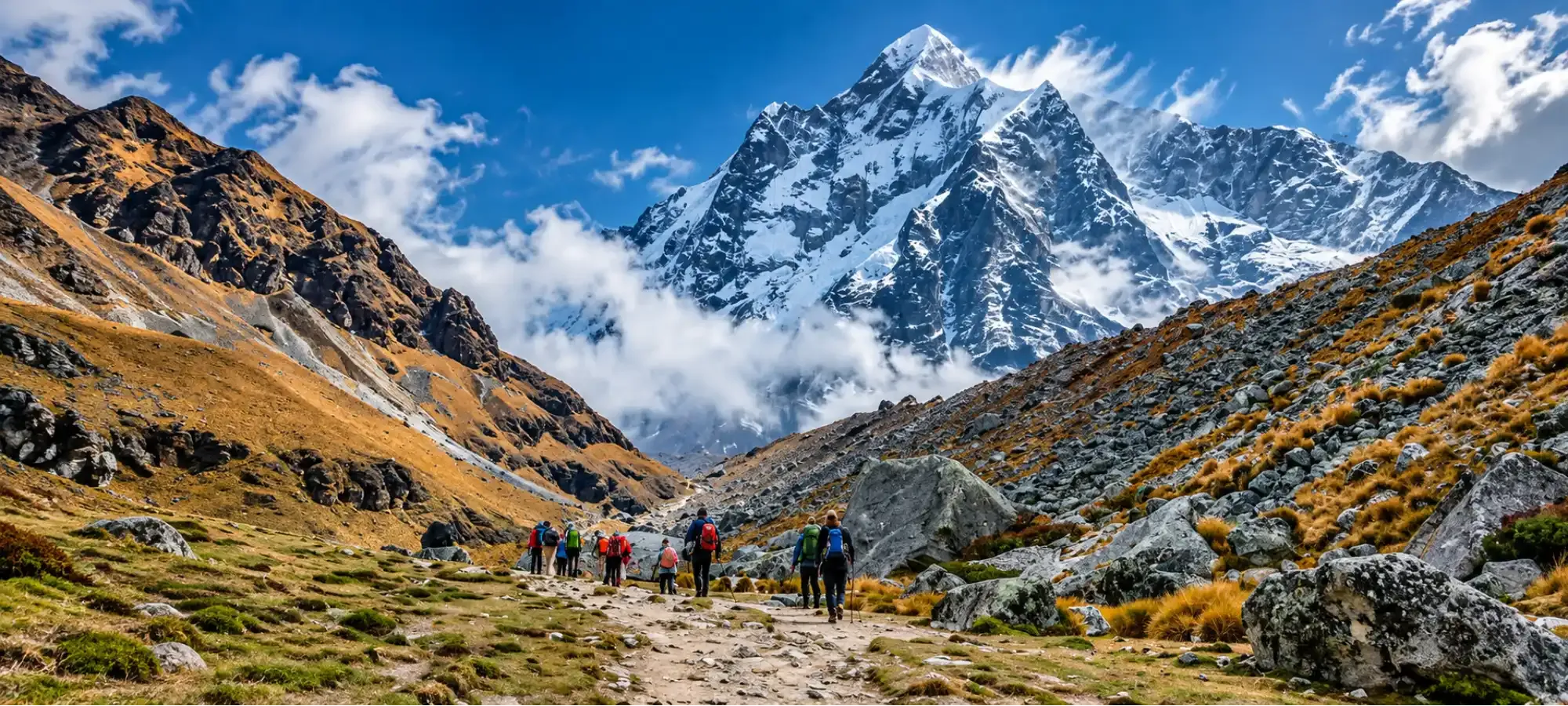
The Salkantay Trek is one of the most spectacular multi-day hikes in Peru, but one question appears again and again before travelers book it: how difficult is the Salkantay Trek?
The short answer is that the Salkantay Trek is generally considered moderate to challenging.
You do not need climbing skills or technical mountaineering experience, but you should be prepared for long hiking days, significant elevation changes and several consecutive days of physical activity.
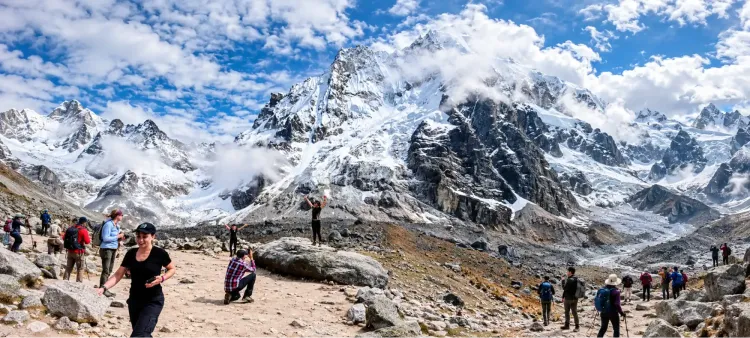
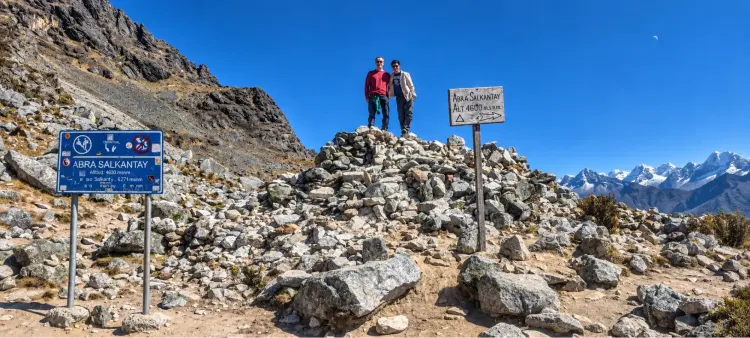
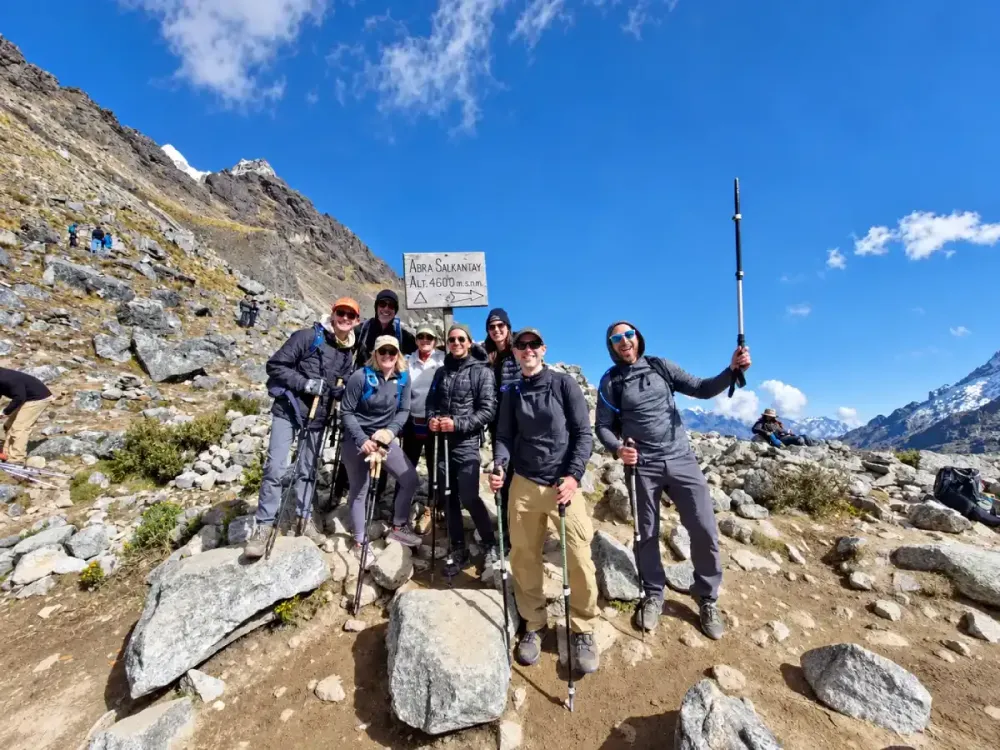
For most travelers, altitude is what makes the Salkantay Trek harder than an ordinary hike. The route reaches approximately 4,600 meters at Salkantay Pass, where the thinner air can slow down even hikers who are normally very fit.
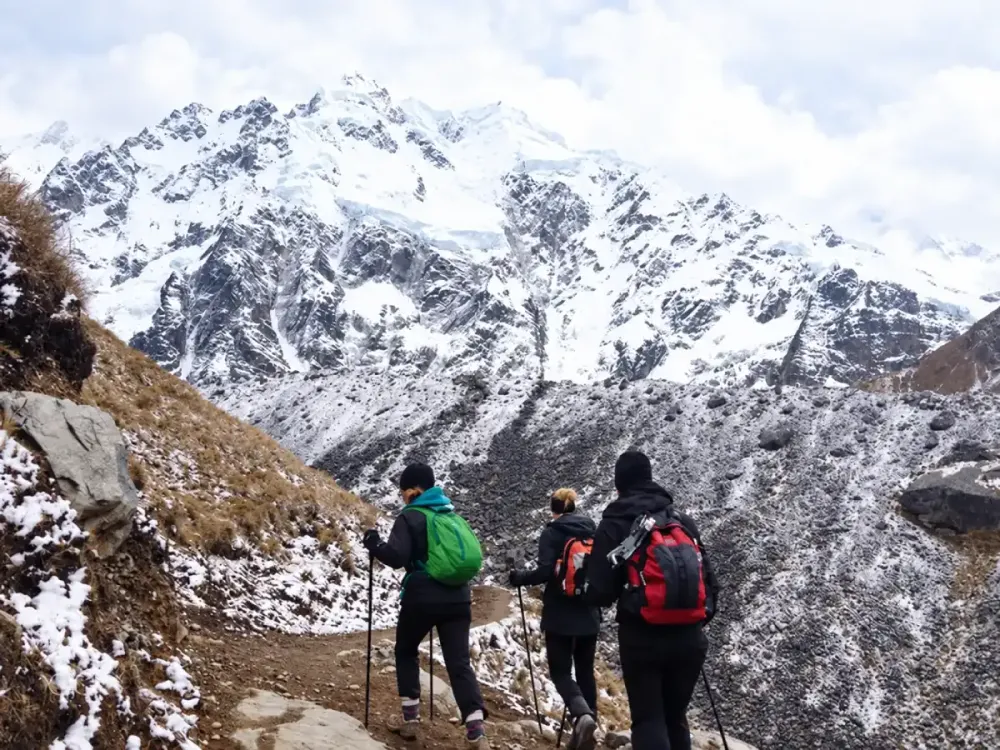
How hard is the Salkantay Trek?
The Salkantay Trek is physically demanding, but achievable for travelers with reasonable fitness and proper preparation.
It is not a technical trek. There are no ropes, climbing sections or mountaineering skills required on the standard route.
The challenge comes from combining:
- Long hiking days.
- Steep ascents and descents.
- High altitude.
- Changing weather.
- Several days of walking in a row.
- Uneven mountain terrain.
The experience can feel considerably harder if you arrive in Cusco and begin hiking without enough time to acclimatize.
If you are still learning about the overall route, our Salkantay Trek Guide explains the itinerary, landscapes, altitude and main trekking options.
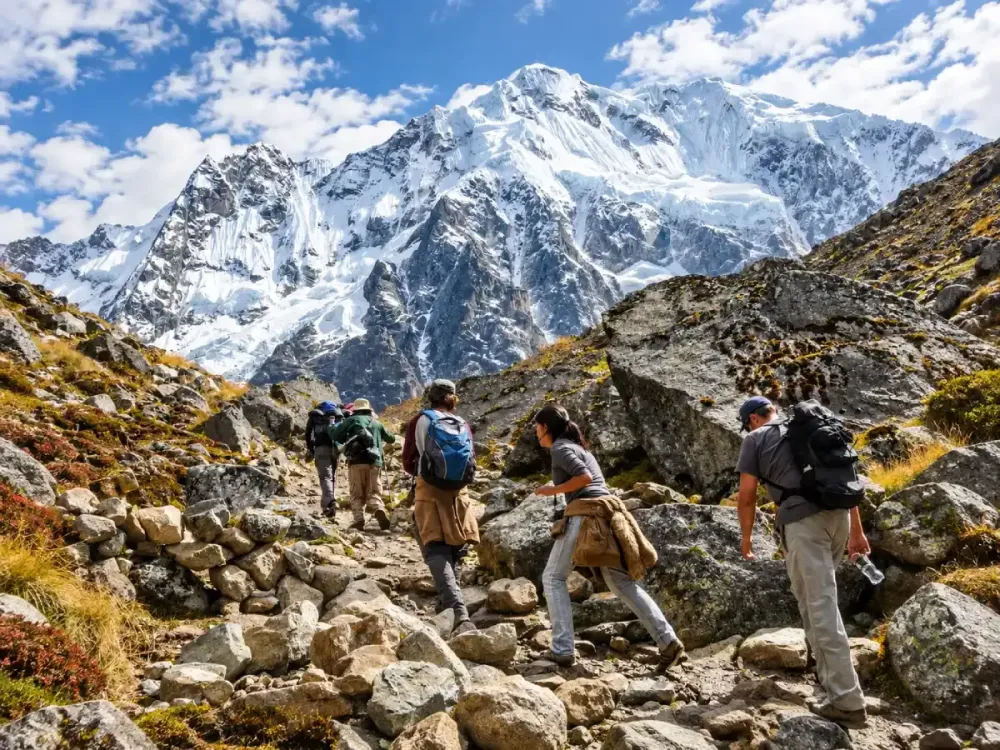
What is the difficulty level of the Salkantay Trek?
A useful way to describe the Salkantay Trek difficulty level is moderate to challenging.
That does not mean every section is equally difficult.
Some parts are relatively comfortable, while others require sustained climbing at high altitude. The route also changes considerably as you move from the high Andes toward warmer valleys and cloud forest.
Your personal experience will depend on several factors:
- Your fitness level.
- How well you acclimatize.
- Your hiking experience.
- Your walking pace.
- Weather conditions.
- The number of days in your itinerary.
- The weight you carry.
For this reason, difficulty ratings should be treated as a general guide rather than an exact prediction.
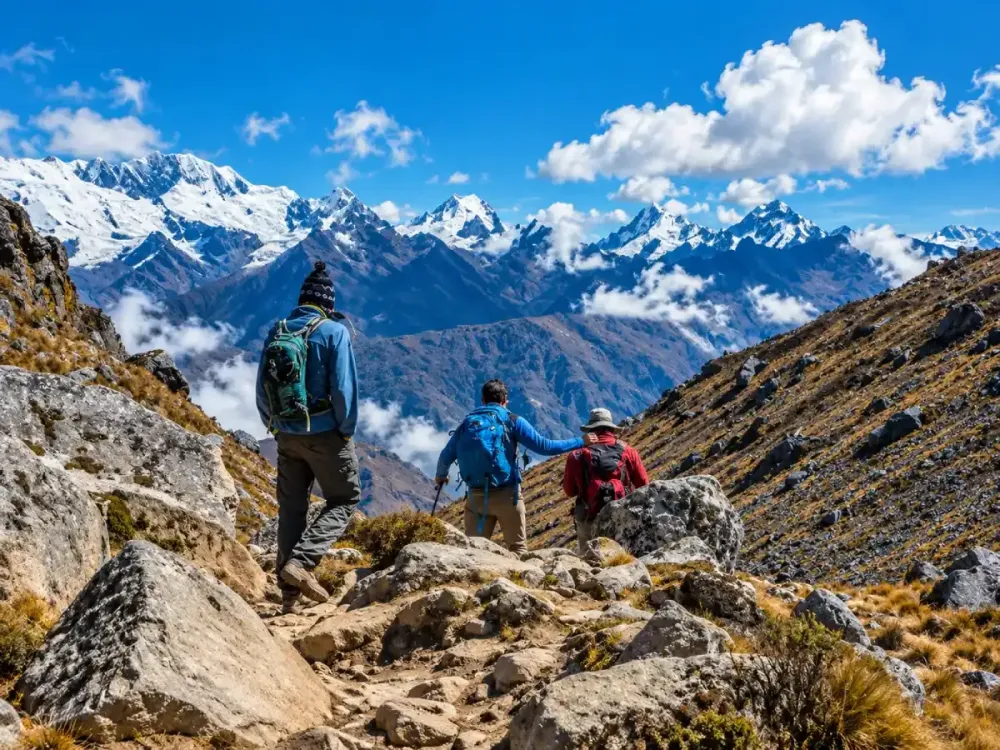
What is the hardest day of the Salkantay Trek?
The day that crosses Salkantay Pass is generally considered the hardest part of the trek.
The pass reaches approximately 4,600 meters above sea level, making altitude one of the biggest challenges of the day.
As hikers climb higher, breathing becomes more difficult and walking speed naturally decreases.
Even people who regularly exercise may notice that their normal pace feels very different at this elevation.
The goal is not to reach the pass quickly.
Walking slowly, maintaining a steady rhythm and allowing your body to adapt usually makes the experience much more manageable.
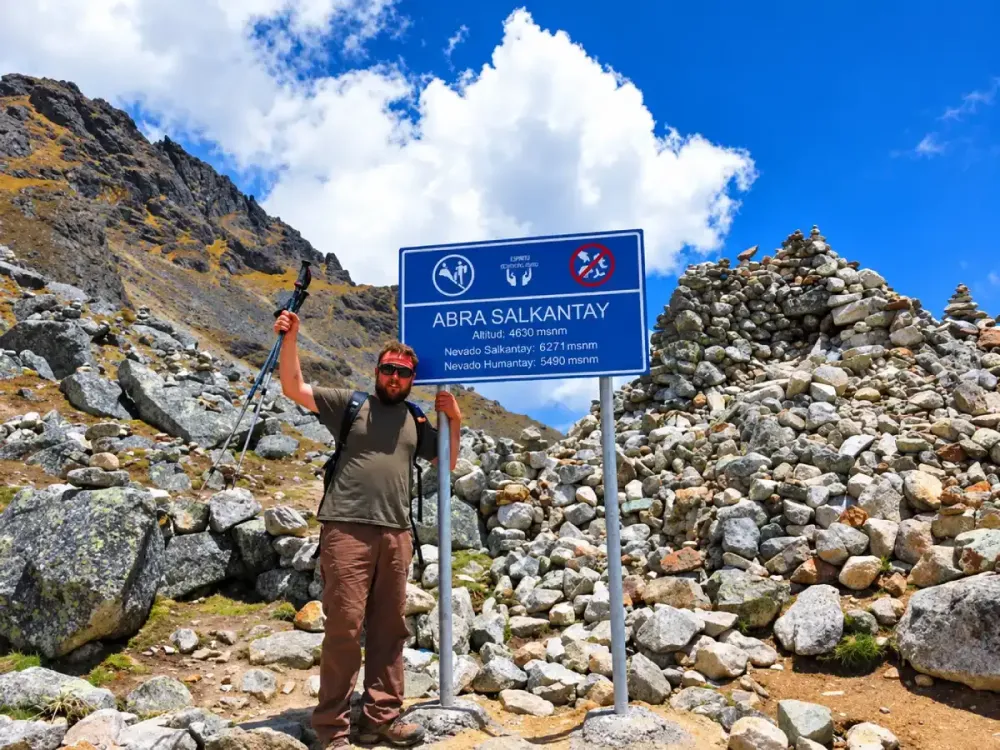
Does altitude make the Salkantay Trek difficult?
Yes. Altitude is one of the most important factors affecting Salkantay Trek difficulty.
Cusco is already located at approximately 3,400 meters, while Salkantay Pass rises to around 4,600 meters.
At higher elevations, there is less oxygen available.
This means you may breathe faster, tire more quickly and need additional breaks even if you have excellent cardiovascular fitness.
Fitness and acclimatization are not the same thing.
A strong runner arriving directly from sea level may struggle more than a moderately fit traveler who has already spent several days adjusting to Cusco.
For a deeper explanation, read our guide to Salkantay Trek altitude and acclimatization.
How fit do you need to be for the Salkantay Trek?
You do not need elite fitness.
However, you should be comfortable walking for several hours and repeating that effort over consecutive days.
A good starting point is being able to complete long hikes without extreme fatigue.
Before traveling to Peru, useful preparation includes:
- Long walks or hikes.
- Hill training.
- Stair climbing.
- Cardiovascular exercise.
- Leg strengthening.
- Walking with a light backpack.
- Training on uneven terrain whenever possible.
Consistency matters more than trying to become extremely fit in the final week before your trip.
Our Salkantay Trek training and preparation guide will cover a more detailed training plan.
Can beginners do the Salkantay Trek?
Yes. Many travelers complete Salkantay as their first multi-day trek.
Being a beginner does not automatically make the route unsuitable.
The more important questions are whether you have prepared physically, allowed enough time to acclimatize and understand what several days of hiking actually involve.
A reasonably active beginner can often complete the trek successfully with proper preparation.
A completely sedentary traveler who arrives in Cusco and starts the trek immediately may find the experience considerably harder.
Do you need hiking experience for the Salkantay Trek?
Previous trekking experience is helpful, but it is not mandatory.
You do not need technical mountain skills.
However, having completed long day hikes before traveling can make a major difference.
Previous hiking experience teaches you how your body responds to:
- Long climbs.
- Downhill walking.
- Blisters.
- Changing weather.
- Carrying a daypack.
- Fatigue after several hours on the trail.
Even a few training hikes before your trip can make Salkantay feel much more familiar.
How many hours do you hike each day on the Salkantay Trek?
Daily hiking time depends on the itinerary, pace and route variation.
Travelers should generally expect several hours of walking each day, with some days considerably more demanding than others.
The hardest sections are not necessarily the longest in distance.
Walking uphill at 4,000 meters is very different from walking the same number of kilometers at low altitude.
This is why distance alone does not accurately describe Salkantay Trek difficulty.
Our upcoming guide to Salkantay Trek distance and daily hiking times will explain this in greater detail.
Is the Salkantay Trek 4 days or 5 days harder?
Both versions include challenging mountain terrain, but the effort is distributed differently.
The Salkantay Trek to Machu Picchu 4 Days compresses the experience into a shorter itinerary, which may feel more intensive for some travelers.
The Salkantay Trek and Llactapata 5 Days provides additional time on the route and may allow a more progressive pace depending on the itinerary.
That does not automatically make the five-day route easy.
You still need to deal with altitude, mountain terrain and several consecutive days of walking.
Our comparison Salkantay Trek 4 or 5 days will help you choose according to your available time and preferred pace.
Is Salkantay harder than the Inca Trail?
Both treks are physically demanding, but the challenges are different.
The Salkantay Trek reaches a higher elevation, with Salkantay Pass at approximately 4,600 meters.
The Classic Inca Trail reaches approximately 4,200 meters at Dead Woman’s Pass and includes many stone staircases, repeated climbs and long descents.
So it is not simply a question of one being universally harder.
Salkantay presents a greater altitude challenge, while the Inca Trail has its own demanding terrain and stair sections.
Read our full Inca Trail vs Salkantay Trek comparison if you are deciding between them.
Are the downhill sections difficult?
They can be.
Many hikers focus so much on reaching Salkantay Pass that they underestimate the descents.
Long downhill sections place repeated pressure on the knees and leg muscles.
For some travelers, descending for several hours is more uncomfortable than climbing.
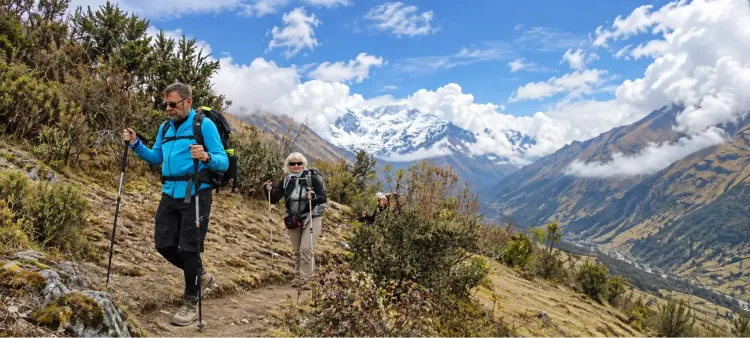
Trekking poles can help with balance and reduce some of the impact on steep or uneven terrain.
Training your legs for downhill movement before the trip can also make a noticeable difference.
Does weather affect Salkantay Trek difficulty?
Yes.
Weather conditions can make the same trail feel completely different.
Cold temperatures, wind and rain can increase physical fatigue in the high mountains.
Wet trails may also become muddy or slippery.
Because Salkantay passes through several ecological zones, weather conditions can change considerably during the trek.
Before choosing your dates, read our guide to the best time to hike the Salkantay Trek.
How should you prepare for the Salkantay Trek?
Preparation does not need to be complicated.
Start several weeks before traveling and focus on building endurance rather than short bursts of intense exercise.
Try to include:
- Regular walking.
- Longer weekend hikes.
- Uphill training.
- Stair workouts.
- Leg and core strengthening.
- Cardiovascular exercise.
- Walking with the backpack you plan to use.
Your hiking shoes should also be fully broken in before arriving in Peru.
A multi-day trek is a terrible place for brand-new boots to introduce themselves.
How many days should you acclimatize before Salkantay?
There is no single number that guarantees perfect acclimatization because every traveler responds differently to altitude.
However, arriving in Cusco before the trek and allowing your body time to adjust is much better than starting immediately after flying in from sea level.
Use your first days for lighter activities and pay attention to how your body responds.
If you develop significant altitude-related symptoms, speak with your guide or a medical professional rather than attempting to push through them.
How can you make the Salkantay Trek easier?
Several small decisions can make a major difference:
- Acclimatize before starting.
- Walk at your own pace.
- Stay hydrated.
- Eat properly during the trek.
- Use tested hiking shoes.
- Carry only what you need during the day.
- Use trekking poles if they help you.
- Dress in layers.
- Rest properly each night.
- Tell your guide if you feel unwell.
- Most importantly, avoid comparing your pace with other hikers.
- At altitude, slower is often smarter.
So, is the Salkantay Trek really difficult?
The Salkantay Trek is challenging enough to require preparation, but it is not reserved for expert hikers.
For a reasonably active traveler who acclimatizes properly and arrives prepared for several days of walking, it is an achievable multi-day trek.
The combination of altitude, long hiking days and changing terrain creates the challenge.
At Dreamy Tours, travelers can choose between the Salkantay Trek to Machu Picchu 4 Days and Salkantay Trek and Llactapata 5 Days, depending on their schedule and preferred pace.
Frequently asked questions about Salkantay Trek difficulty
Is the Salkantay Trek hard for beginners?
It can be challenging, but active beginners can complete the trek with appropriate training and acclimatization.
What is the hardest part of the Salkantay Trek?
The climb toward Salkantay Pass is generally considered the hardest section because of the combination of sustained ascent and high altitude.
What fitness level is required for the Salkantay Trek?
A reasonable level of cardiovascular fitness and leg endurance is recommended. Technical climbing ability is not required.
Is Salkantay Trek harder because of altitude?
Altitude is one of the main factors. The route reaches approximately 4,600 meters at Salkantay Pass, where reduced oxygen can make physical activity noticeably harder.
Do I need to train for the Salkantay Trek?
Training is strongly recommended. Regular hiking, cardiovascular exercise and leg strengthening can make the trek considerably more manageable.
Can an average person do the Salkantay Trek?
Yes, provided they are generally active, prepare in advance and acclimatize before beginning the route.
Is the 4-day Salkantay Trek difficult?
Yes. The four-day route can feel more intensive because the journey is completed within a shorter timeframe.
Is the 5-day Salkantay Trek easier?
It may offer a more gradual experience depending on the itinerary, but hikers still face high altitude, long walking days and demanding terrain.
Do you need hiking poles for Salkantay?
They are not mandatory, but many travelers find them useful for stability during steep climbs and long downhill sections.
Is Salkantay Trek harder than hiking at sea level?
Yes. High altitude significantly increases the physical demands of walking, even for travelers with good fitness.
Personal travel advice
Plan your trip with Dreamy Tours
Start a tailored journey with our exclusive tours and custom trips across Peru and other Latin American countries.