Full day
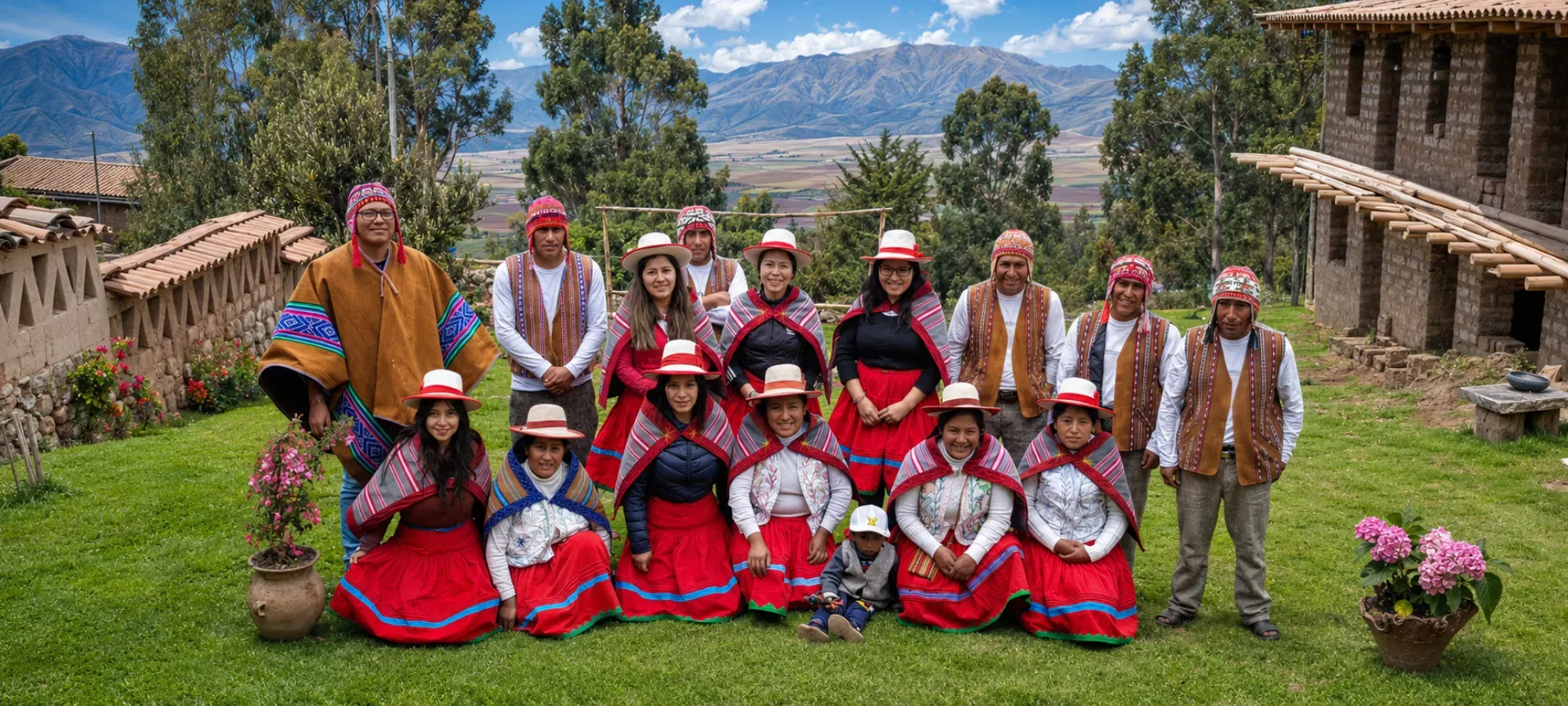
Misminay: a day with the Andean community
Discover life in a Sacred Valley community through cultural activities and Andean traditions. Learn from your hosts and explore Cusco beyond the usual tourist routes.
Travel with respect. Connect with local people.
Behind every landscape, textile and tradition are people keeping the identity of the Andes alive. Discovering Cusco also means listening to their stories, understanding their customs and valuing knowledge passed down through generations.
At Dreamy Tours, we believe in travel that goes beyond sightseeing. We want cultural respect, local participation and exchanges between travelers and hosts to be part of the experience.
Discover our community and cultural experiences and get to know Cusco through its people.
Travel also means knowing how to respect
Responsible tourism starts with a simple idea: the decisions we make as travelers and operators affect the places we visit. A travel experience should consider both what visitors enjoy and how they relate to the land and its people.
In Cusco, where history and traditions remain present in many communities, responsible travel means respecting customs, understanding the value of local knowledge and recognizing the people who preserve these cultural expressions.
This also involves transparent trading relationships, respect for hosts' decisions and avoiding activities that turn traditions into mere performances. We want cultural encounters to offer mutual learning while preserving communities' dignity and leading role.
Discover traditions without imposing behavior foreign to the people who practice them.
Value experiences where hosts take part in shaping the activities.
Encourage encounters based on learning, listening and mutual respect.
Stories that live on
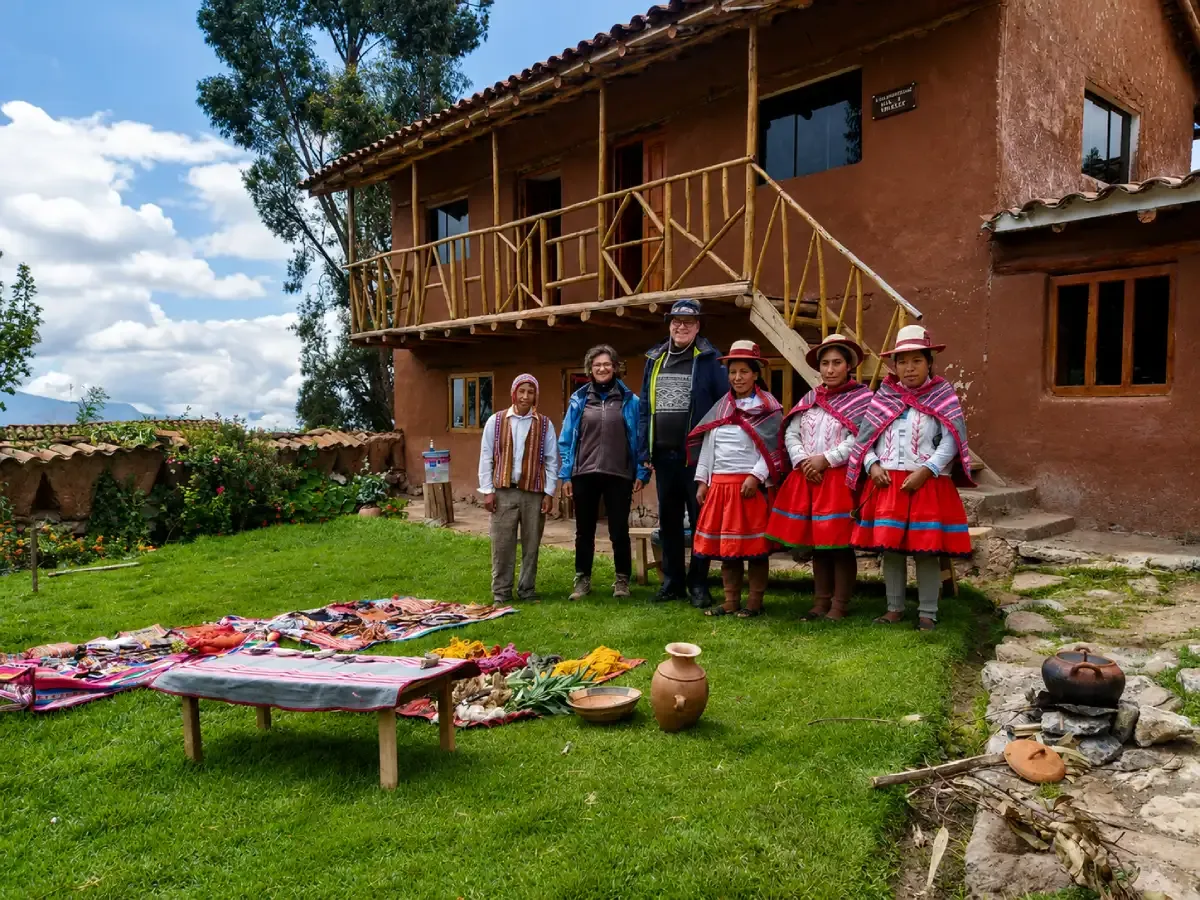
In Cusco's Andean communities, many everyday activities preserve knowledge developed over generations. Cooking, farming, weaving and traditional celebrations reflect a deep connection between families, their land and their history.
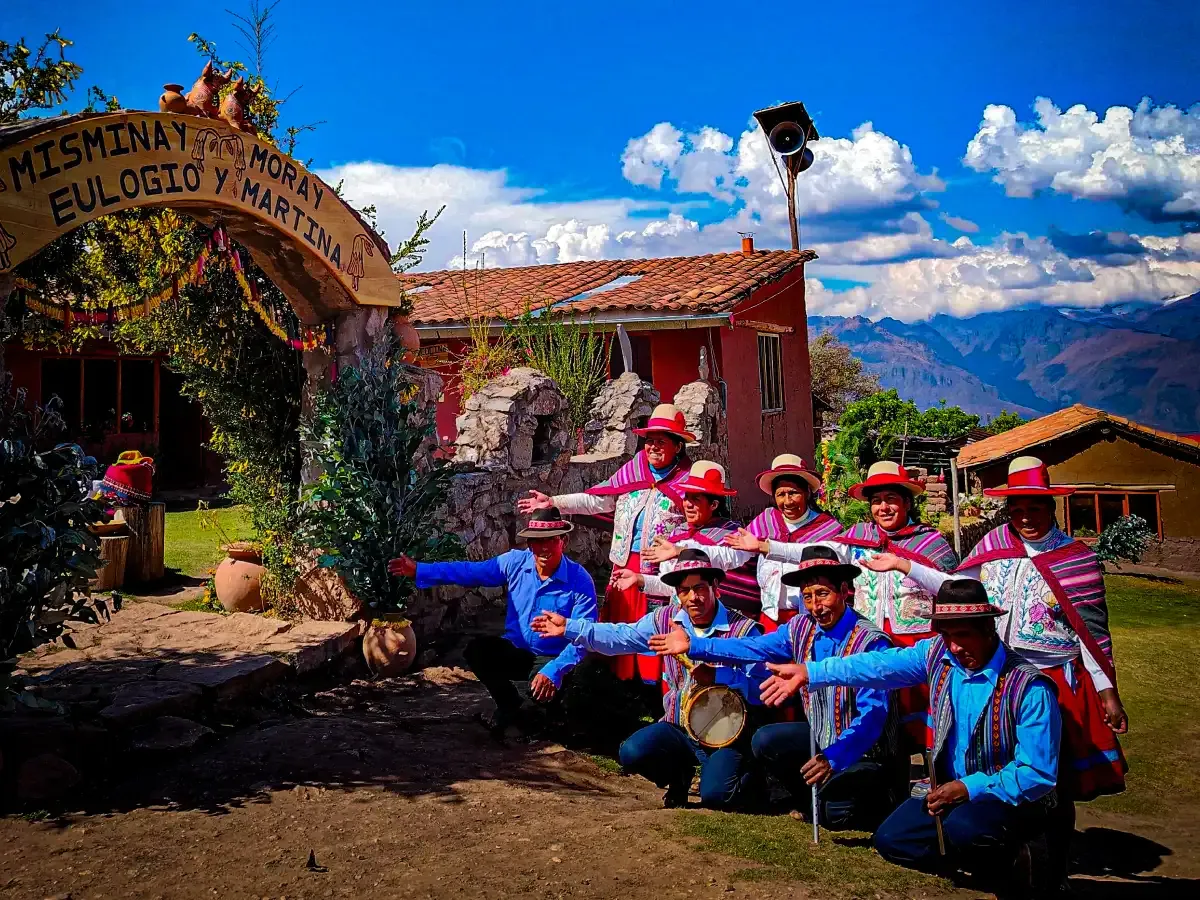
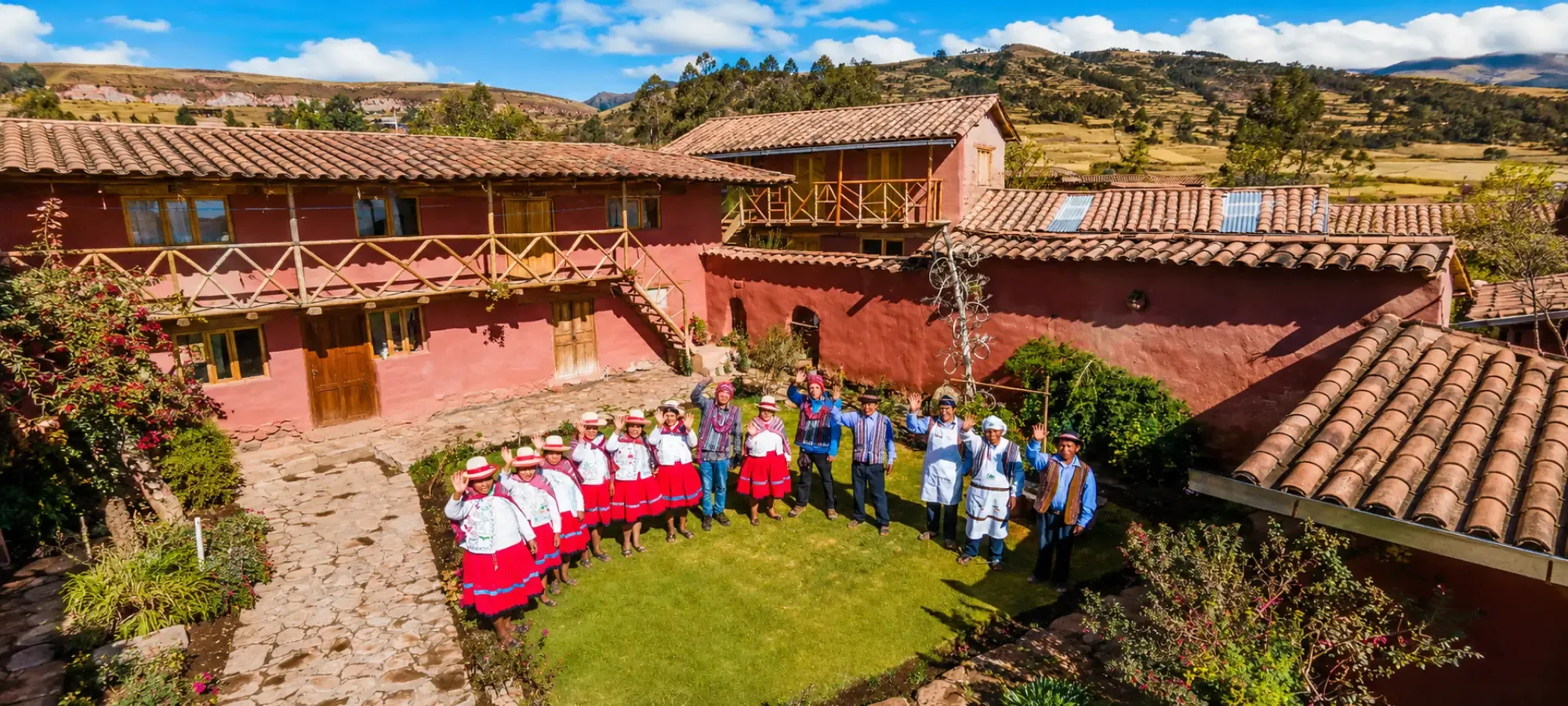
Community-based experiences offer a different way to discover this knowledge. Beyond sightseeing, visitors can learn how activities are carried out, hear from local people and participate when invited by the community.
These experiences require organization and respect. Each community must remain free to decide what to share, how to share it and under which conditions to receive visitors. Tourism can then complement family livelihoods without replacing or distorting their way of life.
Souvenirs with a story
Behind every textile and handmade piece are time, creativity and knowledge that deserve recognition. Meeting their creators lets you hear their stories and choose souvenirs with special meaning.
Learning about a craft is also a way to value it. Buying is always a personal choice, never a condition for enjoying the encounter.
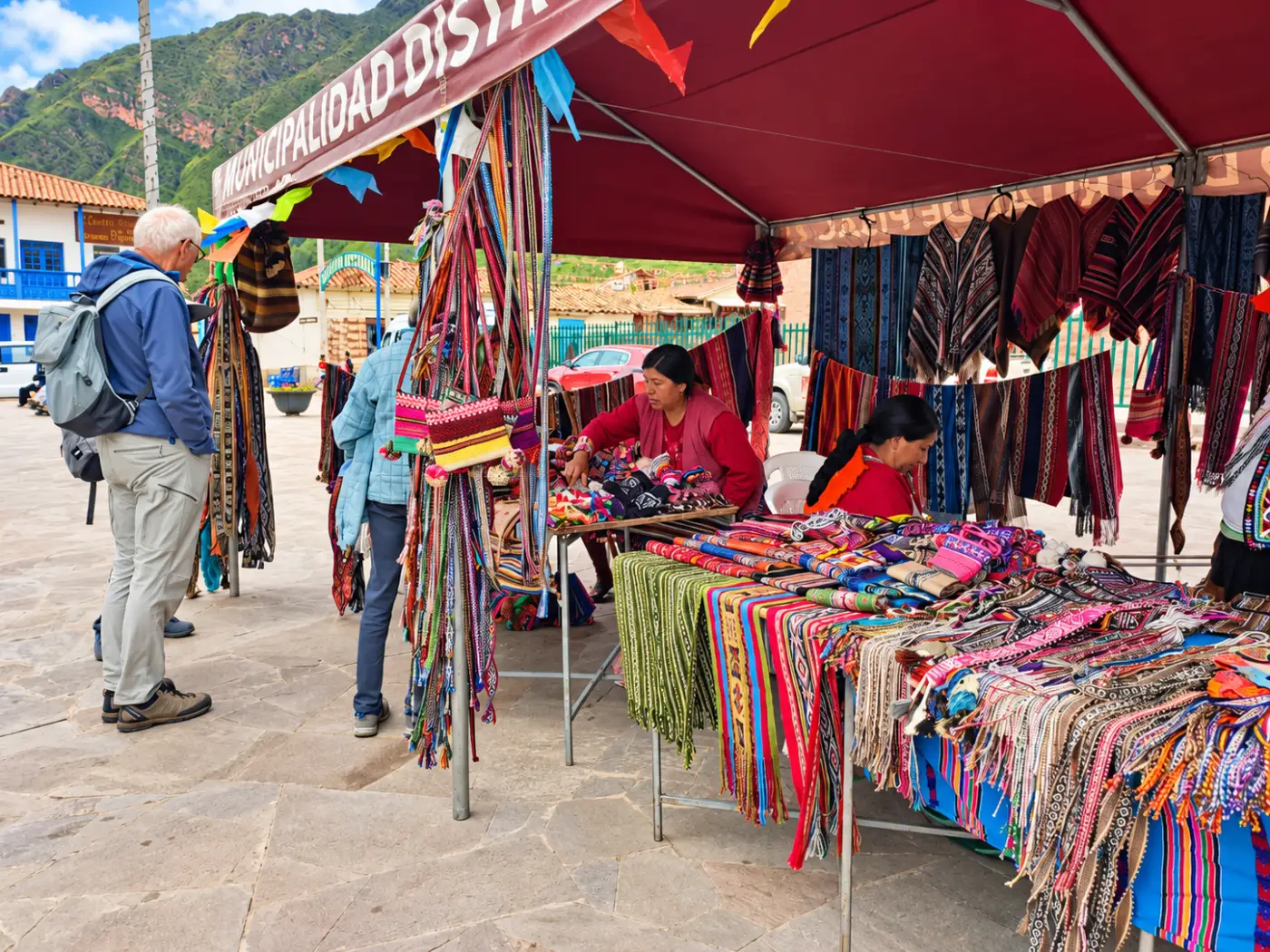
Ask about the materials, techniques and meaning of the pieces. Listen to what each artisan wishes to share and ask permission before photographing their work.
Whenever possible, choose workshops and stalls run by local artisans. Ask who made the piece and where it comes from to make an informed choice.
Consider the time and skill each piece requires. If discussing the price, do so respectfully, without pressure or devaluing the artisan's work.
Experience Cusco through its communities
Community-based experiences reveal another side of Cusco through local people's everyday lives, traditions and knowledge. In Misminay, near the Sacred Valley, visitors can discover family traditions through organized cultural experiences.
Here are two Dreamy Tours itineraries to discover this way of traveling, with different durations and activities.
Full day
Discover life in a Sacred Valley community through cultural activities and Andean traditions. Learn from your hosts and explore Cusco beyond the usual tourist routes.
2 days / 1 night
Spend more time in an Andean community, with local accommodation and activities involving weaving, farming and traditional cuisine, depending on the itinerary and season.
Beyond the monuments
Cusco's heritage is not limited to its great archaeological monuments. It also lives in traditional crafts, agricultural landscapes and knowledge that remains part of the region's identity.
Visiting responsibly means listening to these places' stories, respecting visitor rules and valuing the people who keep cultural expressions alive. These Dreamy Tours experiences introduce different aspects of Cusco's tangible and intangible heritage.
Respect is shown through action
We believe responsible tourism needs more than good intentions. It requires listening to communities, respecting their decisions and continually reviewing how our experiences are organized.
At Dreamy Tours, we want collaboration, transparency and cultural respect to guide our relationships with local hosts and suppliers. We know these principles must become concrete actions and commitments we can demonstrate.
Encourage experiences where local people and organizations actively participate in hosting visitors and developing activities.
Seek clear agreements with suppliers and hosts, respecting the conditions established for each experience.
Avoid intrusive activities and recognize communities' right to decide which knowledge or cultural expressions they wish to share.
Encourage visitors to ask permission before photographing people, private activities or community ceremonies.
Favor activities that value local work and avoid turning culture or situations of vulnerability into a spectacle.
Tips for travelers
A responsible experience also depends on our decisions as visitors. Respecting customs, listening to hosts and acting thoughtfully help build more meaningful relationships with the places we visit.
People and communities are not part of a tourist backdrop. Ask permission and always respect the answer.
Listen to your hosts' instructions and avoid imposing behavior that could be uncomfortable or disrespectful.
Recognize the time, knowledge and creativity needed to make traditional products.
Whenever possible, buy directly from the creators and respect their prices and sales conditions.
Enjoy the cultural activities offered by your hosts without demanding access to private spaces or celebrations.
Take time to understand the meaning of traditions from the perspective of those who keep them alive.
Beyond a conventional visit
An itinerary may include a community visit, but that alone does not make it responsible. The difference lies in how the encounter is organized, the hosts' role, the agreed conditions and respect for the boundaries set by the people welcoming visitors.
Community-based tourism places local people at the center of the experience. Services and the sharing of knowledge should be organized with the willingness and participation of the communities themselves.
When choosing an experience, find out who organizes it, which activities are offered and how relationships with local suppliers are arranged. Transparent communication helps visitors make informed decisions and places cultural respect at the heart of the trip from the start.
Responsible and sustainable tourism share the aim of reducing tourism's negative impacts and encouraging its benefits. Each concept, however, highlights different aspects of travel.
Sustainability considers long-term environmental, economic and sociocultural viability. Responsible tourism emphasizes the decisions companies, visitors and hosts make to respect these principles in their activities.
At Dreamy Tours, we see these approaches as complementary. Our page on sustainable tourism in Peru explores nature and ecosystems, while this page focuses on communities, living culture and respectful exchange.
Find answers about communities, handicrafts and planning a respectful visit.
It is a way of organizing and enjoying travel while considering its effects on communities, heritage and the environment. It encourages conscious decisions and respectful relationships between travelers, operators and hosts.
These organized experiences allow visitors to learn about selected everyday activities, knowledge and traditions of local communities together with their hosts.
Community experiences are available in different parts of Cusco. Dreamy Tours offers experiences in Misminay and cultural tours through areas such as Chinchero and the Sacred Valley. Activities and services depend on the itinerary.
Responsible tourism is an approach applicable to many types of travel. Community-based tourism is a form of tourism where local communities play a central role in organizing, managing or delivering experiences.
Respect their customs, value handmade work, buy directly from producers when possible and choose experiences that clearly explain local participation.
Ask where the pieces come from and who makes them. When possible, buy directly from artisans and value their materials, techniques and time. Buying is a personal choice: you can learn about and appreciate a craft without feeling obliged to purchase anything.
Yes, some community experiences include local accommodation. Ask Dreamy Tours about the two-day Misminay itinerary, subject to service conditions and availability.
No. Responsible tourism concerns how travel experiences are organized and enjoyed. Volunteering involves specific collaborative activities with their own planning, agreements and responsibilities.
We believe responsible travel also means protecting nature and recognizing each person's different needs. Our commitment is therefore part of a broader vision of tourism.
Sustainable tourism
Discover nature experiences in the Andes and the Peruvian Amazon with an approach that respects their ecosystems.
Learn more : Sustainable tourismInclusive tourism
Learn about our approach to planning experiences that consider different abilities, paces and travel needs.
Learn more : Inclusive tourismYour trip can mean something more
Travel memories do not always begin in front of a great monument. Sometimes they emerge through conversation, learning a craft or sharing a tradition with people who have known it since childhood.
At Dreamy Tours, we want to help you discover these experiences with respect, curiosity and a closer connection to Andean culture.
Tell us what you would like to discover and let's explore a different way to experience Cusco together.