Search the blog
Tabla de contenidos
Choosing the best time to visit Lima is one of the most important decisions when planning a trip to Peru's capital. Although the city can be explored throughout the year, its weather conditions change considerably depending on the season. Sunny summer days offer a very different experience from the cloudy, humid conditions that characterize much of Lima's winter.
If you're wondering when to visit Lima, Peru, it's worth considering the climate, temperatures, activities you want to enjoy, and the destinations you'll visit afterward. In this guide, we explain Lima's weather during each season, the most recommended months for exploring Miraflores and Barranco, and what you should know when planning cultural, culinary, and sightseeing experiences.
What Is the Best Time to Visit Lima, Peru?
For travelers who want warm temperatures, sunny days, and walks overlooking the Pacific Ocean, December through March is generally one of the best periods to visit Lima. During these months, summer conditions are especially suitable for exploring oceanfront promenades, visiting parks, and enjoying outdoor activities.
However, there is no single ideal season for every traveler. If your priority is visiting museums, archaeological sites, and colonial monuments, you can explore the capital during any month of the year. Lima offers cultural and culinary experiences that do not depend entirely on sunny weather.
April, May, October, and November can be interesting months for travelers who prefer milder temperatures and want to combine city sightseeing with outdoor activities. Although cloud cover varies throughout the year, these transitional periods can provide pleasant conditions for walking.
At Dreamy Tours, we recommend choosing your travel dates according to the experiences you want to enjoy. Our guide to what to do in Lima, Peru introduces the capital's main attractions and can help you decide which activities to include during your stay.
What Is Lima's Weather Like Throughout the Year?
Lima has a coastal desert climate influenced by the Pacific Ocean and the Humboldt Current. Unlike many other cities in Peru, heavy rainfall is uncommon in the capital, although humidity can remain high during much of the year.
One of Lima's best-known weather characteristics is garúa, a very fine drizzle that commonly occurs during the cooler months. This phenomenon is associated with low cloud cover and atmospheric humidity. Although it generally does not prevent sightseeing, it can affect visibility and how cold the weather feels.
Between January and March, daytime temperatures are commonly around 25 to 29°C (77 to 84°F), with variations depending on weather conditions. During the coldest months, particularly July and August, nighttime temperatures around 14 to 15°C (57 to 59°F) and daytime highs around 19 to 20°C (66 to 68°F) are typical.
For this reason, we recommend checking the forecast before traveling and packing clothing for different conditions. You can find weather information and climate references from Peru's National Meteorology and Hydrology Service, SENAMHI and the official Peru tourism climate guide.
Summer in Lima: December, January, February and March
Summer is one of the most appealing seasons for travelers who want to explore Lima with more sunshine and warmer temperatures. Between December and March, the city's parks, oceanfront promenades, and coastal neighborhoods provide an especially pleasant setting for walks and recreational activities.
January and February are usually among the warmest months of the year. During this period, you can explore the Miraflores oceanfront promenade, visit Love Park, and discover viewpoints overlooking the cliffs of the Costa Verde. To organize these activities, we recommend reading our guide to things to do in Miraflores, Lima.
February may also bring hot days that feel more humid because of the moisture in the air. We therefore recommend wearing sunscreen, carrying water, and avoiding extended walks during the hours of strongest sunlight.
March generally remains warm, although the first changes associated with the transition into autumn may begin to appear. If you want to enjoy Lima's coastal scenery, we recommend planning outdoor walks during the most comfortable hours and saving museums or culinary activities for other parts of the day.
Autumn in Lima: April, May and Early June
Autumn marks the transition between the warmer days of summer and the cloudier conditions of winter. During April, Lima may still experience pleasant temperatures and occasional sunshine, while May generally brings increasing cloud cover and humidity.
This season can be interesting for travelers who prefer exploring the city without the higher summer temperatures. Walks through the Historic Center, Miraflores, and Barranco can be enjoyable when you plan your itinerary with appropriate clothing and enough flexibility for changing weather.
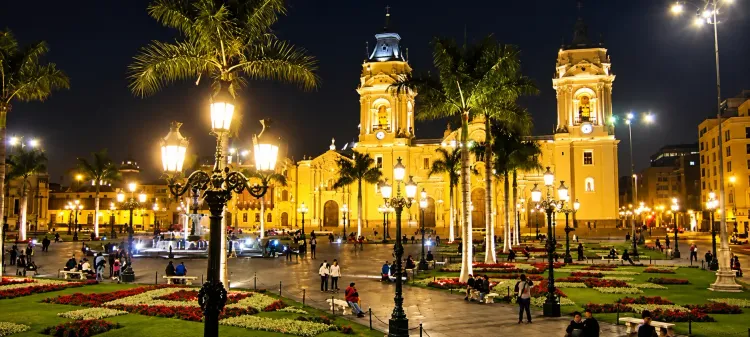
In April and May, we recommend setting aside time to explore the capital's colonial monuments. Plaza Mayor, Lima Cathedral, and the San Francisco Monumental Complex are among the main attractions worth visiting. Our guide to the Historic Center of Lima includes information to help you organize this route.
You can also enjoy our Lima City Tour, an experience combining historic and modern areas of the capital. As a cultural sightseeing tour, it can be enjoyed at different times of the year, depending on operating and weather conditions.
Winter in Lima: June, July, August and September
Lima's winter is characterized by cooler temperatures, high humidity, and frequently overcast skies. Between June and September, low cloud cover can persist for long periods, especially in neighborhoods close to the Pacific Ocean.
Although Lima does not experience the extreme temperatures found in Peru's high-altitude Andean regions, humidity can make the weather feel colder. During July and August, we recommend bringing a jacket, long-sleeved clothing, and comfortable shoes, particularly if you plan to walk early in the morning or during the evening.
At this time of year, walks along the Miraflores oceanfront promenade may offer limited views because of mist and low clouds. However, that doesn't mean you should skip the district. Its restaurants, parks, shopping areas, and cultural attractions remain interesting options.
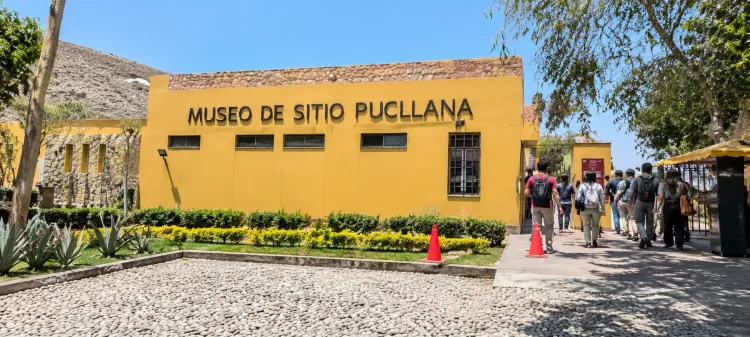
Winter is also a good time to prioritize historical and archaeological experiences. You can visit Huaca Pucllana in Lima, an ancient ceremonial center located in Miraflores, or consider our Pachacamac Tour from Lima to discover another of the central coast's most important pre-Hispanic sanctuaries.
Spring in Lima: October, November and December
Spring represents a transition toward the warmer conditions of summer. During October and November, temperatures gradually begin to rise, although cloudy skies may still appear at different times of day.
For travelers who want to combine cultural activities with city walks, these months can be an interesting choice. Temperatures generally feel less intense than during the height of summer, allowing visitors to spend time exploring major monuments, neighborhoods, and culinary attractions.
Barranco is one of the areas we recommend visiting during this season. Its traditional streets, art galleries, murals, and restaurants can be enjoyed on walking tours. You can also visit the Bridge of Sighs and Bajada de Baños. Our guide to things to do in Barranco, Lima introduces its main attractions and practical recommendations.
As December approaches, days tend to become warmer, with the possibility of longer sunny periods. However, seasonal changes do not always happen consistently, so we recommend checking the forecast before planning outdoor activities.
What Is the Best Month to Visit Miraflores and Barranco?
If you want to explore Miraflores and Barranco while enjoying warm temperatures and a greater chance of seeing the Pacific Ocean under clear skies, January, February, and March are usually especially attractive months.
In Miraflores, you can walk along the oceanfront promenade, visit Love Park, explore Larcomar, and enjoy the district's restaurants. During sunnier months, these places generally offer better conditions for admiring the cliffs and coastal landscapes of the Costa Verde.
Barranco, meanwhile, stands out for its historic streets, artistic atmosphere, and cultural attractions. You can explore the Bridge of Sighs, Bajada de Baños, and Barranco's Main Square throughout the year. However, months with more comfortable temperatures may make longer walks particularly enjoyable.
If you prefer milder weather, April, May, October, or November can also work well for visiting both districts. Your choice will depend on whether you place greater importance on ocean views, urban walks, or cultural activities.
When Should You Visit Lima's Museums and Archaeological Sites?
Museums and archaeological sites are among the main reasons to visit Lima at any time of the year. Unlike coastal outdoor activities, many of these experiences do not require high temperatures or completely clear skies.
One of the most interesting sites is Huaca Pucllana in Miraflores, which preserves a large adobe pyramid associated with the Lima culture. To learn about its history, opening hours, and admission prices, consult our guide to Huaca Pucllana in Lima.
Another option is the Pachacamac Sanctuary, located in the Lurín Valley south of the capital. This archaeological complex offers insight into different periods of Peru's pre-Hispanic past and can be explored on an organized excursion, provided you check current opening hours and visiting conditions.
We also recommend considering museums such as the Larco Museum, the Lima Art Museum, and the Pedro de Osma Museum. These institutions allow visitors to explore Peru's artistic and cultural history in greater depth. During cloudier months, they can be excellent complements to outdoor sightseeing.
What Is the Best Time to Enjoy Lima's Gastronomy?
Gastronomy is one of Lima's main attractions and can be enjoyed throughout all twelve months of the year. The capital offers traditional restaurants, markets, ceviche restaurants, and contemporary establishments where visitors can discover a wide variety of representative Peruvian dishes.
Among the best-known dishes are ceviche, causa limeña, lomo saltado, ají de gallina, and anticuchos. Although some foods are associated with particular occasions or seasons, Lima's culinary diversity makes it possible to find many options throughout the year.
To discover these flavors in greater detail, we recommend our guide to traditional food in Lima. There, we explain the characteristics of different traditional preparations and their importance in Peruvian cuisine.
If you'd like to participate in a hands-on experience, our Lima Culinary Tour combines a market visit with a Peruvian cooking activity. It's an excellent complement to cultural sightseeing regardless of the season, subject to the tour's availability and operating hours.
Nighttime Activities in Lima According to the Season
Lima offers different nighttime activities that can be enjoyed during much of the year. Restaurants, cultural venues, and shows allow visitors to continue exploring after sunset, although weather conditions can affect how comfortable outdoor experiences feel.
One of the most famous attractions is the Magic Water Circuit, located in Parque de la Reserva. It features thirteen ornamental and interactive fountains combining lighting, moving water, and multimedia presentations. You can learn more about its characteristics in our guide to the Magic Water Circuit in Lima.
At Dreamy Tours, we offer the Magic Water Circuit Tour in Lima, an organized option for discovering the park's main fountains and shows. During winter, we recommend bringing a light jacket because of the humidity and cooler evening temperatures.
You can also enjoy restaurants in Miraflores or Barranco, attend a cultural performance, or take a walk through areas suitable for visitors. For more ideas, explore our guide to things to do in Lima at night, where we bring together activities for couples, families, and travelers with limited time.
What Is the Best Time to Visit Lima and Machu Picchu on the Same Trip?
Many travelers arrive in Lima before continuing to Cusco and Machu Picchu. However, it's important to remember that Peru's coastal climate is very different from the weather in the Andes, so the best time to visit both destinations does not necessarily coincide.
Between May and September, Cusco and Machu Picchu generally experience drier conditions, making this a popular period for archaeological visits and certain outdoor activities. During those same months, Lima can be cloudier and more humid. This difference doesn't prevent travelers from combining the destinations, but it does require clothing suitable for each region.
If your priority is enjoying sunshine in Lima and exploring Peru's coastline, December through March is usually more appealing. However, that period also coincides with the rainier season in much of the Andes, so greater flexibility is advisable if you plan to continue to Machu Picchu.
To choose dates that fit your complete itinerary, we recommend reading our guide to the best time to visit Peru. You can also explore our Southern Peru itinerary if you'd like to combine Lima, Ica, Arequipa, Puno, and Cusco during the same trip.
Tips for Planning Your Lima Trip According to the Weather
Before booking your trip, we recommend deciding which experiences you want to enjoy during your stay. If your priority is walking beside the ocean, visiting parks, and admiring the Costa Verde, summer may offer better conditions. If you prefer museums, gastronomy, and historical monuments, any time of year can be suitable.
It's also worth choosing an accommodation area that reduces travel time. Miraflores is a practical base for many visitors, while Barranco, San Isidro, and the Historic Center offer alternatives with different characteristics. Our guide to where to stay in Lima will help you compare these options.
If you're arriving by air, remember that traffic can affect transfer times regardless of the season. Before starting your sightseeing activities, we recommend arranging transportation from Jorge Chávez International Airport to your accommodation. If you're staying in Miraflores, our guide to getting from Lima Airport to Miraflores explains the main transportation options.
For a short stay, you can also consult our guides to Lima in One Day and Lima in 2 Days. Both will help you organize sightseeing by area and avoid unnecessary journeys across the city.
At Dreamy Tours, we recommend enjoying Lima throughout the year by adapting your activities to the weather and your interests. You can discover more tourist attractions in Lima and explore our tours in Lima, especially the Lima City Tour if you'd like to discover the capital's history and main attractions on an organized sightseeing experience.
Personal travel advice
Plan your trip with Dreamy Tours
Start a tailored journey with our exclusive tours and custom trips across Peru and other Latin American countries.