Search the blog
Tabla de contenidos
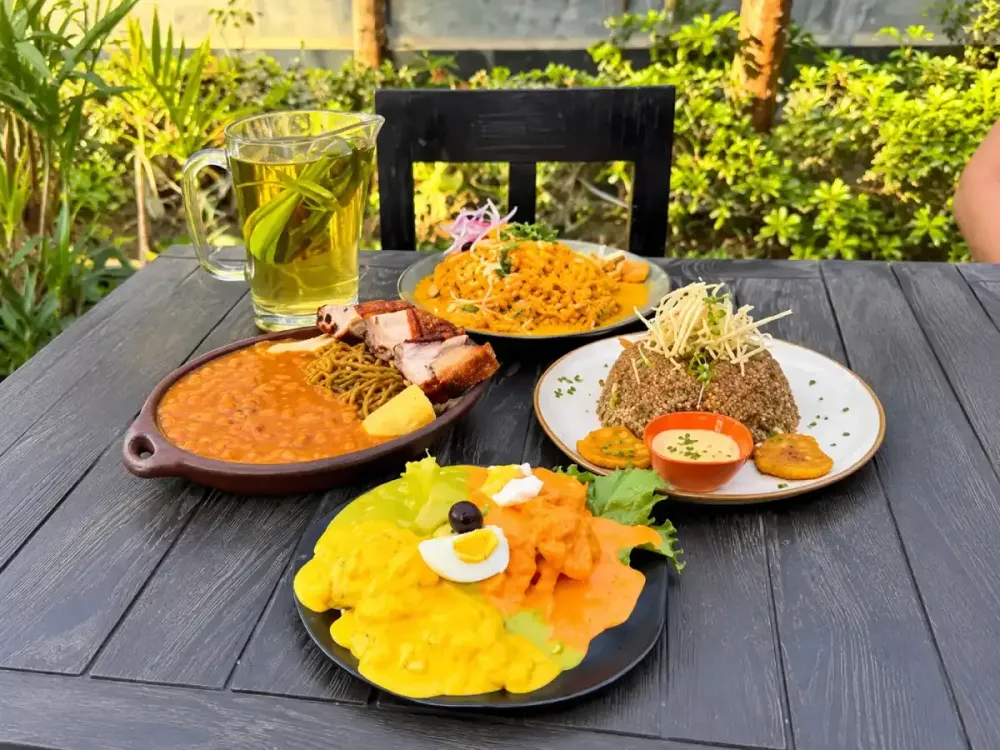
Traditional food in Lima is one of the main reasons to discover Peru's capital. Its recipes bring together native Peruvian ingredients, coastal culinary traditions, and influences from different communities that arrived in the country throughout its history. This cultural diversity gave rise to dishes such as ceviche, causa limeña, ají de gallina, and lomo saltado, which can be found in traditional restaurants and contemporary dining establishments.
If you're wondering what to eat in Lima, you'll discover much more than internationally famous dishes. The city offers fresh fish and seafood, traditional Creole stews, anticuchos, classic desserts, and beverages that are part of everyday life in the capital. In this guide, we introduce Lima's most representative foods, their main ingredients, and practical recommendations for experiencing Peruvian cuisine during your trip.
Why Is Lima Famous for Its Food?
Lima's gastronomy stands out for its combination of local ingredients and cooking techniques developed throughout different historical periods. Potatoes, corn, chili peppers, fish, and seafood are essential elements of a cuisine shaped by Spanish, African, Chinese, Japanese, and other cultural influences. This diversity explains the wide range of flavors, preparations, and culinary styles found throughout the capital.
Today, Lima is home to ceviche restaurants, traditional Creole eateries, chifas, local markets, and restaurants specializing in Nikkei cuisine. Each represents a different interpretation of Peruvian food. If you're planning your first visit, our guide to what to do in Lima, Peru will help you combine culinary experiences with the city's main cultural and tourist attractions.
Peruvian Ceviche: The Coast's Most Iconic Dish
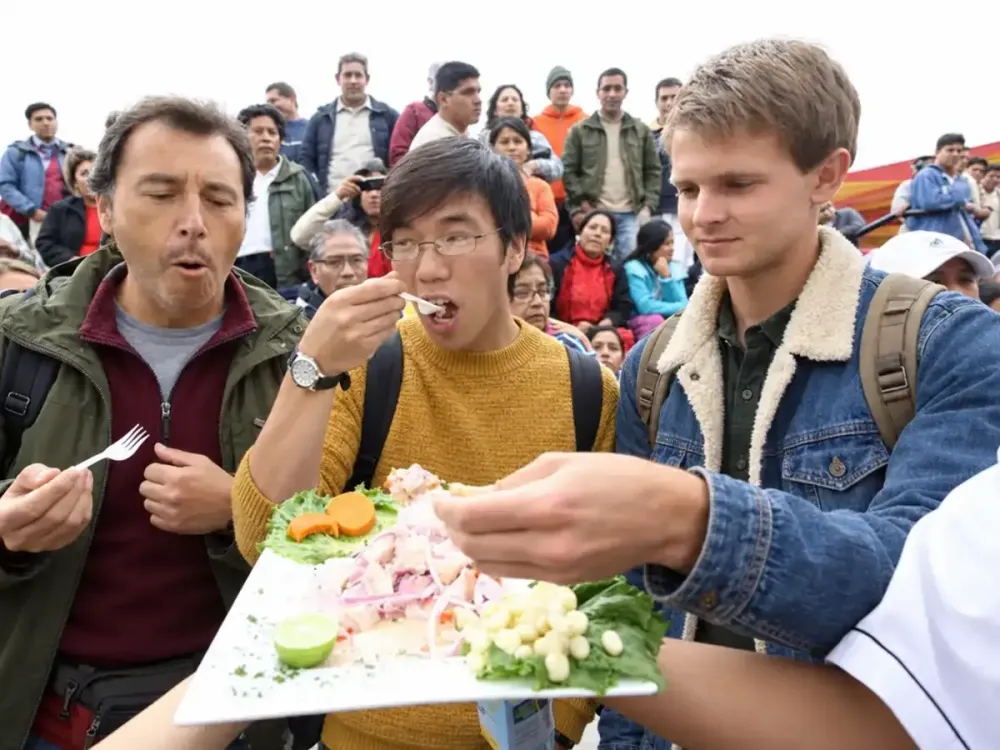
Ceviche is one of Peru's best-known dishes and one of the specialties we recommend trying during a visit to Lima. It is primarily prepared with fresh fish cut into pieces, lime juice, chili peppers, onion, and salt. It is commonly served with sweet potato, large-kernel Peruvian corn, and other ingredients that balance its citrusy and spicy flavors.
Its importance extends beyond gastronomy. In 2023, UNESCO inscribed the practices and meanings associated with the preparation and consumption of ceviche on the Representative List of the Intangible Cultural Heritage of Humanity. This recognition highlights knowledge passed down through generations and the contributions of fishermen, farmers, and traditional cooks.
In Lima, you'll find different preparations, from classic fish ceviche to mixed versions featuring seafood. We recommend choosing establishments that use fresh ingredients and follow proper food-handling practices. To discover the ingredients and learn how to prepare this dish, our Lima Culinary Tour includes a market visit and a hands-on Peruvian cooking class.
Causa Limeña: Yellow Potatoes, Chili Peppers and Tradition
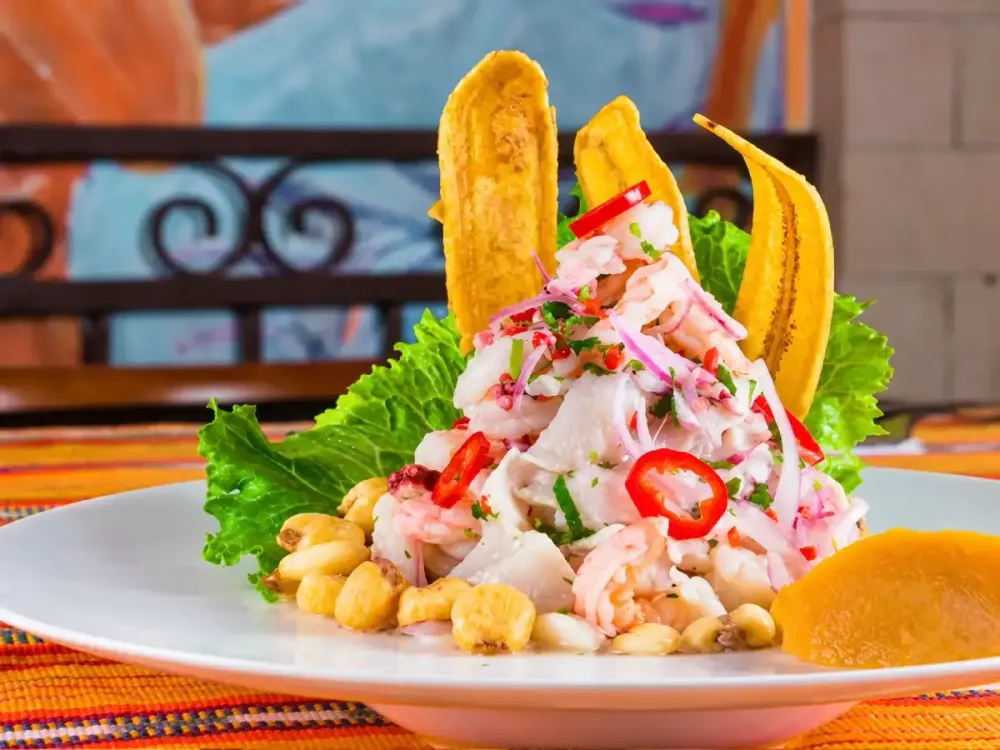
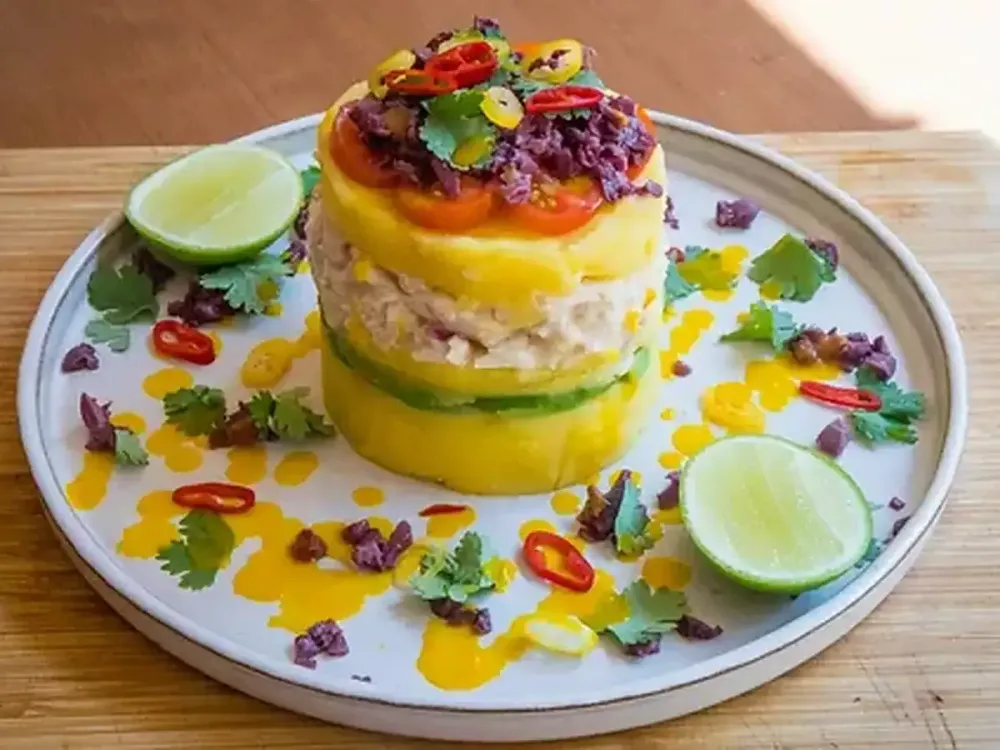
Causa limeña is one of the most representative appetizers in Peruvian cuisine. It is prepared with mashed yellow potatoes seasoned with lime juice, ají amarillo, oil, and salt. This potato mixture is combined with different fillings, including chicken, tuna, avocado, or seafood, creating a dish known for its smooth texture and appealing presentation.
Potatoes are among the most important ingredients in Andean food traditions, and their use in Lima's cuisine demonstrates the connections between Peru's different regions. Although several stories exist about the origin of the name causa, the dish's evolution reflects how ingredients and preparation methods have been adapted over time.
It is an excellent choice for starting a meal and discovering the flavor of ají amarillo, one of the most important ingredients in Peruvian gastronomy. Causa limeña is commonly found in traditional restaurants and featured in Peruvian cooking experiences.
Lomo Saltado: A Blend of Peruvian and Chinese Cuisine
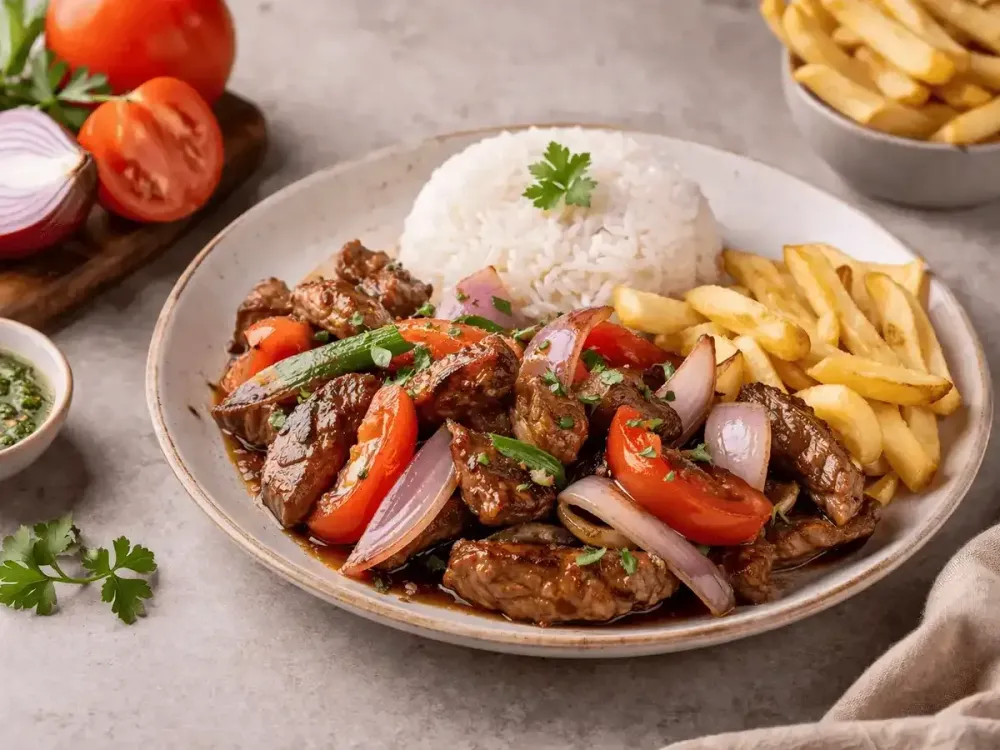
Lomo saltado is one of the best-known examples of Chinese influence on Peruvian cuisine. It consists of strips of beef stir-fried over high heat with onion, tomato, chili peppers, and seasonings such as soy sauce. The dish is generally served with French fries and white rice.
The stir-frying technique and combination of local ingredients reflect the meeting of Peruvian food traditions and cooking methods introduced by Chinese immigrants. The result is a richly flavored dish in which the vegetables retain some of their texture while the beef combines with the juices and seasonings.
You can find lomo saltado in traditional Creole restaurants, specialized establishments, and many other dining venues throughout Lima. It is an excellent option for travelers who prefer hot meals and want to experience one of Peru's most popular dishes.
Ají de Gallina: One of Lima's Traditional Comfort Foods
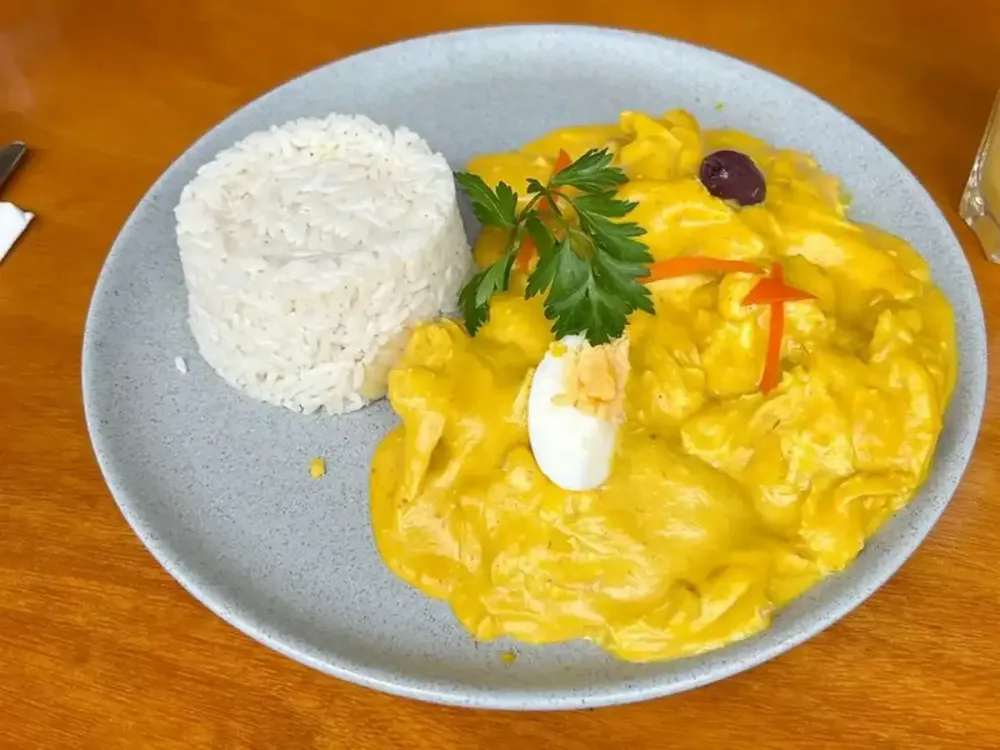
Ají de gallina is a traditional Peruvian dish known for its creamy sauce made with ají amarillo, bread, milk, and other ingredients. It is prepared with shredded hen or chicken and is usually served with potatoes, white rice, boiled egg, and olives.
Its history is connected to the transformation of different European-inspired preparations through the incorporation of Peruvian ingredients. Ají amarillo became a central element of the recipe, adding color, aroma, and a distinctive flavor that can vary in intensity depending on how the dish is prepared.
This is a recommended choice for travelers interested in discovering Lima's traditional Creole cuisine through a comforting local specialty. Its smooth texture and combination of flavors make it a familiar dish in Peruvian restaurants.
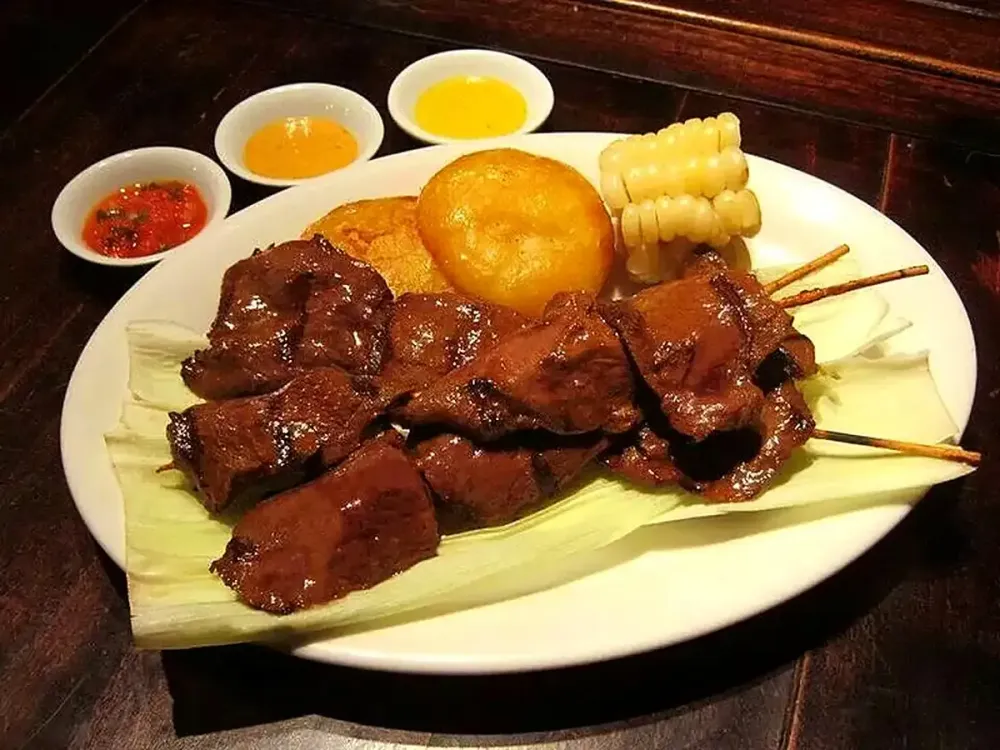
Anticuchos and Other Traditional Street Foods in Lima
Anticuchos are among Lima's most recognizable traditional foods. The best-known version uses pieces of beef heart marinated with ají panca, garlic, vinegar, and spices, then grilled on skewers. They are usually served with potatoes, corn, and a spicy sauce.
The history of anticuchos is closely associated with Afro-Peruvian culinary influences and the creative use of different ingredients. Over time, they became a popular food served at family gatherings, specialized street stalls, and establishments offering traditional local dishes.
Other specialties worth trying include cau cau, traditionally prepared with beef tripe and potatoes, and tacu tacu, made with rice and beans or other legumes. These dishes demonstrate how Creole cuisine transformed everyday ingredients into preparations that remain part of Lima's culinary identity.
Arroz Chaufa, Pollo a la Brasa and Other Popular Dishes
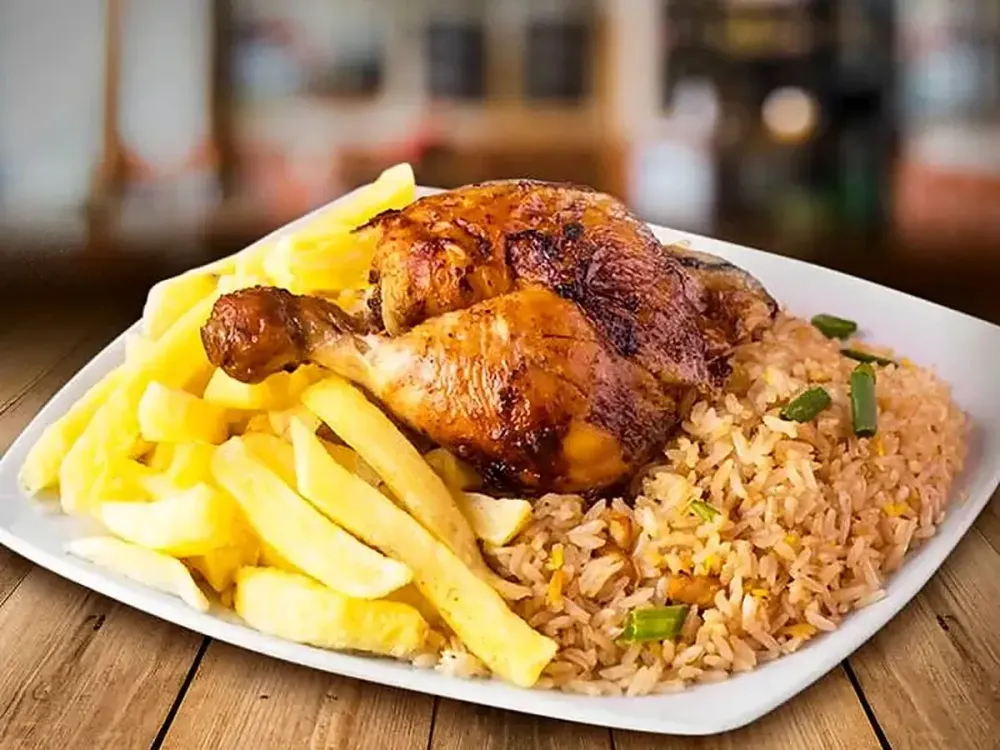
Arroz chaufa is one of the most representative dishes of chifa cuisine, which developed through the combination of Chinese and Peruvian culinary traditions. It is made with stir-fried rice, soy sauce, green onions, eggs, and different proteins, such as chicken, pork, or seafood.
Another extremely popular dish is pollo a la brasa, a type of rotisserie chicken cooked until the skin becomes golden and the meat remains juicy. It is commonly served with French fries, salad, and sauces. This dish is a frequent choice for family meals and can be found in numerous restaurants throughout Lima.
In addition, ceviche restaurants offer preparations such as arroz con mariscos, jalea mixta, tiradito, and leche de tigre. These specialties showcase the variety of marine products available along Peru's coast and provide excellent alternatives for visitors interested in discovering new flavors.
Traditional Desserts in Lima: Suspiro, Picarones and Mazamorra Morada
Lima's gastronomy also includes a rich tradition of desserts. One of the most representative is suspiro a la limeña, prepared with a sweet milk-based caramel cream and topped with meringue. Its smooth texture and rich flavor make it one of the capital's best-known traditional sweets.
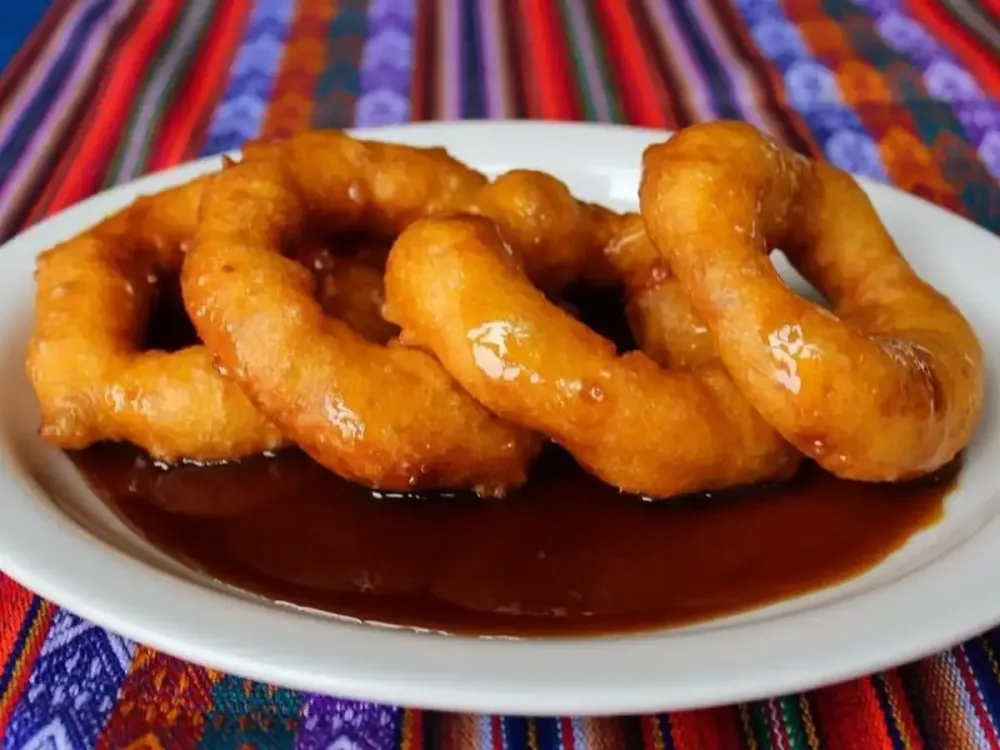
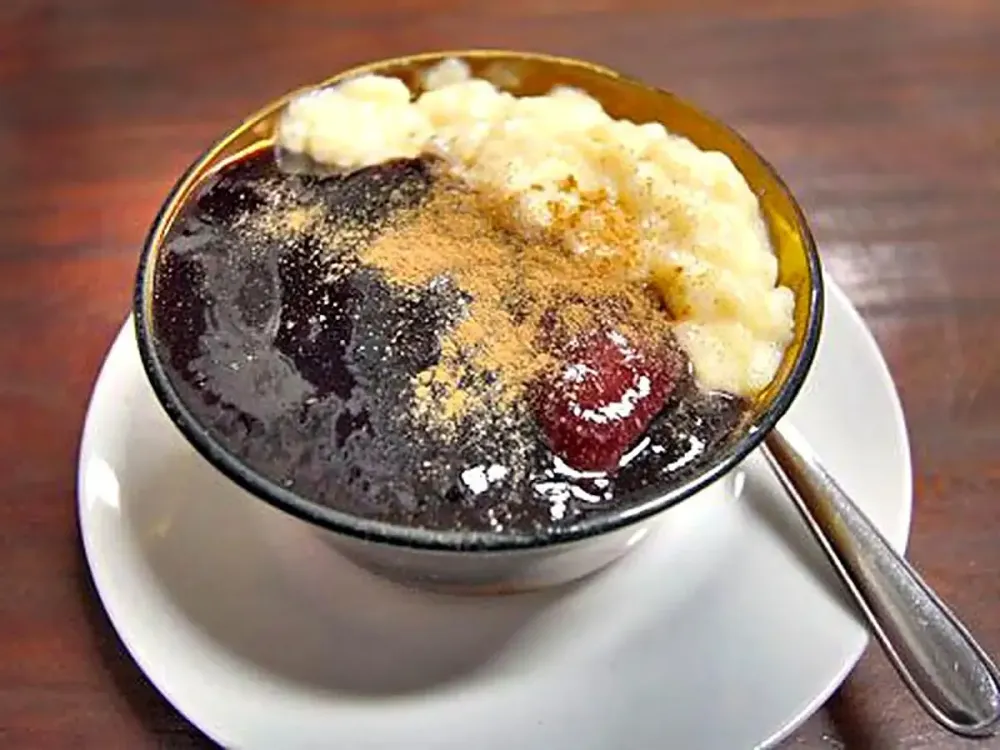
Picarones are another popular specialty. They are made from a dough that generally includes squash and sweet potato, fried into ring shapes, and served with chancaca syrup, a sweet sauce made from unrefined cane sugar. Another traditional dessert is mazamorra morada, prepared with purple corn, fruit, spices, and other ingredients that give it its distinctive color.
Other classic sweets include arroz con leche, a Peruvian-style rice pudding, and turrón de Doña Pepa, particularly associated with the celebrations honoring the Lord of Miracles in October. Trying these desserts offers insight into another aspect of Lima's culture, connected to religious festivities, family gatherings, and recipes passed down through generations.
Traditional Drinks You Should Try in Lima
One of the most representative non-alcoholic drinks in Peruvian cuisine is chicha morada, prepared by boiling purple corn with fruit and spices. It is usually served cold and is a refreshing accompaniment to traditional Creole dishes, fish, and seafood.
Another well-known drink is the pisco sour, a traditional cocktail prepared with pisco, lime juice, simple syrup, egg white, and Angostura bitters. Its preparation is featured in different culinary experiences and introduces visitors to the cultural importance of pisco in Peru. Alcoholic beverage tastings are exclusively for adults of legal drinking age.
If you'd like to learn more about these preparations, our Lima Culinary Tour includes a hands-on experience related to ceviche and pisco sour, along with a market visit where you can discover ingredients commonly used in local cooking.
Where to Eat Traditional Peruvian Food in Lima
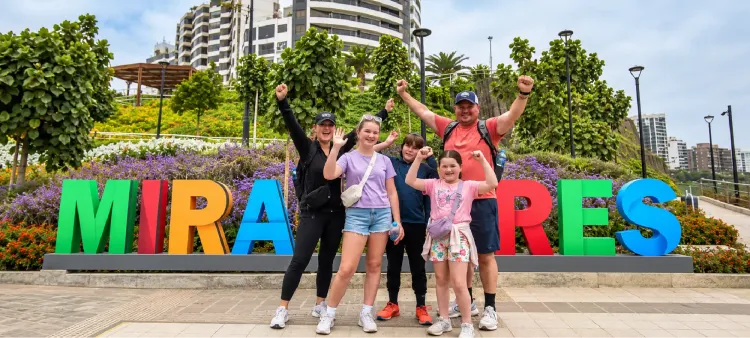
Miraflores is one of the most convenient districts for travelers looking for Peruvian restaurants during their stay. Its dining scene includes ceviche restaurants, traditional establishments, and contemporary culinary options, as well as numerous places for breakfast or dinner. Its proximity to hotels and tourist attractions makes it easy to combine a meal with a walk along the oceanfront promenade.
Barranco also offers restaurants, cafés, and culinary spaces in a neighborhood known for its architecture and cultural life. Meanwhile, Lima's Historic Center has traditional eateries where visitors can enjoy Creole dishes after exploring Plaza Mayor and other historical landmarks.
If you're organizing your sightseeing schedule, our guide to tourist attractions in Lima will help you identify areas that can be combined with a culinary experience. You can also follow our Lima in 2 Days itinerary to distribute your visits and allow enough time to enjoy local food.
How Much Does It Cost to Eat in Lima and What Should You Consider?
Your food budget in Lima will mainly depend on the type of establishment, its location, and the dishes you choose. Markets and restaurants offering set lunch menus usually provide more affordable options, while seafood restaurants and fine-dining establishments may charge considerably higher prices.
Before choosing a restaurant, we recommend reviewing its current menu and prices, especially in tourist areas. It is also important to inform the staff about allergies or dietary restrictions, as many Peruvian dishes contain fish, seafood, dairy products, eggs, nuts, or different varieties of chili peppers.
If you have limited time, you can concentrate your culinary experiences around a traditional lunch or a visit to a local market. Our guide to Lima in One Day offers an itinerary combining the capital's main attractions with time to enjoy Peruvian cuisine.
Is a Food Tour in Lima Worth It?
Yes. A food tour is an excellent option for travelers who want to explore Peruvian cuisine beyond a conventional restaurant visit. This type of experience introduces local ingredients, explains traditional cooking techniques, and offers an opportunity to participate directly in preparing popular dishes.
At Dreamy Tours, we offer our Lima Culinary Tour, an approximately five-hour experience that combines a local market visit, Peruvian fruit tasting, a hands-on cooking class, and lunch overlooking the Pacific Ocean. It is particularly suitable for travelers interested in gastronomy and the cultural traditions of Lima.
Discovering traditional food in Lima is also a way to understand Peru's history and cultural diversity. From ceviche to anticuchos, each preparation preserves ingredients, techniques, and customs that form part of the country's identity. If you'd like to include culinary experiences in your stay, explore our tours in Lima and choose the activities that best suit your travel plans.
Personal travel advice
Plan your trip with Dreamy Tours
Start a tailored journey with our exclusive tours and custom trips across Peru and other Latin American countries.