


Search the blog
Tabla de contenidos
Lima, the capital of Peru, is a city where remarkable archaeological sites, colonial monuments, oceanfront neighborhoods, and one of South America's most celebrated culinary traditions come together. Although many travelers arrive in the capital before continuing to Cusco or Machu Picchu, spending a few days exploring Lima offers a valuable opportunity to discover an essential part of Peru's history and cultural diversity.
If you're looking for what to do in Lima, Peru, you'll find plenty of opportunities to enjoy its architecture, cuisine, museums, and coastal landscapes. From exploring the Historic Center to discovering the Pachacamac Archaeological Sanctuary, this guide brings together 12 recommended places and experiences to help you plan your visit and make the most of your stay.
1. Explore the Historic Center of Lima
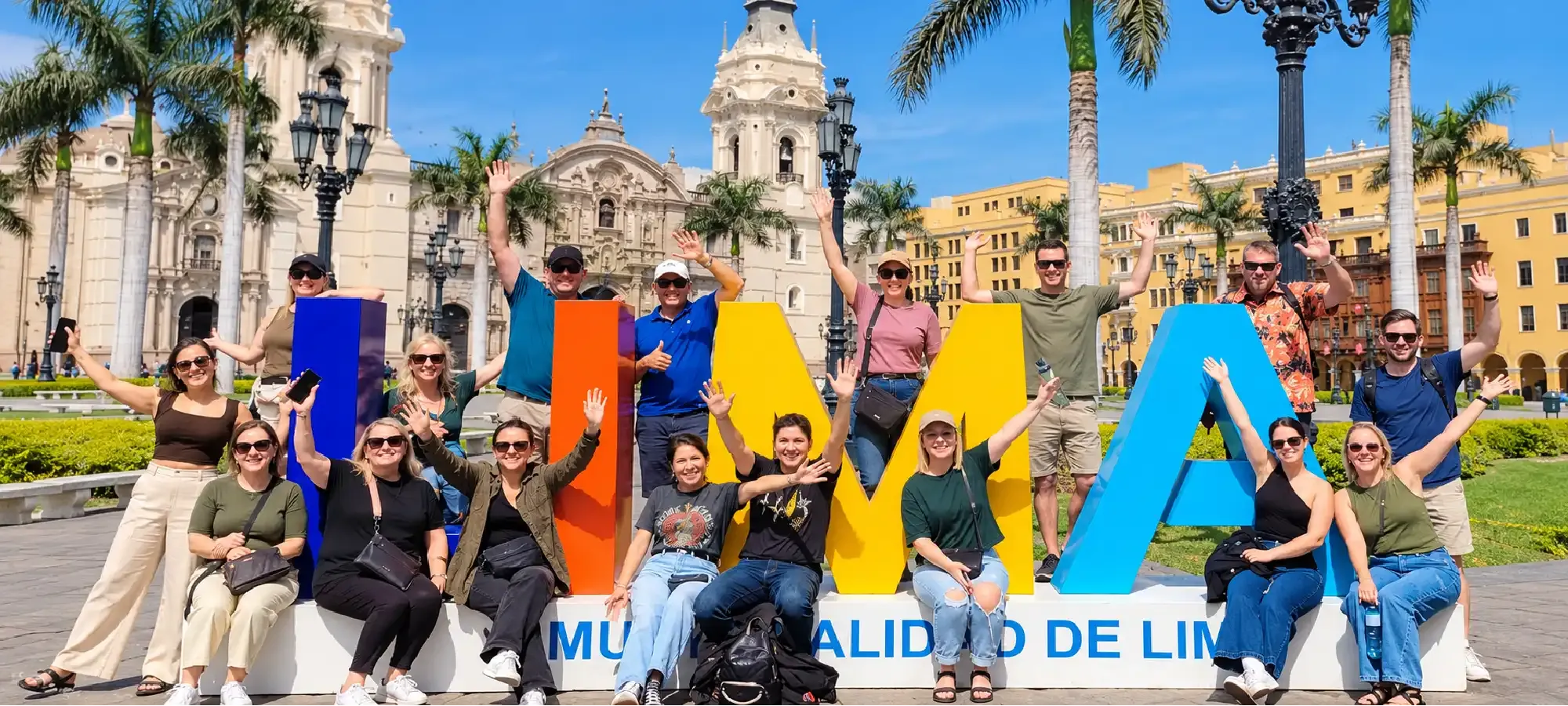
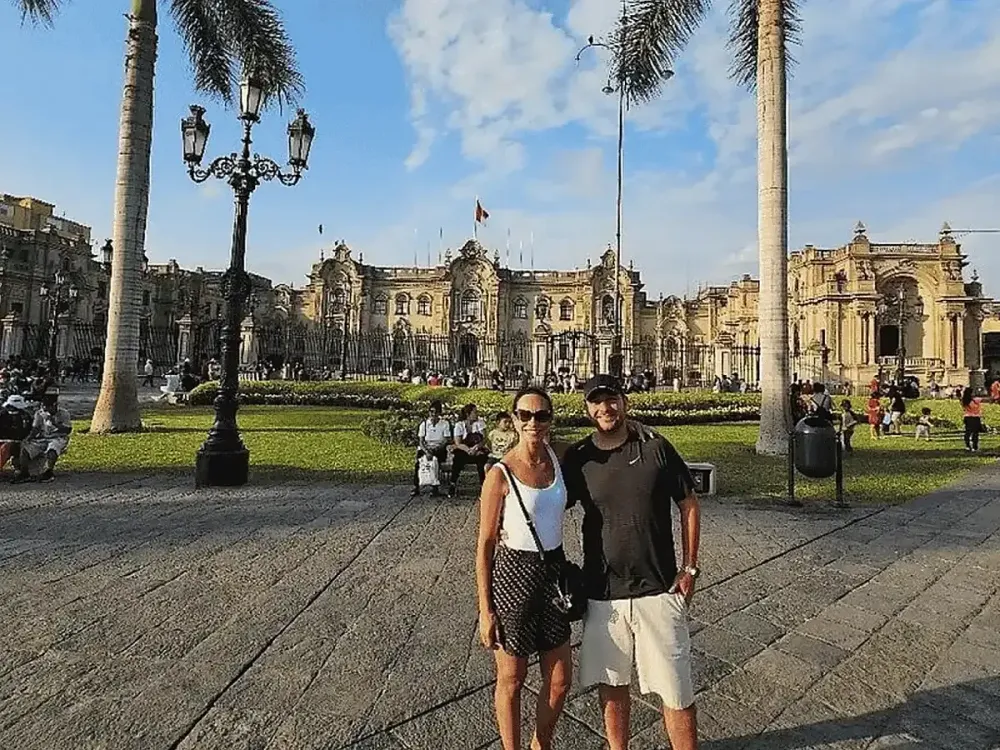
The Historic Center is one of Lima's main tourist attractions and an ideal starting point for discovering the city. Founded by Francisco Pizarro in 1535, Lima became one of South America's most important political centers during the Viceroyalty of Peru. Its architectural heritage earned UNESCO recognition, with part of the historic district added to the World Heritage List in 1988 and the protected area expanded in 1991.
Among its most remarkable landmarks are Plaza Mayor, Lima Cathedral, the Government Palace, and the San Francisco Monumental Complex, famous for its underground crypts. For travelers interested in understanding the history behind these places, our Lima City Tour provides an opportunity to discover some of the capital's most important monuments with an experienced local guide.
2. Discover Miraflores and Walk Along Its Oceanfront Promenade
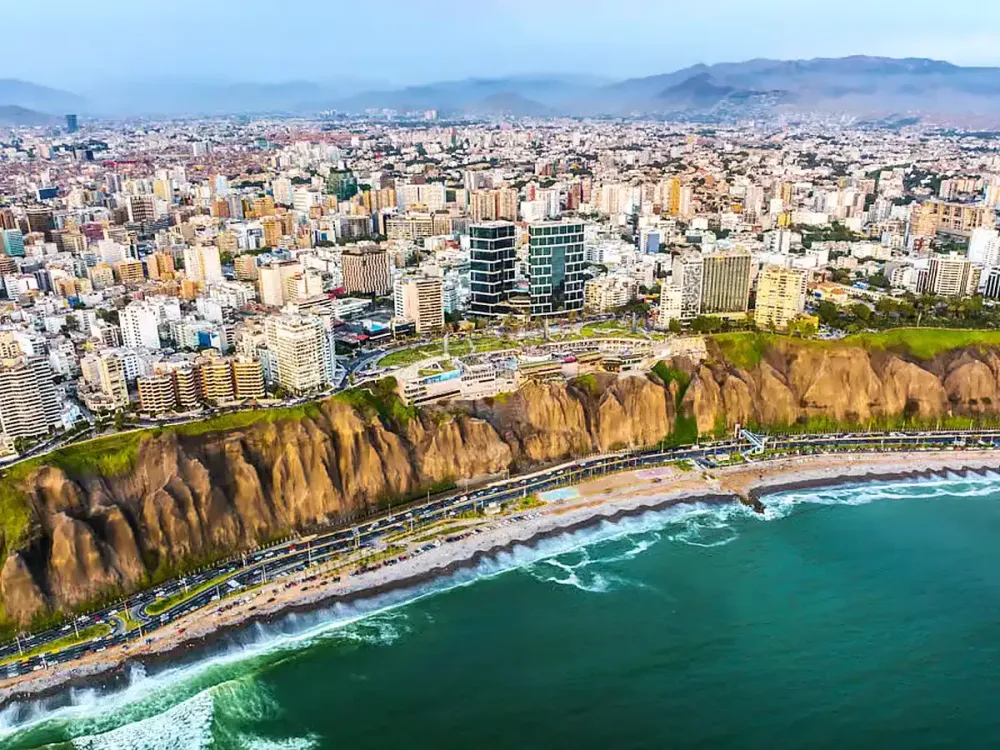
Miraflores is one of Lima's most visited districts, particularly known for its parks, restaurants, and spectacular views of the Pacific Ocean. Its oceanfront promenade stretches along the cliffs overlooking the Costa Verde, offering pleasant spaces for walking, outdoor activities, and enjoying the coastal scenery.
Its main attractions include Parque del Amor (Love Park), featuring the sculpture El Beso by Peruvian artist Víctor Delfín, Kennedy Park, and the Larcomar shopping center. You'll also find handicraft shops and a wide variety of restaurants. If you'd like to explore the district in greater detail, our upcoming guide on things to do in Miraflores, Lima will cover its main attractions and recommendations for planning your visit.
3. Visit Barranco and Discover Its Traditional Streets
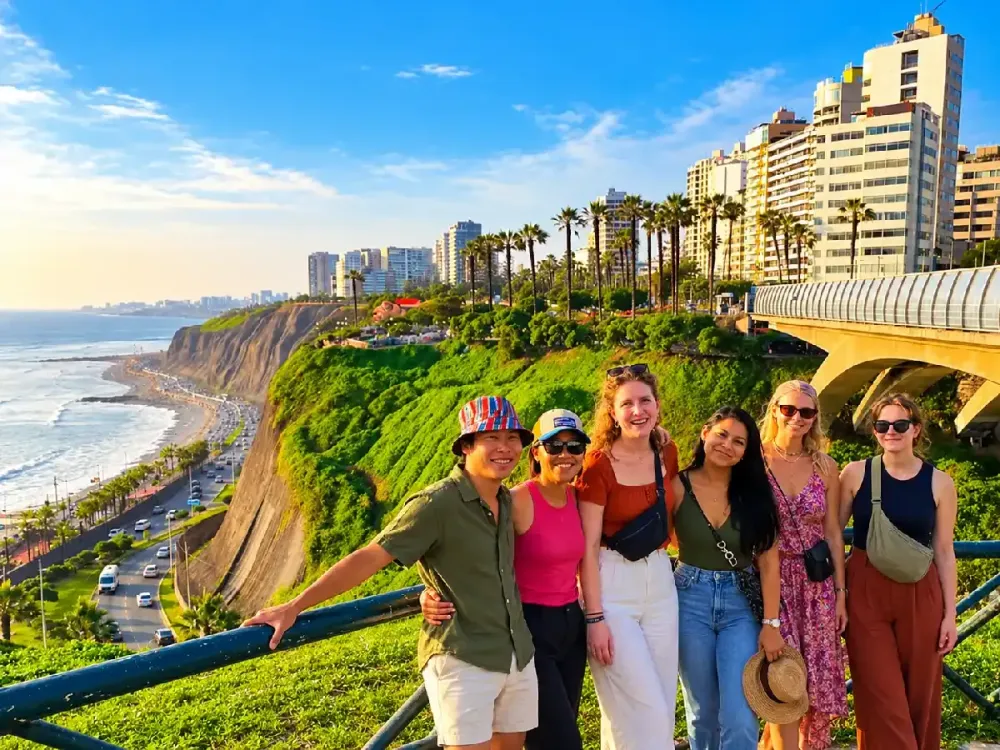
Barranco is a district known for its historic mansions, art galleries, restaurants, and cultural spaces. During the 19th century, it was a seaside resort popular among Lima's families and eventually became an important meeting place for artists, writers, and musicians.
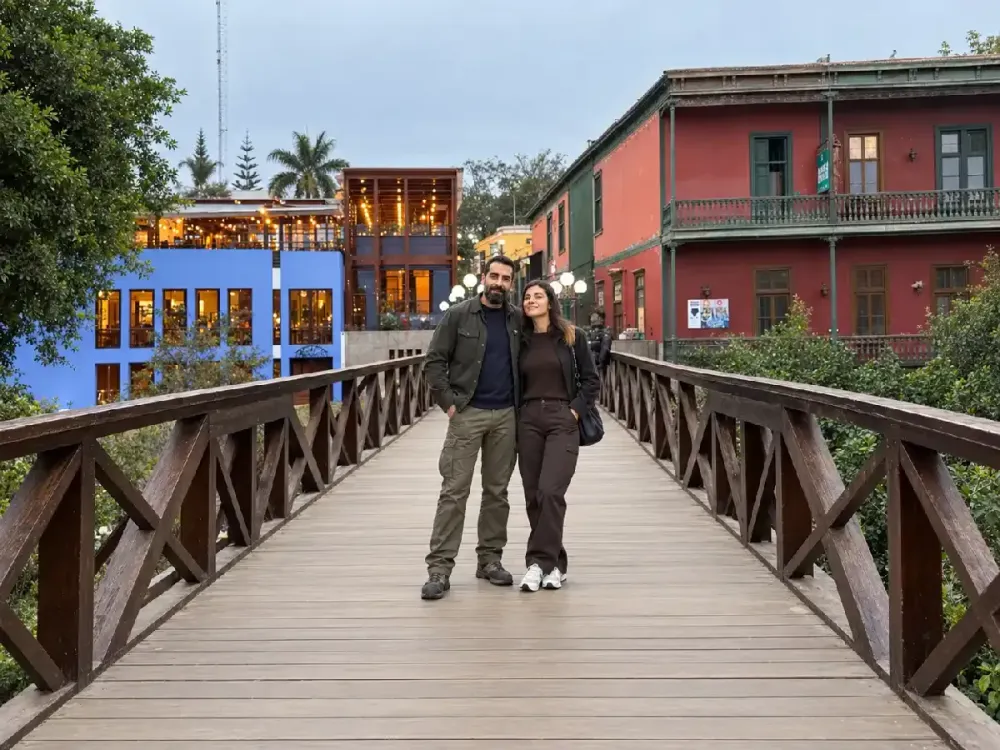
One of its most famous attractions is the Bridge of Sighs, located near Bajada de Baños, a traditional street leading toward the coast. The surrounding area features colorful murals, cafés, and examples of Republican-era architecture. Barranco is an excellent place to spend a relaxing afternoon, enjoy a meal, and discover a different side of Lima. Our upcoming guide on things to do in Barranco, Lima will offer a more detailed route through the district.
4. Discover the History of Huaca Pucllana
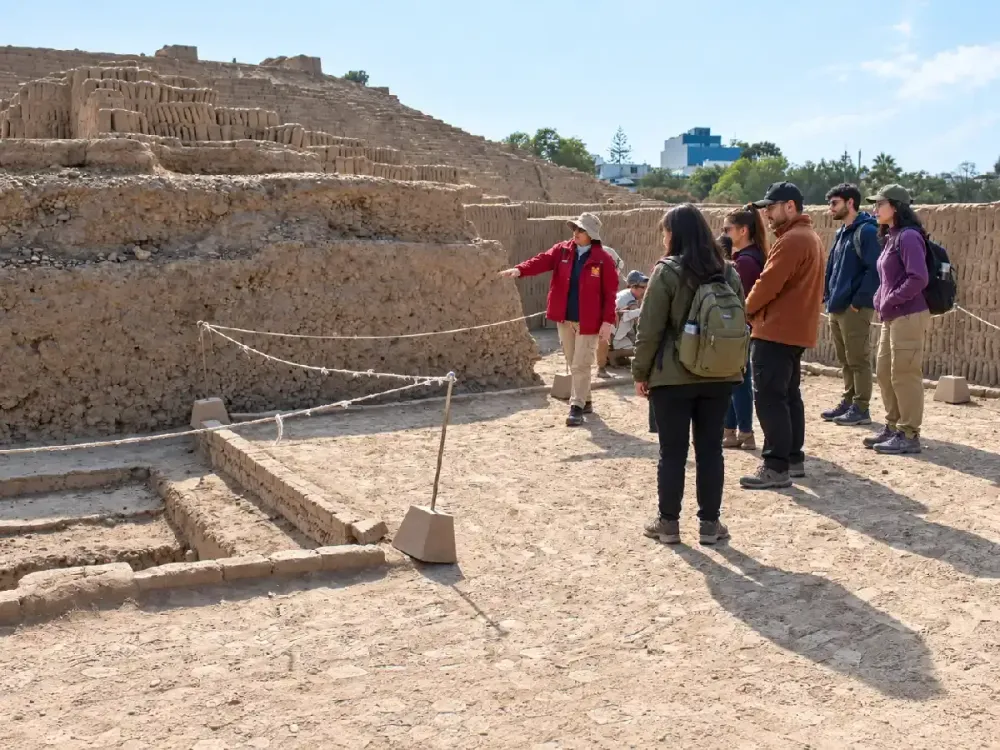
Huaca Pucllana is one of Lima's most important archaeological sites, located in the heart of Miraflores. This ancient ceremonial center was built by the Lima culture, which developed along Peru's central coast several centuries before the rise of the Inca Empire.
Its main structure is an adobe pyramid that showcases the construction techniques used by the region's ancient inhabitants. Archaeological research has revealed valuable information about their religious ceremonies and social organization. Before visiting the complex, it's advisable to check current opening hours and ticket availability. We will also publish a dedicated guide to Huaca Pucllana, covering its history and practical recommendations for visitors.
5. Explore the Pachacamac Archaeological Sanctuary
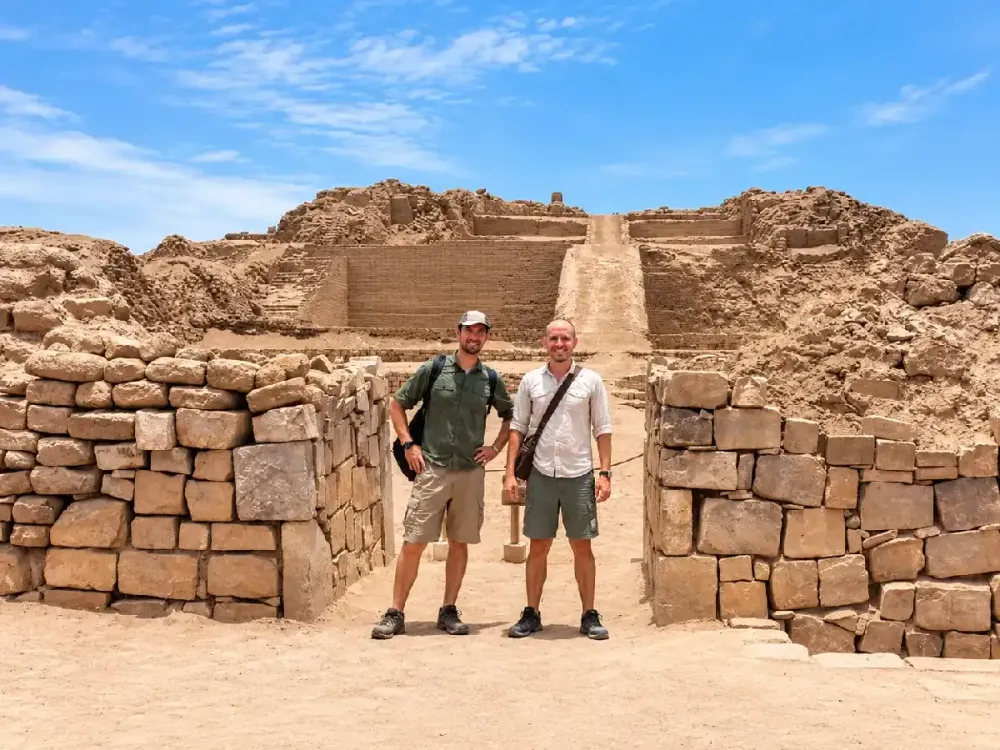
The Pachacamac Archaeological Sanctuary is located in the Lurín Valley, south of Lima, and was one of the most important religious centers on the Peruvian coast. Its history spans several pre-Hispanic periods and is associated with societies such as the Lima, Wari, Ychsma, and Inca cultures.
Among its most significant structures are the Temple of the Sun, the Painted Temple, and other ceremonial buildings associated with the worship of Pachacamac. The on-site museum complements the experience and helps visitors understand the sanctuary's religious importance. For those who prefer an organized excursion, Dreamy Tours offers a Pachacamac Tour from Lima, which also includes a visit to the traditional Barranco district.
6. Taste Lima's Traditional Cuisine
Lima's gastronomy is one of the capital's greatest attractions. Its diversity reflects the combination of local ingredients and culinary influences introduced by different communities throughout the country's history. Today, Lima offers a wide selection of restaurants, markets, and traditional establishments where visitors can discover these flavors.
Some of the city's most representative dishes include ceviche, causa limeña, lomo saltado, ají de gallina, and anticuchos. If you're looking for a more immersive culinary experience, you can join our Gastronomic Tour in Lima, which combines a visit to a traditional market with a hands-on Peruvian cooking class. We will also prepare a guide to traditional food in Lima, featuring recommended dishes and their main characteristics.
7. Enjoy the Magic Water Circuit
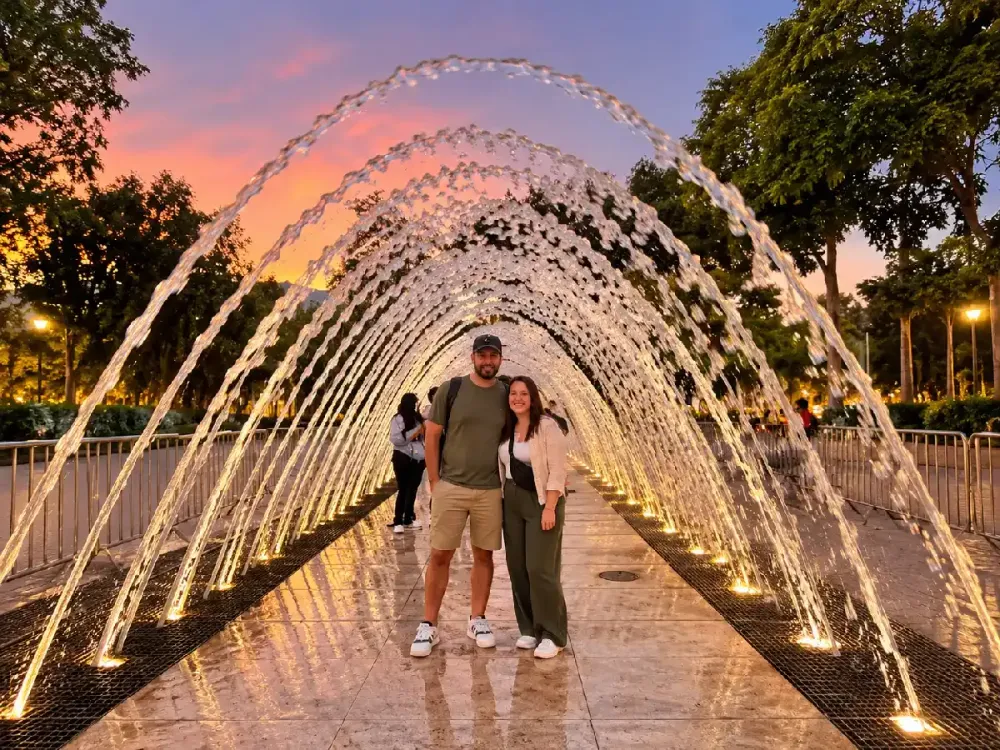
The Magic Water Circuit, located in Parque de la Reserva, is one of Lima's best-known nighttime attractions. It features thirteen ornamental fountains combining water displays, lighting, and audiovisual effects, creating an entertaining experience for families, couples, and travelers of all ages.
Among its main highlights are the Fantasy Fountain, which hosts multimedia shows, and the Tunnel of Surprises, where visitors can walk beneath illuminated arches of water. To experience this attraction, you can choose our Magic Water Circuit Tour in Lima. Before visiting, it's best to confirm the current opening hours and show schedules.
8. Visit Lima's Most Important Museums
Lima is home to museums that explore Peru's history, from its earliest pre-Hispanic societies to the contemporary era. These cultural institutions are particularly interesting for travelers who want to better understand the civilizations that developed along the coast and throughout the Andes.
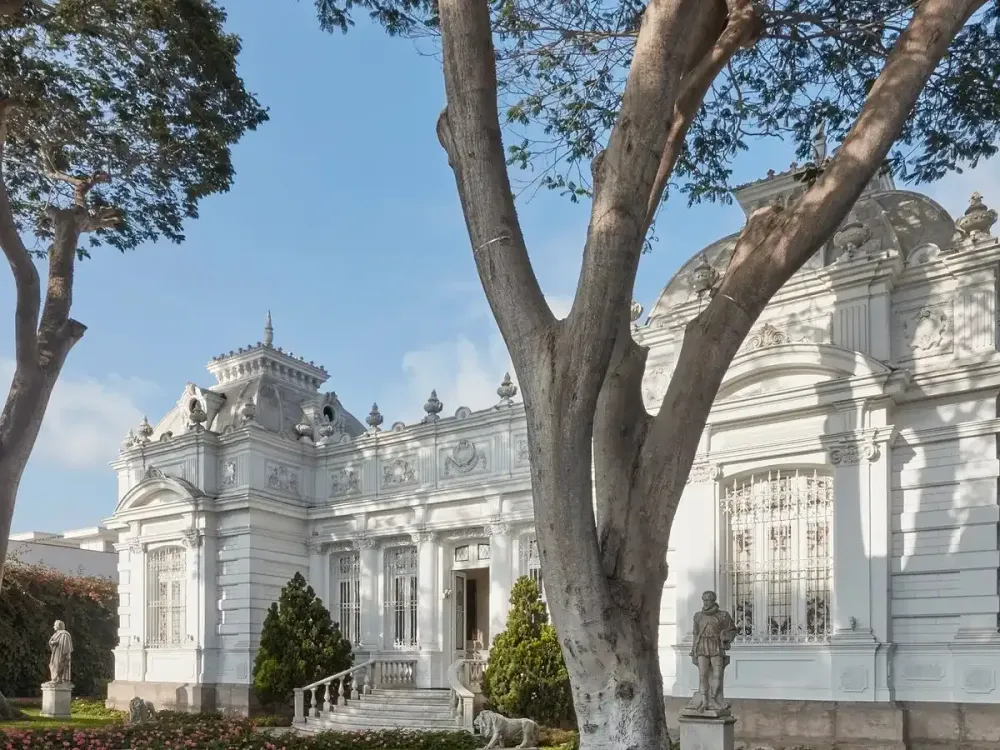
The Larco Museum, located in Pueblo Libre, houses an impressive collection of pre-Columbian ceramics, textiles, and artifacts. Other notable museums include the Lima Art Museum, dedicated to different periods of Peruvian artistic expression, and the Pedro de Osma Museum in Barranco. Visiting one or two of these institutions is an excellent way to complement a tour of the capital's historical attractions.
9. Take a Walk Through El Olivar Park in San Isidro
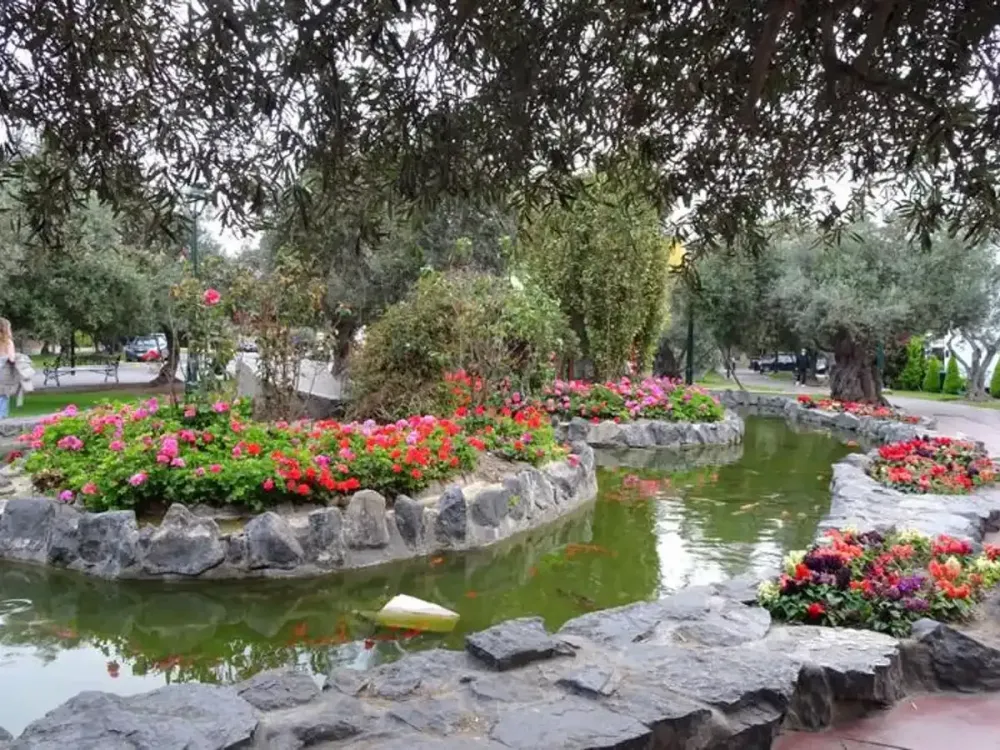
El Olivar Park is one of Lima's most traditional green spaces. Located in the San Isidro district, it is known for its centuries-old olive trees, walking paths, and peaceful surroundings. Its origins date back to the introduction of olive cultivation during the colonial period, making it a place of both historical and scenic interest.
Today, El Olivar is an ideal destination for travelers who want to enjoy a relaxing walk, observe local birds, or rest after exploring other parts of the city. San Isidro also offers restaurants, cultural spaces, and convenient connections to Miraflores, making it a good addition to a half-day itinerary.
10. Admire the Costa Verde and Enjoy Outdoor Activities
The Costa Verde is an extensive coastal strip connecting several districts of Lima, offering landscapes characterized by beaches, cliffs, and panoramic views of the Pacific Ocean. Along this coastline, visitors can enjoy different recreational activities, especially during the summer months.
Popular experiences include surfing at designated beaches, walking along the oceanfront promenades, and paragliding in authorized areas of Miraflores. These activities depend on weather and sea conditions, so it's always advisable to book with reputable operators and follow local safety guidelines. Travelers looking for a quieter experience can simply enjoy the coastal scenery from nearby viewpoints and parks.
11. Plan What to Do in Lima Based on Your Available Time
The amount of time needed to explore Lima depends on your interests and preferred travel pace. If you only have one day, you can begin with a visit to the Historic Center and spend the afternoon exploring Miraflores. This combination allows you to discover part of Lima's colonial heritage while enjoying its oceanfront scenery without fitting too many activities into one day.
With two days, you can also visit Barranco, Huaca Pucllana, or enjoy a culinary experience. If you have three days or more, consider an excursion to Pachacamac, visits to museums, and additional time exploring other districts. To help you organize your stay, we will soon publish our guides to Lima in one day and Lima in 2 days, with itineraries designed for different schedules and travel preferences.
12. Practical Tips for Visiting Lima and Making the Most of Your Trip
Lima can be visited throughout the year, although its weather conditions vary by season. Between December and March, temperatures are generally warmer, with more sunny days. During autumn and winter, cloudy skies and higher humidity are common. For this reason, it's advisable to bring comfortable clothing, sun protection, and a light jacket.
It's also important to consider the distances between tourist attractions and the city's traffic, particularly during rush hours. For more comfortable transportation, use reliable, authorized services and organize your sightseeing by district. If you're still planning your stay, our upcoming guides on where to stay in Lima and the best time to visit Lima will help you prepare for your trip.
Lima deserves more than a quick stop before continuing to other destinations in Peru. Its monuments, archaeological sites, traditional neighborhoods, and gastronomy provide an opportunity to discover different chapters of the country's history within a single city. If you'd like to explore these experiences through organized excursions, take a look at our tours in Lima and choose the activities that best suit your travel plans.
Personal travel advice
Plan your trip with Dreamy Tours
Start a tailored journey with our exclusive tours and custom trips across Peru and other Latin American countries.