Search the blog
Tabla de contenidos
Barranco is one of Lima's most traditional, artistic, and culturally rich districts. Its streets preserve historic Republican-era mansions, colorful murals, art galleries, and public spaces that reflect an important part of the Peruvian capital's history. Located near the Pacific Ocean, the district is also known for its viewpoints, restaurants, and atmosphere that combines historical architecture with contemporary cultural expressions.
If you're looking for things to do in Barranco, Lima, you'll discover landmarks such as the Bridge of Sighs, Bajada de Baños, Barranco's main square, and the Pedro de Osma Museum. In this guide, we introduce the district's main tourist attractions, recommended activities, and a suggested walking route to explore Barranco, whether you have just a few hours or want to dedicate an entire afternoon to the neighborhood.
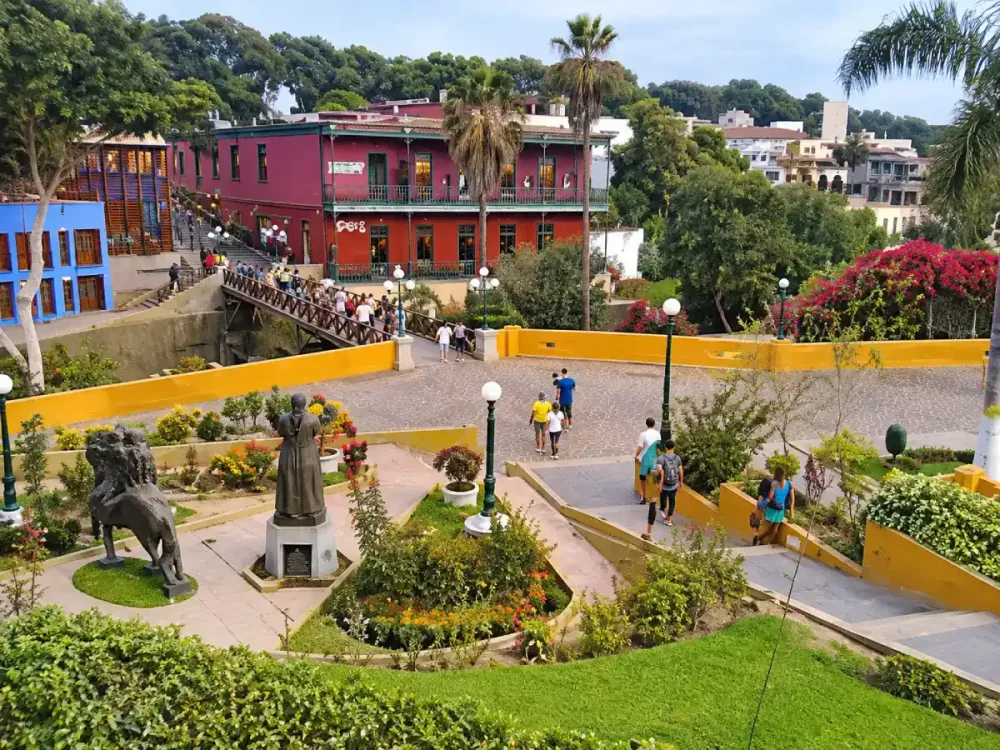
Why Visit Barranco in Lima?
Barranco is known as one of Lima's bohemian neighborhoods thanks to its history of connections with artists, writers, and musicians. During the 19th century, it developed as a seaside retreat frequented by families from Lima. Over time, its streets, mansions, and public spaces became important cultural meeting places.
Today, the district preserves much of this identity through its galleries, murals, restaurants, and traditional buildings. Unlike the more commercial areas of Miraflores, Barranco offers an atmosphere particularly suited to walking, discovering small cultural spaces, and appreciating the neighborhood's architecture.
Because of its proximity to Miraflores, both districts can be visited on the same day. If you're planning a longer stay, our guide to what to do in Lima, Peru will help you combine Barranco with the capital's main historical and tourist attractions.
Bridge of Sighs: Barranco's Most Iconic Landmark
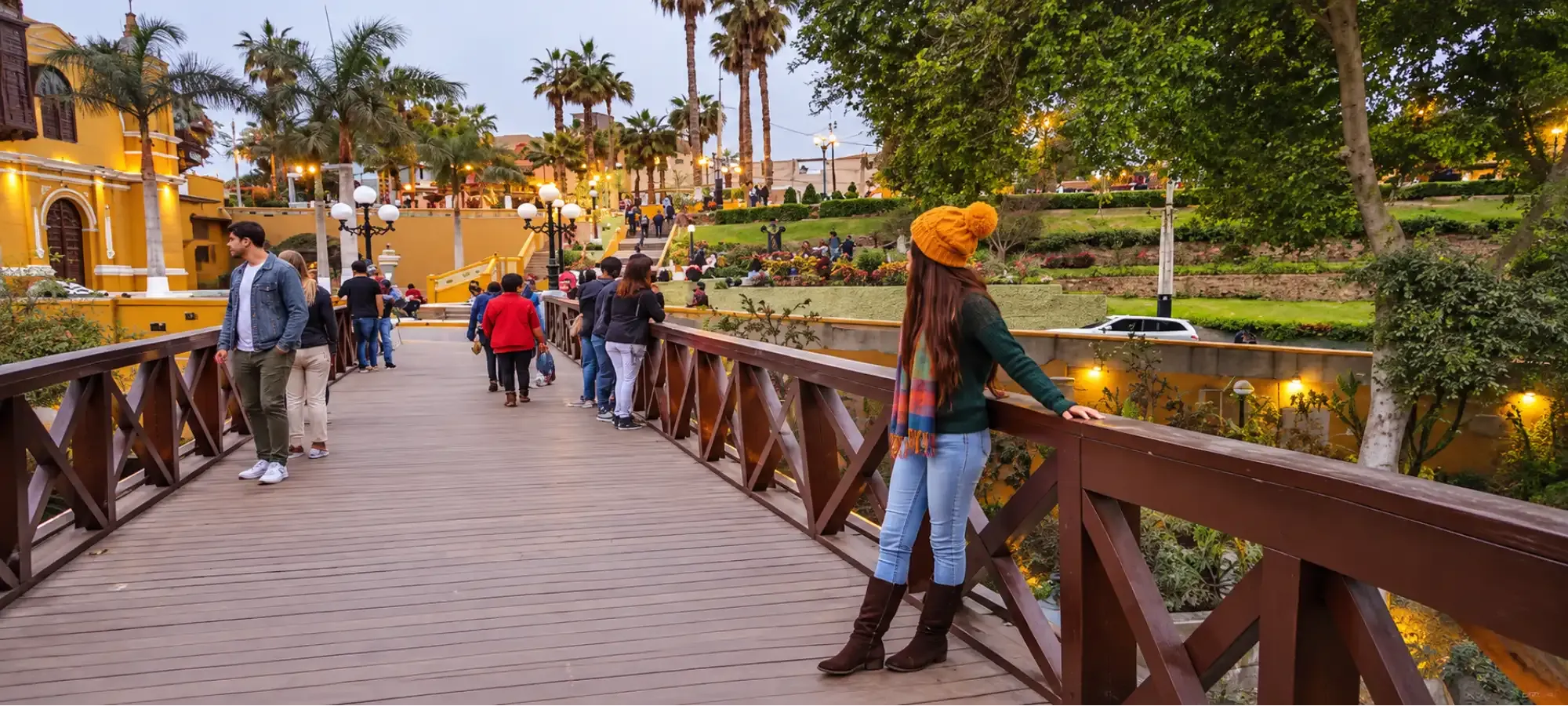
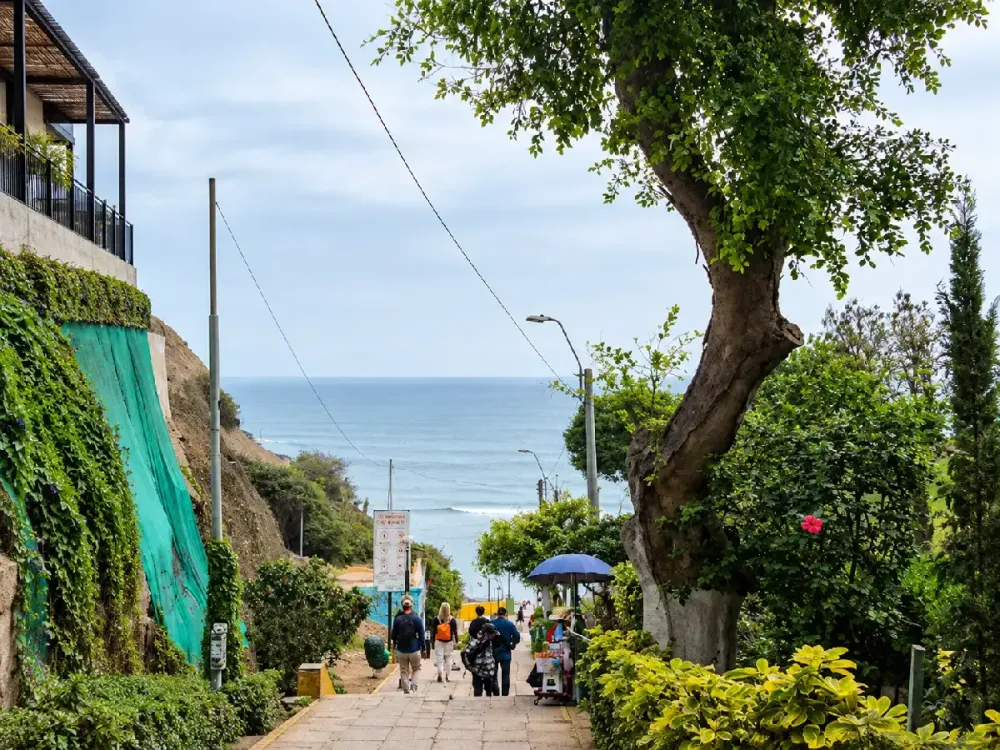
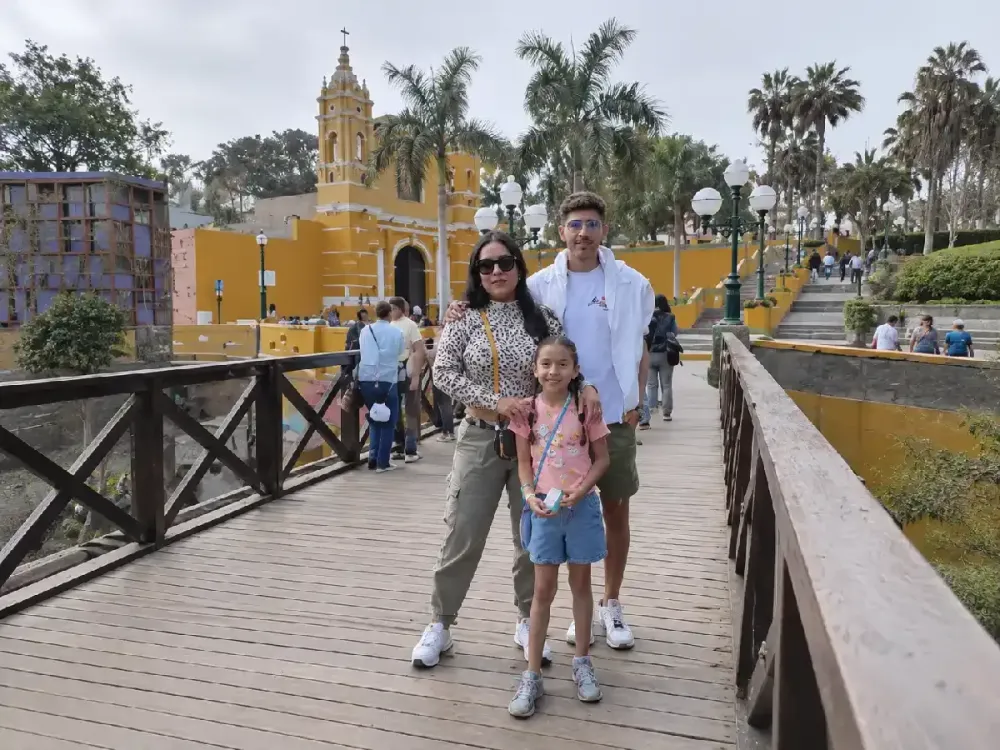
The Bridge of Sighs, known locally as Puente de los Suspiros, is one of Barranco's best-known monuments and a major symbol of the district. It was inaugurated on February 14, 1876, to connect both sides of a natural ravine in the heart of the neighborhood. Over time, it became associated with romantic traditions and Barranco's cultural life.
According to a popular local legend, people crossing the bridge for the first time while holding their breath can make a wish. Although this is a symbolic tradition, it remains one of the stories visitors hear while exploring the area.
From the bridge, you can see part of Bajada de Baños, traditional buildings, and the surroundings leading toward the coast. Access is free, making it easy to include this landmark in your itinerary. We recommend visiting during the day to appreciate its architecture and returning around sunset if you'd like to enjoy a different atmosphere.
Bajada de Baños: A Traditional Walk Toward the Ocean
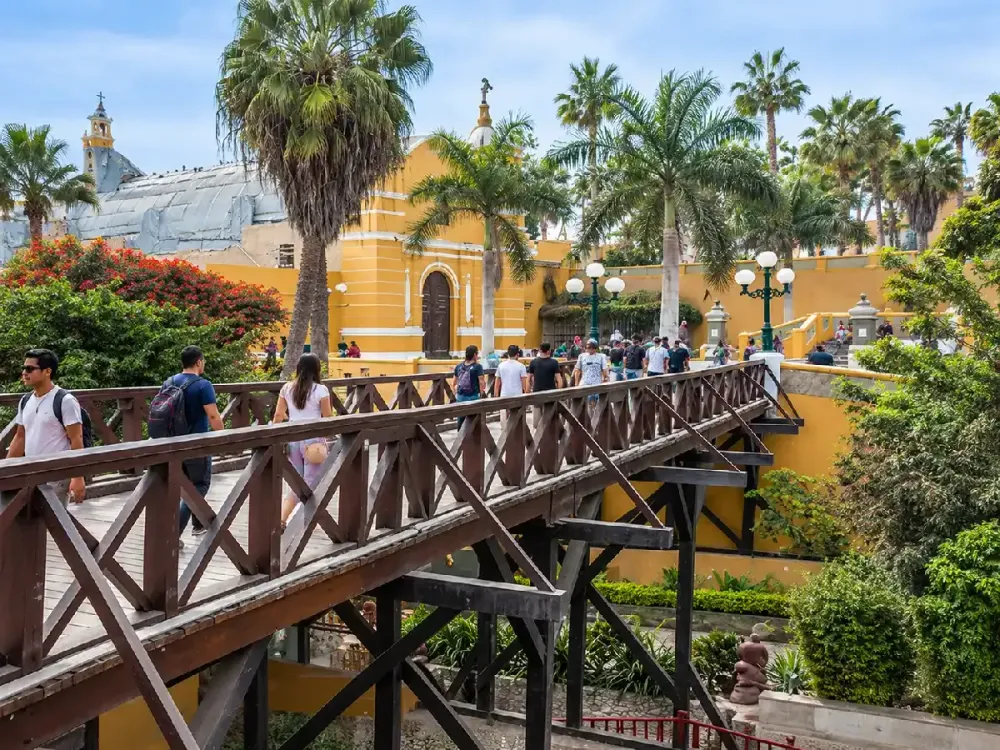
Bajada de Baños is one of Barranco's most characteristic pedestrian routes. Originally, it was a natural ravine used as a pathway toward the coast. As Barranco developed into a seaside resort, it became a traditional walkway surrounded by homes, gardens, and historical buildings.
Today, the pathway retains its picturesque atmosphere thanks to its trees, old façades, murals, and small restaurants and cafés. It's an excellent place for a leisurely walk, admiring the neighborhood's architecture, and taking photographs along the route.
You can begin near the Bridge of Sighs and continue downhill toward the Costa Verde. Keep in mind that the route includes slopes and that reaching the beaches requires additional walking. If you prefer a shorter visit, you can explore only the section near the bridge before returning to Barranco's historic district.
Barranco's Main Square and Historic Buildings
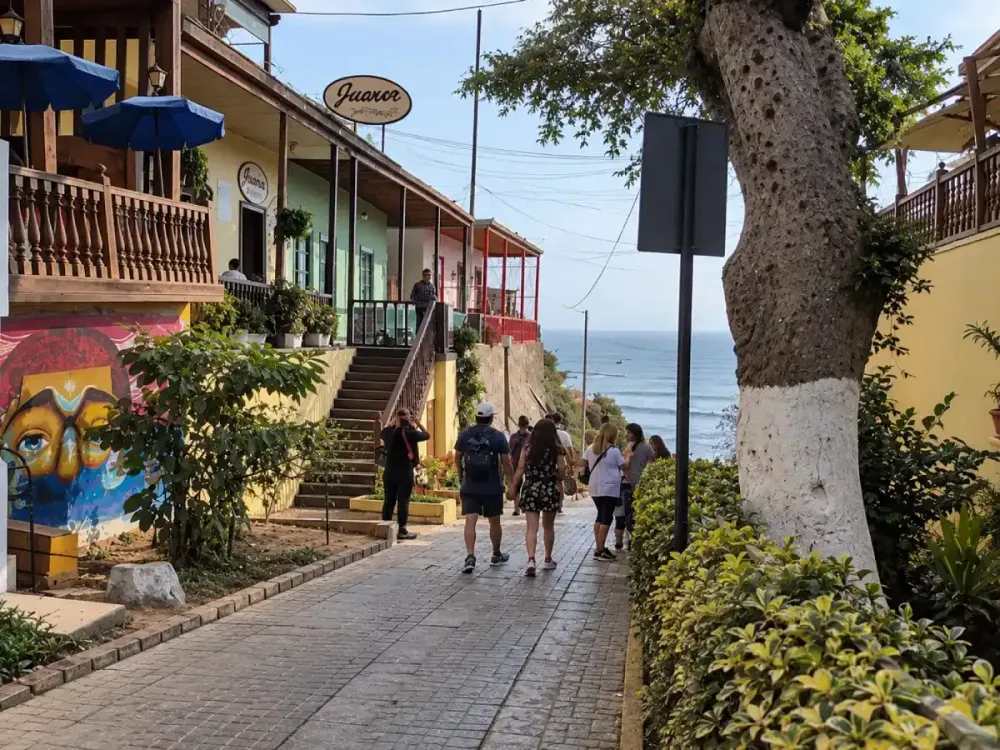
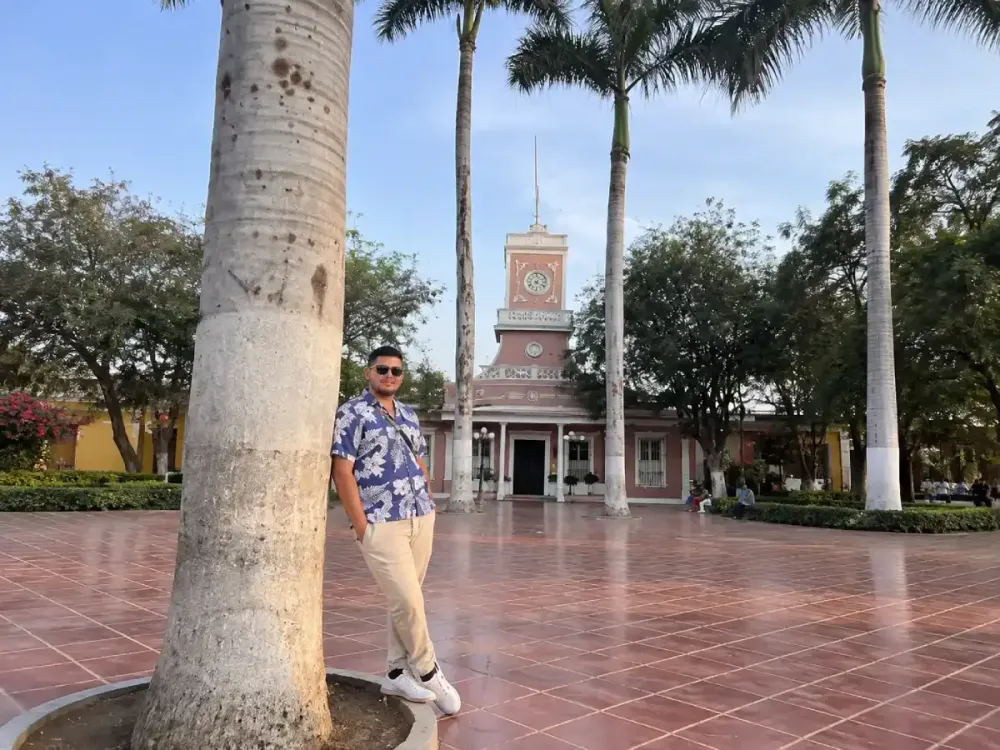
Barranco's main square, known as Plaza Municipal, is one of the district's most important public spaces and an excellent starting point for a walking tour. It is surrounded by traditional buildings, commercial establishments, and places that preserve part of the neighborhood's history.
Nearby landmarks include the Municipal Library and Santísima Cruz Church, two buildings that contribute to the district's historical landscape. Its green areas and places to sit make the square a popular meeting point for residents and visitors.
From here, you can continue toward the Bridge of Sighs, Chabuca Granda Square, and other streets in Barranco's historic area. This concentration of attractions makes it possible to discover much of the neighborhood without constantly relying on transportation, which is particularly convenient for travelers with limited time.
Barranco's Hermitage and Chabuca Granda Square
Barranco's Hermitage, known as the Ermita de Barranco, is one of the district's most traditional religious buildings. Located near the Bridge of Sighs, it forms part of the historical landscape of the neighborhood. Its origins are surrounded by popular stories, including a legend about a glowing cross that supposedly guided fishermen who had become lost at sea.
The building has experienced different periods of deterioration and restoration throughout its history. For this reason, we recommend checking access conditions before visiting and appreciating it primarily as an architectural landmark rather than assuming it will always be open to the public.
Very close to the Hermitage is Chabuca Granda Square, a public space honoring one of the most important figures in Peruvian Creole music. This area offers an opportunity to understand the relationship between Barranco, its traditions, and the musical expressions that form part of Lima's cultural identity.
Murals and Street Art: Discover Barranco's Artistic Side
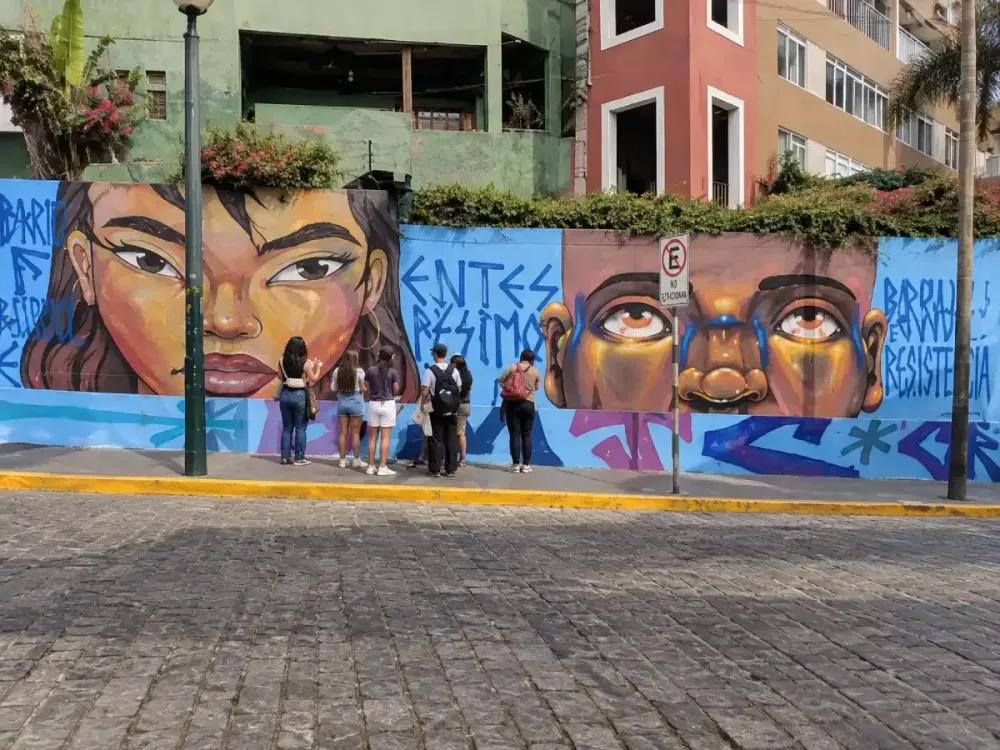
One of the most interesting experiences in Barranco is walking through its streets to discover murals, artistic installations, and decorated façades. These expressions coexist with historic mansions, galleries, and workshops, creating an urban landscape that reflects the district's cultural transformation.
Around Bajada de Baños and along different streets in the historic area, you'll find artwork featuring colors, characters, and elements associated with Peruvian identity. Since street art changes over time, some murals may disappear while new pieces become part of the neighborhood's landscape.
We also recommend exploring Paseo Sáenz Peña, known for its traditional architecture and cultural atmosphere. You can combine this walk with a visit to small galleries or exhibition spaces, depending on their opening hours and schedules. Barranco is particularly appealing to travelers interested in photography, architecture, and contemporary art.
Museums in Barranco: Pedro de Osma and Contemporary Art
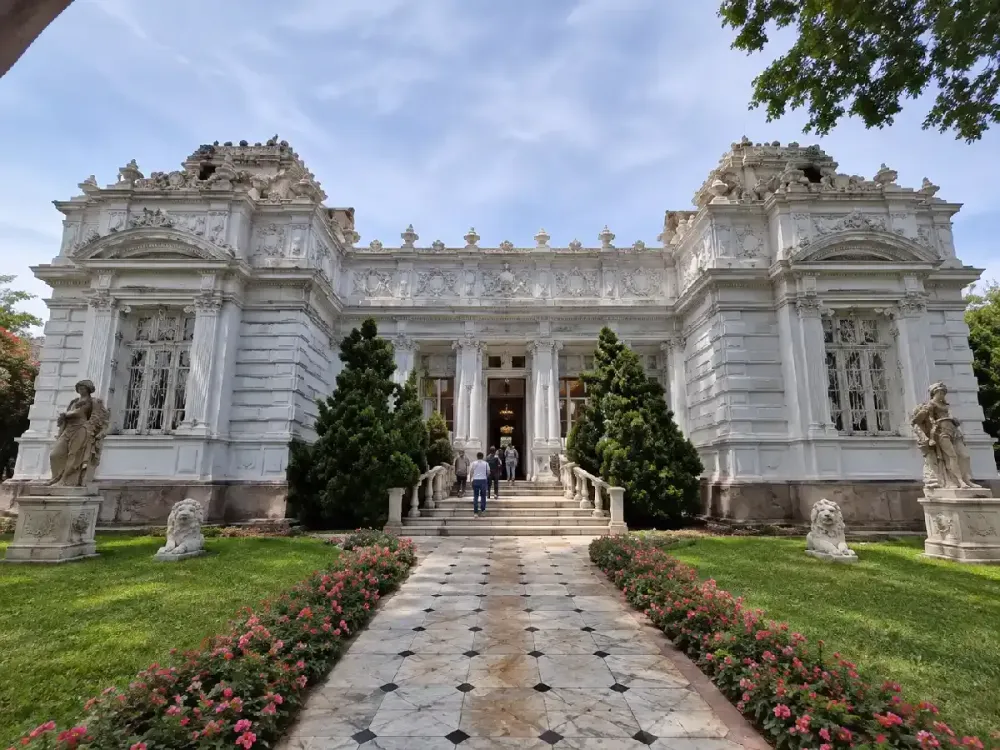
Barranco has museums that offer insight into different periods of Peru's artistic history. One of the most notable is the Pedro de Osma Museum, located at Avenida Pedro de Osma 421. Its collection includes paintings, sculptures, furniture, silverwork, and objects related to early Peruvian and colonial-era art.
The museum occupies a historic mansion and is an excellent choice for visitors interested in the country's artistic heritage. Its collections include works associated with the Cusco School of painting and different cultural traditions of the Andes. Before visiting, we recommend checking current opening hours, admission prices, and available exhibitions.
Another option is the Museum of Contemporary Art of Lima, commonly known as MAC, located on Avenida Grau. This institution focuses on modern and contemporary art and presents exhibitions featuring different national and international artistic approaches.
If you only have one afternoon available, we recommend choosing one of these museums rather than rushing through both. You can also combine your museum visit with a walk through Barranco's main square and the Bridge of Sighs.
Barranco's Oceanfront Promenade and Pacific Ocean Views
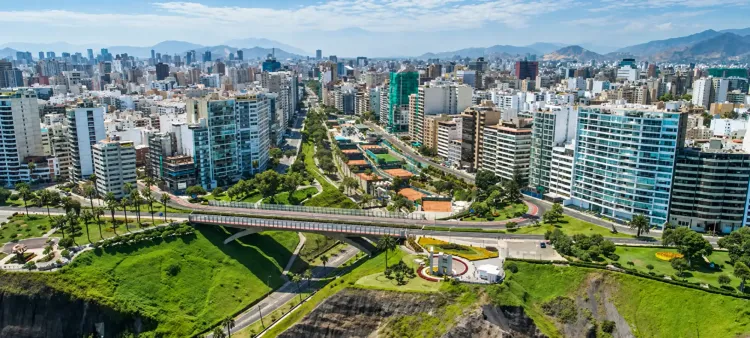
Barranco's oceanfront promenade offers pleasant areas for walking and admiring the Pacific Ocean from the cliffs of the Costa Verde. Unlike the more commercial sections of Lima's coastline, some parts of Barranco retain a residential atmosphere that makes it possible to enjoy the scenery at a relaxed pace.
Among its best-known areas is Malecón Paul Harris, which forms part of the district's coastal walking routes. From different points, you can admire the shoreline, beaches, and coastal landscape that characterize this part of Lima.
You can also explore viewpoints near Bajada de Baños, where you'll see sections of the Costa Verde. If you'd like to continue discovering the capital's oceanfront scenery, our guide to things to do in Miraflores, Lima introduces Love Park, the oceanfront promenade, and other attractions that complement a visit to Barranco.
Where to Eat in Barranco and Which Peruvian Dishes to Try
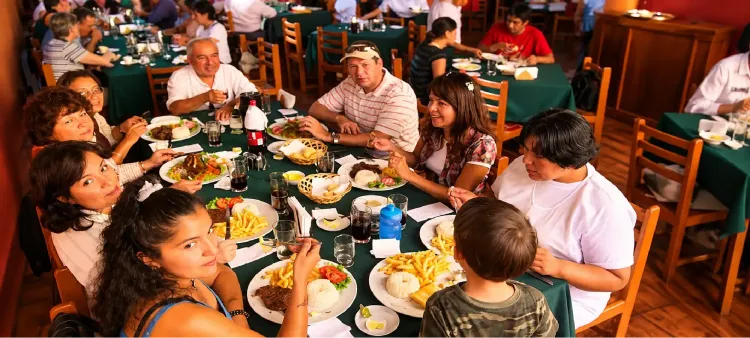
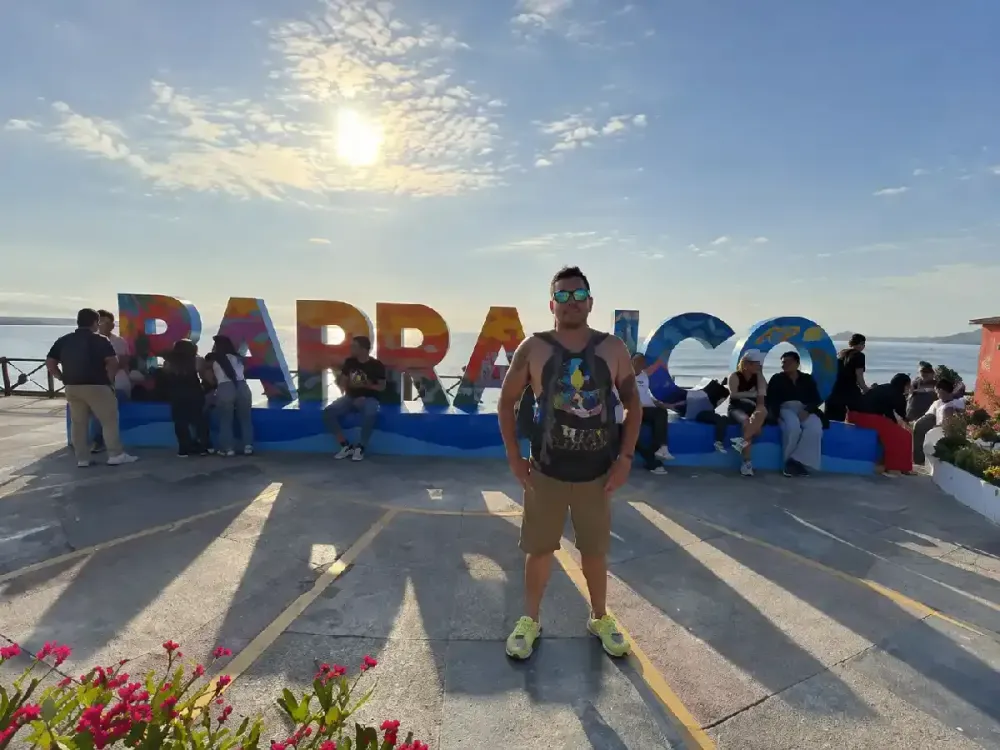
Barranco is one of Lima's most interesting gastronomic districts. Its streets are home to traditional Creole restaurants, contemporary dining establishments, cafés, and restaurants specializing in fish and seafood. This variety makes it easy to combine cultural sightseeing with a culinary experience at lunch or dinner.
Recommended dishes include ceviche, causa limeña, lomo saltado, and ají de gallina. You can also try anticuchos, picarones, and traditional desserts at establishments that offer them. To learn more about the history and ingredients of these specialties, explore our guide to traditional food in Lima.
If you'd like to participate in a hands-on Peruvian cooking experience, our Lima Culinary Tour combines a market visit with the preparation of traditional dishes. This activity complements a visit to Barranco but requires several hours, so we recommend planning it separately.
What to Do in Barranco in Half a Day or an Afternoon
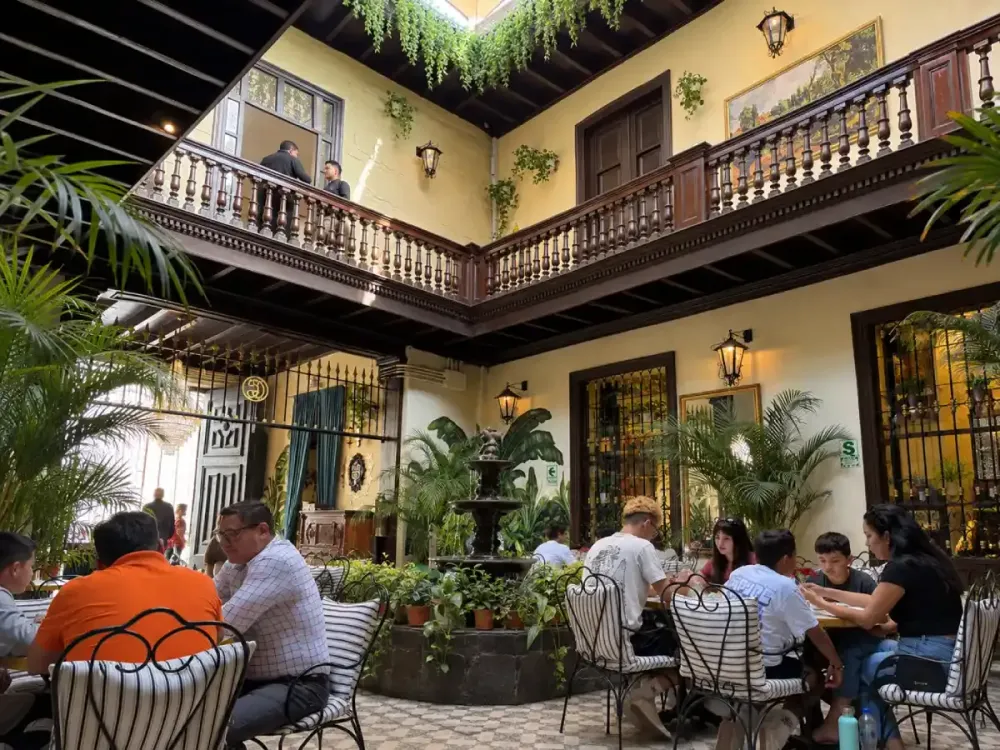
If you have half a day, start at Barranco's main square and admire its historic buildings. Afterward, continue toward Chabuca Granda Square, the Hermitage, and the Bridge of Sighs. From there, walk along Bajada de Baños and take time to observe the murals and traditional buildings throughout the neighborhood.
If you have an entire afternoon, you can include the Pedro de Osma Museum or the Museum of Contemporary Art. Another possibility is to take a walk along Paseo Sáenz Peña and finish at one of Barranco's viewpoints or restaurants.
For travelers planning a short stay in the capital, we recommend combining Barranco with Miraflores on the same day and reserving another day for the Historic Center. This approach is explained in greater detail in our Lima in 2 Days itinerary, designed to explore different areas of the city while avoiding unnecessary transfers.
How to Get to Barranco from Miraflores or the Historic Center
Barranco is located south of Miraflores and can be reached by authorized taxi, private transportation, or public transit. Travel time depends on your departure point and traffic conditions, particularly during Lima's busiest hours.
From Miraflores, you can travel to central Barranco and begin your walk at the main square or near the Bridge of Sighs. If you're staying close to the boundary between the two districts, you may also consider walking, provided the distance and route conditions are suitable.
From the Historic Center, we recommend organizing transportation in advance to avoid spending too much time in traffic. If you'd like to discover Lima's main colonial landmarks and explore Miraflores through an organized excursion, our Lima City Tour is a complementary option. This tour focuses on historical and modern areas of Lima, so your visit to Barranco should be arranged separately.
Practical Tips for Visiting Barranco
Barranco can be visited throughout the year, although Lima's climate changes with the seasons. Between December and March, days are generally warmer and sunnier, while autumn and winter frequently bring higher humidity and cloudy skies. We recommend wearing comfortable walking shoes, using sunscreen, and bringing a light jacket.
The Bridge of Sighs, the main square, and many of the neighborhood's traditional streets can be explored free of charge. However, museums and certain cultural activities may require admission tickets or reservations. Before visiting, check their current opening hours and entry conditions.
Barranco is particularly enjoyable to explore on foot, but it's important to pay attention to traffic, slopes, and areas with larger crowds. If you'd like to photograph murals or historic buildings, respect private property and avoid entering spaces that are not open to the public.
At Dreamy Tours, we recommend including Barranco in your Lima itinerary to discover its cultural heritage, artistic spaces, and Pacific Ocean scenery. You can complement your visit with our guide to tourist attractions in Lima or explore our tours in Lima to organize additional historical, cultural, and culinary experiences during your stay.
Personal travel advice
Plan your trip with Dreamy Tours
Start a tailored journey with our exclusive tours and custom trips across Peru and other Latin American countries.