Search the blog
Tabla de contenidos
Travelling to Machu Picchu involves more than choosing a date and buying a ticket. The visit is organised through specific circuits and routes, entrance times are fixed, and transportation from Cusco must be coordinated with the ticket you have reserved.
At Dreamy Tours, we recommend organising the elements that determine the rest of the trip first: travel date, entrance ticket, circuit and how you will get there. Once these are confirmed, choosing trains, accommodation and additional experiences becomes much easier.
This Machu Picchu travel guide brings together the essential information you need to plan your trip with updated 2026 details. Throughout the article, you will also find links to our specialised guides, tours and Peru travel packages.
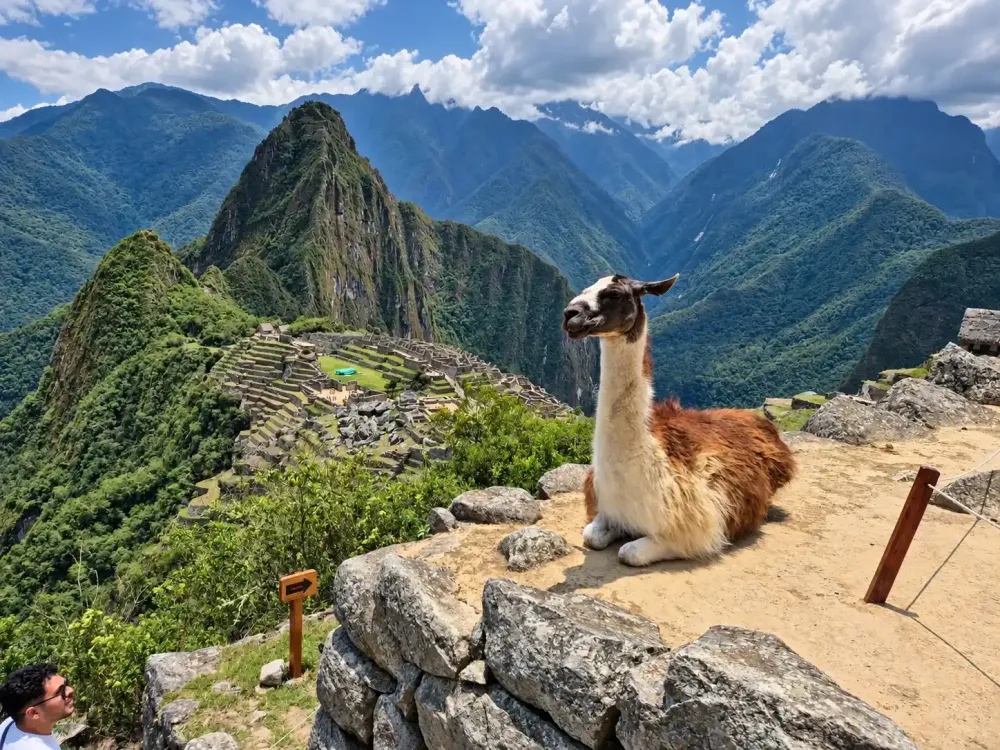
Where is Machu Picchu and where should you start your trip?
Machu Picchu is located in the Cusco region, in a mountainous environment close to the Urubamba River. The Inca citadel sits at around 2,430 metres above sea level, considerably lower than the city of Cusco.
For most travellers, Cusco is the main base. However, returning to the city before travelling to Machu Picchu is not always necessary. Passing through the Sacred Valley and staying overnight in Ollantaytambo can make the train connection the following day much easier.
Machu Picchu Pueblo, also known as Aguas Calientes, lies below the sanctuary and is the main access point for travellers arriving by train. From there, most visitors continue by bus to the entrance of the archaeological site.
Understanding the difference between Cusco, Ollantaytambo, Aguas Calientes and Machu Picchu itself helps avoid one of the most common planning mistakes: assuming they are all in the same place. Our guide on how to get to Machu Picchu from Cusco explains these connections in greater detail.
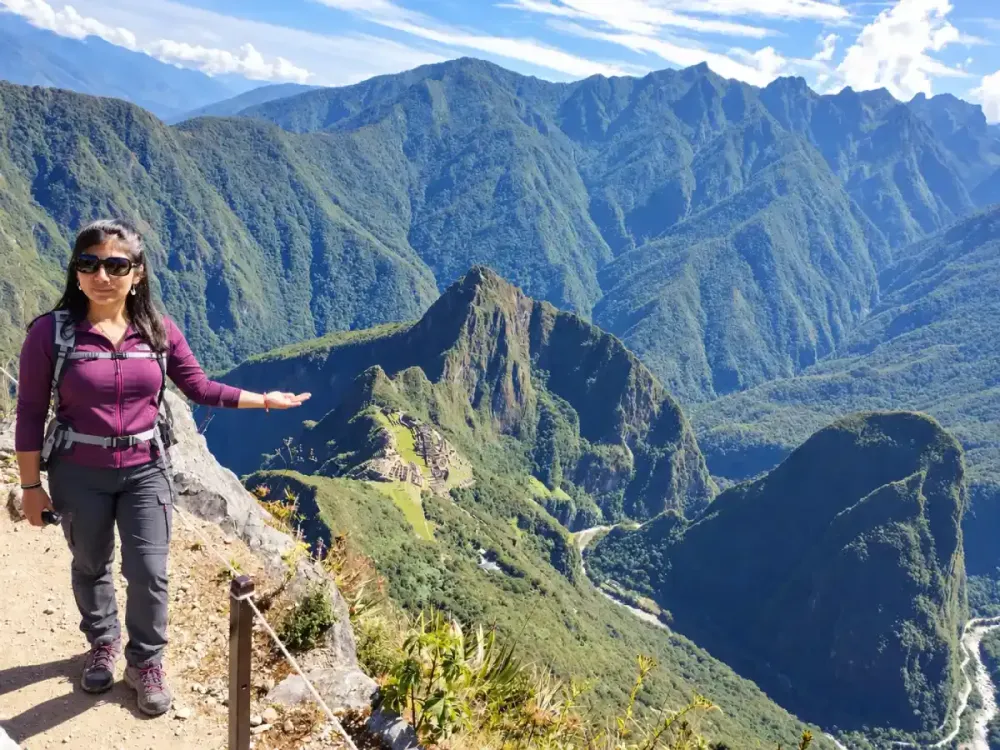
What is the best time to visit Machu Picchu?
Machu Picchu can be visited throughout the year, but conditions change with the season. From approximately May to September, Cusco generally experiences drier weather, while rainfall becomes more frequent between November and March.
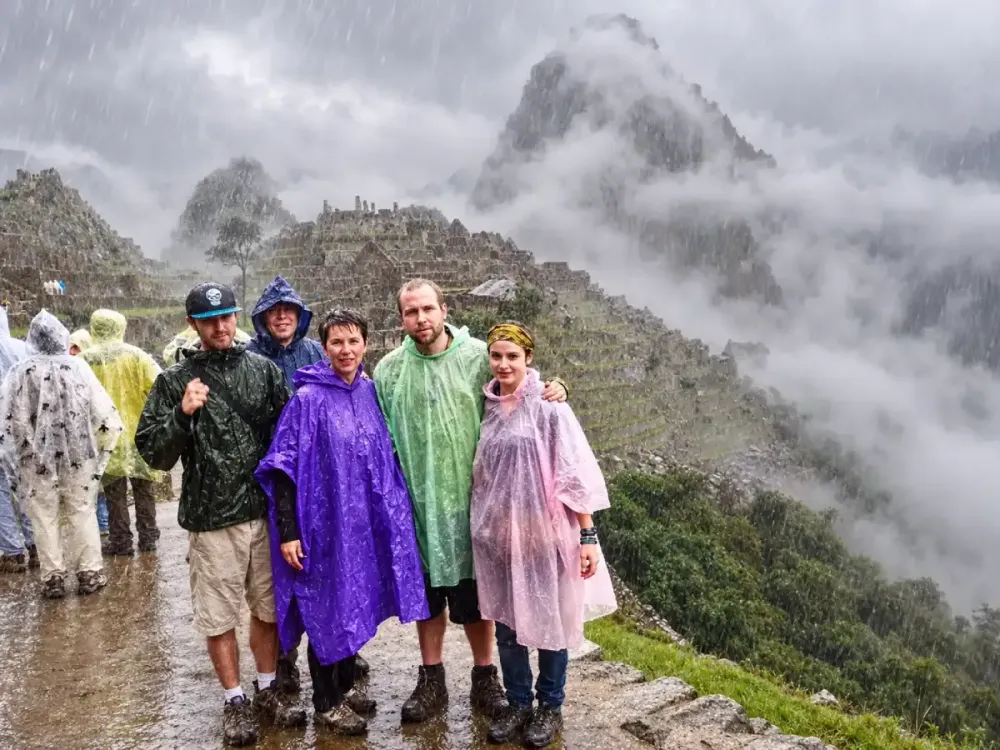
This does not mean the wet season is a bad time to travel. During these months, the mountains often become intensely green, although travellers should carry rain protection and allow some flexibility for changing weather conditions.
June, July and August usually coincide with higher visitor demand. If you plan to travel during these months, it is wise to secure your entrance ticket first and then organise the remaining services. For 2026, the Ministry of Culture established a maximum daily capacity of 5,600 visitors on selected high-season dates, including the period from June 19 to November 2.
If you have not yet chosen your travel dates, read our guide to the best time to visit Machu Picchu, where we compare the dry season, rainy season and transition months.
How to get to Machu Picchu from Cusco
The most common route combines ground transportation from Cusco to the Sacred Valley, train travel to Machu Picchu Pueblo and a bus to the entrance of the Inca citadel. Ollantaytambo is one of the main railway departure points and offers considerable flexibility when organising the journey.
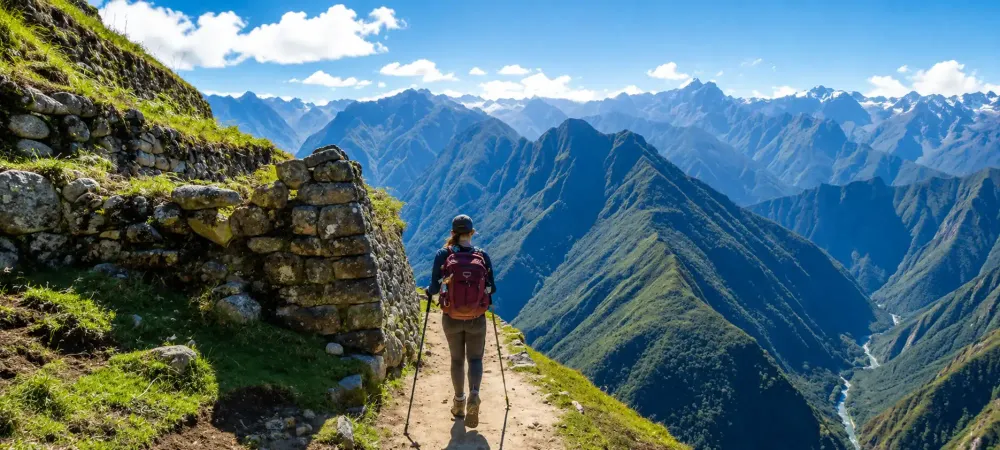
The train is not the only option. Travellers who want the journey itself to become part of the experience can arrive via the 4-Day Classic Inca Trail, the 2-Day Short Inca Trail or alternative trekking routes such as the Salkantay Trek to Machu Picchu.
The Inca Trail has its own regulations and is not an unrestricted hiking route. Routes 01 to 04 have regulated capacity, while the shorter routes from Km 104 also operate under defined visitor limits. Reservations must be managed through authorised agencies and are linked to identified travellers.
| Way to reach Machu Picchu | Best for | Main requirement | Organisation |
|---|---|---|---|
| Train via Ollantaytambo | First-time visitors, families, limited time | Machu Picchu ticket + original identity document | Coordinate train, bus and entrance time |
| 4-Day Classic Inca Trail | Complete historic trekking experience | Named permit through an authorised agency + original document | Advance booking required |
| 2-Day Short Inca Trail | Trekking with limited time | Inca Trail Network permit + original document | Usually starts at Km 104 |
| Salkantay Trek | High-altitude scenery and alternative trekking | Does not use the Classic Inca Trail permit; separate Machu Picchu entrance required | Services arranged according to itinerary |
Before choosing, compare not only the duration but also physical difficulty, availability and the kind of experience you want. If you are considering the regulated route, you can also check our Inca Trail availability.
Train to Machu Picchu: stations, schedules and connections
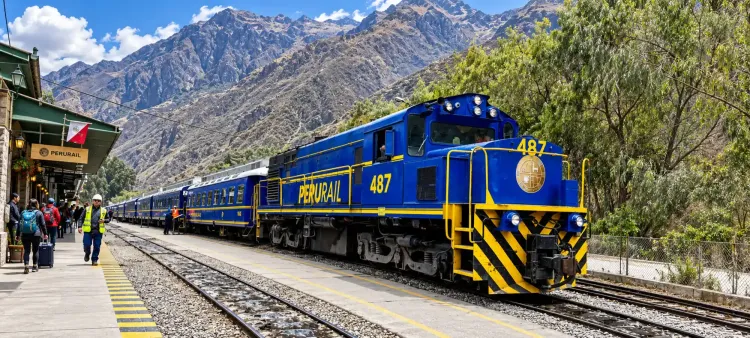
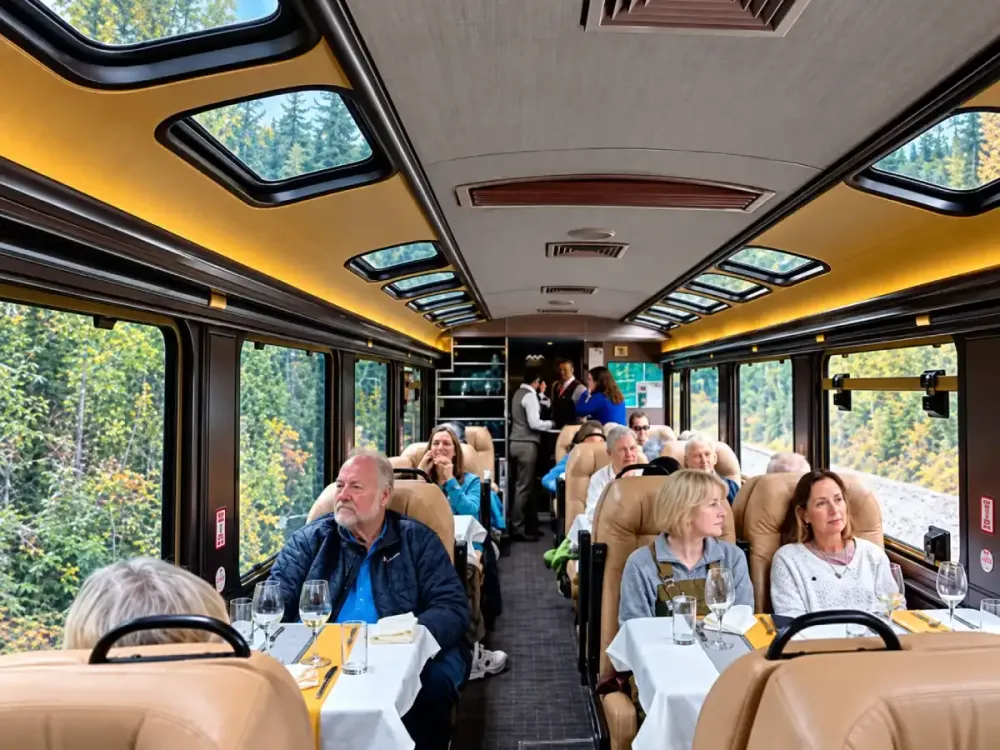
For travellers who are not trekking, the train is a central part of the logistics. Ollantaytambo has a large number of departures, although there are also options from Cusco and bimodal services combining bus and train travel.
At Dreamy Tours, we do not recommend choosing the train before confirming your Machu Picchu entrance. A convenient or inexpensive train is of little use if it arrives too late for the entrance time printed on your ticket.
The journey should be planned as a complete sequence: Cusco or Ollantaytambo, train, Machu Picchu Pueblo, bus and finally the archaeological circuit. The return trip also needs attention because an overly tight connection can turn a relaxed visit into a race against the clock.
Our train to Machu Picchu guide explains the main stations, bimodal services, baggage conditions, schedules and differences between the principal rail options.
Machu Picchu tickets: how the purchase system works in 2026
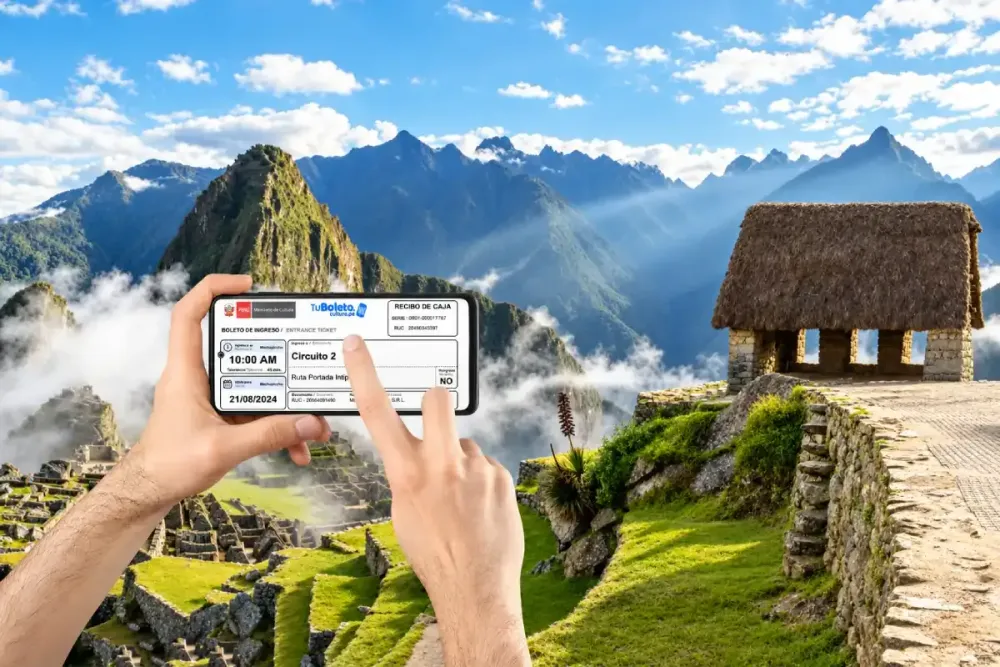
Official online tickets are purchased through Tu Boleto, the Ministry of Culture platform. Each ticket is personal and linked to a specific date, entrance time, circuit and route.
In September 2026, the ticketing system changed. The previous three-hour temporary reservation model was replaced with direct purchase and confirmed payment. During the initial implementation period, buyers were given up to 15 minutes to complete payment. If the transaction is not completed, the space becomes available again.
Visitors must carry both their ticket and the original official document associated with the reservation. Tickets are valid only for the purchased date and time, and the name of the ticket holder cannot be freely changed.
| Visitor / ticket type | Current reference | What to present |
|---|---|---|
| Foreign adult, regular routes | S/ 152 | Ticket + original passport or identity document |
| Foreign student | S/ 77 | Ticket + document + valid student accreditation |
| Foreign visitor aged 3 to 17 | S/ 70 | Ticket + identity document |
| Peruvians, residents and CAN citizens | Promotional 2026 rate depending on route and schedule | Document proving eligibility |
| In-person purchase in Machu Picchu Pueblo | Up to 1,000 tickets per day, subject to availability | Personal purchase + original document |
Which Machu Picchu circuit should you choose?
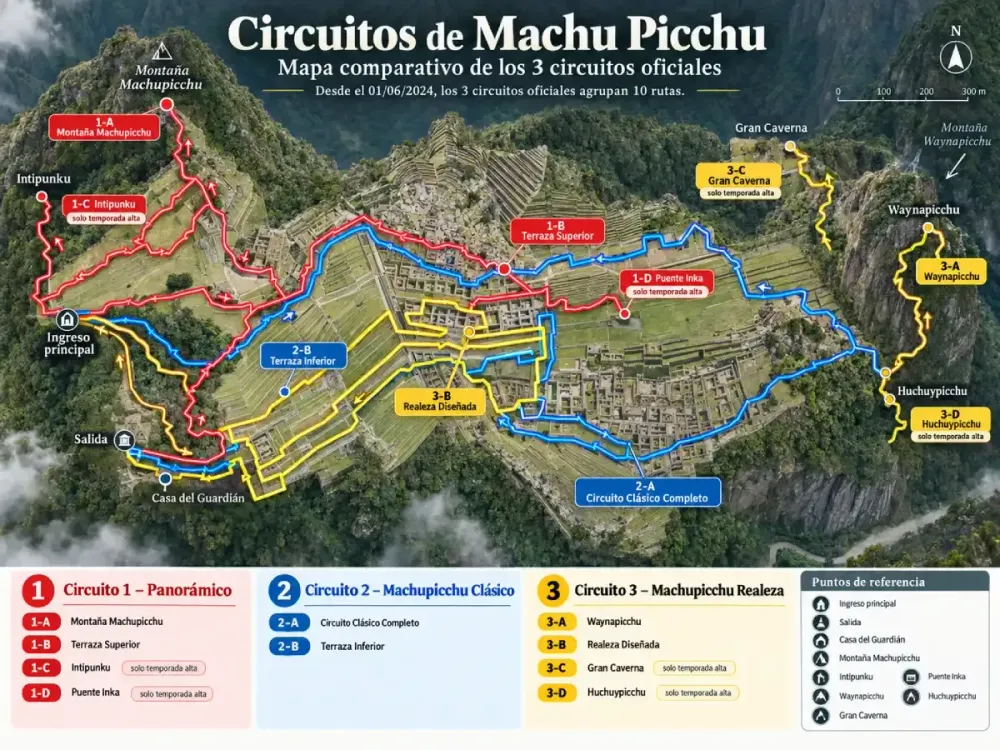
Since June 2024, visits have been organised through three main circuits containing ten official routes. Circuit 1 is Panoramic, Circuit 2 is Machu Picchu Classic and Circuit 3 is Machu Picchu Royalty.
Circuit 1 includes Machu Picchu Mountain, Upper Terrace, Intipunku Gate and Inca Bridge. The Intipunku and Inca Bridge routes operate only during the high season.
Circuit 2 includes Routes 2-A and 2-B and is focused on the classic Machu Picchu experience. Circuit 3 includes the Waynapicchu route, Route 3-B, Great Cavern and Huchuypicchu, with the latter two operating seasonally.
There is no single circuit that is best for everyone. The right choice depends on the views you want, your fitness level, availability and the areas you want to explore. Our Machu Picchu circuits guide allows you to compare each route before buying.
Should you visit Machu Picchu in one or two days?
A one-day visit can work very well for travellers with limited time. The itinerary combines ground transfer, train, bus, entrance and return journey within the same day, so careful timing is essential.
Our Machu Picchu Full Day Tour from Cusco is designed for this type of traveller and brings the main services together in one organised experience.
Spending one night in Machu Picchu Pueblo allows you to divide the transfers and reduce the pressure of completing everything in one day. It can also be useful when your entrance time does not fit comfortably with an early departure from Cusco.
At Dreamy Tours, we believe the decision should be based on travel pace rather than simply the number of days available. Travellers prioritising comfort may value a night in Aguas Calientes, while others may prefer to use that time to discover more of the Cusco region.
How much does it cost to visit Machu Picchu and what other tickets should you consider?
The cost of visiting Machu Picchu is not limited to the entrance ticket. Train travel, station transfers, the bus from Aguas Calientes, guide services, meals and accommodation can all affect the final budget.
Our guide on how much it costs to visit Machu Picchu explains how to build a realistic budget according to your travel style, without relying on prices that can change with season and availability.
If your trip also includes Cusco and the Sacred Valley, it is important to distinguish the Machu Picchu entrance from the Cusco Tourist Ticket (BTC). Machu Picchu is not included in the BTC. The COSITUC ticket covers other archaeological parks, museums and attractions in the Cusco region.
| Cusco Tourist Ticket | Foreign visitor | Peruvian visitor | Validity / main attractions |
|---|---|---|---|
| Integral Ticket | S/ 130 | S/ 70 | 10 days; 16 attractions |
| Partial Circuit I | S/ 70 | S/ 40 | 1 day; Sacsayhuamán, Q'enqo, Puka Pukara and Tambomachay |
| Partial Circuit II | S/ 70 | S/ 40 | 2 days; museums, Tipón and Pikillaqta |
| Partial Circuit III | S/ 70 | S/ 40 | 2 days; Pisac, Ollantaytambo, Chinchero and Moray |
The official COSITUC fare page currently lists these rates. The ticket is personal and must be used together with an identity document. Foreign students aged 18 to 25 must present valid student identification or an ISIC card, while travellers aged 10 to 17 access the student category by presenting an identity document.
Can you visit Machu Picchu independently?
Yes. Travellers can buy their official entrance ticket, reserve the train, organise ground transport and reach Machu Picchu Pueblo independently.
The main challenge is not whether it is possible, but whether every booking works together. The train time must match the entrance schedule, the chosen route should correspond to the experience you expect, and the return journey needs enough time after leaving the archaeological site.
It is also important to distinguish Machu Picchu from the Inca Trail Network. The Inca Trail cannot be organised as an ordinary independent hike because permits are linked to identified travellers and authorised agencies remain part of the official booking process.
At Dreamy Tours, we organise both types of travel, from compact experiences such as the Machu Picchu Full Day Tour to regulated trekking routes such as the 4-Day Classic Inca Trail.
What to pack for Machu Picchu and which document do you need?
For a standard Machu Picchu visit, you do not need a large backpack. The priority is to travel light while being prepared for walking, changing weather and both sun and occasional rain.
Comfortable walking shoes, layered clothing, a lightweight rain jacket, sun protection, water and a small daypack are usually practical choices. During the rainy season, protecting documents and electronic devices becomes especially useful.
The item you should never forget is the original identity document associated with the ticket. Depending on the traveller, this may be a passport, national identity document, foreign resident card or another accepted official document.
If you are hiking the Inca Trail, carry exactly the same document used for the reservation. On our 2-Day Short Inca Trail, for example, we ask travellers to carry their original passport and original student accreditation when applicable.
Is it worth staying overnight in Aguas Calientes?
Aguas Calientes, officially Machu Picchu Pueblo, is more than the town where the train journey ends. Its location below the sanctuary gives travellers greater flexibility and reduces the number of transfers that need to be completed in a single day.
Staying overnight can be particularly useful if you have an early entrance time, are arriving from the Sacred Valley or simply prefer not to travel from Cusco and back within the same day.
The town also contains the Cultural Centre where limited in-person ticket sales are managed for the following day. Up to 1,000 tickets per day may be available through this system, subject to availability.
If Machu Picchu is part of a longer itinerary, an overnight stay in Machu Picchu Pueblo can fit naturally into programmes such as our Cusco, Machu Picchu, Maras and Moray 5-Day Tour.
Combining Machu Picchu with other places in Cusco
Machu Picchu works best when it forms part of a coherent route through Cusco. The Sacred Valley allows you to include Pisac and Ollantaytambo before taking the train, while Maras and Moray can be visited on a separate day. For these archaeological sites, you should consider the corresponding Cusco Tourist Ticket; the BTC is personal, must be used with identification and does not replace the Machu Picchu entrance.
If you are looking for a compact cultural itinerary, our Cusco, Machu Picchu, Maras and Moray 5-Day Tour combines Cusco, the Sacred Valley and Machu Picchu without turning every day into a rushed sequence of visits.
Travellers who want to add more nature can consider Cusco, Machu Picchu and Humantay Lake in 6 Days, while a longer itinerary can include the Sacred Valley, Maras, Moray and other experiences around the region.
If Machu Picchu is part of a larger journey through Peru, our 7-Day Peru Tour: Lima, Paracas, Cusco and Machu Picchu connects the coast, desert and Andes in one itinerary. At Dreamy Tours, we believe the best Machu Picchu experience is not simply about reaching the citadel, but about planning every stage so the destination fits naturally into the entire journey.
Personal travel advice
Plan your trip with Dreamy Tours
Start a tailored journey with our exclusive tours and custom trips across Peru and other Latin American countries.