Search the blog
Tabla de contenidos
Choosing the best time to visit Machu Picchu is not simply about finding the month with the least rain. The experience changes depending on weather, visitor numbers, ticket availability, seasonal routes and the type of trip you want to take.
Machu Picchu is located in a humid mountain environment. SENAMHI classifies the area as rainy and temperate, with a noticeably drier winter period, so mist, humidity and occasional rainfall can still appear even during the months usually considered favourable.
At Dreamy Tours, we recommend choosing your travel dates by looking at three factors together: weather, availability and the activities you want to include. If you are still planning the entire journey, our Machu Picchu travel guide covers tickets, circuits, trains and the main routes from Cusco.
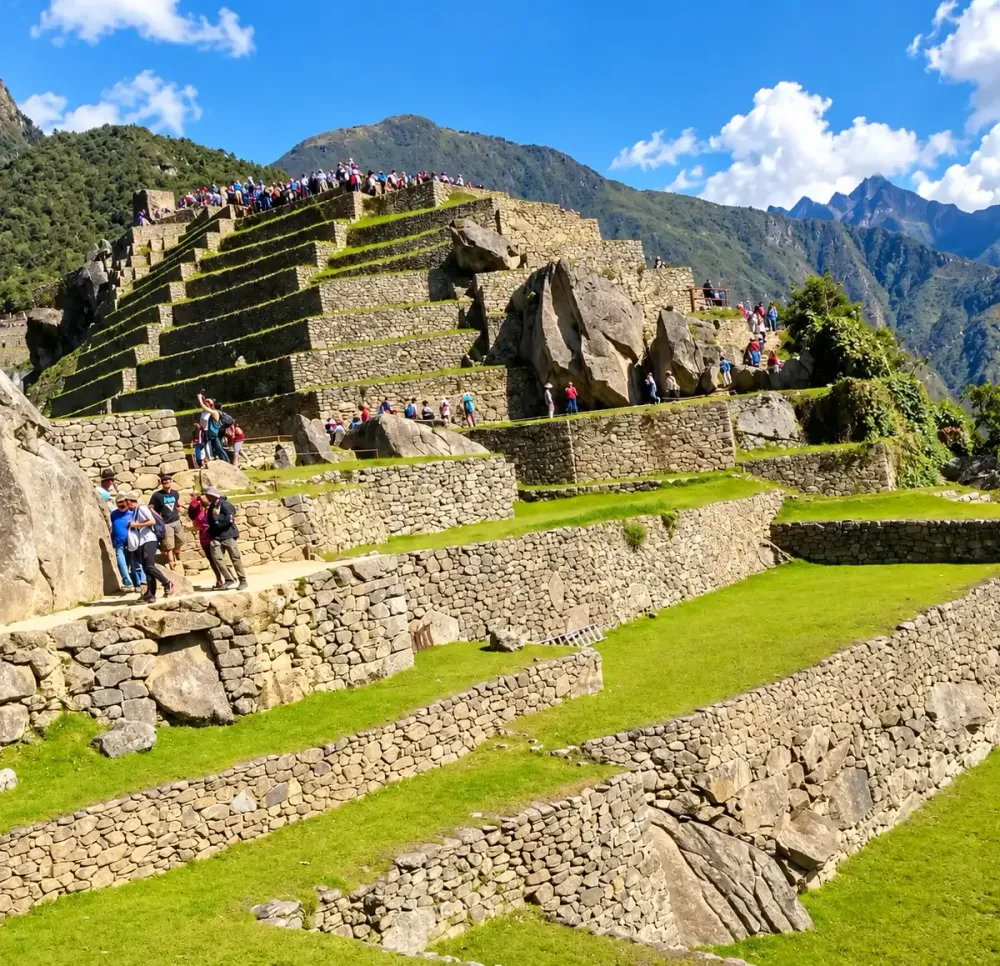
What is the best time to visit Machu Picchu?
For travellers who want a lower chance of rain, the period from approximately April to October is usually the most convenient. June and July are among the driest months, while rainfall gradually becomes more frequent as November approaches.
However, the dry season also overlaps with some of the busiest travel months. For 2026, the Peruvian Ministry of Culture established a maximum daily capacity of 5,600 visitors on specific high-season dates, including the period from June 19 to November 2.
April, May, September and October can be particularly attractive for travellers looking for a balance between relatively favourable weather, greener landscapes and demand.
| Period | Typical conditions | Landscape | Approximate demand | Best for |
|---|---|---|---|---|
| April - May | Transition toward drier weather | Green | Medium | Balance between weather and scenery |
| June - August | Lower rainfall | Drier, often clearer | High | Hiking and panoramic views |
| September - October | Gradual transition | Increasingly green | Medium-high | Combined Cusco itineraries |
| November - December | Rainfall gradually increases | Green | Variable | Flexible travellers |
| January - March | More frequent rainfall | Very green | Variable | Photography and lush landscapes |
This table should be used as a general guide rather than a weather guarantee. Conditions in the Andes can change within the same day.
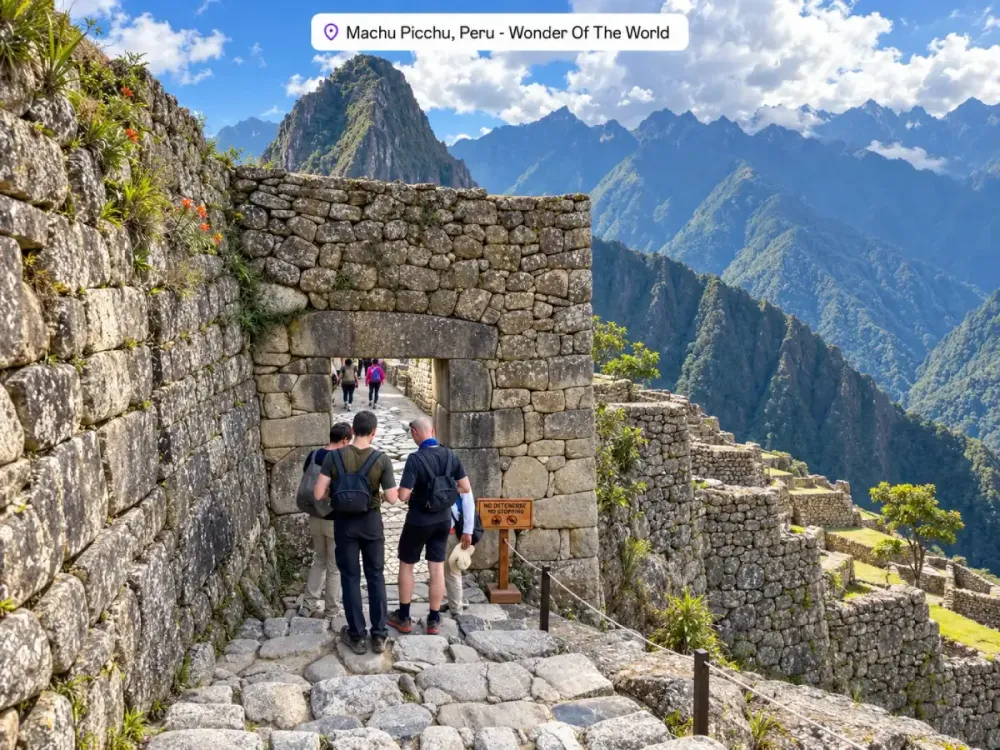
Machu Picchu from April to October
From April to October, rainfall is generally less frequent than during the first months of the year. This usually makes walking, transportation and outdoor visits more comfortable.
April can still retain moisture and greenery from the rainy season. May typically becomes noticeably drier, while June, July and August sit at the heart of the dry period.
September and October can still offer favourable travel conditions, although the probability of rain begins to increase gradually as November approaches.
If your trip also includes trekking, check the Inca Trail availability before finalising your travel dates. Access to the route is regulated and depends on more than weather alone.
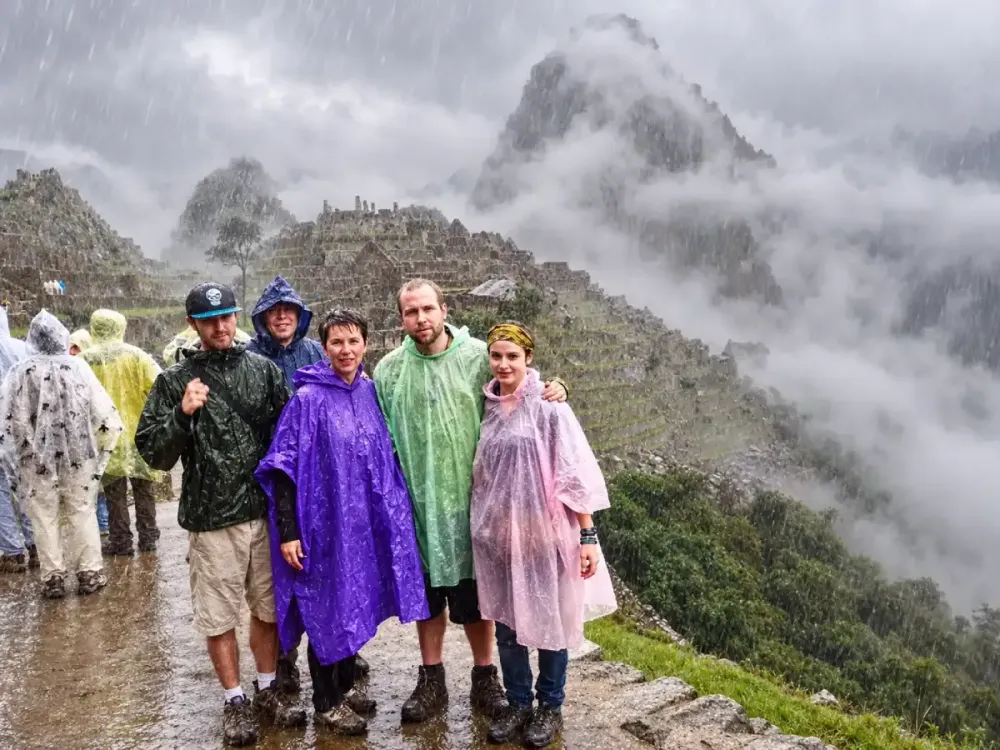
Is Machu Picchu worth visiting during the rainy season?
Yes. Visiting Machu Picchu during the rainy season can provide a completely different experience. Rain becomes more frequent between November and March, with the wettest conditions usually concentrated from December through March.
During these months, the landscape becomes intensely green and low clouds frequently move through the surrounding mountains. A misty morning does not necessarily mean the entire day will remain cloudy.
The key is preparation. At Dreamy Tours, we recommend a lightweight waterproof jacket, footwear with good grip, layered clothing and protection for documents and electronic devices.
It is also wise to leave reasonable buffers between trains, buses and other connections. Heavy rainfall can occasionally result in preventive closures or operational adjustments on mountain routes.
What is the driest month to visit Machu Picchu?
According to climatic information for the Cusco region, June and July are among the driest months of the year. This is one reason why they are so popular with travellers interested in hiking, photography and outdoor activities.
Even so, selecting a date based only on rainfall can be misleading. Machu Picchu is surrounded by humid mountains, where mist, short rain showers and sudden changes in visibility can occur during the dry season as well.
Demand is another important factor. The same months that offer a lower probability of rain often have less availability for popular entrance times, routes and train services.
If your dates are fixed, we recommend securing your Machu Picchu tickets first and then arranging your train to Machu Picchu.
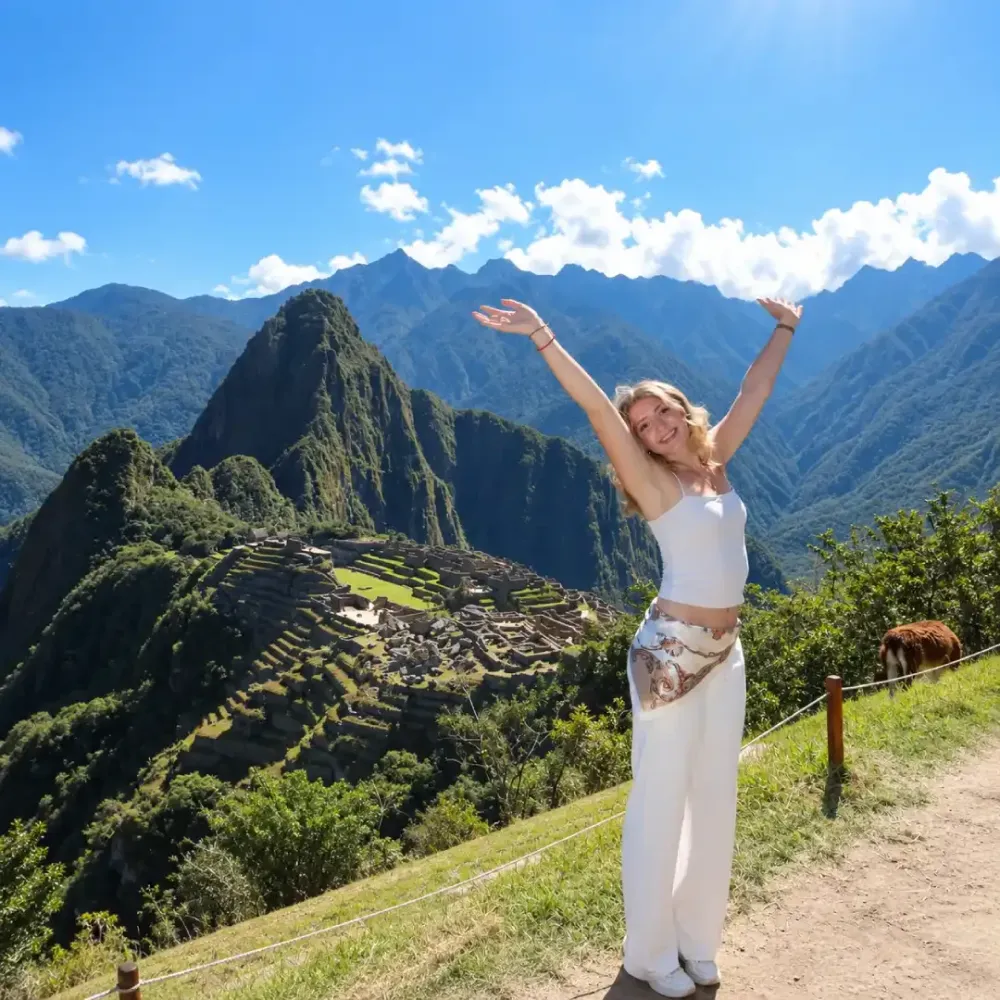
April and May: a balanced time to travel
April and May can be particularly appealing because they sit between the wetter months and the main dry season.
Rain can still occur in April, but the mountains usually retain the lush vegetation developed during the preceding months. May generally brings a clearer transition toward drier conditions.
This combination works especially well for travellers who want to visit Machu Picchu while also exploring Cusco and the Sacred Valley without concentrating the entire journey into a single day.
One option is our Cusco, Machu Picchu, Maras and Moray 5-Day Tour, which combines several of the region's main attractions within an organised itinerary.
June, July and August: dry season and high demand
June, July and August are traditionally among the most popular months for visiting Machu Picchu. Lower rainfall makes outdoor activities easier, and this period also overlaps with important festivities in Cusco.
For 2026, official regulations establish a maximum capacity of 5,600 visitors per day from June 19 through November 2. Outside designated high-season dates, the general daily capacity remains lower.
A higher overall capacity does not mean every route or entrance time will remain available. Visitor numbers are distributed among different circuits, routes and schedules, and the most popular options can sell out earlier.
At Dreamy Tours, we recommend following a simple order: choose your dates, confirm your entrance, select your circuit and then reserve trains and transfers. Our guide on how to get to Machu Picchu from Cusco explains the main transportation options.
September and October: good weather before the rains increase
September usually retains many characteristics of the dry season, while October gradually marks the return of wetter conditions.
This transition can be attractive for travellers who want good chances of comfortable conditions without limiting themselves to the peak months of June, July and August.
In 2026, both months also fall within the official higher-capacity period through November 2. This matters because some Machu Picchu routes operate only during the designated high season.
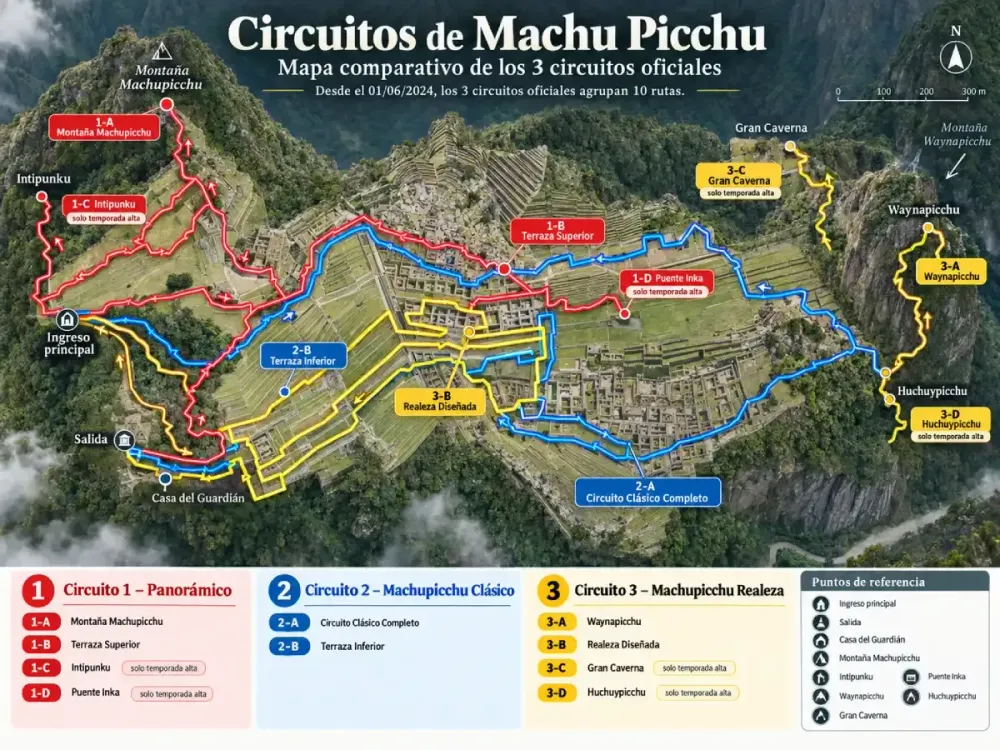
Routes 1-C Intipunku Gate, 1-D Inca Bridge, 3-C Great Cavern and 3-D Huchuypicchu are seasonal. If one of these routes is a priority, your travel month can directly determine whether you can book it.
November and December: changing weather and greener landscapes
Rainfall usually begins to increase from November, and December is already part of the wetter season. In this part of the Andes, the heaviest rainfall is generally concentrated from December through March.
At the same time, the mountains gradually become greener. For some travellers, this change in scenery more than compensates for the increased chance of rain.
December should not automatically be considered a low-demand month. Christmas and New Year can create additional pressure on hotels, trains and other tourism services.
If you have limited time, our Machu Picchu Full Day Tour from Cusco allows you to combine transportation, the visit and the return journey within one organised day, always respecting the assigned entrance time and circuit.
January, February and March: Machu Picchu at its greenest
January, February and March fall within the period with more frequent rainfall. The landscape is especially green and humidity becomes a constant part of the environment.
This does not mean Machu Picchu closes. The archaeological site continues receiving visitors as long as its official access routes remain operational.
What you need to distinguish is Machu Picchu itself from the Inca Trail Network. The regulated Inca Trail closes during February for annual conservation and maintenance, while Machu Picchu remains accessible through other authorised routes.
If your main goal is trekking, compare our 4-Day Classic Inca Trail and 2-Day Short Inca Trail. These routes require regulated permits and have their own daily capacity limits.
What is the best time for photography at Machu Picchu?
If you want wide panoramic views and a higher probability of clearer skies, the dry-season months are generally more favourable. June, July and August usually provide fewer rainy days.
The wet season offers a very different visual experience. Vegetation becomes much more intense and clouds can move through Huayna Picchu, the citadel and the surrounding peaks, creating constantly changing scenes.
The circuit you choose also matters considerably. Not all routes provide access to the same viewpoints, and some are specifically designed around panoramic perspectives.
Before buying your ticket, review our Machu Picchu circuits guide. The current system is organised into three main circuits containing ten official routes.
High season, tickets, fares and 2026 entry requirements
Choosing the best travel period also means checking whether tickets are available for your preferred date. Official online sales are managed through Tu Boleto, the Ministry of Culture platform.
Since September 2026, the Ministry of Culture has been implementing a direct-purchase model with confirmed payment. During the initial phase, buyers were given a limited period to complete payment, after which unpaid spaces were released again.
Promotional 2026 fares for Peruvians, foreign residents in Peru and citizens of the Andean Community vary according to route. Visitors should also remember that official fees and conditions can differ depending on the route selected.
| Ticket or permit | 2026 fare / condition | Main requirement |
|---|---|---|
| Machu Picchu promotional routes 1-B, 1-C, 1-D, 2-A, 2-B, 3-B and 3-D | S/64 general; S/32 student or minor for eligible promotional categories | Correct route ticket + original ID proving identity and eligibility |
| Machu Picchu Mountain, Waynapicchu or Great Cavern | S/112 general; S/80 student or minor for eligible promotional categories | Corresponding ticket + original ID |
| SERNANP Historic Sanctuary fee | S/11 foreign visitor; S/5 Peruvian visitor | Applies according to the authorised access category |
| Inca Trail | Regulated, named permit | Booking through an authorised participating agency + traveller identification |
| Cusco Tourist Ticket, Integral | S/130 foreign visitor; S/70 Peruvian visitor | Personal ticket + ID |
| Cusco Tourist Ticket, Partial I, II or III | S/70 foreign visitor; S/40 Peruvian visitor | Corresponding ticket + ID |
The Cusco Tourist Ticket does not include Machu Picchu. It covers other archaeological attractions such as Sacsayhuamán, Q'enqo, Puka Pukara, Tambomachay, Pisac, Ollantaytambo, Chinchero and Moray.
For foreign students, COSITUC requires valid student identification or an ISIC card for eligible travellers aged 18 to 25. Travellers aged 10 to 17 can access the student category by presenting an identity document.
At Machu Picchu, visitors must carry the ticket corresponding to their exact date, time, circuit and route, together with the original official identity document associated with the reservation. For this reason, we recommend arranging your Machu Picchu tickets before building the rest of the itinerary.
So, when should you visit Machu Picchu?
If your main priority is reducing the chance of rain, May, June, July, August and September are particularly favourable. June and July usually offer some of the driest conditions, although they also coincide with strong demand and require more advance planning for certain tickets and services.
If you want a balance between greener landscapes, pleasant conditions and visitor levels, April, May, September and October are especially attractive. If you enjoy lush mountain scenery and do not mind more variable weather, November through March can also provide a rewarding experience.
The answer changes if your trip includes trekking. The 4-Day Inca Trail and 2-Day Short Inca Trail require regulated permits and do not operate during the annual February closure, while Machu Picchu itself remains open through its authorised access routes.
Once you have an approximate date in mind, check the Machu Picchu tickets, review the train to Machu Picchu and compare the available Machu Picchu circuits. At Dreamy Tours, we recommend using the season as the starting point of your planning rather than treating it as a final detail.
Personal travel advice
Plan your trip with Dreamy Tours
Start a tailored journey with our exclusive tours and custom trips across Peru and other Latin American countries.