Search the blog
Tabla de contenidos
The Historic Center of Lima is one of Peru's most important architectural and cultural landmarks. Its squares, churches, convents, and Republican-era buildings reveal different periods of the capital's history, from its Spanish foundation in 1535 to the urban transformations that shaped the city we see today. Walking through its streets also offers an opportunity to discover the cultural heritage that made Lima one of South America's leading political centers during the colonial period.
If you're planning to visit the Historic Center of Lima, you'll find remarkable monuments within walking distance of one another, particularly around Plaza Mayor and its surrounding streets. This guide introduces the area's main attractions, explains their historical significance, and provides a recommended walking route to help you make the most of your visit.
Why Is the Historic Center of Lima Important?
Lima was founded on January 18, 1535, by Francisco Pizarro and was originally named the City of Kings. During the Viceroyalty of Peru, it became an important administrative, religious, and commercial center, from which political and economic activities influenced much of South America.
The significance of its heritage earned international recognition from UNESCO. In 1988, the San Francisco Convent Complex was added to the World Heritage List, and in 1991, the protected area was expanded to include a substantial portion of Lima's Historic Center. This recognition highlights the importance of its architecture and the legacy of the craftsmen and builders who contributed to its development.
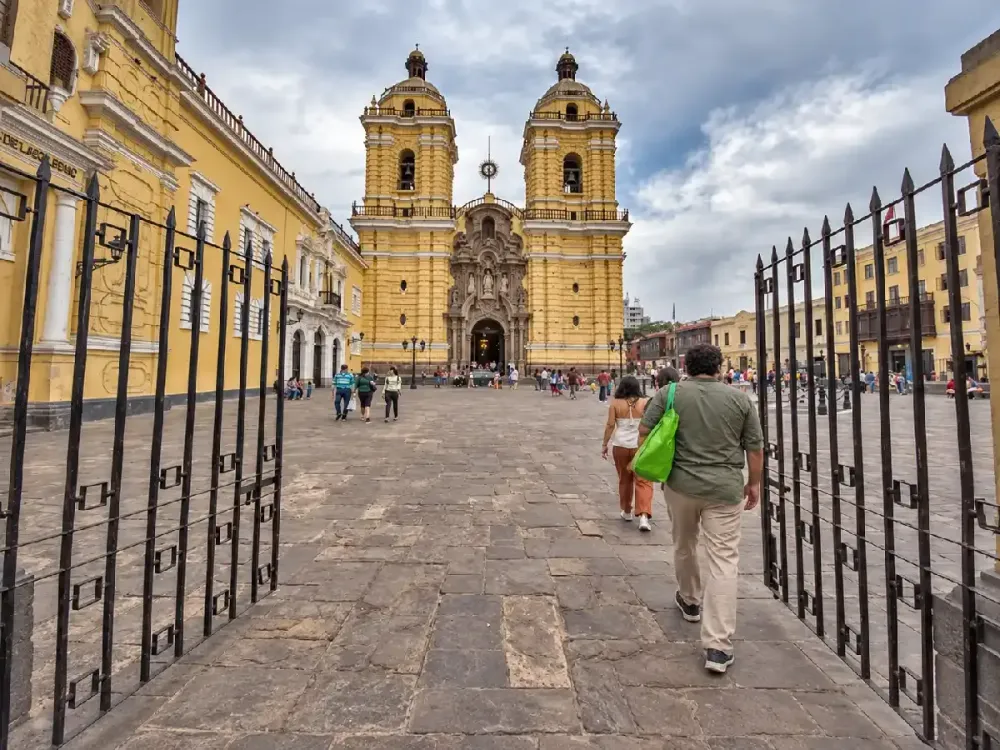
Plaza Mayor: The Historic Heart of Lima
Plaza Mayor, also known as Plaza de Armas, is one of the most representative public spaces in Lima's Historic Center. Since the city's Spanish foundation, it has witnessed important political, religious, and social events. Today, it remains a gathering place for both residents and visitors.
Surrounding the square are Lima Cathedral, the Government Palace, the Archbishop's Palace, and the Municipal Palace. At its center stands a historic fountain inaugurated in the 17th century. Thanks to its location and proximity to other monuments, Plaza Mayor is the ideal place to begin a walking tour of Lima's historic district.

Lima Cathedral: Architecture and Religious Heritage
Lima Cathedral occupies one side of Plaza Mayor and is one of the country's most important religious buildings. Construction began in the 16th century, although the cathedral was modified and rebuilt several times following earthquakes that affected the city.
Inside, visitors can discover chapels, religious artworks, and architectural features that provide insight into Peru's colonial history. The cathedral also houses the funerary chapel of Francisco Pizarro. If you're interested in exploring its interior, we recommend checking current opening hours and admission conditions beforehand, as access may vary during religious ceremonies.

Government Palace and Archbishop's Palace
The Government Palace stands on the northern side of Plaza Mayor, occupying a site associated with Peru's political administration since the colonial period. The current building was constructed primarily during the 20th century and is distinguished by its monumental architecture and its role as the seat of the executive branch of government.
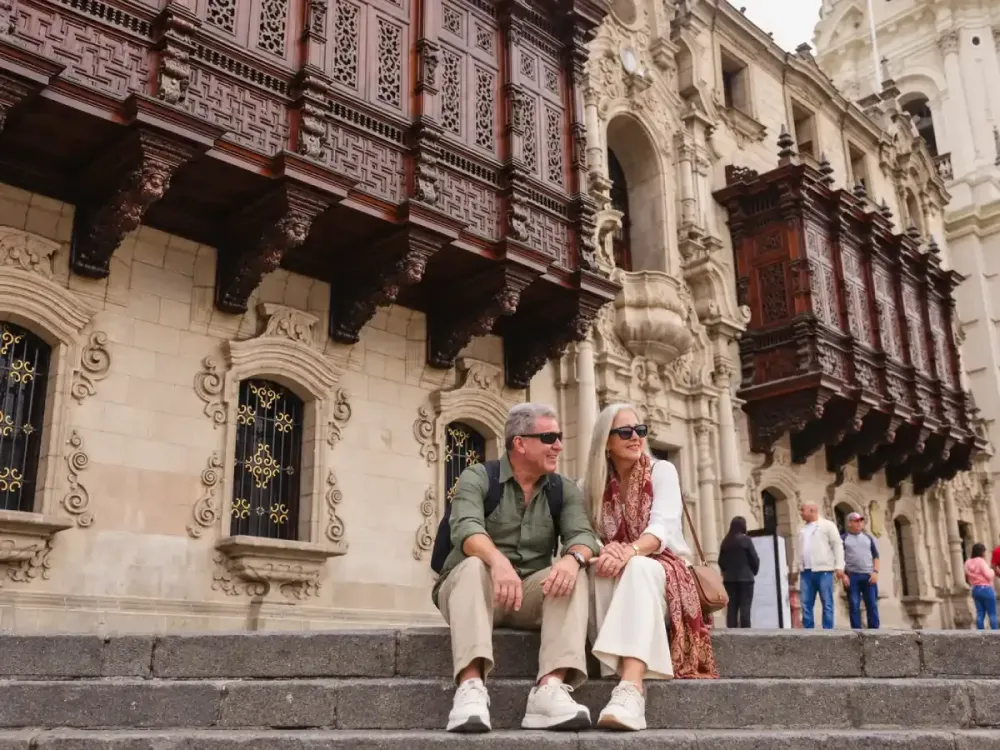
Nearby stands the Archbishop's Palace, recognized for its wooden balconies and Neo-Colonial façade. Both buildings are essential elements of Plaza Mayor's architectural landscape and can be admired during a walk around the square. Access to their interiors is subject to specific restrictions and should not be assumed to be included in an independent sightseeing visit.
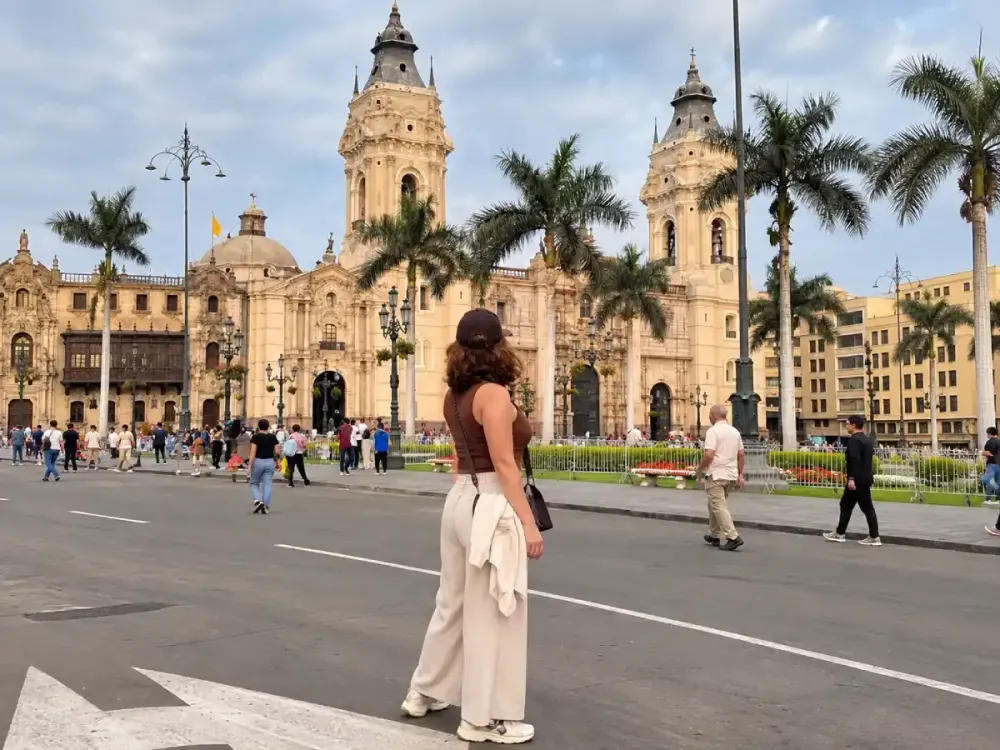
San Francisco Convent and Its Catacombs
The San Francisco Monumental Complex is one of the most important cultural attractions in Lima's Historic Center. Its religious architecture, convent spaces, and historical collections provide valuable insight into everyday life during the colonial period.
One of its best-known features is the network of underground crypts, commonly referred to as the catacombs, which were once used for burials. Depending on the areas open to visitors, the experience also offers an opportunity to appreciate the complex's artistic and architectural heritage. To discover this monument alongside other highlights of the capital, we offer our Lima City Tour, which includes a visit to the Historic Center and the San Francisco Catacombs.

Jirón de la Unión: One of Lima's Most Traditional Streets
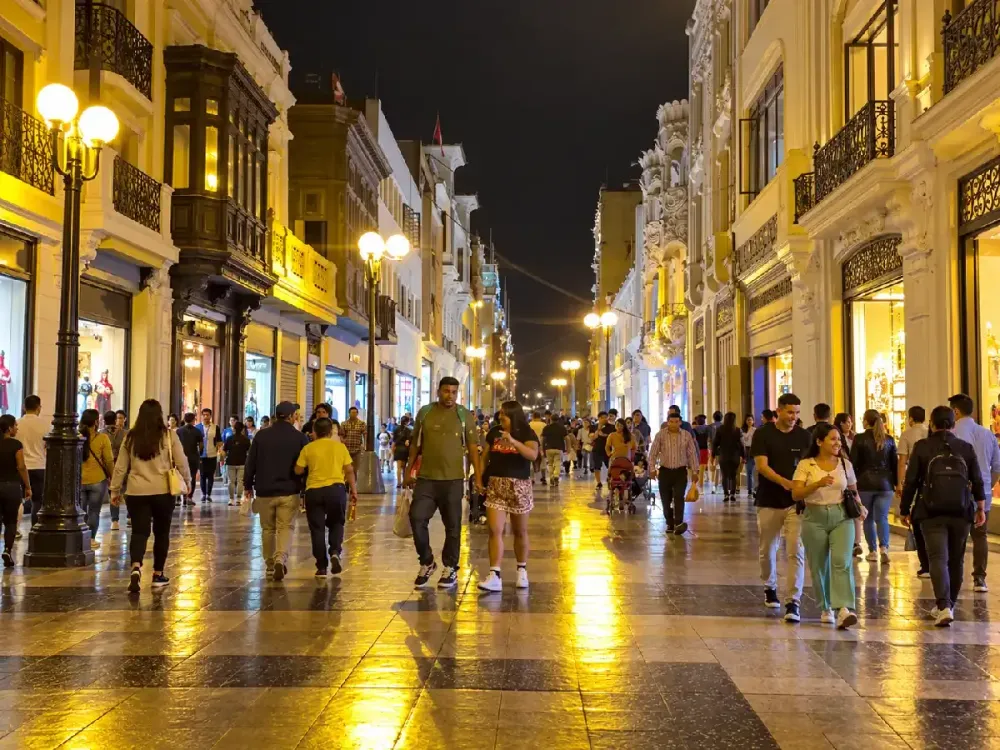
Jirón de la Unión is one of the best-known pedestrian streets in Lima's Historic Center, connecting Plaza Mayor with Plaza San Martín. Throughout different stages of the Republican period, it was an important commercial and social destination frequented by residents, merchants, and visitors.
Today, the street features buildings from different historical periods, shops, and façades that reflect Lima's urban development. Walking along Jirón de la Unión allows visitors to observe the contrast between historical architecture and contemporary city life while connecting two of the most important squares in downtown Lima.
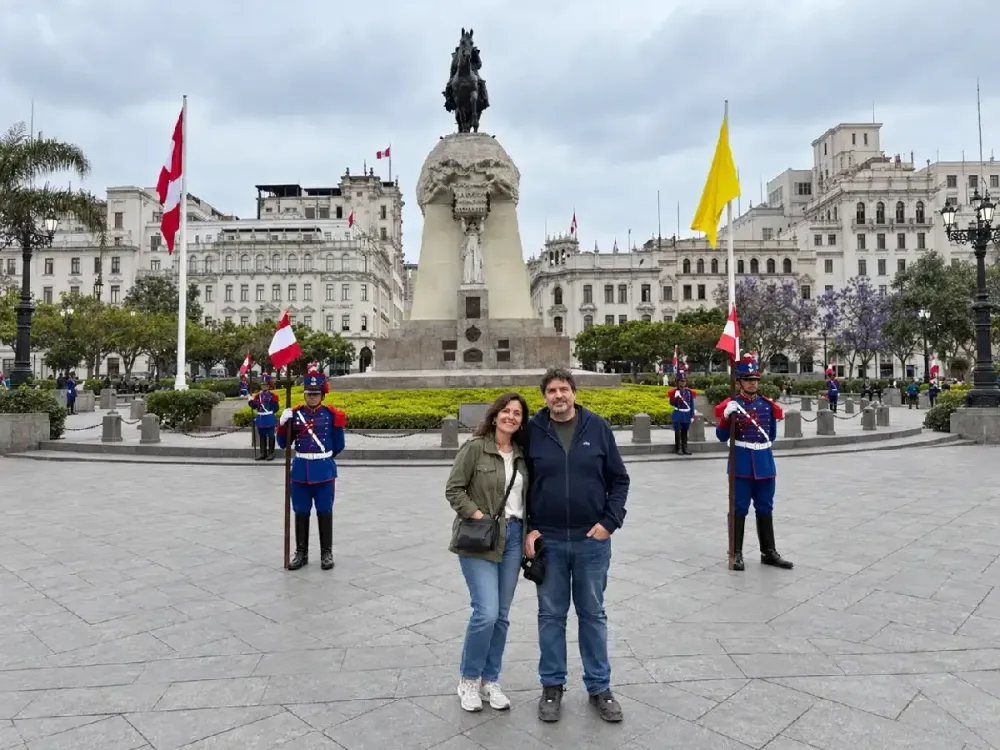
Plaza San Martín and Republican-Era Architecture
Plaza San Martín was inaugurated in 1921 as part of the celebrations marking the centenary of Peru's independence. At its center stands a monument dedicated to independence leader José de San Martín, surrounded by buildings representing an important chapter in Lima's early 20th-century urban development.
Among the most recognizable buildings nearby are the historic Gran Hotel Bolívar and the Teatro Colón. The square is an excellent place to admire the architecture and understand how Lima changed after the colonial period. Its direct connection to Jirón de la Unión also makes it an easy addition to a walking route beginning at Plaza Mayor.
Santo Domingo Church and Other Nearby Monuments
The Santo Domingo Convent is another of the Historic Center's most important religious buildings. Its history dates back to the early years of colonial Lima and is closely associated with religious figures such as Saint Rose of Lima and Saint Martin de Porres, whose remains are connected to the convent complex.
The surrounding streets also feature historic mansions, traditional balconies, and buildings preserving elements of colonial and Republican-era architecture. For travelers interested in learning more about the capital's past, these monuments offer an opportunity to extend the walking route beyond the main squares without traveling to distant districts.
Recommended Walking Tour of Lima's Historic Center
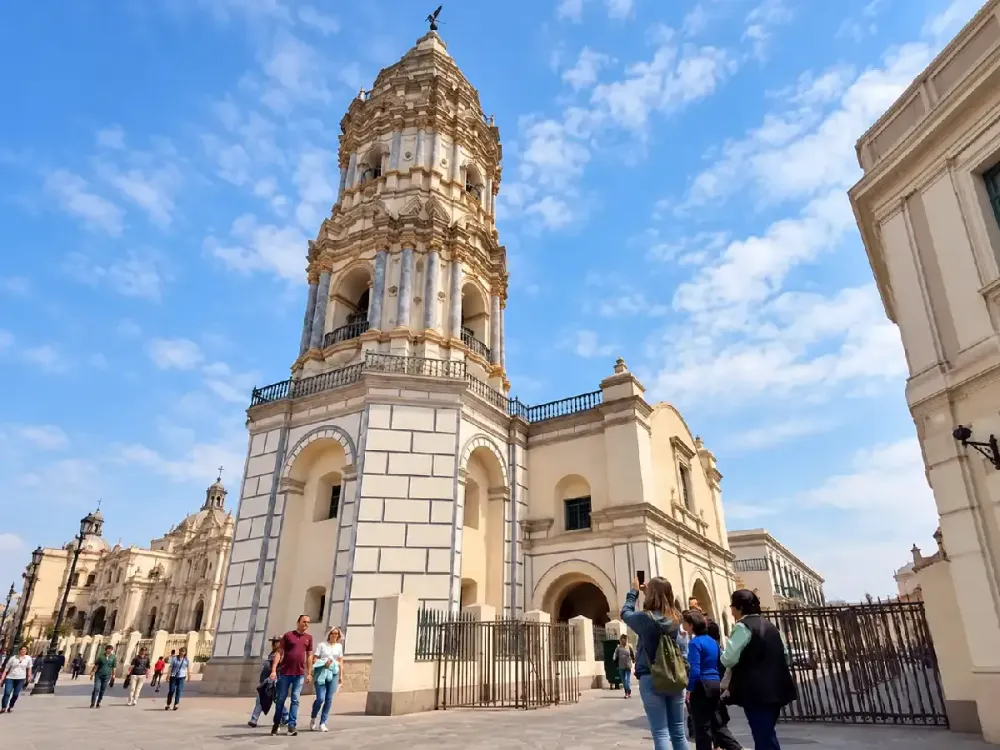
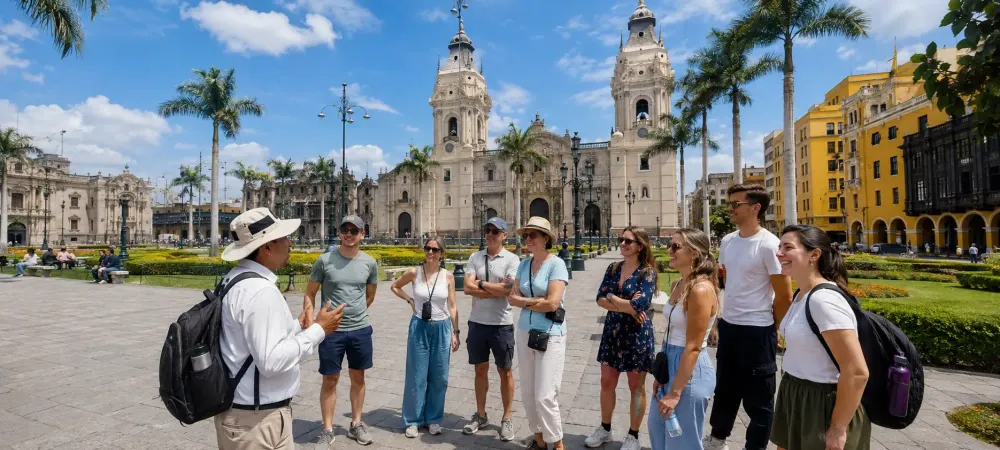
A practical way to explore the Historic Center is to begin at Plaza Mayor in the morning, allowing enough time to appreciate its surroundings. From here, you can admire Lima Cathedral, the Archbishop's Palace, and the Government Palace before continuing toward the San Francisco Monumental Complex.
After visiting San Francisco, return toward Plaza Mayor and walk along Jirón de la Unión until you reach Plaza San Martín. This route combines Lima's main colonial monuments with landmarks representing the Republican period. If you'd like to include the Santo Domingo Convent, you can visit it before continuing toward Jirón de la Unión.
We recommend allowing approximately three to four hours for this walking route, depending on interior visits, your walking pace, and admission conditions. If you prefer to combine the Historic Center with other districts, our Lima City Tour introduces visitors to different parts of the capital through an organized sightseeing experience.
How Much Does It Cost to Visit Lima's Historic Center?
Walking around Plaza Mayor, Jirón de la Unión, and Plaza San Martín does not require an admission ticket. This makes it possible to explore an important part of Lima's architectural heritage without spending much money.
However, entry to certain museums, convents, crypts, and religious buildings may require purchasing tickets. Prices vary by institution and may depend on age, nationality, or type of visit. Before planning your route, we recommend checking each monument's official information channels for current admission fees and opening hours.
Practical Tips for Visiting Lima's Historic Center
Morning is generally a good time to begin exploring, particularly if you plan to enter museums or monuments with specific visiting hours. We also recommend wearing comfortable walking shoes, carrying drinking water, and using sun protection, even on cloudy days.
As in other busy areas of major cities, it's advisable to keep your personal belongings secure and use authorized transportation services. If you're traveling with older adults or anyone who prefers shorter walks, consider dividing the route into several stops and focusing on the monuments that interest your group most.
For travelers with limited time in the capital, our guide to Lima in One Day will help you organize a visit combining the Historic Center with other attractions, including Miraflores. This approach allows you to plan transportation more efficiently and enjoy your stay without scheduling too many activities.
Is Lima's Historic Center Worth Visiting?
Yes. Lima's Historic Center offers a valuable opportunity to discover an essential part of Peru's history through its monuments, squares, and historic buildings. Its architectural heritage reflects the city's importance during the Viceroyalty and the transformations that followed independence, making it especially interesting for travelers who want to understand the Peruvian capital.
At Dreamy Tours, we believe that exploring these monuments is an excellent way to begin a journey through Peru. If you'd like to discover their history with a professional guide and combine the experience with other parts of the city, explore our Lima City Tour, designed to introduce visitors to colonial and modern Lima through an organized excursion.
Personal travel advice
Plan your trip with Dreamy Tours
Start a tailored journey with our exclusive tours and custom trips across Peru and other Latin American countries.