Search the blog
Tabla de contenidos
Choosing the best time to visit Arequipa is one of the most important decisions when planning a trip to the White City. Although this destination can be explored year-round, weather conditions influence volcano views, sightseeing in the historic center, and excursions to Colca Canyon.
Arequipa is known for its many sunny days, relatively dry climate, and noticeable temperature differences between day and night. However, not every part of the region experiences the same weather. While the city generally enjoys mild temperatures, the high-altitude landscapes of Colca can become extremely cold, especially before sunrise.
Generally, the best time to visit Arequipa is between April and November, when drier conditions tend to prevail. Nevertheless, May, September, and October can be particularly attractive for travelers who want to combine favorable weather, beautiful landscapes, and a more relaxed experience.
In this guide, we explain Arequipa's weather throughout the year, what to expect during the rainy season, the most recommended months to visit Colca Canyon, and what to pack according to your travel dates.
If you're preparing your itinerary, explore our Arequipa and Colca Canyon tours, featuring cultural experiences, panoramic sightseeing, and regional excursions.
What Is the Best Time to Visit Arequipa?
The best time to visit Arequipa depends mainly on the activities you want to enjoy. If your priority is exploring the historic center, photographing the volcanoes, and taking outdoor excursions, the months with less rainfall generally offer more favorable conditions.
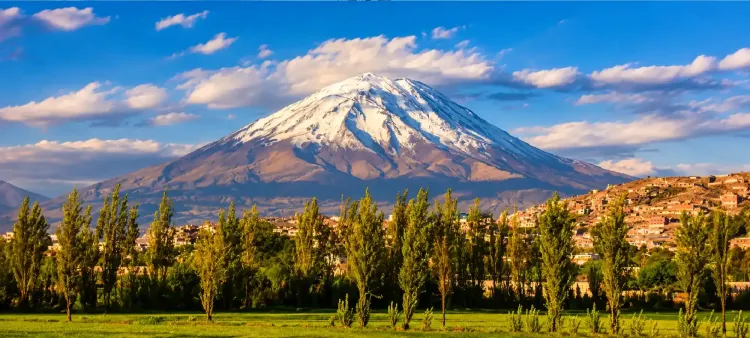
Between April and November, relatively dry days are more common. During this period, mornings may provide good visibility of Misti Volcano, while visits to squares, monuments, and viewpoints are usually easier to organize.
June through August also tends to bring dry weather, although mornings and nights can be colder. This difference becomes particularly important when your itinerary includes high-altitude locations such as Chivay, Patapampa, and other parts of the Colca Valley.
At Dreamy Tours, we recommend considering May, September, and October if you're looking to combine cultural sightseeing with natural landscapes. These months can provide an appealing balance between weather, travel planning, and tourist demand, although visitor numbers depend on specific dates and festivals.
If your trip coincides with the rainy season, that doesn't mean you need to skip Arequipa. The city still offers museums, churches, gastronomy, and cultural experiences that can be enjoyed with some flexibility in your schedule.
To organize your activities according to the time available, read our guide to what to see in Arequipa in 1, 2, and 3 days.
What Is Arequipa's Weather Like Throughout the Year?
The city of Arequipa is located approximately 2,335 meters (7,661 feet) above sea level and has a predominantly dry climate, with strong sunlight and noticeable differences between daytime and nighttime temperatures.
According to historical climate records from Peru's National Meteorology and Hydrology Service (SENAMHI), average monthly daytime highs are generally around 22 to 23°C (72 to 73°F), while average monthly lows may fall to approximately 7°C (45°F) during the coldest months.
These figures represent typical climatic conditions rather than a forecast for any particular date. Actual temperatures can vary depending on cloud cover, wind, time of day, and daily weather patterns.
One distinctive feature of Arequipa is that the sun can feel intense even when the air is cool. For this reason, sun protection is important when exploring the historic center, viewpoints, and other outdoor attractions.
You should also remember that the climate changes considerably outside the city. Higher-altitude areas can experience much lower temperatures, especially during the early morning.
Before planning outdoor activities, we recommend checking the official SENAMHI weather forecast for Arequipa.
Dry Season in Arequipa: April to November
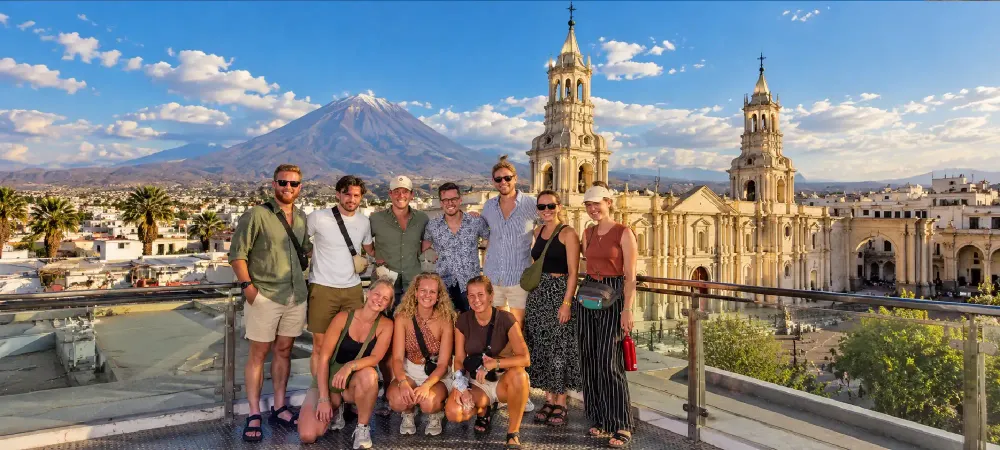
The drier season generally extends from April to November, although occasional rain may occur during transitional months. This period is particularly favorable for travelers who want to explore the White City and its main attractions.
Clear skies make it easier to appreciate the city's sillar stone architecture and surrounding mountains. They also help with planning visits to squares, churches, traditional neighborhoods, and panoramic viewpoints.
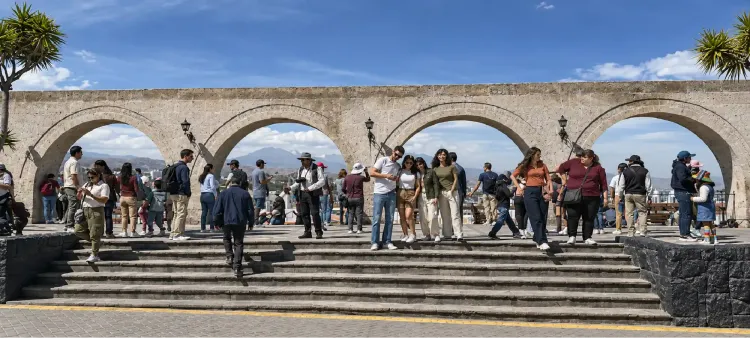
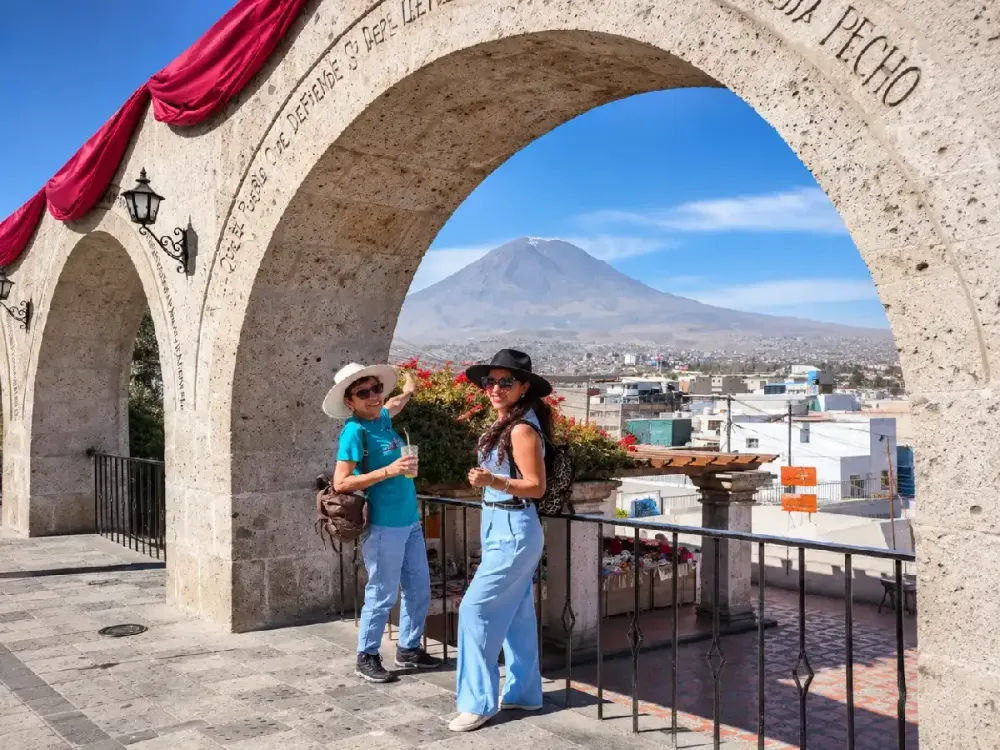
One of the most recommended places during this season is Yanahuara Viewpoint, known for its volcanic stone arches and views of Misti. If you'd like to visit, read our Yanahuara Viewpoint guide.
The dry season also generally favors road excursions to Colca Canyon, although it doesn't eliminate the possibility of low temperatures, strong winds, or changing weather conditions in higher-altitude areas.
During June, July, and August, warm clothing is especially important if you're planning an early departure or an overnight stay outside the city.
At Dreamy Tours, we recommend taking advantage of these months to combine Arequipa's cultural heritage with panoramic experiences. Our Arequipa City Tour lets you discover monuments, viewpoints, and traditional neighborhoods on an organized excursion.
Rainy Season in Arequipa: December to March
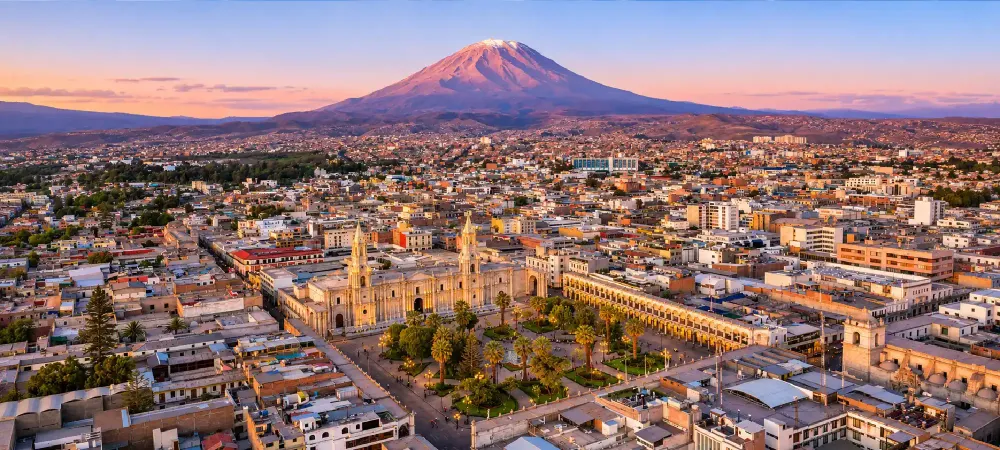
From December to March, the likelihood of rain increases in Arequipa, especially during January and February. However, it's important to understand that rainfall doesn't necessarily mean it will rain throughout the entire day.
The city may experience mornings with sunny intervals followed by increasing cloud cover in the afternoon. The intensity and duration of rain vary from season to season.
February usually accounts for a significant portion of the year's precipitation. According to SENAMHI's historical climate records, it is one of the rainiest months in Arequipa.
During this season, the streets and monuments of the historic center generally remain accessible according to their usual schedules, although outdoor activities may require adjustments.
In the Colca Valley, rainfall can transform the landscape, bringing greener colors to agricultural terraces and mountains. At the same time, precipitation may affect visibility at viewpoints and conditions on certain roads.
If you're traveling during these months, we recommend keeping your itinerary flexible and checking weather forecasts before setting out on longer excursions.
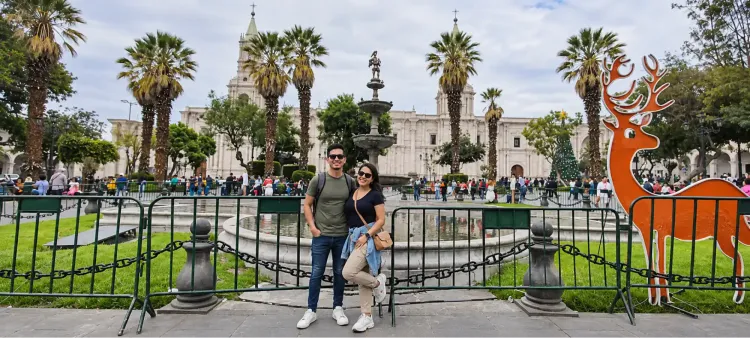
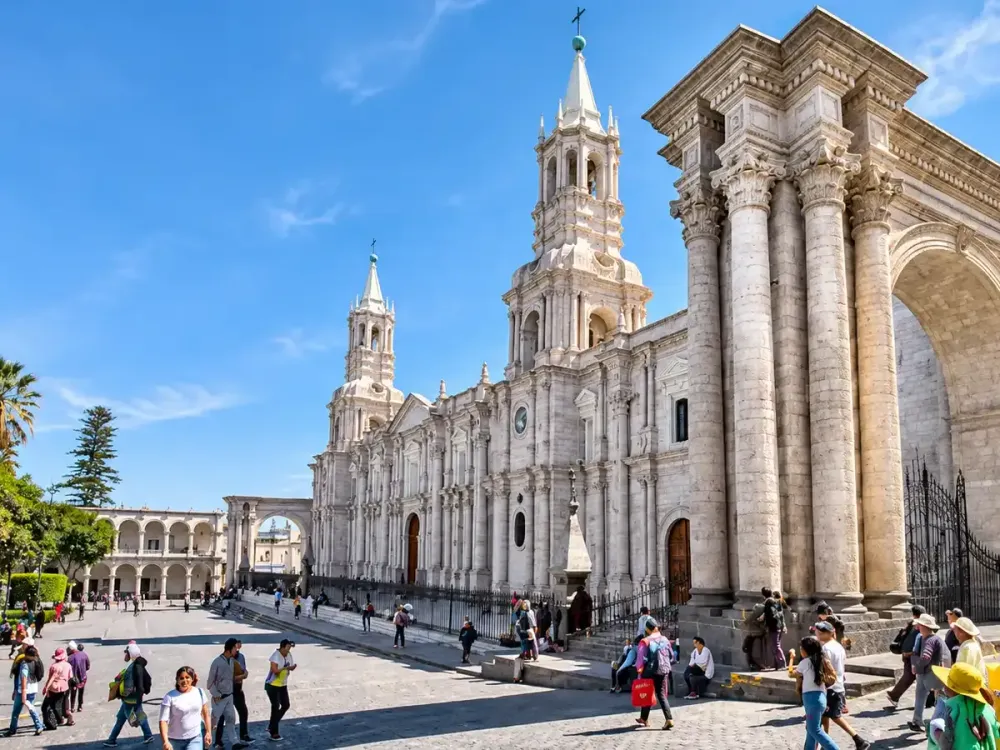
You can also plan cultural activities in the city, such as exploring Plaza de Armas in Arequipa and its main attractions, an excellent way to discover local history.
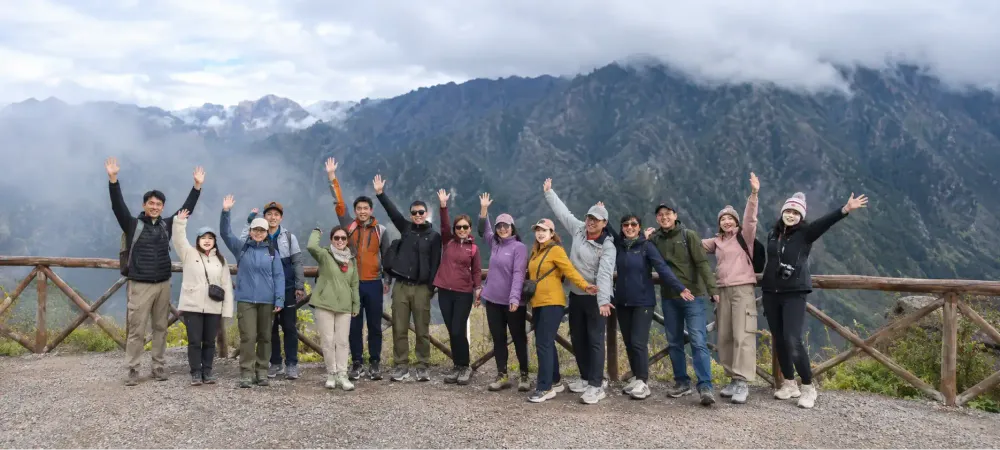
Arequipa Weather Month by Month: January to December
Although seasonal patterns provide a general overview, looking at the weather month by month helps you choose travel dates that match your preferences and planned activities.
The following table summarizes typical conditions in Arequipa city. These are general climate guidelines, not precise predictions for individual months in a specific year.
| Month | Typical weather | Recommendation |
|---|---|---|
| January | Higher chance of rain and cloud cover | Combine cultural sightseeing with flexible activities |
| February | One of the rainiest months | Check forecasts and road conditions |
| March | Rainfall gradually decreases | Allow for changing weather conditions |
| April | Transition toward drier conditions | Good time for city sightseeing |
| May | Generally dry days and cool nights | Recommended for the city and viewpoints |
| June | Dry weather and cold mornings | Bring warm layers for early excursions |
| July | Dry conditions and cold nights | Ideal for landscapes with appropriate warm clothing |
| August | Dry days and possible winds | Favorable for panoramic sightseeing |
| September | Generally dry weather | Good balance for cultural visits |
| October | Mild days and usually little rainfall | Recommended for Arequipa and Colca |
| November | Mostly dry conditions with gradual seasonal transition | Maintain some flexibility |
| December | Gradually increasing chance of rain | Plan activities according to the forecast |
The table illustrates why there is no single perfect month for every traveler. Those seeking panoramic views often prefer the dry season, while others may appreciate the greener scenery of the rainy months.
If you're planning a journey through several regions of the country, you can also read our guide to the best time to visit Peru, which explains the climate differences between the coast, Andes, and Amazon rainforest.
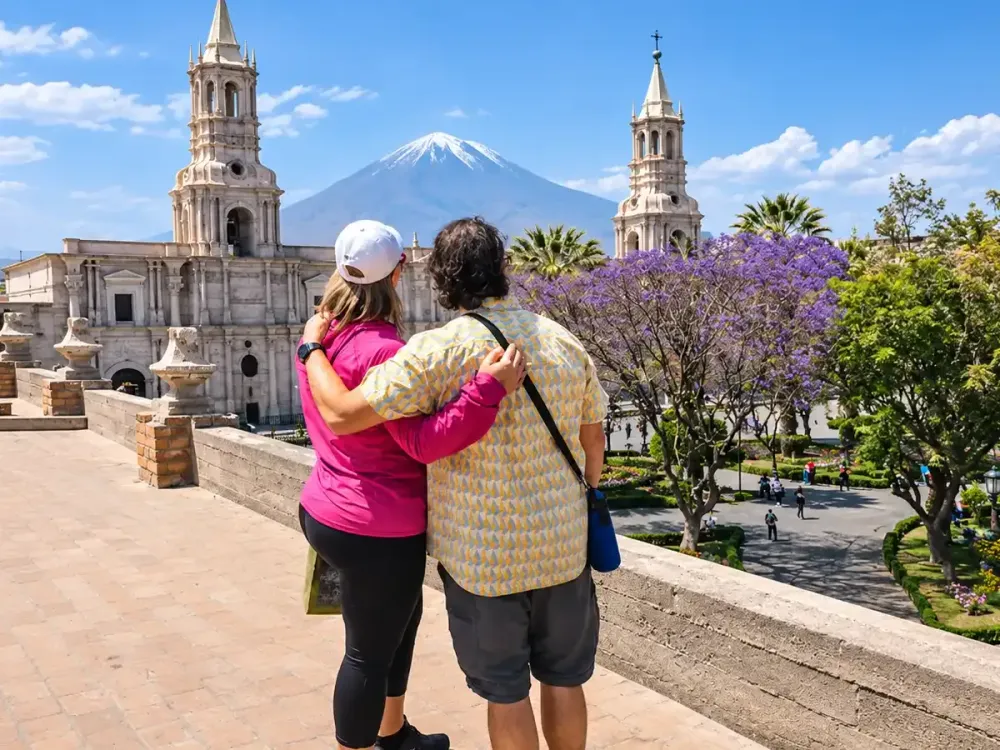
Best Time to Visit Colca Canyon
Colca Canyon is one of the main reasons travelers visit Arequipa. Its dramatic landscapes, agricultural terraces, traditional villages, and natural viewpoints offer different experiences depending on the season.
Generally, April through November is recommended for visiting Colca because conditions tend to be drier. This can favor panoramic views, road excursions, and visits to villages throughout the valley.
However, Colca's climate is not exactly the same as Arequipa city's. Chivay is located at approximately 3,600 meters (11,811 feet) above sea level, while some sections of the route, such as Patapampa, reach around 4,800 meters (15,748 feet).
As a result, mornings and nights can be very cold even when the daytime weather is sunny. During the rainy season, road conditions and landscape visibility may also change.
To discover the area's main attractions, explore our complete Colca Canyon guide, where we explain what to visit, how to organize your excursion, and which options are available depending on your schedule.
For travelers seeking a more relaxed experience, we recommend considering a two-day excursion, allowing you to spend the night in the valley and spread out the visits more comfortably.
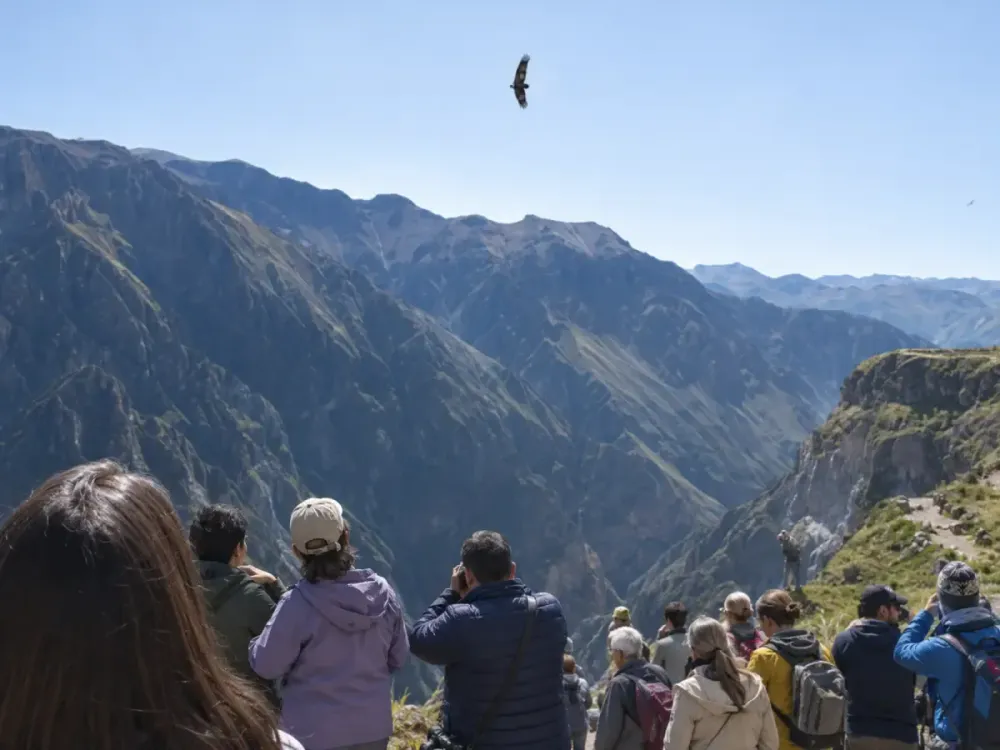
When to Visit Cruz del Cóndor to See Condors
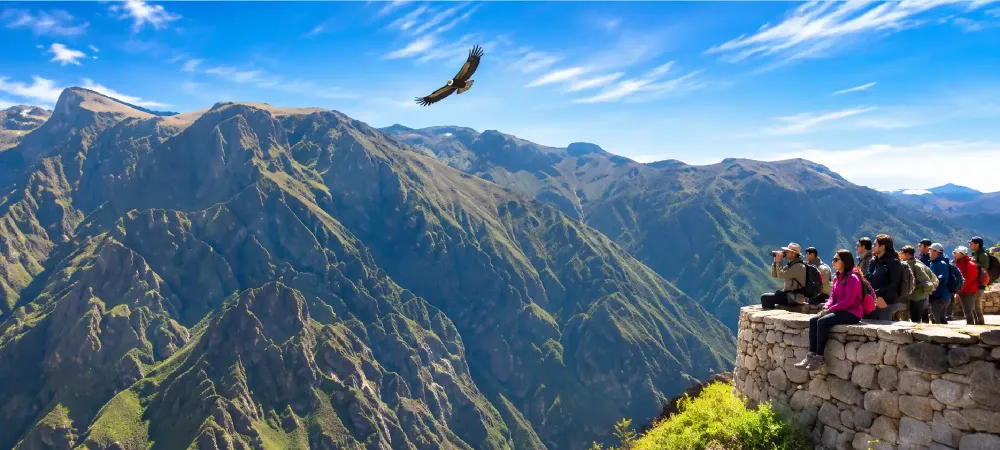
Cruz del Cóndor is one of the most important viewpoints in Colca Canyon and one of the region's leading natural attractions. From this location, visitors may observe Andean condors in flight when conditions are favorable.
Many travelers arrive in the morning because rising air currents can help these birds glide above the canyon. However, condor sightings depend on natural factors and can never be guaranteed.
The drier season generally offers better conditions for panoramic sightseeing and spending time at the viewpoint. During rainy months, cloud cover and precipitation may reduce visibility.
It's also important to remember that early morning temperatures can be low, so warm clothing is advisable even if the day becomes mild later.
For visiting conditions and advice on observing these birds, read our Cruz del Cóndor guide.
At Dreamy Tours, we believe this experience should be enjoyed patiently and with respect for wildlife. The value of the visit also lies in the canyon's scenery and the opportunity to discover the natural environment inhabited by the Andean condor.
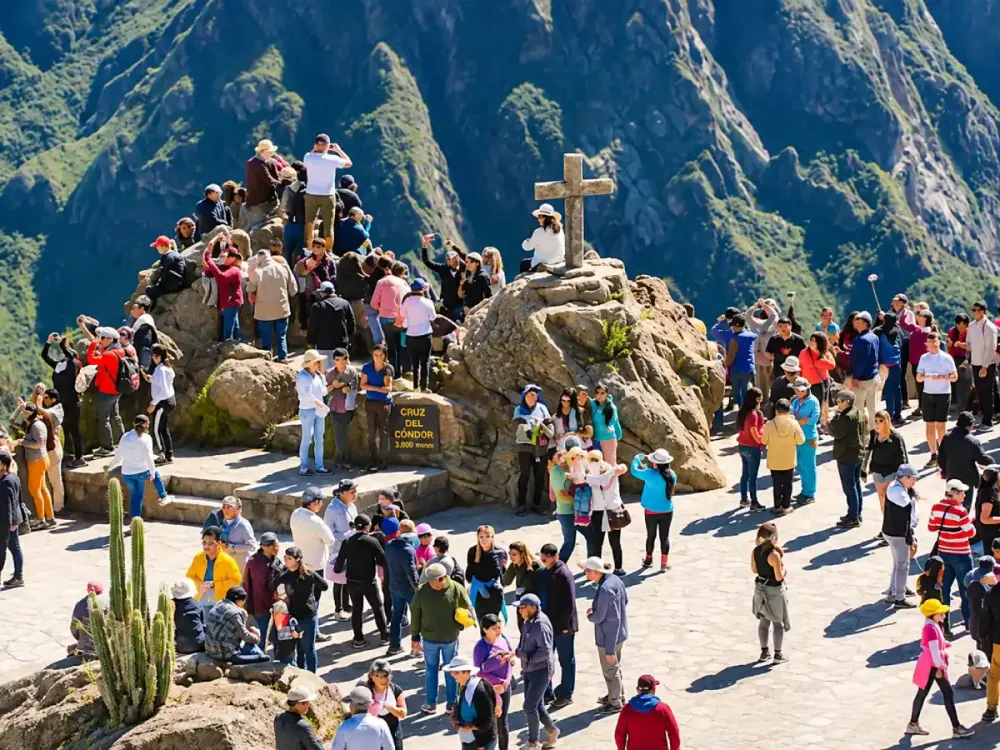
Best Season for Yanahuara, Misti Volcano, and Ruta del Sillar
Arequipa's viewpoints and stone quarries are among the most recommended experiences for discovering the relationship between the city and its volcanic surroundings.
At Yanahuara Viewpoint, the drier months often provide favorable opportunities to photograph Misti Volcano, especially on clear mornings. Even so, cloud cover can change quickly and conceal part of the mountain.
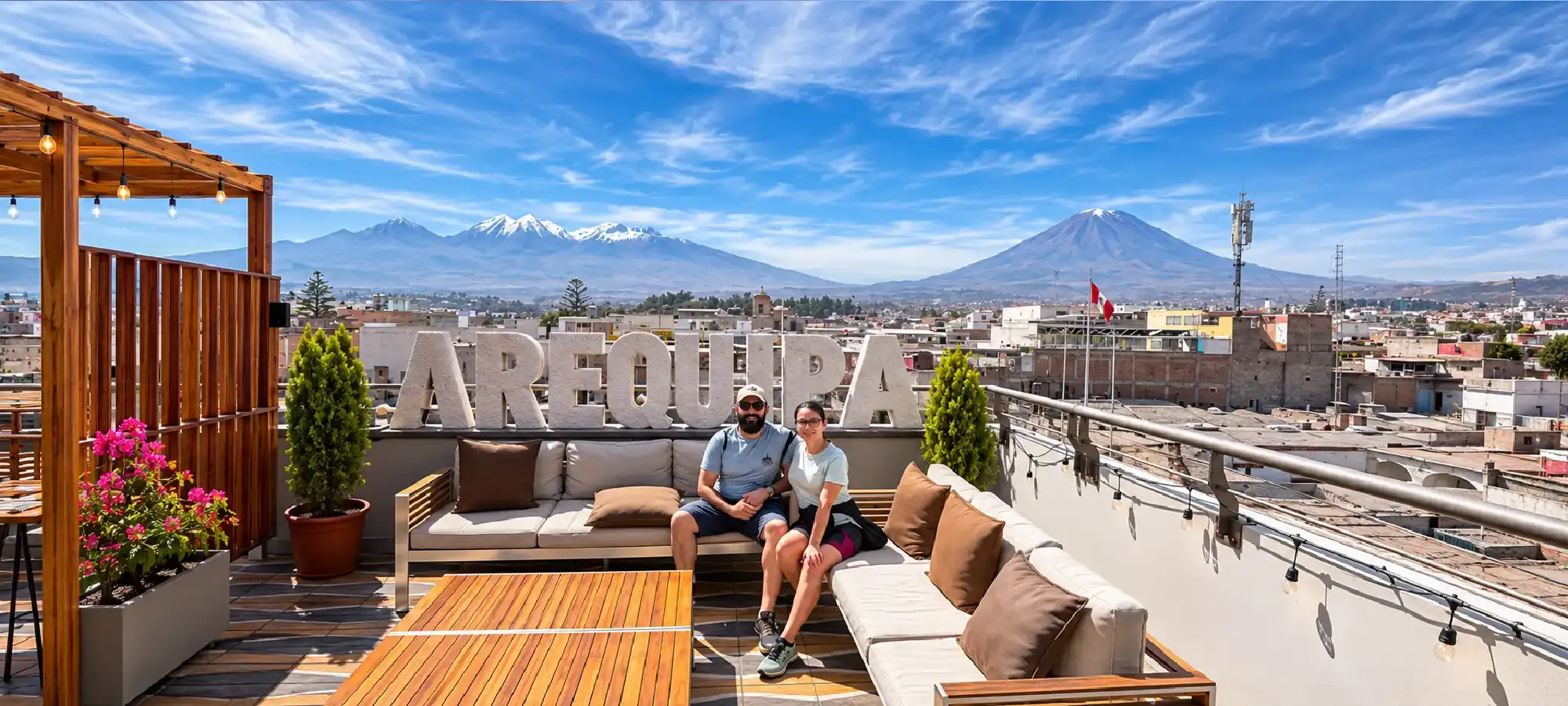
Carmen Alto Viewpoint is another option for enjoying the scenery, offering views of the Chilina Valley, its agricultural areas, and the mountains surrounding Arequipa.
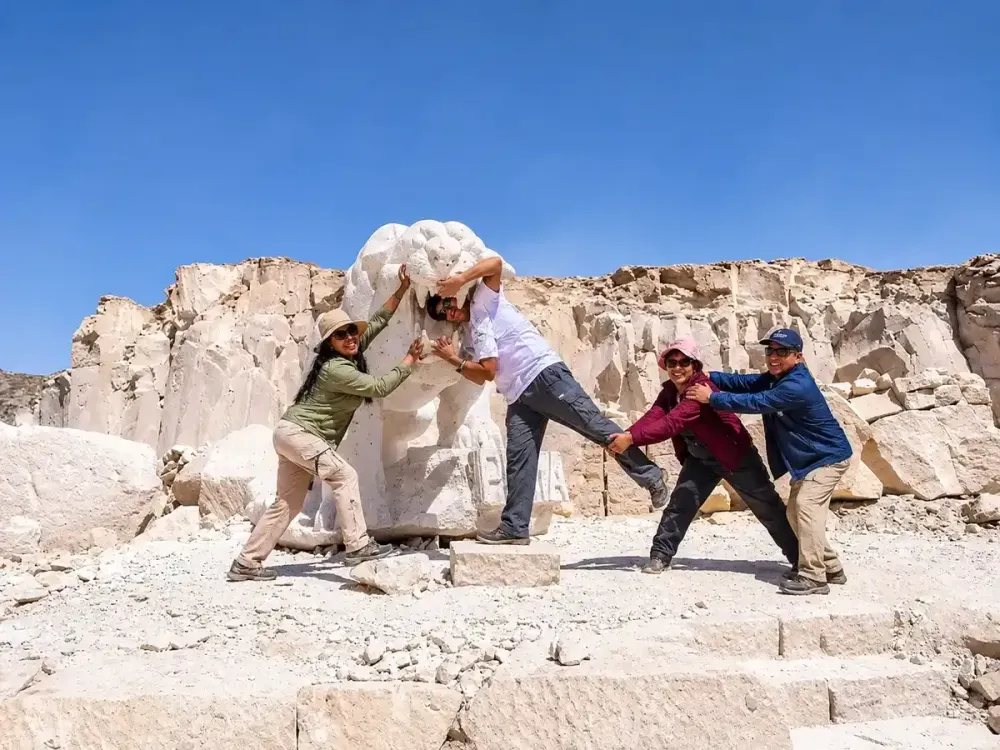
If you're mainly interested in discovering the origins of sillar stone, the Ruta del Sillar in Arequipa allows you to explore quarries and areas where this volcanic material is traditionally worked.
During the dry season, outdoor excursions are generally easier to organize, although sunscreen and drinking water are essential. In the rainy season, conditions may differ in certain areas, so it's advisable to confirm whether the tour is operating.
You can discover these landscapes on our Ruta del Sillar Tour in Arequipa, which includes places associated with the extraction and traditional craftsmanship of volcanic stone.
High and Low Tourist Seasons in Arequipa
Weather is one factor influencing visitor numbers in Arequipa, but it isn't the only one. Holidays, school vacations, local celebrations, and international tourism demand can also affect how busy the destination becomes.
June, July, and August often coincide with important travel periods in southern Peru. During these months, some excursions and accommodations may experience higher demand, particularly around vacations and festivals.
August is also especially significant for Arequipa because August 15 marks the anniversary of its Spanish foundation. This occasion is associated with activities and celebrations that may increase visitor traffic in the city.
May, September, and October can be attractive alternatives for travelers seeking generally favorable weather without concentrating their visits in the busiest months. However, they should not automatically be considered low-occupancy months.
During the rainy season, some visitors enjoy a different experience, with greener landscapes and more flexibility for certain cultural activities. Actual tourist demand may vary depending on the week and scheduled events.
We recommend booking in advance whenever your trip coincides with major holidays, festivals, or vacation periods.
If you'd like to explore the city's main cultural experiences, read our guide to tourist attractions in Arequipa and organize your sightseeing around the time available.
What to Wear in Arequipa According to the Season
The appropriate clothing for Arequipa depends on the type of trip you're planning. For exploring the historic center, comfortable clothes, sun protection, and a light jacket for cooler hours are generally sufficient.
During the dry season, days can be sunny, but temperatures drop after sunset. If your itinerary includes early departures or visits to high-altitude areas, you'll need warmer layers.
In the rainy season, it's helpful to bring a lightweight waterproof jacket or poncho and protect your belongings from possible rainfall.
The difference becomes more noticeable when traveling to Colca Canyon. Chivay, Patapampa, and other high-Andean areas can experience very low temperatures, so we recommend dressing in layers and bringing warm clothing for early mornings.
| Activity or season | What to bring |
|---|---|
| Arequipa City Tour | Comfortable shoes, sunscreen, and a light jacket |
| Dry season | Hat, sunglasses, and layers for temperature changes |
| Rainy season | Waterproof jacket or poncho and appropriate footwear |
| Colca Canyon | Thermal clothing, warm jacket, hat, and sunscreen |
| Viewpoints and Ruta del Sillar | Water, hat, sunscreen, and comfortable shoes |
We don't recommend packing based only on temperatures in central Arequipa. Changes in altitude during excursions can produce significant differences in weather conditions.
If your visit includes Chivay and its surroundings, read our guide to Chivay and La Calera Hot Springs for more information about the destination.
How Altitude and Weather Affect Travel in Arequipa
In addition to weather, altitude is one of the most important factors to consider when planning a trip around Arequipa.
The city is located approximately 2,335 meters (7,661 feet) above sea level, a moderate elevation within the Andes. However, routes toward Colca Canyon may exceed 4,000 meters (13,123 feet) before descending into the valley.
These changes can affect travelers arriving directly from places near sea level, especially if they undertake physically demanding activities shortly after arrival.
For this reason, we recommend getting adequate rest, staying hydrated, and avoiding unnecessary exertion during your first few hours. If significant or persistent altitude-related symptoms occur, stop the activity and seek medical attention.
Cold temperatures can also feel more intense at higher elevations, even during dry and sunny months.
If you're planning an excursion to Colca, we recommend our guide on how to get to Colca Canyon from Arequipa, which covers the route, travel times, and important considerations.
At Dreamy Tours, we believe a well-organized itinerary should take both weather and altitude differences into account. This helps travelers enjoy activities more comfortably and avoids scheduling too many demanding experiences on the same day.
How to Plan Your Arequipa Trip Based on Weather and Available Time
The best way to enjoy Arequipa is to choose activities based on the season, the time you have available, and the forecast conditions during your visit.
If you have one day, you can focus on the historic center, Plaza de Armas, Santa Catalina Monastery, and Yanahuara and Carmen Alto viewpoints. Our Arequipa City Tour allows you to discover several of these attractions on an organized sightseeing excursion.
With two days, you can add Ruta del Sillar and spend more time exploring cultural and panoramic locations. If you want to visit the main monuments without traveling long distances, our Arequipa in One Day guide will help you organize your sightseeing.
To include Colca Canyon, we recommend allowing at least one additional day. A two-day program in the valley generally offers a more comfortable pace than a same-day round trip from Arequipa.
You can also compare the alternatives in our article on Colca Canyon in 1 or 2 days: which option to choose, explaining the differences between both experiences.
If your journey continues to Puno, Cusco, or Machu Picchu, it's advisable to review weather conditions at each destination before finalizing your dates. The most convenient season for Arequipa may not perfectly match your travel preferences for other regions.
At Dreamy Tours, we recommend choosing the destinations you want to visit first, then organizing your itinerary according to seasonal conditions. Arequipa can be visited throughout the year, but selecting suitable travel dates will help you make the most of its landscapes, historic heritage, and excursions to Colca.
If you're preparing your next adventure, explore our Arequipa and Colca Canyon tours and choose the experiences that best suit your schedule, interests, and travel style.
Personal travel advice
Plan your trip with Dreamy Tours
Start a tailored journey with our exclusive tours and custom trips across Peru and other Latin American countries.