Search the blog
Tabla de contenidos
Ica is one of the most complete destinations on Peru’s southern coast, bringing together desert landscapes, a natural oasis, adventure activities, a long winemaking tradition and convenient connections with Paracas and Nazca. For travelers looking for contrast, few regions allow you to move from vineyards to enormous sand dunes and then continue toward the Pacific Ocean or one of the world’s most famous geoglyph landscapes.
Understanding what to do in Ica involves much more than stopping in Huacachina for a few photographs. The region makes it possible to build one-, two- or multi-day itineraries combining the oasis, dune buggies, sandboarding, pisco wineries, regional cuisine, Cachiche, the Canyon of the Lost and extensions toward Paracas or Nazca.
At Dreamy Tours, we recommend treating Ica as part of a broader travel ecosystem rather than an isolated stop. If you are beginning to plan your trip, explore our Ica Tours and compare our Ica in One Day itinerary with the more relaxed Ica in 2 Days itinerary.

Visit the Huacachina Oasis
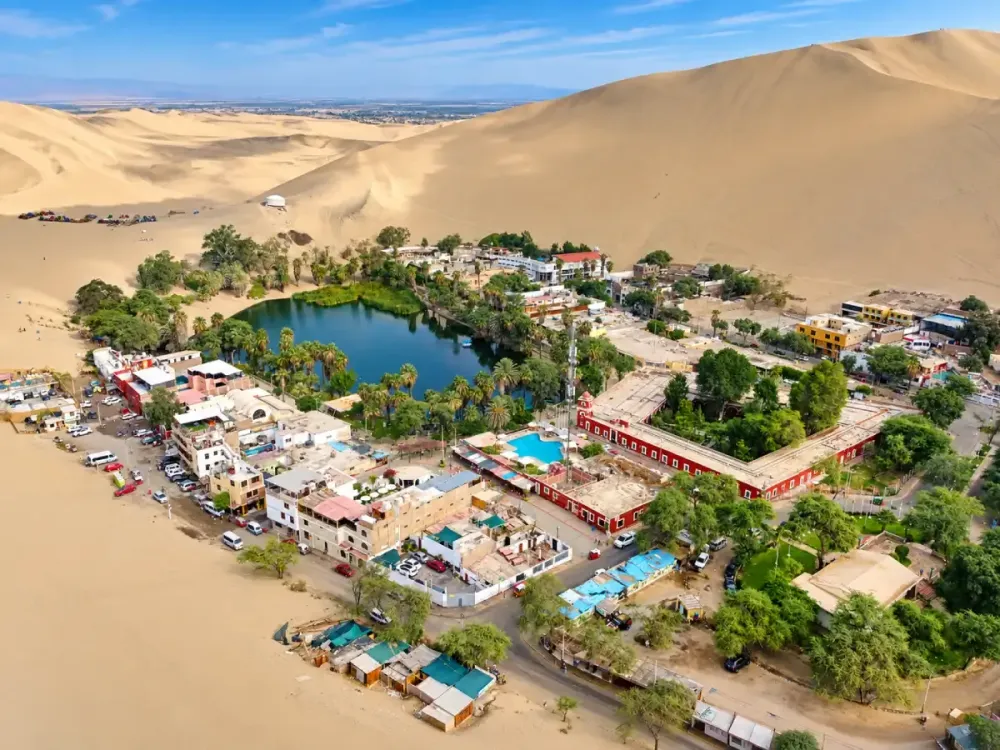
Huacachina is Ica’s most recognizable attraction and one of the most distinctive desert landscapes in Peru. The lagoon is surrounded by palm trees, native vegetation and enormous dunes, and today it forms part of the Huacachina Lagoon Regional Conservation Area, which gives additional importance to protecting both the water body and the surrounding desert ecosystem.
A visit should not be limited to walking around the lagoon. From the nearby dunes, you can see the oasis from above and appreciate the true scale of the landscape, where a relatively small green area is completely surrounded by sand. Early morning and late afternoon are generally more comfortable for walking because solar radiation and temperatures can feel more intense around midday.
The Regional Government of Ica updated regulations for tourism activities within the Huacachina Lagoon Regional Conservation Area in 2026. Activities involving tourist vehicles and the use of the surrounding desert must therefore respect authorized zones and the conditions established for the protected area.
Huacachina can be visited independently or incorporated into a broader southern Peru route. Travelers coming from Lima can also use our guide on how to get from Lima to Ica to understand transportation options, travel times and how much margin to leave before a scheduled desert activity.
Ride a Dune Buggy Through the Ica Desert
Dune buggies make it possible to enter areas of the desert that would be difficult and exhausting to reach on foot. Once the vehicle moves away from Huacachina, the landscape changes quickly, revealing high sand ridges, steep slopes and wide open sections that make the scale of the Ica desert much easier to appreciate.
The experience combines adventure with landscape observation. Depending on the route and conditions of the sand, tours include climbs, descents and stops at panoramic points where travelers can take photographs or prepare for sandboarding. This is why dune buggy riding and sandboarding are commonly offered as part of the same desert experience.
For a structured experience, you can join our Buggy and Sandboarding Tour in Huacachina, which combines travel through the dunes with panoramic stops and sandboarding.
| Experience | Recommended time | Physical level | Best time | Best for |
|---|---|---|---|---|
| Walk around Huacachina | 30–60 min | Low | Morning or afternoon | Photography and sightseeing |
| Dune buggy ride | Depends on booked service | Low | Mid to late afternoon | Adventure and desert scenery |
| Sandboarding | Usually combined with buggy | Low to moderate | Mid to late afternoon | First desert adventure |
| Viewpoint and sunset | 45–90 min | Moderate due to sand walking | Late afternoon | Photography and landscape |
Sand conditions may change with wind and weather, so routes do not always follow exactly the same path. Travelers should use formal operators, follow the driver’s instructions and avoid entering unauthorized areas of the desert independently.

Try Sandboarding in Huacachina
Sandboarding consists of descending desert dunes using a board designed or prepared for sand. Although the activity resembles snowboarding visually, previous experience is not necessary because first-time travelers can begin with controlled descents that match their confidence and ability.
Beginners generally start by sliding while lying or sitting on the board, which provides greater stability and reduces the technical difficulty. Travelers who already have experience with board sports may attempt standing descents on suitable slopes, always following the guide’s instructions.
The appeal of sandboarding comes from both the activity and its setting. Moving deeper into the desert provides access to dune landscapes that travelers would rarely experience by simply walking around the Huacachina Lagoon.
For greater safety, use the equipment provided by experienced operators and avoid attempting independent descents on unfamiliar slopes. Changes in elevation and inclination can be difficult to judge accurately from the top of a dune.

Watch the Sunset from the Dunes
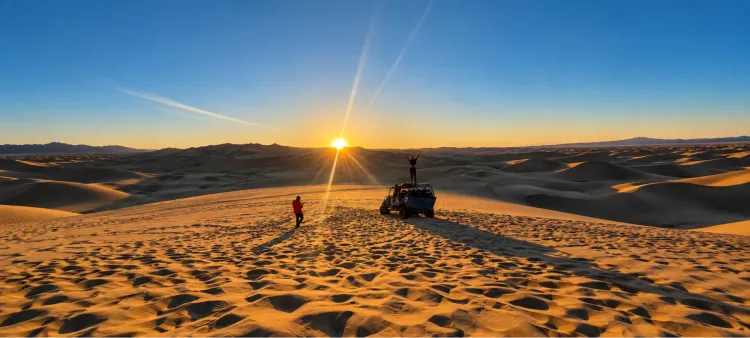
Sunset is one of the most rewarding times to remain in Huacachina because changing light completely transforms the desert. As the sun gets lower, shadows stretch across the dunes and make their ridges, slopes and natural formations much more visible.
There is no need to climb the highest dune to find a good viewpoint. Walking through loose sand requires considerably more effort than walking on firm ground, so a lower panoramic point can provide an excellent view of the oasis without turning the experience into an unnecessarily exhausting climb.
If your dune buggy excursion takes place during the second half of the afternoon, panoramic stops can often be combined with the period leading up to sunset. This creates a natural ending to the desert experience without requiring another separate excursion later in the day.
Bring water, sunscreen and enough time to return while there is still daylight. Huacachina’s dunes are inviting at sunset, but walking back after dark can be less comfortable for visitors who are unfamiliar with the terrain.

Discover Ica’s Pisco Tradition
Ica’s identity is closely connected with its agricultural valleys and the production of grapes, wine and pisco. This long tradition contrasts sharply with the surrounding arid landscape and demonstrates how irrigated valleys have supported one of the most important wine- and pisco-producing regions in Peru.
A winery visit may include explanations about grape varieties, fermentation, distillation and storage. Some wineries focus on artisanal or historic production methods, while others operate on a larger scale and allow travelers to compare different approaches to wine and pisco production.
For international visitors, the experience helps explain why pisco is much more than a drink served in restaurants in Lima or Cusco. It is a product deeply tied to the agricultural valleys of Peru’s southern coast, and Ica is one of the best places to understand that relationship directly.
A particularly balanced itinerary is to visit a winery before continuing toward Huacachina. This allows the morning or midday to focus on culture, agriculture and gastronomy before the journey moves into desert adventure during the afternoon.

Taste Traditional Food from Ica
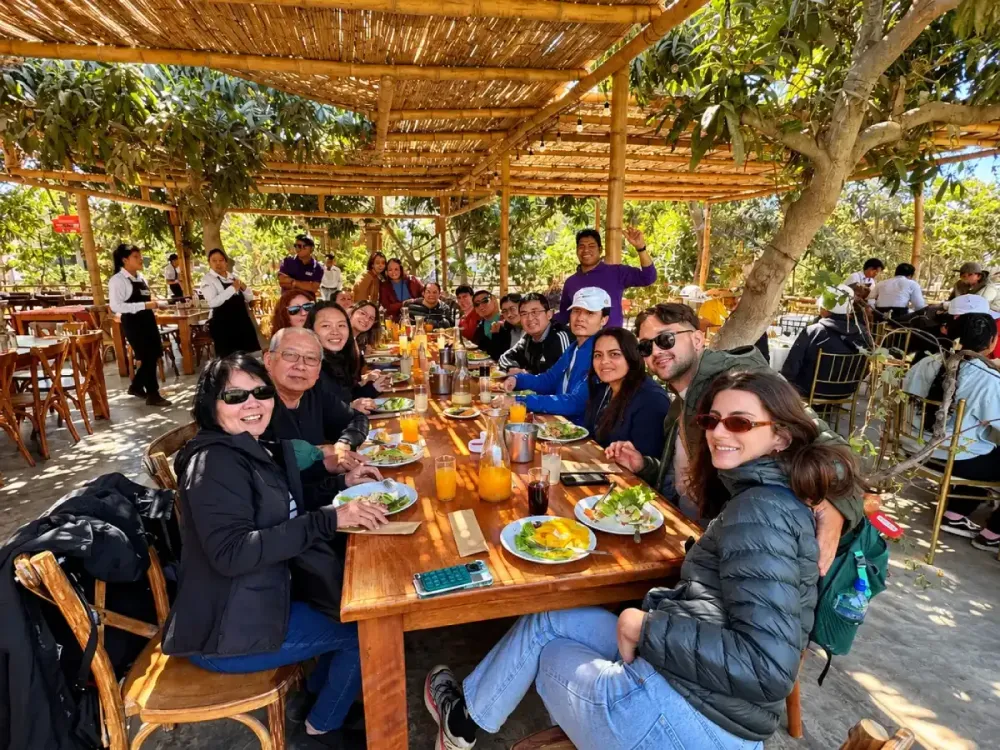
Regional food complements a winery visit particularly well because it connects local agricultural products, southern coastal traditions and regional drinks within the same experience. In Ica, visitors can encounter dishes made with pallares, while carapulcra and sopa seca have a particularly strong presence in the neighboring province of Chincha.
Tejas and chocotejas are among the region’s best-known sweets. They are traditionally prepared with manjar blanco and fillings such as pecans or fruit, and they have become part of the regional food identity that many travelers discover while visiting wineries and countryside restaurants.
If you are planning a wine or pisco tasting, pairing it with food is advisable, particularly if alcohol is involved. Travelers should also avoid driving immediately after tastings, which is one reason why organized transportation can make this type of experience easier to enjoy responsibly.
Our Ballestas Islands and Huacachina Tour from Lima, for example, combines Paracas, a wine and pisco experience in Ica and Huacachina within the same organized day.
Visit Cachiche and Discover Its Legends
Cachiche lies close to Ica city and offers an experience very different from the dunes and wineries. The village is known for popular stories associated with traditional healers, local beliefs and the so-called witches of Cachiche, an unusual part of Ica’s cultural imagination that has been passed through generations.
One of the best-known local landmarks is the Seven-Headed Palm Tree, around which several stories and legends have developed. These narratives form part of the attraction of Cachiche, although they are best understood as local folklore rather than documented historical facts.
Because Cachiche is close to the city, it can be incorporated into an itinerary around Ica without requiring an entire day. It can be combined with an urban visit, a winery experience or a stop before continuing to Huacachina.
This makes Cachiche especially interesting for travelers who want to understand less obvious aspects of Ica’s identity. The region is not defined only by dunes and adventure; local stories, traditions and collective memory also form part of its cultural landscape.
Explore the Canyon of the Lost
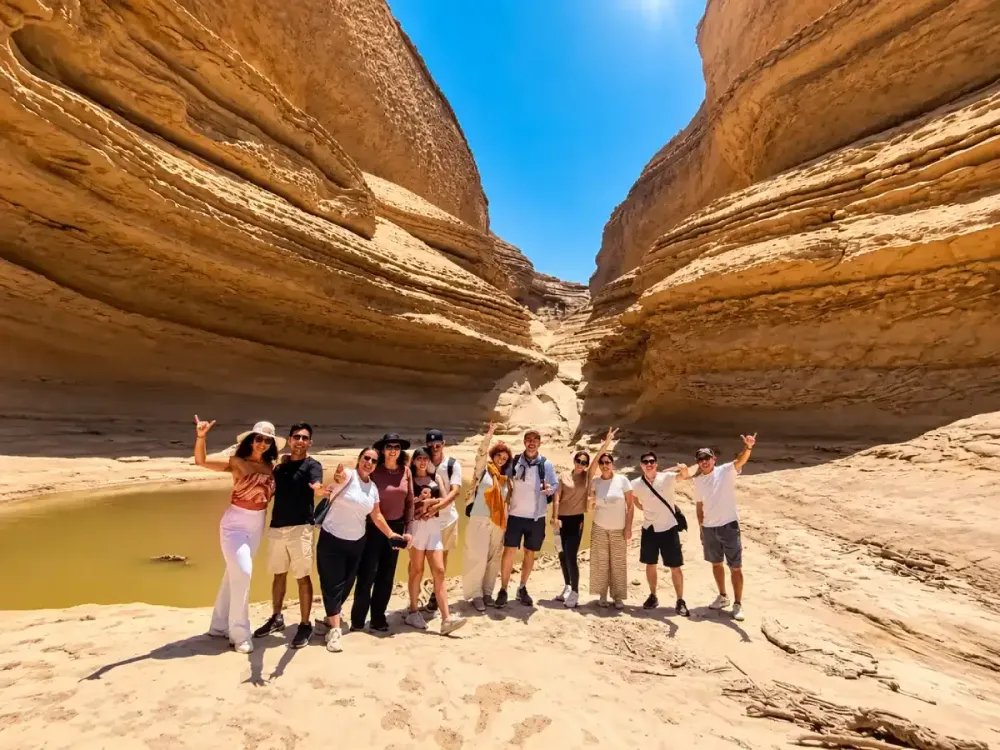
The Canyon of the Lost offers one of the most distinctive geological landscapes in the Ica region and lies considerably farther from the city’s usual tourism circuit. Visitors encounter eroded walls, ravines and formations shaped by natural processes in a remote desert environment with far less tourist movement than Huacachina.
Because of the distance and terrain, this excursion requires significantly more time than visiting Cachiche or a winery. We do not recommend adding it hastily to a day that already includes Huacachina, dune buggies, sandboarding and several wineries.
The experience is better suited to travelers spending more than one day in Ica who want to add a less conventional desert landscape to their itinerary. Sun protection, sufficient drinking water and appropriate footwear are particularly important because natural shade is limited.
If you want to distribute the region’s experiences more comfortably, use our Ica in 2 Days itinerary as a planning reference rather than trying to fit every attraction into one day.
Combine Ica with Paracas and the Ballestas Islands
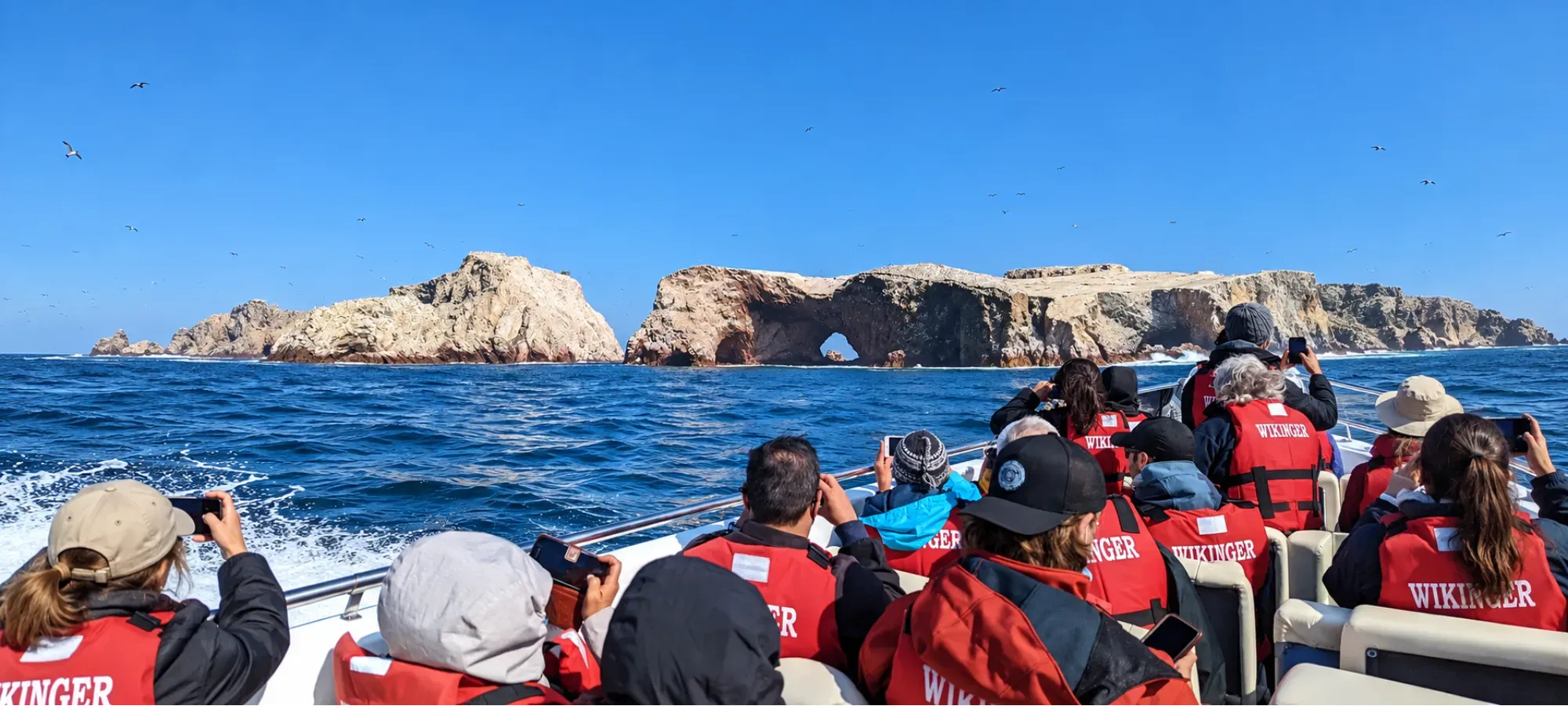
Paracas is one of the most natural extensions from Ica because it replaces the inland desert environment with a marine landscape while remaining within the same broader southern-coast circuit. Boats depart from El Chaco toward the Ballestas Islands, where travelers may observe sea lions, guano birds and Humboldt penguins depending on natural conditions and the season.
The Ballestas Islands form part of Peru’s National Reserve System of Guano Islands, Islets and Points. Current SERNANP visitor information establishes tourism hours for the Ballestas sector and requires visitors to use authorized operators, while access to Paracas National Reserve follows its own protected-area schedule and control system.
These destinations do not use the Cusco Tourist Ticket or Cusco archaeological admission system. Paracas and the Ballestas Islands are managed under SERNANP, which operates ticketing for Peru’s protected natural areas. This distinction is important because travelers sometimes assume that Peru has a single national tourism ticket, when in reality different institutions manage different destinations.
| Attraction | Official reference fare | Requirement / system |
|---|---|---|
| Paracas National Reserve | S/11 general one-day admission | SERNANP ticket |
| Ballestas Islands | S/11 general admission | Authorized operator + SERNANP ticket |
| Paracas + Ballestas | S/17 combined promotional rate published by SERNANP | Ticket covering both protected areas |
| Nazca Lines Observation Tower | S/6 general; S/2 student; S/1 child | Ticket + supporting document for reduced fare |
| Nazca Lines Natural Viewpoint | S/3 general; S/2 student; S/1 child | Ticket + supporting document for reduced fare |
| Nazca Partial Aerial Tourist Ticket | S/47 published general rate | Ministry of Culture / Tu Boleto system |
The Paracas and Ballestas figures correspond to rates published through SERNANP visitor information, while Nazca viewpoint and aerial-ticket prices come from the Ministry of Culture’s official tariff framework. Because public institutions may modify fees, schedules or temporary promotions, travelers should confirm the current amount shortly before visiting.
If you want to experience both marine and desert environments within an organized route, consider our Ballestas Islands and Paracas Reserve Tour or combine Paracas, Ica and Huacachina with our full-day Ballestas Islands and Huacachina tour from Lima.

Continue Your Journey to the Nazca Lines
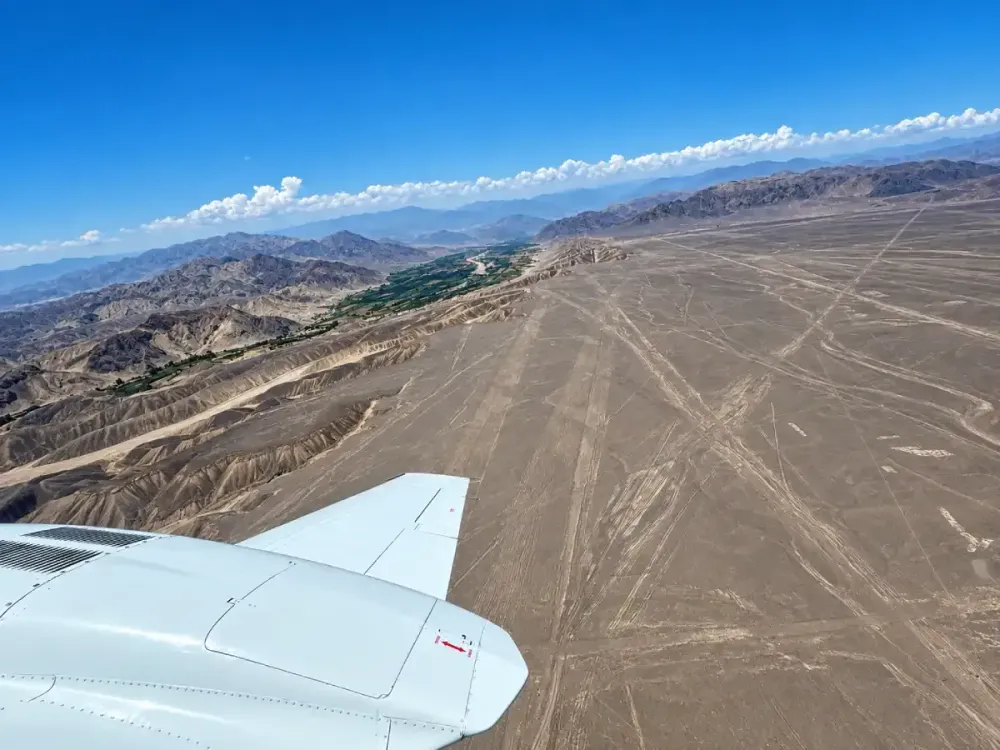
Nazca is a logical continuation for travelers with additional time on Peru’s southern coast. The Nazca and Palpa Lines and Geoglyphs form an archaeological landscape of exceptional importance protected by Peru’s Ministry of Culture and recognized as World Heritage, so visits must respect the authorized observation points and official access systems.
The Ministry of Culture’s Tu Boleto platform includes attractions associated with the Nazca Lines among the cultural sites for which tickets can be managed digitally. This system is separate from the Cusco Tourist Ticket, which applies to specific attractions in Cusco and does not cover Ica, Paracas or Nazca.
Official Ministry of Culture tariffs include separate admission fees for observation points as well as the Nazca Partial Aerial Tourist Ticket. Reduced rates require documentation proving the traveler’s eligibility, while the cost of the actual scenic flight is separate and depends on the airline or tour operator selected.
If you want to see a larger number of figures from the air, explore our Nazca Lines Flight Tour. Dreamy Tours’ current program includes transportation to the María Reiche Aerodrome and an approximately 30-minute flight, with departure times subject to visibility, weather and airport operations.
How Many Days Do You Need in Ica?
One day is enough to experience Ica’s essential highlights if you focus on one winery, Huacachina and the main desert activities. Our Ica in One Day itinerary is designed for travelers who want to use their time efficiently without trying to add too many distant attractions.
With two days, the experience becomes much more flexible because you can stay overnight in Ica or Huacachina and add Paracas, another gastronomic experience or a more relaxed exploration of the region. Our Ica in 2 Days itinerary separates the main experiences so that the trip does not become a constant sequence of transfers.
With three days, a route such as Paracas → Ica → Huacachina → Nazca becomes considerably more practical, particularly if your journey continues south toward Arequipa instead of returning to Lima. Traveling progressively south reduces unnecessary backtracking and gives each destination more room in the itinerary.
If Ica is part of a larger Peru trip, it can also be incorporated into our Peru 7 Days: Lima, Paracas, Cusco and Machu Picchu or a longer itinerary such as Peru 12 Days: Nazca, Machu Picchu and Lake Titicaca.
What Is the Best Time to Visit Ica?
Ica can be visited throughout the year because of its desert climate, although conditions feel different from season to season. From December through March, summer on Peru’s coast generally brings warmer temperatures and stronger sunshine, making hydration, sunscreen and careful scheduling particularly important for activities on the dunes.
From April through November, temperatures often feel more moderate, especially in the morning and late afternoon. These conditions can be comfortable for winery visits, walking around Huacachina and desert excursions, although Paracas can feel noticeably cooler because of coastal wind, particularly during boat trips or later in the day.
If your itinerary includes Paracas, remember that Ballestas Islands departures depend on sea conditions and operational safety decisions. The destination can be visited throughout the year, but actual boat departures may be modified or suspended when maritime conditions make navigation unsuitable.
At Dreamy Tours, we consider the best time to visit Ica in relation to the traveler’s complete Peru itinerary rather than Ica alone. If your journey also includes Cusco, Machu Picchu or the Amazon, compare the seasonal conditions in each region before choosing your dates and use Ica as one stage within a broader journey through Peru.
Personal travel advice
Plan your trip with Dreamy Tours
Start a tailored journey with our exclusive tours and custom trips across Peru and other Latin American countries.