Speaking about Inti Raymi is like opening a living chapter of Andean history. It is not simply a colorful cultural event that attracts international travelers every year. It is a ceremony rooted in worldview, political structure, and spirituality at the height of the Inca Empire.
If you are planning a Cusco travel itinerary, researching things to do in Cusco in June, or looking for authentic cultural festivals in Peru, understanding Inti Raymi will give deeper meaning to your journey.
What Is Inti Raymi?
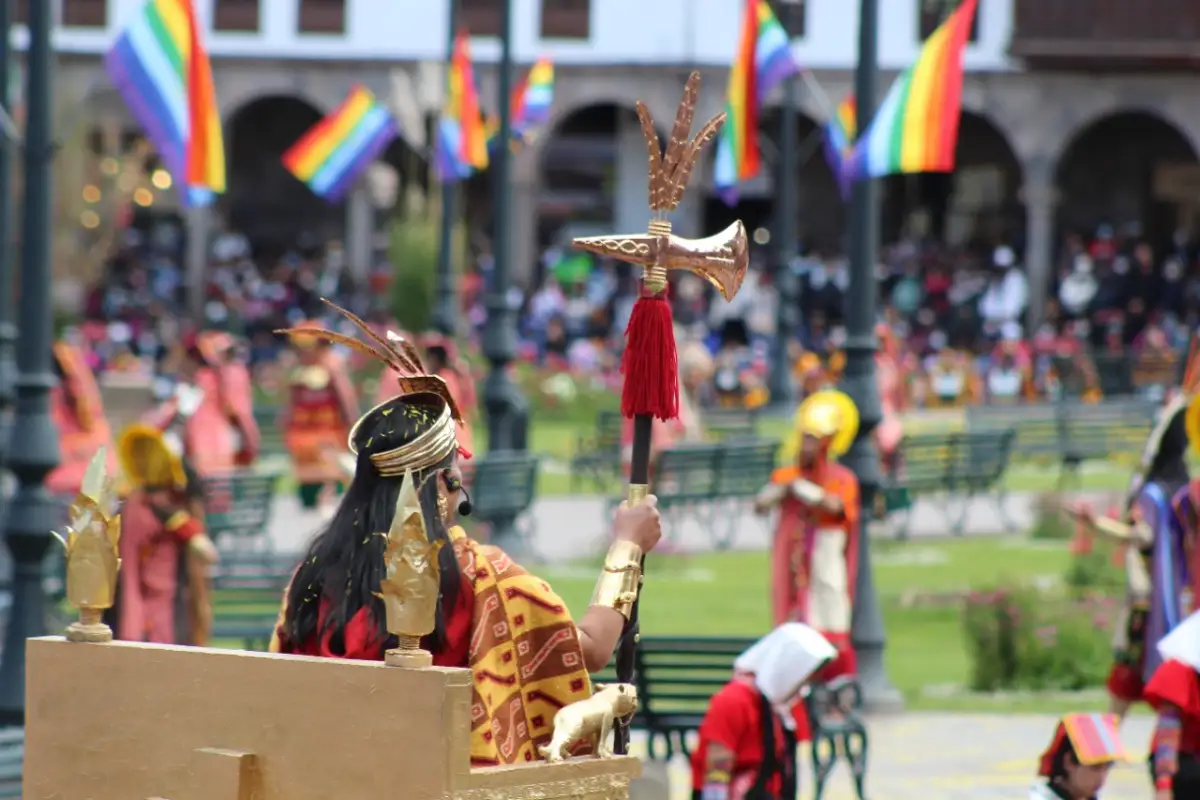
Inti Raymi means “Festival of the Sun” in Quechua. It was the most important ceremony of the Inca calendar and took place during the winter solstice in the Southern Hemisphere, when the sun reaches its most distant point and daylight slowly begins to increase again.
For the Incas, the sun was not just a celestial body. It was Inti, the supreme deity and symbolic ancestor of the emperor. The ceremony honored this divine connection and renewed harmony between society, nature, and the cosmos.
Today, travelers searching for Inti Raymi Cusco history or Inca Sun Festival explained are often surprised by how complex and symbolic this celebration truly is.
Historical Origins
The formal establishment of Inti Raymi is attributed to the Inca ruler Pachacútec in the 15th century, during the expansion of the Tahuantinsuyo. At that time, Cusco was the political and spiritual capital of the empire.
The ceremony served several purposes at once. It reaffirmed the authority of the Inca as the “Son of the Sun,” strengthened unity among the four regions of the empire, and renewed spiritual protection for a prosperous agricultural cycle.
It was, in essence, a religious, political, and social act woven into one grand ritual.
How Was It Celebrated in Inca Times?
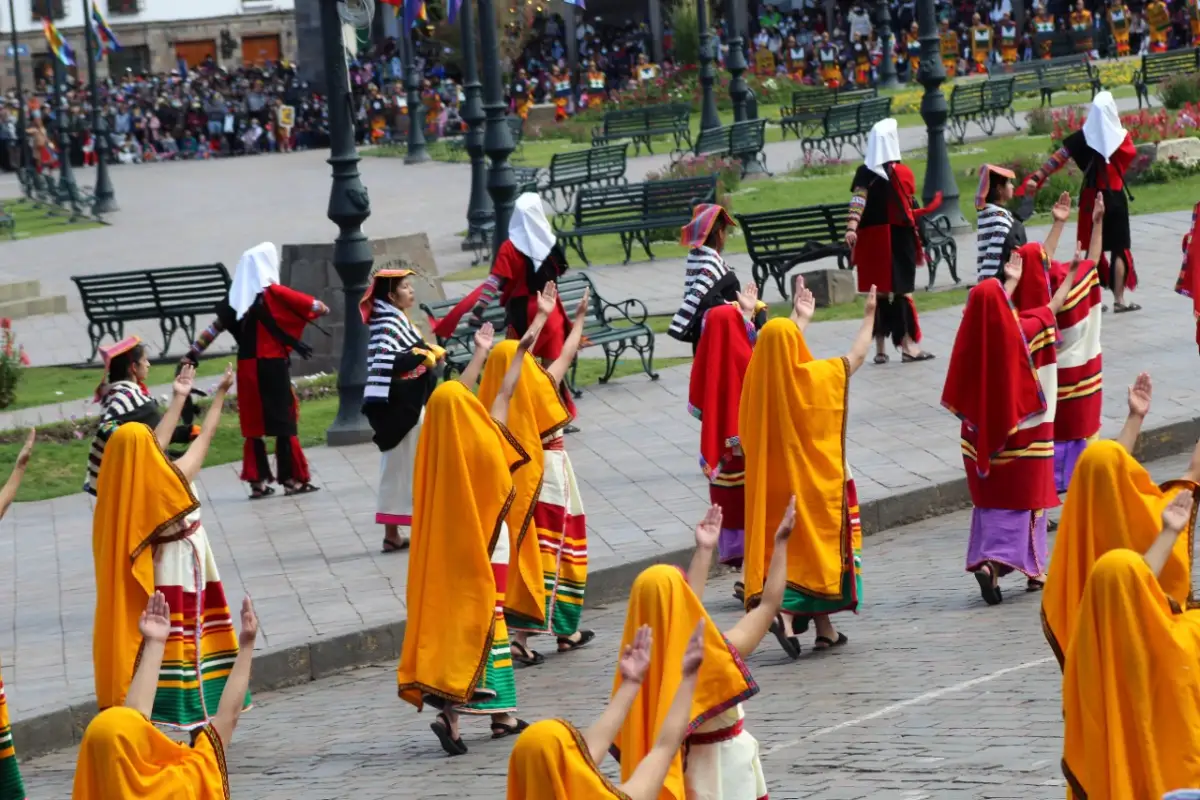
Colonial chronicles describe days of preparation, fasting, and purification rituals. The population gathered in the main square of Cusco to witness the central ceremony.
The Inca, accompanied by high priests and representatives from the four regions, presented offerings to the Sun. Agricultural products and symbolic animal sacrifices were part of the ritual seeking balance and abundance.
Inti Raymi marked the beginning of a new cycle. It was not entertainment. It was renewal of cosmic and social order.
For travelers interested in Inca civilization facts or ancient Andean traditions, this context transforms the experience from spectacle into historical insight.
Prohibition and Historical Revival
After the Spanish arrival in the 16th century, Inti Raymi was prohibited because it conflicted with the official religion of the colonial period. For centuries, it disappeared from public life.
In 1944, local historians and intellectuals in Cusco revived the ceremony as a historical reenactment based on early chronicles. Since then, it has become one of the most important annual cultural events in South America.
Many visitors planning a Peru cultural tour or a June trip to Cusco schedule their visit specifically around this date.
When and Where Is Inti Raymi Celebrated Today?
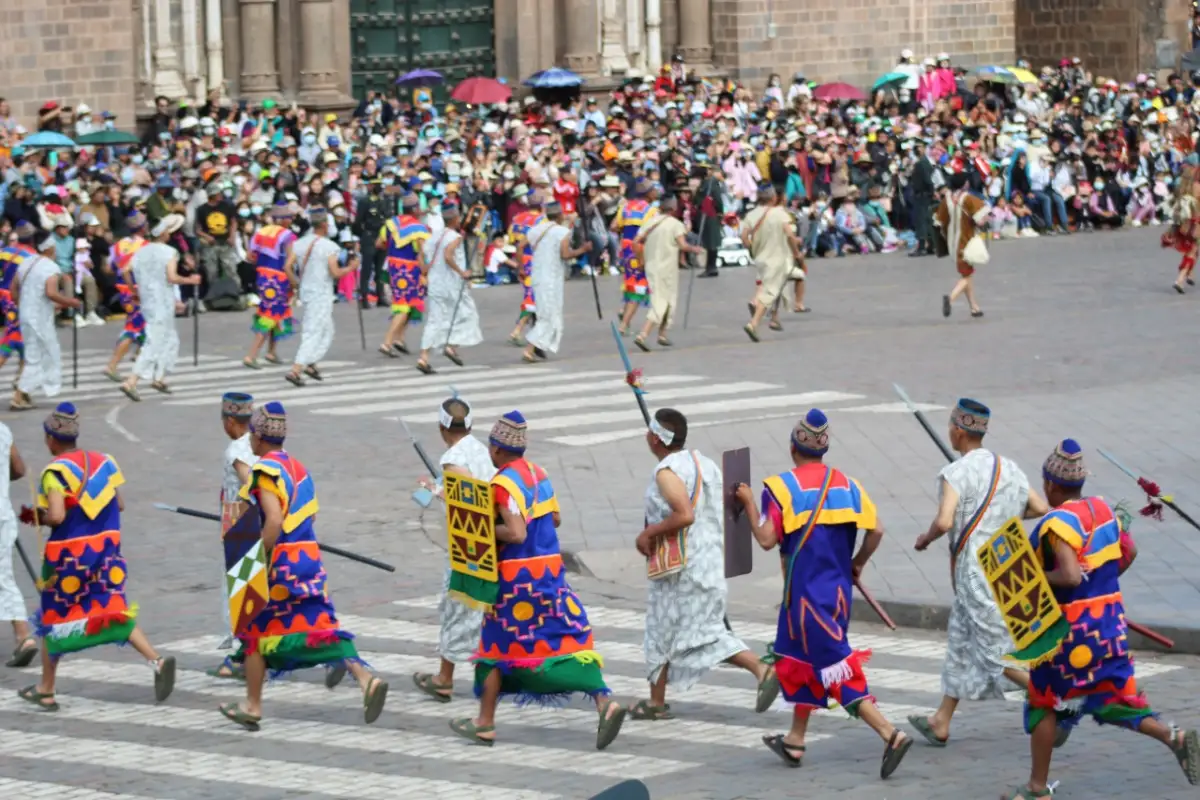
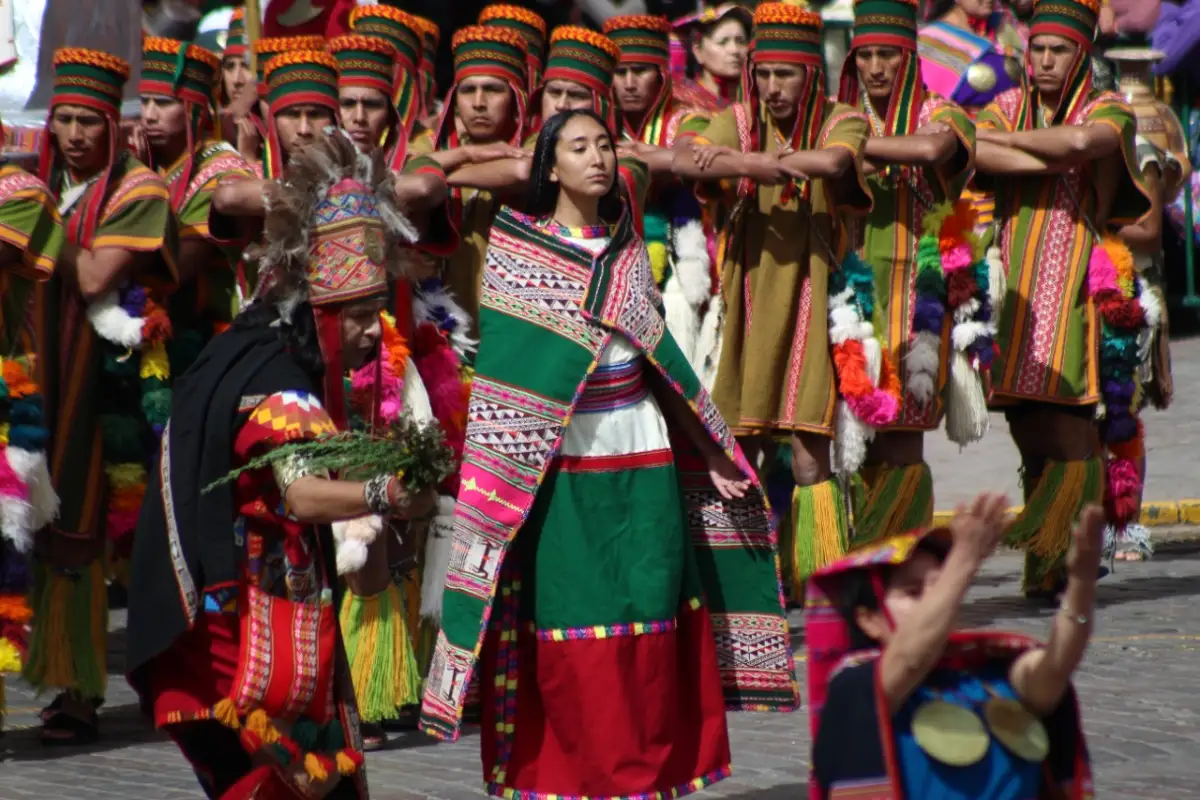
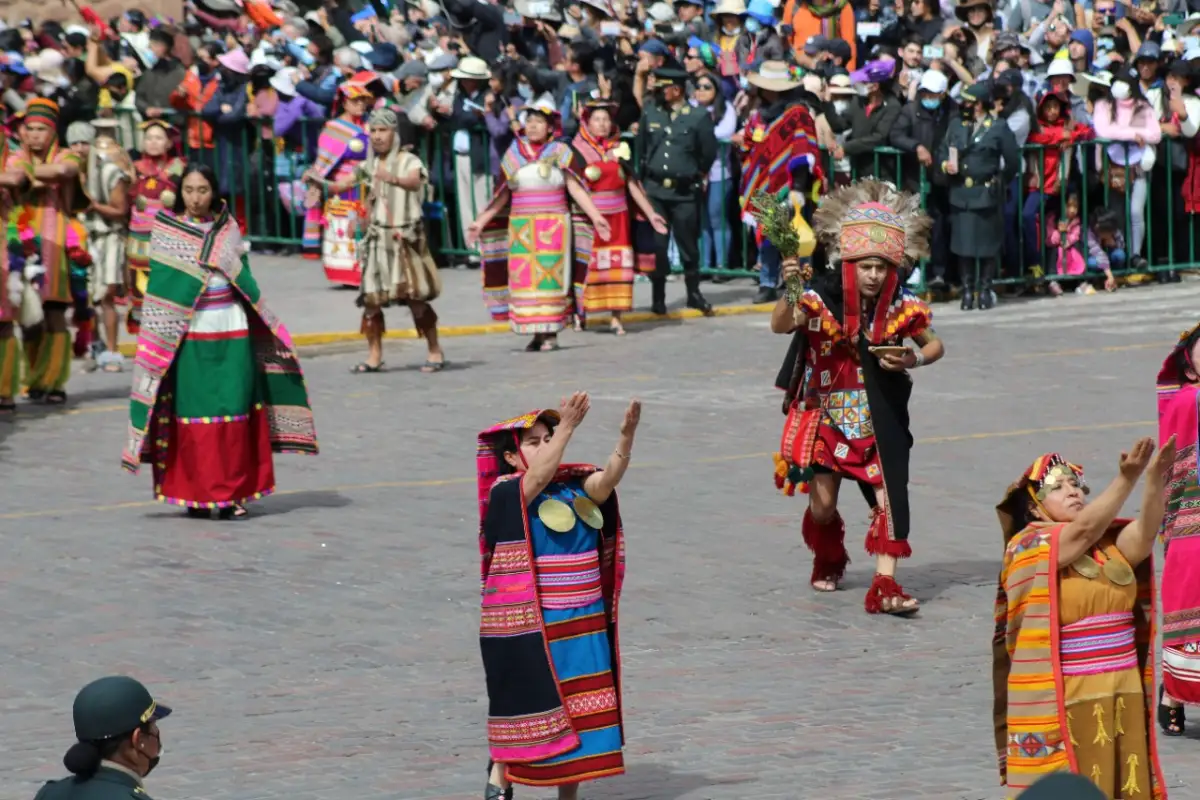
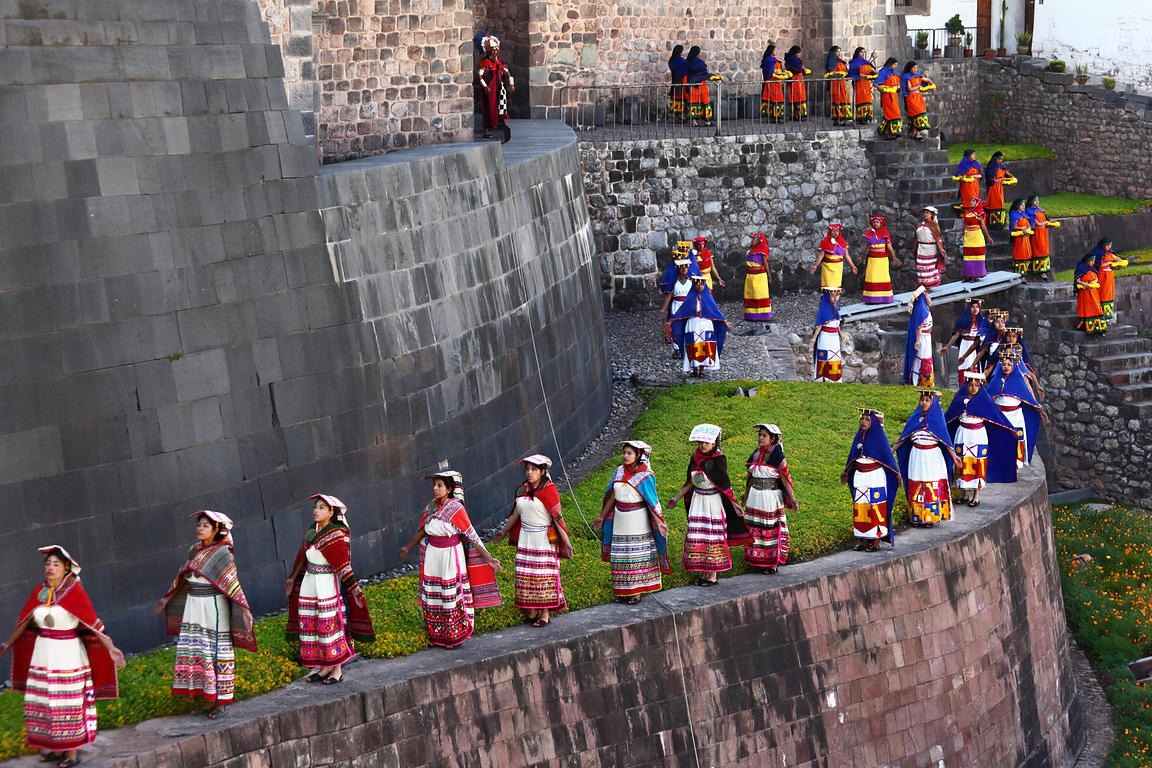
Every June 24, the city reenacts the ceremony through a symbolic route that follows key historical landmarks.
The celebration begins in the morning at Qorikancha, the ancient Temple of the Sun. This opening scene represents the ceremonial greeting to Inti and the beginning of the ritual.
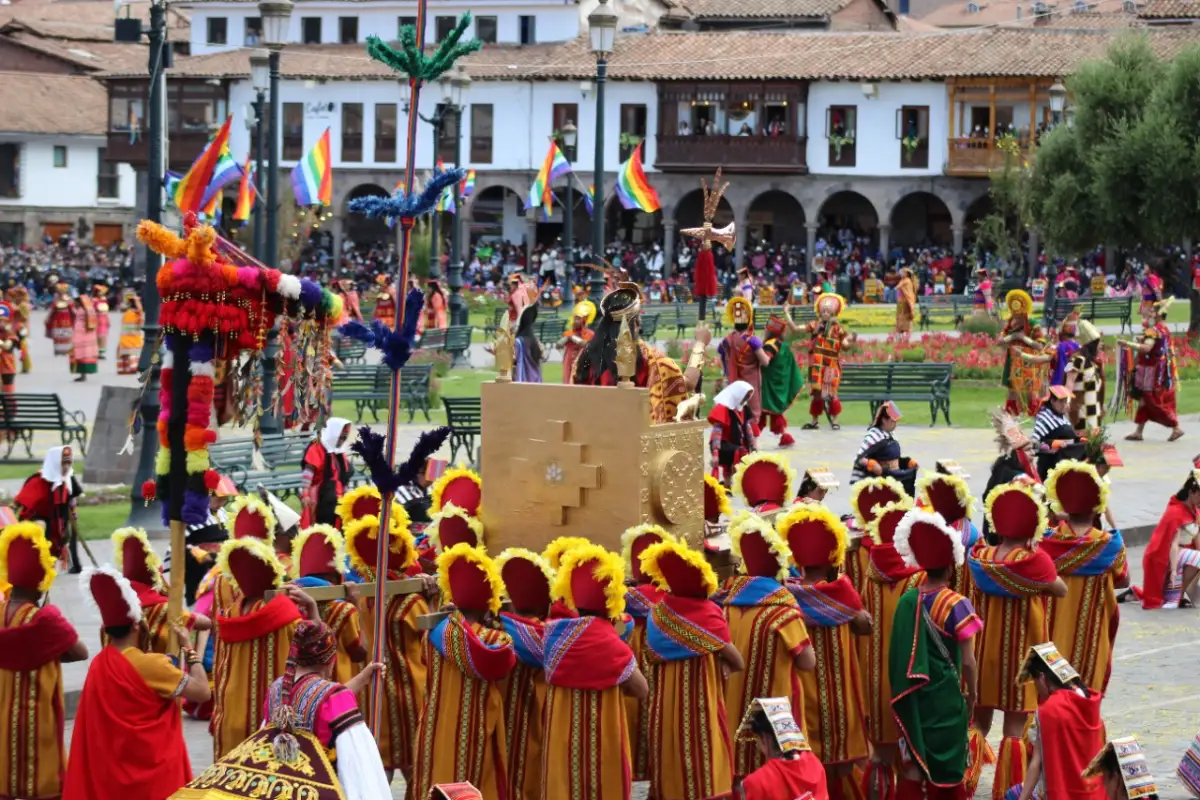
The procession then moves to the Plaza de Armas de Cusco, where the “Encounter of the Times” takes place. This segment symbolically connects the Inca past with the colonial and modern city.
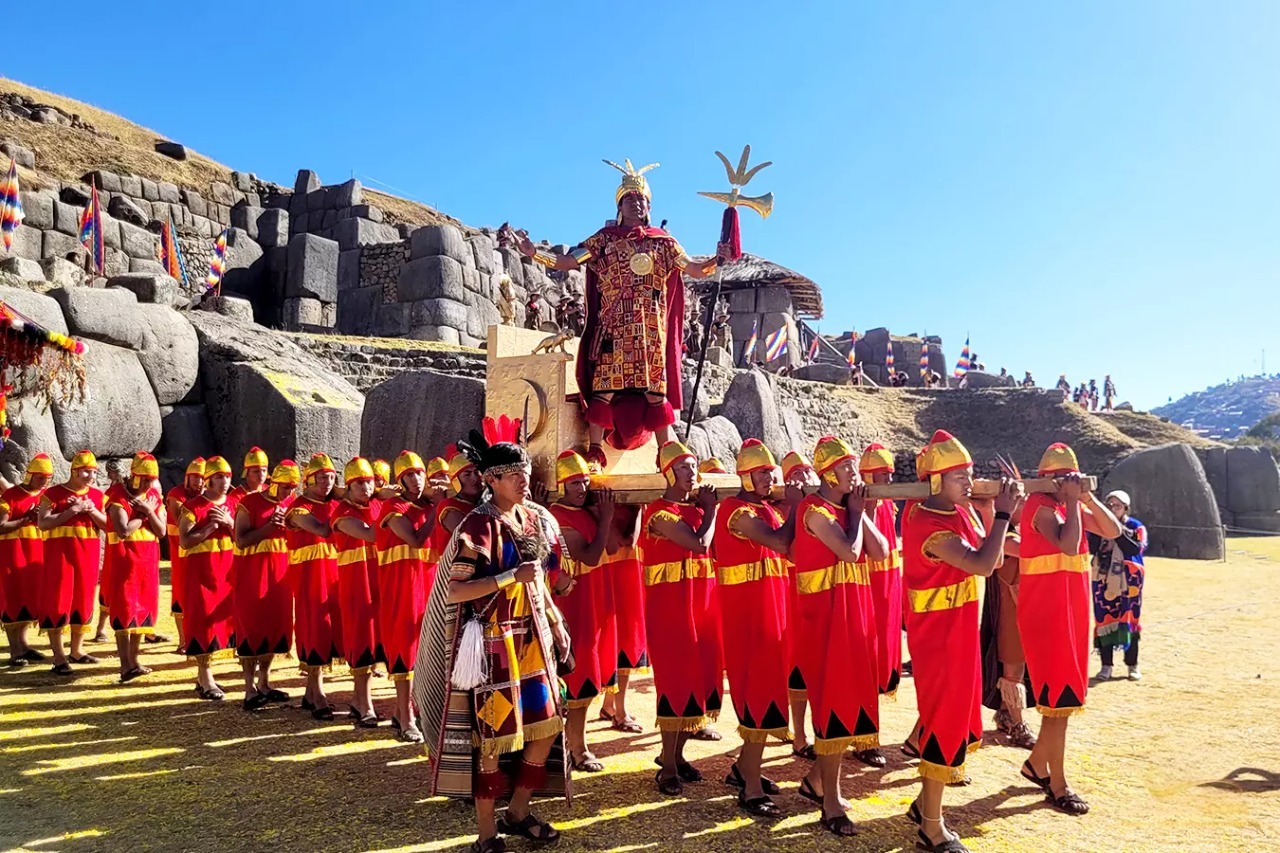
The final and most extensive ceremony unfolds at the esplanade of Sacsayhuamán, located on the hills above the city. Here, the main speeches, ritual representations, and symbolic offerings conclude the event.
The route begins at Qorikancha, passes through the historic center, and culminates at Sacsayhuamán, reflecting the political and spiritual axis of ancient Cusco.
Travelers searching for Inti Raymi tickets, Sacsayhuamán ceremony experience, or Cusco June festival schedule should plan well in advance, as demand is high.
Why Is Inti Raymi So Important?
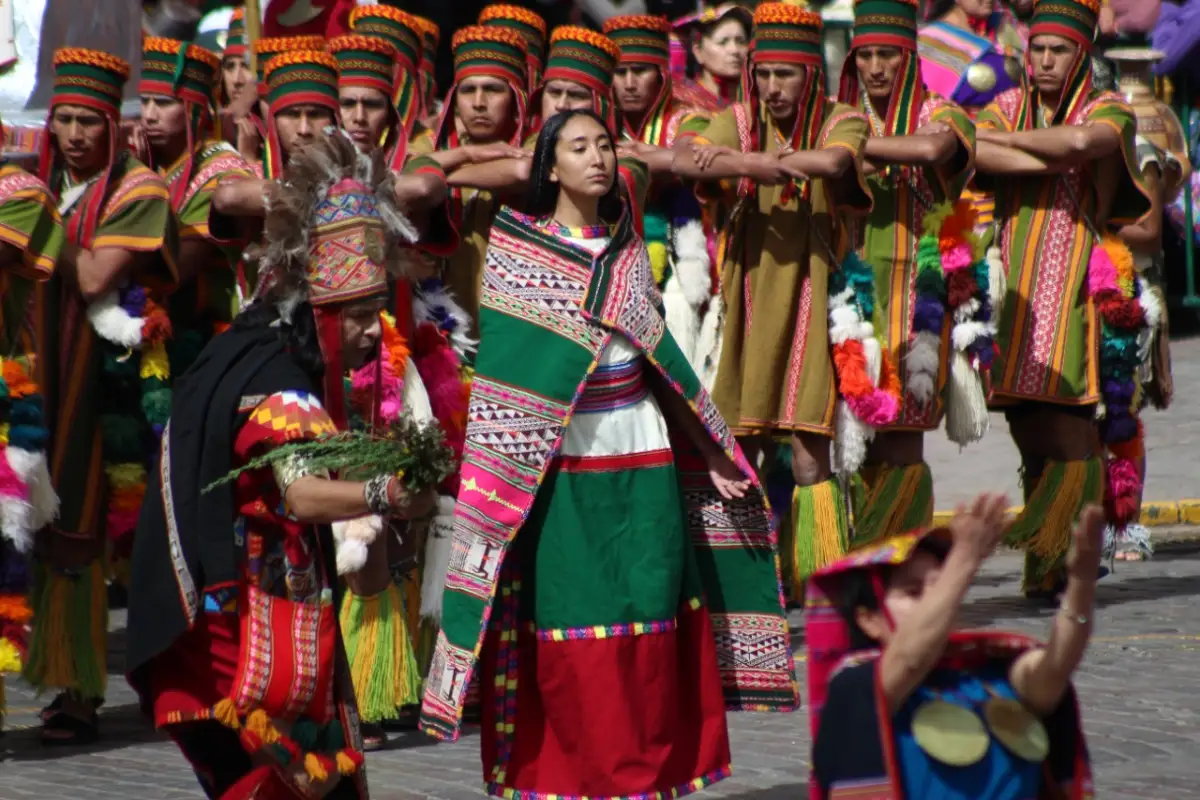
Inti Raymi represents living cultural identity. It is not merely a performance but a symbolic reaffirmation of Quechua heritage and Inca legacy.
For many visitors researching best time to visit Cusco or building a Sacred Valley and Machu Picchu itinerary, witnessing this ceremony adds a powerful cultural dimension to their trip.
It reminds travelers that Cusco is not only an archaeological destination but a place where history remains active in collective memory.
Fascinating Details Travelers Often Miss
One of the most striking aspects is the astronomical precision of the Inca calendar. The June solstice was carefully observed and marked the ceremonial turning point of the year.
Another interesting detail is that, in ancient times, Inti Raymi lasted several days and gathered representatives from across the empire, reinforcing unity and political cohesion.
The actor representing the Inca in the modern reenactment is carefully selected and must speak Quechua fluently, since much of the ceremonial dialogue is delivered in this ancestral language.
These elements add depth for travelers interested in authentic cultural experiences in Peru and meaningful historical context.
Connection With Modern Travel
For visitors planning Cusco travel in June, Inti Raymi is one of the most significant cultural events of the year. The city atmosphere becomes vibrant, with parallel artistic activities and traditional expressions surrounding the main ceremony.
Because of high demand, booking accommodations and entrance seats early is essential, particularly for the final performance at Sacsayhuamán.
Many travelers combine the festival with visits to the Sacred Valley and Machu Picchu, creating a journey that blends living tradition with world-renowned archaeological heritage.
Conclusion
Understanding the important facts about Inti Raymi reveals its true historical and cultural scale. It is not simply a June celebration. It is the reenactment of a worldview that understood time as renewal.
Each year on June 24, Cusco does more than stage an ancient ritual. It rekindles a collective memory that has endured for centuries and continues to illuminate Andean identity for travelers from around the world.
Conclusión
Conocer los datos importantes sobre el Inti Raymi permite apreciar su verdadera dimensión histórica y cultural. No es únicamente una celebración anual, sino la representación de una cosmovisión que entendía el tiempo como un ciclo de renovación.
Cada 24 de junio, Cusco no solo recrea una ceremonia antigua. Reactiva una memoria colectiva que ha atravesado siglos y que continúa iluminando la identidad andina.
Contact Us:
For more information, please contact us DREAMY TOURS, we will be happy to answer all your questions about Peru, Bolivia and Chile.
We specialize in tours and travel packages as a Travel Agency. If you need information, please contact us.
We offer tours, excursions – Peru – Bolivia – Chile: