Discover Peru’s Most Comprehensive Itinerary
An extraordinary journey that blends archaeology, nature, and living traditions into one premium tour package. Our 10-day itinerary will transport you from the Pacific coast of Lima to the mystical heights of the Peruvian Andes, revealing the best-kept secrets of the legendary Inca Empire and the natural wonders that have made Peru one of Latin America’s most captivating destinations.
You will discover the majestic citadel of Machu Picchu at sunrise and experience a unique moment as you witness the sun rise over spectacular landscapes. You will immerse yourself in the vibrant culture of Cusco, where the Inca legacy harmoniously coexists with colonial traditions, creating a unique cultural mosaic. You will explore the Sacred Valley of the Incas, sail the crystal-clear waters of Lake Titicaca, and marvel at the towering Andes Mountains.
This tour includes authentic experiences with local communities, tastings of Peru’s world-renowned cuisine, and luxury accommodations that respect the natural and cultural environment.
Summary
Day 1 – Welcome in Lima
- Arrival at Jorge Chávez International Airport
- Transfer to hotel in Miraflores
- Overnight with oceanfront views of the Pacific Ocean
Day 2 – Morning at Leisure – Afternoon City Tour of Lima
- Panoramic view of the Pucllana Pyramid
- Stroll through the Love Park and Miraflores Boardwalk
- Visit to the San Isidro Olive Grove Park
- Sightseeing tour of Historic Downtown Lima: Paseo de la República, San Martín Square, and the San Francisco Convent (Library, Choir, Cloister, and Catacombs)
- Option to stay at Larcomar mall or return to the hotel
Day 3 – Ballestas Islands (Paracas) and Huacachina Oasis
- Transfer to Paracas National Reserve
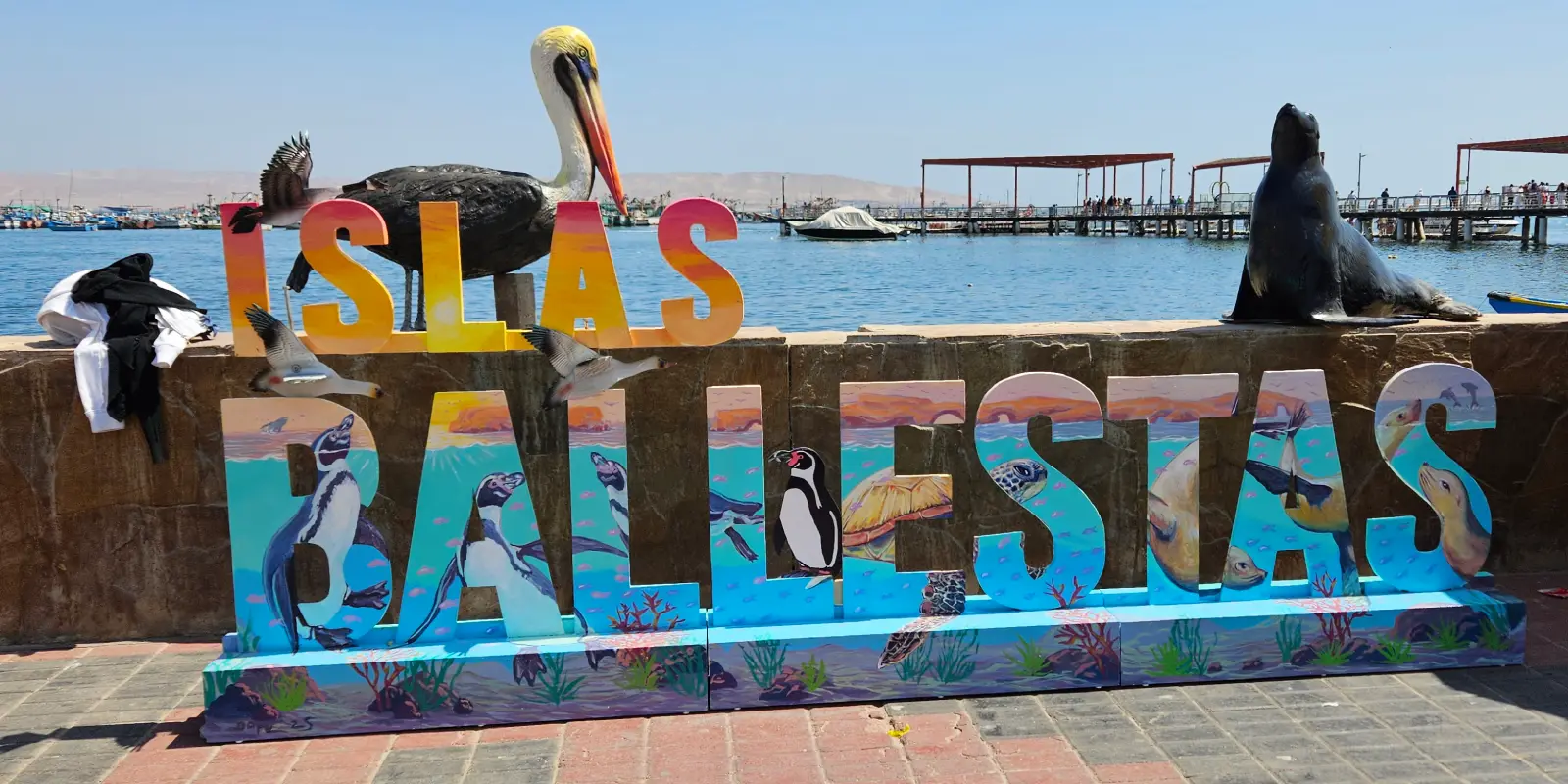
- Boat tour to the Ballestas Islands (“Peruvian Galápagos”): observe sea lions, penguins, pelicans, and view the Candelabra geoglyph
- Peruvian pisco and wine tasting at a local winery
- Lunch included
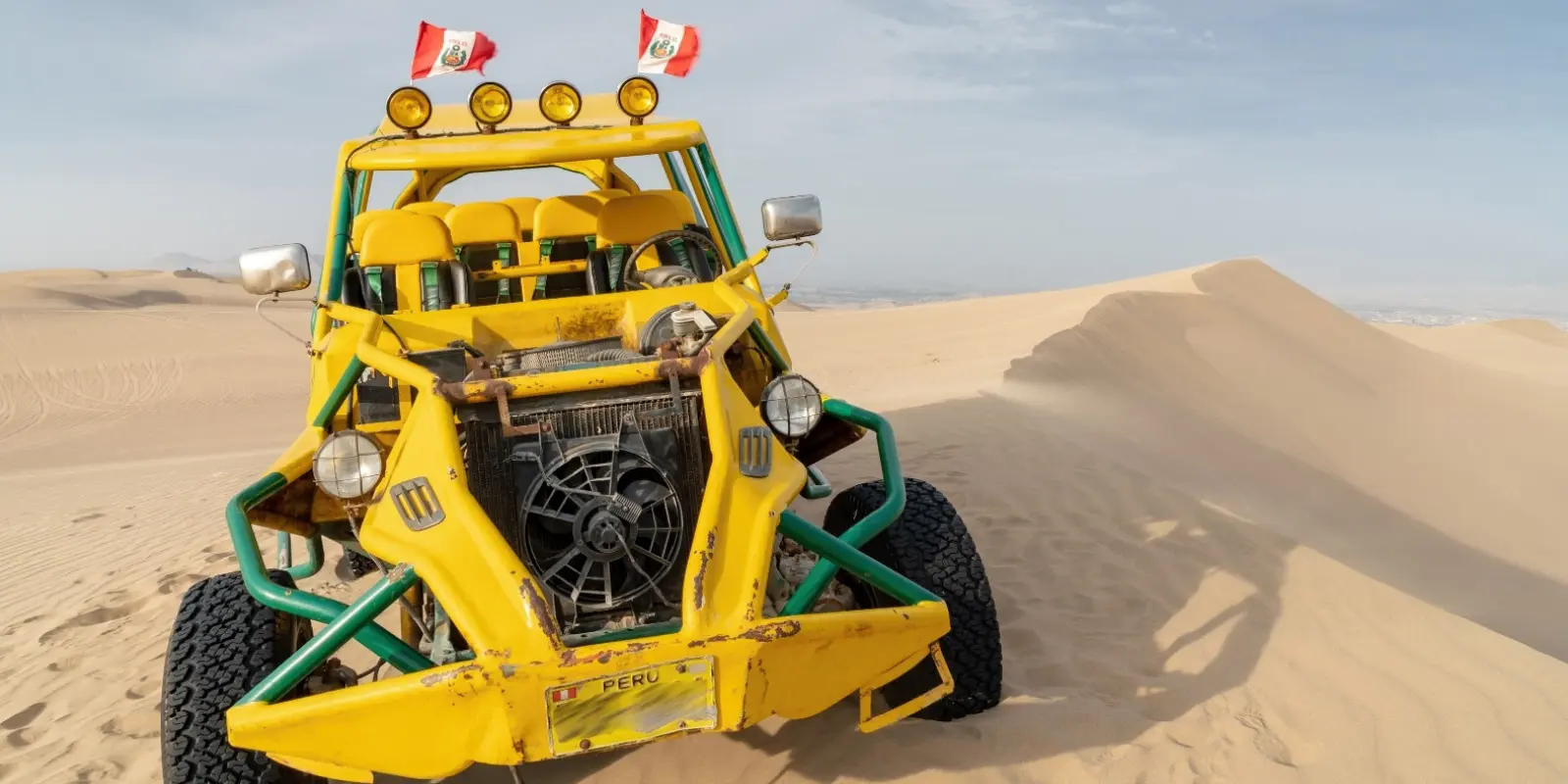
- Excursion to Huacachina Oasis: sandboarding on dunes, off-road buggy rides
- Return to Lima in the evening
Day 4 – Flight to Puno and Tour to Sillustani
- Transfer to Lima airport
- Domestic flight to Juliaca
- Overland transfer to Puno
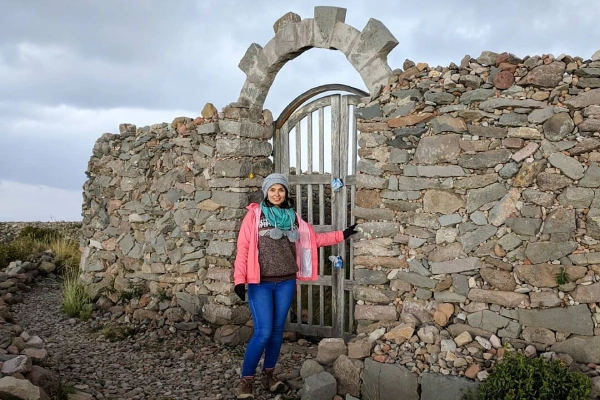
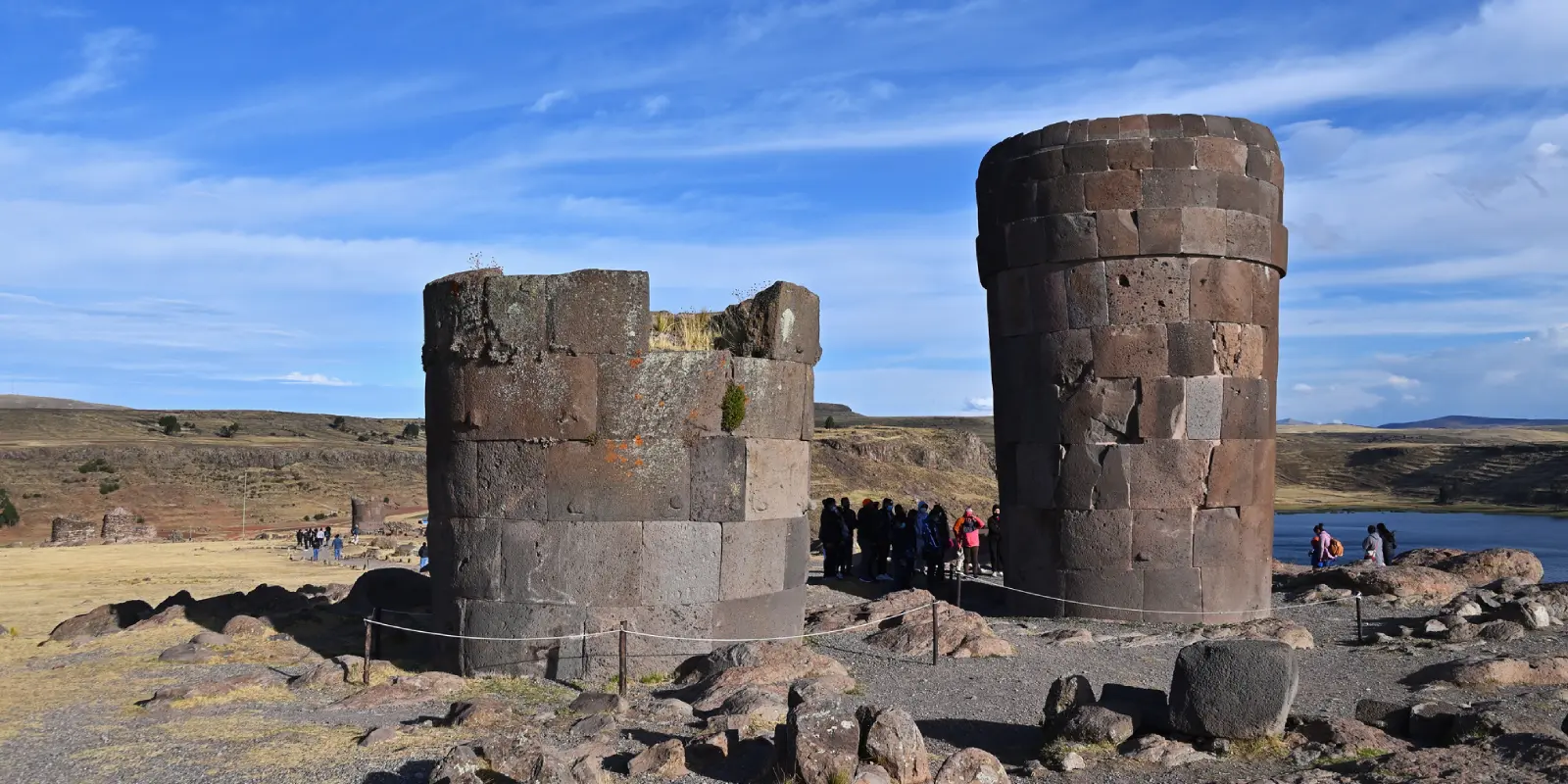
- Visit to the Sillustani Necropolis: pre-Inca and Inca burial towers (chullpas), Umayo Lagoon
- Lunch included
- Arrival and check-in at hotel in Puno
Day 5 – Floating Uros Islands and Taquile Island
- Transfer to Puno dock
- Boat tour across Lake Titicaca
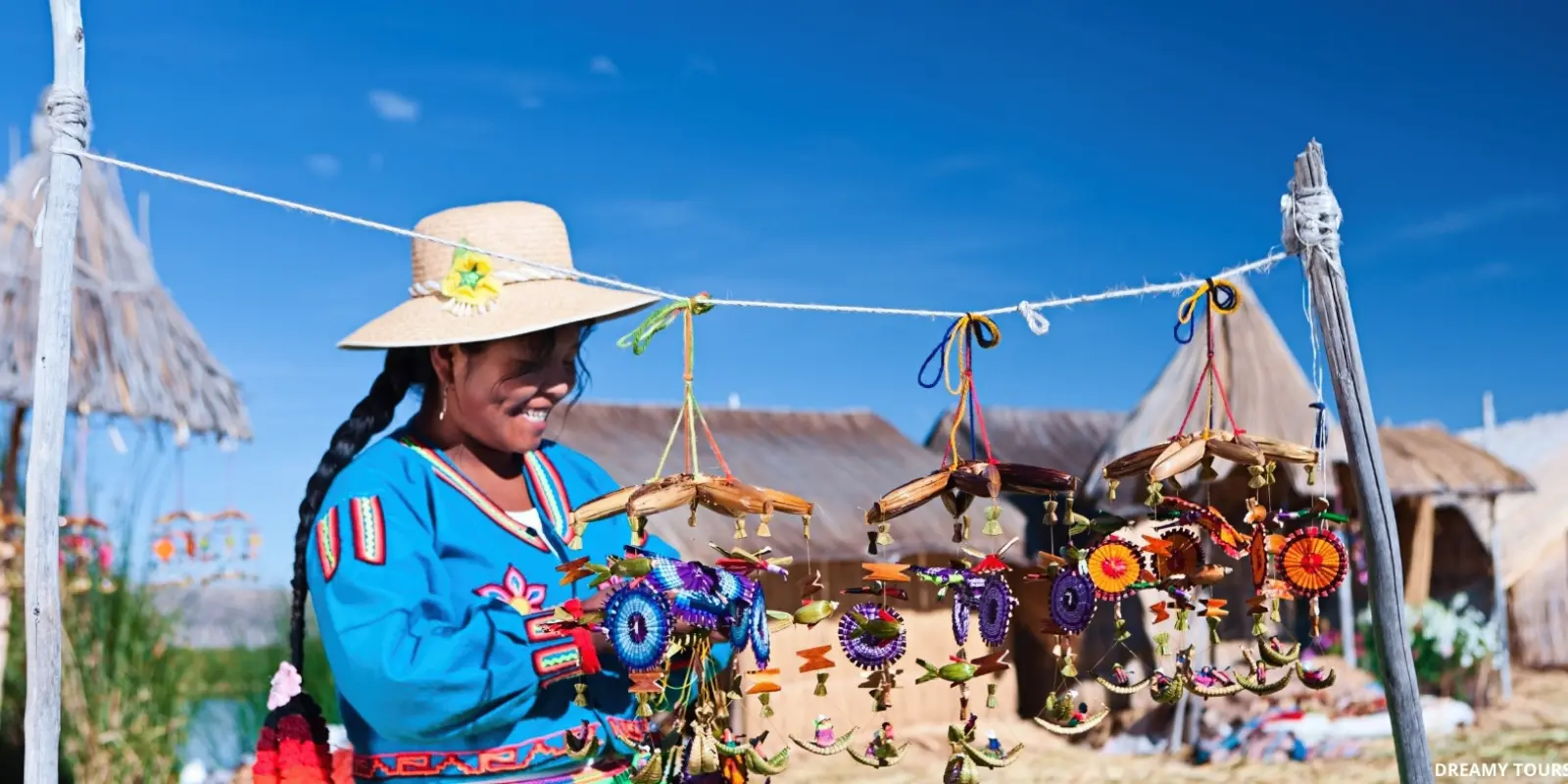
- Visit the Floating Uros Islands: traditional reed-based culture, fishing, hunting, and handmade crafts
- Taquile Island: living Inca traditions (Sirvinacuy, Pachamama rituals), men’s textile art, typical Andean lunch with lake views, free time for shopping and photos
- Return to Puno in the afternoon
Day 6 – Sun Route: Puno to Cusco (Train or Overland Option)
Option 1: By Train (PeruRail’s Titicaca Train)
- Departure from Puno station at 7:30 AM
- Welcome breakfast and drink
- Live Andean music and panoramic views from the observation car
- Gourmet three-course lunch
- Stop at La Raya (14,147 ft / 4,313 m above sea level): photos of snow-capped Chimboya, local artisan fair
- Andean music performance
- Arrival in Cusco at 6:20 PM
Option 2: By Overland Transport
- Early departure from Puno
- Stop in Pucará: Lithic Museum, traditional ceramic “Toritos”
- Cross La Raya (highest point on the route)
- Buffet lunch at a countryside restaurant
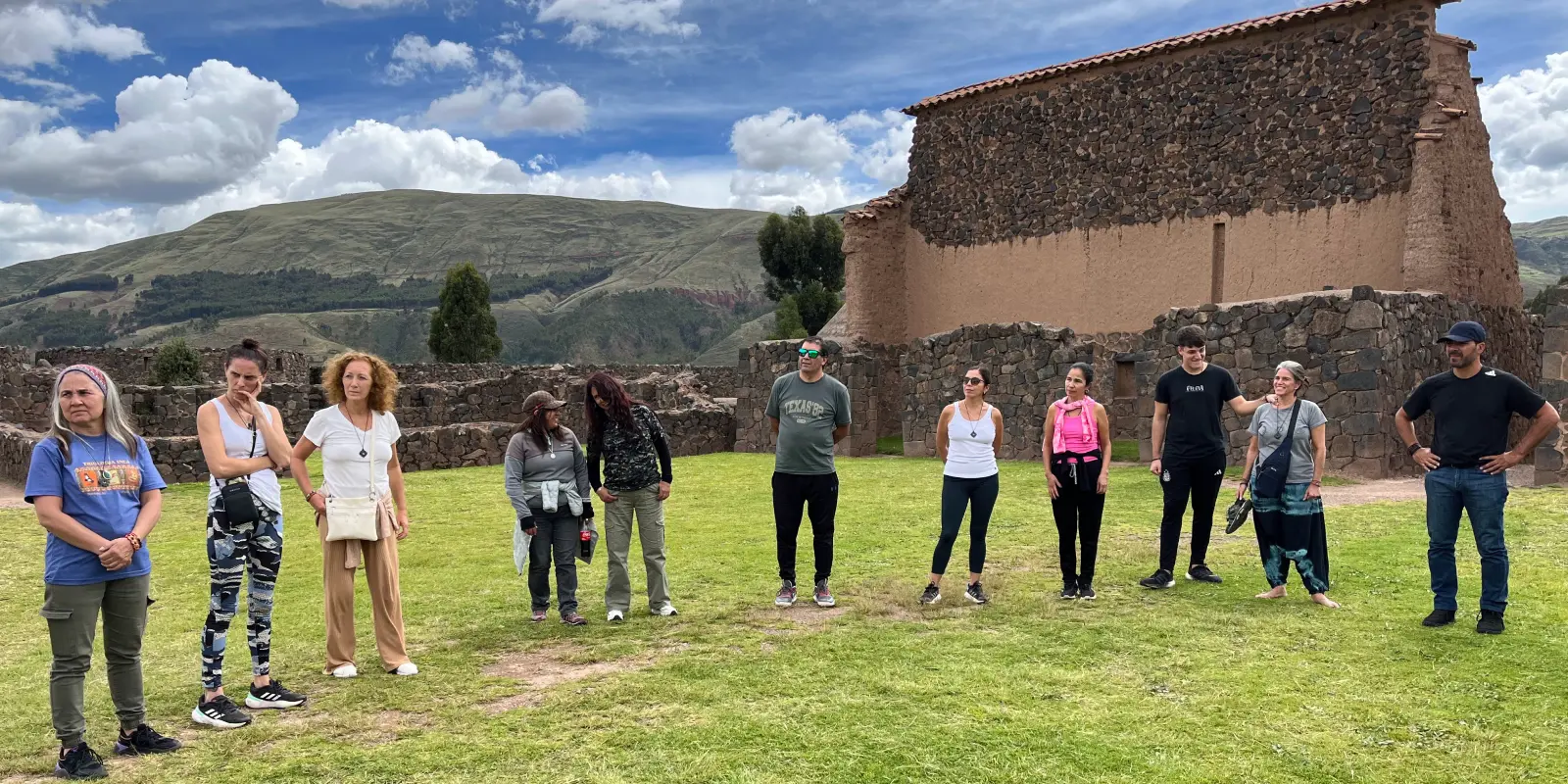
- Visit Wiracocha Temple in Raqchi
- Stop in Andahuaylillas: San Pedro Church (“Sistine Chapel of the Americas”)
- Arrival in Cusco in the afternoon
Day 7 – Sacred Valley of the Incas and Train to Aguas Calientes
- Visit Pisac: traditional market and Inca archaeological complex with terraces
- Drive through Andean towns: Ccoya, Lamay, Calca, Urubamba
- Andean buffet lunch
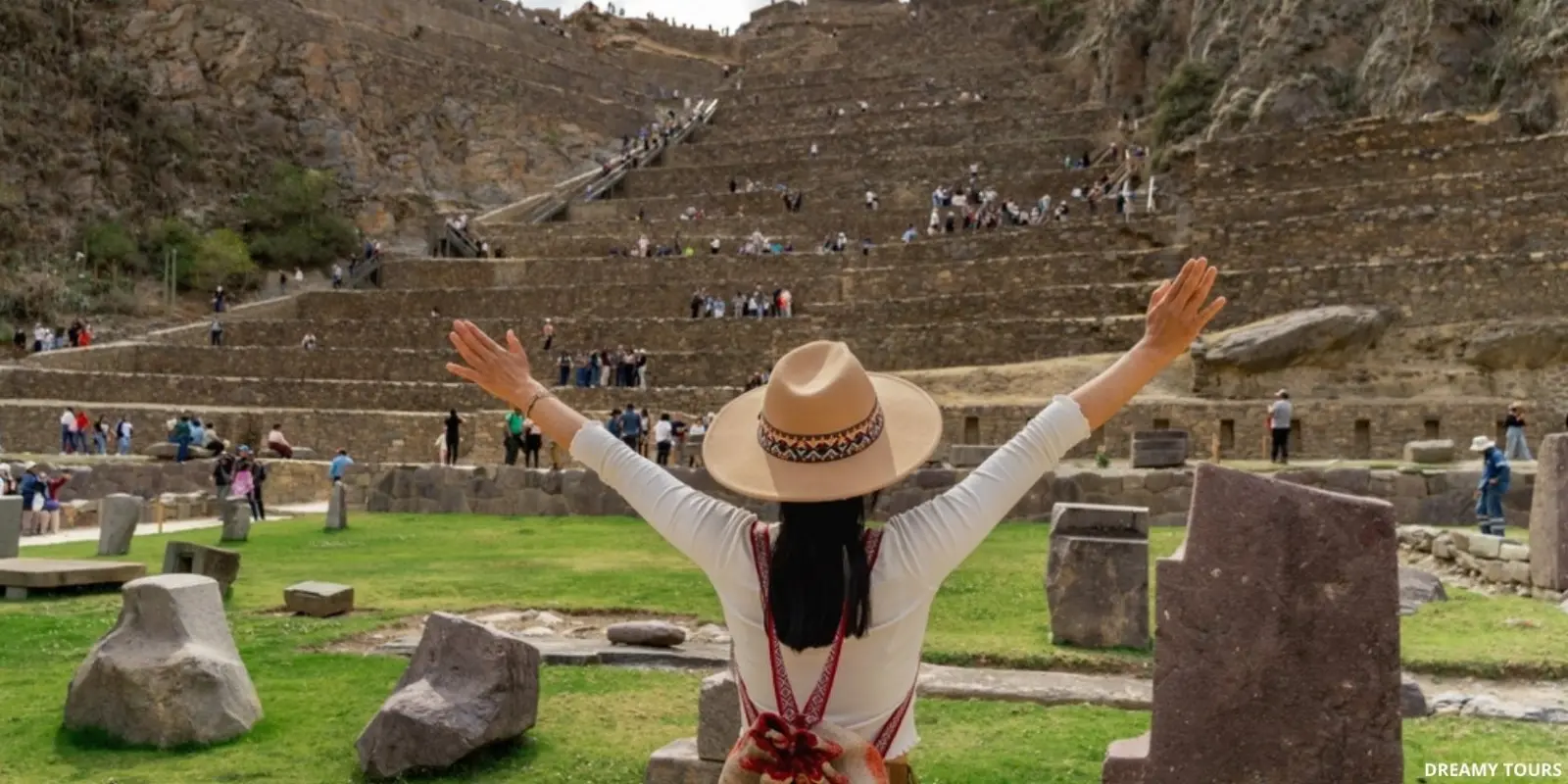
- Visit Ollantaytambo: still-inhabited Inca town, strategic archaeological center (military, religious, agricultural)
- Scenic train ride from Ollantaytambo to Aguas Calientes
- Overnight in Aguas Calientes for next day’s Machu Picchu visit
Day 8 – Machu Picchu Sanctuary and Return to Cusco
- Bus ride up to Machu Picchu (30 minutes)
- Guided tour of the Machu Picchu Citadel: history, architecture, and natural surroundings
- Free time to explore independently
- Optional add-on (USD $65 extra): hike to Huayna Picchu or Machu Picchu Mountain
- Lunch at a local restaurant in Aguas Calientes
- Train back to Ollantaytambo
- Bus transfer to Cusco
- Overnight in Cusco
Day 9 – Rainbow Mountain (7 Colors Mountain) ATV Quad Bike Tour + Dinner Show
- Early hotel pickup
- Transfer to Cusipata (breakfast and rest stop)
- Continue to trail starting point
- ATV orientation and practice
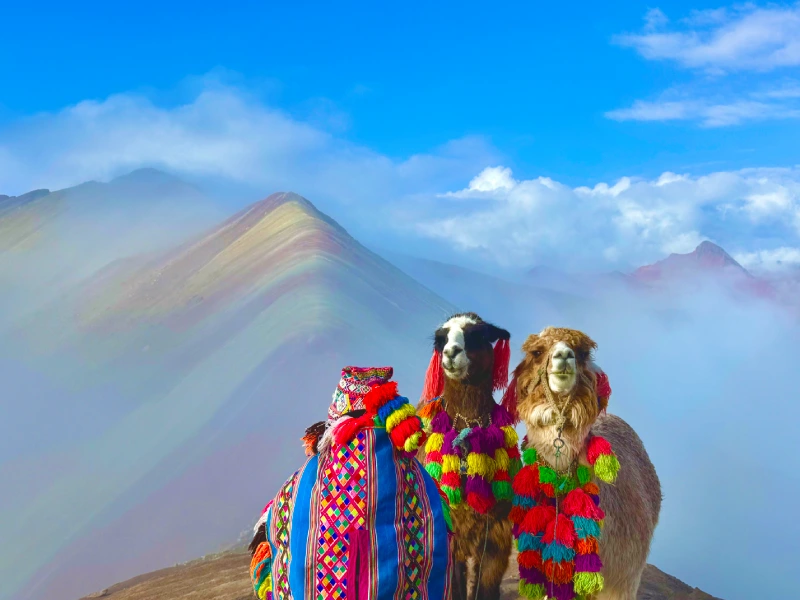
- Ride up the Rainbow Mountain (Vinicunca): breathtaking Andean landscapes with llamas and alpacas, views of Apu Sarinini and Ausangate
- Return ride on ATV
- Buffet lunch in Cusipata
- Return to Cusco (arrival ~4:30 PM)
- Included traditional Andean dinner show
Day 10 – Free Day and Farewell
- Free time to explore Cusco: cobblestone streets, souvenir shopping
- Airport transfer according to flight schedule
- End of services
Itinerary
Day 1 – Welcome to the City of Lima (City of the Kings)
| Breakfast: at the hotel | Start: 7:30 a.m. – 4:30 p.m. |
Your Peruvian adventure begins with an exclusive reception service at the Jorge Chávez International Airport, where our specialized representative will provide you with a personalized welcome and arrange your transfer to your upscale accommodation in Miraflores, Lima’s most prestigious district.
This strategic location offers immediate access to panoramic views of the Pacific Ocean, world-renowned culinary centers, and select shopping areas, providing the perfect setting for a comfortable acclimatization. This establishes the standard of excellence that will define every moment of your Peruvian experience.
| ACCOMMODATION: Selected hotel in Lima | Includes: transfer |
Day 2 – Free Morning – Afternoon City Tour
| Breakfast: at the hotel | Start: 2:00 pm – 6:30 pm approx. |
We begin our tour with a visit to the Miraflores district, featuring a panoramic view of the “Pucllana Pyramid,” a magnificent pre-Inca ceremonial center built in the 4th century AD. It has survived Lima’s urban expansion.
Next, we head to the Park of Love (Parque del Amor) on the Miraflores Boardwalk, where we’ll overlook the Pacific Ocean, passing through the San Isidro Olive Grove Park (Parque Olivar de San Isidro).
COLONIAL LIMA:
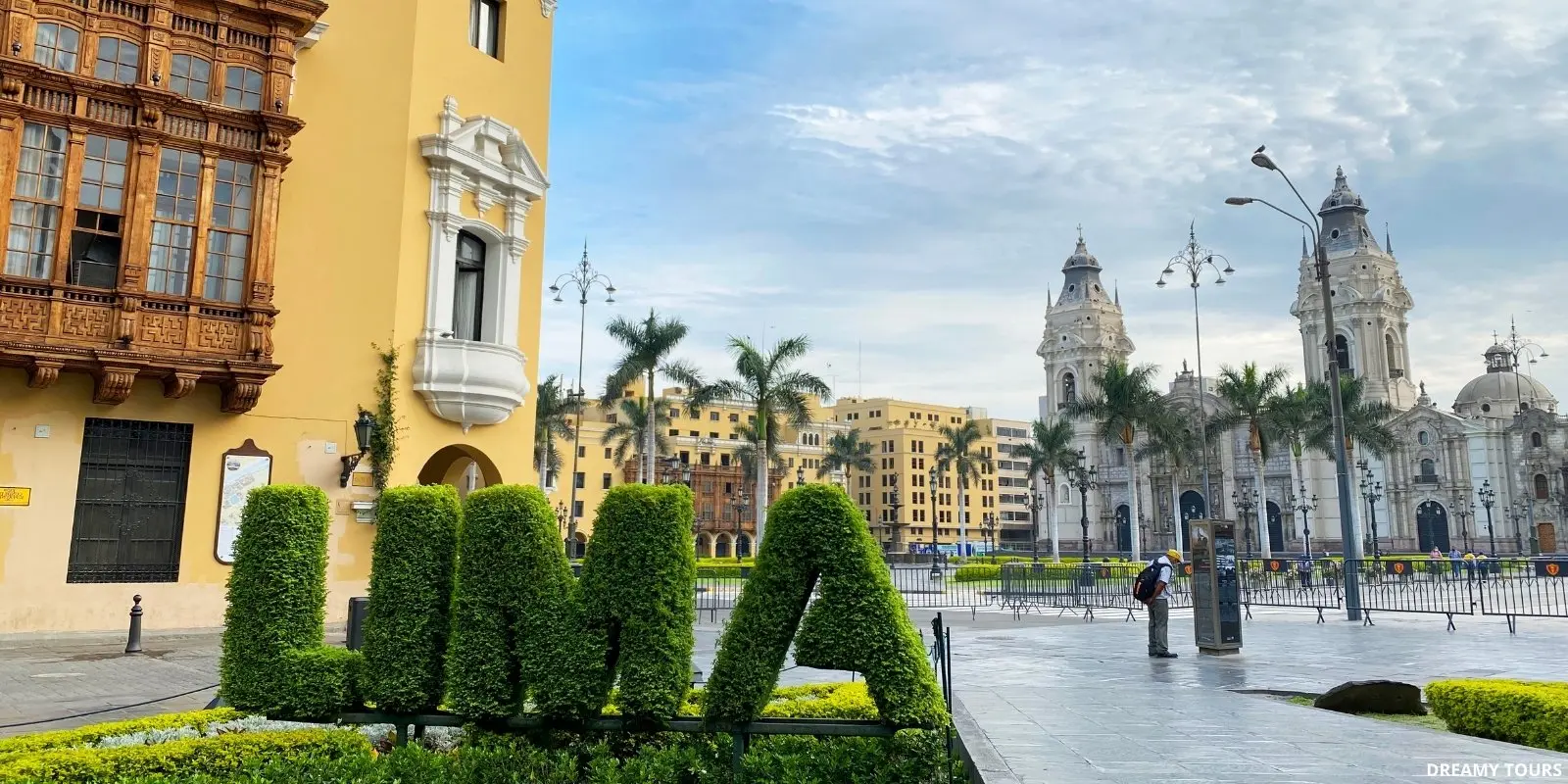
We visit the Historic Center of Lima, where you’ll see more than fifty colonial monuments and buildings, including:
- Paseo de la República
- Plaza San Martín (with a brief explanation of its historical events)
- Plaza Mayor
- Government Palace
- Archbishop’s Palace
- Lima Cathedral
- City Hall (Palacio Municipal)
…and more.
We’ll enter one of the most important 17th-century convents: the San Francisco Convent. Here, we’ll explore the ancient library, the choir, the main cloister, and the underground crypts known as the catacombs.
At the end of the tour, you’ll have the option to stay at the Indian Market at Larcomar or return to your hotel.
| ACCOMMODATION: Selected hotel in Lima | Includes: Transportation, Guide, Entrance fees. |
Day 3 – Ballestas Islands of Paracas & Huacachina Oasis
| Breakfast: | Start: 4:30 a.m. – 9:30 p.m. |
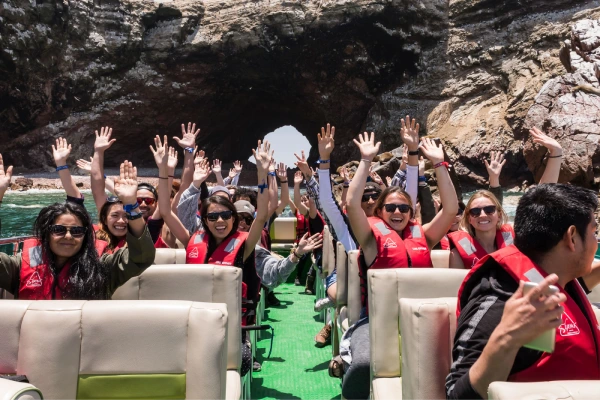
Your adventure begins with a scenic journey to the Paracas National Reserve. From there, we’ll set sail for the Ballestas Islands, often called the “Peruvian Galápagos” due to their rich marine biodiversity. During the two-hour boat tour, you’ll spot sea lions, penguins, pelicans, and numerous other bird species, as well as the mysterious geoglyph known as El Candelabro.
Next, we’ll visit a local winery for a tasting of Peruvian pisco and wines, followed by time to enjoy lunch.
In the afternoon, the journey continues at the Huacachina Oasis, where you’ll experience adrenaline-pumping activities like sandboarding and dune buggy rides across the desert. The day culminates with breathtaking views of one of the most spectacular sunsets you can witness in Peru.
We’ll begin our return to Lima at 5:30 p.m., arriving at approximately 9:30 p.m.
| ACCOMMODATION: Selected hotel in Lima | Includes: Transfers, Lunch, Entrance |
Day 4 – Domestic Flight: Lima – Juliaca – Sillustani – Puno
| Breakfast: at the hotel | Start: According to flight schedule |
Depending on your flight schedule, we will pick you up from your hotel and transfer you to Lima Airport for your flight to Juliaca. From there, we will travel by bus for approximately 50 minutes north toward the city of Puno, enjoying the breathtaking landscapes of the Andean high plains.
Upon arrival at Sillustani, one of the world’s largest ancient burial grounds, we will begin our guided tour of the site.
During the exploration of the Sillustani archaeological complex, you will admire the stunning scenery and the serene waters of Lake Umayo.
Our guide will explain the history of the chullpas—massive funerary towers built by the Colla people and later refined by the Incas. Many of these chullpas stand over 12 meters (39 feet) tall. Their design defies the laws of gravity and balance, making them unique structures in the Americas, though they share architectural similarities with the Temple of Qoricancha in Cusco.
We will conclude the tour of Sillustani and return to Puno, where you will be dropped off at your hotel.
| ACCOMMODATION: Selected hotel in Puno | Includes: Transfers, Lunch, Guide, Entrance fees |
Day 5 – Floating Islands of Uros and Taquile
| Breakfast: at the hotel | Start: 7:00 a.m. – 5:00 p.m. approx. |
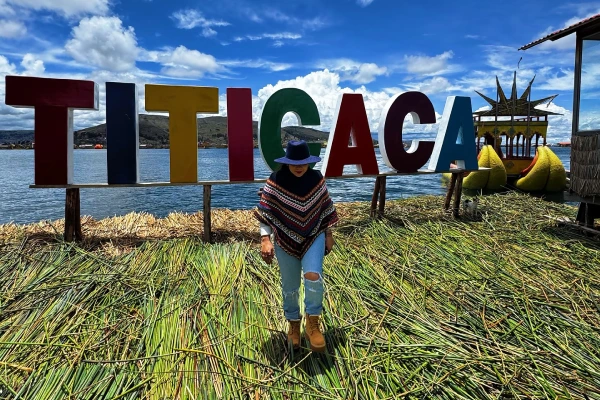
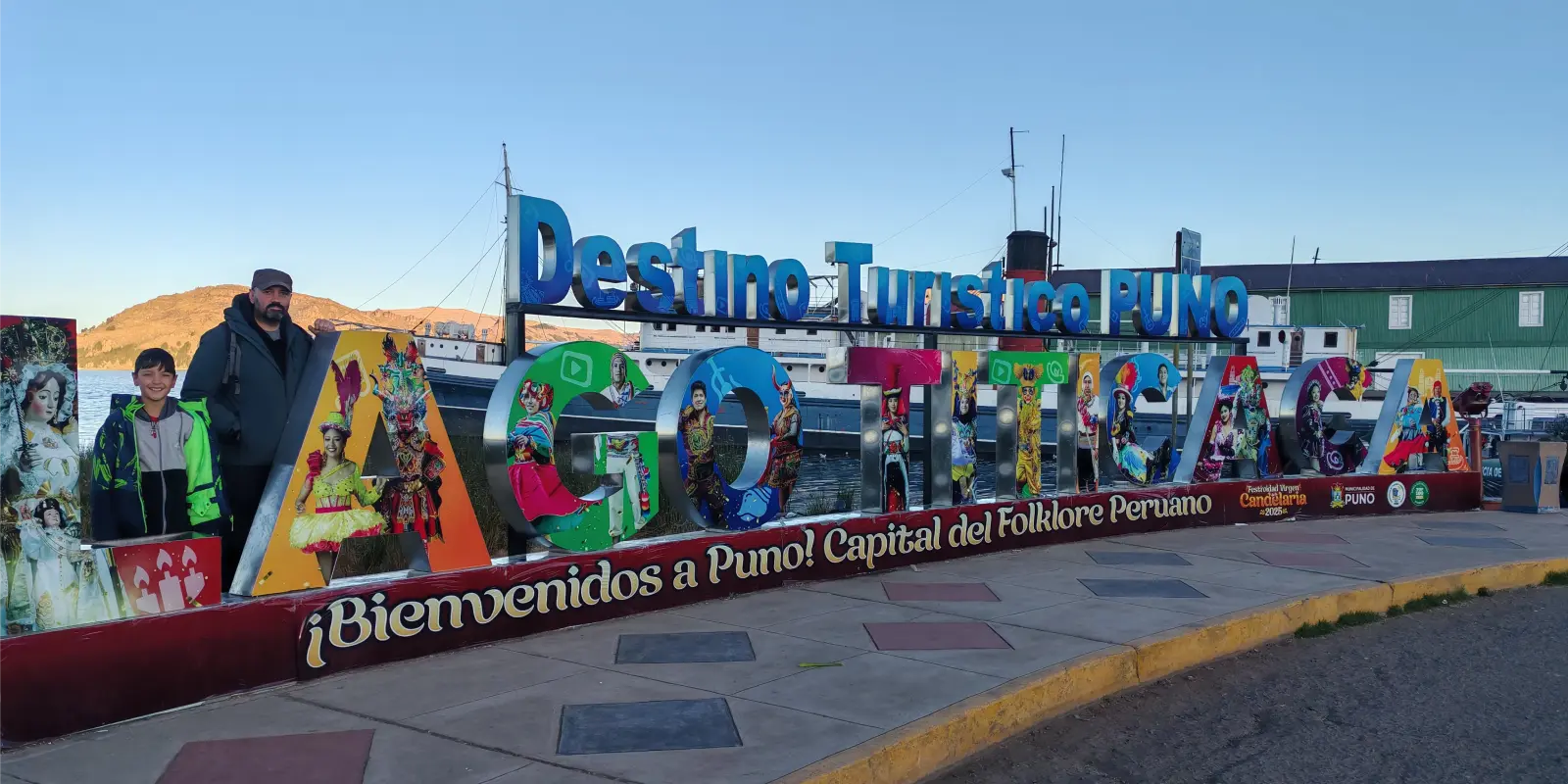
After breakfast at the hotel, we begin the excursion with a transfer to the dock to board the vessel heading to the Floating Islands of the Uros, located in the National Reserve of Lake Titicaca. There, you will learn about their ancient way of life, based on fishing, hunting, and artisanal weaving.
After a brief visit, we continue to Taquile Island, where the inhabitants still preserve Inca traditions, such as Sirvinacuy (trial marriage) and rituals honoring Pachamama (Mother Earth). Taquile is renowned for its textile art, primarily crafted by men from a young age.
We will enjoy a traditional lunch with views of Lake Titicaca and have free time to explore the artisan center and take photos. The day concludes with a boat ride back to Puno, marking the end of a unique cultural experience in the heart of Lake Titicaca.
| ACCOMMODATION: Selected hotel in Puno | Includes: Transfers, guide, entrance fees, lunch |
Day 6 – Routes of the Sun: Puno – Cusco (Train or Bus)
| Breakfast: at the hotel or on the train | Start: 6:10 a.m. – 6:20 p.m. approx. |
Routes of the Sun by Train:
The journey aboard the Titicaca Train by PeruRail begins at 7:00 a.m. at the Puno station, departing at 7:30 a.m. for Cusco. At 8:30 a.m., a hot welcome drink and breakfast are served. Mid-morning, enjoy free time in the observation car to admire the Andean landscapes with live music. At 1:00 p.m., a gourmet three-course lunch featuring local ingredients and special pairings is offered.
At 3:00 p.m., the train stops at La Raya (4,313 meters / 14,150 feet above sea level) for photos and a visit to a handicraft market. At 4:00 p.m., afternoon tea with snacks and traditional desserts is provided. Later, at 5:30 p.m., passengers enjoy a performance of traditional Andean music and cultural storytelling about Lake Titicaca and local customs. The journey offers a unique experience combining gastronomy, culture, and breathtaking landscapes. Arrival in Cusco is at 6:20 p.m., concluding an unforgettable day.
Routes of the Sun by Bus:
After breakfast, we depart for the city of Cusco, crossing the Collao Plateau. Our first stop is Pucará, famous for its Lithic Museum and traditional ceramic Toritos (bull figurines). We continue to La Raya, the highest point of the journey (4,313 m / 14,150 ft), where you can admire the Chimboya snow-capped peak.
Later, we enjoy a buffet lunch at a rural restaurant, showcasing the region’s culinary artistry.
The next stop is Raqchi, where we visit the Temple of Wiracocha, a majestic Inca construction with a stone base and adobe walls. Further on, in Andahuaylillas, we admire the Church of San Pedro, known as the “Sistine Chapel of the Americas” for its beautiful murals and decorations.
Finally, we arrive in Cusco, concluding a journey filled with history, landscapes, and living culture.
| ACCOMMODATION: Selected hotel in Cusco | Includes: Transfers, professional guide, lunch, entrance fees / Train |
Day 7 – Sacred Valley of the Incas – Aguas Calientes
| Breakfast: at the hotel | Start: 7:45 a.m. – 8:20 p.m. approx. |
We begin the tour in the town of Pisac, known for its traditional market and its Sunday Mass held in Quechua. Next, we visit the Pisac Archaeological Complex, with its astonishing agricultural terraces. We continue along a scenic route passing through Ccoya, Lamay, and Calca, arriving in Urubamba for a buffet lunch featuring traditional Andean dishes.
In the afternoon, we reach Ollantaytambo, an Inca town still inhabited today, where we explore its impressive archaeological site. This location was strategically important for military, agricultural, and religious purposes. Walking through its streets feels like stepping back into the time of the Tawantinsuyo (Inca Empire).
Finally, we board the train from Ollantaytambo to Aguas Calientes (a scenic 1-hour and 45-minute journey), where we will spend the night in preparation for the visit to Machu Picchu the following day.
| ACCOMMODATION: Selected hotel in Aguas Calientes | Includes: Transportation, guide, entrance tickets, lunch |
Day 8 – Machu Picchu Sanctuary – Cusco
| Breakfast: at the hotel | Start: 6:00 a.m. – 12:00 p.m. approx. |
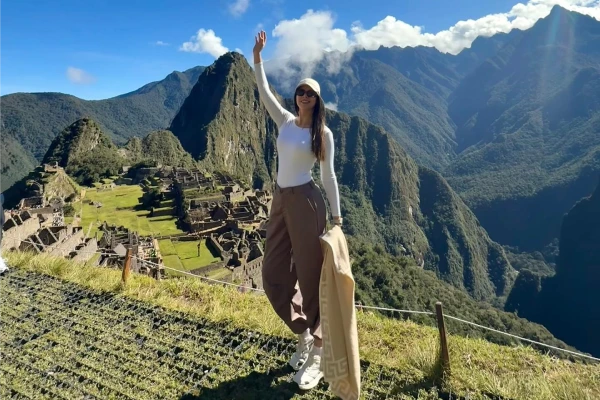
This is the most anticipated day! We take the first bus to the Machu Picchu citadel (a 30-minute journey). Upon arrival, we begin a guided tour of this Wonder of the World, exploring its history, architecture, and natural surroundings. After the tour, you will have free time to explore on your own or opt for an additional visit to Huayna Picchu or Machu Picchu Mountain (additional fee: USD $65.00), which offer unforgettable panoramic views.
Once the guided tour of Machu Picchu concludes, we will head back to Aguas Calientes to enjoy lunch at a local restaurant, where you can savor typical regional cuisine as part of this complete Machu Picchu travel experience.
Later, we will meet in Aguas Calientes to board the Vistadome or Expedition train (depending on availability) for the return to Ollantaytambo, then continue by comfortable transportation to the city of Cusco.
| ACCOMMODATION: Selected hotel in Cusco | Includes: Transportation, guide, entrance tickets, lunch |
Day 9 – Rainbow Mountain by ATV + Chow Dinner
| Breakfast: in Cusipata | Start: 4:30 a.m. – 4:30 p.m. approx. |
We begin with pickup from your hotel for a 2-hour drive to Cusipata, where we will enjoy breakfast and a short rest. Then, we continue for one more hour to the starting point. There, you’ll have free time to receive instructions and practice handling the ATVs before beginning the ascent to Rainbow Mountain (Vinicunca). The ride takes approximately 30 to 40 minutes, passing through Andean landscapes, llamas, alpacas, and views of Apu Sarinini and the towering Ausangate. According to Inca mythology, this mountain radiates masculine energy that fertilizes Pachamama (Mother Earth).
Upon reaching the summit, you’ll have time to appreciate the landscape, rest, and take photos. After the guide’s explanation, we will return to the starting point via ATV, then take transportation back to Cusipata, where we will enjoy a buffet lunch before beginning the return trip to Cusco, arriving around 4:30 p.m.
An unforgettable experience amidst sacred mountains and natural colors.
| ACCOMMODATION: Selected hotel in Cusco | Includes: Transportation, guide, walking sticks, lunch, dinner |
Day 10 – Free Day – Walking Tour – Farewell
| Breakfast: at the hotel | Start: According to flight schedule. |
On this final day of our journey, you will have the opportunity to enjoy the imperial city of Cusco at your own pace. Use your free time as you prefer—whether to explore the cobblestone streets of this historic city on your own or simply relax.
When the time comes, you will be transferred to the airport to catch your departure flight.
| ACCOMMODATION: None | Includes: Transportation |
***END OF SERVICE***
Included
Included in the Tour:
- Round-trip transfers (airport/hotel/airport in Cusco).
- Lima City Tour (SIC) on a shared basis.
- Spanish/English-speaking guide.
- Assistance throughout the tour.
- Tour to the Ballestas Islands of Paracas.
- Wine and Pisco tasting.
- Sandboarding & dune buggy rides.
- Entrance to Huacachina Oasis.
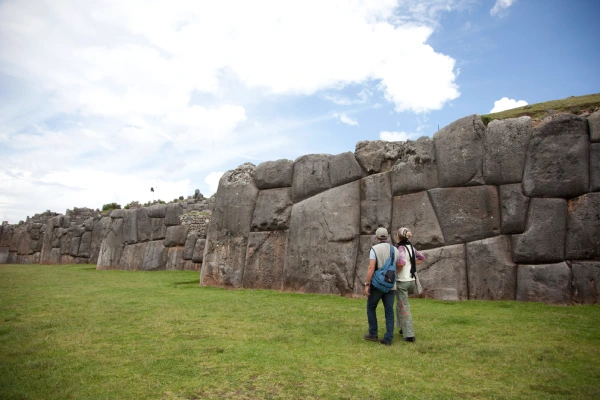
- Combined City Tour in Cusco (Cathedral, Qorikancha, Sacsayhuamán, Qenqo, Pucapucara, Tambomachay).
- Sacred Valley of the Incas tour with lunch.
- Shared services with a professional bilingual guide (Spanish or English).
- All entrance fees included.
- Tour to Machu Picchu.
- Rainbow Mountain (Vinicunca) tour by ATV.
- 3 nights in Lima with breakfast.
- 2 nights in Puno with breakfast.
- 3 nights in Cusco with breakfast.
- 1 night in Aguas Calientes with breakfast.
- Domestic flight: Lima – Cusco / Juliaca – Lima.
Not Included:
- International airfare.
- Services not mentioned in the program.
Contacts
Terms
- All rates are in US dollars (may vary depending on the price of the day) amounts are given per person.
- Rates valid only for domestic tourists include VAT.
- All our rates are subject to the availability of the current quotation for the US dollar.
- Kindergarten: Children under 02 years and 11 months. This group does not pay for any service and is not entitled to food, bed or seat on the tours.
- Children from 03 to 10 years 11 months: This group has a special rate and we share rooms with their parents.
- Over 11 years: This group is subject to the same rate for adults.
- Minors must always travel with an identity document.
- Rates do not apply to holidays, Easter, bridge weekends, national holidays, Christmas or New Years.
More Information
What is included in the 10-Day Peru Tour?
The 10-Day Peru Tour includes transfers, hotels with breakfast, city tours in Lima and Cusco, a visit to the Ballestas Islands and Huacachina, a flight to Puno, a tour to Sillustani, a cruise on Lake Titicaca (Uros and Taquile islands), the “Ruta del Sol” to Cusco, the Sacred Valley, a train to Machu Picchu, a guided tour of the Machu Picchu citadel, and the Rainbow Mountain tour by ATV. Everything is accompanied by a professional guide in Spanish or English.
What is the 10-Day Lima Cusco Puno Package?
The 10-Day Lima Cusco Puno package is a comprehensive experience that starts in Lima, continues through Ica (Huacachina), moves on to Puno (Lake Titicaca), and ends in Cusco with Machu Picchu. It includes accommodation, tours, entrance fees, some meals, and domestic flights. It’s ideal for those who want to see the best of Peru in a week and a half.
Is the 10-Day Machu Picchu Tour worth it?
Yes, the 10-Day Machu Picchu Tour is one of the best ways to experience Machu Picchu without rushing. It includes time to acclimatize, visit the Sacred Valley, enjoy Cusco, and arrive at the citadel with plenty of energy. Furthermore, it combines other wonders like Huacachina and Lake Titicaca.
What will I see on the Ballestas Islands & Huacachina Tour?
On the Ballestas Islands & Huacachina tour, you’ll see sea lions, penguins, pelicans, and the El Candelabro geoglyph from a boat. Then, in Huacachina, you’ll go sandboarding on the dunes and enjoy dune buggy rides. It’s a unique combination of nature and adventure, perfect for families and outdoor enthusiasts.
What is the Rainbow Mountain Cusco Tour?
The Rainbow Mountain Cusco tour, also known as Vinicunca, is a hike (or ATV ride) to a mountain with natural colorful stripes caused by minerals. It’s located near Cusco and offers spectacular views of the Ausangate mountain. It’s a key part of the 10-day Peru adventure tours.
What activities are included in the Lake Titicaca Puno Tour?
The Lake Titicaca Puno Tour includes a boat ride to the Uros Islands (floating islands made of totora reeds) and Taquile Island, where you’ll see traditional weaving, enjoy a typical lunch, and learn about Andean culture. It’s a unique cultural experience included in the 10-day Southern Peru package.
What is the “Ruta del Sol” from Puno to Cusco?
The “Ruta del Sol” (Route of the Sun) from Puno to Cusco is a journey between two Andean cities. You can do it by train (a luxury experience with breakfast and live music) or by bus (with stops at Raqchi, Andahuaylillas, and La Raya pass). Both options are part of the tour and offer stunning landscapes and cultural insights.
What will I see on the Sacred Valley Cusco Tour?
On the Sacred Valley Cusco Tour, you will visit Pisac (its market and ruins), Ollantaytambo (an Inca town and fortress), and enjoy an Andean lunch. It’s the precursor to the Machu Picchu visit and is included in all major Machu Picchu tour packages.
What do you do on the Lima City Tour Peru?
The Lima City Tour Peru takes you to the historic center (Main Square, Cathedral, San Francisco Convent with its catacombs), Miraflores (Love Park, views of the Pacific Ocean), and Larcomar mall. It’s the ideal way to start your 10-day Peru tour by getting to know the capital.
What is the Sillustani Puno Tour?
The Sillustani Puno Tour visits an ancient necropolis with funeral towers called chullpas, built by the Collas and later the Incas. It’s located near Lake Umayo and is perfect for understanding the history of the high plains. You can also read about what it’s like to visit Sillustani Peru on travel blogs.
How to do the Machu Picchu Tour from Cusco?
The Machu Picchu Tour from Cusco begins with a train ride from Ollantaytambo to Aguas Calientes, followed by a bus ride up to the citadel. It includes a professional guide, entrance to Machu Picchu, and free time. It is the most popular option among Machu Picchu tours.
What places should I see in Puno Peru?
In Puno Peru, the main highlights are Lake Titicaca, the Uros (floating) Islands, Taquile Island, and the Sillustani archaeological site. It is a key destination in the 10-Day Lima Cusco Puno package.
What is the Huacachina Sandboarding Tour?
The Huacachina Sandboarding Tour includes dune buggy rides and the chance to slide down the dunes on a board (sandboarding). Huacachina is an oasis in the desert and is part of the combined Ballestas Islands & Huacachina tour.
What is the best time to visit Machu Picchu?
The best time to visit Machu Picchu is from May to October (the dry season). There is less rain and better visibility, making it ideal for photos and hiking. Try to avoid January and February due to heavy rains. This information is key for the “best time to visit Machu Picchu.”
What types of Machu Picchu Tours are there?
There are many types of Machu Picchu tours: 1-day tours from Cusco, 2-day tours that include a train ride, and longer packages like the 10-Day Machu Picchu tour, which includes Lima, Ica, Puno, and Cusco. All include a guide, entrance fee, and transportation.
What is the “Ruta del Sol” Tour in Peru?
The “Ruta del Sol” (Route of the Sun) tour in Peru connects Puno with Cusco. You can do it by train (which includes breakfast, lunch, and cultural performances) or by bus (with cultural stops along the way). It is a key part of the 10-day Southern Peru package and is very popular among tourists.
What are the 10-Day Peru Adventure Tours?
The 10-Day Peru Adventure Tours combine adventure and culture: sandboarding in Huacachina, boating on Lake Titicaca, hiking at Machu Picchu, and an ATV ride to Rainbow Mountain. They are perfect for active travelers.
What is a Gastronomic Tour in Lima?
A Lima gastronomic tour typically takes you to try ceviche, causa, anticuchos, and pisco sour. *Although this specific 10-day tour does not include a formal gastronomic tour, you can enjoy Peruvian food at restaurants in Miraflores or Barranco during your free time.*
What is the 10-Day Southern Peru Package?
The 10-Day Southern Peru package covers Lima, Ica (Huacachina), Puno (Lake Titicaca, Sillustani), Cusco, the Sacred Valley, and Machu Picchu. It is ideal for foreign visitors who want to explore the south of Peru comfortably and efficiently.
What are the Cultural Tours in Cusco?
Cusco cultural tours include the city tour (Qoricancha, Sacsayhuamán), the Sacred Valley, and visits to communities like Taquile. They are perfect for understanding the Inca and colonial history of Peru.
Does the Tour Include the Machu Picchu Entrance Ticket?
Yes, the Machu Picchu tour from Cusco includes the entrance ticket to Machu Picchu. You can also add Huayna Picchu or Machu Picchu Mountain for an additional cost. It is one of the most anticipated attractions of the 10-day Peru tour.
Is There Free Time in the Itinerary?
Yes, the 10-Day Peru tour includes free time, especially in Lima (Day 2), Cusco (Day 10), and at Machu Picchu (after the guided tour). It’s perfect for taking photos, resting, or shopping for souvenirs.
Is the ATV Tour to Rainbow Mountain Safe?
Yes, it is safe. Before the ascent, you receive instructions and practice with the guides. The ATVs are automatic and easy to handle. If you prefer, you can do part of the route on foot. It is a key part of the 10-day Peru adventure tours.
Can You Climb Huayna Picchu from Machu Picchu?
Yes, you can climb Huayna Picchu for an additional cost (USD $65). It is a steep but short hike, offering spectacular views of Machu Picchu. Tickets are limited and must be booked well in advance.
Does the Tour Include Domestic Flights?
Yes, the 10-Day Lima Cusco Puno package includes the flight from Lima to Juliaca (for Puno) and the return flight from Cusco to Lima. These are commercial flights and are included in the price.
What Clothes Should I Pack for the Tour?
Pack comfortable and warm clothing, especially for Puno and Cusco (it gets cold at night). For Huacachina, bring light clothing; for Machu Picchu, sturdy walking shoes. Don’t forget sunscreen, a hat, and a camera.
Are There Food Options for Vegetarians or Those with Allergies?
Yes, the restaurants and the tour can accommodate special diets if notified in advance. Peruvian cuisine is diverse and often includes vegetarian options like stuffed potatoes (papa rellena), causa, or quinoa dishes.
Is the Tour Suitable for Children and Seniors?
Yes, the 10-Day Peru tour is suitable for all ages. Just be aware that there is high altitude (in Puno and Cusco) and some walking involved. Good physical condition is recommended for Rainbow Mountain or Huayna Picchu.
Can I Pay in US Dollars or by Credit Card?
Yes, you can pay for 50% of the tour with a card (via PayPal or Izipay) or by bank transfer, and the other 50% in US dollars cash upon arrival. It is recommended to carry cash for extra expenses like souvenirs or tips.
How Do I Book This Tour?
To book the Ballestas Islands & Huacachina tour or the 10-Day Southern Peru package, send your full name, passport number, nationality, and your Cusco hotel information to the email [email protected] or via WhatsApp at +51 969 787 221. You only need a 50% deposit to confirm your reservation.
Price
How Much?
We have price alternatives that accommodate all budgets, prices per person, expressed in US Dollars.
Make your quotes and reservations by email [email protected], you can also communicate with one of our sales executives at the telephones detailed below, we will be happy to assist you.
- Phone – WhatsApp: +51 969 787 221
- Phone – WhatsApp: +51 986 994 218
How to Book the Tour?
To start the reservation process, please send us the following information:
- Name and surname:
- Passport number:
- Nationality:
- Date of Birth:
- Phone:
- Very important – We need the address and information about the hotel that you are staying at, in the city of Arequipa, to be able to pick you up at the time when the tour starts
To confirm reservations it is required to pay 50% in advance and the other 50% can be paid upon arrival at your destination.
Payment Methods
- IZIPAY
- PAYPAL
- WESTER UNION
- MONEYGRAM
- TRANSFER TO OUR BANK ACCOUNT PERU