
If you’re planning a Sacred Valley itinerary, you may be wondering who lived in Ollantaytambo. In fact, this ancient site is widely recognized as one of the most important Inca ruins near Cusco. Moreover, its strategic design and ceremonial role make it a key highlight of any Sacred Valley tour.
Ollantaytambo was not just a fortress. It was a royal estate, ceremonial center, agricultural hub, and military stronghold. Today, it remains one of the top stops on any Sacred Valley tour and a highlight for travelers heading to Machu Picchu.
In this guide, you’ll learn who lived in Ollantaytambo, what it was used for, and why it deserves a place on your Peru travel itinerary.
Who Lived in Ollantaytambo During the Inca Empire?
The site was home to several social groups, each with specific roles within the Inca Empire.
1. Inca Royalty
Ollantaytambo is widely believed to have been a royal estate built under Emperor Pachacuti, one of the most powerful Inca rulers.
It functioned as:
- A royal residence
- A ceremonial complex
- An administrative center
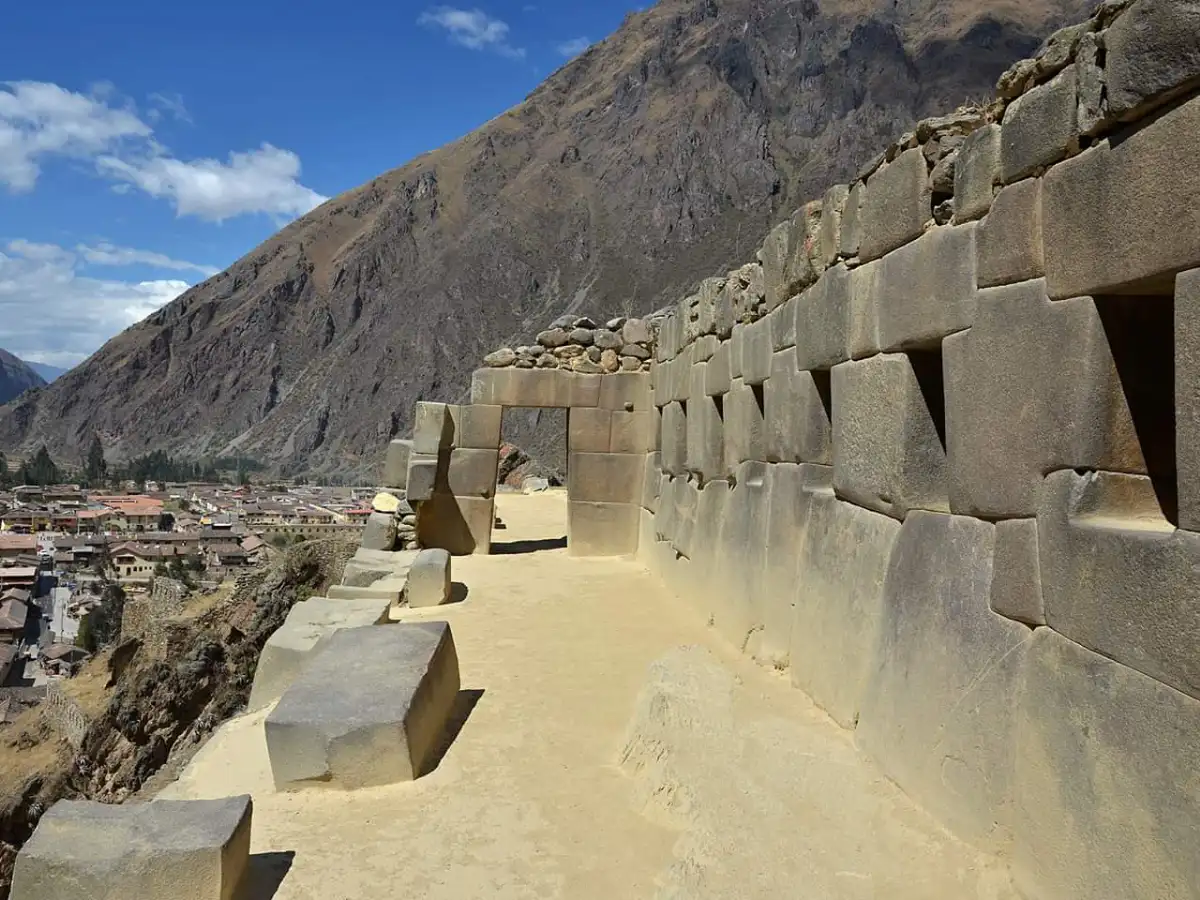
The massive stone terraces and finely carved temple walls indicate it was designed for the elite, not common citizens.
2. Priests and Astronomers
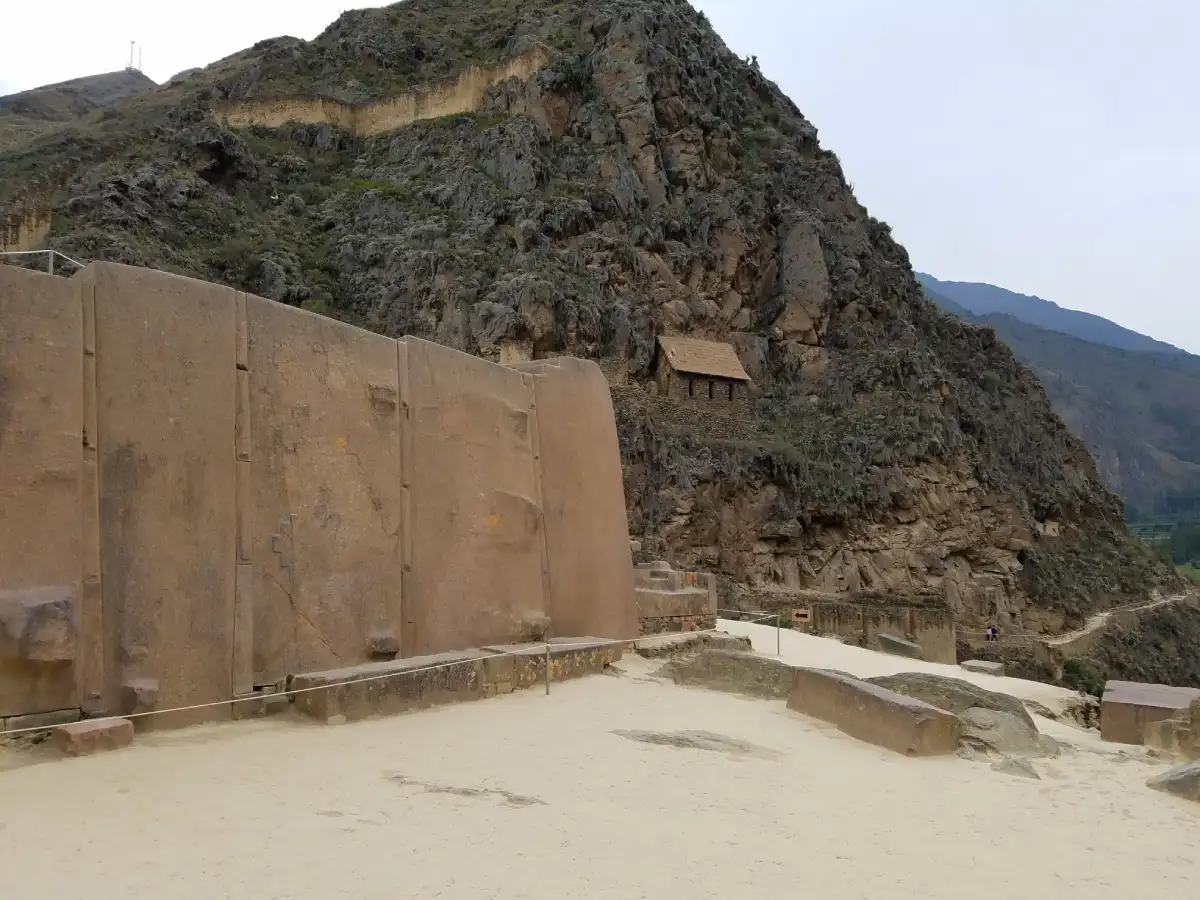
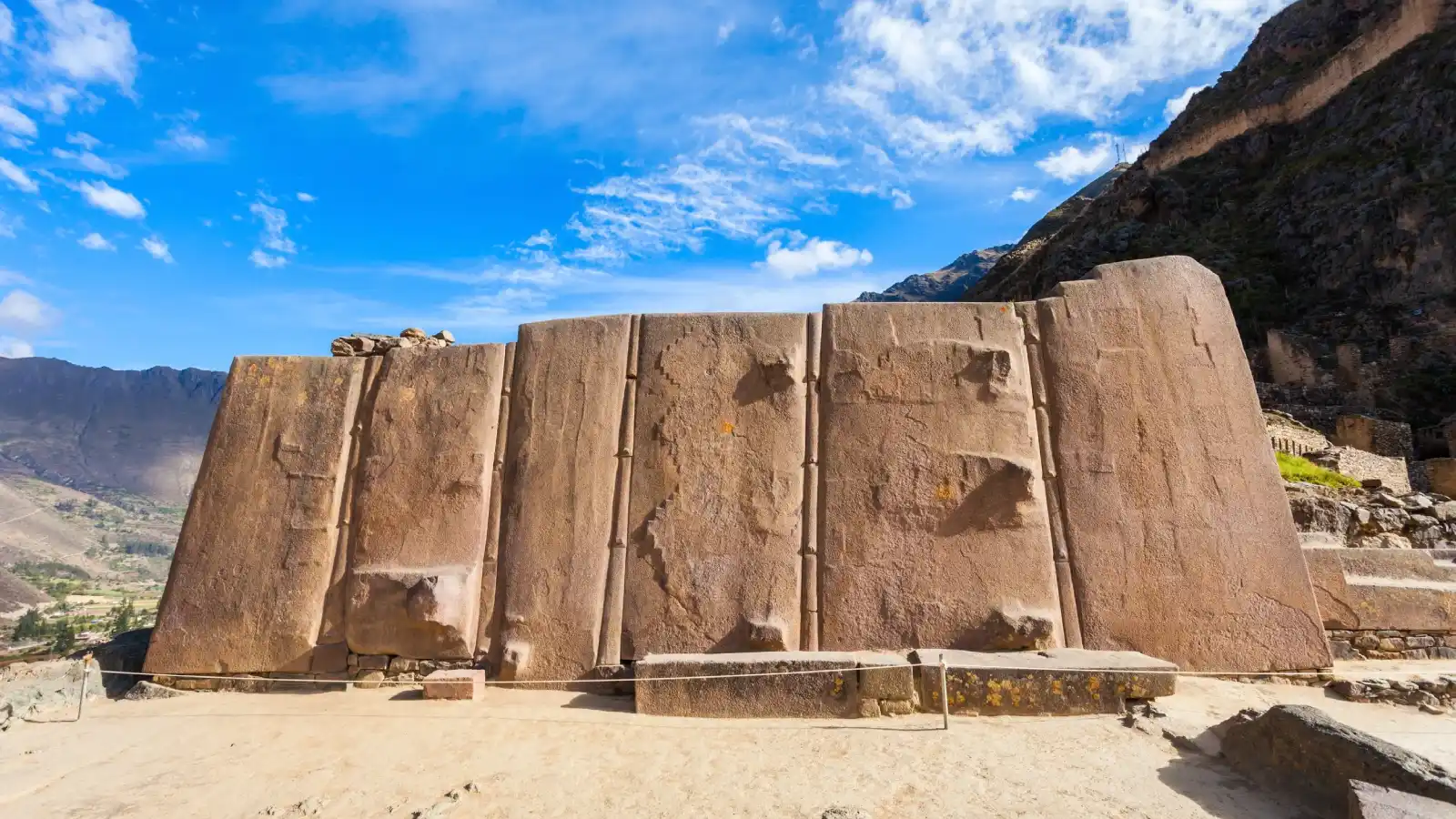
The Temple of the Sun in Ollantaytambo features massive monoliths aligned with astronomical events.
This suggests that priests and spiritual leaders lived and worked here, overseeing religious ceremonies and agricultural calendars. The Incas closely connected astronomy with farming cycles, making this site both sacred and practical.
3. Military Defenders
Ollantaytambo also played a strategic military role.
It became a key resistance stronghold during the Spanish conquest. Its steep terraces and narrow access routes made it defensible, which is why many travelers search for information about the Ollantaytambo fortress.
The layout allowed defenders to control movement through the Sacred Valley.
4. Skilled Workers and Agricultural Communities
Beyond royalty and priests, the site was supported by:
- Farmers
- Builders
- Stone masons
- Administrators
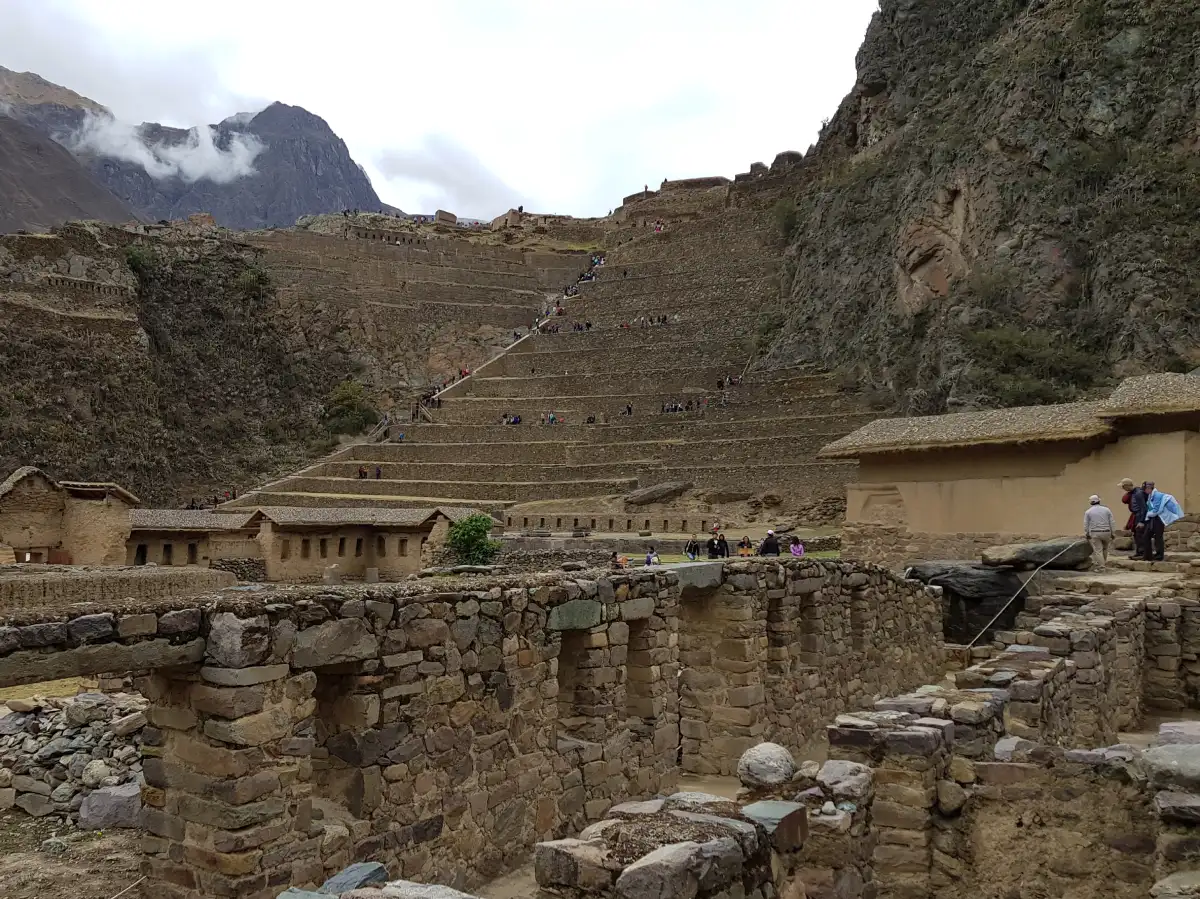
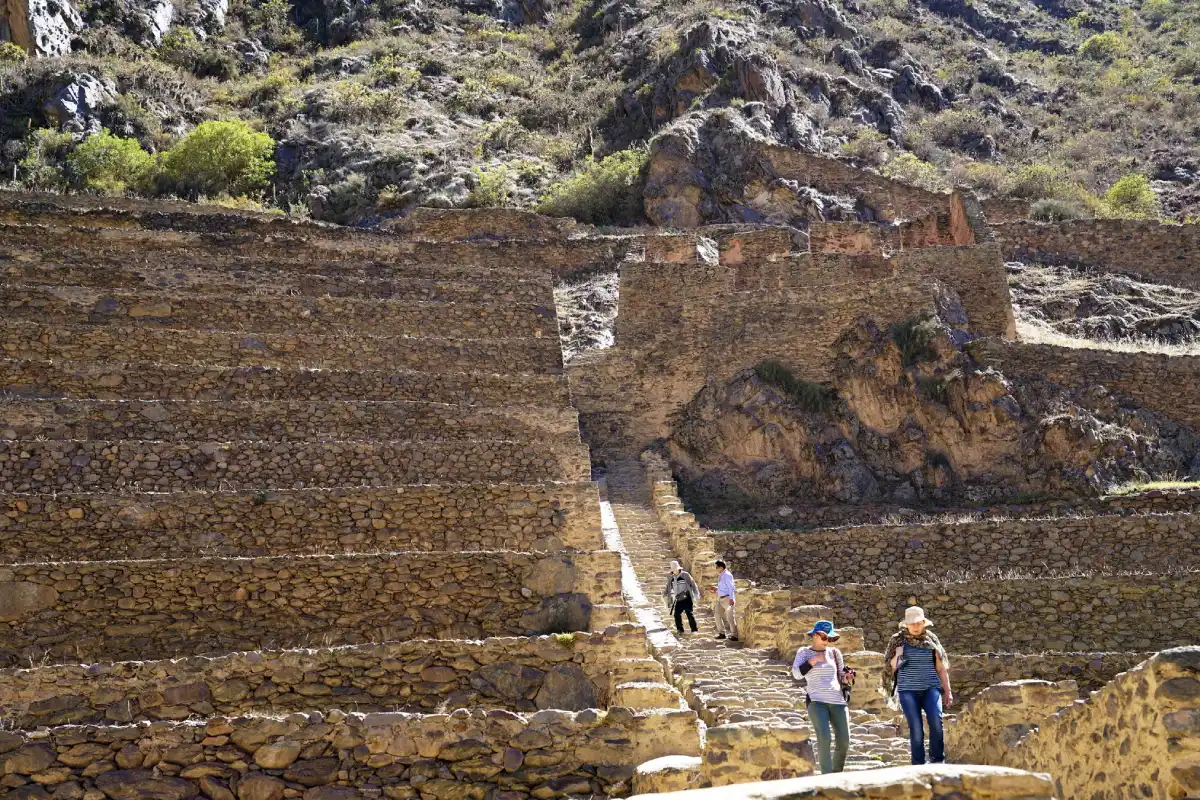
The extensive agricultural terraces in Ollantaytambo were engineered to produce crops at different microclimates. These terraces still function today, showcasing advanced Inca agricultural engineering.
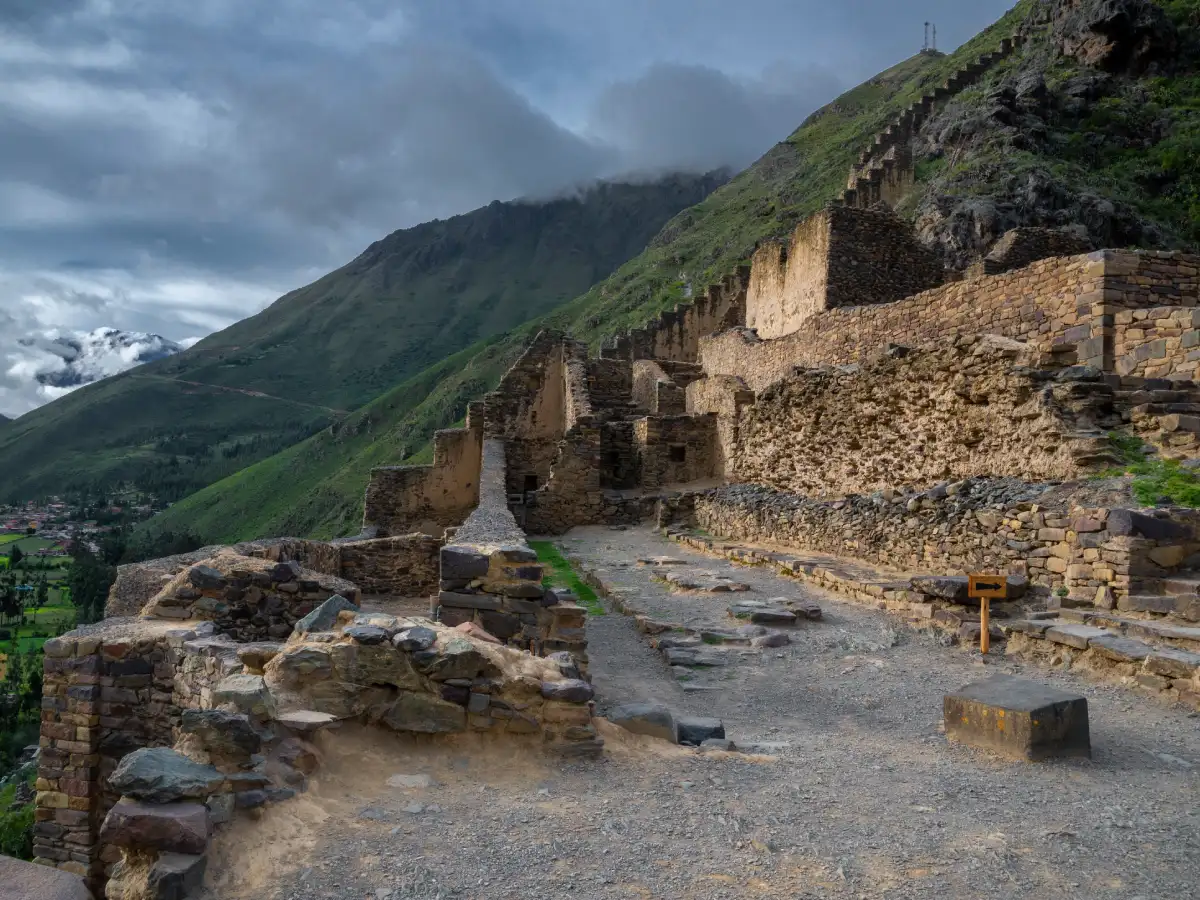
Was Ollantaytambo a Fortress or a City?
Many travelers search:
- what was Ollantaytambo
- Ollantaytambo history
- what was Ollantaytambo used for
The most accurate answer is that it was both a living city and a strategic fortress.
It featured:
- Residential sectors
- Religious temples
- Agricultural terraces
- Defensive structures
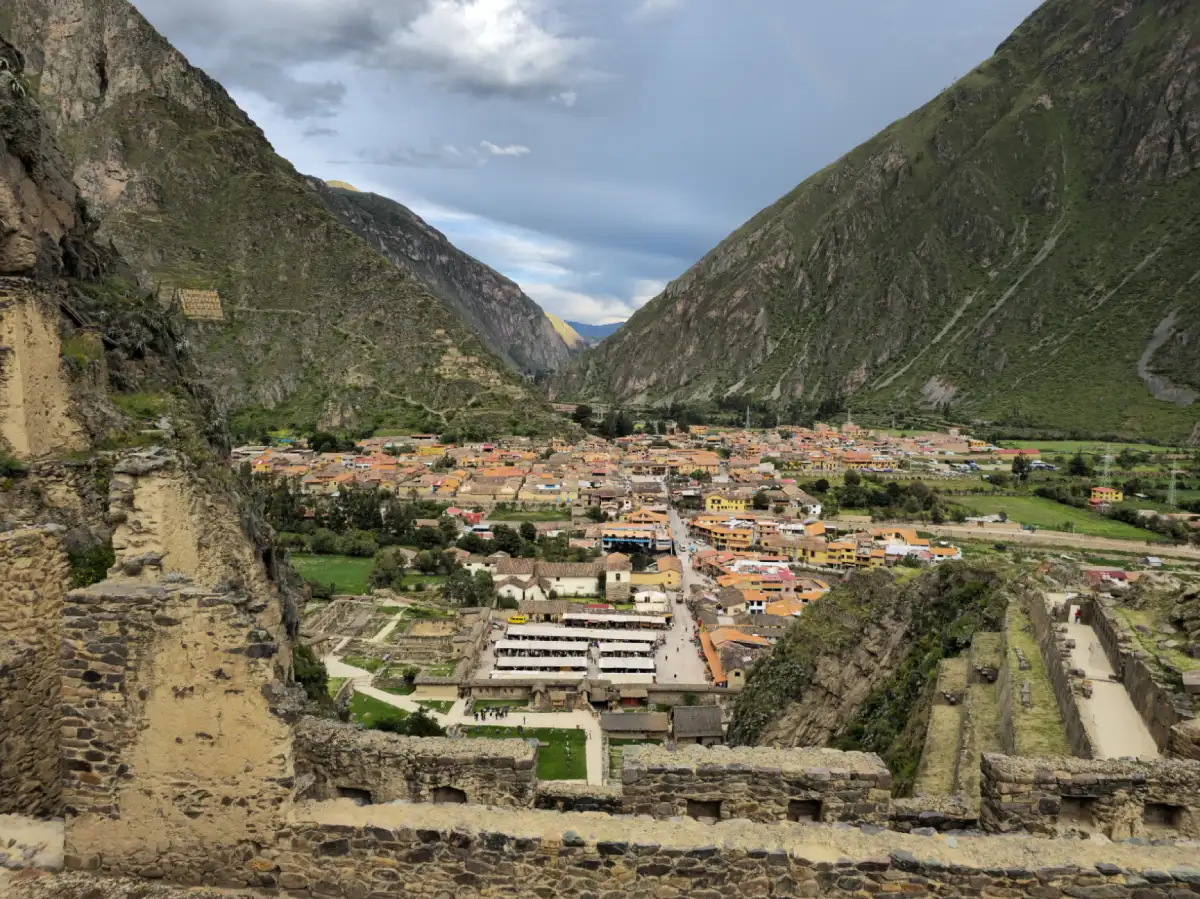
Unlike many other Inca ruins, the original urban layout remains intact, and local families still live in the ancient stone foundations.
What to See in Ollantaytambo Today
If you’re planning a Sacred Valley day tour, these are the main highlights:
Temple of the Sun
Massive pink granite blocks transported from across the valley.
Agricultural Terraces
Huge stepped platforms climbing the mountainside.
Water Channels
Original Inca irrigation systems still flowing.
The Old Town
One of the best-preserved Inca street grids in South America.
Because of its location, Ollantaytambo is often included in:
- Machu Picchu travel packages
- Sacred Valley tours from Cusco
- Private Sacred Valley tours
- Full day Sacred Valley tours
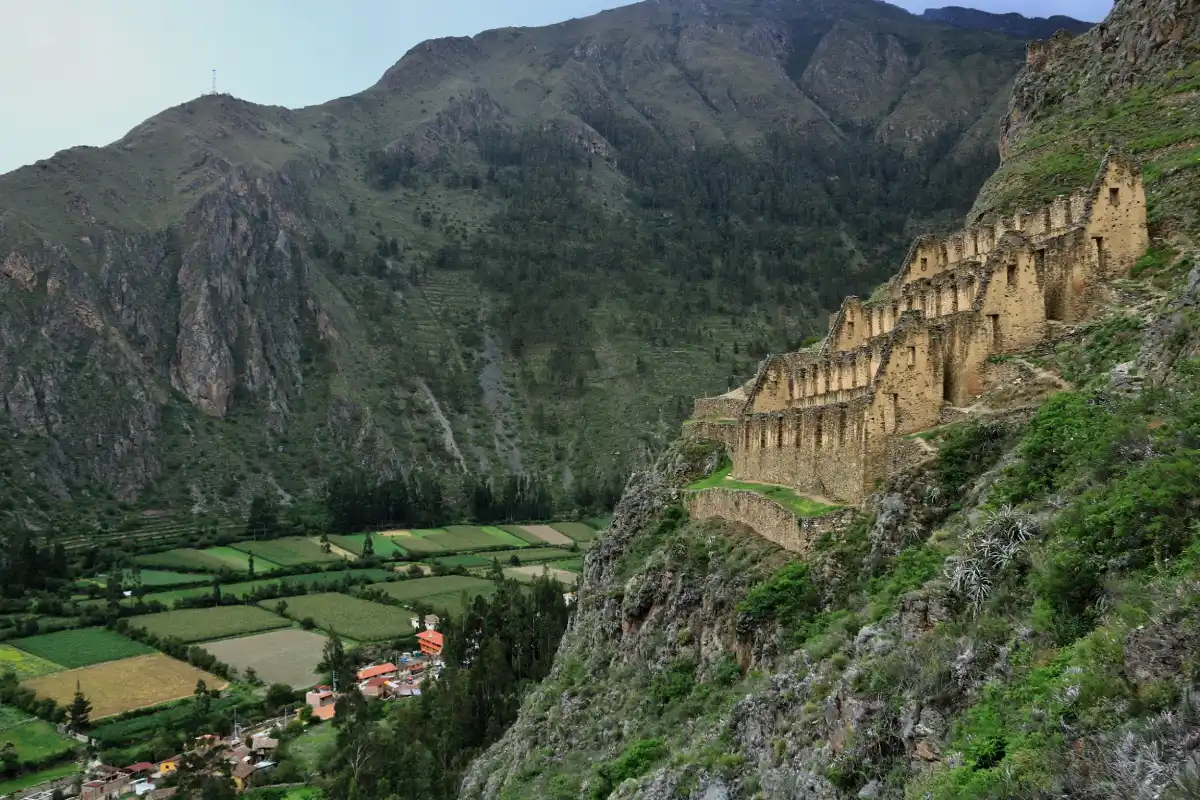
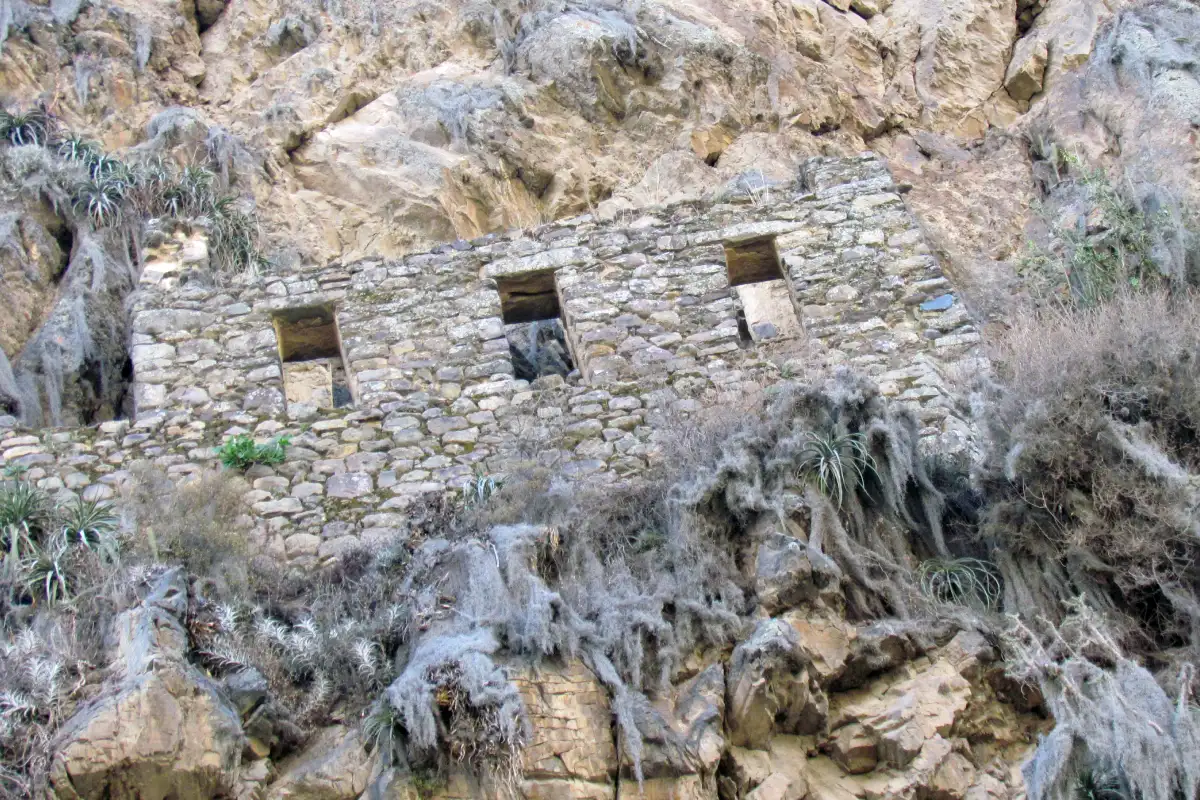
Is Ollantaytambo Worth Visiting?
Absolutely.
For many visitors, Ollantaytambo is more impressive than other ruins because it feels alive. It combines monumental architecture with everyday life.
Travelers frequently search:
- Sacred Valley tour price
- Ollantaytambo tour from Cusco
- best Sacred Valley tour
- private Sacred Valley tour
Booking in advance is recommended, especially during peak travel months.
Interesting Facts About Ollantaytambo
- It preserves original Inca urban planning.
- Its water system still functions after centuries.
- It was one of the last Inca strongholds.
- It serves as a gateway to Machu Picchu.
Ollantaytambo: A Living Legacy of the Inca Empire
Now that you know who lived in Ollantaytambo, you can understand that it was far more than just a fortress.
It was a royal residence, spiritual center, agricultural laboratory, and military defense site. The people who lived here were part of a highly organized society that mastered engineering, astronomy, and urban design.
Including Ollantaytambo in your Sacred Valley itinerary allows you to experience a place where history is not just preserved but still present.
Whether you’re booking a Sacred Valley tour or planning a broader Peru travel experience, Ollantaytambo offers a deeper understanding of the Inca civilization and its lasting legacy.
Contact Us:
For more information, please contact us DREAMY TOURS, we will be happy to answer all your questions about Peru, Bolivia and Chile.
We specialize in tours and travel packages as a Travel Agency. If you need information, please contact us.
We offer tours, excursions – Peru – Bolivia – Chile: