
Hello, adventure dreamers. I’m part of the Dreamy Tours team, and if Machu Picchu is on your travel radar, you are looking at one of the most extraordinary places on Earth. Hidden high in the Peruvian Andes, Machu Picchu is not just an ancient site. It is a living symbol of Inca engineering, spirituality, and harmony with nature.
In 2026, with updated visitor regulations and a renewed focus on preservation, this is an ideal moment to experience Machu Picchu in a meaningful and responsible way. At Dreamy Tours, we guide travelers beyond the photos, helping every stone tell its story.
So, what exactly is Machu Picchu, and why does it continue to fascinate travelers from the United States year after year? Let’s explore it calmly and clearly.
What Is Machu Picchu?
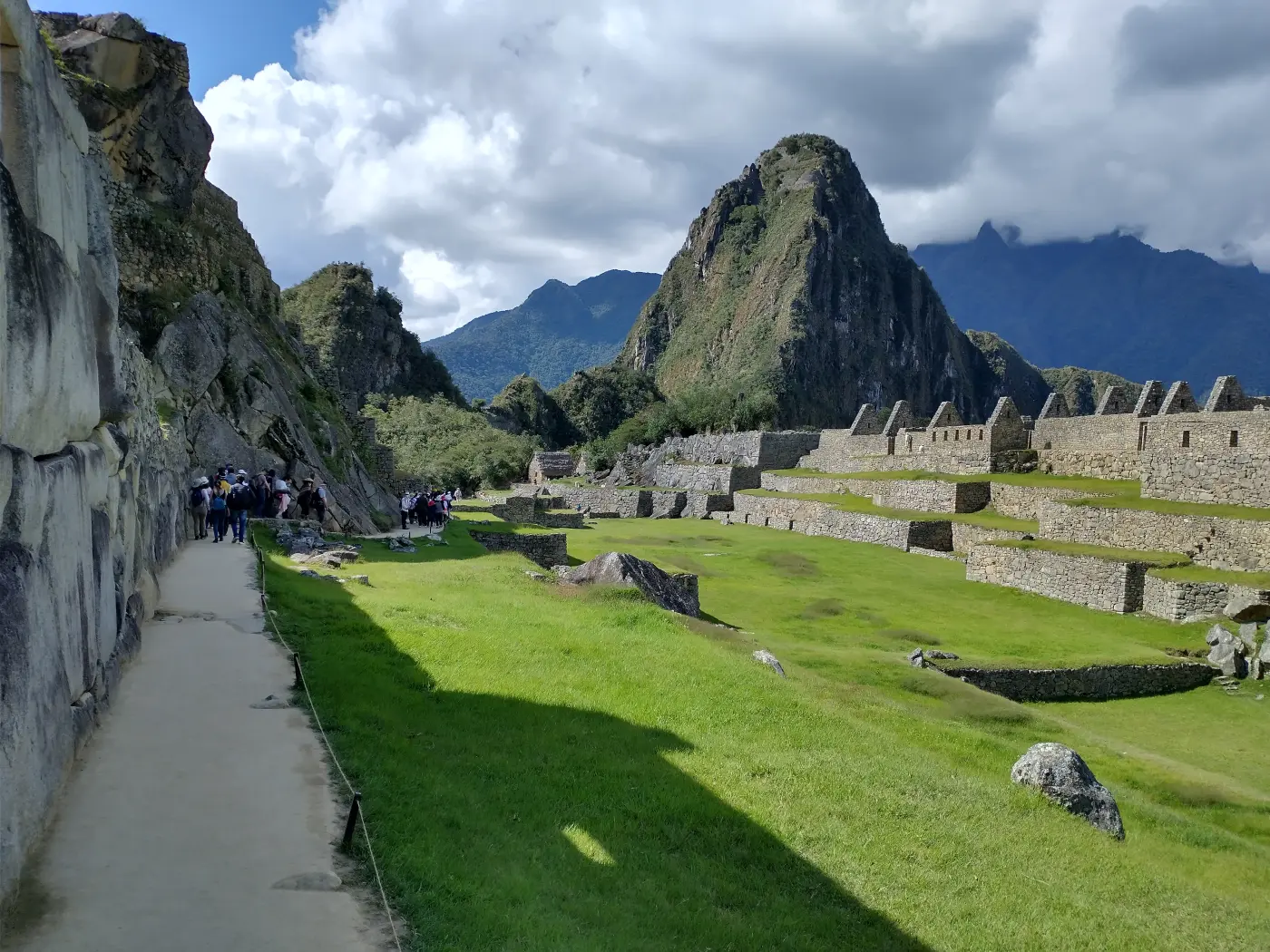
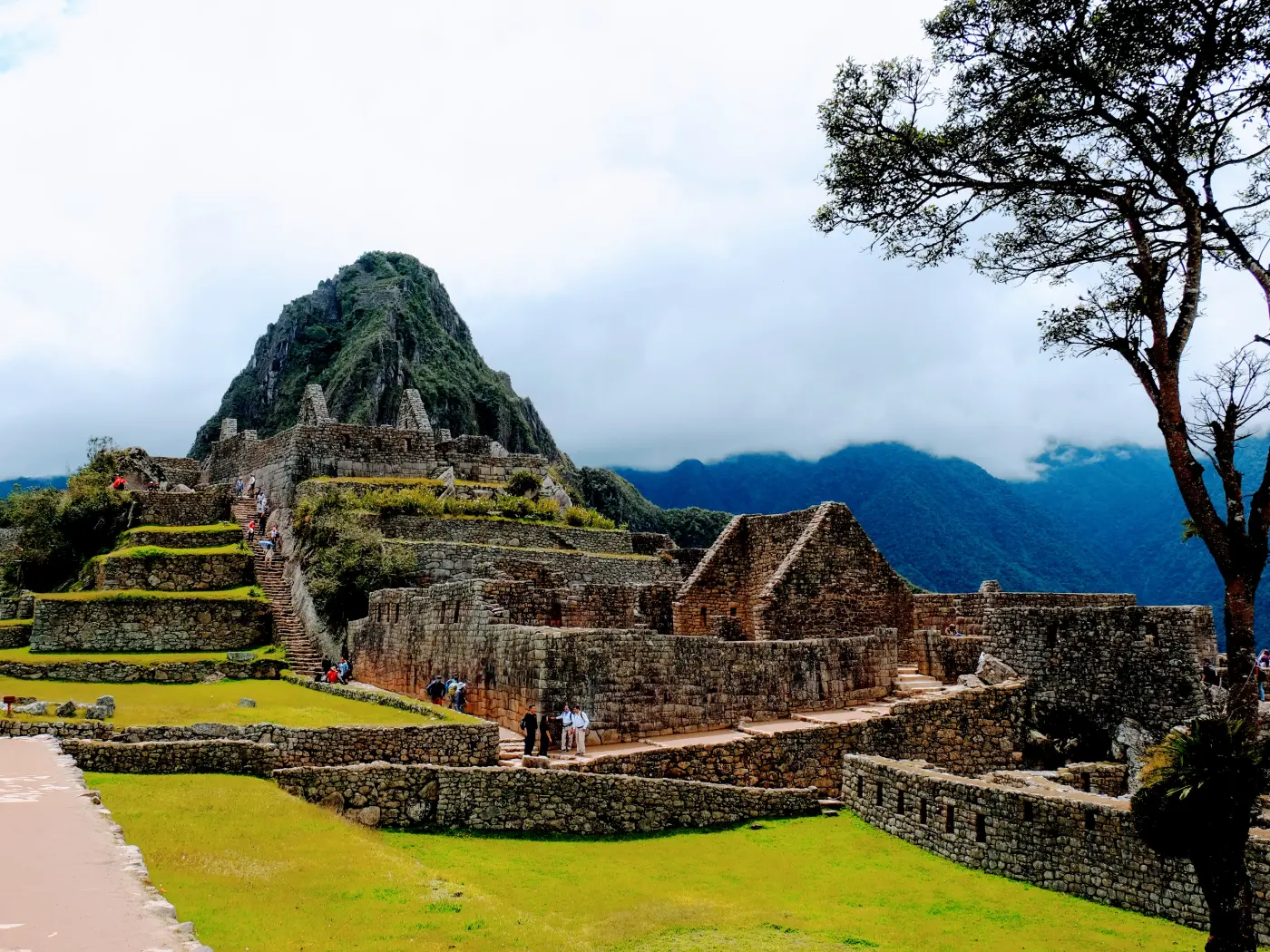
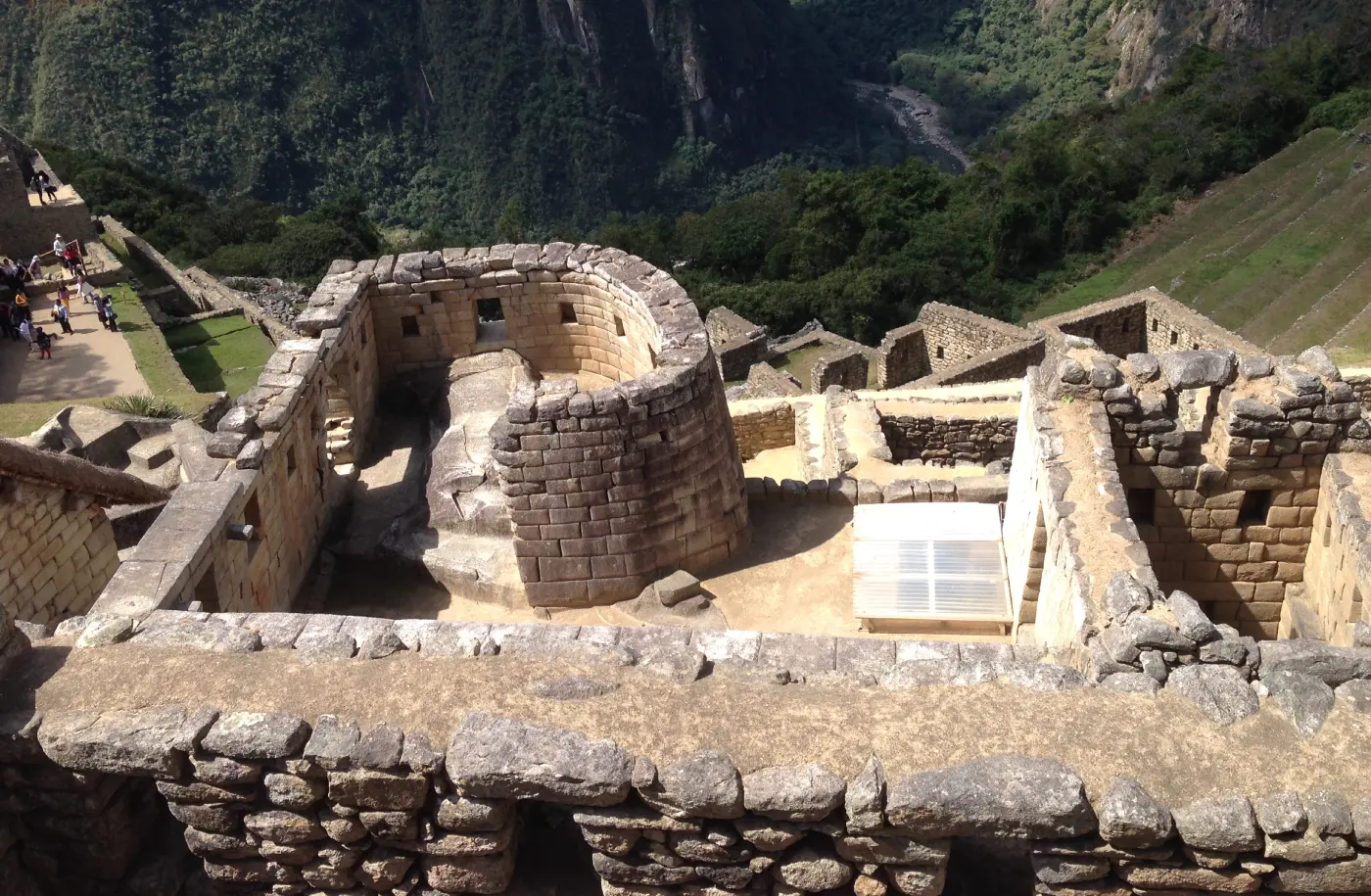
Machu Picchu is an ancient Inca city built in the 15th century, located at about 7,970 feet above sea level in the mountains of southern Peru. It was not a capital city, but rather a sacred and ceremonial center, likely reserved for Inca royalty and priests.
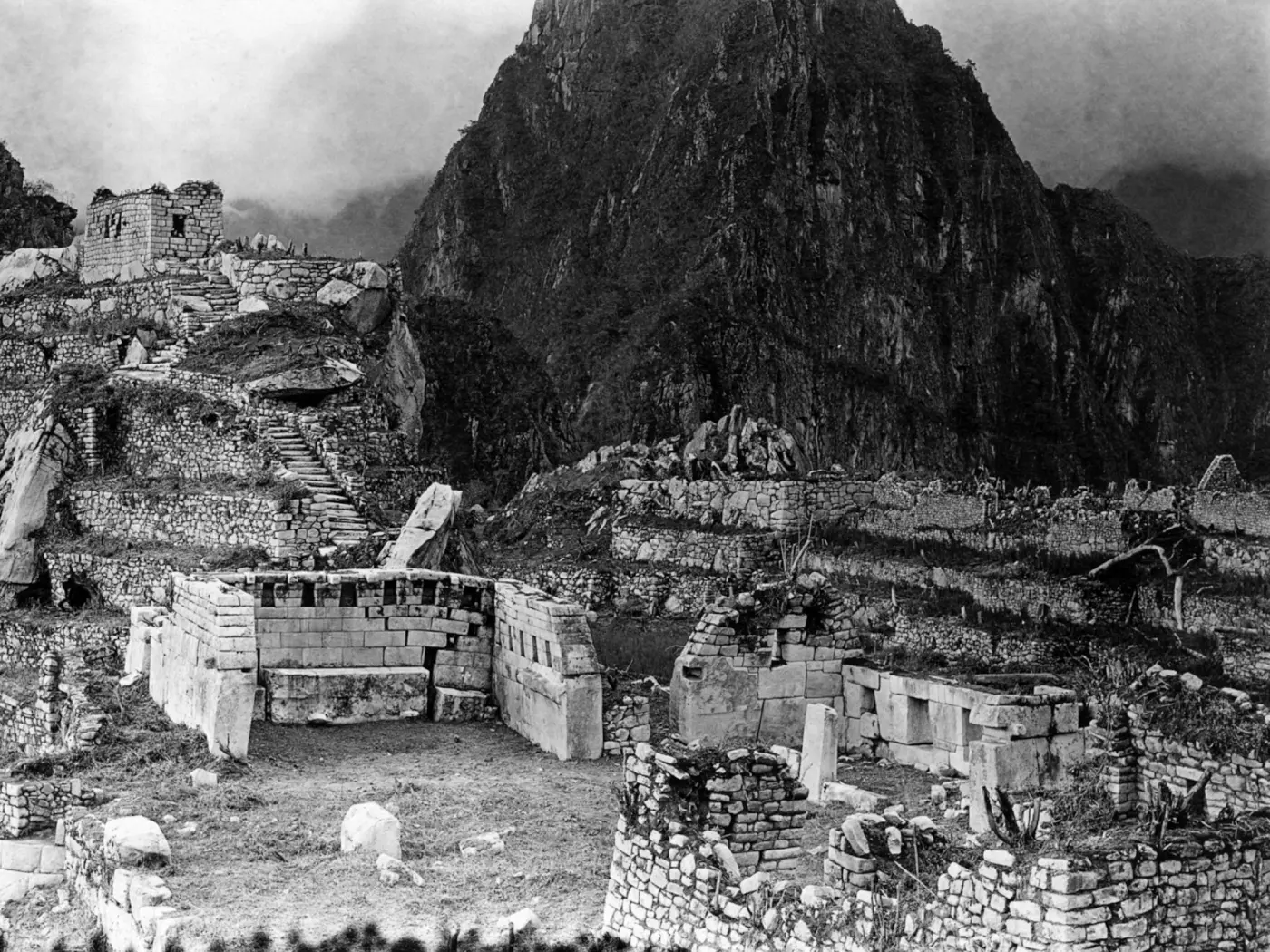
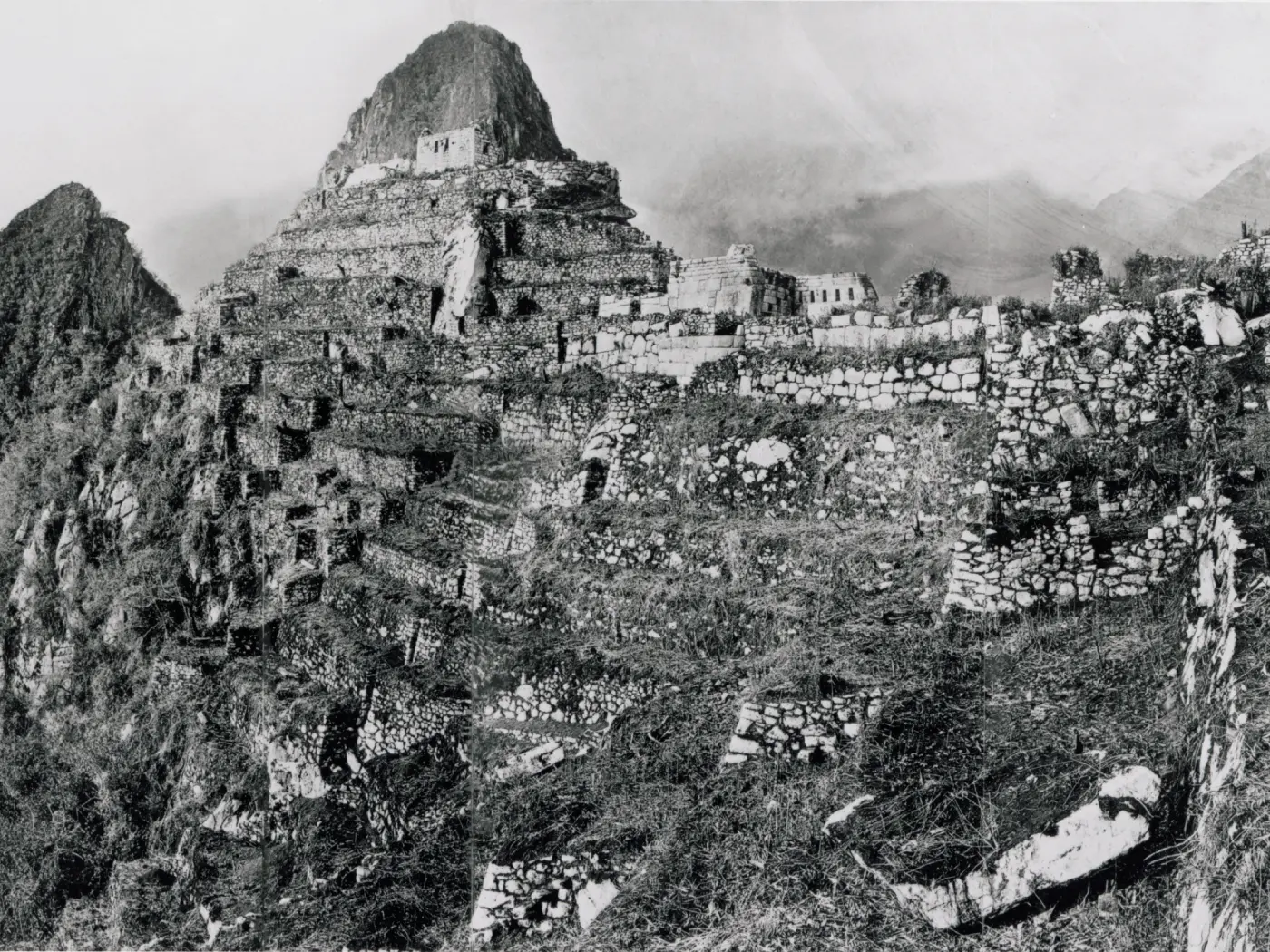
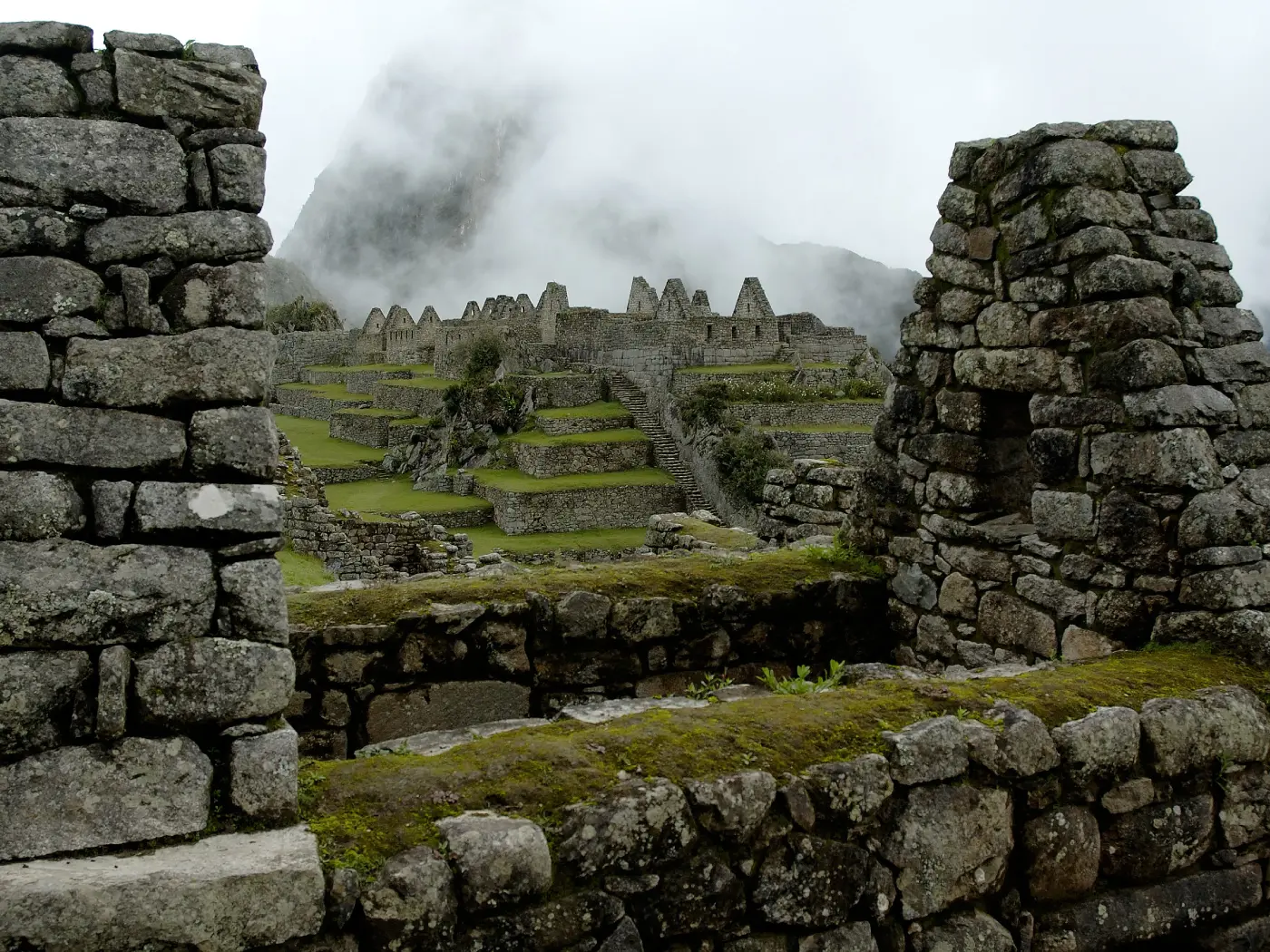
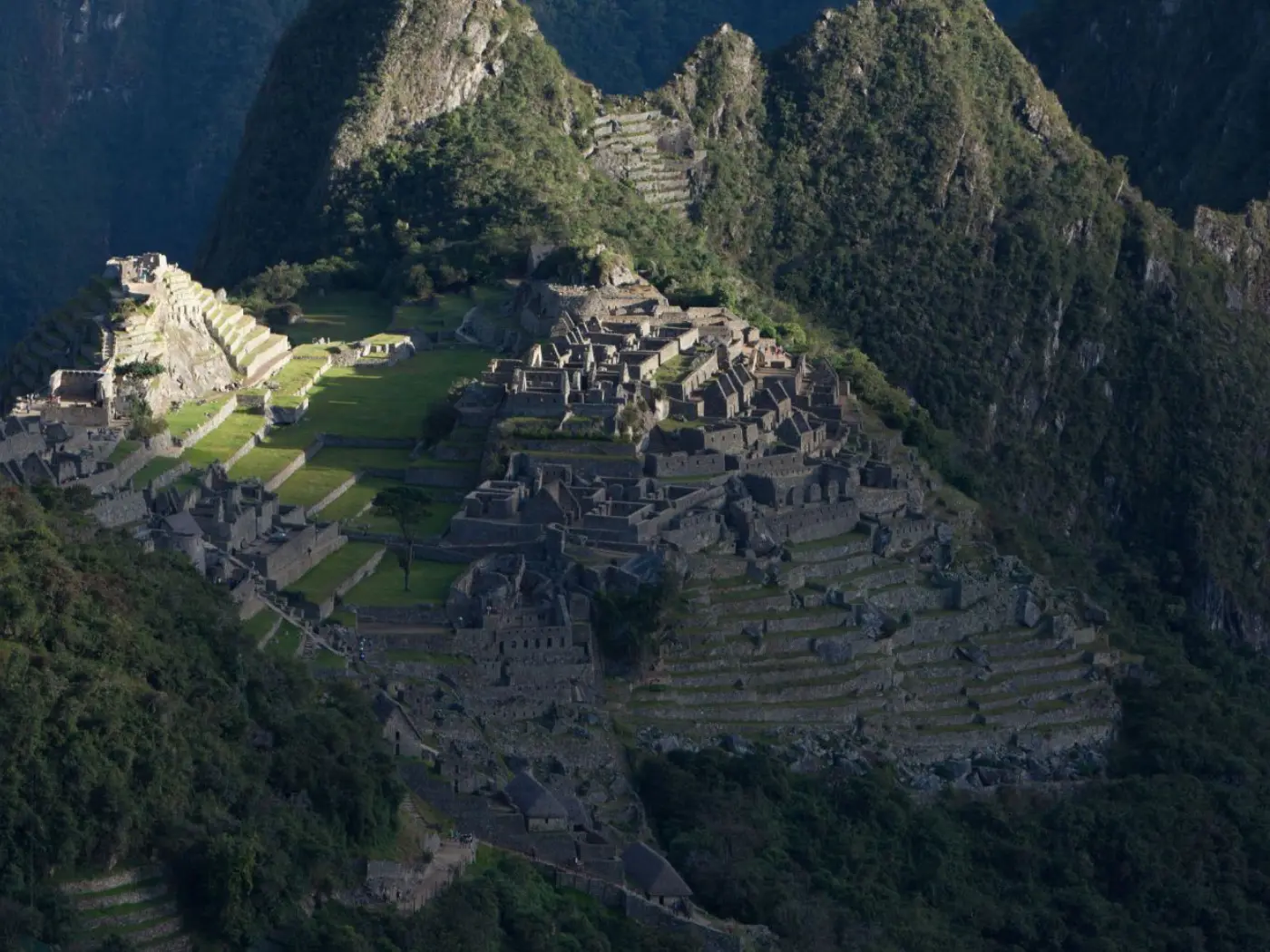
The site includes agricultural terraces, temples, residential areas, and sophisticated water channels that still function today. After being abandoned during the Spanish conquest, Machu Picchu remained hidden by vegetation until its international rediscovery in 1911.
Today, it is recognized as a UNESCO World Heritage Site and one of the New Seven Wonders of the World.
What Does Machu Picchu Mean?
The name Machu Picchu comes from the Quechua language and means “Old Mountain.” While the translation sounds simple, the meaning goes much deeper. For the Inca civilization, this place represented balance between humans, mountains, water, and the sun.
Many travelers describe Machu Picchu as a spiritual destination, not because of myths alone, but because of the powerful connection you feel when standing among the Andes.
Is Machu Picchu Inca, Maya, or Aztec?
This is a common question among travelers from the United States. Machu Picchu belongs exclusively to the Inca civilization. The Maya and Aztec cultures developed in Mexico and Central America, while the Incas ruled large parts of the Andes, mainly in modern-day Peru.
Each civilization was unique, with different languages, beliefs, and architectural styles. Machu Picchu is one of the finest surviving examples of Inca stonework and urban planning.
The History of Machu Picchu
Machu Picchu was built during the reign of Emperor Pachacuti, one of the most influential Inca rulers. Historians believe it served as a royal retreat, religious center, and astronomical observatory.
When the Spanish arrived in the region, the city was abandoned, likely due to disease and political collapse rather than direct conquest. This isolation helped preserve Machu Picchu for centuries, protecting it from destruction.
Today, ongoing research continues to reveal new insights into daily life, rituals, and engineering techniques used by the Incas.
Why Is Machu Picchu So Special?
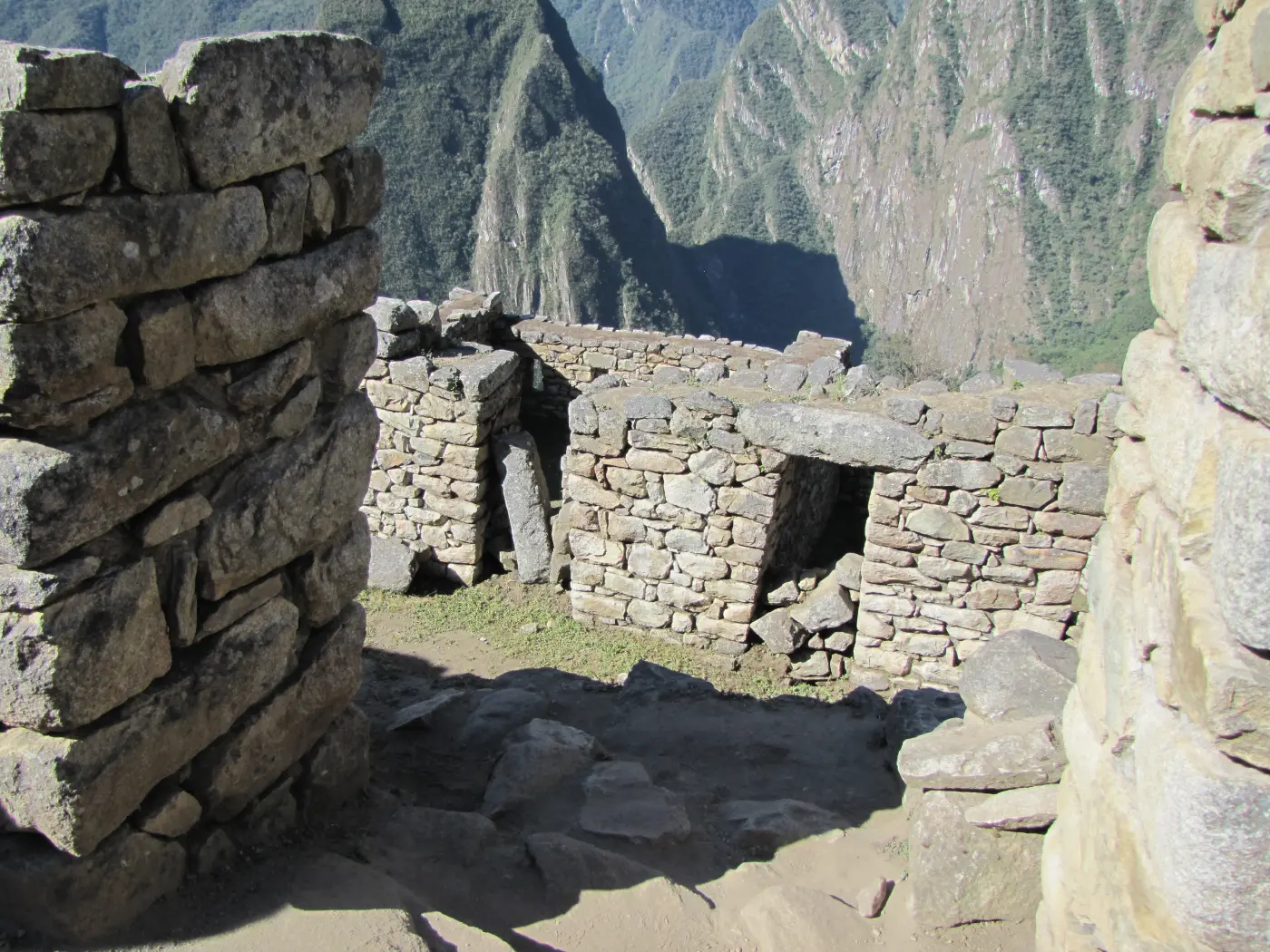
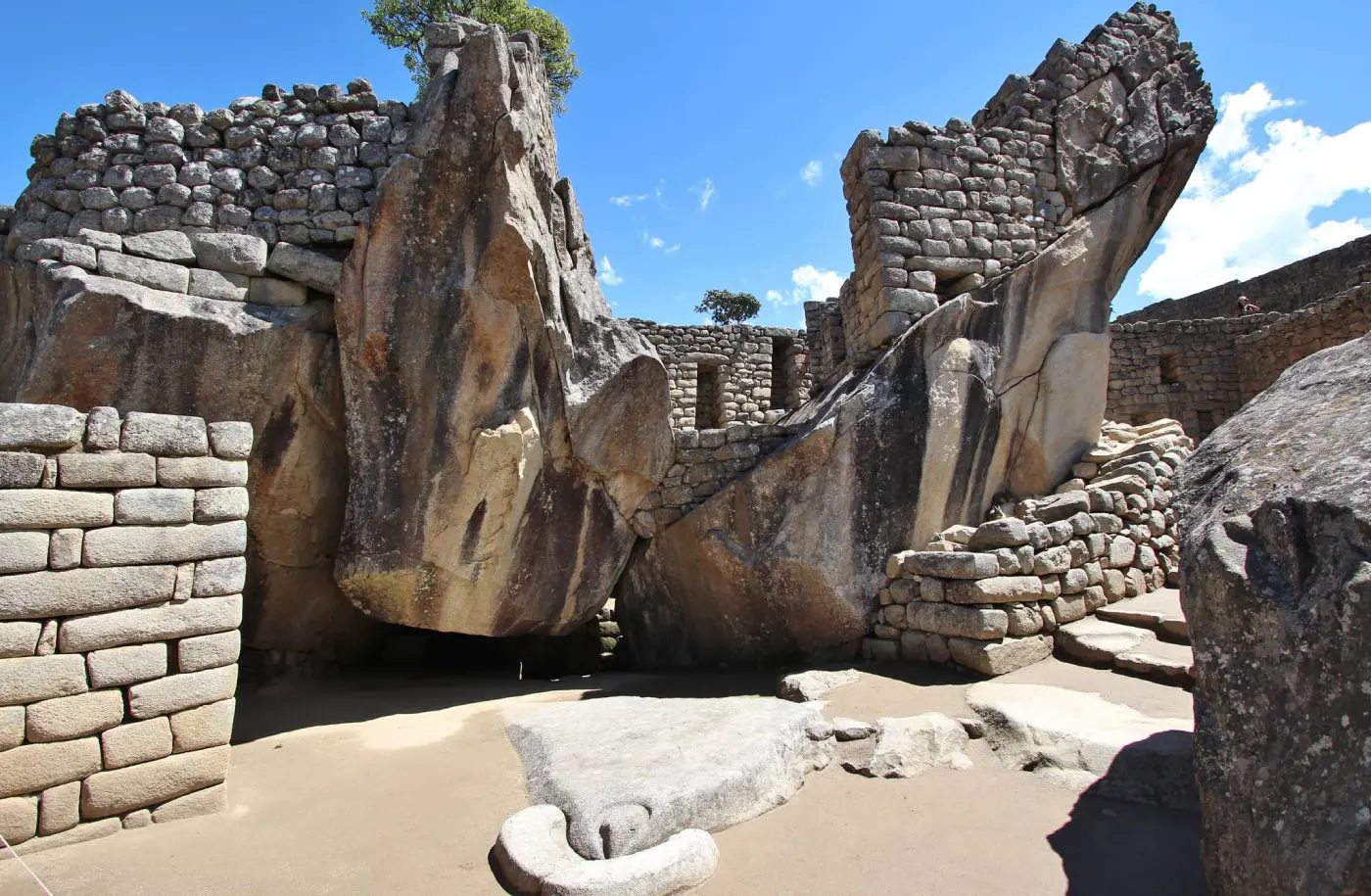
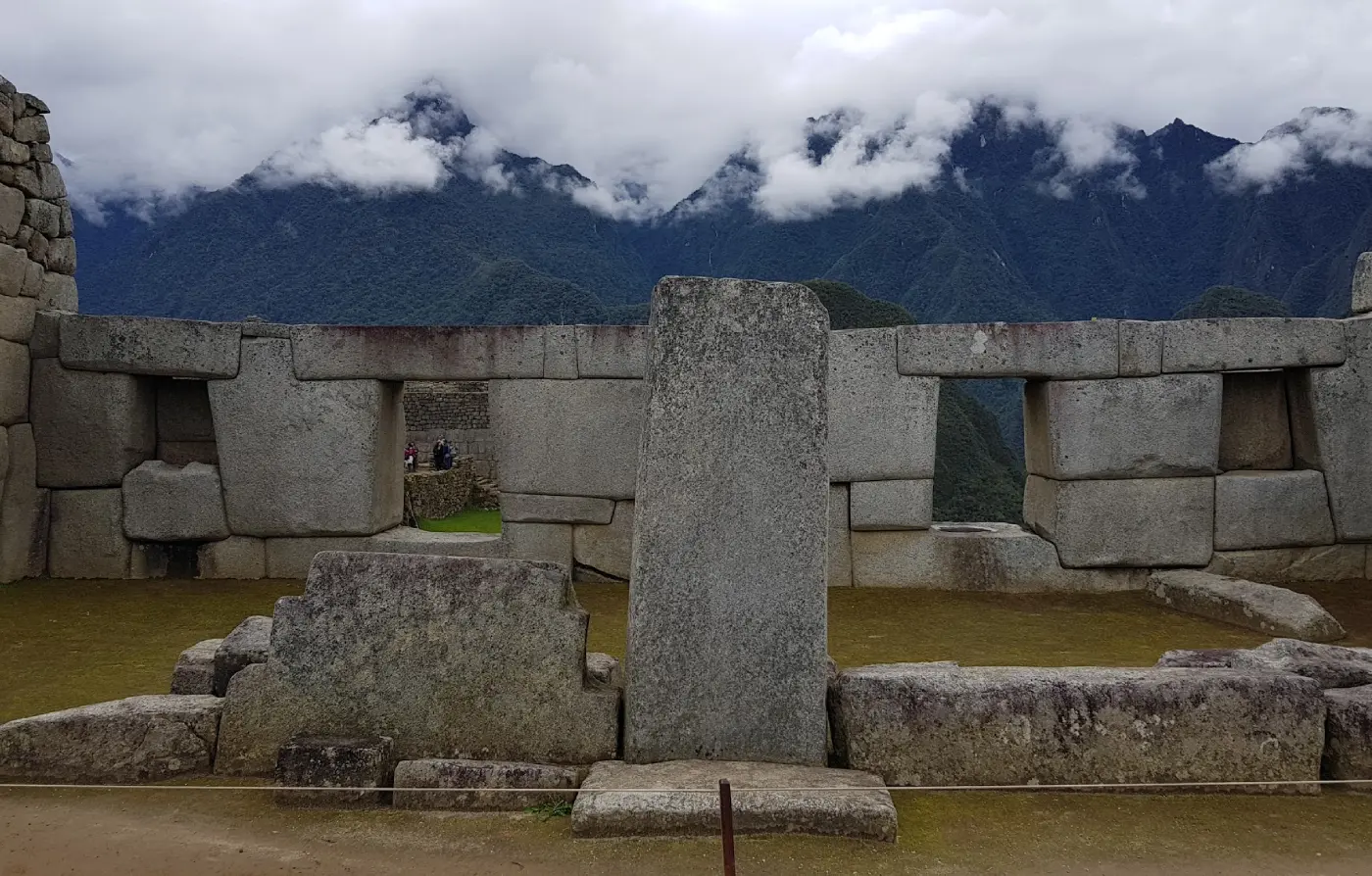
What makes Machu Picchu truly remarkable is its engineering. Massive stone blocks were shaped and fitted together without mortar, yet they withstand earthquakes and extreme weather. The agricultural terraces prevent erosion, and the drainage system keeps the site stable during heavy rains.
Beyond engineering, Machu Picchu stands out for its location. Surrounded by cloud forests and steep mountains, it feels both remote and perfectly placed.
In 2026, continued archaeological studies and conservation efforts aim to protect this balance between history and nature.
Where Is Machu Picchu Located?
Machu Picchu is located in Peru, in the Cusco region. The closest town is Machu Picchu Pueblo, also known as Aguas Calientes, which serves as the main access point for visitors.
Most travelers reach the site by train from Cusco or the Sacred Valley, followed by a short bus ride up the mountain. The journey itself is part of the experience, offering scenic views of rivers, valleys, and Andean peaks.
Best Time to Visit Machu Picchu
The most popular time to visit Machu Picchu is during the dry season, from May through September. These months offer clearer skies and comfortable daytime temperatures.
June and July are the busiest months, especially for travelers from the United States planning summer vacations. May and September are excellent alternatives, combining good weather with fewer crowds.
February is closed annually for maintenance, helping preserve the site for future generations.
How Much Time Do You Need at Machu Picchu?
Most visitors spend between four and six hours exploring Machu Picchu. This allows enough time to walk through the main areas, take photos, and appreciate the surroundings without rushing.
Guided visits help travelers understand the symbolism and history behind what they are seeing, turning the visit into a deeper cultural experience.
A Personal Moment at Machu Picchu
On a recent sunrise visit, I guided a group from the United States who stood silently as the first light touched the stone terraces. One traveler whispered, “I finally understand why people dream about this place.”
That moment captures what Machu Picchu truly offers. It is not just something you see. It is something you feel.
Planning Your Machu Picchu Trip in 2026
Machu Picchu is a protected site with limited daily access. Planning ahead is essential, especially for travelers visiting from abroad.
At Dreamy Tours, we help travelers organize transportation, guided visits, and timing so they can focus on enjoying the experience, not managing logistics.
Machu Picchu is more than a destination. It is a journey into history, culture, and the heart of the Andes. If Peru is calling you, this is where the story begins.
Contact Us:
For more information, please contact us DREAMY TOURS, we will be happy to answer all your questions about Peru, Bolivia and Chile.
We specialize in tours and travel packages as a Travel Agency. If you need information, please contact us.
We offer tours, excursions – Peru – Bolivia – Chile: