
Hello, bloggers.
Today I want to invite you to walk with me through one of the most fascinating places in the historic center of Cusco: the Convent of Santo Domingo, built directly over the perfectly carved stone walls of the ancient Qoricancha, the most important Inca temple dedicated to the Sun. As part of the Dreamy Tours team, I’ve guided thousands of travelers through this space, and every visit feels like a quiet revelation.
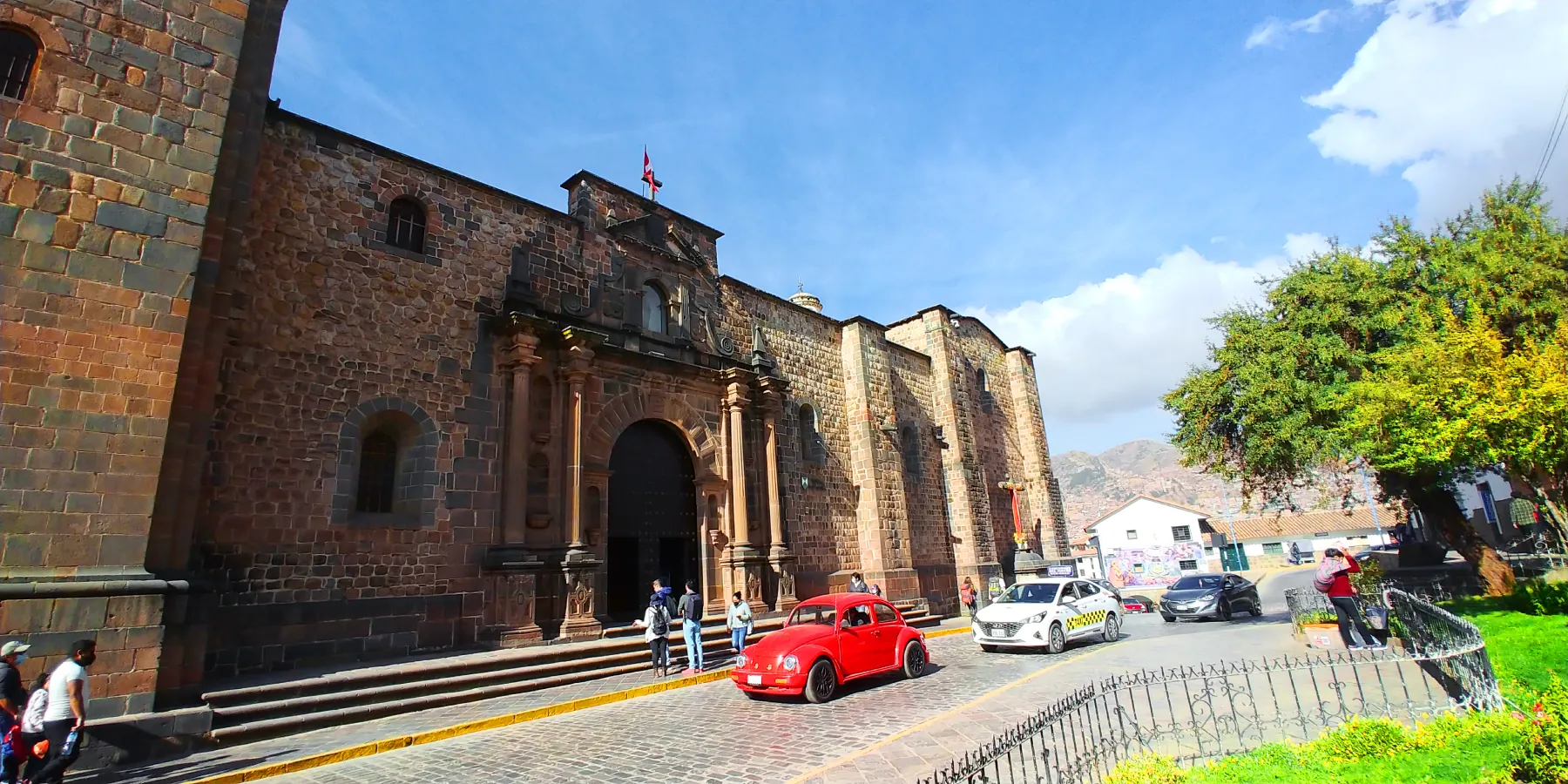
What the Convent of Santo Domingo Is
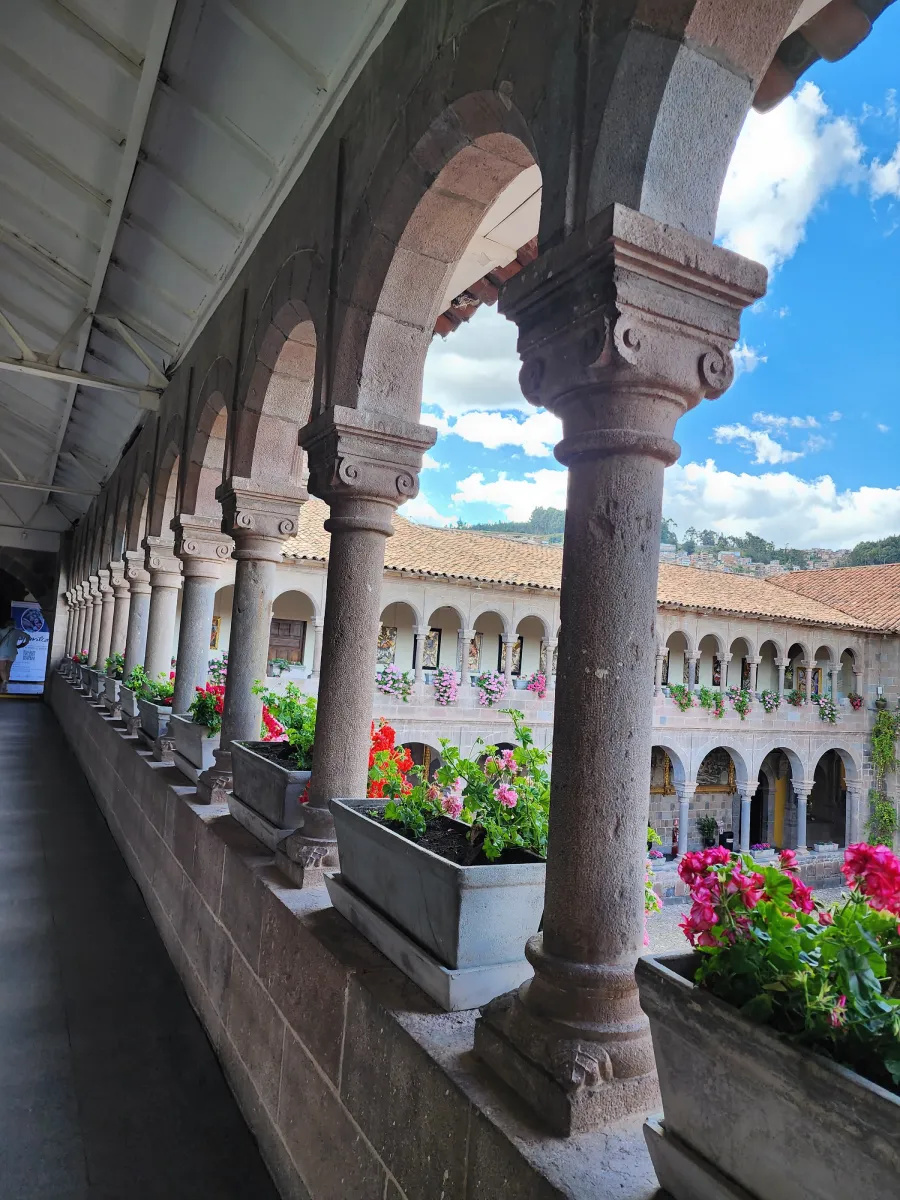
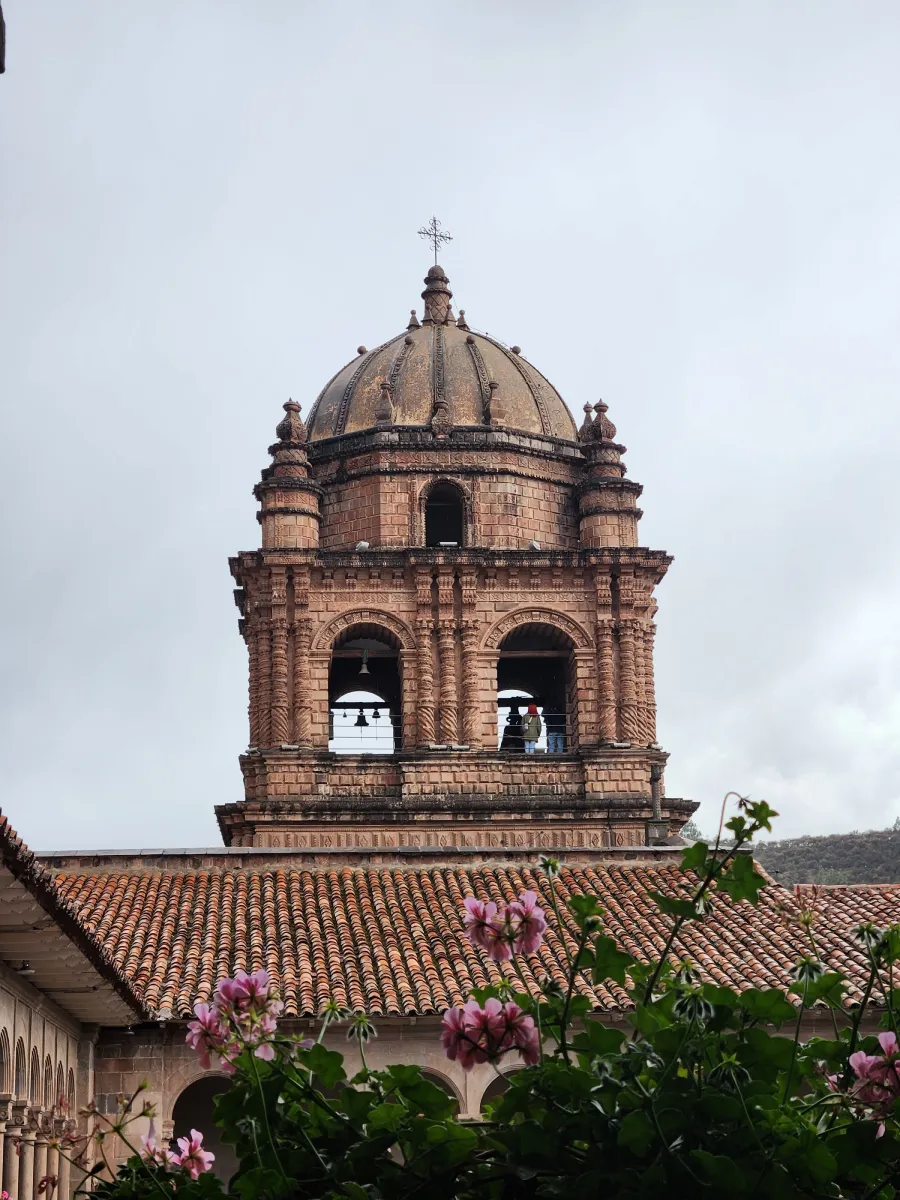
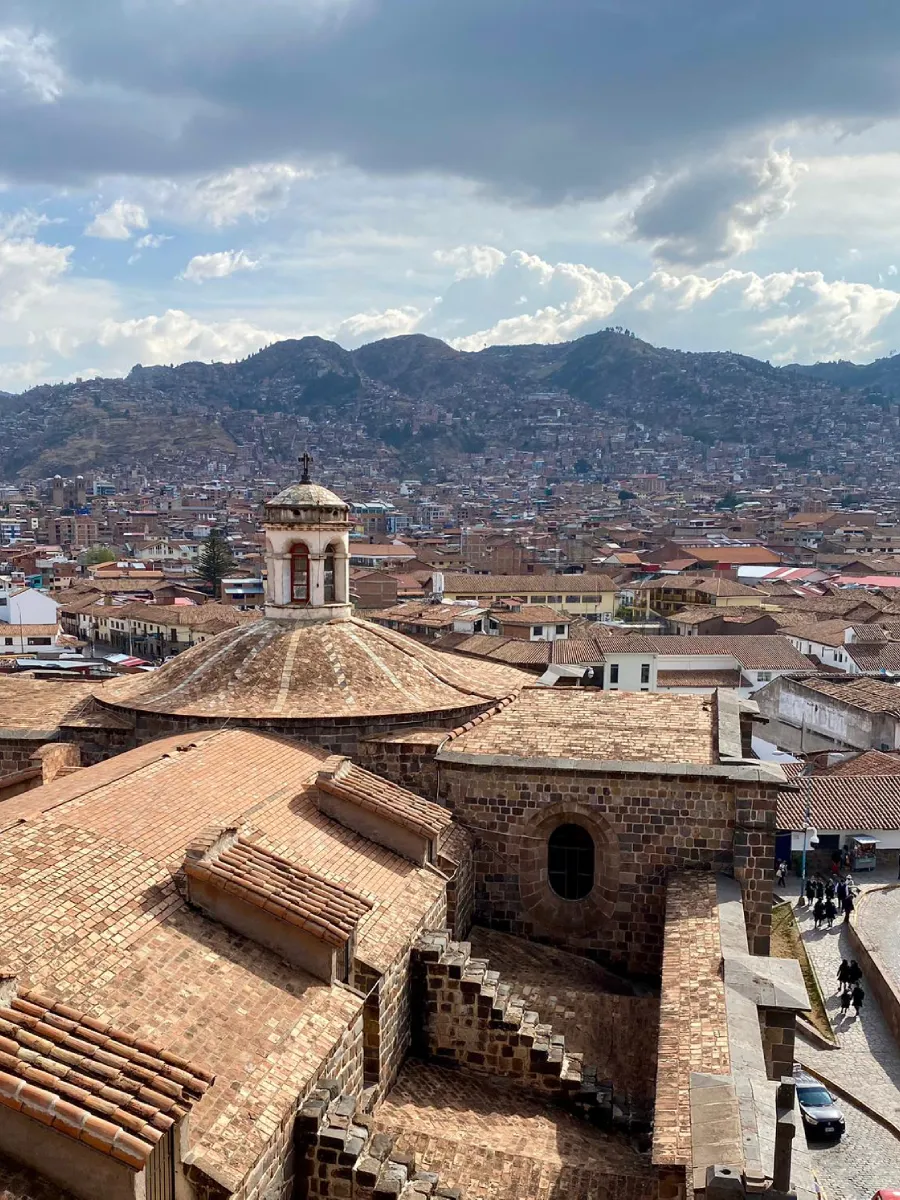
The convent was built in the 16th century by the Dominican Order, using the stone foundations of Qoricancha. This combination creates a unique setting: colonial architecture resting on Inca engineering that has survived centuries of history and several major earthquakes. Walking through its corridors feels like stepping into a silent dialogue between two worlds.
A Place That Preserves Memory
When I guide groups for the first time, I always stop at the original Inca walls of Qoricancha. The precision of each stone joint makes it seem as if the wall is alive. More than 600 years ago, ceremonies honoring the Sun, the Moon and the stars were held here.
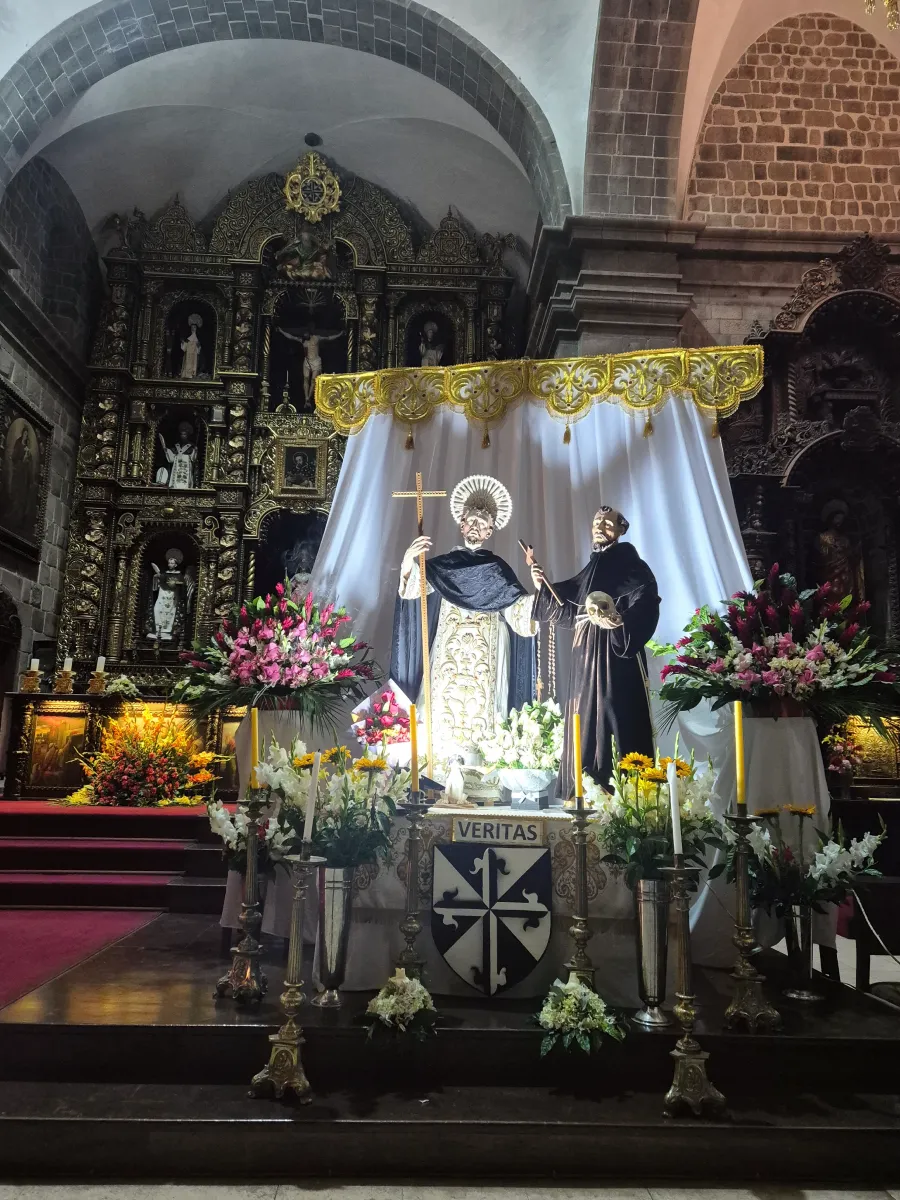
With the arrival of the Dominicans, the building changed its purpose but not its essence. The convent became a religious, academic and artistic center, and it continues fulfilling that role today.
What to See During Your Visit
At Dreamy Tours, we usually explore the convent slowly, allowing each space to tell its own story. Among the highlights most appreciated by travelers looking for Cusco tourist attractions and things to do in Cusco are:
1. The Main Courtyard
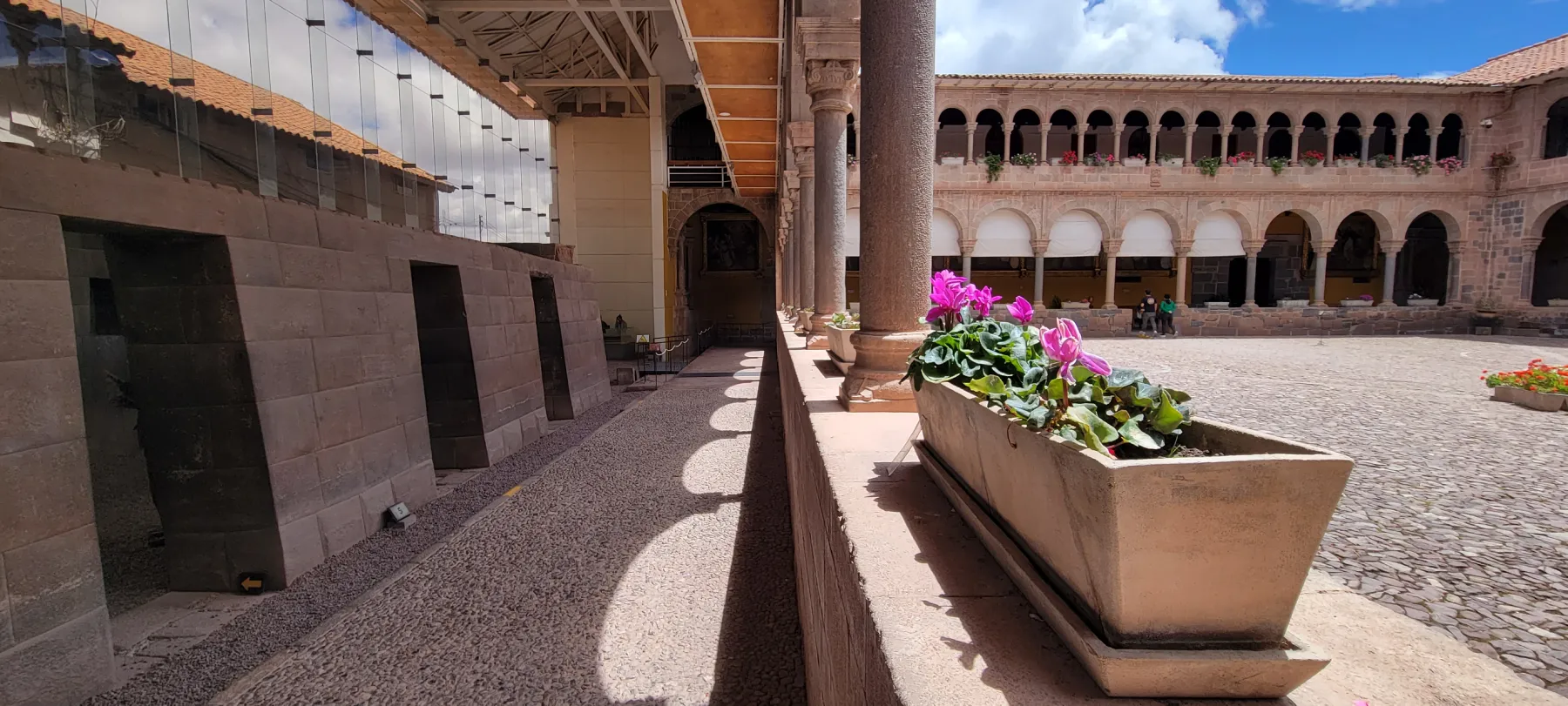
An elegant cloister with a central fountain. From here you can clearly see the contrasts: colonial arches above Inca walls that seem untouched by time.
2. The Inca Chambers
Spaces with inclined walls and polygonal stone blocks. The perfection of the stonework often leaves visitors silent, wondering how it was built without modern tools.
3. The Temple of the Sun
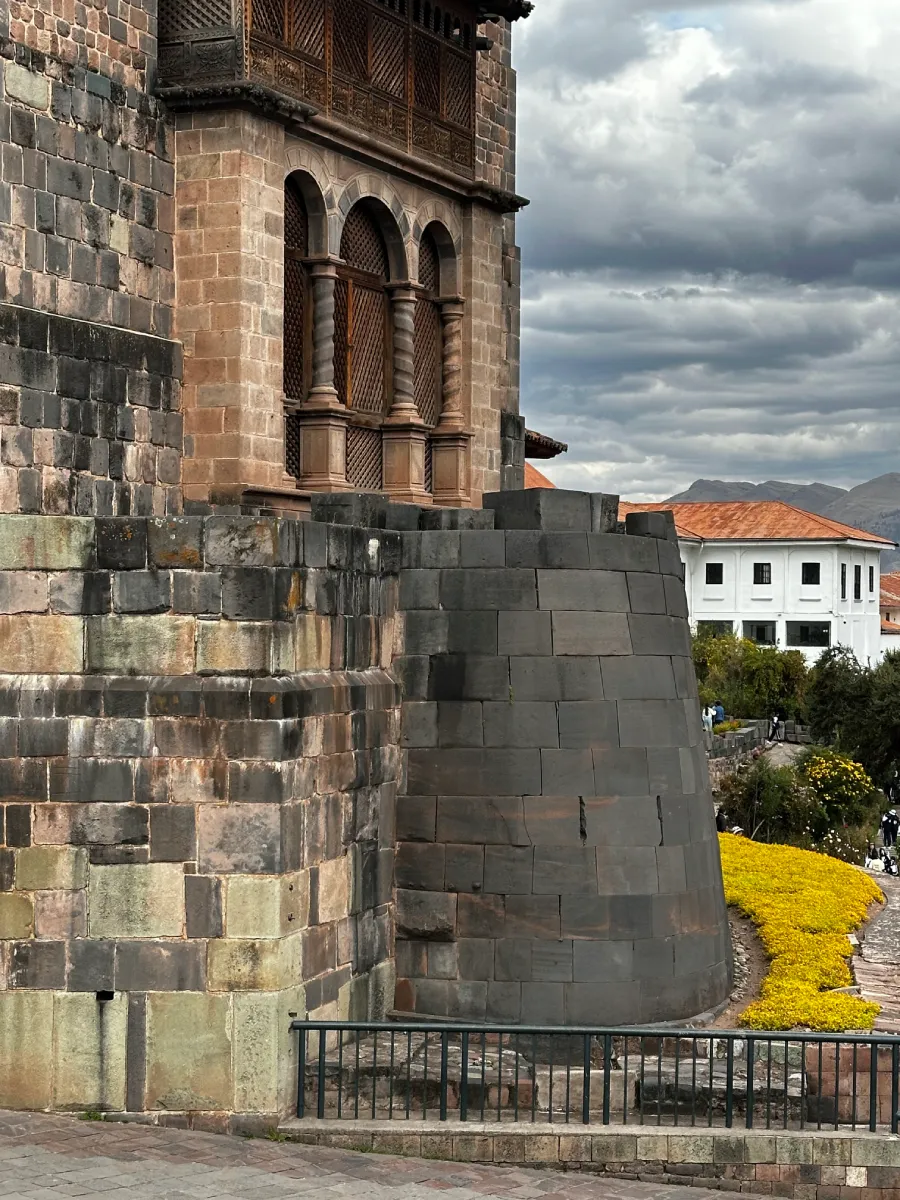
The most important area during the Inca period. Today, part of the semicircular wall remains, once covered with sheets of gold.
4. The Convent Museum
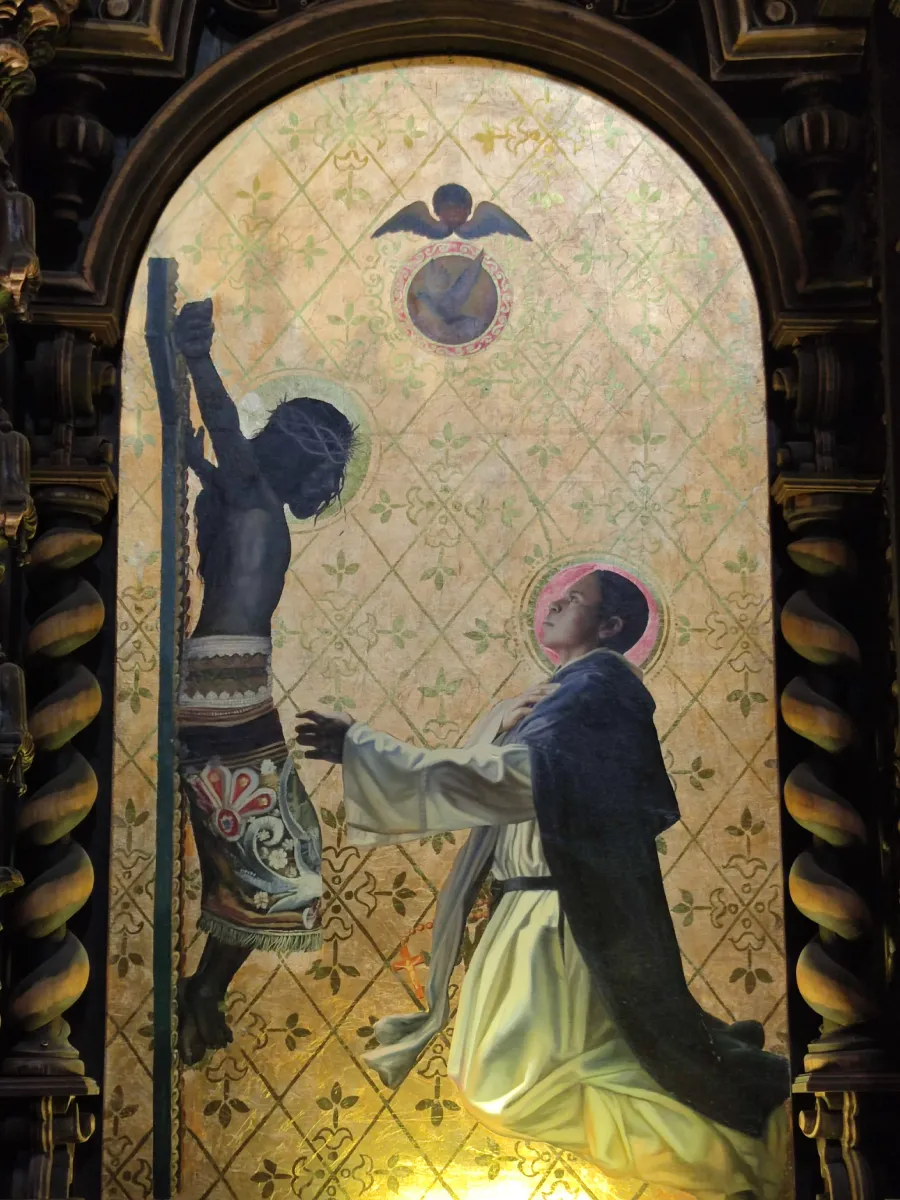
Home to paintings from the Cusco School, historical pieces and artifacts that reveal the evolution of the site over the centuries.
5. The Exterior Gardens
From the gardens you can see the exposed Inca foundations. In the late afternoon, the light turns the stone walls into a warm mosaic.
Tips I Always Share on Tours
Over the years, I’ve learned that this site is best experienced unhurriedly. That’s why I always recommend:
- Visiting early to avoid large groups
- Keeping your camera ready, because the walls hide incredible details
- Bringing water, since the altitude can be noticeable
- Walking slowly, especially if it’s your first time in Cusco
These suggestions help travelers who search for best places to visit in Peru or Cusco historical tours enjoy the experience even more.
My Experience Inside the Convent
Once, on an early-morning visit, a ray of sunlight entered through a small window and illuminated the Inca wall. A traveler whispered, “It feels like the Sun is greeting its home.”
Moments like that make this place not just an architectural site, but an emotional encounter with history. Every wall, every arch and every stone seems to hold a different memory.
Why I Always Include It in My Routes
For me, the Convent of Santo Domingo is one of those places where history reveals all its layers without hesitation. It’s essential for understanding the cultural strength of Cusco and the brilliance of its builders.
At Dreamy Tours, we include it in all our routes because travelers leave feeling they’ve touched a deep part of the city: its past, its resilience and its spirit. For anyone planning to travel to Peru or looking for top things to do in Cusco, this landmark is a must.
Contact Us:
For more information, please contact us DREAMY TOURS, we will be happy to answer all your questions about Peru, Bolivia and Chile.
We specialize in tours and travel packages as a Travel Agency. If you need information, please contact us.
We offer tours, excursions – Peru – Bolivia – Chile: