We are part of the Dreamy Tours team, and we created this guide to help you understand that traveling to Cusco and Machu Picchu is not just about visiting archaeological sites. It is about walking through a city and a landscape designed to communicate ideas, beliefs, and power.
The Incas did not write their history in books. They carved it in stone, shaped it into their cities, aligned it with the sun, and connected it to sacred mountains. Cusco and Machu Picchu are part of the same symbolic language, one that can still be read today as you walk their streets and trails.
Cusco: The City Designed as a Puma
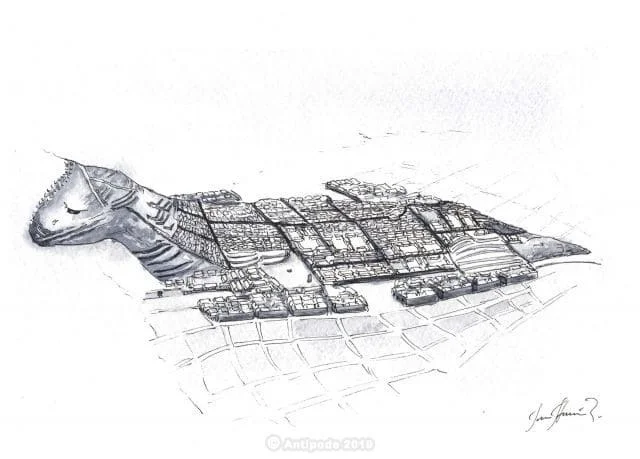
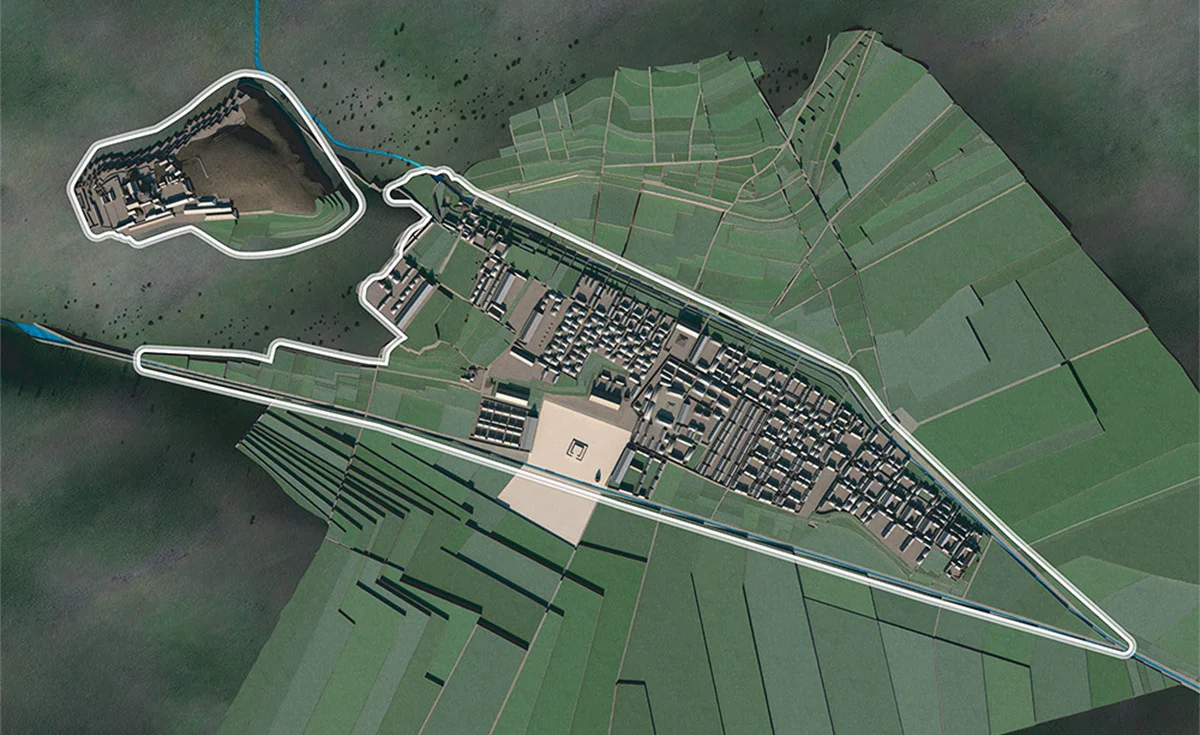
Few travelers know that the ancient capital of the Inca Empire was designed in the shape of a puma, an animal that symbolized strength and control over the earthly world. The head of the puma is located at the upper part of the city, at the impressive fortress of Sacsayhuamán, while its body extends through what is now Cusco’s historic center.
Even the layout of the streets and neighborhoods followed this symbolic design. Walking through Cusco today means moving through the body of a living symbol, a city created to represent the power of the largest empire in South America.
The Serpent and the Wisdom Flowing Beneath the City
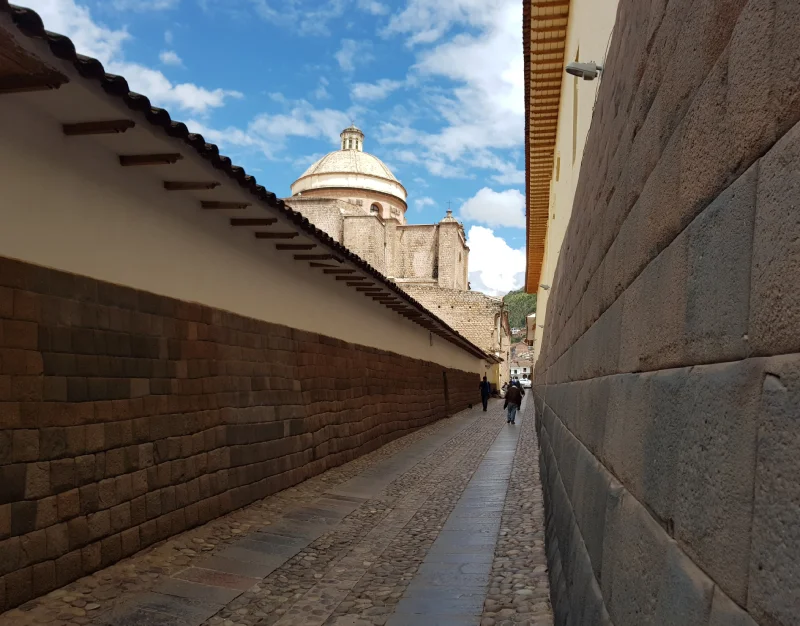
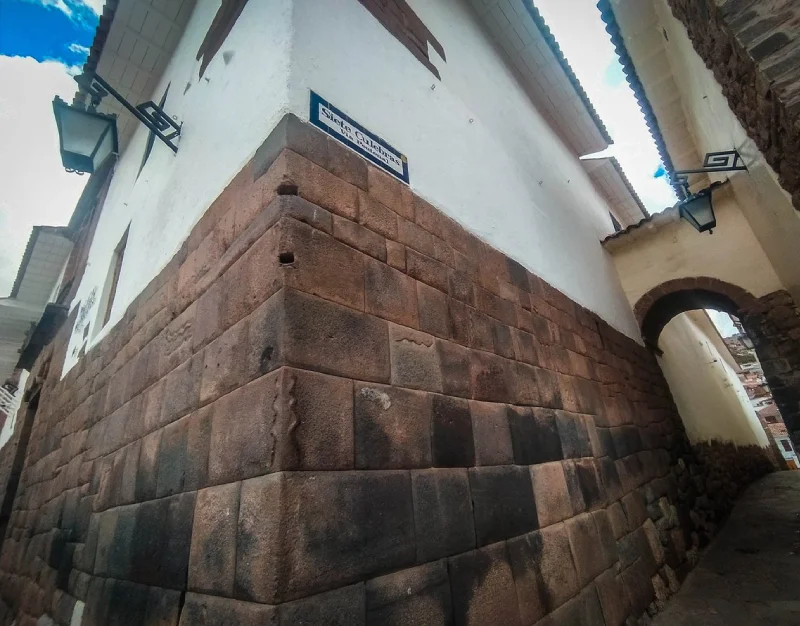
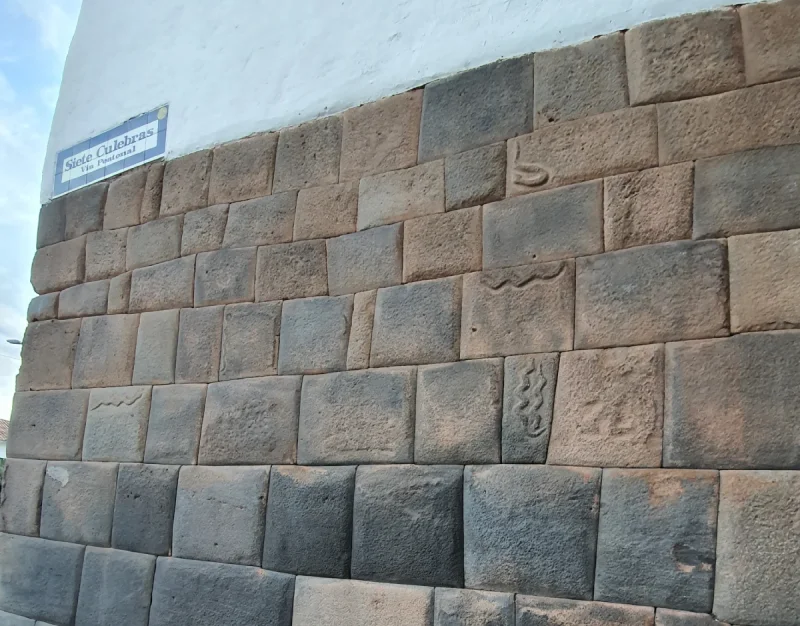
In Cusco, the serpent is not a hidden or isolated symbol. It is present in the very heart of the city. In the Inca stone walls of the historic center, in ceremonial spaces such as Qoricancha, and along emblematic streets like Seven Snakes Street, the serpent appears carved in stone as a silent sign of wisdom and transformation.
Visitors can also see this symbolism along Loreto Street, where perfectly fitted Inca walls convey a strong sense of flow and continuity linked to the serpent. For the Incas, this animal represented inner knowledge, transformation, and the energy that moves beneath the visible world.
The serpent does not always appear in an obvious form. In many cases, the Incas suggested its presence through subtle stone reliefs, wall patterns, or the way different spaces connect with each other. This approach reflects an Inca belief that true wisdom does not demand attention, but reveals itself to those who observe carefully and walk through Cusco with respect.
The Sun as the Center of the Inca Universe
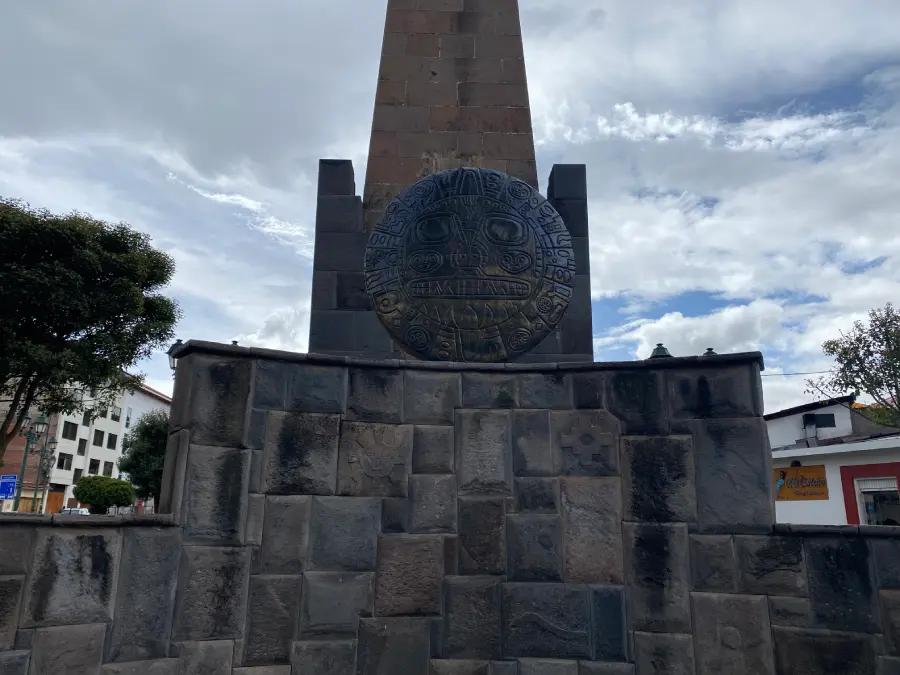
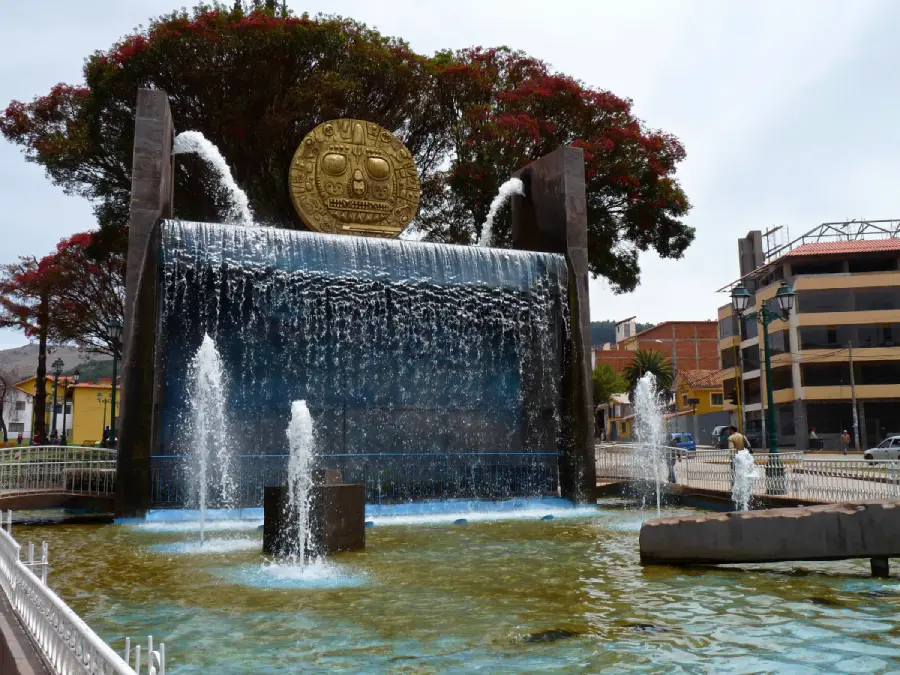
The Sun, known as Inti, played a central role in the Inca world. Travelers can clearly see its influence in both Cusco and Machu Picchu. In Cusco, the Incas built Qoricancha as the most sacred temple dedicated to the Sun and once covered its walls with gold sheets that reflected sunlight.
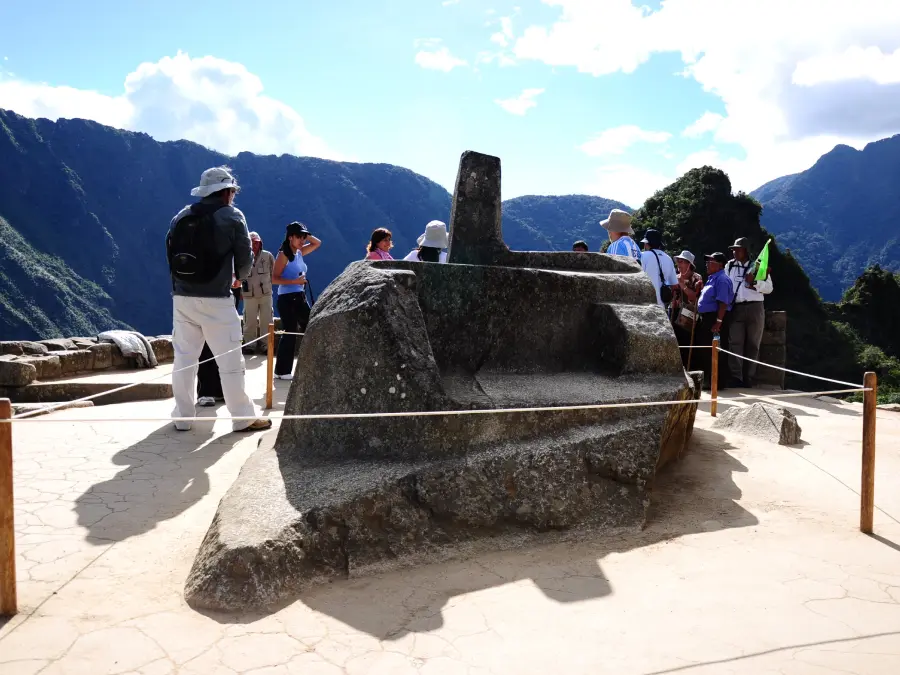
In Machu Picchu, the Temple of the Sun and the Intihuatana stone show how the Incas aligned their architecture with solar movements, especially during the solstices. These structures served both astronomical and ceremonial purposes and reveal that the Incas planned every detail with intention.
The Condor and the Connection to the World of the Gods
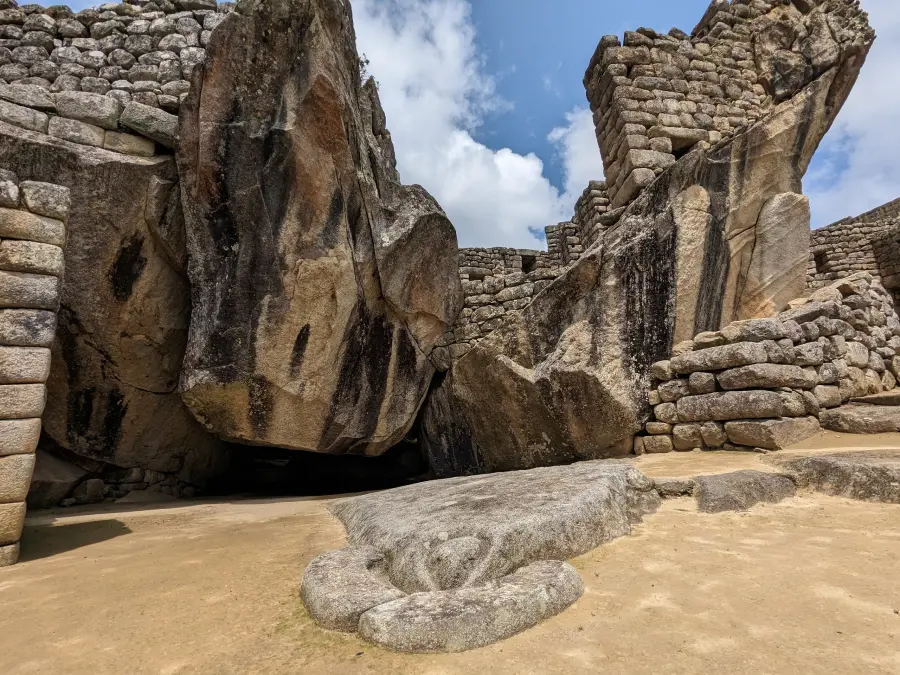
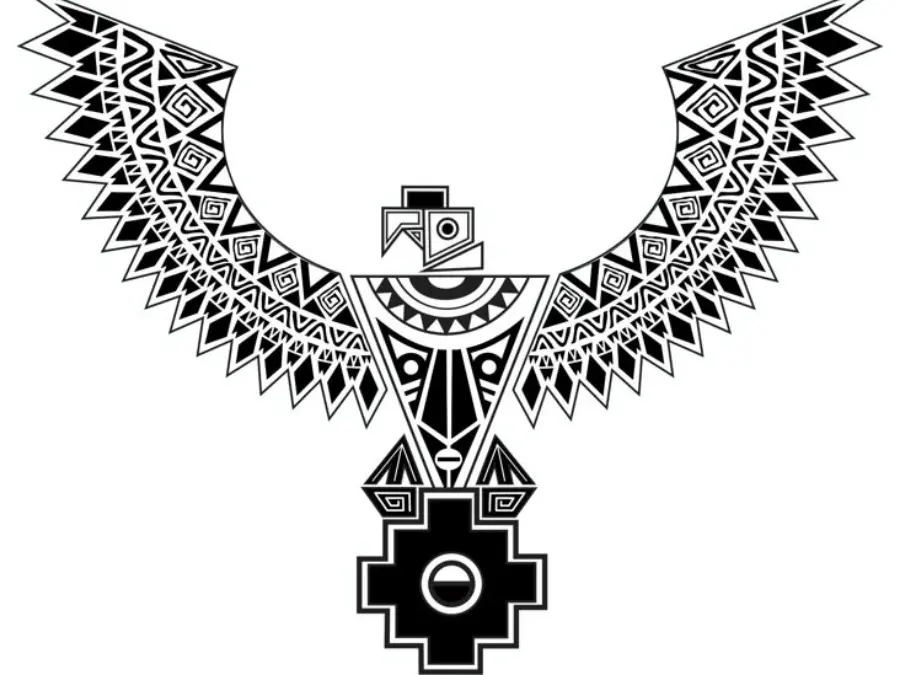
One of the most symbolic spaces in Machu Picchu is the Temple of the Condor. Here, carved stones and natural rock formations create the silhouette of a condor with outstretched wings.
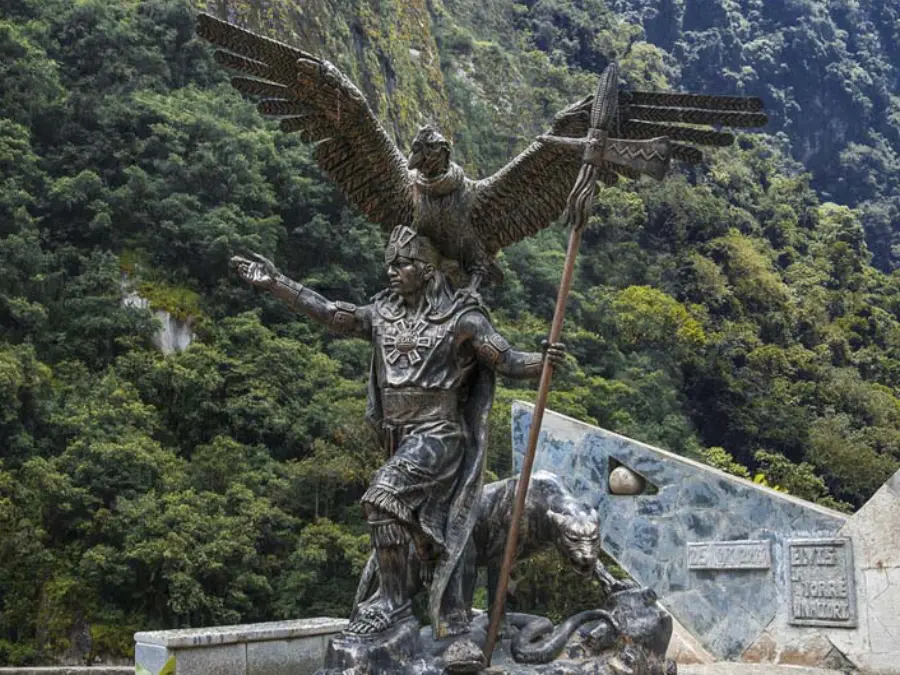
For the Incas, the condor was the messenger between the human world and the divine world. Its presence reinforces the idea that Machu Picchu was not only a city, but a deeply spiritual ceremonial center.
Mountains as Living Deities
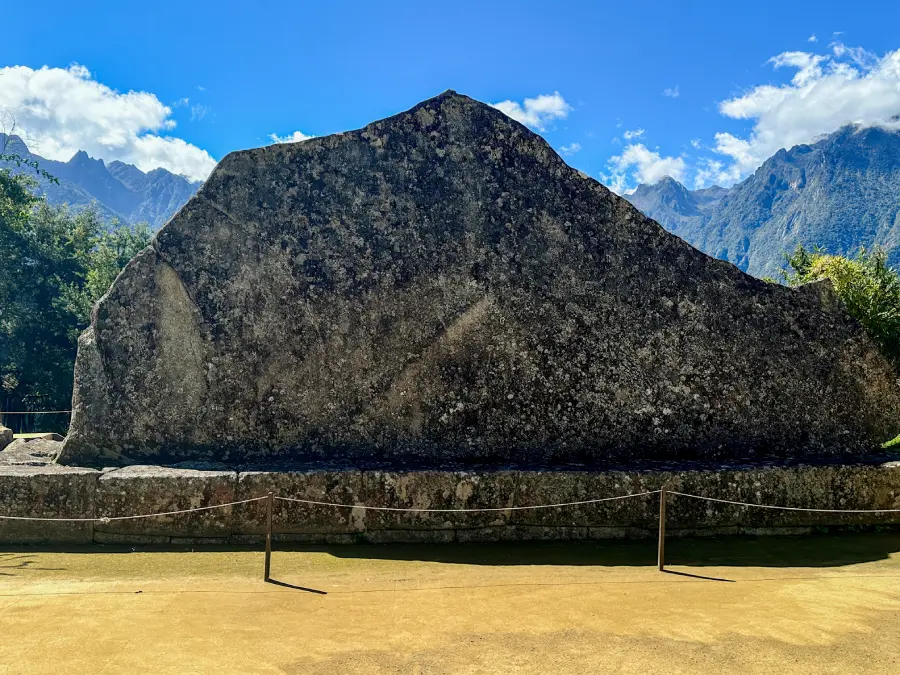
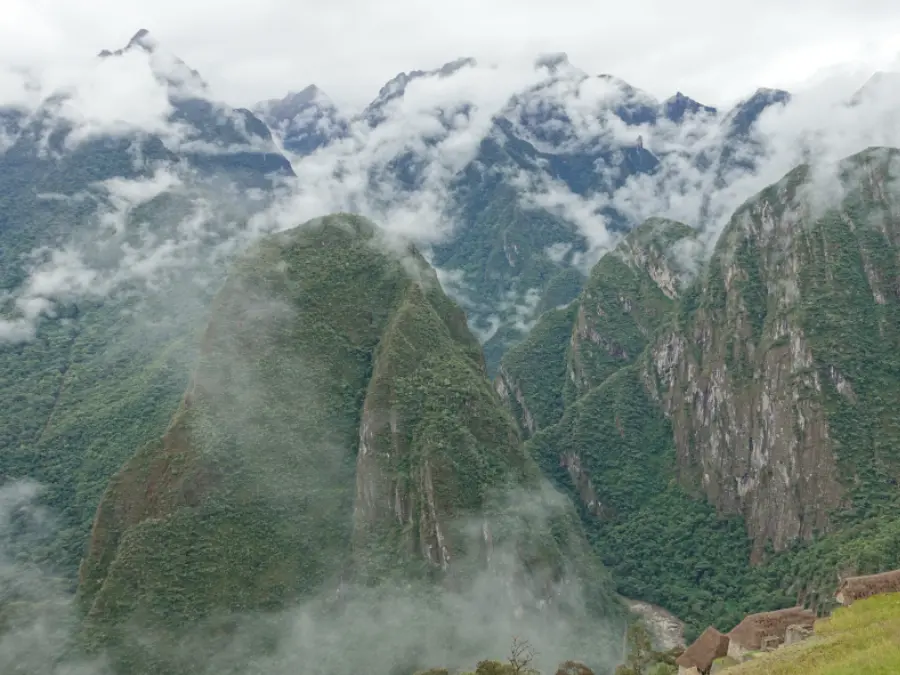
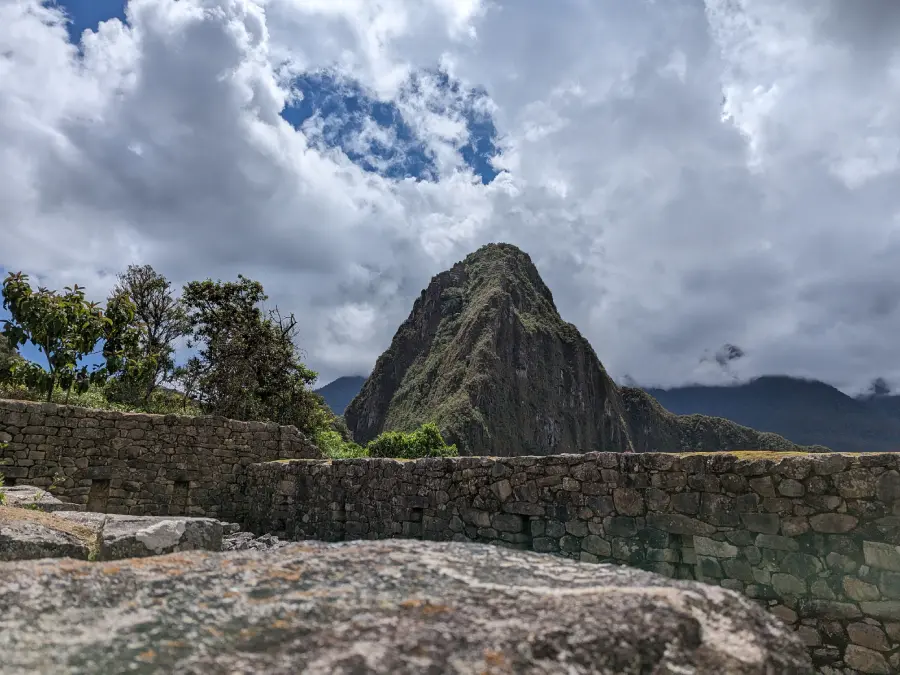
The Incas did not see mountains as simple geographic features. They believed mountains were apus, living protective spirits. In Machu Picchu, this sacred relationship is especially strong with mountains such as Apu Machu Picchu, Apu Huayna Picchu, and Apu Putucusi, all considered guardians of the sanctuary.
The Sacred Rock was carved to mirror the surrounding mountain profiles, integrating the natural landscape into the spiritual design of the site. Architecture and nature speak to each other, reflecting the Andean belief that mountains were alive and present.
This deep connection between stone, mountain, and spirituality is one of the most fascinating aspects of the Andean worldview and remains visible to travelers who explore Machu Picchu with an attentive eye.
The Chakana and Balance in the Andean World
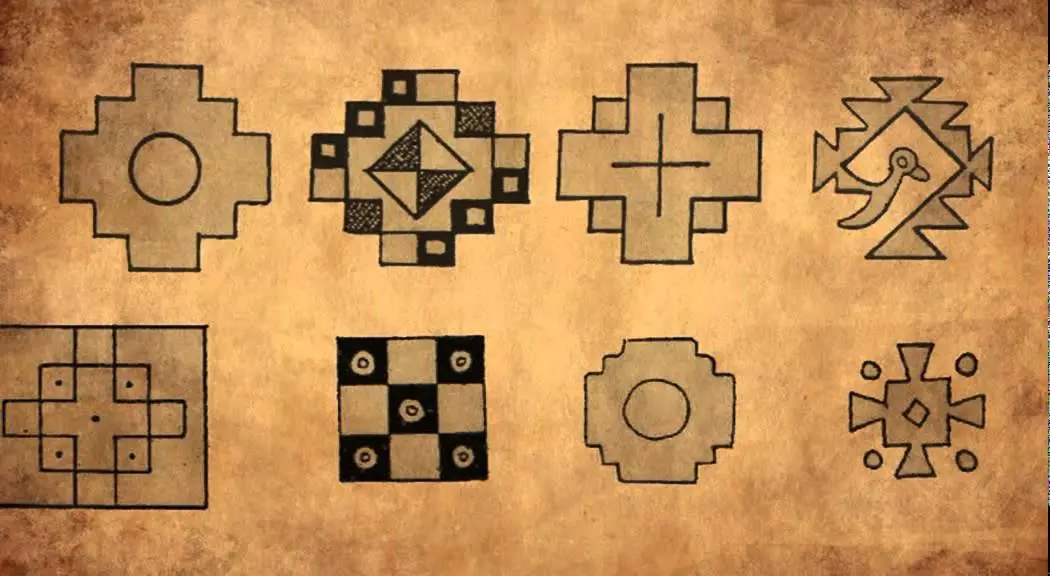
The Chakana, also known as the Andean Cross, does not always appear carved in stone, but Inca design expresses its meaning throughout architecture and urban planning. The Incas reflected this concept in the organization of spaces, the arrangement of terrace levels, and the symbolic division of their universe into three worlds: the upper world, the earthly world, and the inner world.
Visitors can feel this sense of balance in both Cusco and Machu Picchu. In these places, every space fulfills a clear ceremonial, agricultural, or social role within a single and harmonious cosmic order.
The Llama, a Living Symbol of the Andes
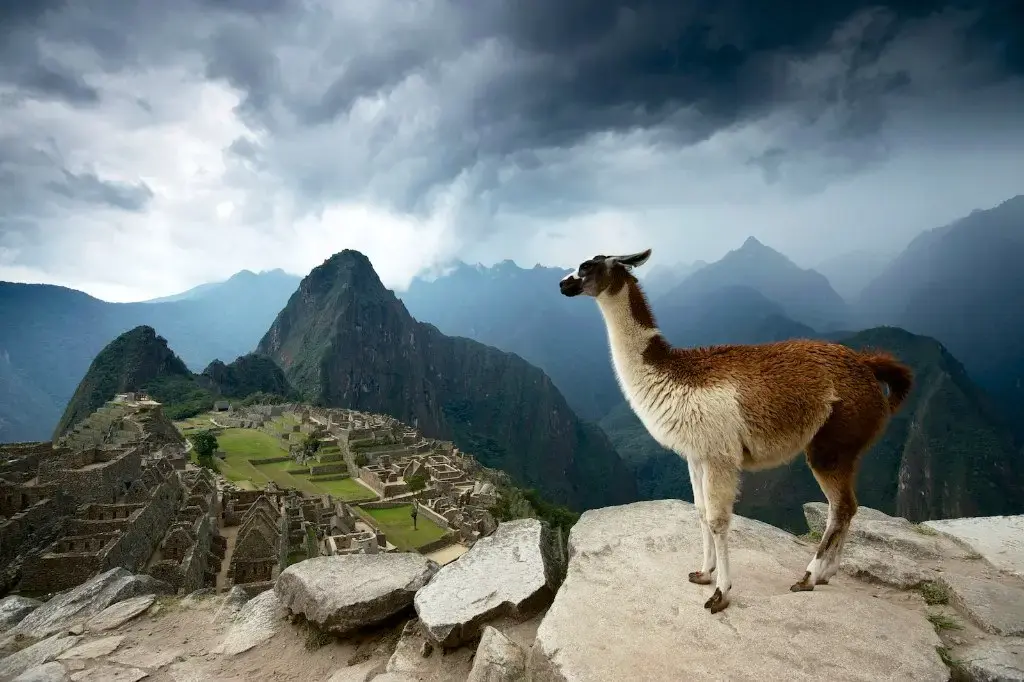
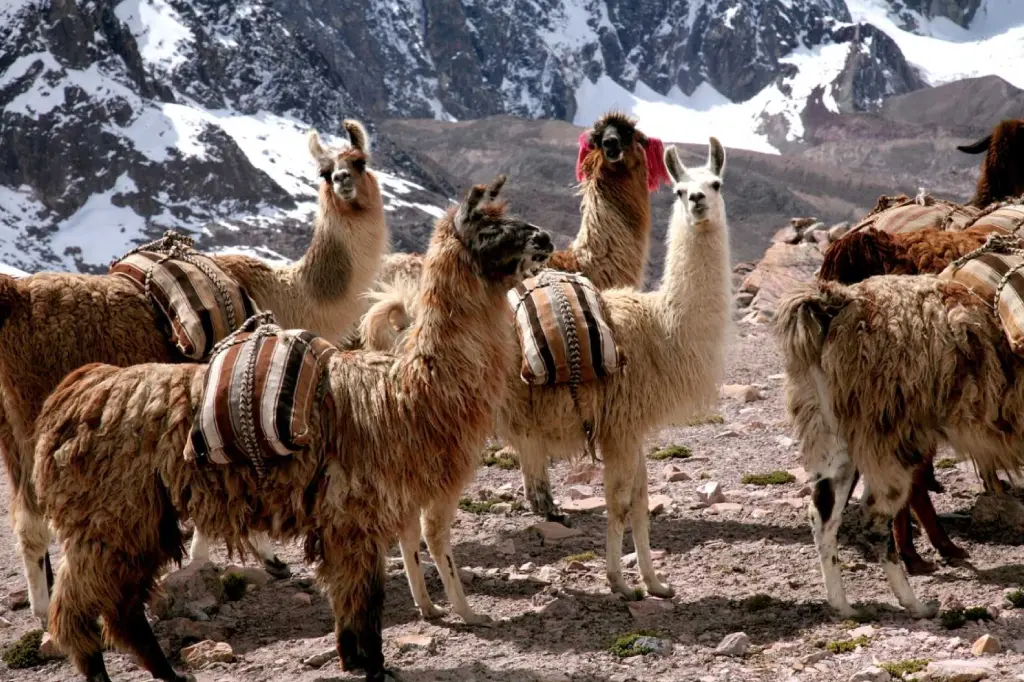
Unlike other symbols preserved in stone, the llama remains a living presence in the Andes. In Machu Picchu, llamas walk freely among the terraces, reminding visitors of their importance in Inca daily life. They represented sustenance and work, and they were also the primary form of transportation in the Inca Empire.
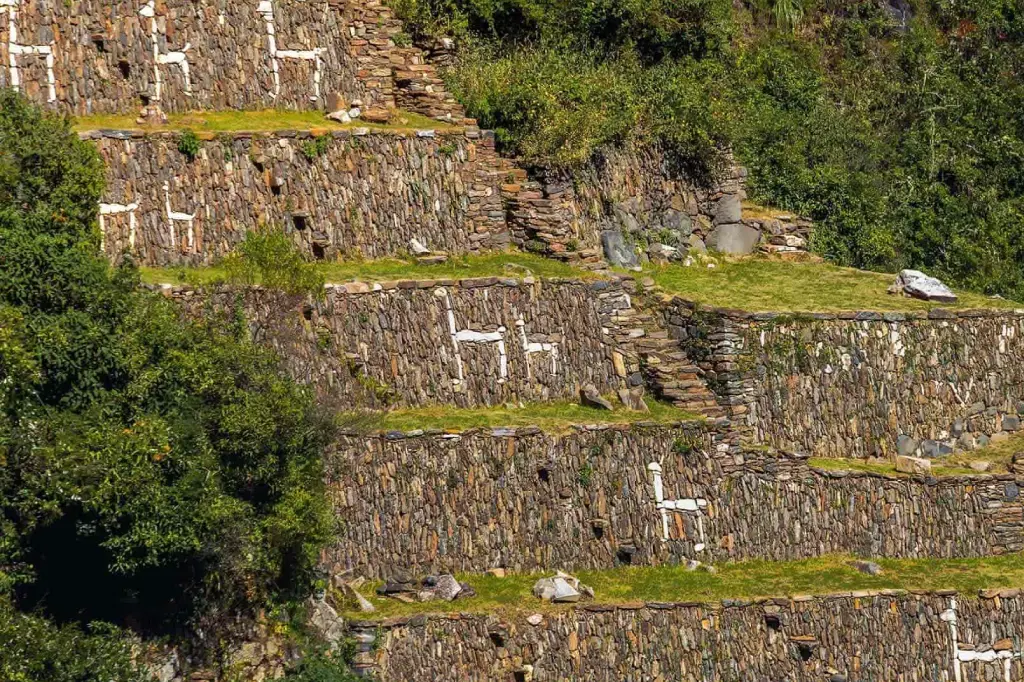
Llamas were essential for carrying food, textiles, and ceremonial objects across the Andean road system. Their symbolic value is also visible in major Inca sites such as Choquequirao, where llama figures appear integrated into ceremonial terraces and architectural design.
Today, the llama connects the ancient Inca world with the modern Andes, keeping a living tradition alive.
A Journey That Is Understood, Not Just Visited
Cusco and Machu Picchu are not isolated destinations. They are chapters of the same story, revealed to travelers who take time to observe, listen, and understand. Every stone, mountain, and urban design carries meaning beyond what is visible.
At Dreamy Tours, we believe that the true journey begins when you understand what you are seeing. That is why we design travel experiences that allow visitors to discover not only Peru’s most iconic destinations, but also the symbolic language the Incas left behind for those willing to truly look.
Contact Us:
For more information, please contact us DREAMY TOURS, we will be happy to answer all your questions about Peru, Bolivia and Chile.
We specialize in tours and travel packages as a Travel Agency. If you need information, please contact us.
We offer tours, excursions – Peru – Bolivia – Chile: