Search the blog
Tabla de contenidos
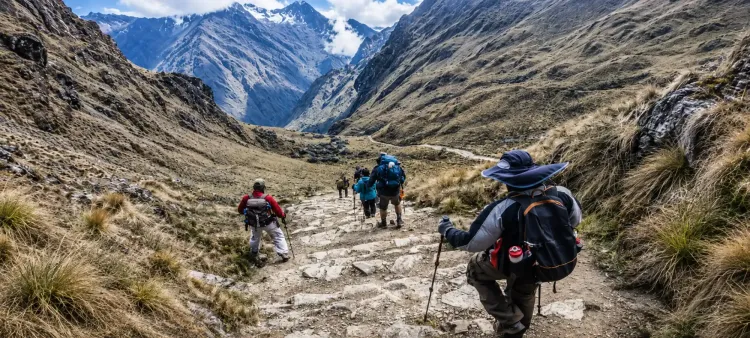
The Inca Trail altitude is one of the most important factors to understand before hiking to Machu Picchu. Along the Classic Inca Trail, travelers cross valleys, mountain passes and different ecosystems, with significant changes in elevation throughout the four-day trek.
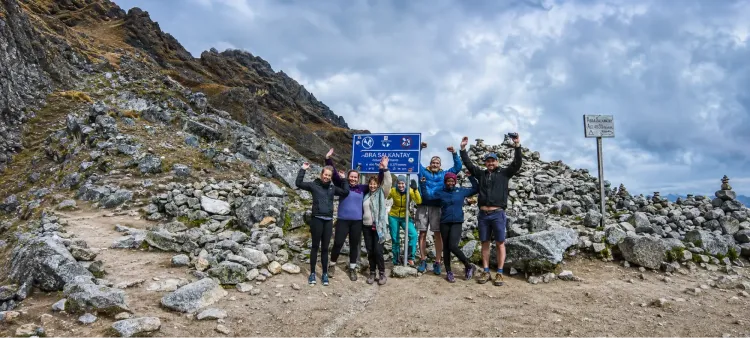
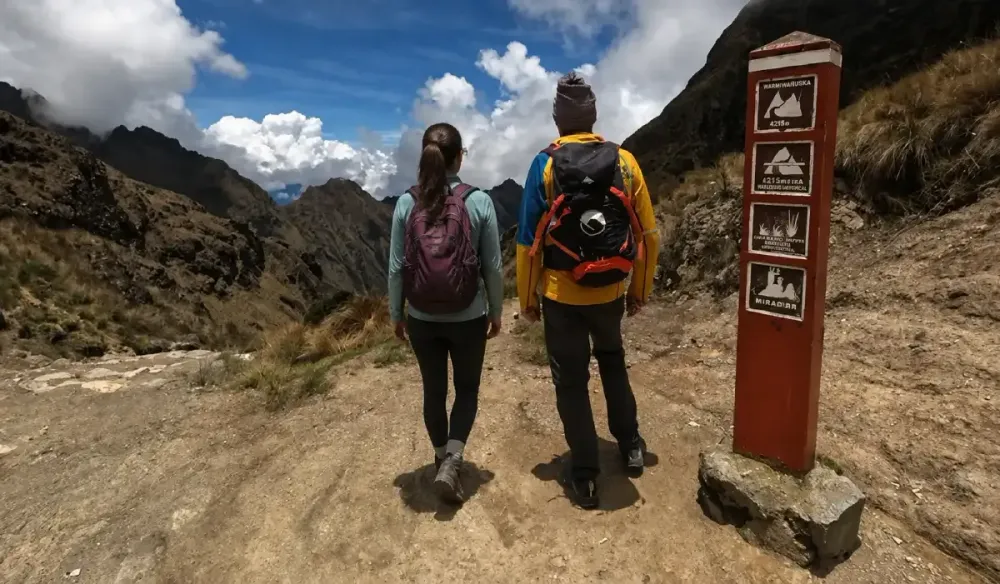
The highest point on the Inca Trail is Warmiwañusca, better known as Dead Woman's Pass, at approximately 4,200 meters (13,780 feet) above sea level. Reaching this mountain pass involves several hours of uphill hiking and is usually one of the most physically demanding parts of the route.
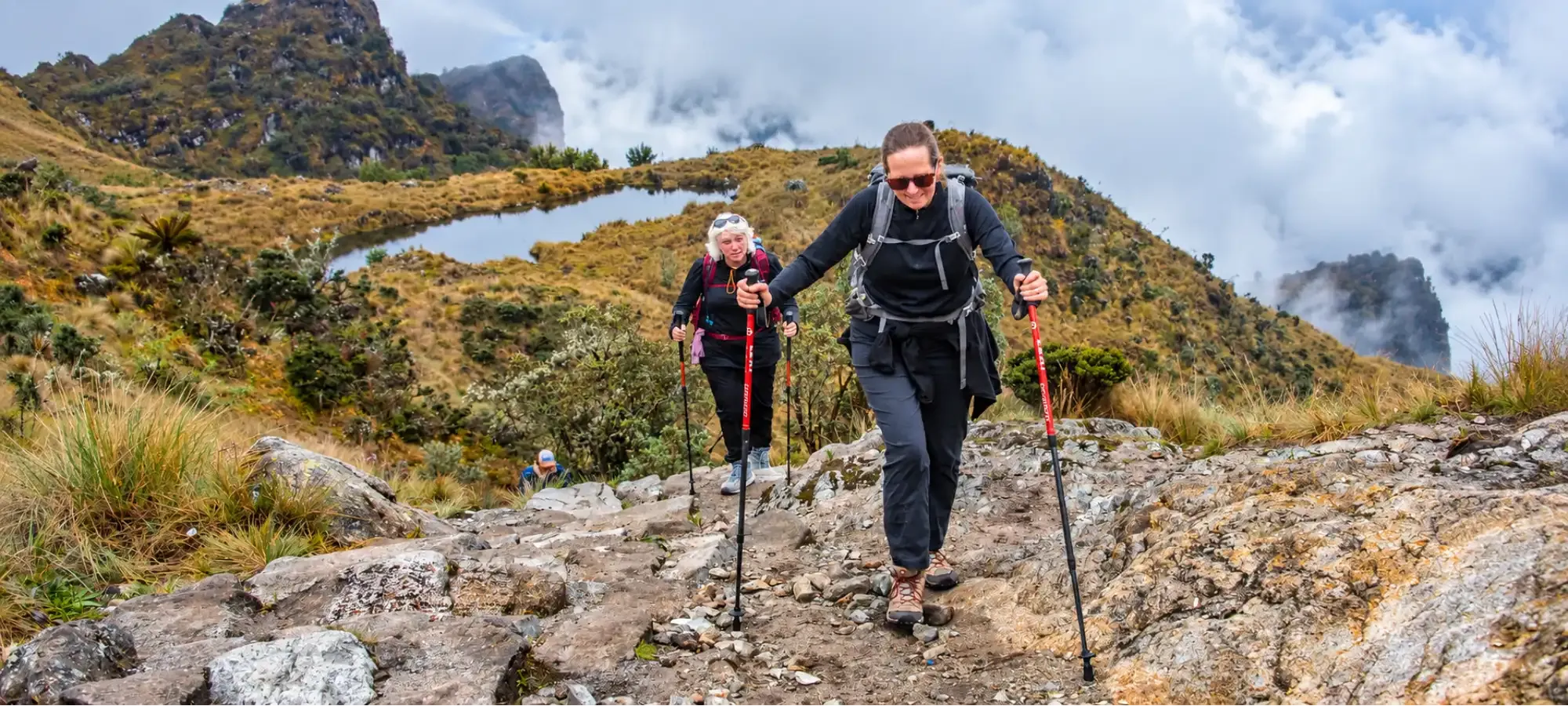
However, altitude alone does not determine how difficult the trek feels. Long climbs, stone stairways, descents and accumulated fatigue also play an important role.
If you are preparing for the trek, we recommend reading how to train for the Inca Trail, where we explain how to build hiking endurance, leg strength and confidence on hills and stairs.
You can also read Inca Trail difficulty to understand what level of effort to expect each day.
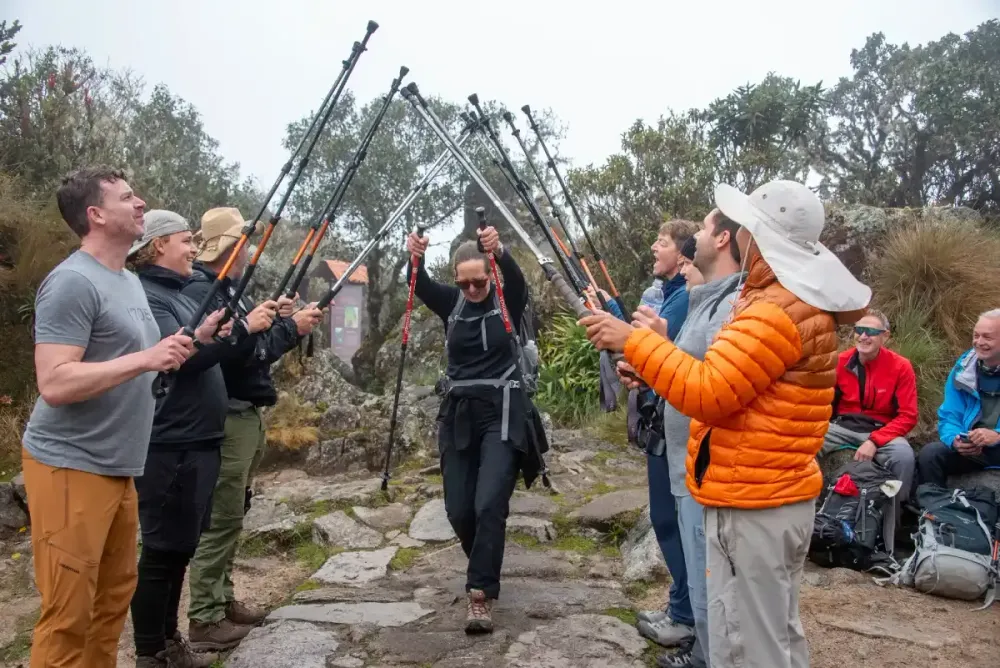
What is the highest altitude on the Inca Trail?
The maximum altitude of the Classic Inca Trail is reached at Dead Woman's Pass, at approximately 4,200 meters.
Travelers reach this point during the second day of the trek, and it is generally considered one of the toughest sections of the entire route.
During our Classic Inca Trail 4 Days, the challenge is not simply standing at 4,200 meters. You have to gain elevation gradually during a long uphill section, so your walking pace will usually become slower as you climb.
At Dreamy Tours, we recommend maintaining a steady pace, taking breaks when needed and managing your energy from the beginning. The goal is not to reach the pass first. It is to complete the day comfortably and still have energy for the rest of the trek.
You can learn more about this section in Dead Woman's Pass: the highest point of the Inca Trail.
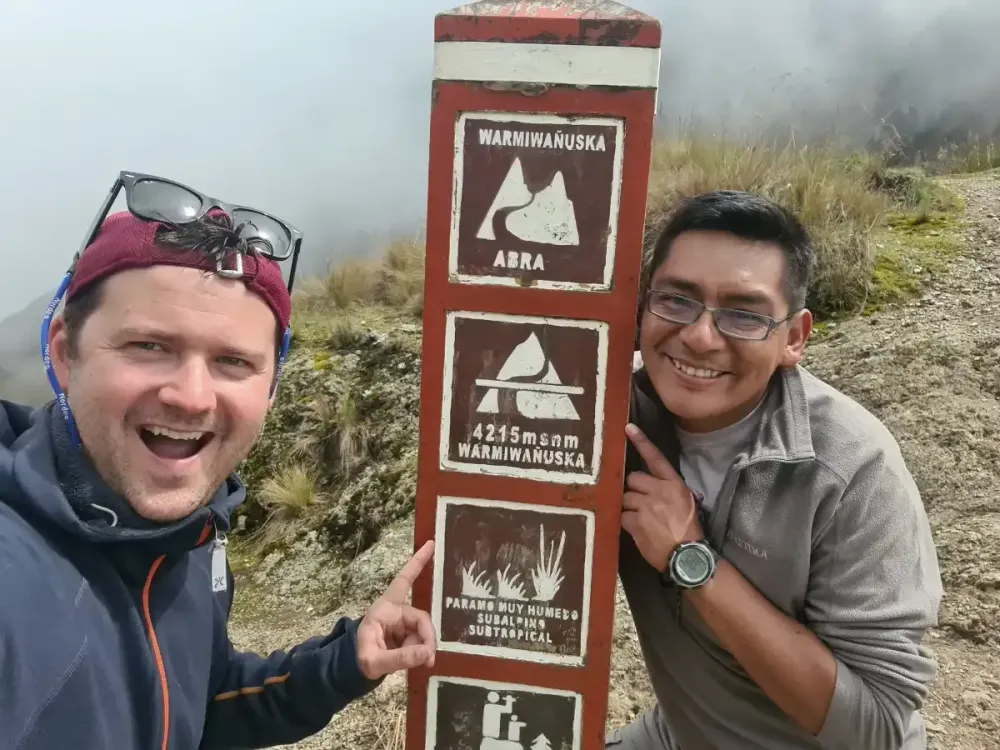
Main elevations on the Classic Inca Trail
The Inca Trail does not remain above 4,000 meters throughout the trek. One of the most interesting characteristics of the route is how dramatically the elevation and scenery change.
Some of the main points include:
- Km 82: traditional starting point of the Classic Inca Trail.
- Wayllabamba: part of the gradual climb during the first stage.
- Dead Woman's Pass: approximately 4,200 m / 13,780 ft.
- Runkurakay Pass: approximately 3,970 m / 13,025 ft.
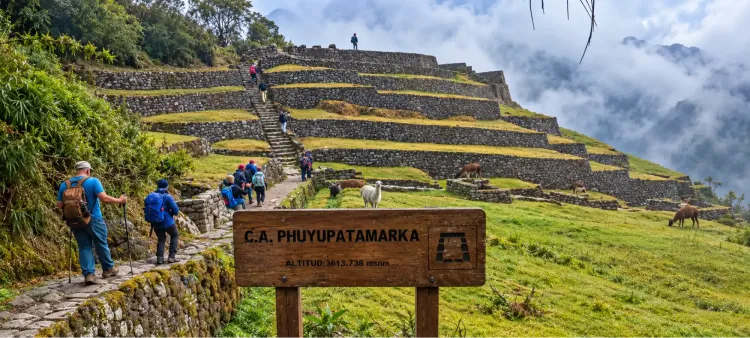
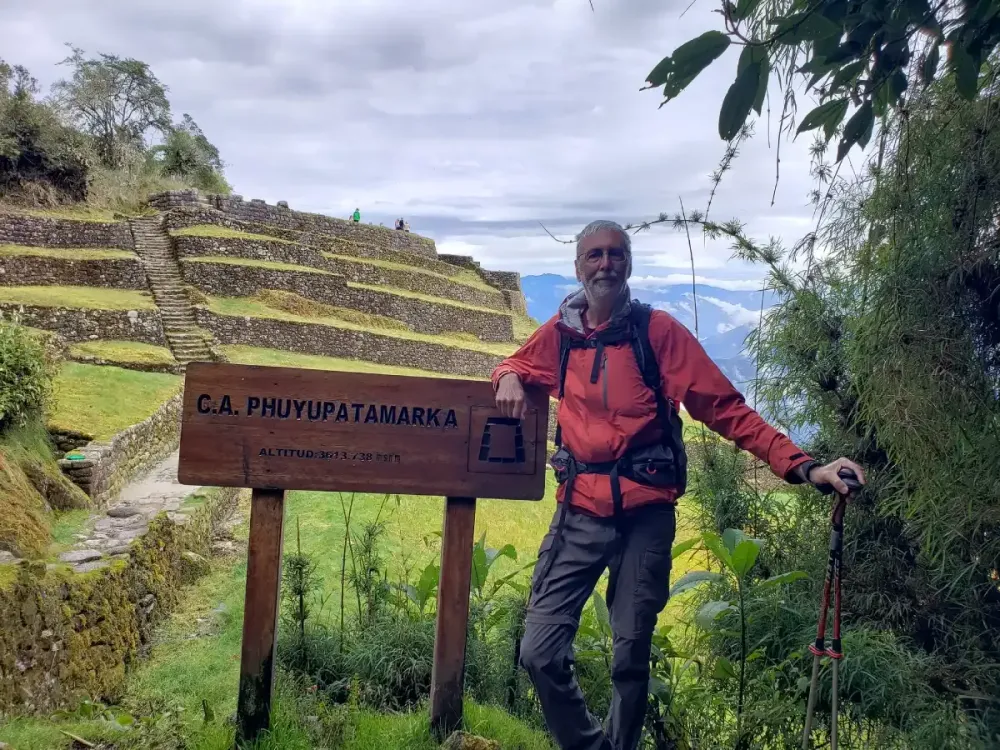
- Phuyupatamarca: a high archaeological area before the descent.
- Wiñay Wayna: lower, greener and more humid surroundings.
- Inti Punku: the historic Sun Gate.
- Machu Picchu: the final destination of the trek.
This means your body is not simply climbing continuously toward one high point. You will climb, descend and gain elevation again during different stages.
These repeated elevation changes are a major part of the Inca Trail difficulty.
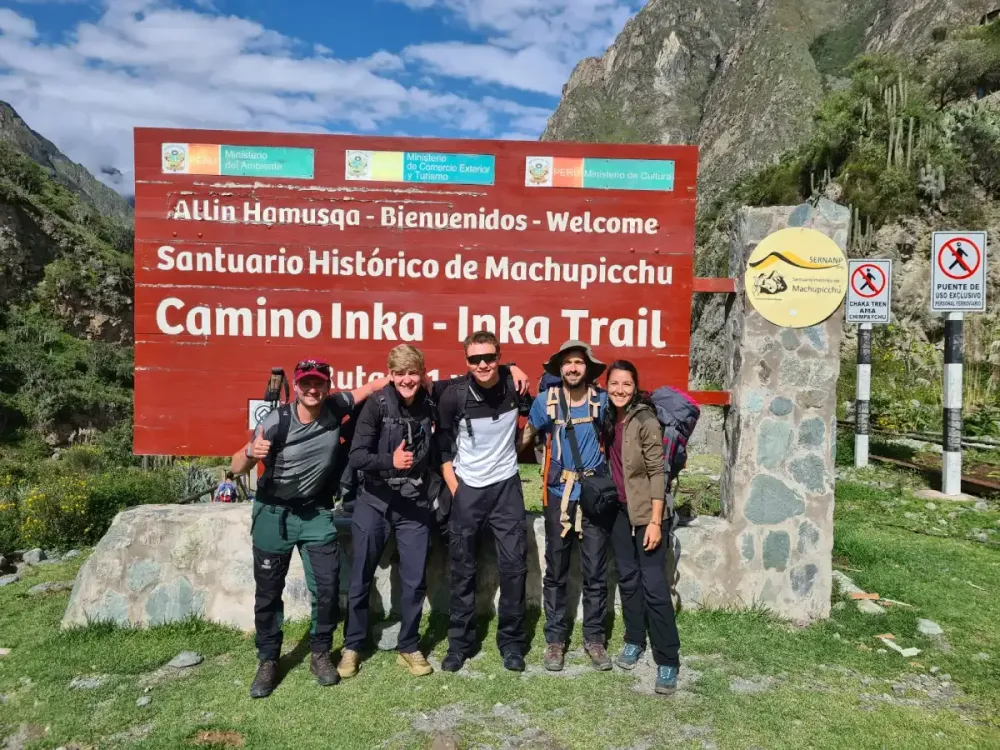
Day 1: gradual elevation gain
During the first day of our Classic Inca Trail 4 Days, we begin at Km 82 and gradually climb toward higher sections of the route.
This first day gives your body time to adjust to the hiking pace and changing altitude before facing the main mountain pass the following day.
Although you are not yet reaching extreme elevation, we recommend starting at a comfortable pace and avoiding the temptation to use too much energy during the first few hours.
The Inca Trail is a multi-day journey, and managing your energy from the beginning can make a significant difference.
Day 2: Dead Woman's Pass and the highest point
Day 2 brings the greatest challenge related to Inca Trail elevation.
The climb toward Dead Woman's Pass takes you to approximately 4,200 meters. At this altitude, it is normal for walking to feel slower, and even travelers with good fitness may need more frequent breaks.
Being fit certainly helps, but altitude changes how the body responds to physical effort.
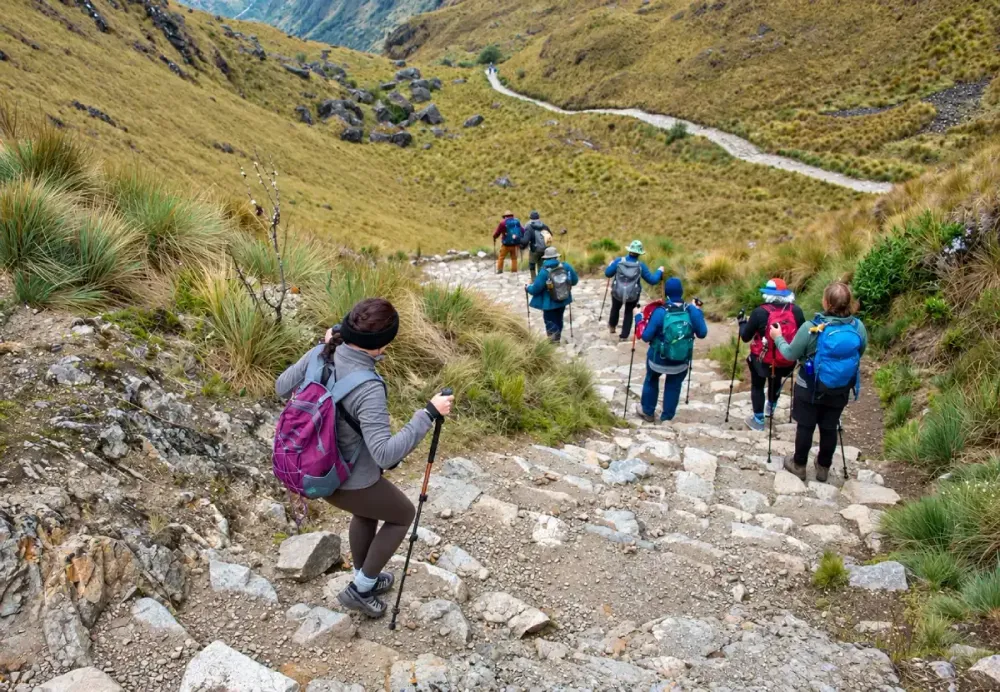
Once you reach the pass, the day's challenge is not over. A long descent follows, and your legs still have several hours of work ahead.
This is why we explain in Inca Trail difficulty that the challenge comes from a combination of elevation, climbing, descending and total hiking time.
Day 3: lower altitude, but the effort continues
After crossing Dead Woman's Pass, the trail gains elevation again toward Runkurakay Pass, at approximately 3,970 meters.
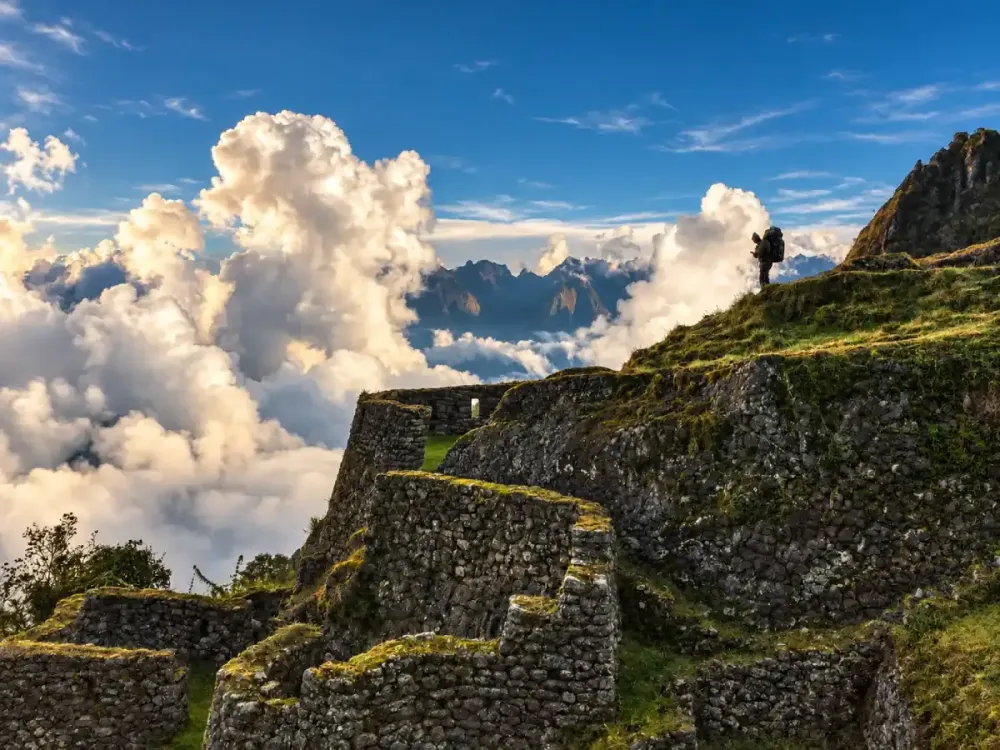
The route then continues through archaeological sites such as Sayaqmarka and Phuyupatamarca before gradually descending toward Wiñay Wayna.
Although the highest point of the Inca Trail is already behind you, Day 3 can still be demanding.
There are several climbs and descents, along with long sections of original Inca stone stairways. After two days of trekking, tired legs can make these sections feel more intense than expected.
That is exactly why we recommend including stairs, hills and downhill walking in your preparation. Our guide how to train for the Inca Trail includes practical advice for preparing your legs for these conditions.
Day 4: descending toward Machu Picchu
On the final day, altitude is no longer the main challenge.
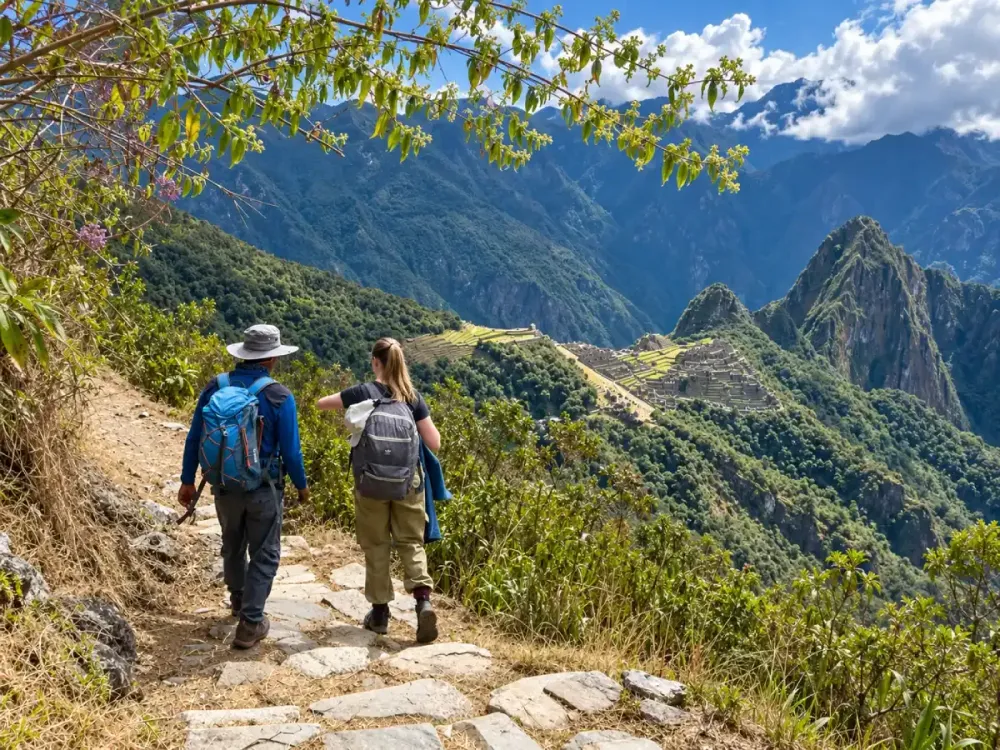
From the Wiñay Wayna area, the trail continues toward Inti Punku, the Sun Gate, before descending to Machu Picchu.
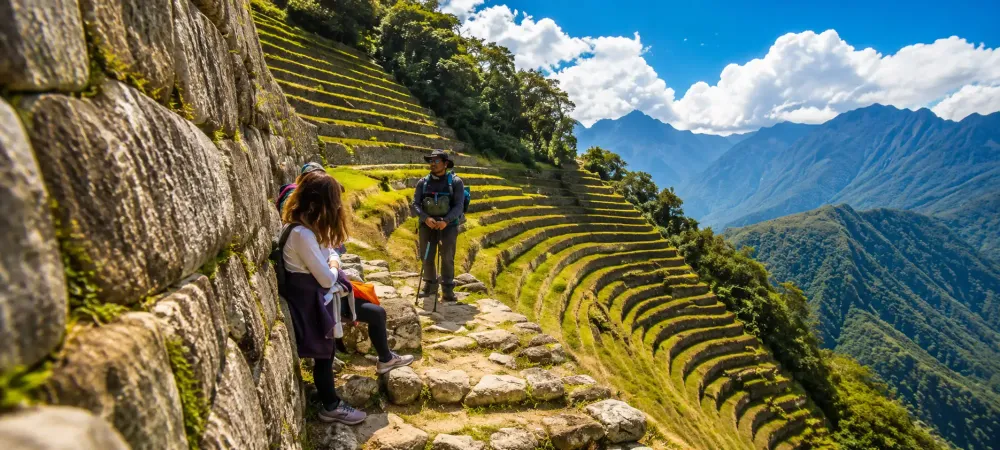
The environment also changes considerably as elevation decreases. The high Andean landscapes of the earlier days gradually give way to greener and more humid cloud forest.
Experiencing these different ecosystems is one of the reasons the Classic Inca Trail feels so varied. Within only a few days, you move from high mountain environments to lush vegetation before reaching Machu Picchu.
Does Inca Trail altitude affect everyone the same way?
No.
Two travelers with similar fitness levels can react very differently to elevation. Even someone who exercises regularly may notice that they need to walk more slowly above 3,500 or 4,000 meters.
That is why it is important to separate two ideas.
Physical preparation helps you handle long hiking days, climbs, descents and stairs.
Acclimatization gives your body time to adjust gradually to higher elevations.
Being physically fit is extremely useful, but fitness does not replace acclimatization.
If you are still preparing for your trip, read how to train for the Inca Trail for practical guidance on hiking, stairs, elevation training and endurance.
For information specifically about symptoms and adapting to altitude, we also recommend altitude sickness on the Inca Trail.
How many days should you acclimatize before the Inca Trail?
There is no exact number of days that works equally well for every traveler.
At Dreamy Tours, we recommend avoiding a schedule where you arrive in Cusco from a low-altitude destination and immediately begin the Inca Trail.
Spending some time in Cusco or the Sacred Valley before the trek gives your body a more gradual transition before several days of hiking.
Rest, hydration and arriving at the trail well recovered are also important parts of preparation.
Acclimatization is not simply about being physically present in Cusco. The goal is to give your body enough time to adjust before demanding several hours of activity at higher elevations.
Does the Short Inca Trail reach the same altitude?
No.
The Short Inca Trail 2 Days begins at Km 104 and follows the historic route through Chachabamba, Wiñay Wayna, Inti Punku and Machu Picchu.
This route avoids Dead Woman's Pass and the highest mountain sections of the Classic Inca Trail.
For travelers who want to hike an original section of the Inca Trail but prefer less exposure to high altitude, the short route can be an excellent alternative.
If you are deciding between both options, read 2 Day vs 4 Day Inca Trail to compare the routes in more detail.
Inca Trail altitude and difficulty: what really matters?
When travelers research Inca Trail altitude, the 4,200-meter elevation of Dead Woman's Pass naturally gets most of the attention.
But that number does not tell the whole story.
The real challenge comes from the combination of:
- High altitude.
- Several hours of hiking.
- Long uphill sections.
- Extended descents.
- Original Inca stone stairs.
- Temperature changes.
- Accumulated fatigue.
Understanding the elevation should help you prepare, not discourage you from doing the trek.
With gradual physical preparation, enough time to acclimatize and a comfortable hiking pace, most prepared travelers can enjoy the journey much more confidently.
Prepare for the altitude of the Inca Trail
The Classic Inca Trail crosses several elevations before reaching Machu Picchu, with Dead Woman's Pass representing both the highest point on the Inca Trail and one of its most memorable physical challenges.
If you want the complete trekking experience, explore our Classic Inca Trail 4 Days.
To prepare properly, we also recommend reading Inca Trail difficulty, how to train for the Inca Trail and altitude sickness on the Inca Trail.
If you prefer a route that avoids the highest mountain passes, consider the Short Inca Trail 2 Days.
Once you have chosen your route and travel dates, check Inca Trail availability 2026 and 2027 and continue planning your trek to Machu Picchu.
Personal travel advice
Plan your trip with Dreamy Tours
Start a tailored journey with our exclusive tours and custom trips across Peru and other Latin American countries.